Chaetodon marleyi
White and grey butterflyfish with two dark bars, a Western Cape reef regular in 16.6 to 27C water, seen year-round.
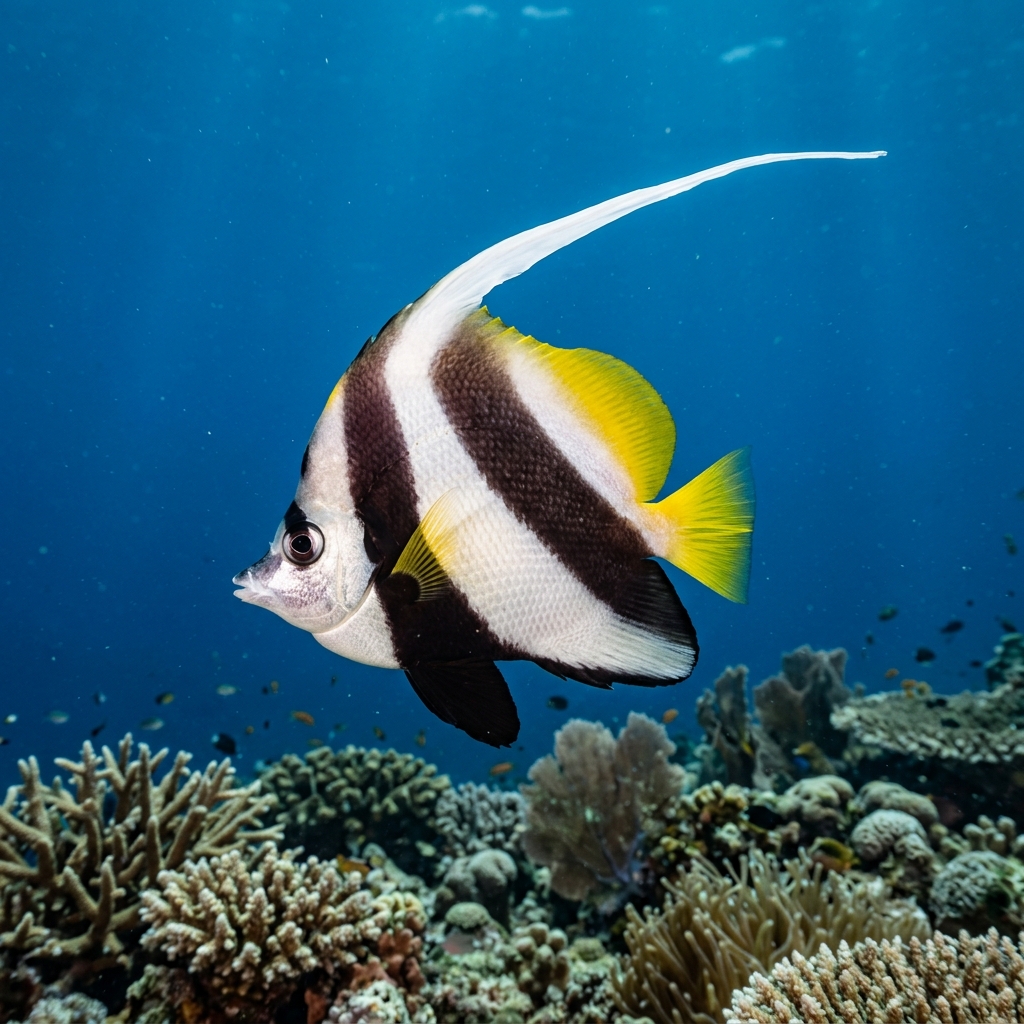
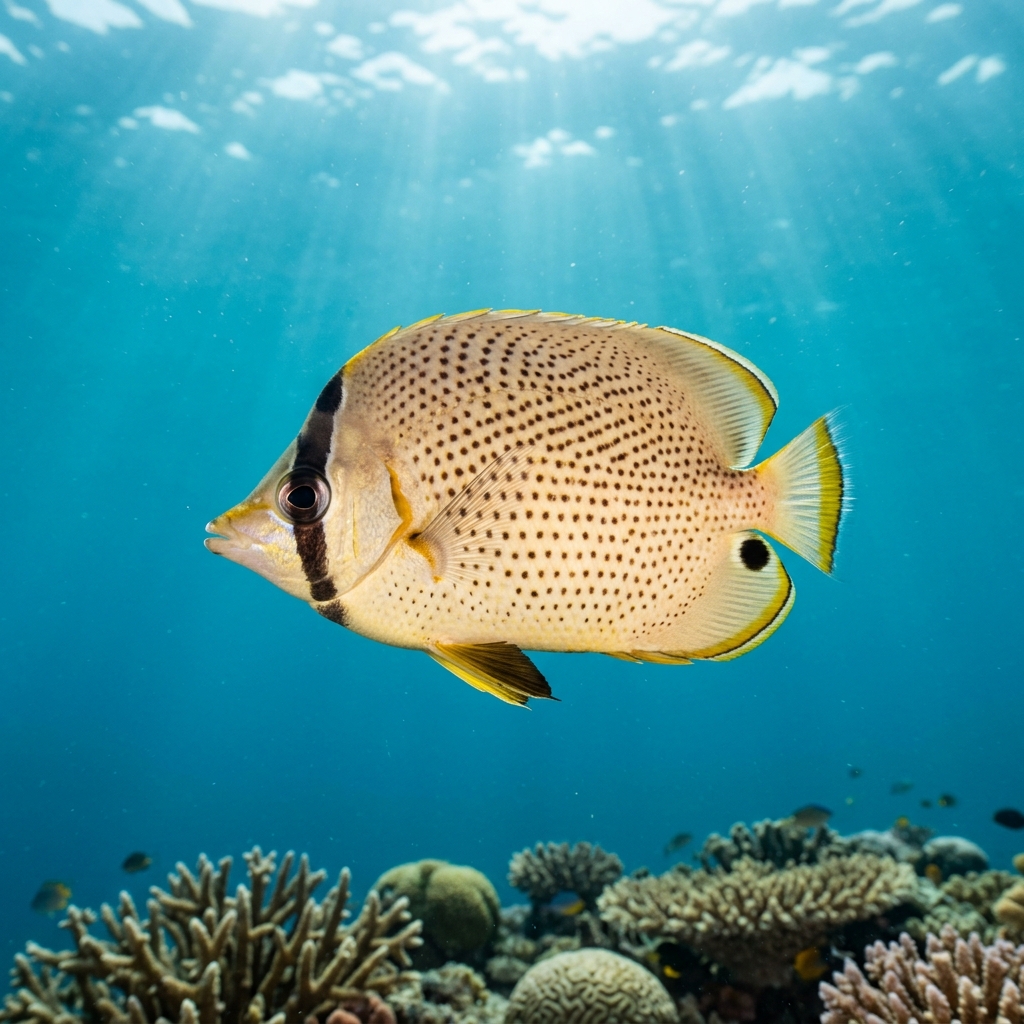
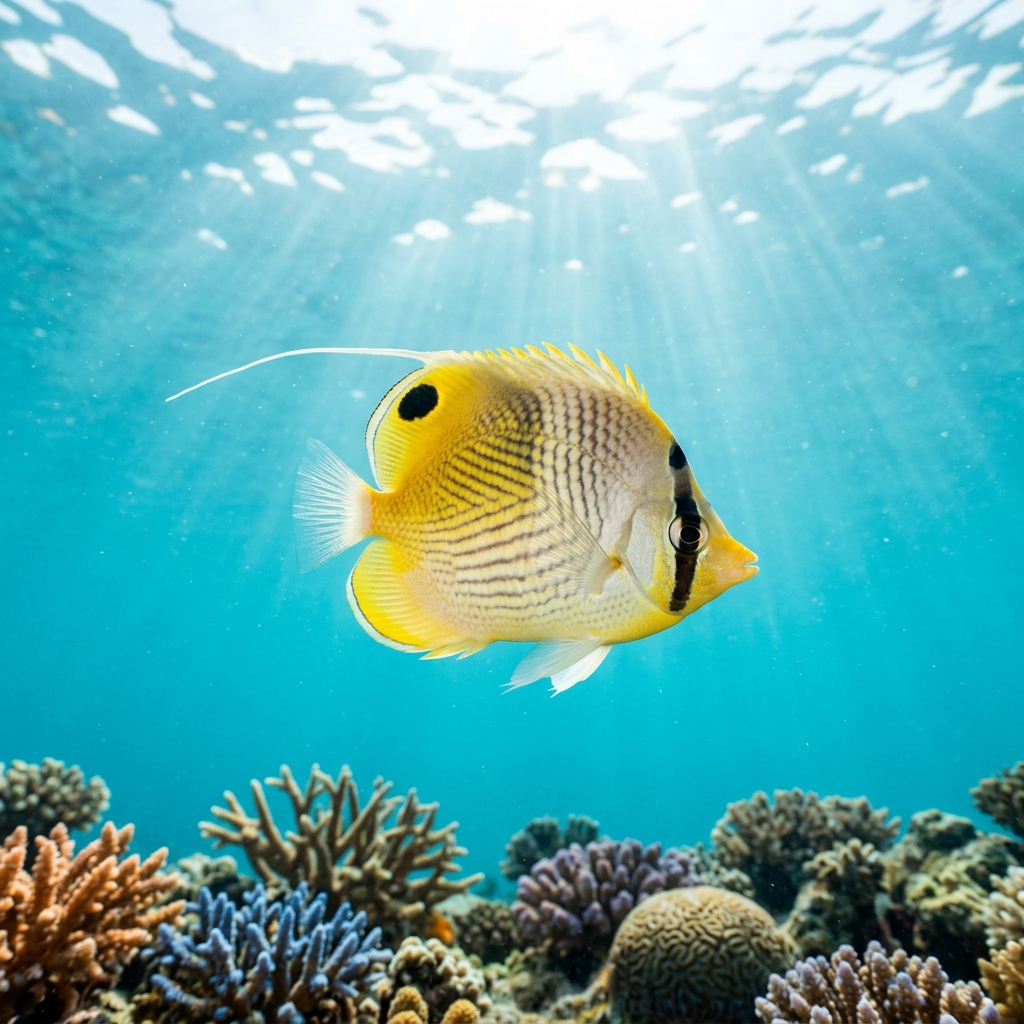
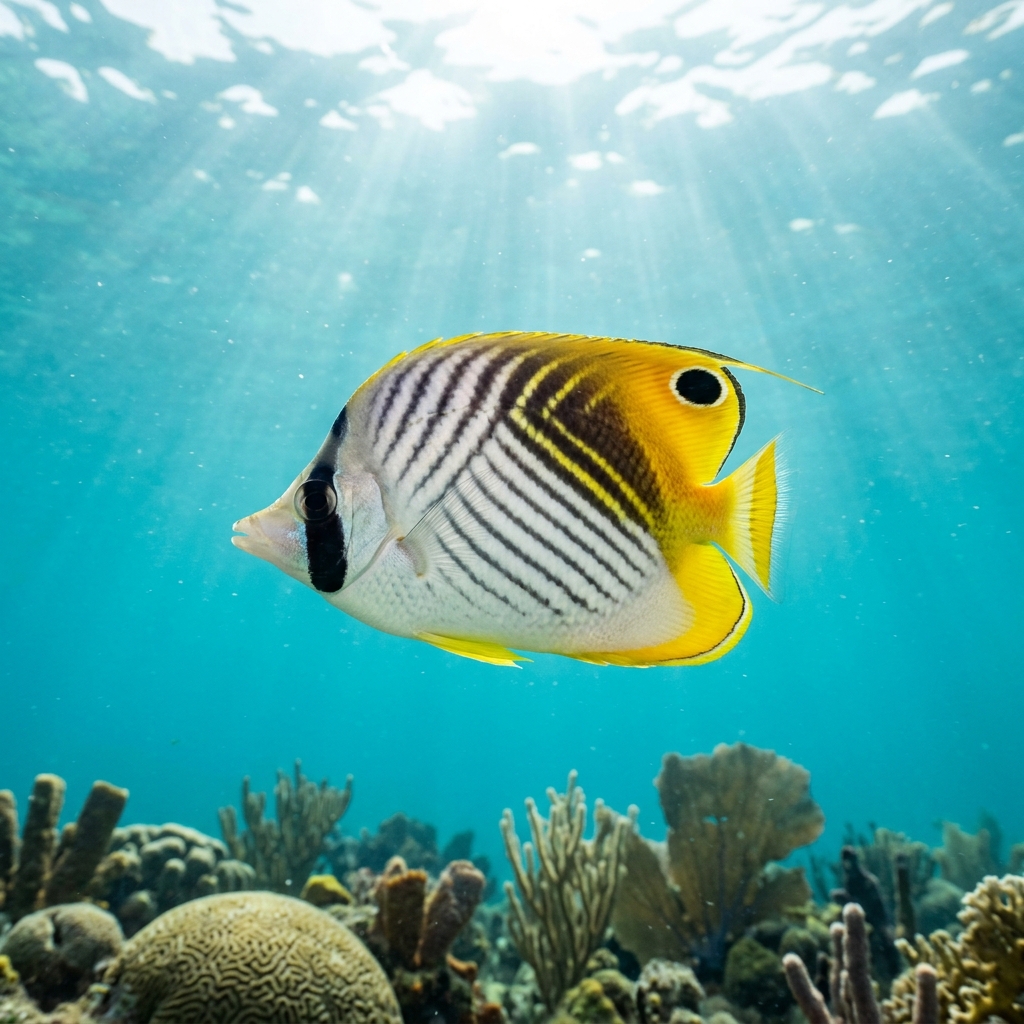
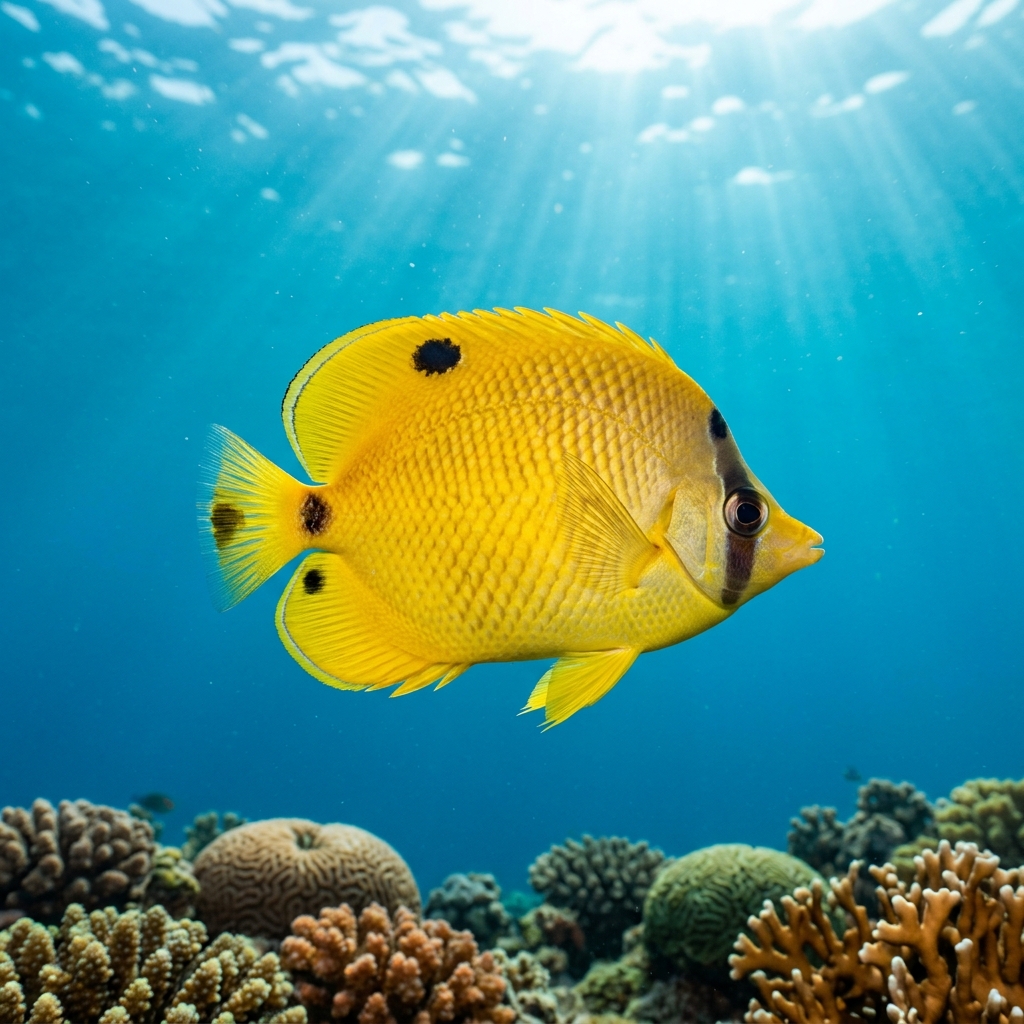
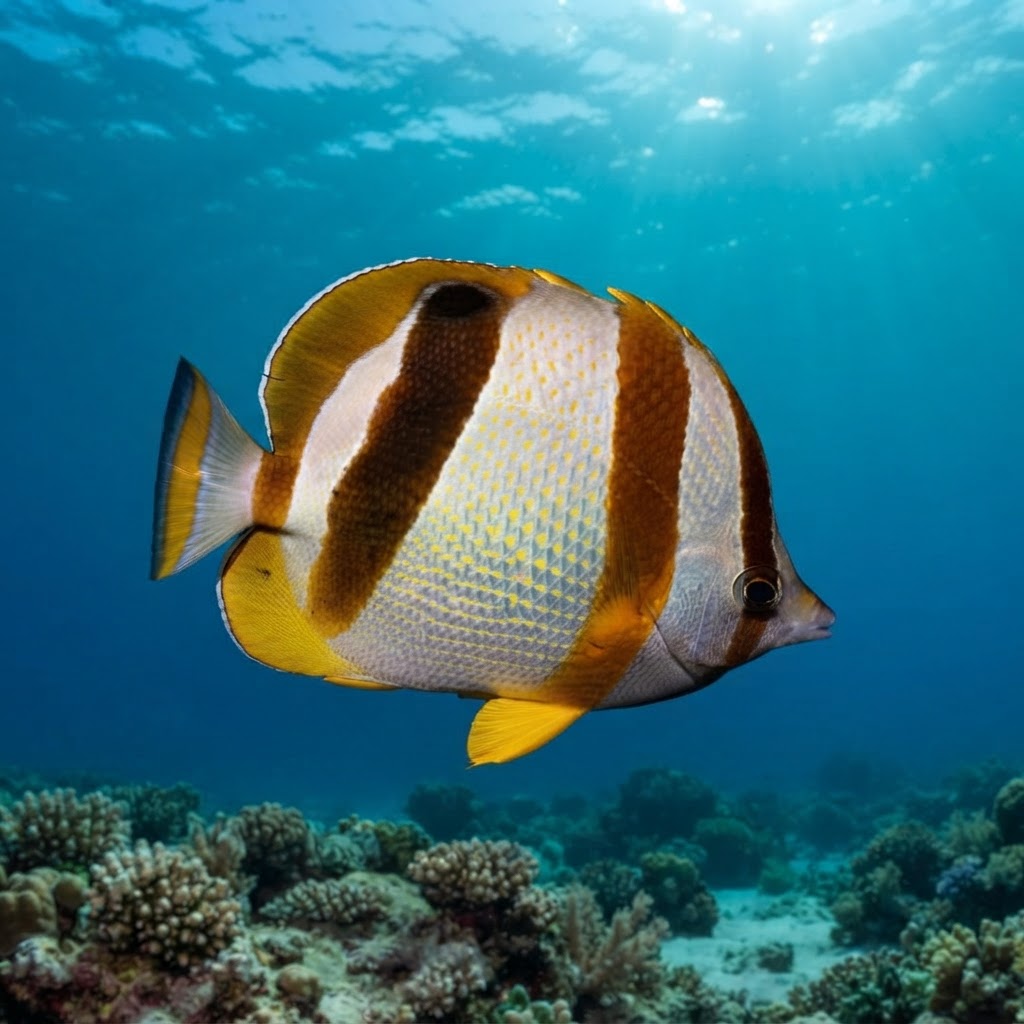
A pale grey to white body crossed by two broad dark bars, one through the eye and one through the mid-body, gives this fish its name. It sits at around 14 cm, with the classic compressed, disc-shaped butterflyfish outline and a small pointed snout for picking at reef crevices. There's no yellow wash or extra ocellated spots to confuse it, the two-bar pattern is the whole story.
Divers most often find it working slowly over rock and reef structure, picking at small invertebrates and algae rather than schooling in open water. It tends to stay close to cover and doesn't spook easily, often letting a diver hold position nearby for a good look. Logged sightings run from rare to fairly common depending on the site, so a bit of patience around ledges and reef nooks pays off.
Unlike most of its tropical butterflyfish relatives, this species is a cool-temperate specialist, one of the relatively few chaetodontids that thrives well outside typical coral reef temperatures.
Sightings show no clear seasonal pattern, and with a temperature range spanning 16.6 to 27.0 C it copes with both cool Cape water and warmer spells, so it's a fair bet on Western Cape reefs any month.
This one is essentially a South Africa specialist among the sites divers log, with the Western Cape standing out as the stronghold. It turns up on temperate reefs there with enough regularity that it's considered a resident species rather than an occasional stray.
Mapping where Doublesash Butterflyfish is logged…
South Africa is the place, with the Western Cape the standout region where it's logged most consistently across a wide spread of dive sites.
There's no strong seasonal pattern in sightings, and its comfort range of 16.6 to 27.0 C means it's present on Western Cape reefs throughout the year.
Look for a pale grey or white disc-shaped fish with two bold dark bars, one across the eye and one across the body, and no yellow colouring. At around 14 cm it's a modest-sized butterflyfish usually seen alone or in pairs near rocky cover.
They typically reach about 14 cm, a fairly small and compact size within the butterflyfish family.
No, they pose no threat to divers and are simply worth watching as they graze quietly along the reef.
Most butterflyfish are strictly tropical, but this species is a cool-water specialist found on temperate South African reefs, tolerating temperatures as low as the mid-16s Celsius.
Site and sighting data is aggregated from diver logs, iNaturalist and GBIF. For taxonomy and conservation status: