Doto greenamyeri
A small dotid nudibranch logged mostly in Bali's warm 26 to 32 C reefs, plus sites in Western Australia and Singapore. Here's where to look.
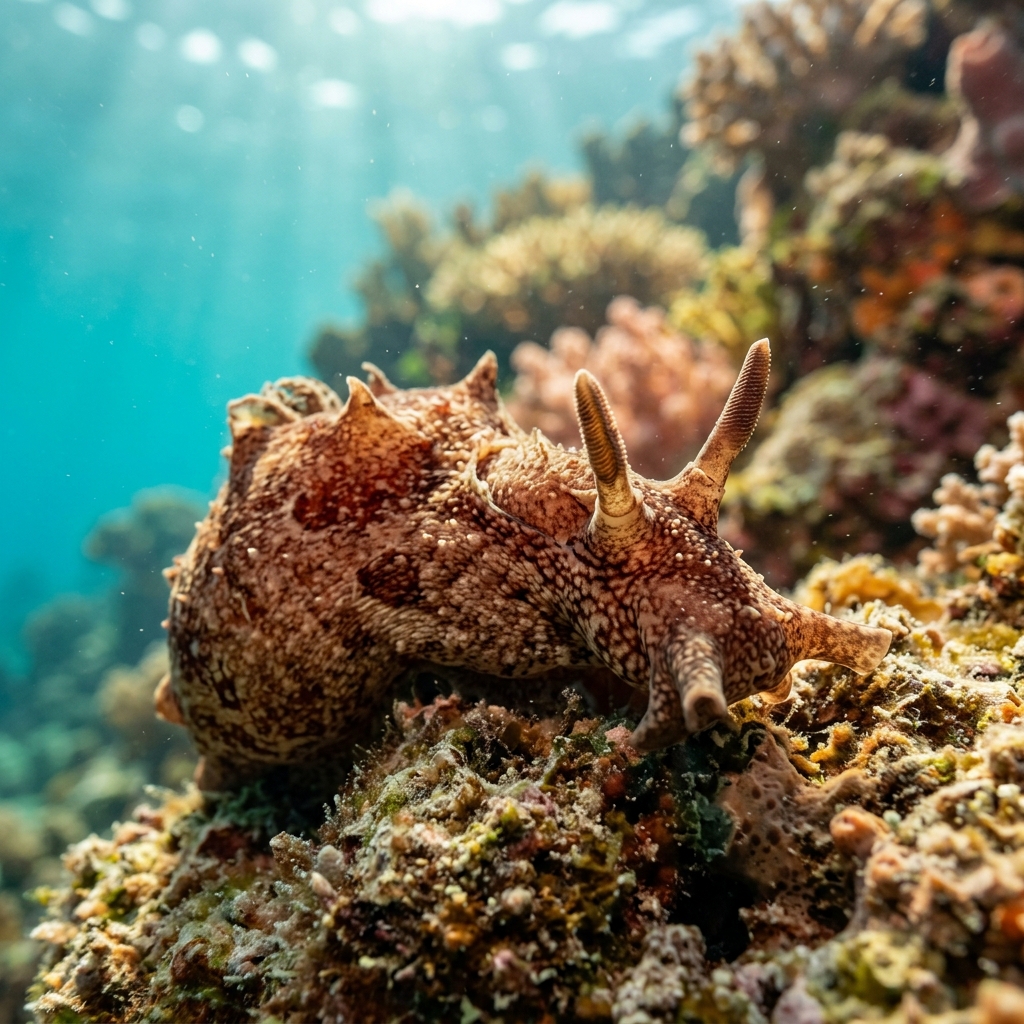
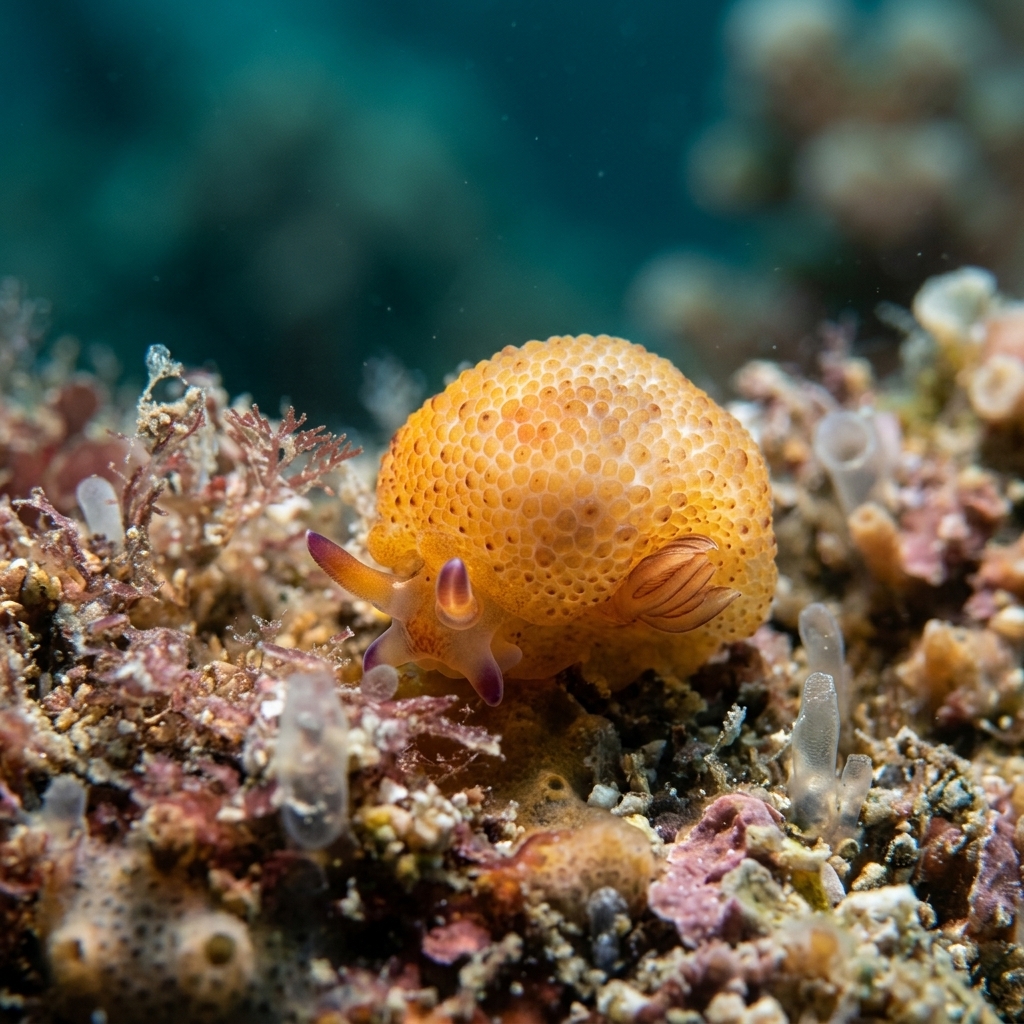
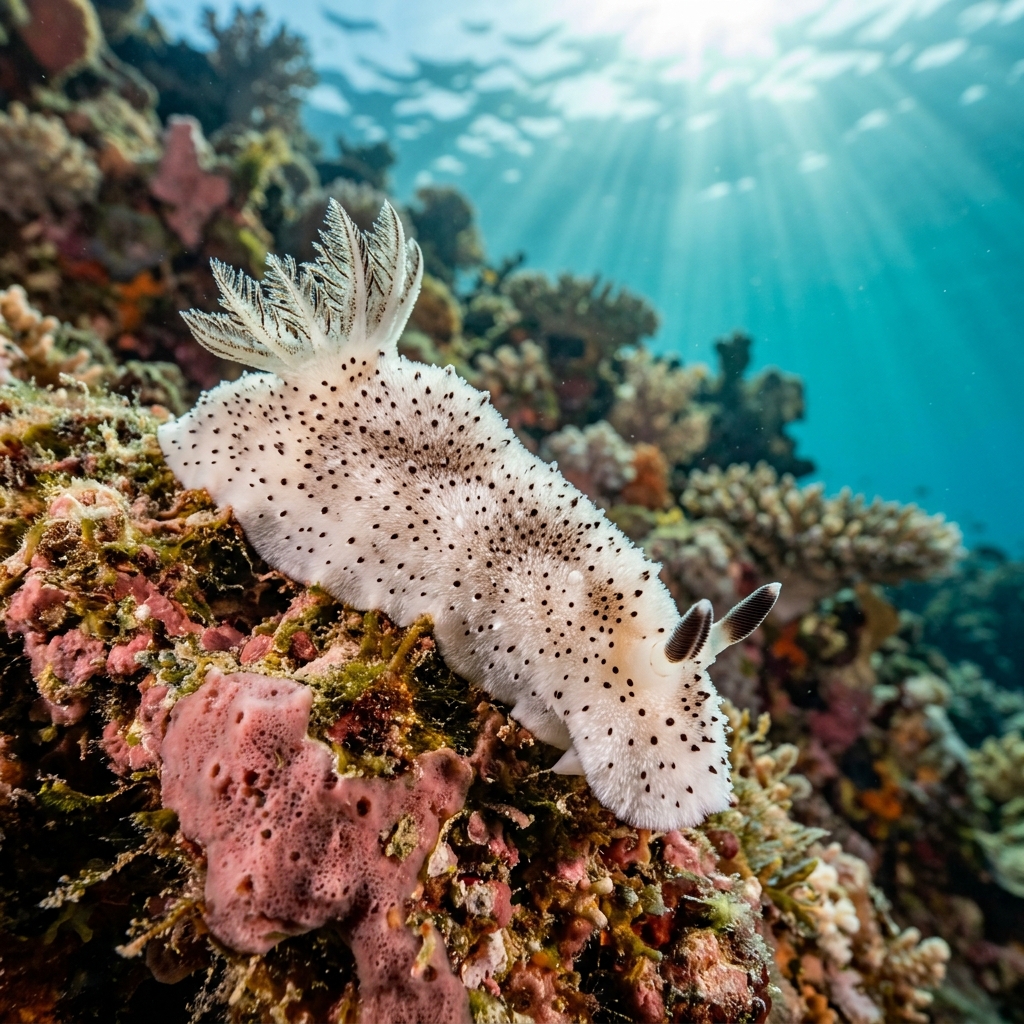
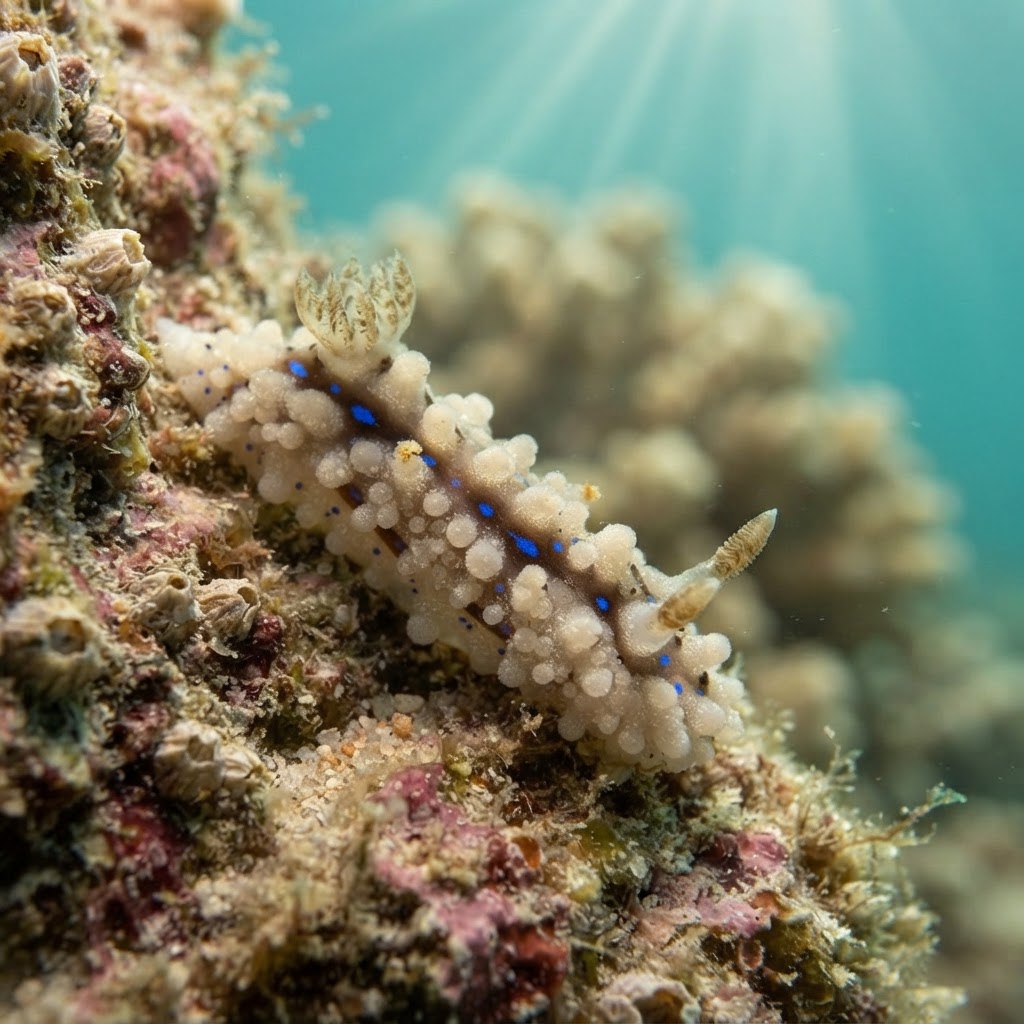
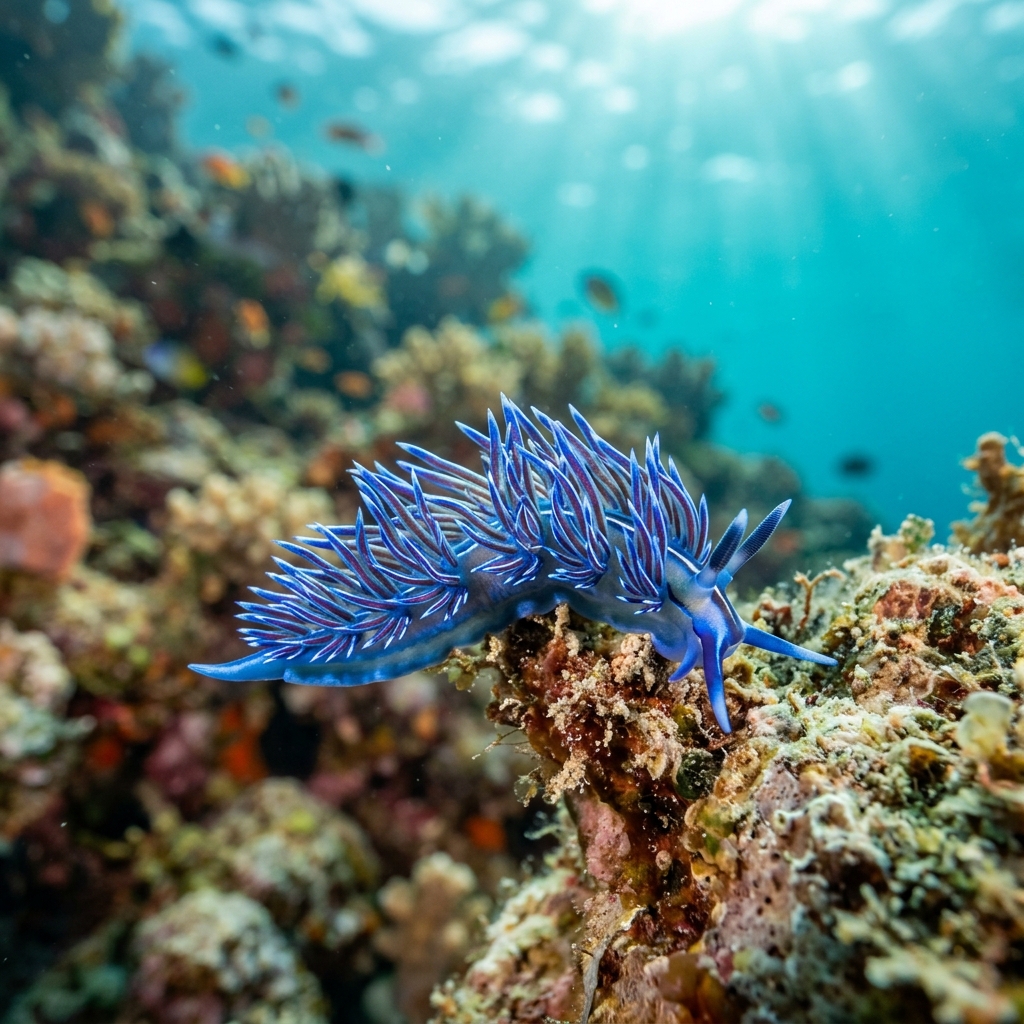
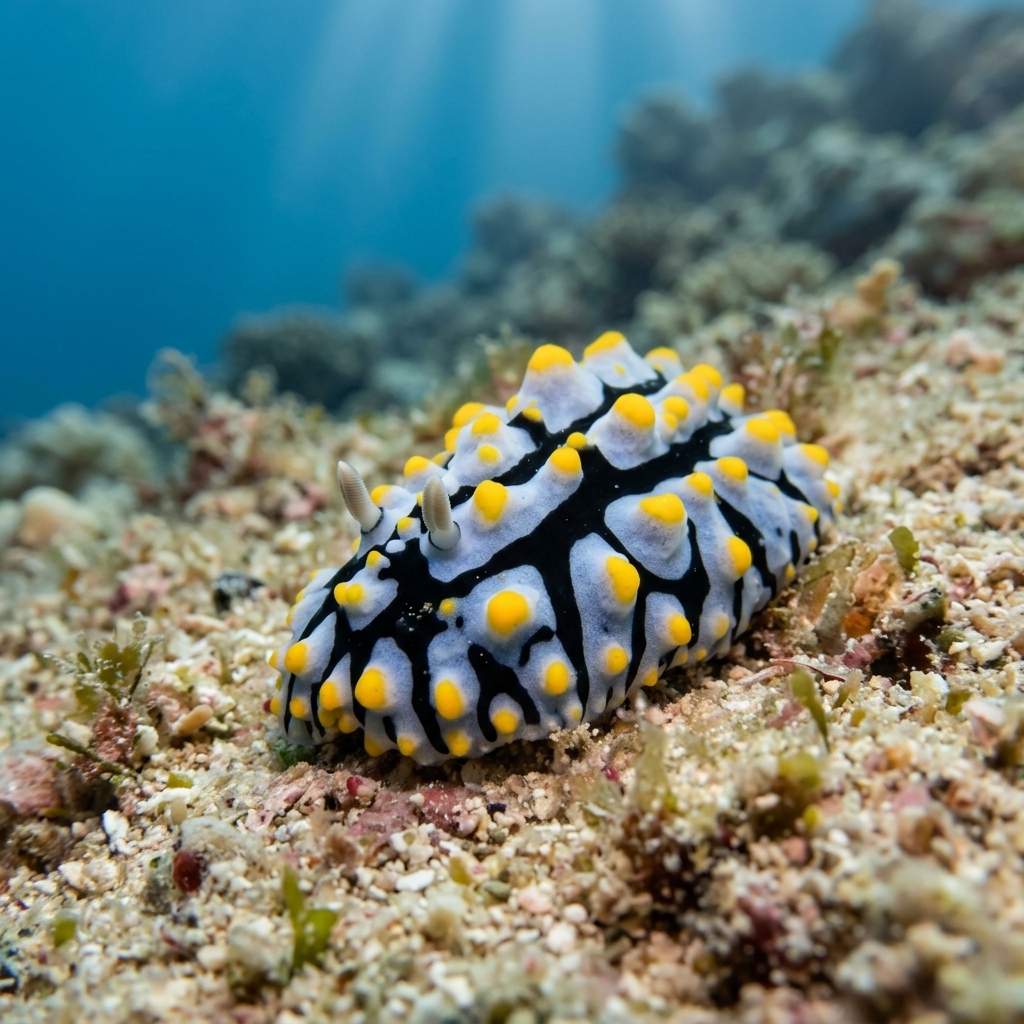
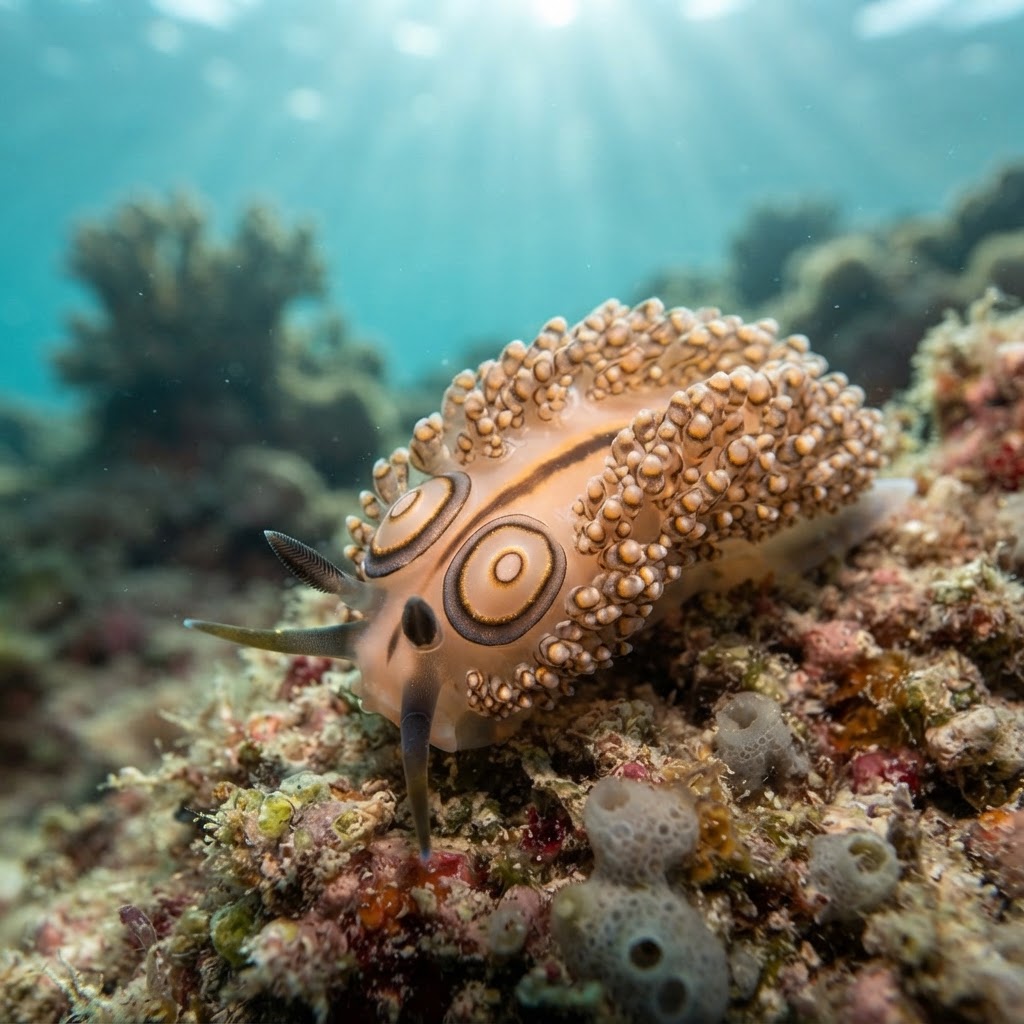
A small, slug-bodied nudibranch with a translucent to pale body covered in raised, rounded projections (cerata) along its back, which is typical of the Doto genus. Look for it clinging tight to hydroid branches rather than sitting out on open coral or rubble. Its size keeps it in the easy-to-miss category, so most divers spot it only when a guide points a torch or magnifier at the right patch of hydroid.
Divers typically find it parked motionless on the hydroid colonies it feeds on, moving little and blending into the texture of its host. It shows no reaction to divers beyond simply being small and easy to swim past, so slow, methodical scanning of hydroid stands is what turns up a sighting. Most logs describe it as an uncommon find rather than something you stumble across on every dive.
Like other Doto species, it almost certainly feeds on and lives among hydroids, drawing camouflage and possibly stinging-cell defences from its diet, a trait shared across the genus even where undocumented for this specific species.
Recorded across warm water from 25.6 to 31.6 C with no detected seasonal pattern, so it's a year-round find on the tropical reefs it favours. There's no strong month-by-month signal in the data, so plan around general dive conditions rather than a particular season.
Most reliably logged in Bali, Indonesia, which accounts for the bulk of recorded sightings, with a smaller but real presence in Western Australia and Singapore's Southern Islands, plus at least one site in Sulawesi. If you're specifically hunting this species, Bali muck and reef sites give the best odds.
Mapping where Doughnut Doto is logged…
Bali, Indonesia is the strongest area for sightings, with additional records from Western Australia, Singapore's Southern Islands, and Sulawesi. Bali offers the best odds if you're specifically searching for it.
There's no clear season in the data, and it's been recorded across warm water from about 25.6 to 31.6 C, suggesting it's present year-round on tropical reefs rather than tied to a particular month.
Look for a small, pale to translucent nudibranch with bumpy cerata along its back, usually found clinging to hydroid branches rather than open coral. Its size and camouflage mean a slow, careful search of hydroid colonies is the best way to spot it.
Exact size data isn't available, but like most Doto species it stays small, generally under a couple of centimetres, which is why it's easy to overlook on a reef.
No, it poses no danger to divers. It's a tiny, stationary nudibranch that you'd need to actively search for rather than something that could pose a risk.
It most likely feeds on hydroids, the branching stinging colonies it's typically found perched on, a diet shared across the wider Doto genus.
Site and sighting data is aggregated from diver logs, iNaturalist and GBIF. For taxonomy and conservation status:
Light-spotted Aegires
3,168 sites