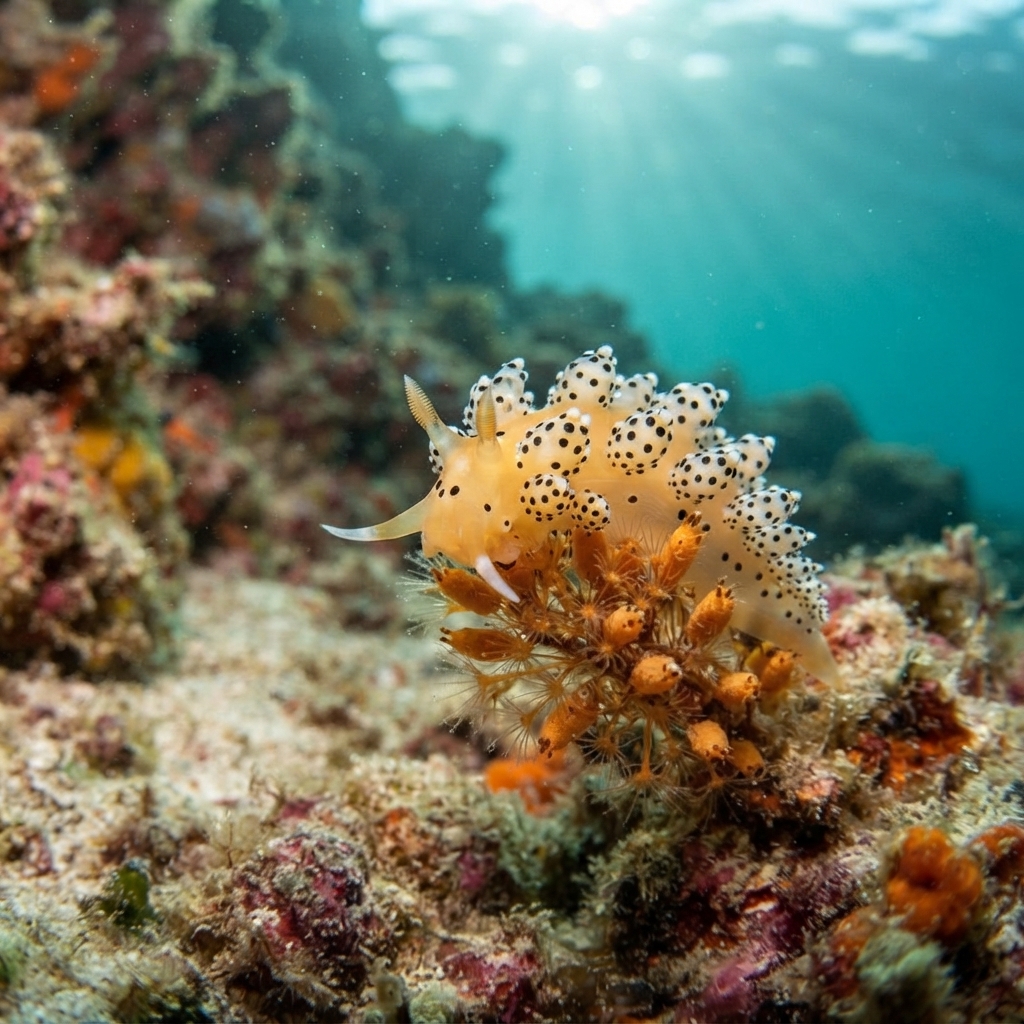
Doto furva
An uncommon little nudibranch logged only around Andalusia, Spain, in cool water between 15 and 21°C. Here's how to find it.
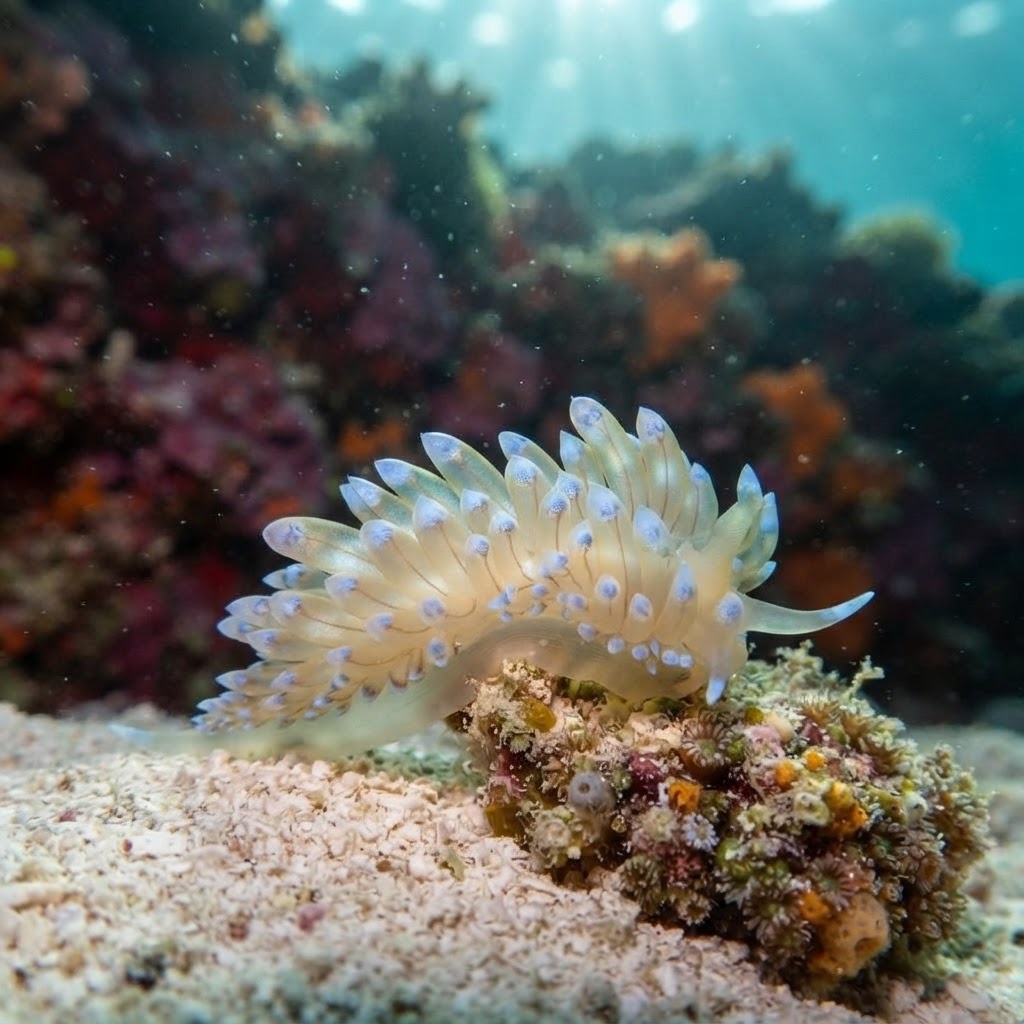
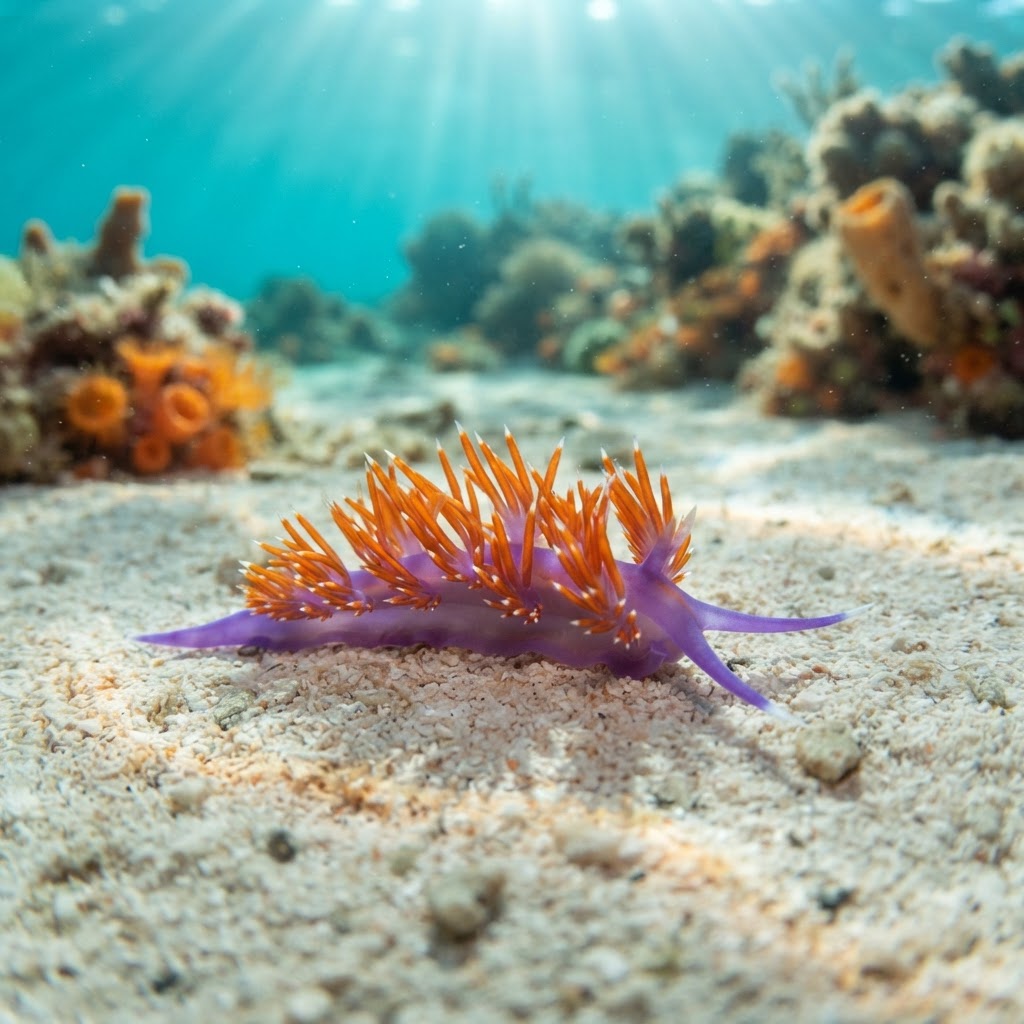
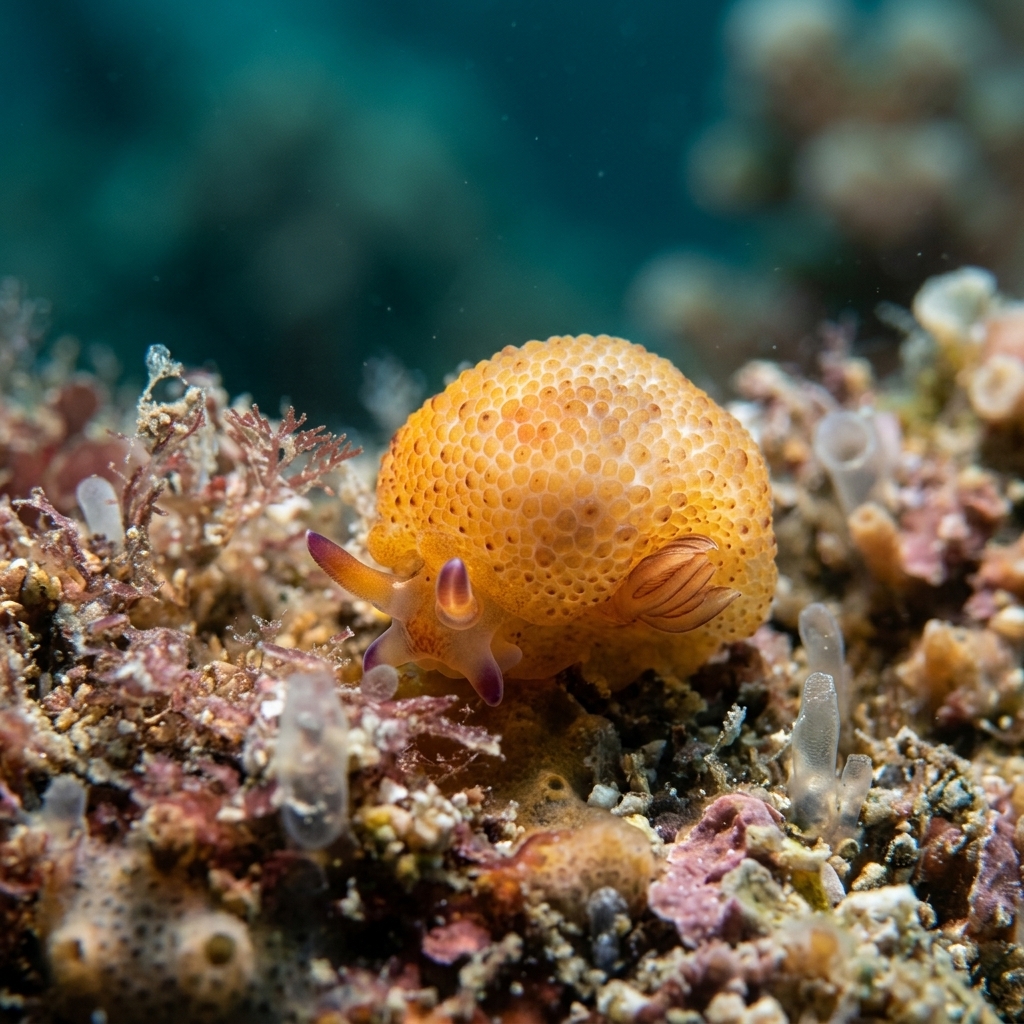
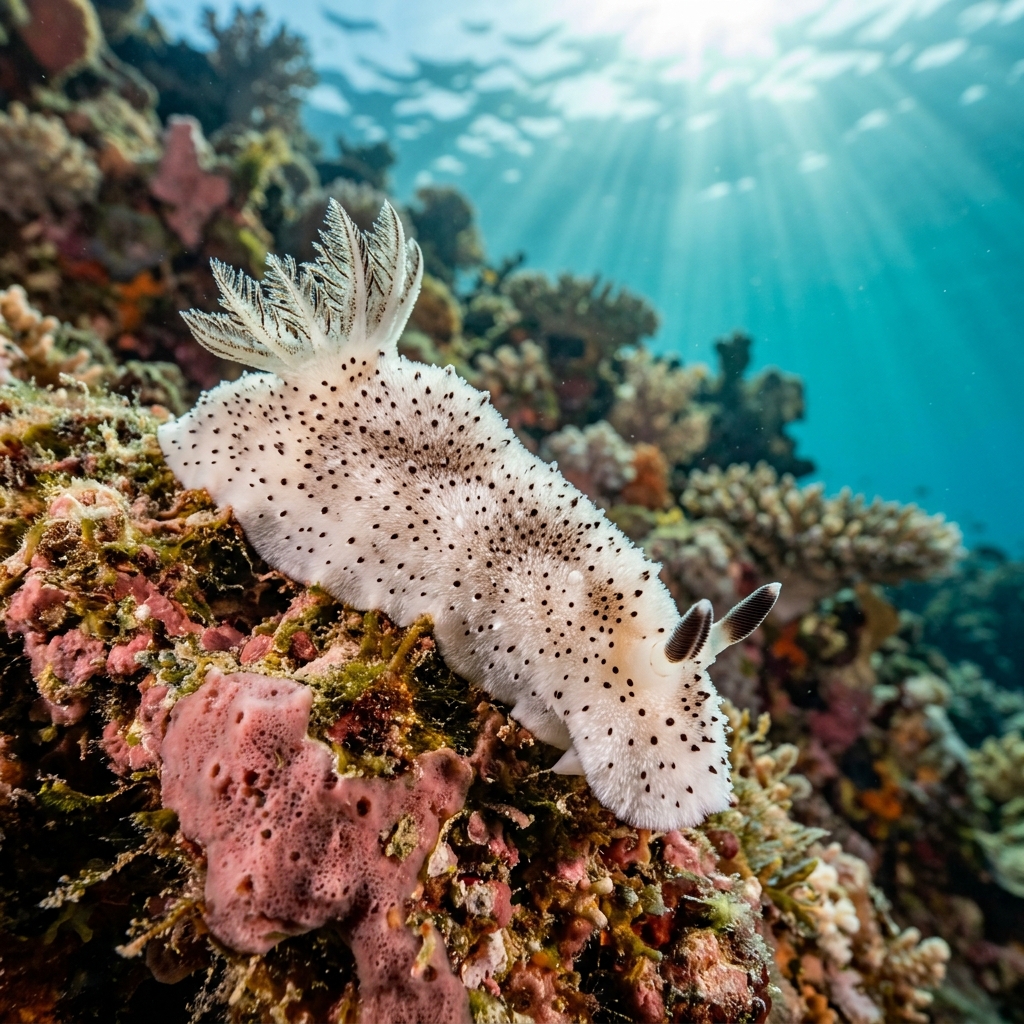
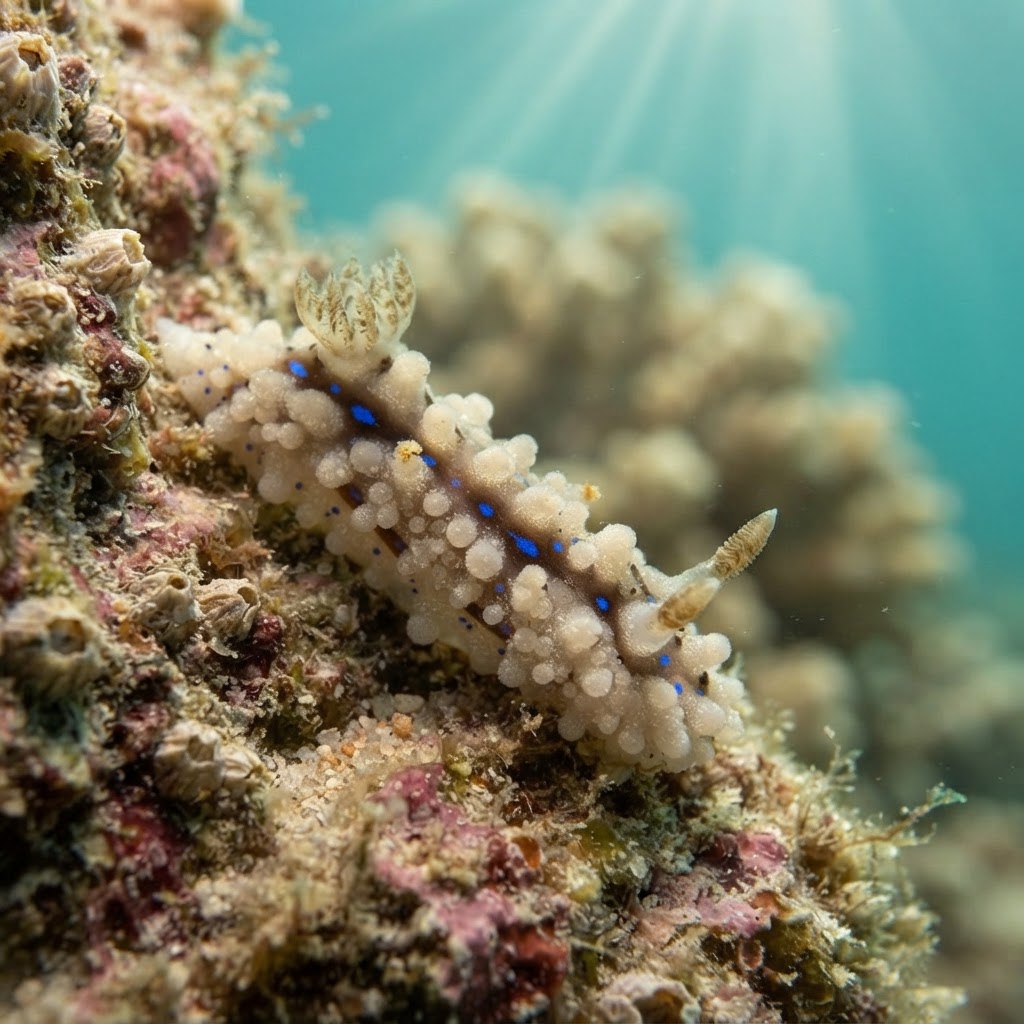
A small, dark-bodied nudibranch with clusters of finger-like projections called cerata covering its back, giving it a bumpy, tufted silhouette rather than a smooth slug shape. Colouring runs toward dull brown or blackish tones, which helps it blend into the rocky, algae-covered substrate it favours. Divers typically need a careful eye or a macro lens to pick it out, since it stays small and low-profile against the reef.
Like other Doto species, this nudibranch is a slow, deliberate mover, usually found grazing on hydroids, its main food source, tucked into rocky crevices or algae-covered surfaces. It shows no reaction to divers beyond simply continuing its slow crawl, making it an easy subject once spotted, though finding it in the first place takes patience given how uncommon and small it is.
Nudibranchs in the genus Doto feed almost exclusively on hydroids, and their cerata often contain nematocysts borrowed from that prey, giving them a passive defence against predators.
Sightings don't show a clear seasonal pattern, so it's treated as a year-round find. Observed water temperatures range from 15.4 to 21.4°C, which fits the cooler Atlantic-influenced conditions typical of Andalusia across much of the year.
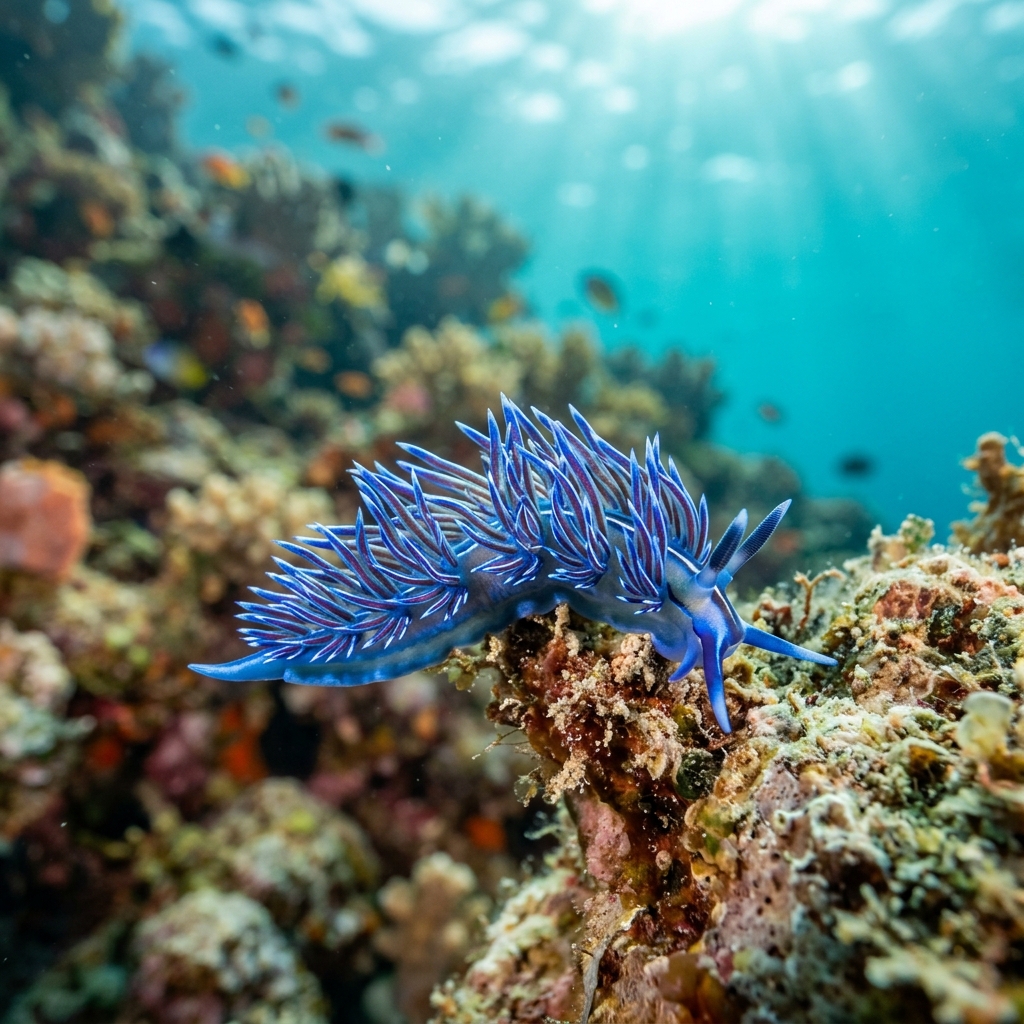
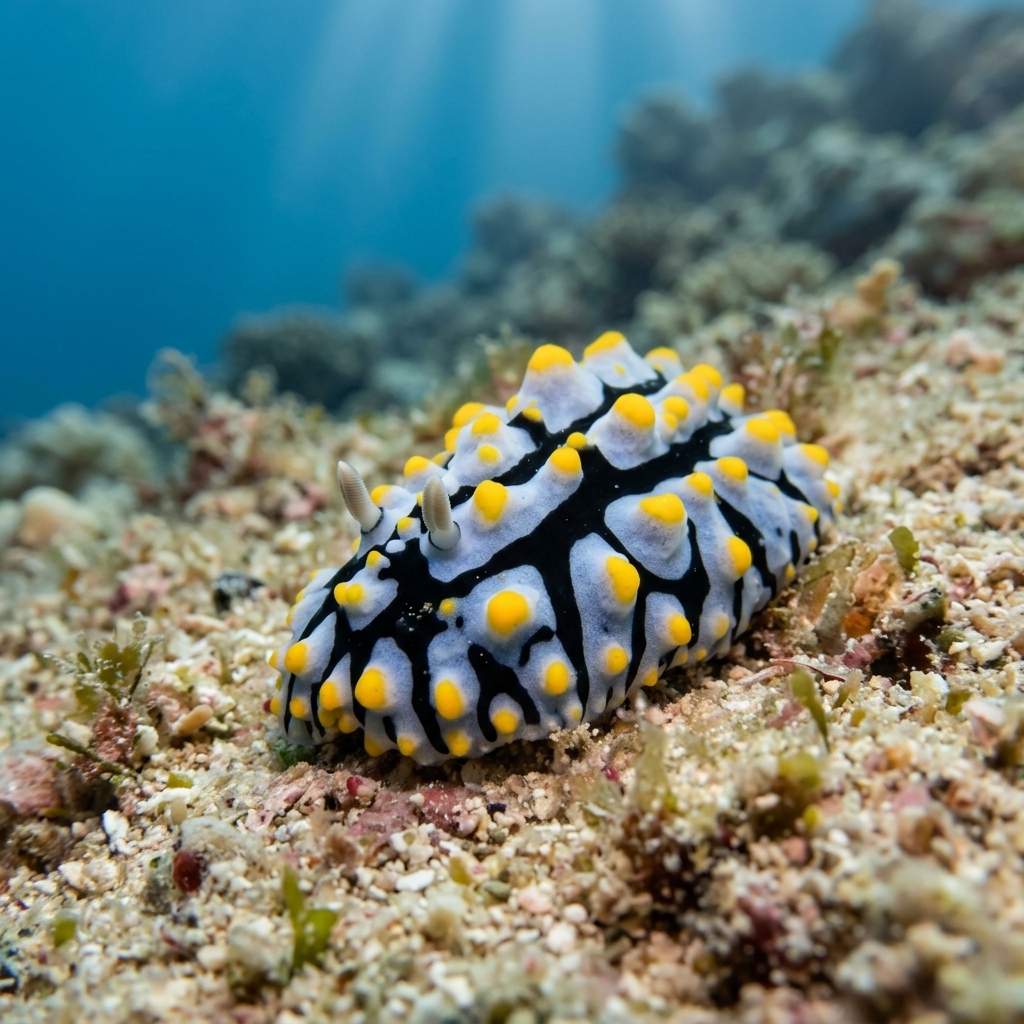
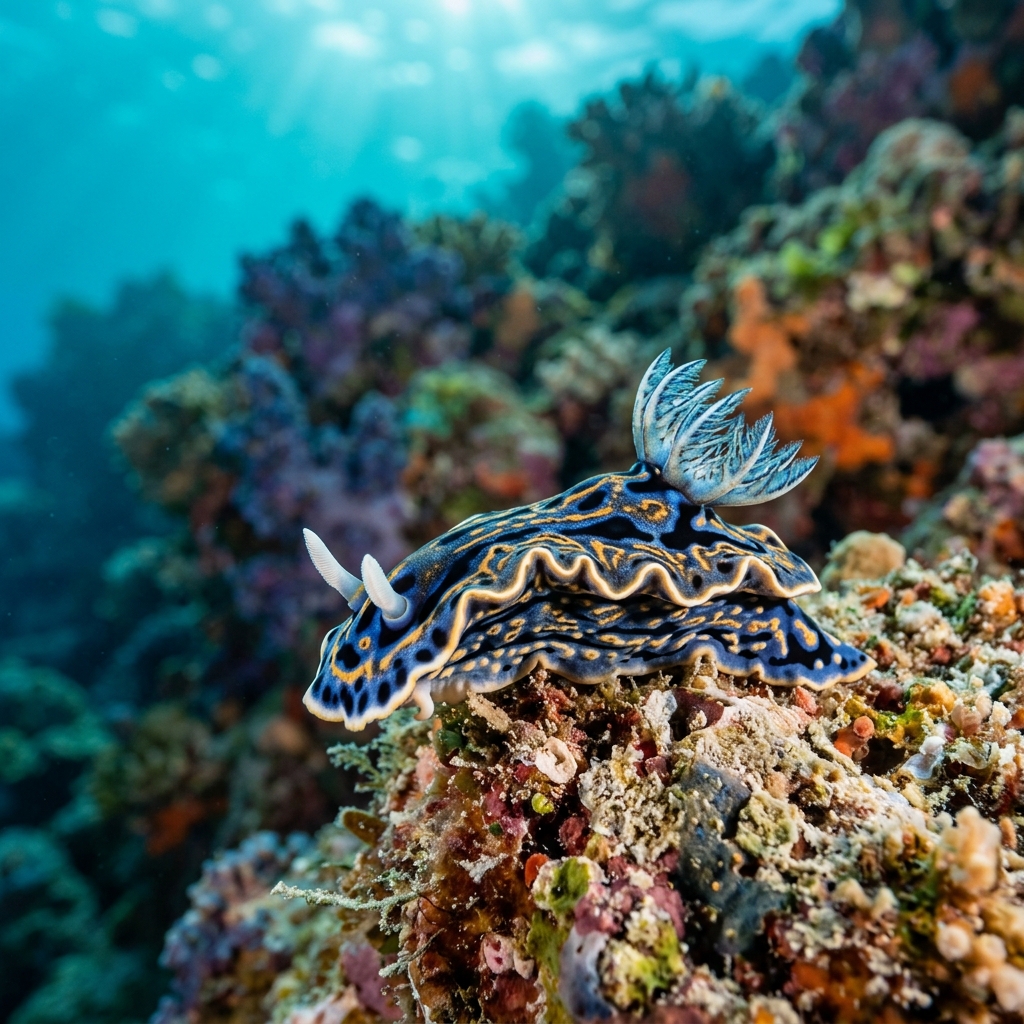
Reef neighbours a diver could mistake it for. Use the identification notes above to tell them apart.
Every logged sighting of Doto Furva comes from Spain, with Andalusia standing out as the region where divers consistently find it. If you're searching for this species specifically, Andalusian dive sites are currently the only confirmed spot on the map.
Mapping where Doto Furva is logged…
All recorded sightings come from Spain, specifically the Andalusia region. It hasn't been logged as a reliable find anywhere else yet.
There's no strong seasonal pattern in the data, so it's considered a year-round species in the areas it's found. Water temperatures where it's been observed range from about 15 to 21°C.
Look for a small, dark, bumpy-bodied nudibranch covered in clusters of finger-like cerata rather than a smooth back. It blends into rocky, algae-covered substrate, so a slow, close search is often needed to spot one.
Exact size data isn't available, but like most Doto species it stays small, typically under a couple of centimetres, making it a species divers usually need macro photography or close attention to appreciate.
It feeds on hydroids, a common food source for Doto nudibranchs, and may retain stinging cells from its prey within its cerata as a form of passive defence.
Site and sighting data is aggregated from diver logs, iNaturalist and GBIF. For taxonomy and conservation status:
Blue Dragon
3,163 sites