Doriopsilla rowena
Logged only in California waters around 15-21C, this dendrodorid nudibranch is a rare find for sharp-eyed divers on the US West Coast.
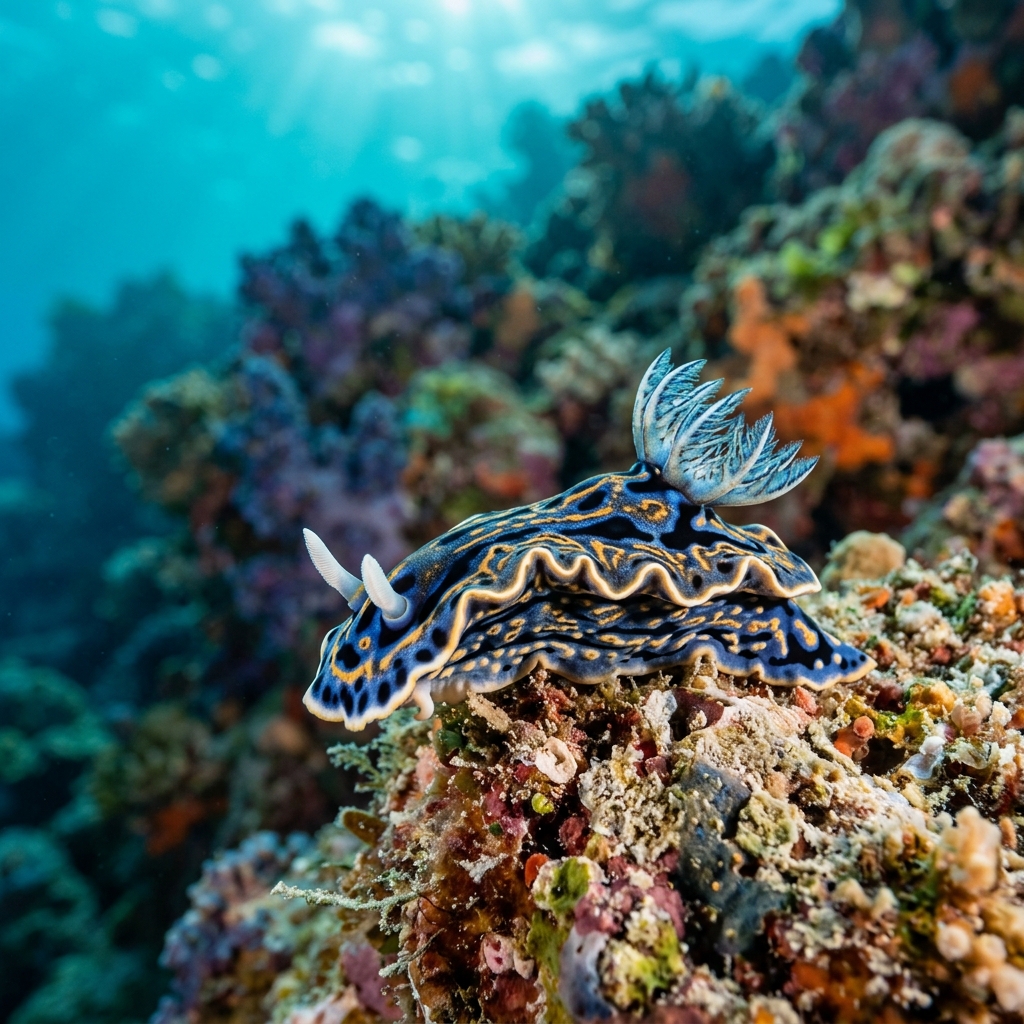
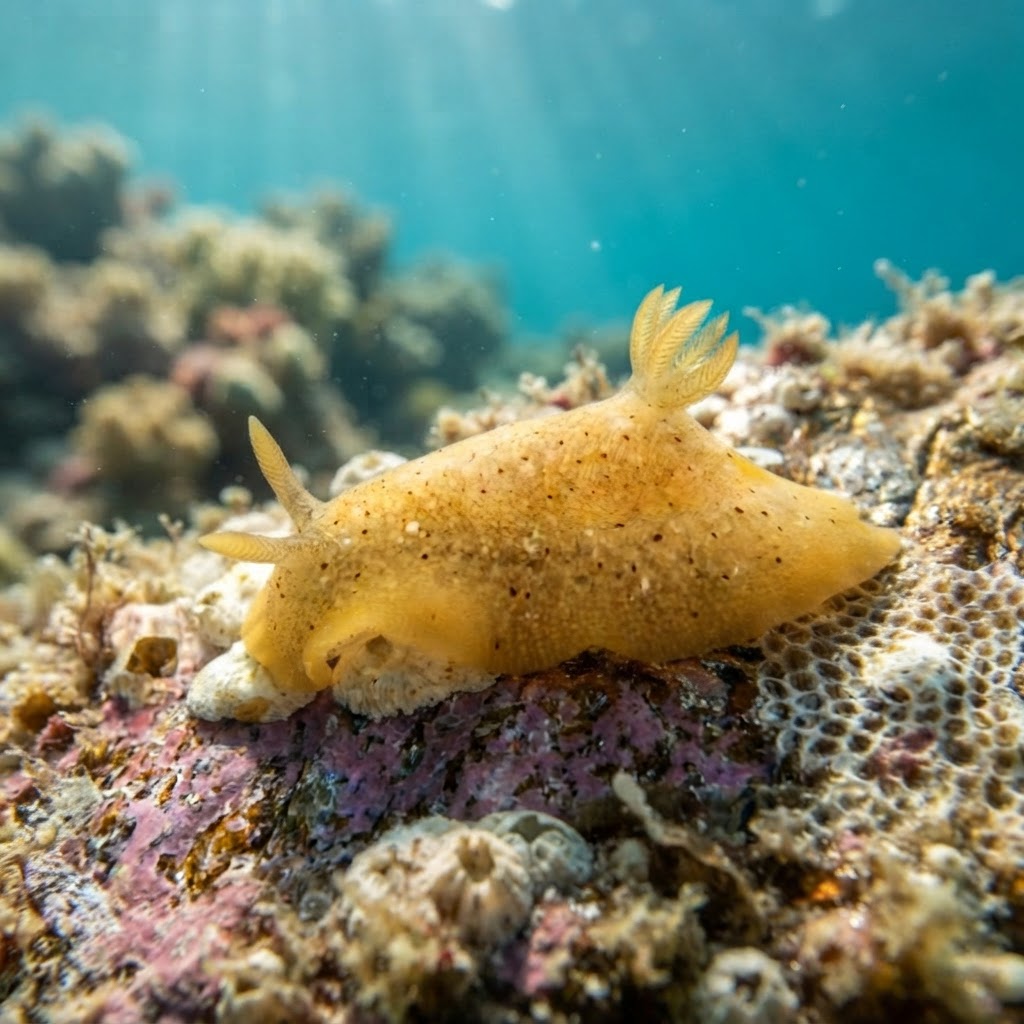
A small, soft-bodied dorid nudibranch with the smooth, warty-textured mantle typical of the Dendrodorididae family, lacking the hard shell of a snail. Look for the pair of feathery gills near the rear of the body and the two tentacle-like rhinophores up front, both retractable if the animal is disturbed. Size and precise colour pattern are not well documented for this species, so identification underwater often comes down to matching it against known Doriopsilla records from the same site rather than a single obvious marking.
Like other dendrodorid nudibranchs, it moves slowly across rock and reef surfaces, grazing rather than swimming, and shows little reaction to a diver's presence beyond retracting its gills and rhinophores if touched or bumped. Expect to find it tucked into rocky reef terrain rather than out in the open sand, and logged as a rare encounter even at the one site where it has been recorded.
Dendrodorid nudibranchs, the family this species belongs to, feed on sponges and lack the radula (the rasping feeding organ) that most other nudibranchs use, relying instead on a suctorial pharynx to draw in sponge tissue.
Sightings span a water temperature range of roughly 14.7 to 20.7C, consistent with California's cooler coastal waters, and there is not enough monthly data to point to a clear season. Treat it as a year-round possibility rather than a species tied to a specific month.
The only confirmed sightings logged come from California, on the US West Coast, making it a niche find for divers working that coastline rather than a species you would plan a trip abroad for. There is no data yet on other countries or regions, so treat any range beyond California as unconfirmed.
Mapping where Doriopsilla Rowena is logged…
The only logged sightings come from California in the United States, so it is currently a California specialty rather than a species with a known wider range.
There is not enough data to pin down a season, and sightings span water temperatures from about 14.7 to 20.7C, so it is best treated as a year-round possibility in California waters.
Look for a small, soft-bodied dorid nudibranch with a warty mantle, feathery rear gills, and a pair of rhinophores up front, both of which retract when disturbed. Detailed colour patterns for this species are not well documented, so confirming an ID often means cross-checking with recent local records.
Exact size data is not available for this species, though most Doriopsilla nudibranchs are small, typically only a few centimetres long as adults.
No, this species poses no known danger to divers and can be observed and photographed safely without any special precautions.
As a member of the Dendrodorididae family, it feeds on sponges using a suctorial pharynx instead of the rasping radula most other nudibranchs rely on to feed.
Site and sighting data is aggregated from diver logs, iNaturalist and GBIF. For taxonomy and conservation status:
Blue Dragon
3,163 sites