Dirona pellucida
Translucent frilled nudibranch found in cool British Columbia and Pacific Northwest waters, 7.5-13.5C, logged year-round on chilly dives.
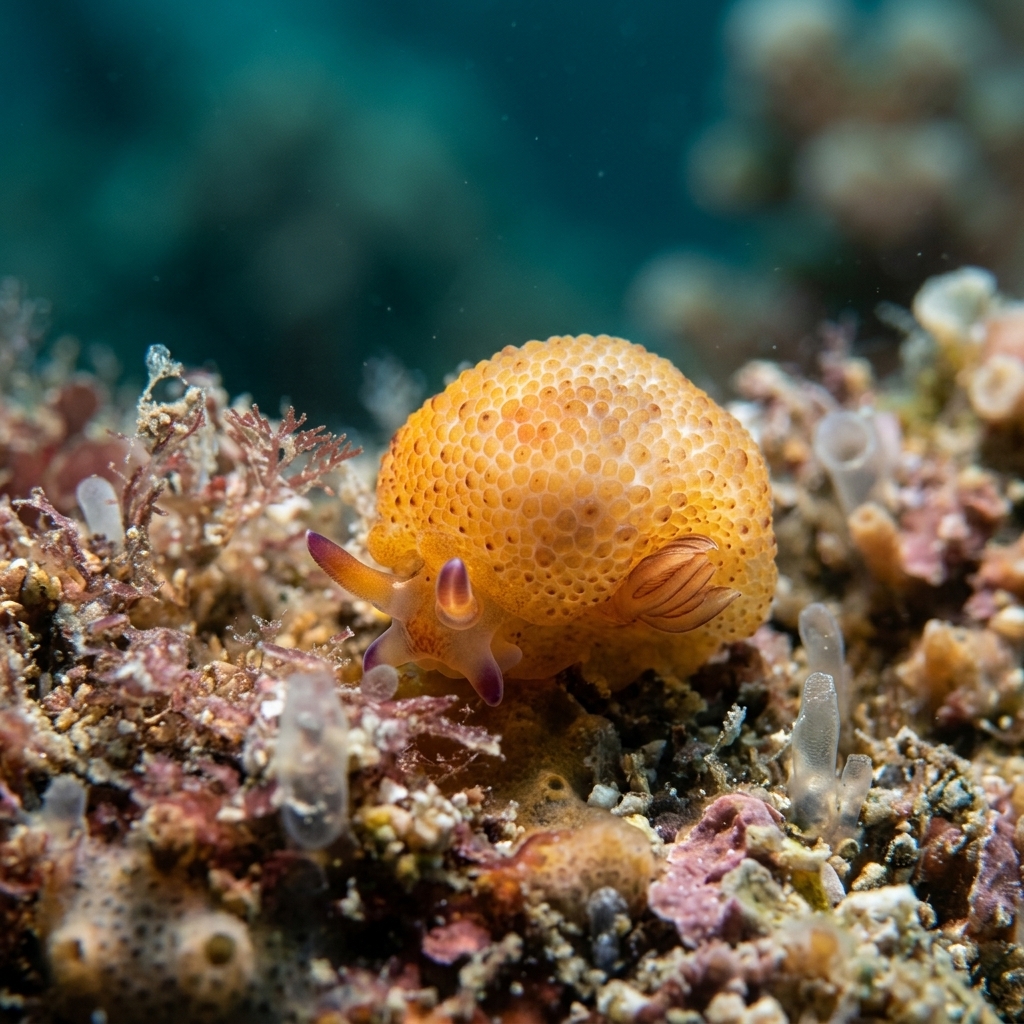
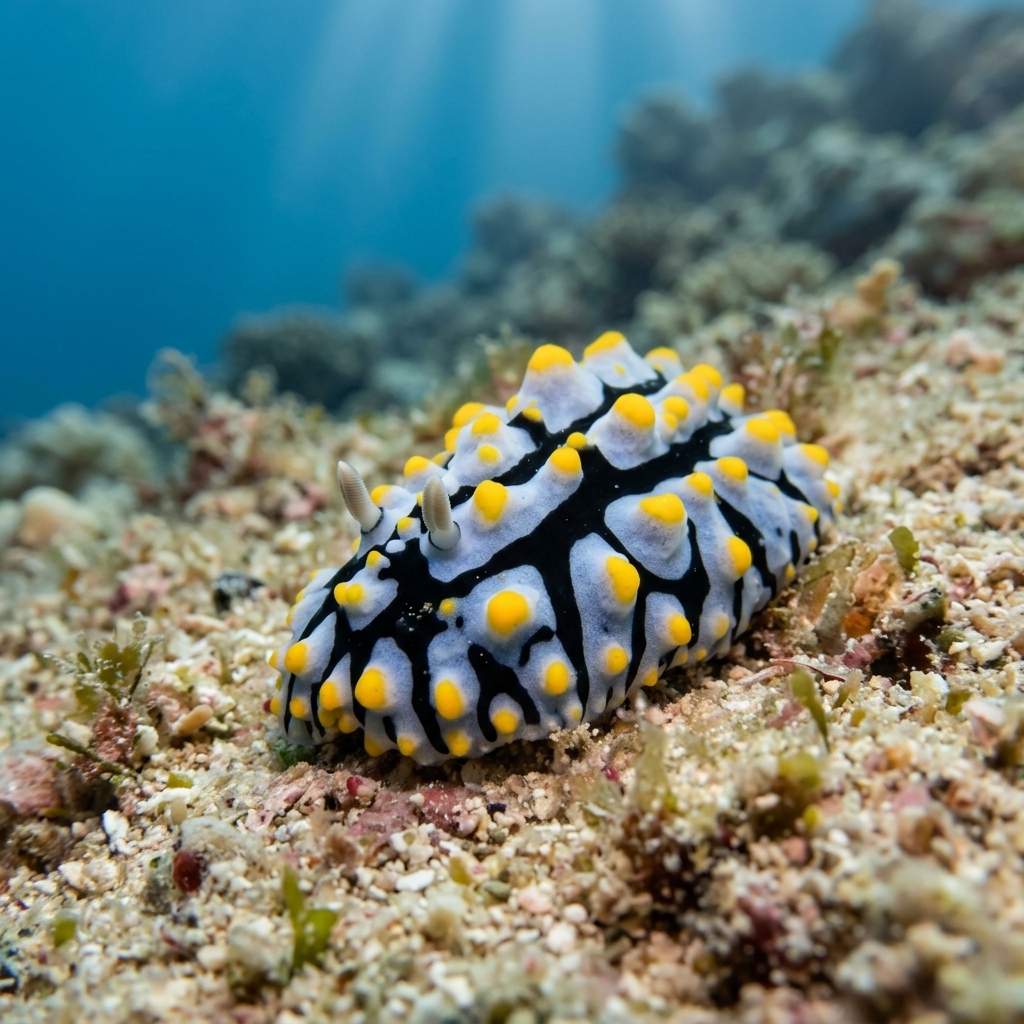
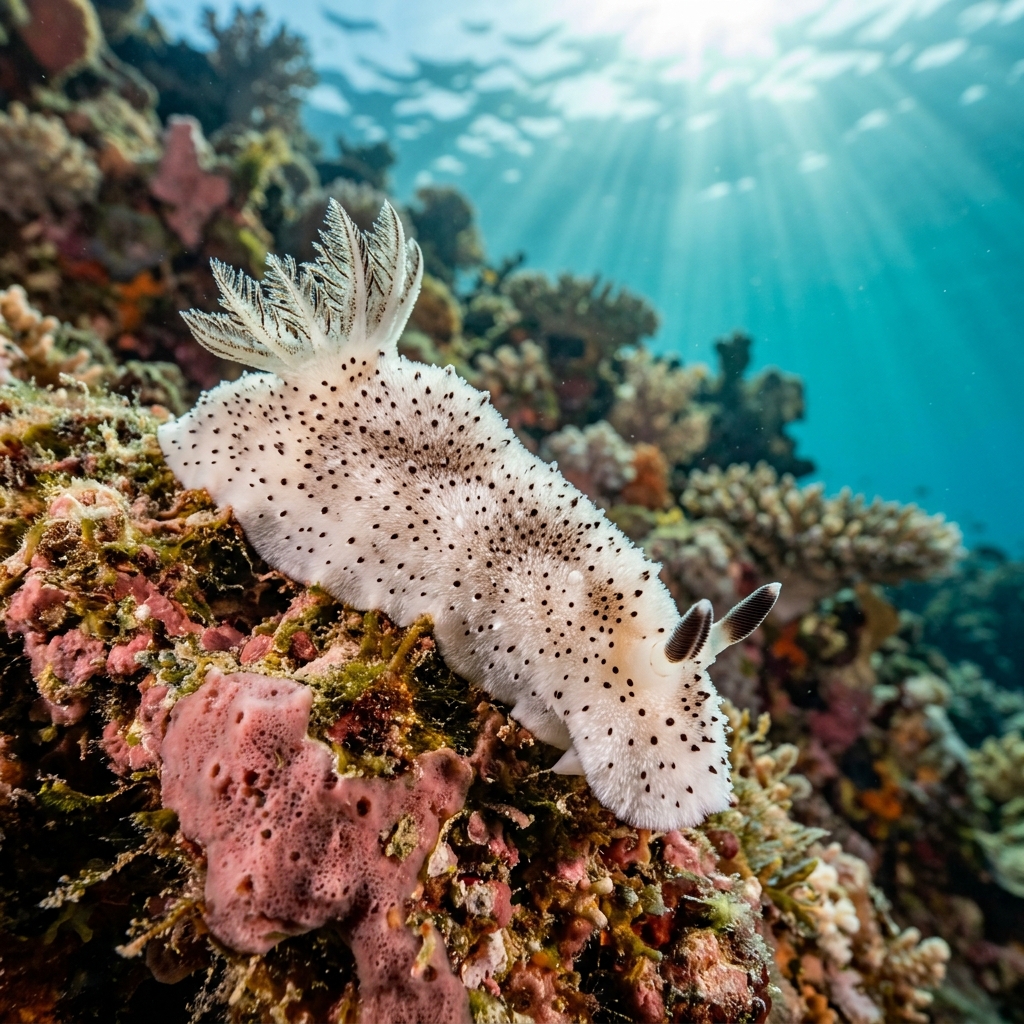
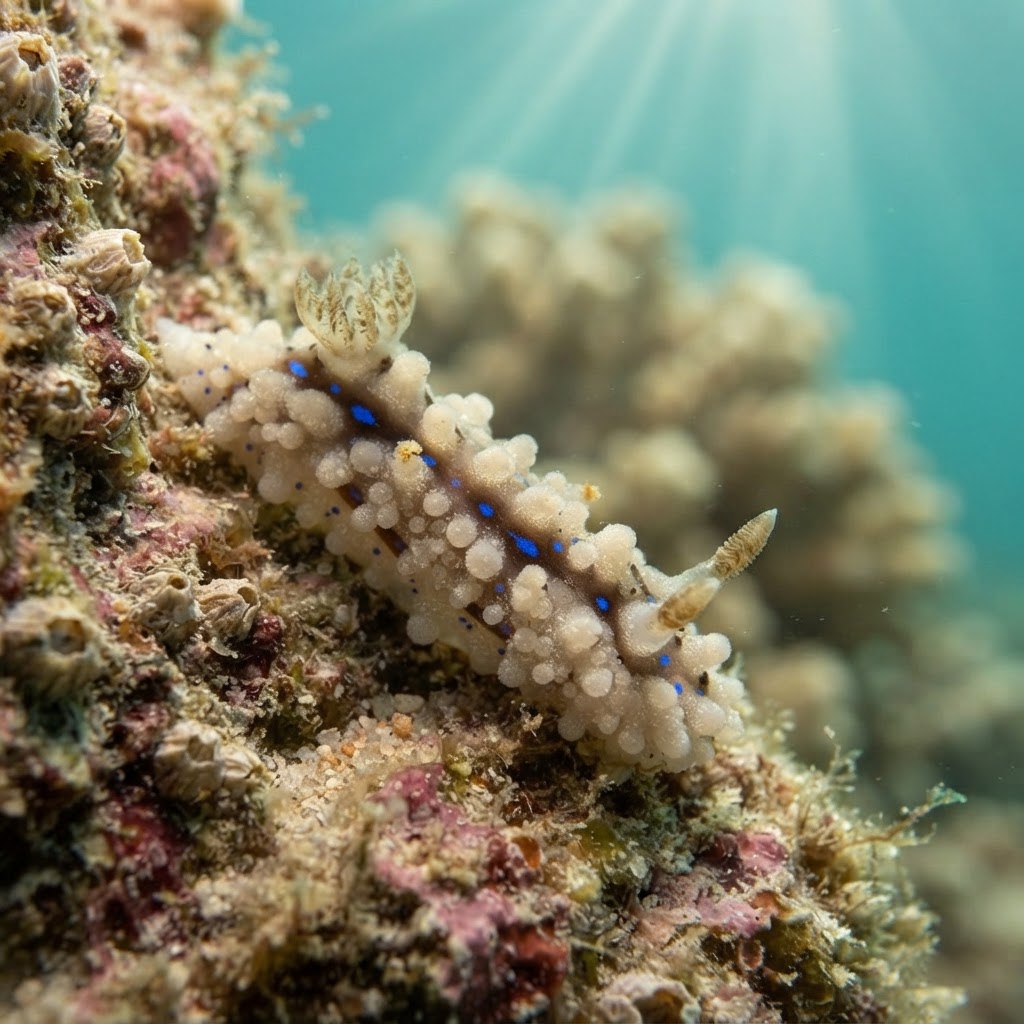
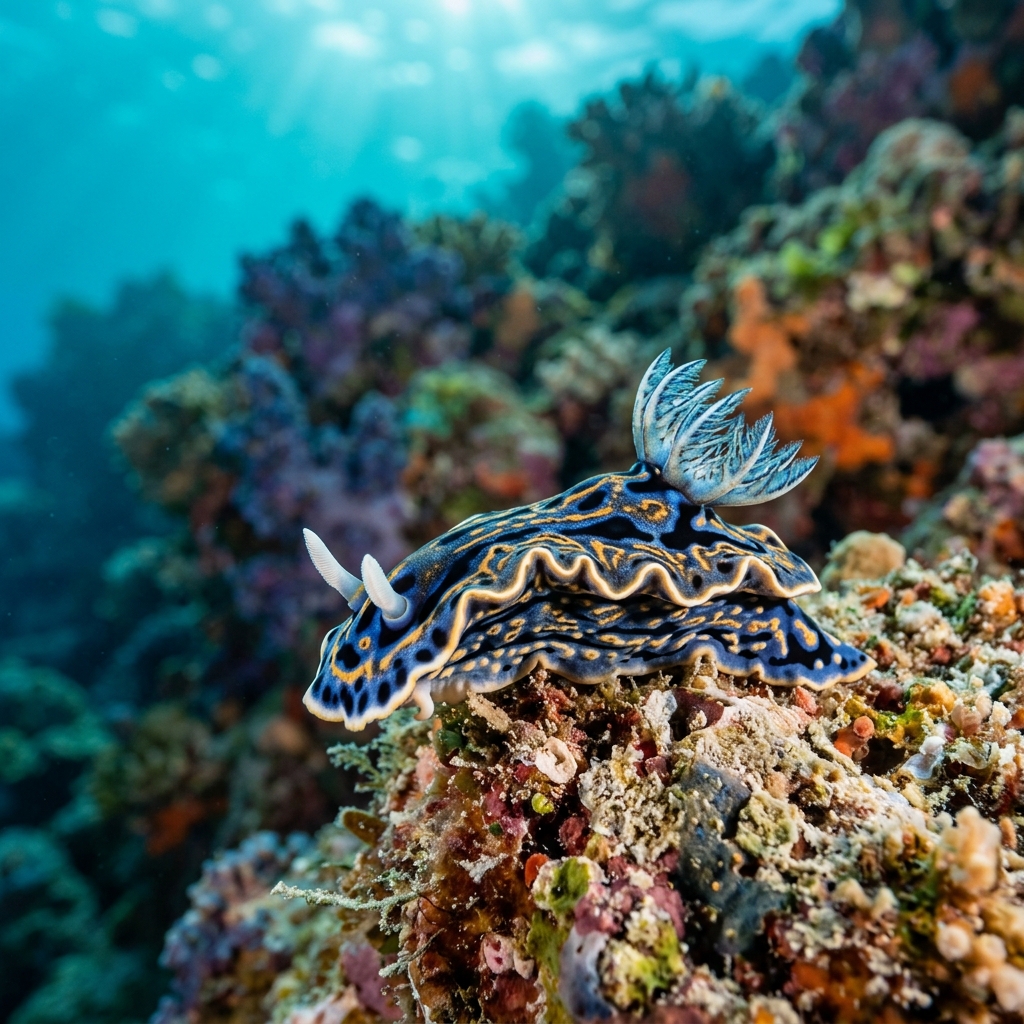
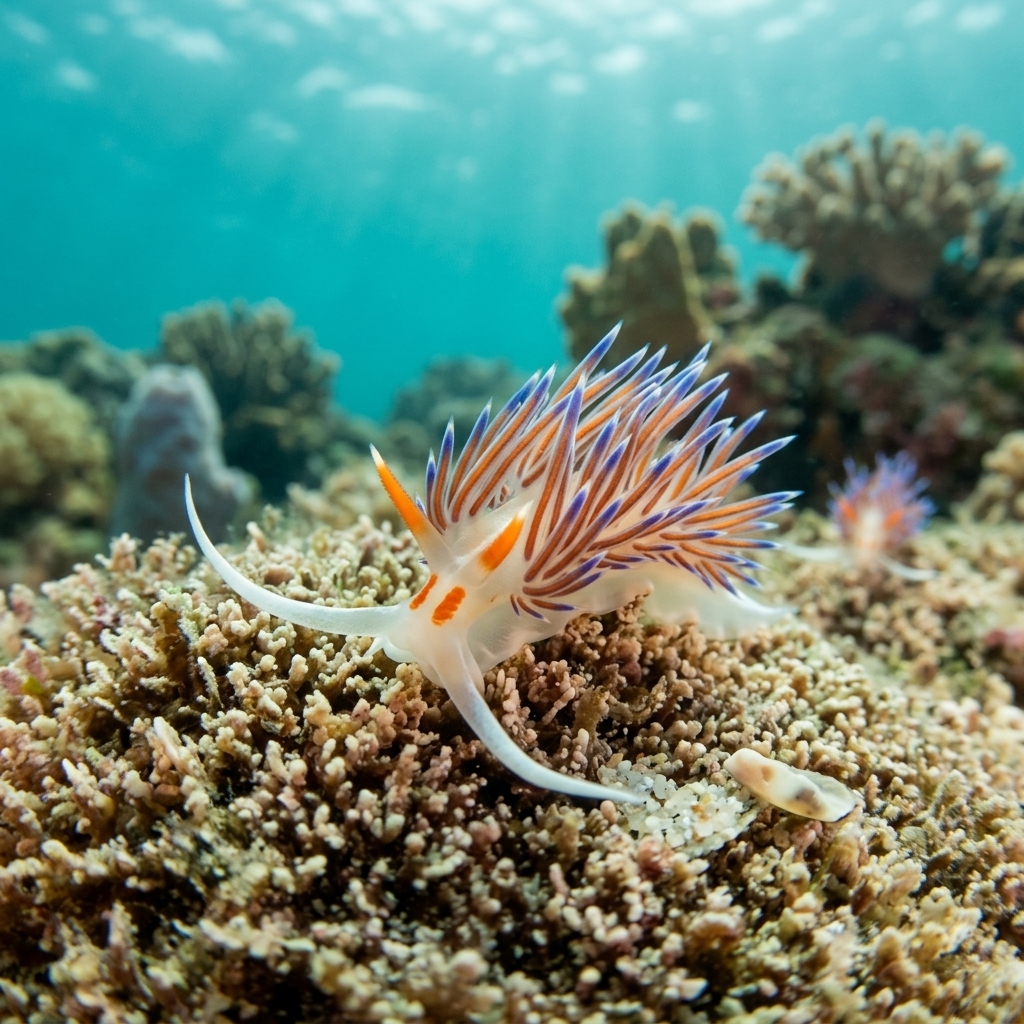
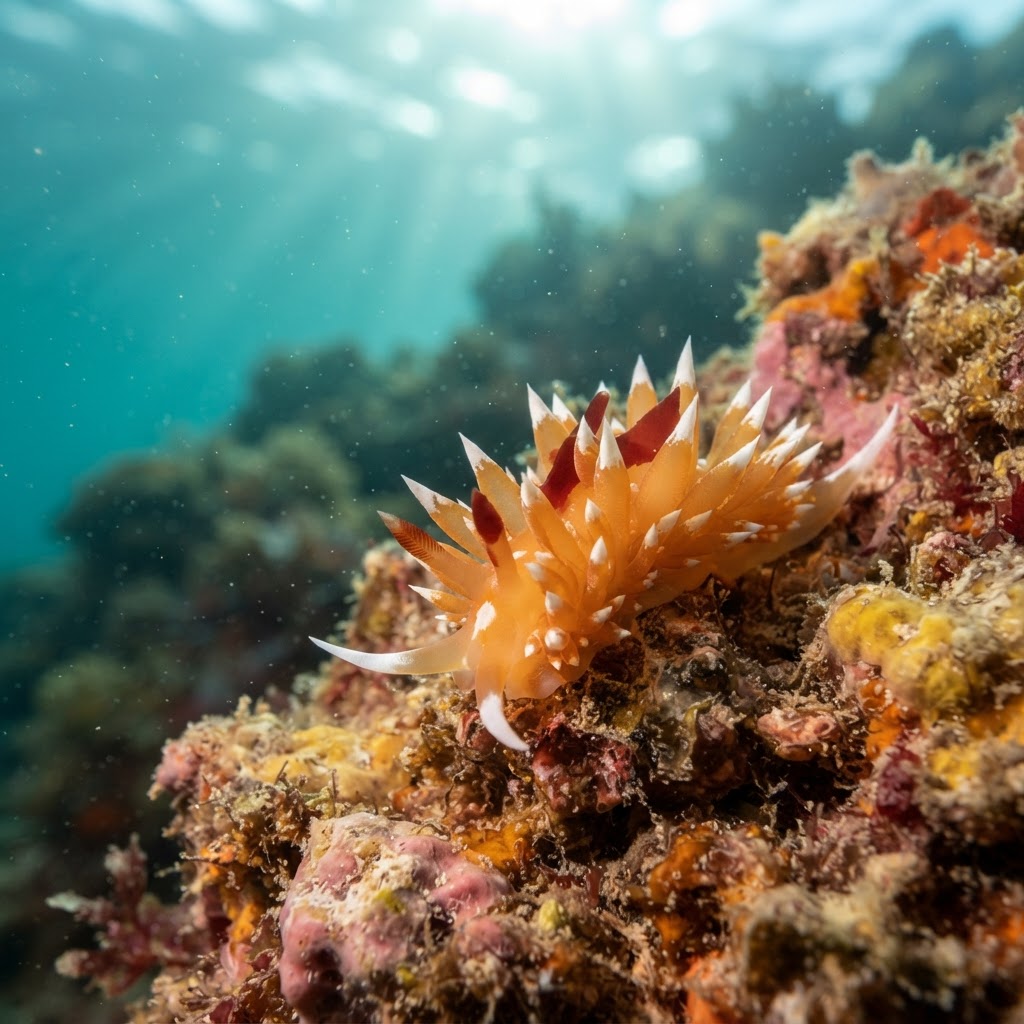
Body is translucent to pale, letting internal organs show through faintly, with a soft glassy look rather than bold colour. Along the back run rows of flattened, leaf-like projections (cerata) with smooth, rounded edges rather than the branching or spiky cerata seen on many related dorids. Look for it slow-crawling on rock or algae in cold, silty water rather than bright coral, where its lack of strong pigment actually helps it disappear against pale substrate.
Divers find it moving slowly over rock, algae and other low-relief cold-water substrate, doing what nudibranchs do best: grazing at an unhurried pace regardless of who is watching. It shows no reaction to divers and no defensive display worth noting, so a close, careful look with a torch is usually all it takes to confirm the ID. Most logs describe it as an uncommon find, so treat a sighting as a nice bonus on a British Columbia or Pacific Northwest dive rather than something to plan the whole dive around.
Its near-transparent body is a common cold-water nudibranch strategy: with little pigment to spare in low-light, silty conditions, staying see-through can be as effective camouflage as bright warning colours are on tropical reefs.
Sightings are spread across the year with no clear seasonal peak in the data, consistent with a species that sits comfortably in the 7.5 to 13.5C range typical of Pacific Northwest and British Columbia waters year-round. Plan around water conditions and visibility for your region rather than chasing a specific month.
Most reliably logged in British Columbia, Canada, with a strong secondary showing across the Pacific Northwest of the United States and occasional records from Alaska. This is a cold-water Pacific species, so look for it on temperate rock and kelp dives rather than tropical reef trips.
Mapping where Dirona pellucida is logged…
It is most consistently reported in British Columbia, Canada, with a good number of sightings also logged across the Pacific Northwest of the United States and a few records from Alaska. Look for it on cold-water rock and algae dive sites rather than reef environments.
There is no strong seasonal pattern in the sighting data, so it is treated as a year-round find within its 7.5 to 13.5C water-temperature range. Any time you are diving British Columbia or the Pacific Northwest, it is worth checking rock and algae for one.
Look for a translucent, pale body with rows of smooth, flattened, leaf-shaped cerata along the back, quite different from the spikier or branching cerata of many related nudibranchs. It moves slowly over rock or algae in cold water and its see-through look is the main giveaway.
Exact size data is not available for this species, but like most Dirona nudibranchs it is a small, soft-bodied slug best spotted with a slow, close look rather than from a distance.
It is logged as uncommon at most sites where divers have recorded it, with a couple of sites reporting it as very common and a few as rare. It is not something you should expect on every dive, but it is a realistic find on cold-water British Columbia and Pacific Northwest dives.
Site and sighting data is aggregated from diver logs, iNaturalist and GBIF. For taxonomy and conservation status:
Nudibranch
3,168 sites