Dermatobranchus funiculus
An uncommon find on Luzon's reefs, this small nudibranch turns up year-round in warm Philippine waters around 26 to 31 C.
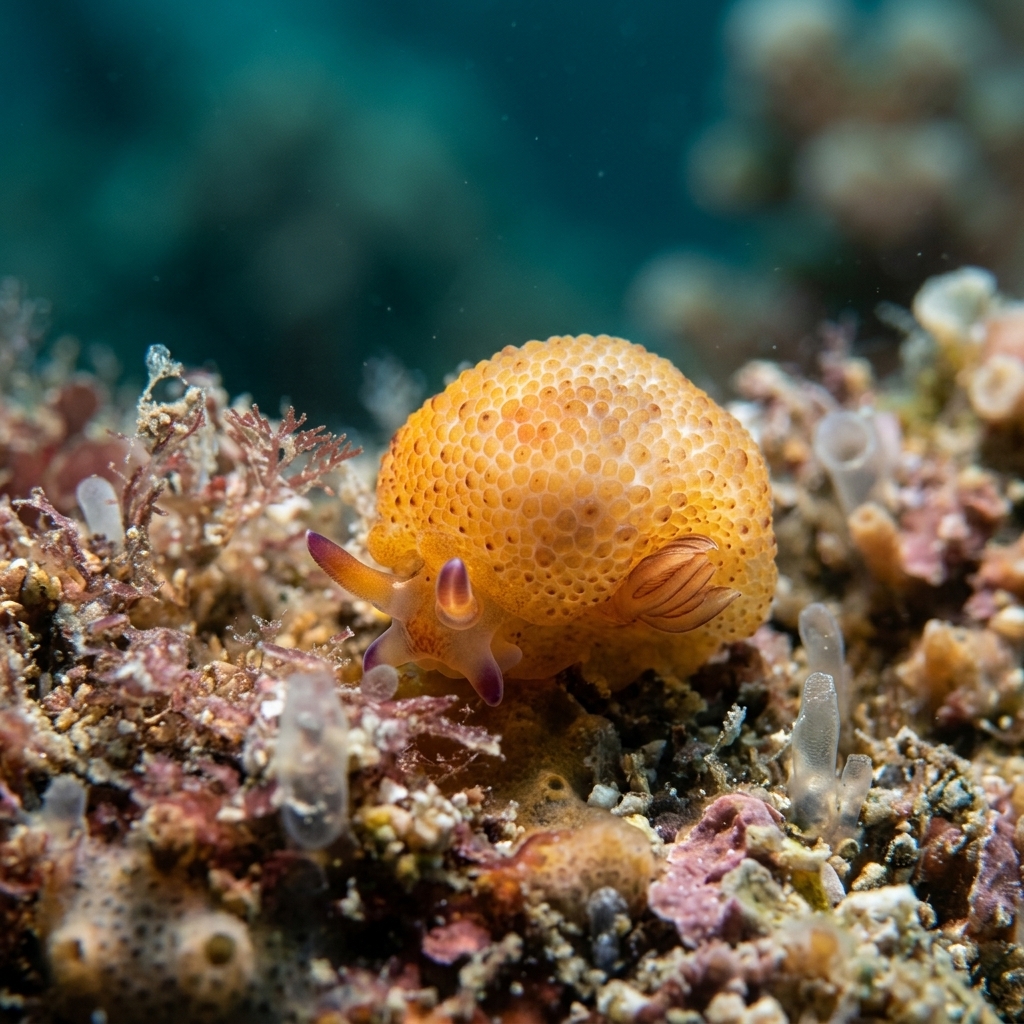
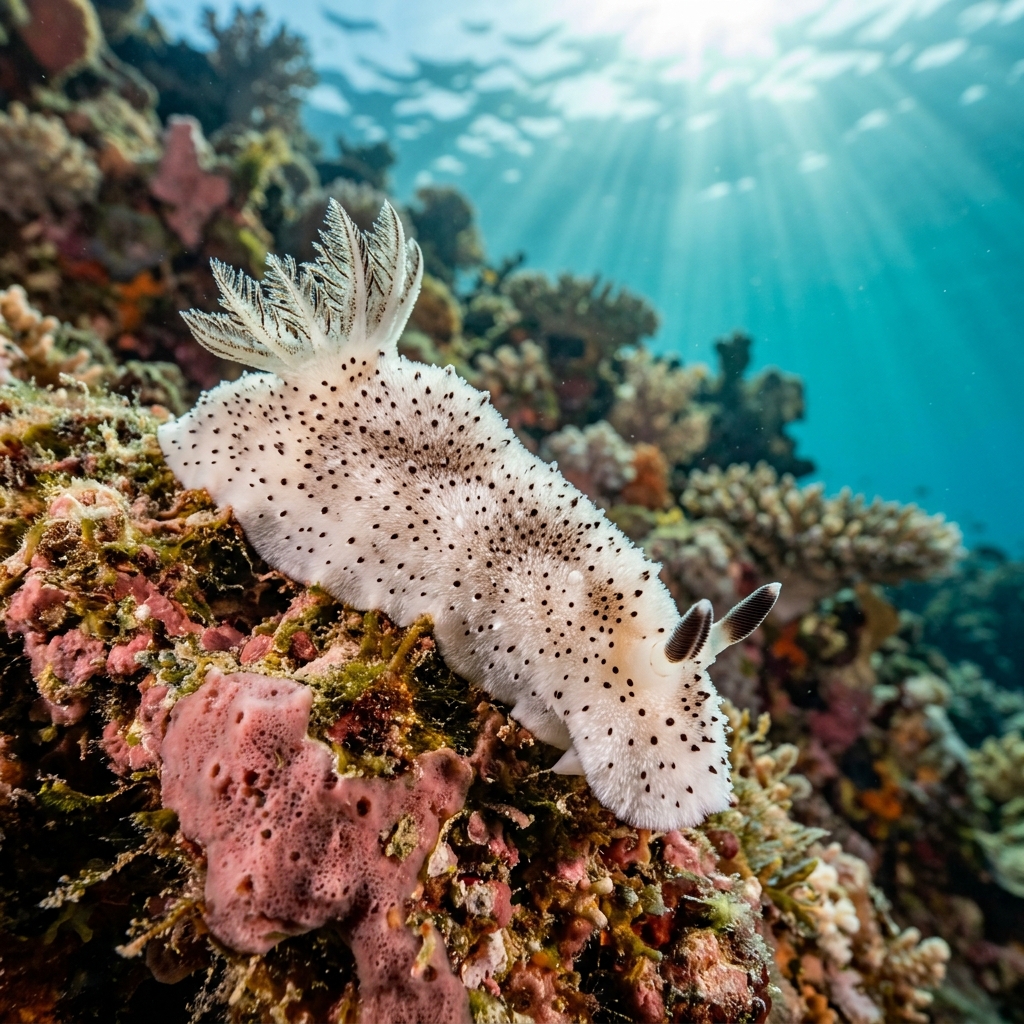
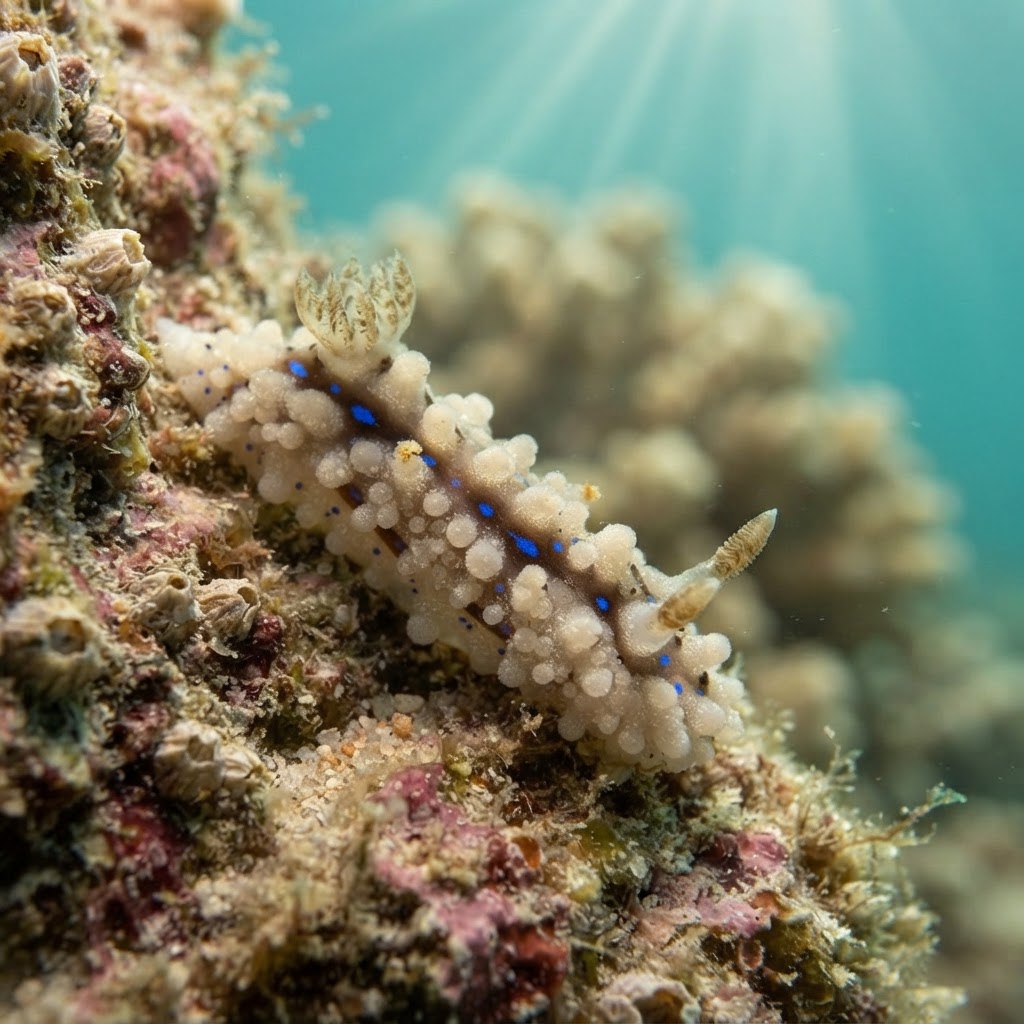
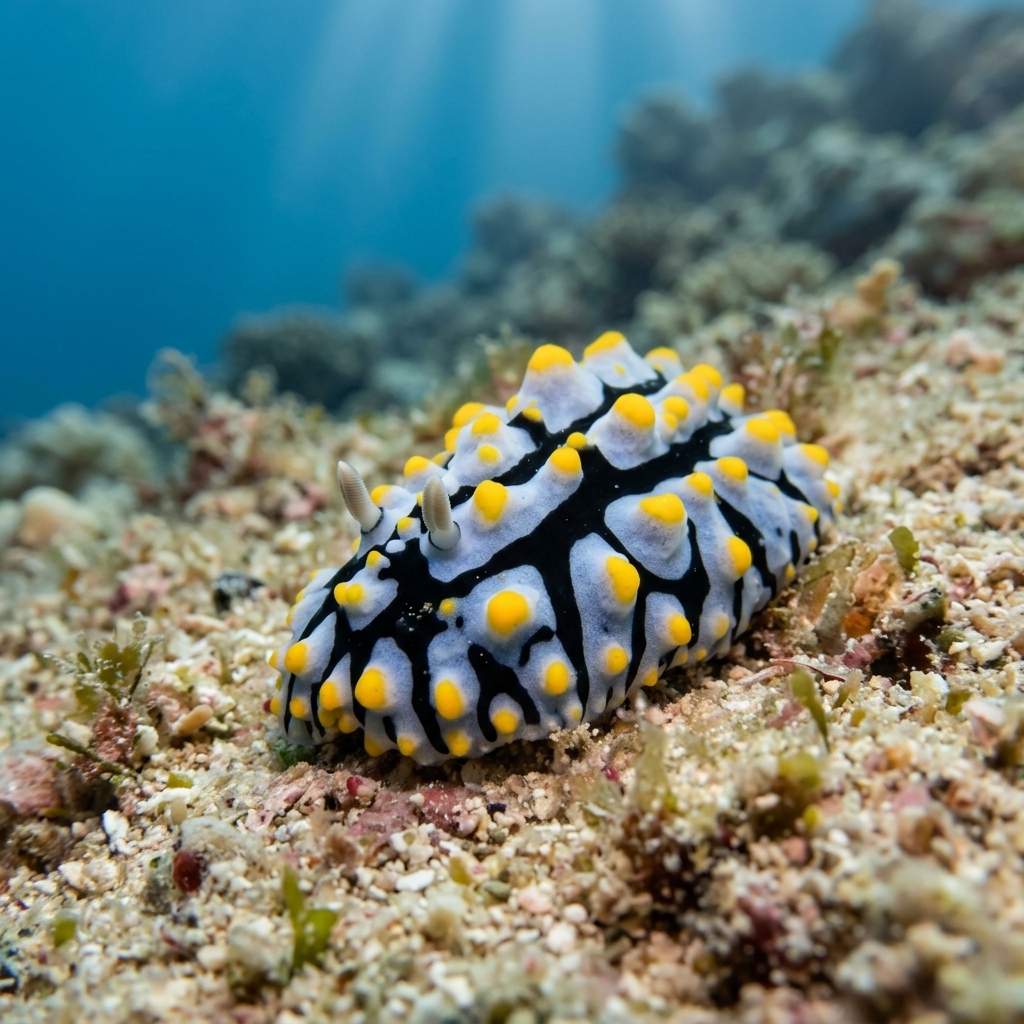
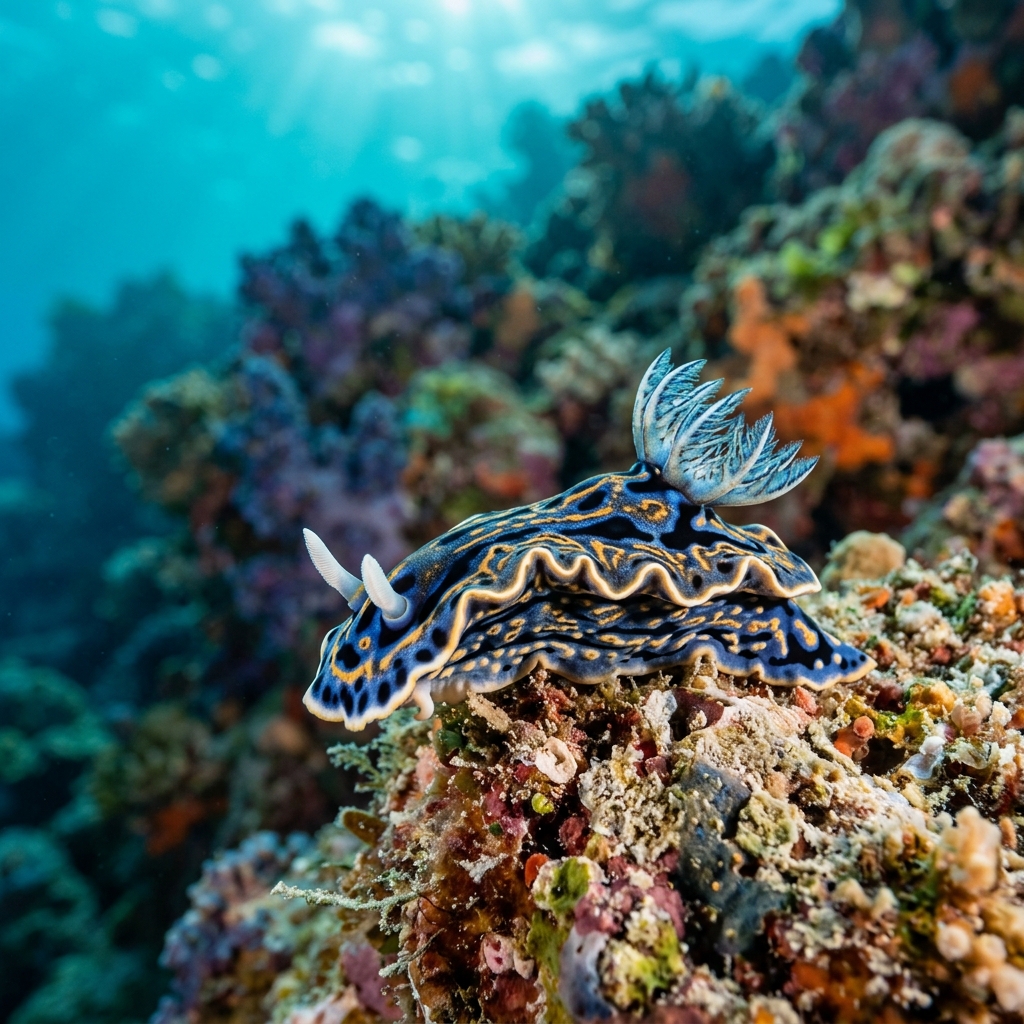
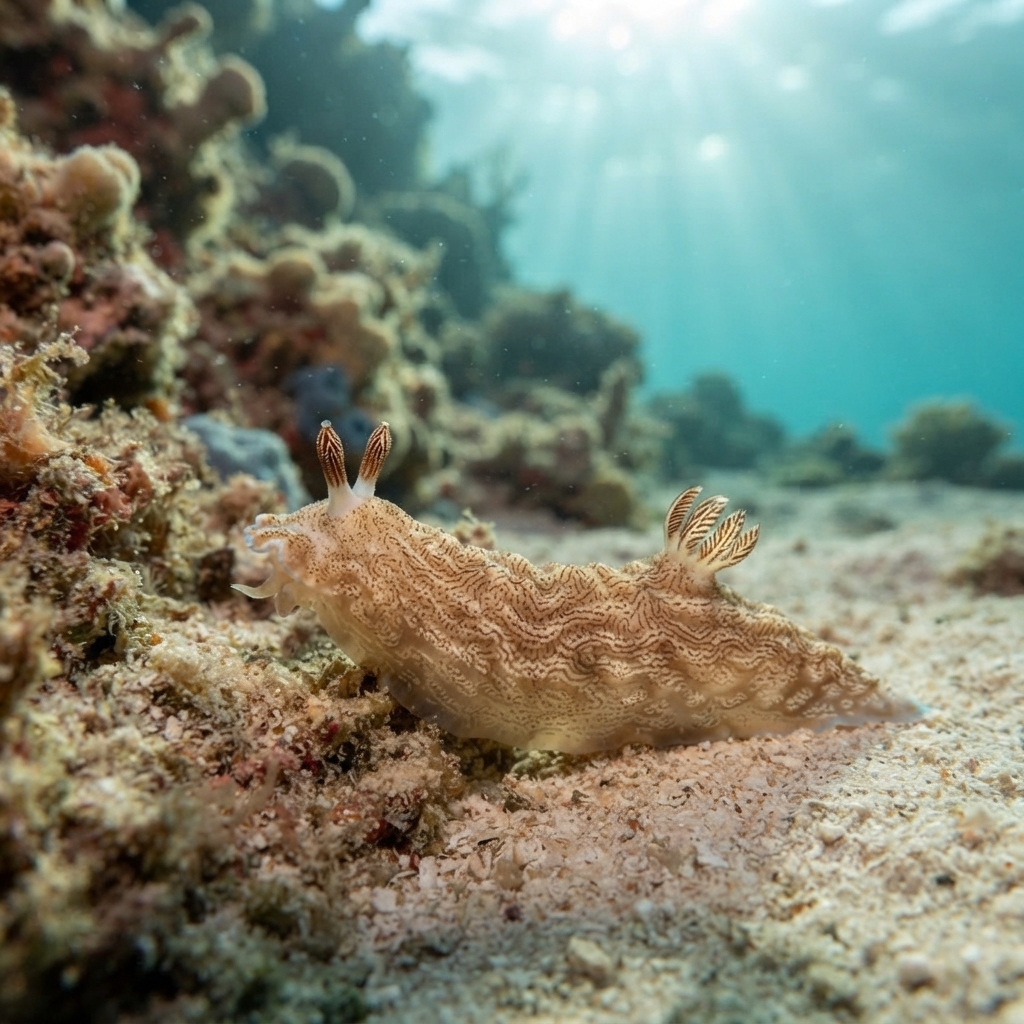
A small, elongated nudibranch with a smooth, arched back rather than the frilly gills seen on many reef nudibranchs, typical of the arminid body plan. Look for a slender, tapered body sitting low on the substrate, usually spotted by divers scanning rubble or reef debris rather than open coral. There is no documented colour difference between individuals, so precise pattern details are best confirmed against a close-up photo on the dive.
Divers log this one moving slowly over reef substrate and rubble, the way most Dermatobranchus species graze on soft corals rather than swimming or drifting in open water. It shows no particular reaction to divers, staying put or continuing its slow crawl when a light or camera comes close. Expect to find it on the same kind of bottom time you'd spend macro-hunting, rather than out on open reef faces.
Like other members of its genus, this species almost certainly feeds on soft corals or octocorals, using that diet to fuel a slow, deliberate crawl across the reef rather than any burst of movement.
Sightings don't show a clear seasonal pattern, and with a water-temperature niche of 25.5 to 31.5 C, conditions stay suitable on Luzon's reefs throughout the year. Treat it as a year-round possibility rather than a seasonal target.
All confirmed sightings so far come from Luzon in the Philippines, making it the only region with a reliable track record for this species. If you are hunting for it specifically, Luzon's muck and reef sites are currently the best bet on record.
Mapping where Dermatobranchus funiculus is logged…
Every logged sighting comes from Luzon in the Philippines, where it turns up as an uncommon find at a handful of sites. There's no confirmed record yet from outside the Philippines.
There's no detected season, and it's found in water from 25.5 to 31.5 C, so it's a year-round possibility on Luzon's reefs rather than a seasonal target.
Look for a small, slender nudibranch with a smooth arched back and no obvious feathery gill plume, crawling slowly over rubble or reef debris. Confirming the exact pattern usually needs a close macro shot compared against reference photos.
Exact size data isn't available for this species, but like most Dermatobranchus nudibranchs it's likely a small, easy-to-miss animal best spotted during a slow macro-focused dive.
No, it poses no danger to divers. It's a small, slow-moving nudibranch that can be observed and photographed up close without any risk.
Site and sighting data is aggregated from diver logs, iNaturalist and GBIF. For taxonomy and conservation status:
Blue Dragon
3,163 sites