Coryphella trophina
A cold-water nudibranch most reliably found off British Columbia in 7 to 13C water, usually logged as an uncommon find.
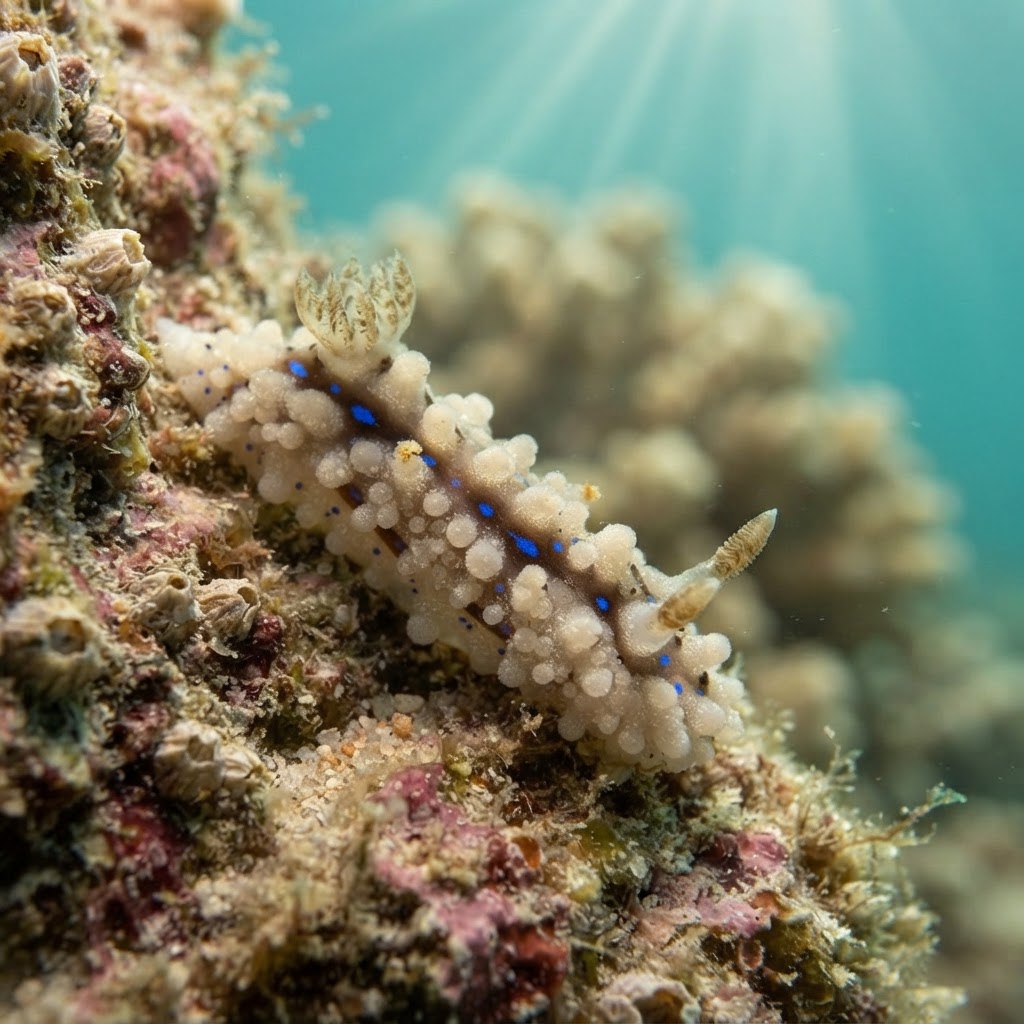
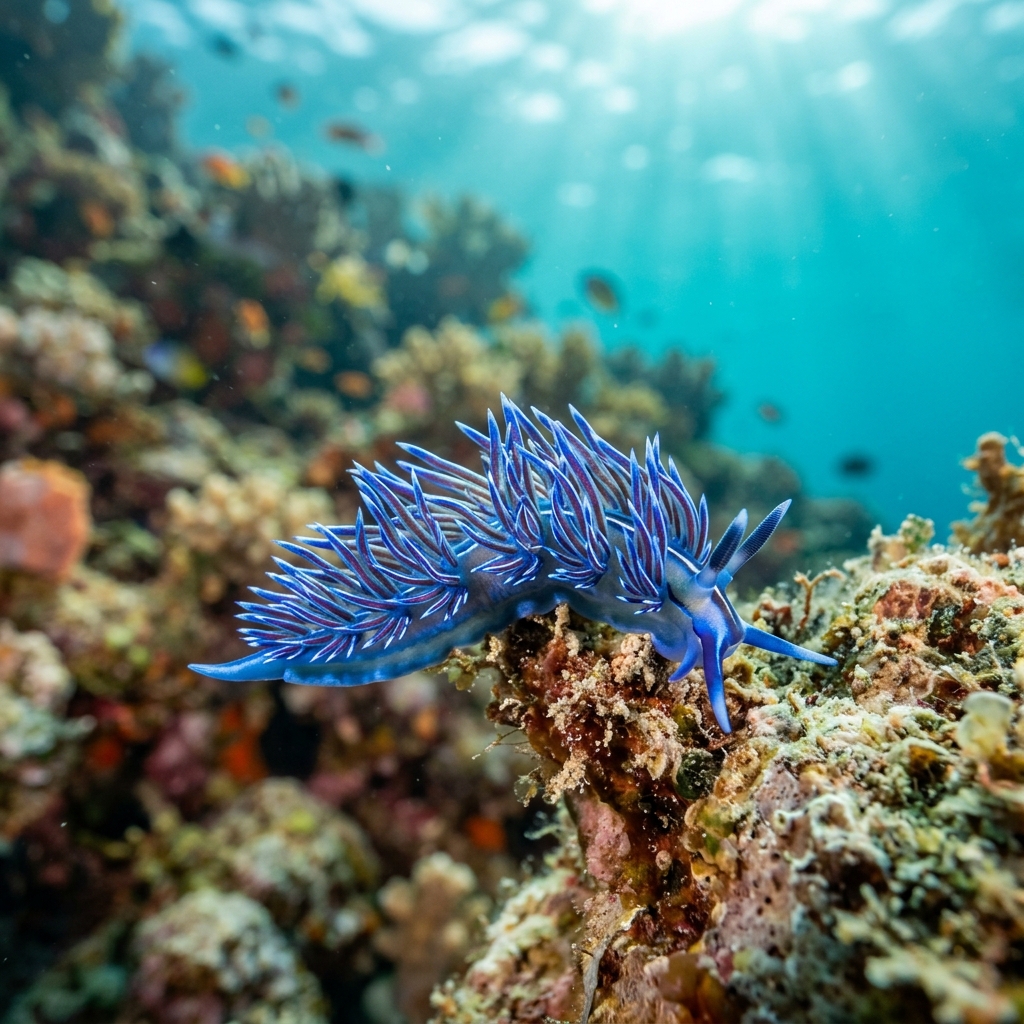
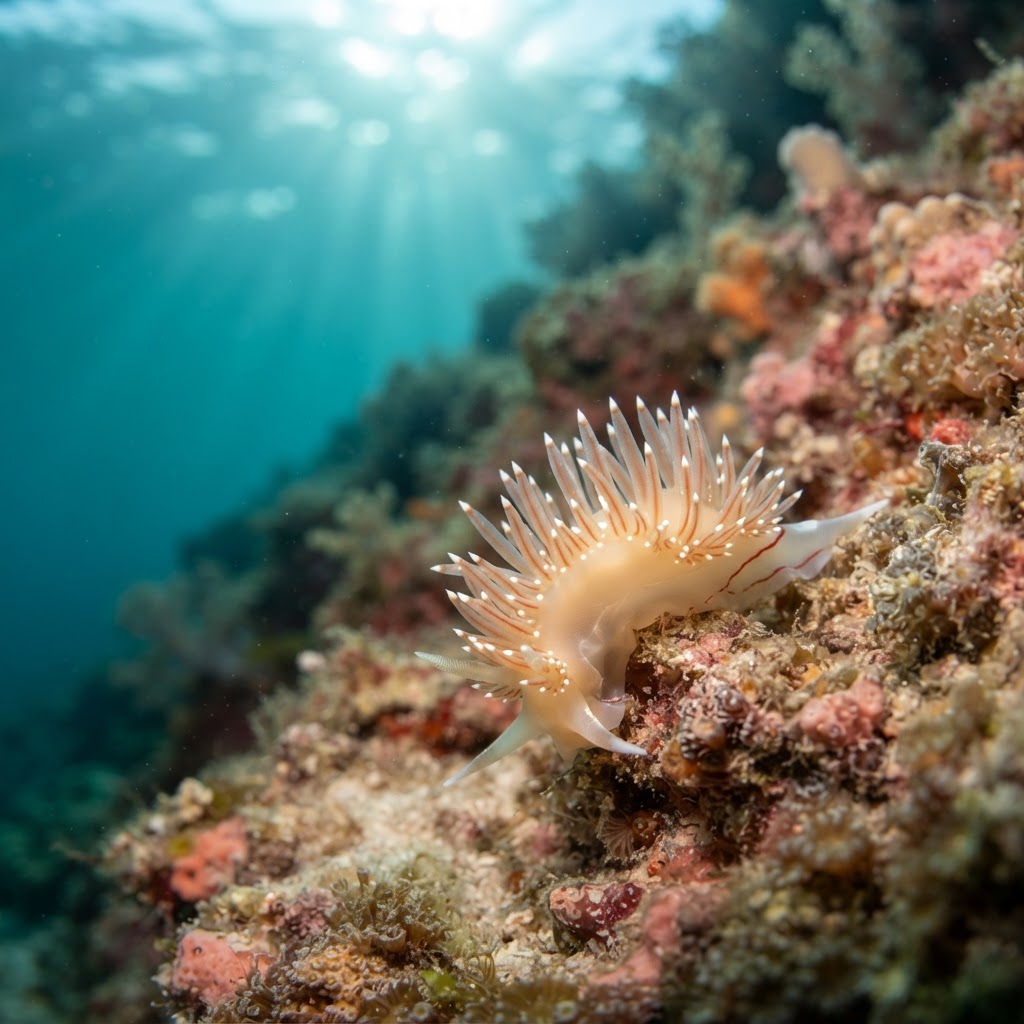
A small, slender sea slug with a translucent white body covered in rows of finger-like projections (cerata) that usually show an orange or reddish tip, giving it a bristly, almost furry look. It has two rhinophores (sensory tentacles) on its head, held upright, and moves slowly across rock and cobble in cold water. There is no strong colour contrast between males and females reported, so ID relies on the cerata pattern and overall slim body shape.
Divers usually spot it moving slowly across rock walls and cobble bottoms, often tucked among hydroids or similar prey, which cold-water nudibranchs of this type feed on. It shows no reaction to divers beyond its usual unhurried crawl, and sightings tend to come from close-focus searching rather than open-water encounters. Most logs describe it as an uncommon find, so it rewards divers who slow down and check ledges and rubble patches carefully.
Like other members of its family, it likely feeds on hydroids and can incorporate stinging cells from its prey into its own cerata as a defence, a trick common across this nudibranch group.
Sighting records don't show a clear seasonal pattern, so treat it as a year-round find in the cold waters it favours, roughly 7.4 to 13.4C. Divers in British Columbia and the Pacific Northwest can look for it on any dive within that temperature range rather than planning around a particular month.
Most consistently logged in British Columbia, Canada, which accounts for the bulk of recorded sightings, with additional finds in the Pacific Northwest of the United States and occasionally further north in Alaska. This is very much a cold, temperate rocky-reef species rather than one you will find on tropical dives.
Mapping where Predaceous Aeolis is logged…
It is most reliably recorded in British Columbia, Canada, with further sightings in the Pacific Northwest of the United States and in Alaska. It is a cold-water species tied to rocky reef habitat rather than tropical dive destinations.
There isn't enough data to point to a specific season, so it's best treated as a year-round sighting in the 7.4 to 13.4C water it favours. Divers in its range can look for it on any cold-water dive rather than timing a trip to a particular month.
Look for a slender translucent white body covered in slim cerata tipped orange or red, with two upright rhinophores on the head. It moves slowly over rock and rubble in cold water, so a careful, close look is usually needed to spot one.
No, it poses no danger to divers. It's a small, slow-moving nudibranch that simply crawls over rock and rubble and has no means of harming a diver.
Exact size data isn't available, but like most members of its family it is a small nudibranch, typically only a few centimetres long, making careful close-up searching the best way to spot one.
It almost certainly feeds on hydroids, as most species in its family do, and may store stinging cells from its prey in its cerata for defence.
Site and sighting data is aggregated from diver logs, iNaturalist and GBIF. For taxonomy and conservation status:
Light-spotted Aegires
3,168 sites