Coryphella cooperi
A small, cold-water nudibranch turning up uncommonly across California dive sites in 12-19C water, year-round.
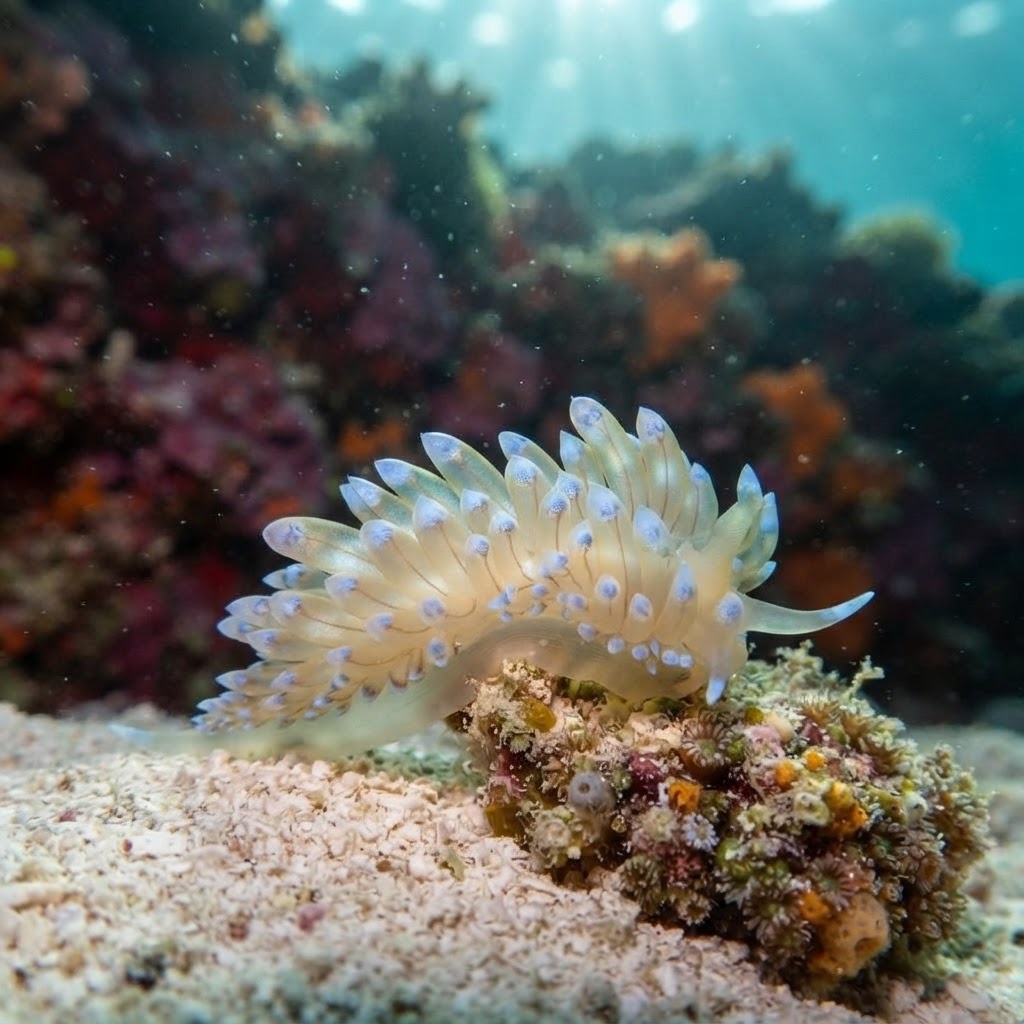
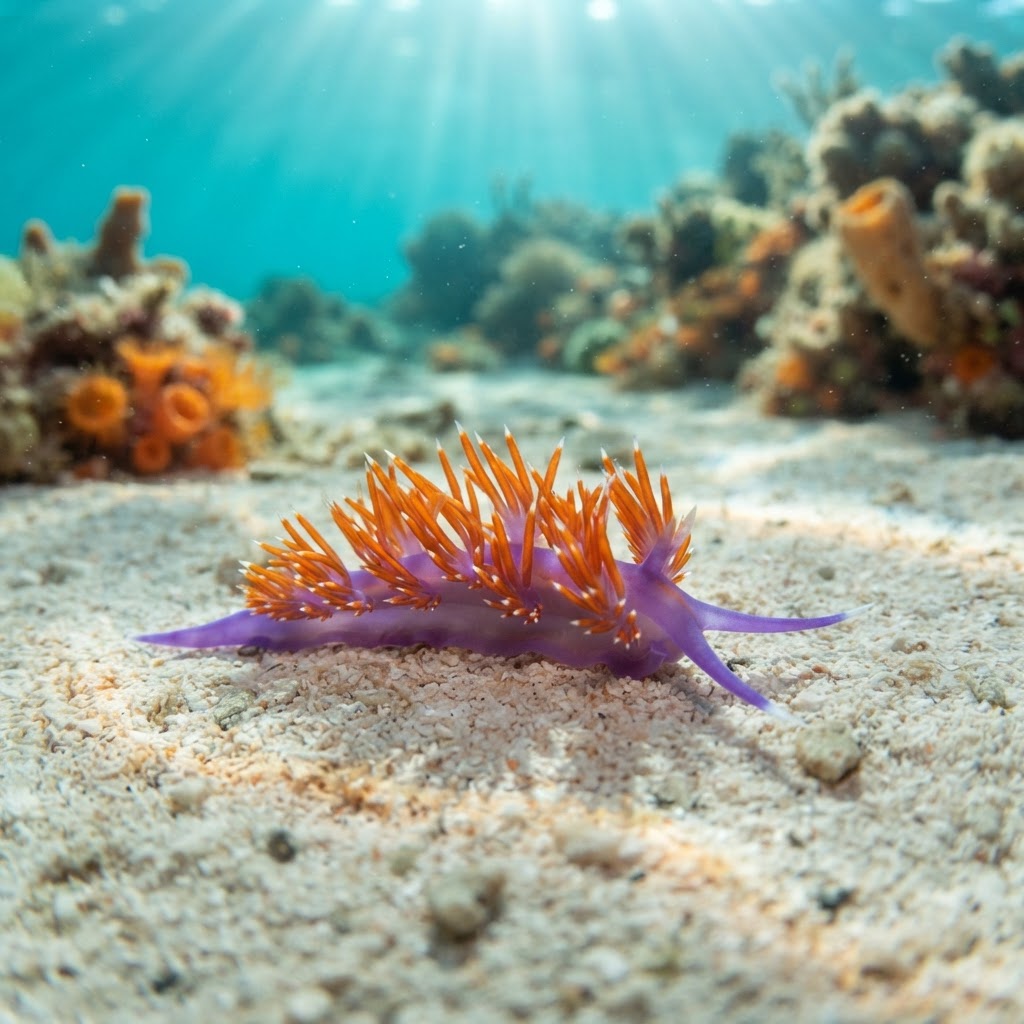
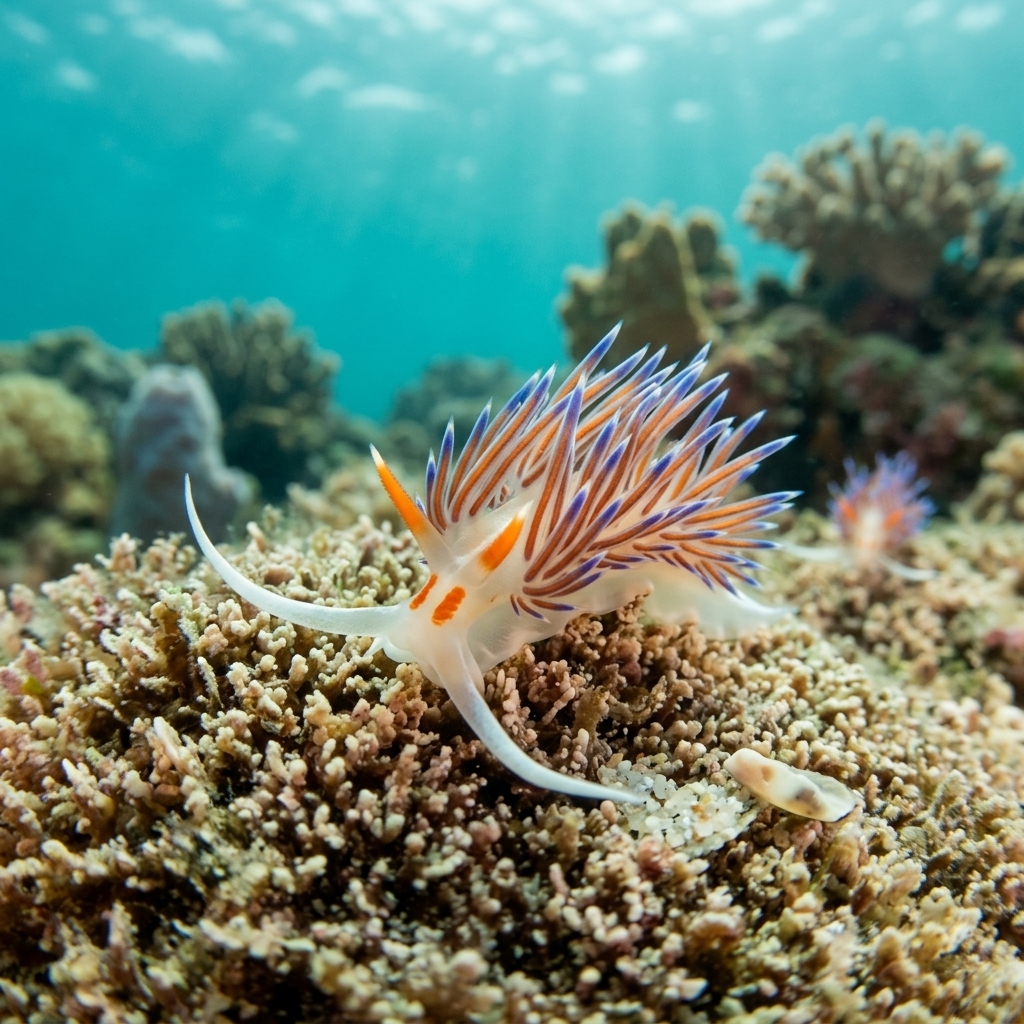
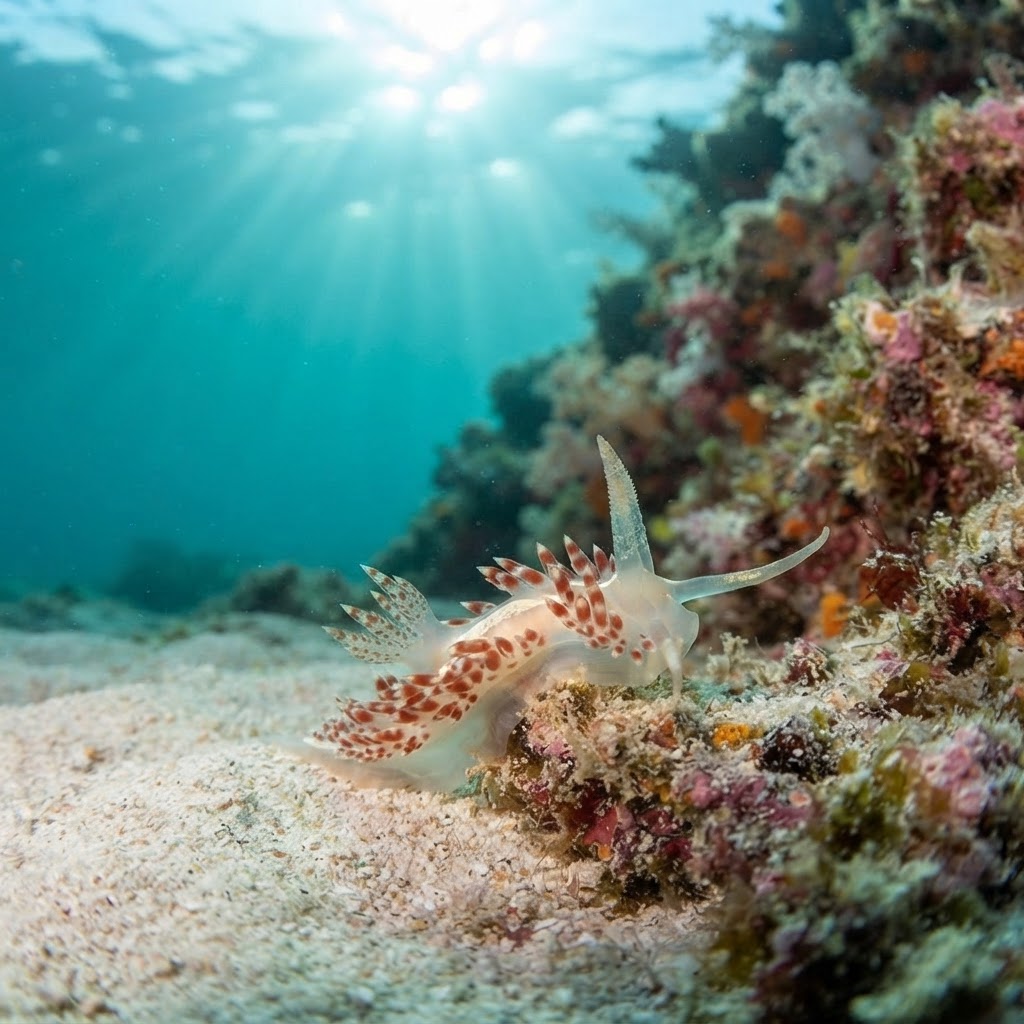
A small, slender-bodied nudibranch with rows of finger-like projections (cerata) running down its back, typically tipped in orange or red against a translucent white to pale body. The head bears two curled, tapering tentacles (rhinophores) that help distinguish it from smoother dorid nudibranchs. Its slim, elongated shape and dense cerata cluster are the key underwater cues rather than any single bold pattern.
Divers typically spot it moving slowly across rock and reef surfaces while grazing, often tucked into crevices or among hydroids where it feeds. It shows no reaction to divers beyond its usual slow crawl, making it an easy subject for macro photography if you can find one. Most sightings come from careful, close-in searching rather than casual mid-water encounters, since it is small and easily overlooked.
Like other members of its family, it likely feeds on hydroids and stores stinging cells from its prey in those orange-tipped cerata as a defence against predators.
Sighting records show no clear seasonal pattern, so treat it as a year-round possibility in California's cool water. It has been observed across a temperature range of 12.3 to 18.9C, consistent with the state's cold-water diving conditions in any month.
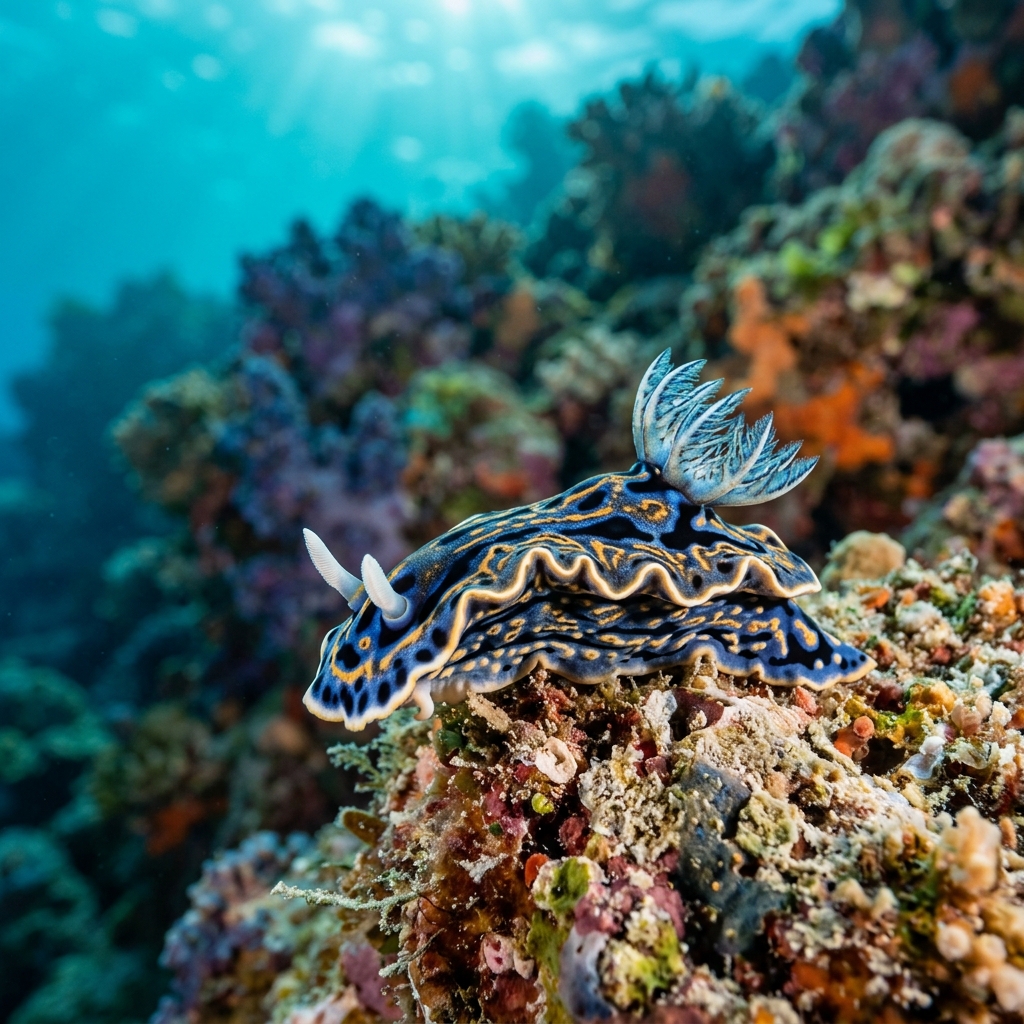
Reef neighbours a diver could mistake it for. Use the identification notes above to tell them apart.
Every logged sighting comes from California, making it a US Pacific coast speciality rather than a species you will find on tropical reef trips. Divers looking for it should focus on California sites, where it turns up uncommonly to rarely rather than reliably on any single dive.
Mapping where Coryphella cooperi is logged…
All recorded sightings are from California, United States, where it appears uncommonly to rarely across a handful of dive sites. It has not been logged elsewhere, so it is best treated as a California speciality rather than a widespread find.
There is no detected seasonal pattern, so sightings are possible year-round in California's cool water, typically between 12.3 and 18.9C.
Look for a slender, translucent white body covered in orange or red-tipped cerata running down the back, with two curled rhinophores on the head. Its slim shape and dense cluster of cerata set it apart from smoother dorid nudibranchs on the same reef.
Exact size data is not confirmed, but like most members of its family it is a small nudibranch, generally measured in centimetres rather than inches, and easy to miss without close searching.
It likely feeds on hydroids and repurposes their stinging cells within its cerata, using them as a borrowed defence against predators, a trick common to this nudibranch family.
Site and sighting data is aggregated from diver logs, iNaturalist and GBIF. For taxonomy and conservation status:
Nudibranch
3,168 sites