Trinorfolkia clarkei
A 6cm reef fish rarely logged outside Victoria and Tasmania, sitting still on rock and rubble in cool 14-21C water year-round.
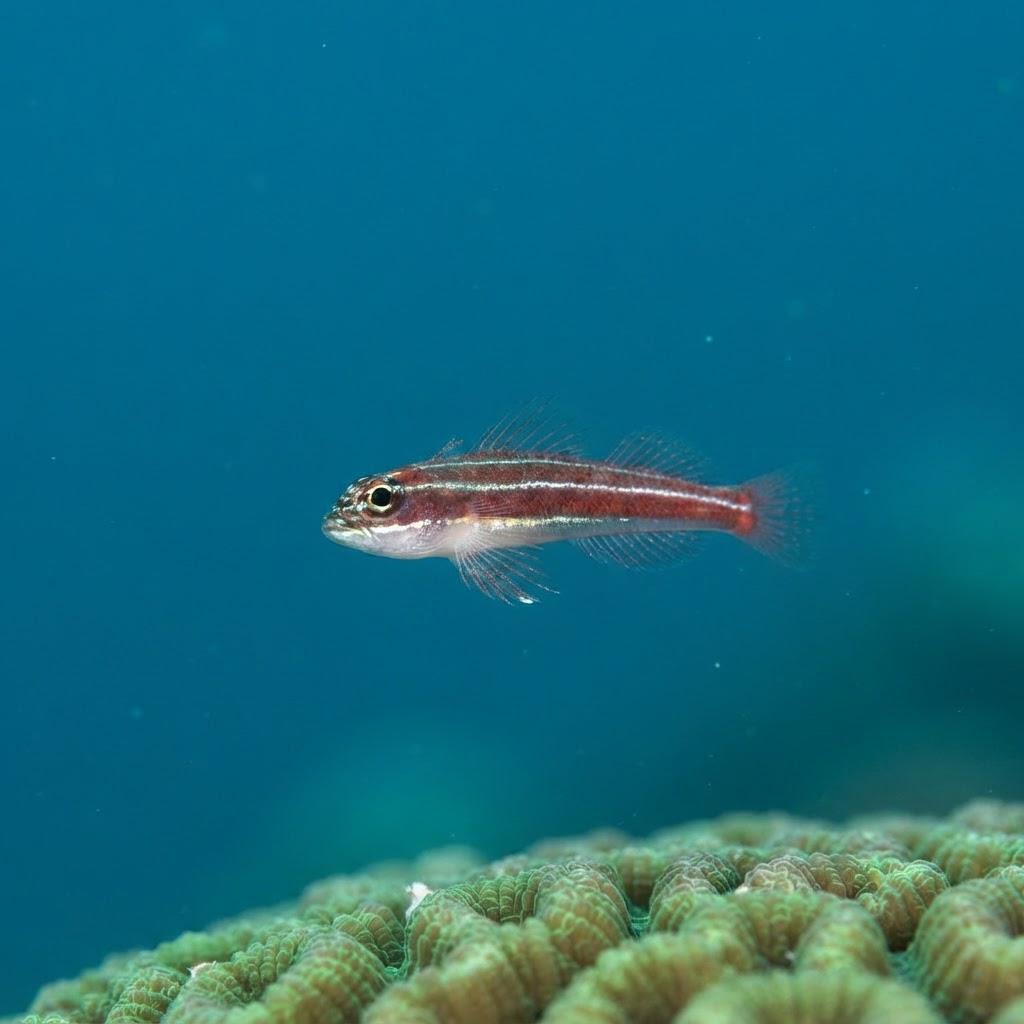
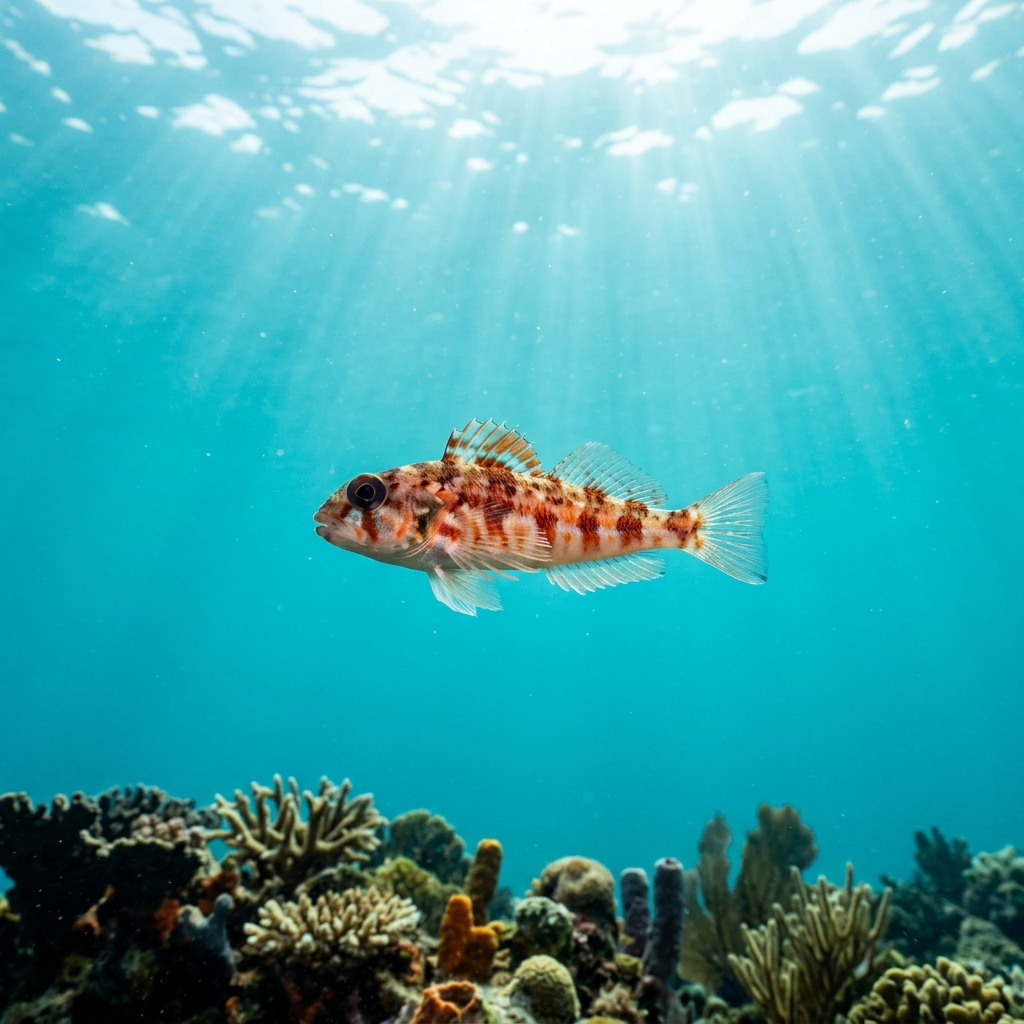
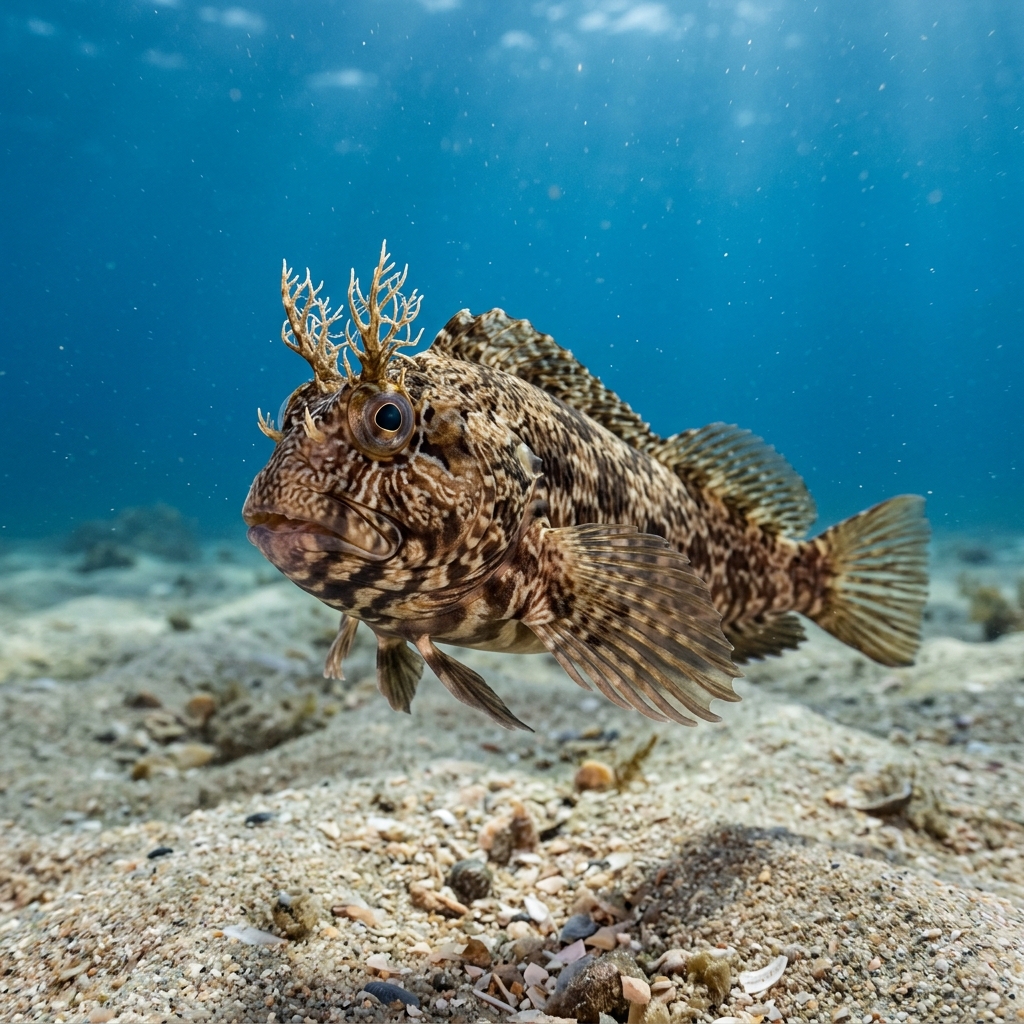
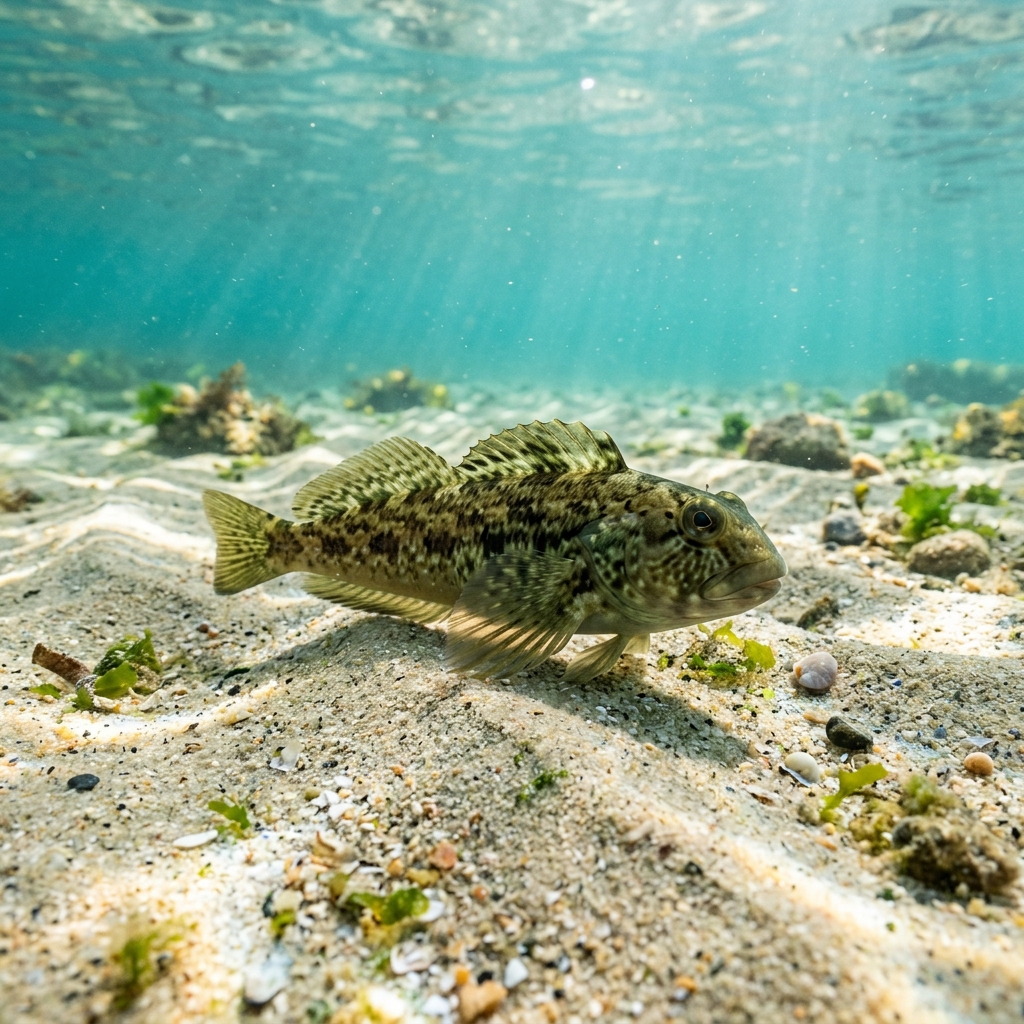
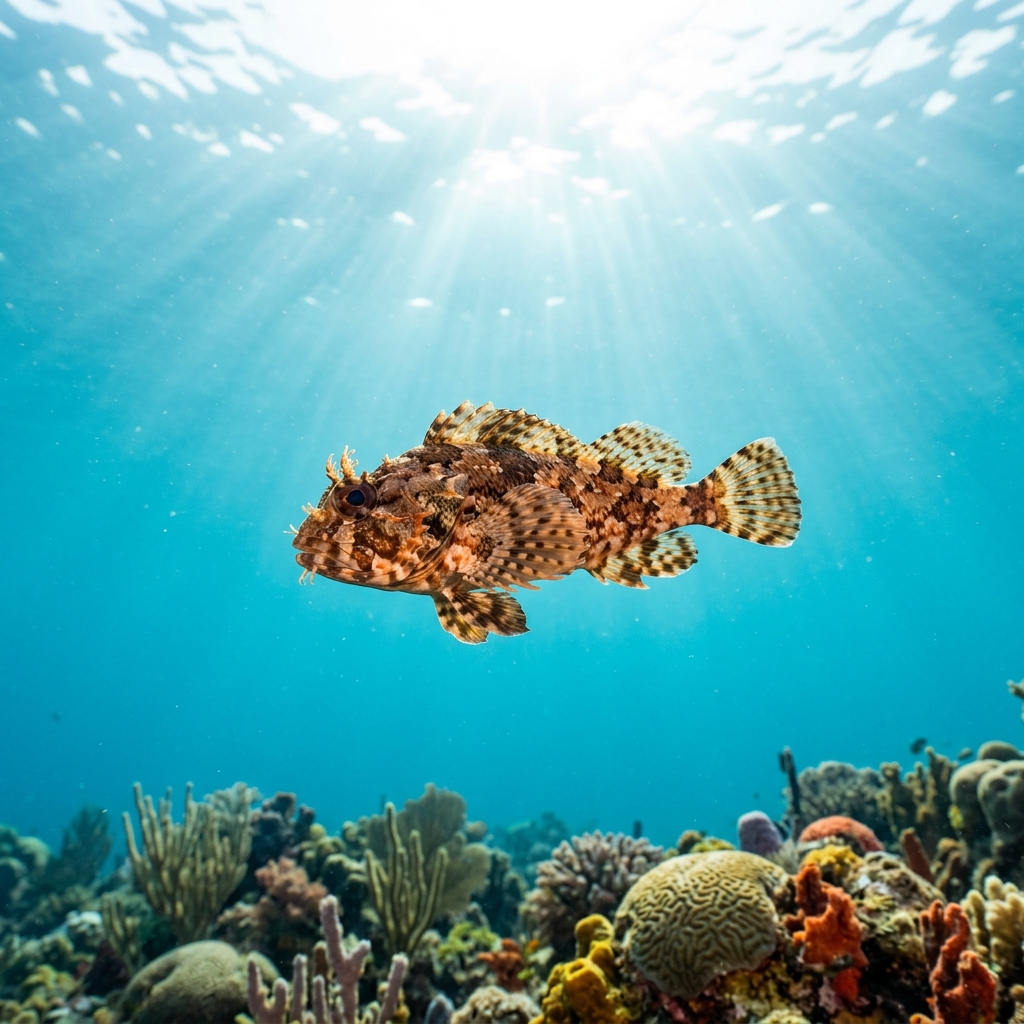
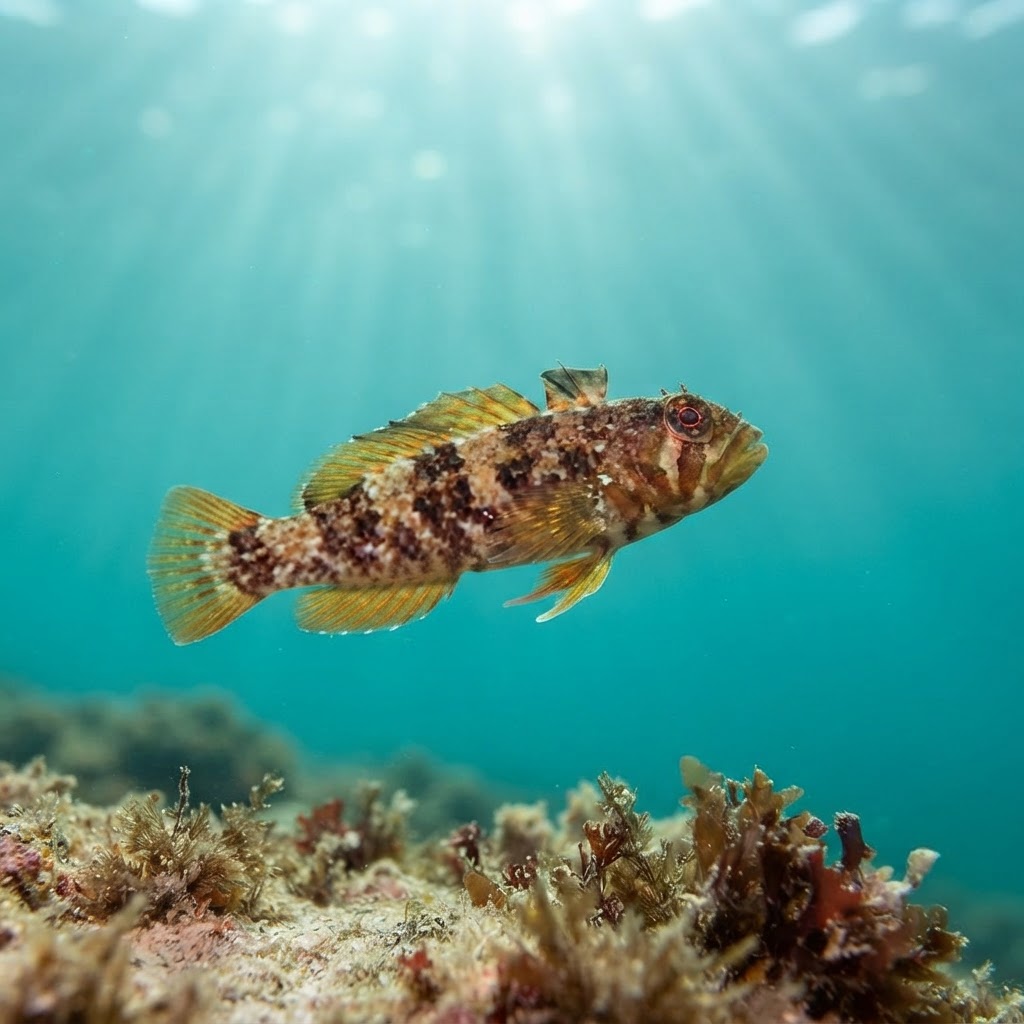
Tiny even by triplefin standards, topping out around 6cm, with a slender body that tapers to a narrow tail. Mottled brown and grey blotching over the body gives it a broken-up, camouflaged look against rock and rubble rather than any bold stripe or bar. The three-part dorsal fin that gives triplefins their name is the giveaway shape if you get close enough, held low and propped against the substrate rather than swum with.
Expect to find it perched motionless on rock, rubble or low reef structure rather than swimming in open water, relying on its blotchy camouflage to sit still while you pass. Like other triplefins it tends to prop itself up on its pectoral fins and watch rather than flee, so a slow approach and a bit of patience scanning bare rock surfaces is more productive than searching open water. Most sightings logged are one or two fish rather than groups, consistent with its rare-to-uncommon status at the sites where divers have found it.
Triplefins lack a swim bladder, which is part of why they perch on the substrate instead of hovering in midwater like most small reef fish.
No clear season shows in the data, and the observed range of 14 to 21C spans most of the diving calendar in southern Australia, so it's a year-round possibility rather than a seasonal target.
Reef neighbours a diver could mistake it for. Use the identification notes above to tell them apart.
Every logged sighting so far comes from Australia, with Victoria the strongest region and Tasmania close behind. Within those states it turns up on cool-temperate rocky reef rather than coral, and divers should treat any sighting as a bit of a find since it's logged as rare at most sites where it's been seen.
Mapping where Clarke's Triplefin is logged…
All confirmed sightings so far are from Australia, concentrated in Victoria and, to a lesser extent, Tasmania. Look for it on cool-temperate rocky reef rather than tropical coral sites.
There's no strong seasonal pattern in the sightings data, and it's been recorded across a 14 to 21C range, so it can turn up any time you're diving Victorian or Tasmanian rocky reef.
It's a tiny fish, around 6cm, with mottled brown and grey camouflage rather than bold markings. The three-section dorsal fin and its habit of perching still on rock rather than swimming are the best clues underwater.
They stay small, reaching only around 6cm, so divers need to look closely at rock and rubble surfaces rather than expect an obvious fish in open water.
No. They're a harmless, tiny reef fish that poses no risk to divers and simply sits still on the substrate when approached.
Triplefins, including this species, have no swim bladder, which is why they're found propped on rock and rubble instead of hovering in the water column like most small fish.
Site and sighting data is aggregated from diver logs, iNaturalist and GBIF. For taxonomy and conservation status:
Rusty Blenny
2,605 sites