Chelmonops truncatus
Spot the Truncate Coralfish in New South Wales, Australia, where it favours cool 18-23 °C waters. Best chances run January to May.
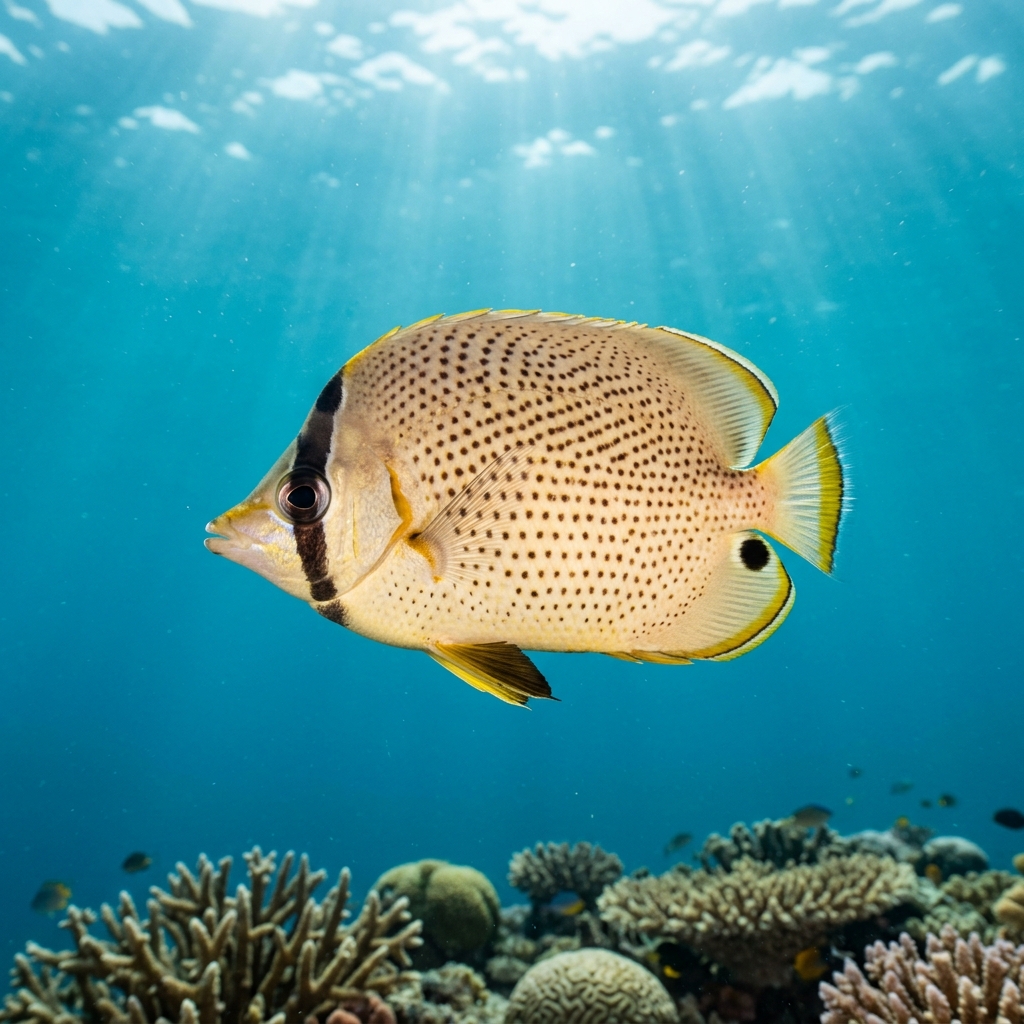
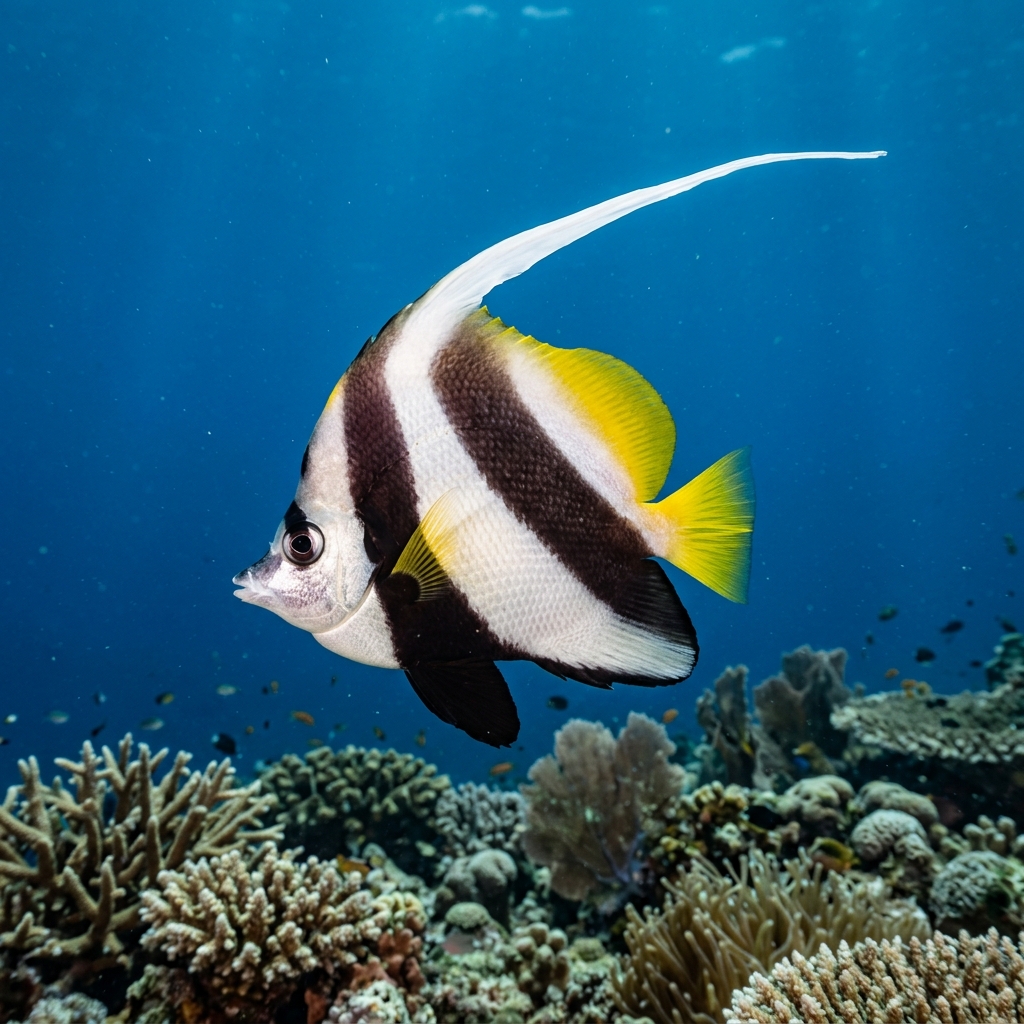
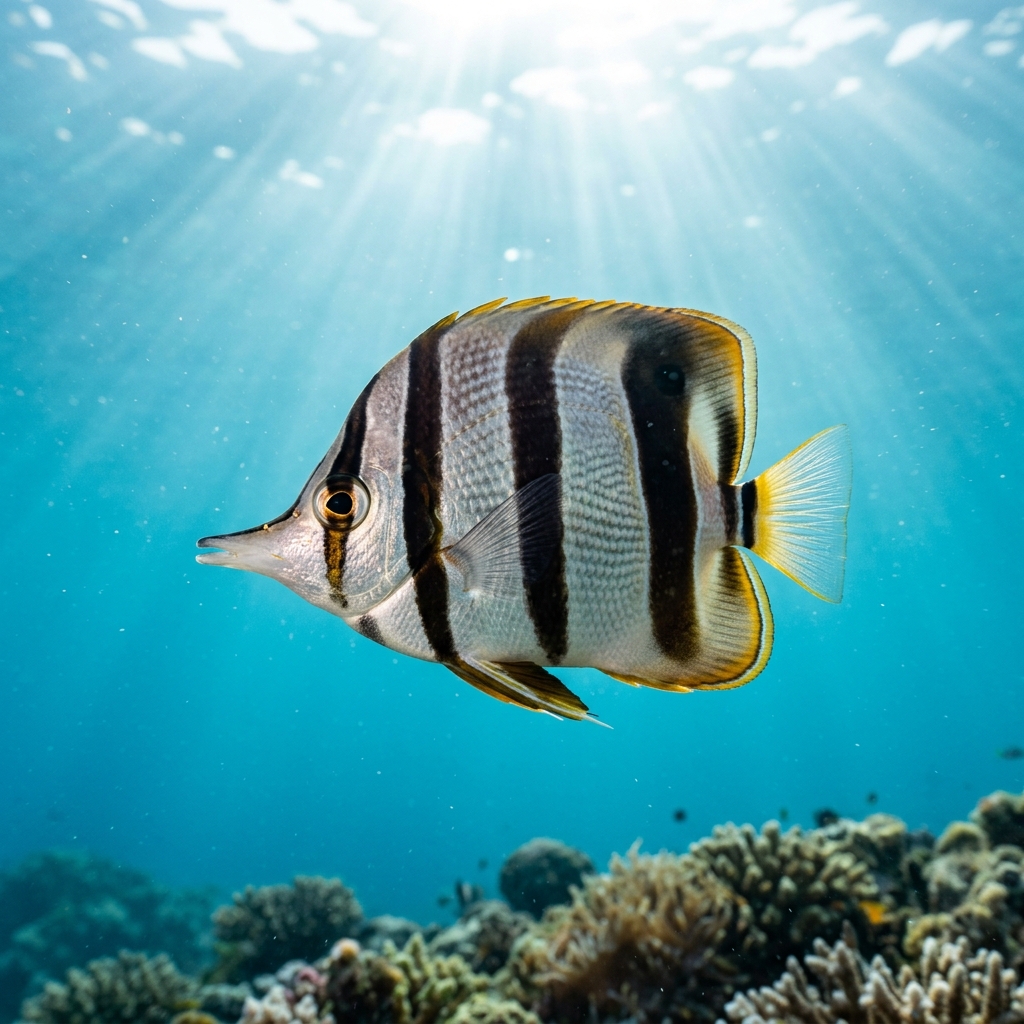
Bold black and white vertical bars dominate the body, giving it an immediately striped appearance underwater. The snout is elongated and slightly upturned, and the rear of the body is truncated (cut squarely off) rather than rounded, which is the clearest single feature separating it from most other butterflyfish in southern Australian waters. Look for the dark bar running through the eye, a classic butterflyfish trait shared across the family but combined here with that distinctive squared-off tail end.
It typically moves slowly and methodically along rocky reefs and mixed coral-rubble habitats, probing crevices with its narrow snout for small invertebrates. Divers generally find it unfazed by a slow approach, though it will edge away if crowded. It is most often seen singly or in pairs rather than in groups.
Unlike most butterflyfish that inhabit tropical reefs, this species is adapted to temperate southern Australian waters, making it one of the few members of the Chaetodontidae family that a diver in a thick wetsuit is more likely to encounter than one in a rashguard.
Sightings in the Southern Hemisphere concentrate between January and May, which aligns with the warmest end of its cool-water temperature range of 18 to 23 °C along the New South Wales coast.
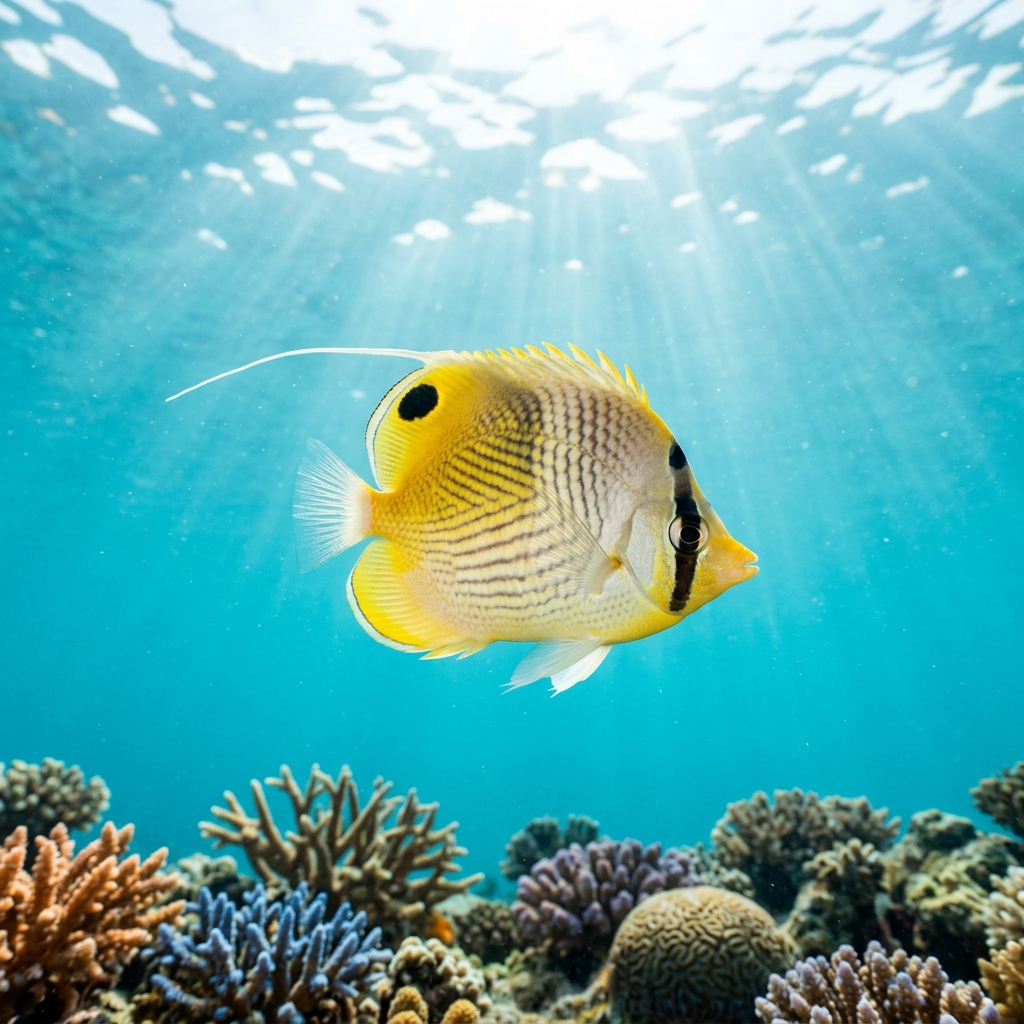
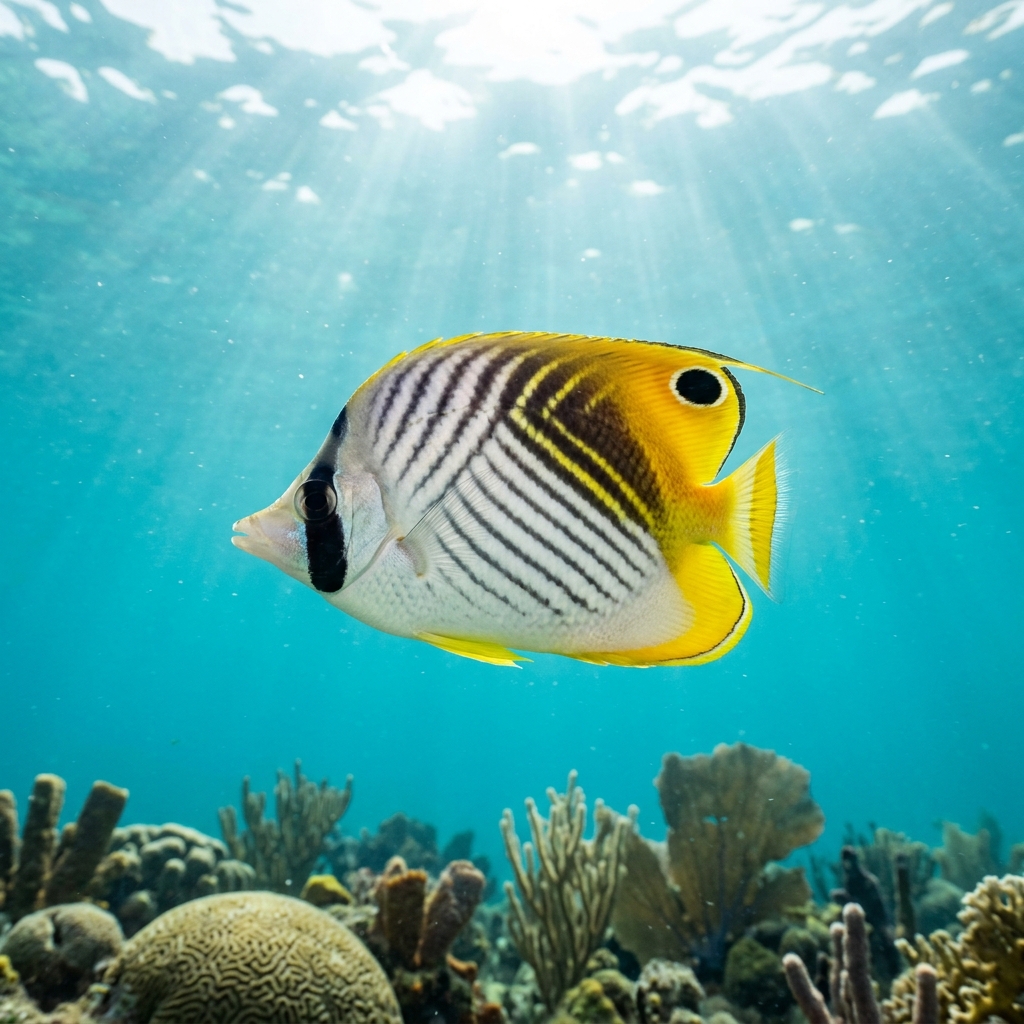
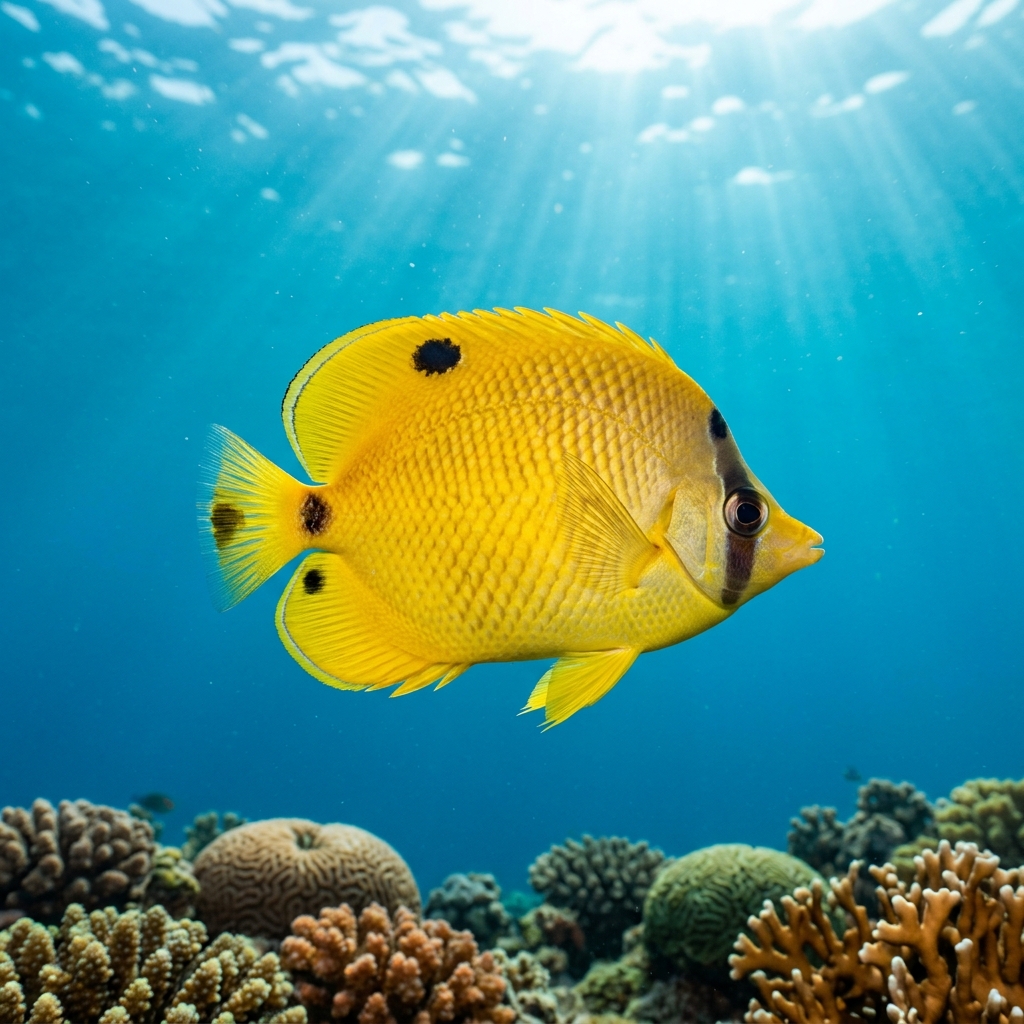
Reef neighbours a diver could mistake it for. Use the identification notes above to tell them apart.
Every confirmed sighting on record comes from Australia, with all logged sites concentrated in New South Wales. This makes it essentially a New South Wales speciality, encountered on rocky and reef habitats along that coastline rather than on tropical coral systems further north.
Mapping where Truncate Coralfish is logged…
All confirmed dive sightings come from Australia, with every recorded site in New South Wales. Rocky reefs along the NSW coastline are your best bet, making this a rewarding find on temperate Australian dives.
Sightings concentrate between January and May along the New South Wales coast. This corresponds with the warmer end of its cool-water range, when water temperatures sit between roughly 18 and 23 °C.
Look for the bold black and white vertical bars combined with a distinctively squared-off rear body, which sets it apart from other butterflyfish. The elongated snout and the dark bar through the eye complete the picture. In NSW waters, the combination of those features and the cool-water setting narrows it down quickly.
Across the sites where it is observed, it is most often logged as uncommon, though a fair number of sites rate it as common. Rare sightings are also recorded at some locations. Patience and local knowledge improve your odds considerably.
No, it is currently assessed as Least Concern on the conservation scale, meaning no elevated threat to the population has been identified. That said, temperate reef habitats face ongoing pressure from warming seas and coastal development.
Site and sighting data is aggregated from diver logs, iNaturalist and GBIF. For taxonomy and conservation status: