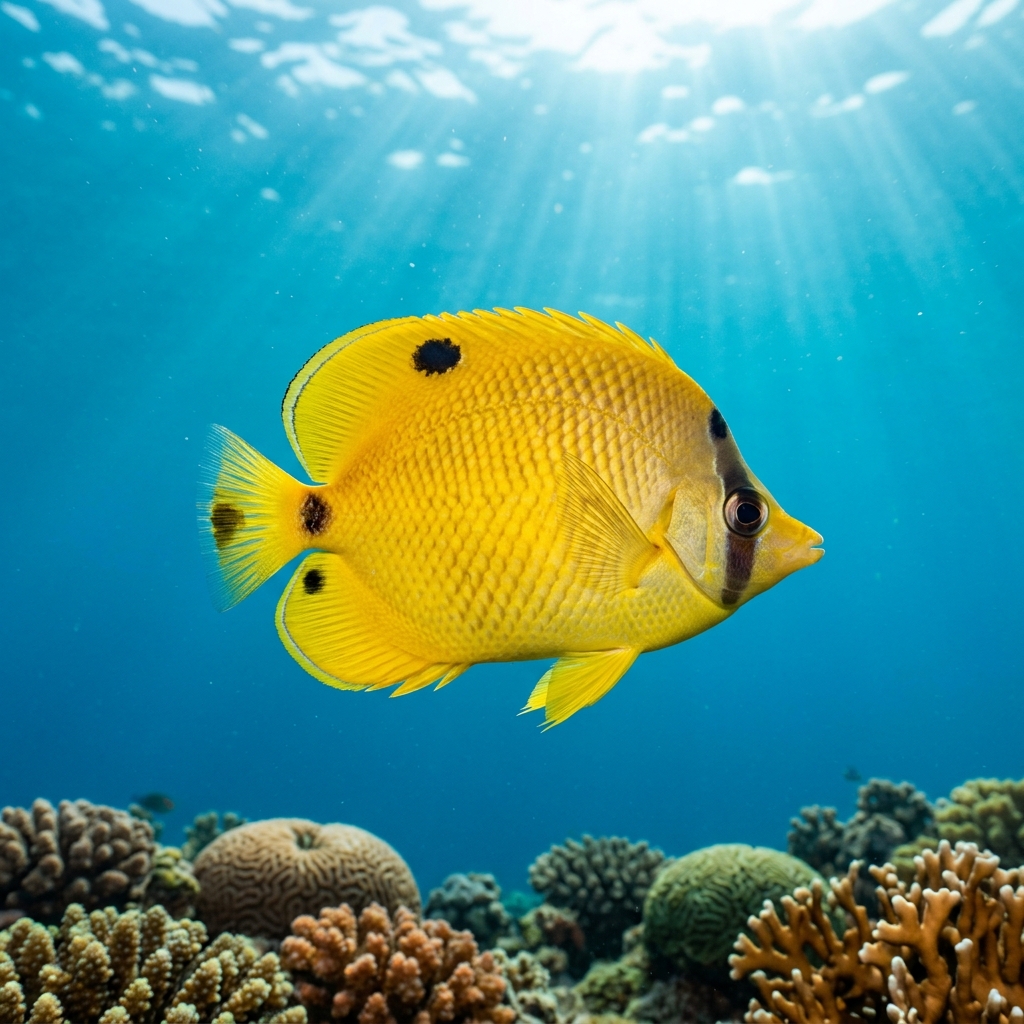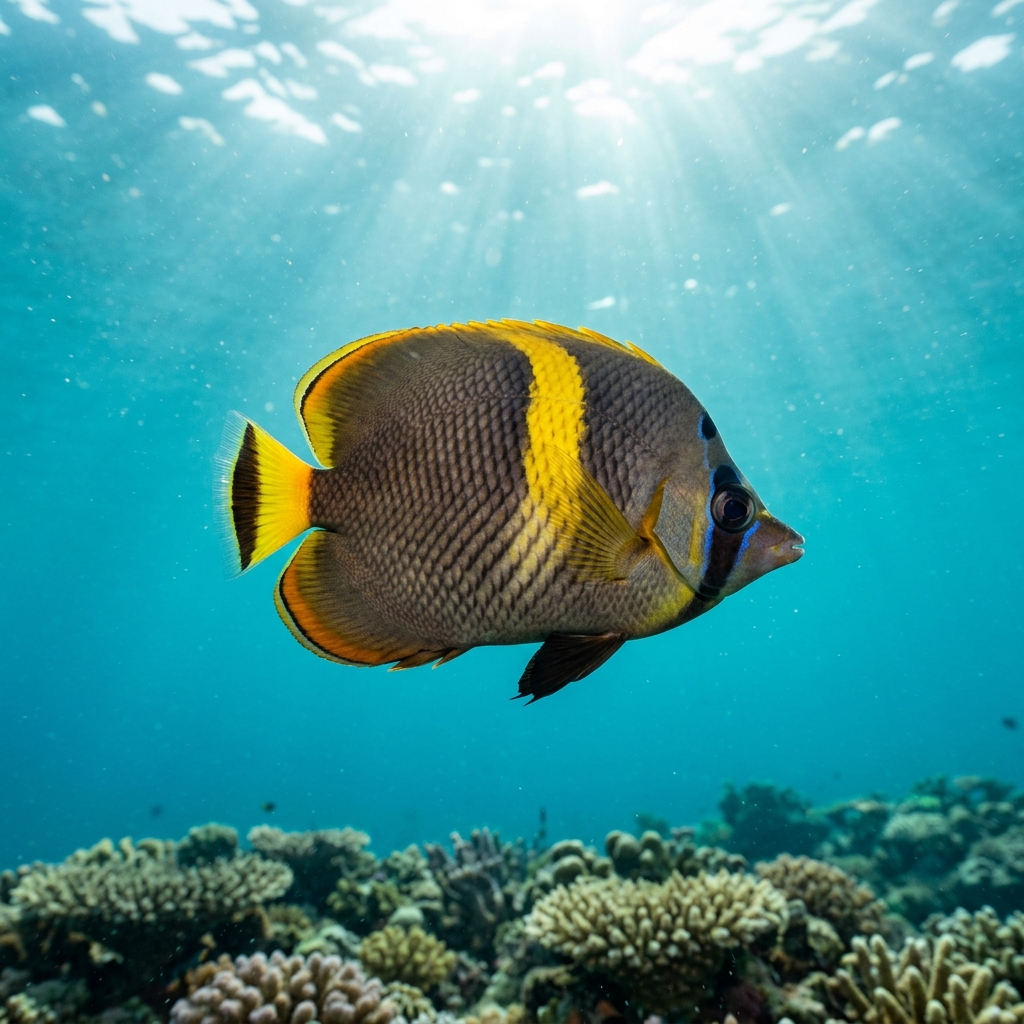
Chaetodon flavirostris
Spot the dusky butterflyfish along Queensland and New South Wales reefs year-round. ID tips, best dive regions, and sighting frequency from real diver data.
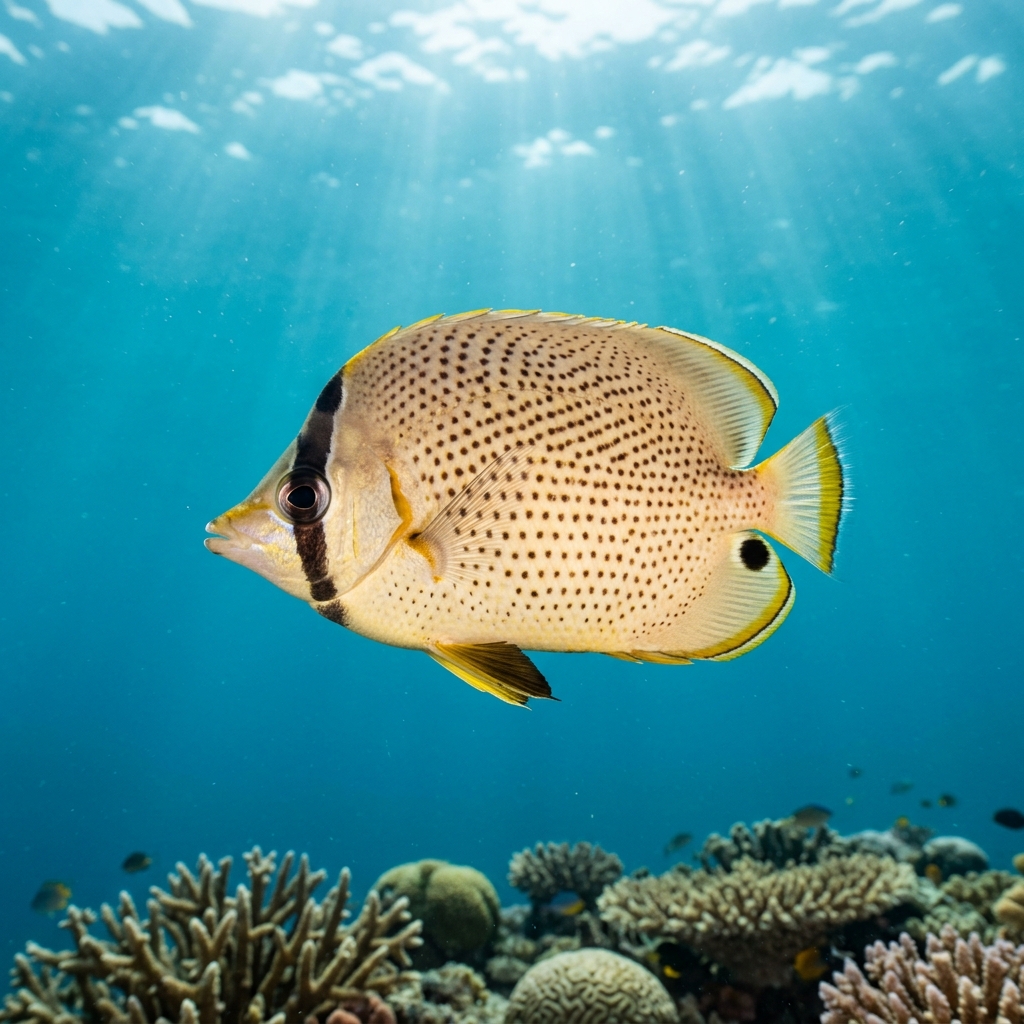
Dark charcoal to near-black body colouration sets this butterflyfish apart from most of its more colourful relatives, making it easy to pick out on the reef. The bright yellow snout is the key field mark, contrasting sharply against the dark body and giving the fish its alternative descriptive nickname. Body shape is the classic disc-like butterflyfish profile, laterally compressed and roughly circular when viewed from the side. A pale or whitish cheek patch and a dark band through the eye complete the pattern.
Dusky butterflyfish are typically seen singly or in pairs, moving methodically across coral and rocky reef picking at benthic (bottom-dwelling) invertebrates and coral polyps. They tend to stay close to reef structure and will drift away from an approaching diver rather than bolt, giving reasonably patient observation opportunities. Most encounters happen during the day in shallow to mid-water reef zones.
Unlike most butterflyfish that are strictly tropical, this species extends well into temperate Australian waters, making it one of the few chaetodontids regularly logged by divers wearing thick wetsuits in cooler southern New South Wales conditions.
Seasonality data from southern-hemisphere sites shows this species present year-round with no concentrated peak season, which fits its tolerance for water temperatures from around 18 to 26 degrees Celsius and its range across both tropical and warm-temperate Australian reefs.
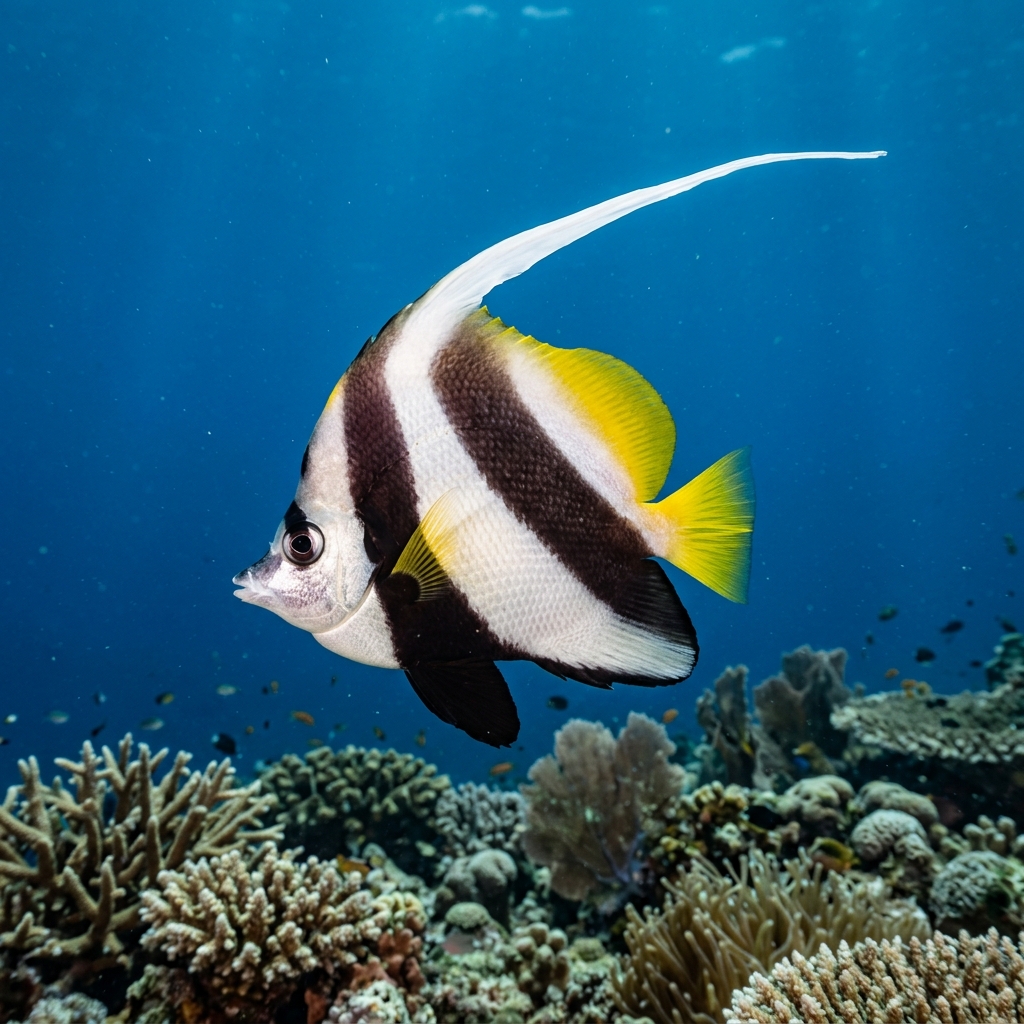
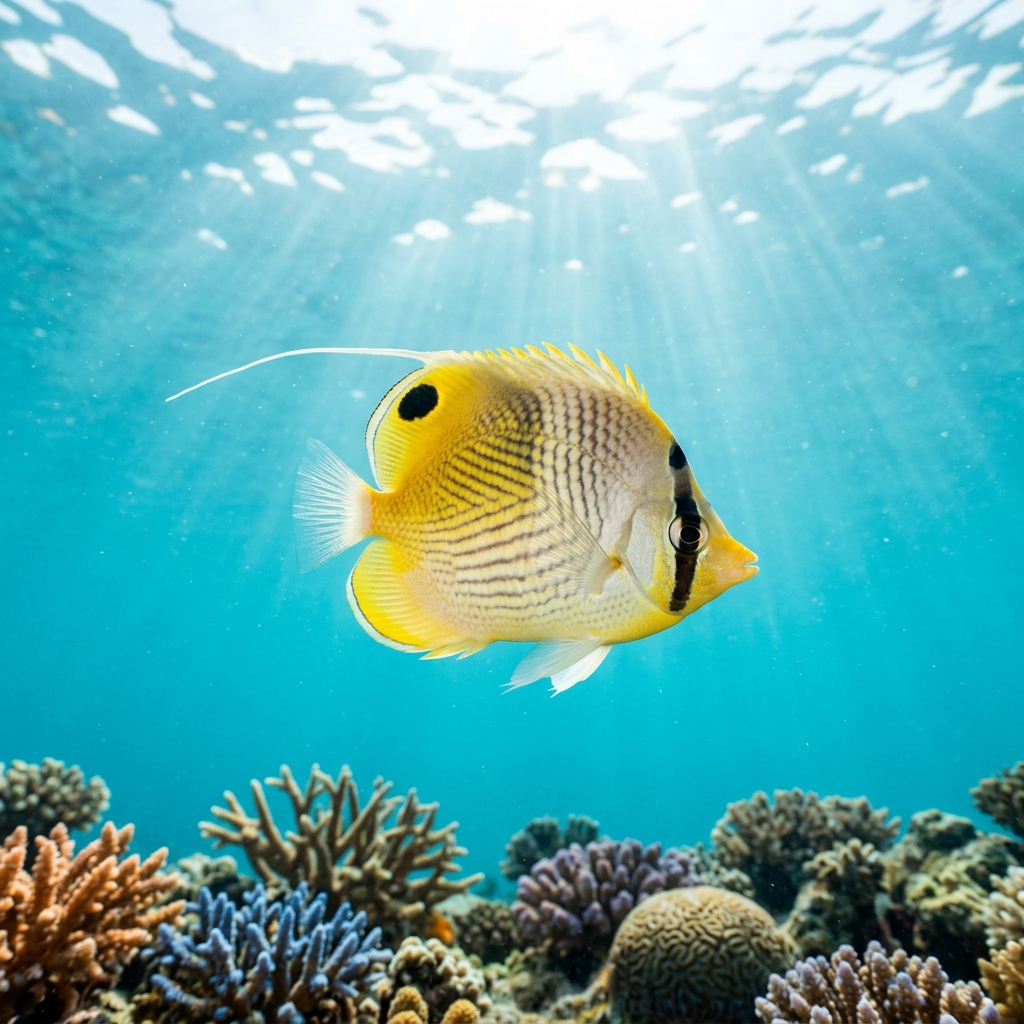
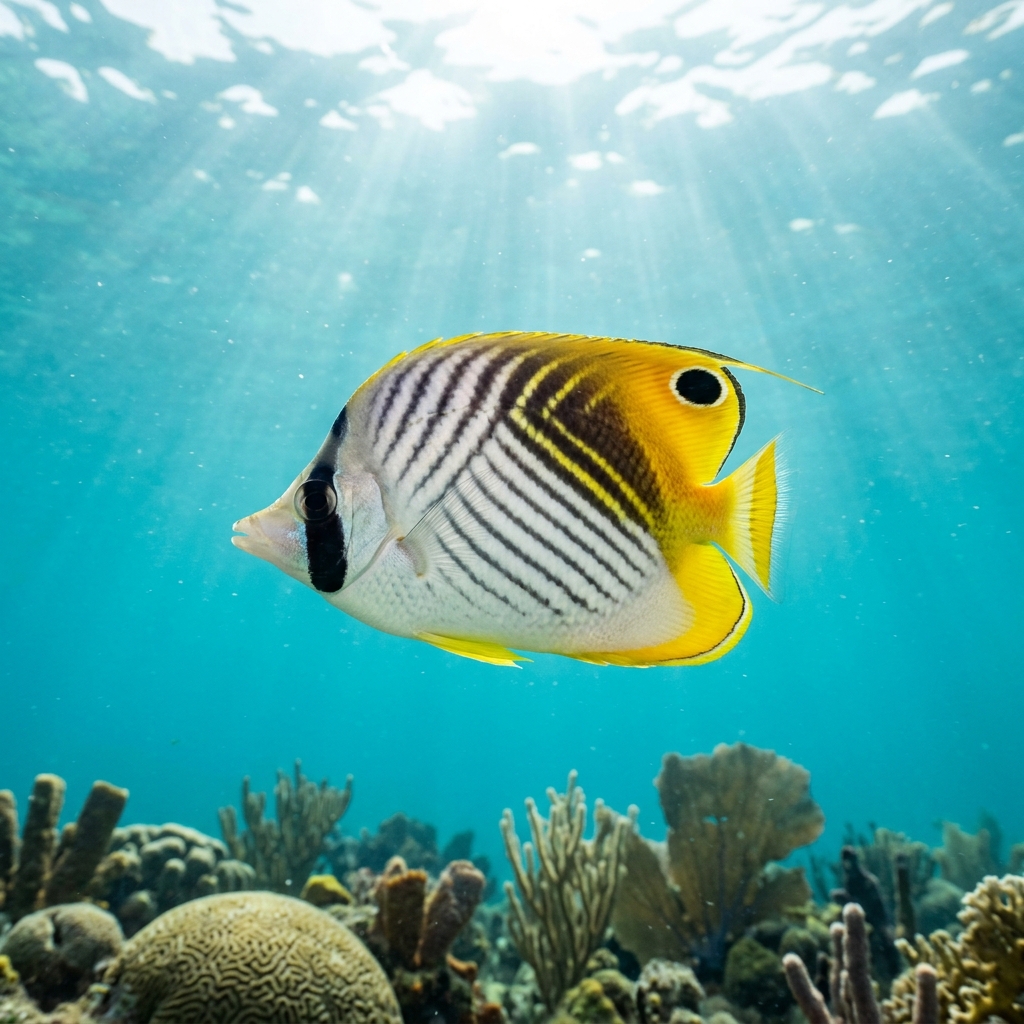
Reef neighbours a diver could mistake it for. Use the identification notes above to tell them apart.
Most sightings come from Australia, where Queensland and New South Wales together account for the bulk of logged encounters, spanning reefs from the Great Barrier Reef south into temperate waters. New Caledonia is the next most reliable destination, with Nouméa and Île des Pins both producing consistent records. A solitary sighting from Norfolk Island rounds out the known range.
Mapping where Dusky Butterflyfish is logged…
The species is most commonly logged in Queensland and New South Wales, Australia, covering reefs from the tropics south into temperate zones. New Caledonia, particularly around Nouméa and Île des Pins, is a reliable secondary destination. Norfolk Island also has a record but is rarely visited.
They are present year-round with no concentrated season. Their tolerance for water temperatures from roughly 18 to 26 degrees Celsius means they remain active across both warm and cooler months, so there is no need to time a trip specifically around this species.
Look for the combination of a very dark, almost black body with a bright yellow snout. Most butterflyfish are pale or boldly striped, so the dark overall colouration is immediately distinctive. A pale cheek patch and a dark eye-band are secondary marks worth confirming.
Most site records classify them as uncommon, with a smaller proportion of sites recording them as rare. Encounters at sites where they are common do exist, particularly in Queensland, but you should treat a sighting as a pleasant bonus rather than a certainty on any given dive.
No. They pose no risk to divers whatsoever and will typically move away slowly if approached too closely.
Site and sighting data is aggregated from diver logs, iNaturalist and GBIF. For taxonomy and conservation status: