Cabangus regius
Uncommon nudibranch logged mainly around Luzon in the Philippines, spotted year-round on reefs sitting between 25.5 and 31.5 C.
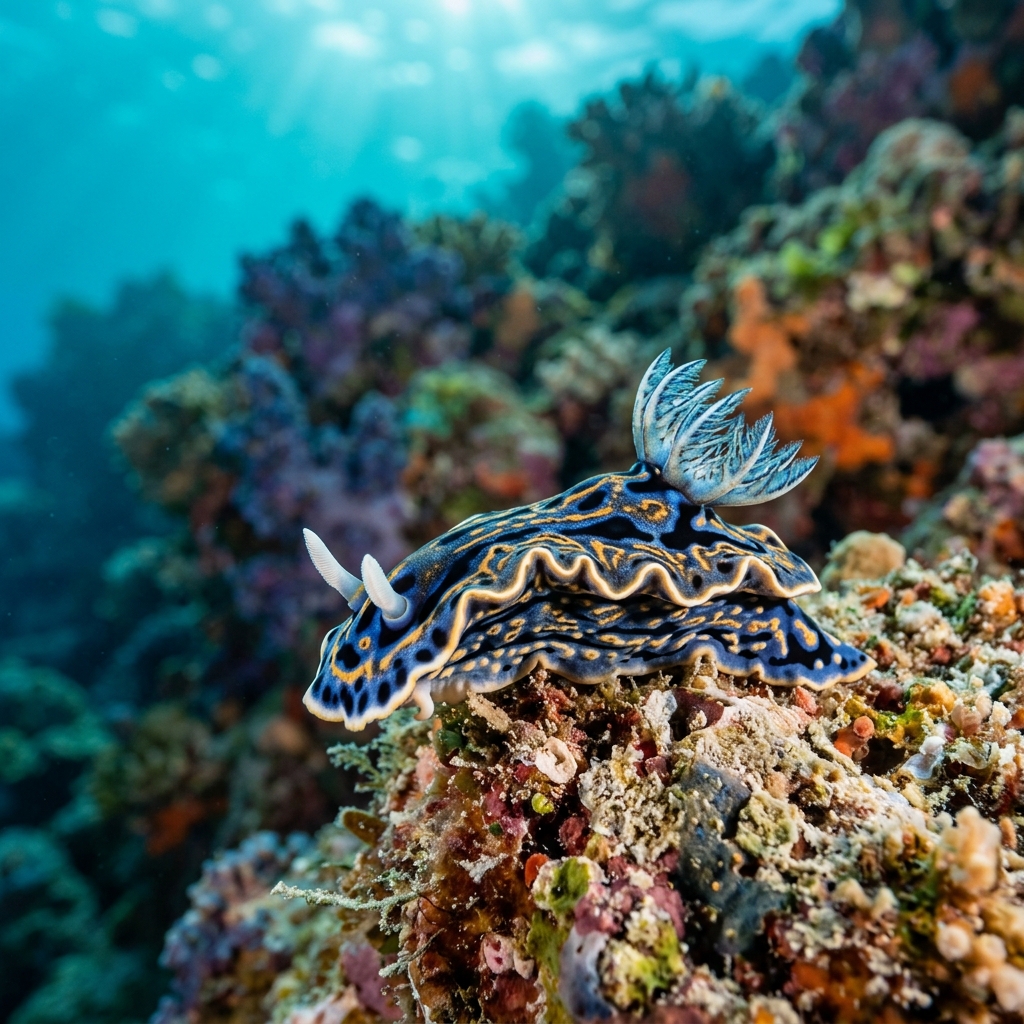
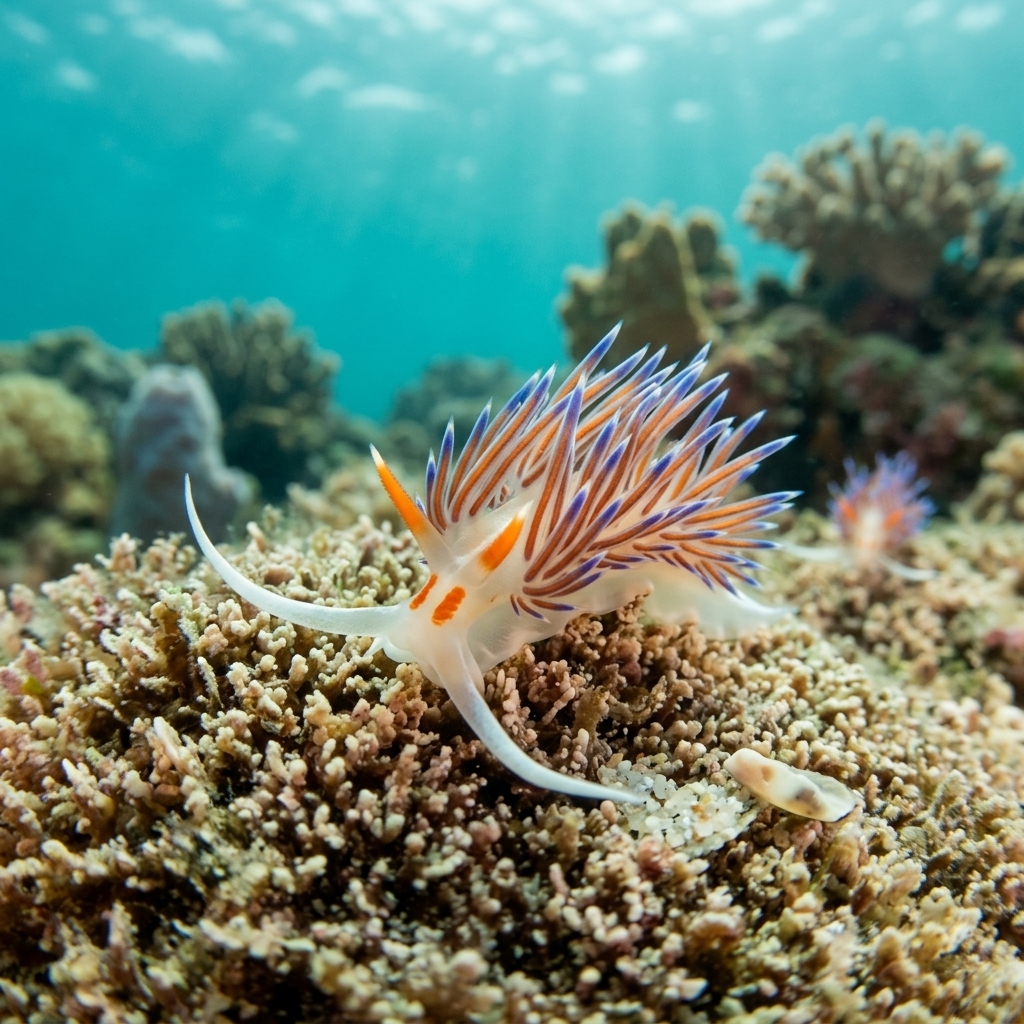
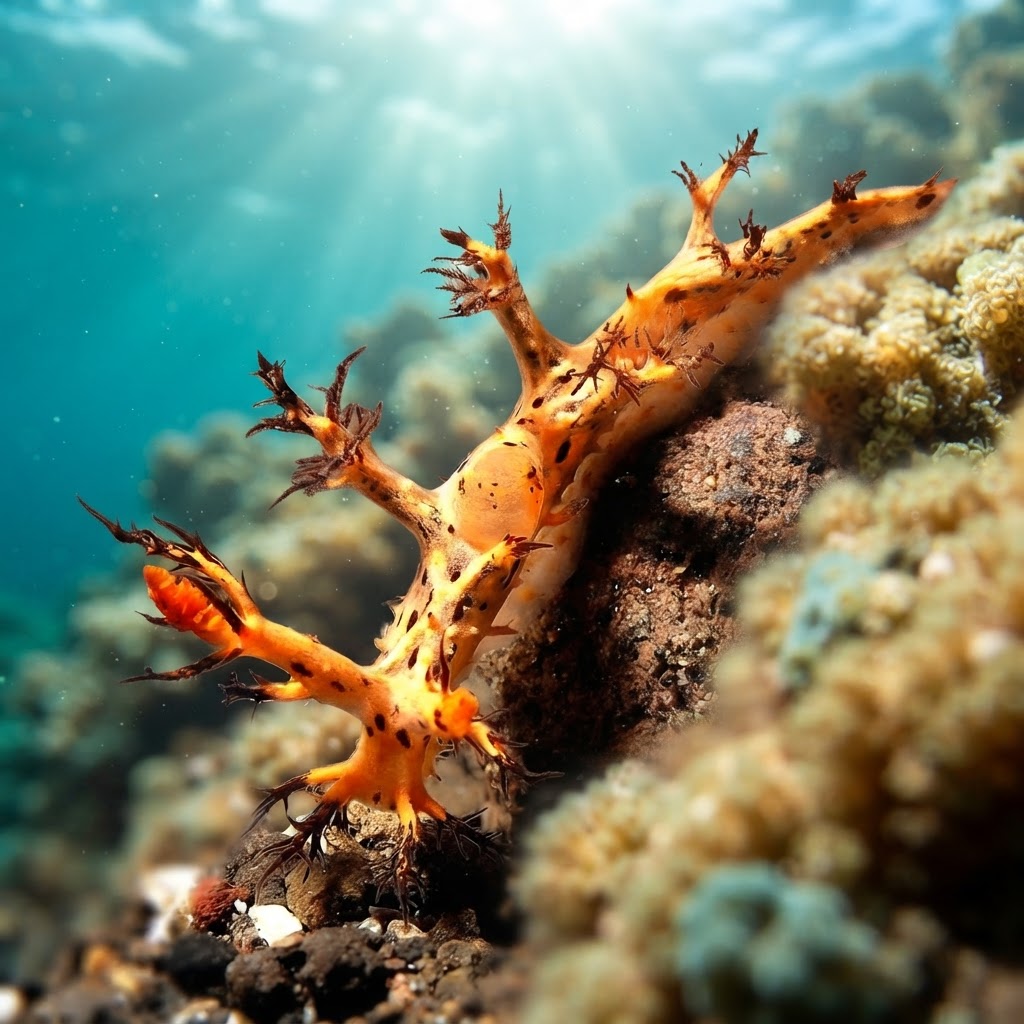
A small nudibranch (sea slug) found crawling slowly across reef substrate, with body form and colouring typical of the dendronotid family, marked by branching finger-like projections (cerata) along its back that help it blend against sponge and coral rubble. Look for it on close-focus dives where the reef bottom is scanned metre by metre rather than swum past. Exact size and colour variation are not well documented for this species, so treat every sighting as worth a close macro shot for the record.
Like other dendronotid nudibranchs, it moves slowly over the reef surface while grazing, usually found on or near the hydroids and soft corals it feeds on. It shows no particular reaction to divers beyond the usual slow retraction of its cerata if disturbed, and is more often found by divers scanning rubble and coral heads closely than by those cruising the reef at speed. Most logs come from daytime macro dives rather than night dives, though nudibranchs in this family are frequently more active after dark.
Dendronotid nudibranchs like this one often feed on hydroids and can incorporate stinging cells from their prey into their own tissue for defence, a trick shared across several soft-bodied sea slug families.
Sightings show no detectable seasonal pattern, so treat it as a year-round possibility rather than something tied to a particular month. Water temperatures where it has been recorded range from 25.5 to 31.5 C, comfortably within typical tropical reef conditions all year in the Philippines and Malaysia.
Almost every logged sighting comes from Luzon in the Philippines, making it the place to look if you want a real shot at this one, with a single additional record from Sabah in Malaysia. Divers doing muck or reef macro dives around Luzon have the best odds, though even there it sits at the uncommon end of the scale.
Mapping where Cabangus Regius is logged…
Most confirmed sightings come from Luzon in the Philippines, with a single additional record from Sabah in Malaysia. It is not a species you can count on seeing, so treat any encounter as a bonus on a macro-focused dive.
There is no clear seasonal pattern in the sightings, so it is best treated as a year-round find. Recorded water temperatures range from 25.5 to 31.5 C, matching typical tropical reef conditions throughout the year.
Look for a small nudibranch with branching cerata along its back, moving slowly across reef substrate or rubble. It is easiest to spot during a slow macro dive with attention to the reef floor rather than mid-water scanning.
Exact size data has not been established for this species, which is typical for many small dendronotid nudibranchs that are only a few centimetres long. Divers should expect a macro subject rather than anything visible from a distance.
As a dendronotid, it likely feeds on hydroids and may store stinging cells from its prey for its own defence, a trait shared with several related nudibranch families. This kind of borrowed defence is one of the more interesting tricks in the nudibranch world.
Site and sighting data is aggregated from diver logs, iNaturalist and GBIF. For taxonomy and conservation status:
Nudibranch
3,168 sites