Dendronotus venustus
Spot the Branched Dendronotid along the Pacific Coast of the US and British Columbia in cold 8-14°C waters, mainly from April to September.
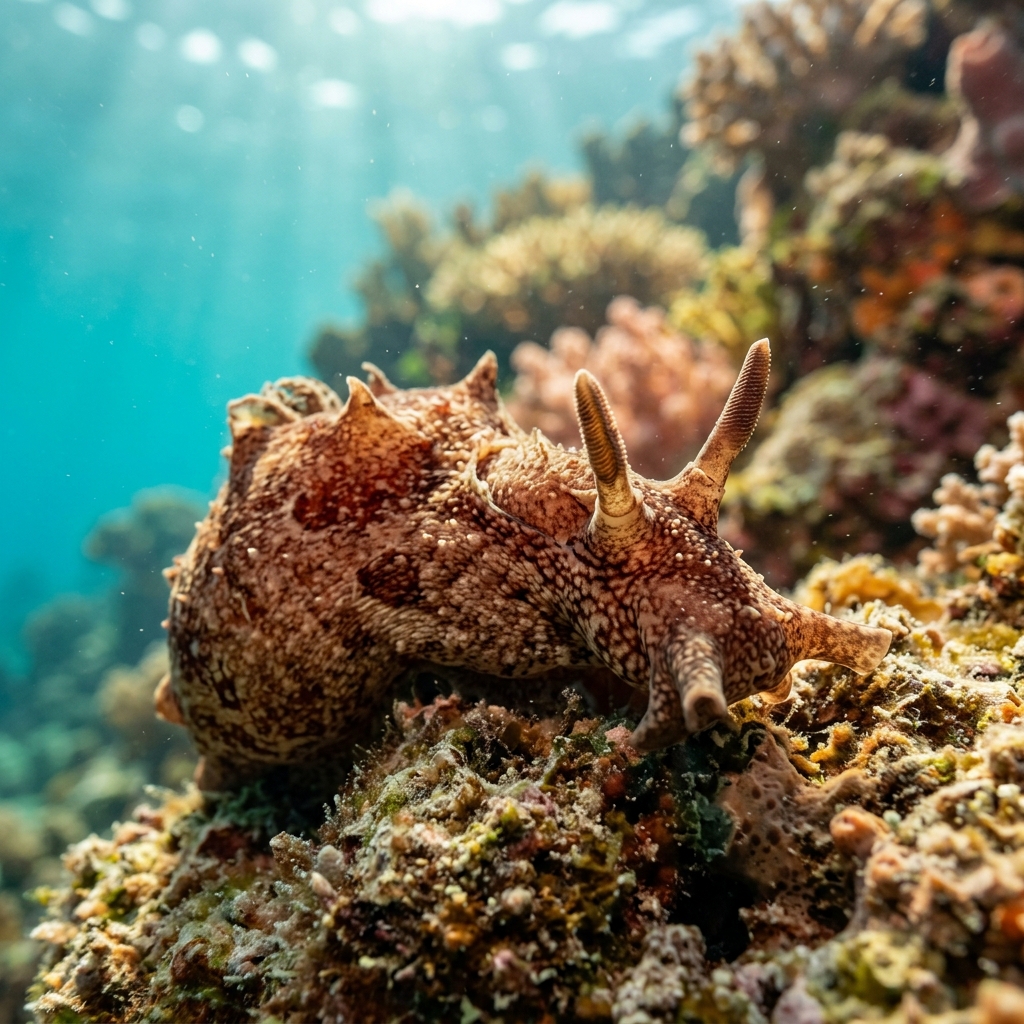
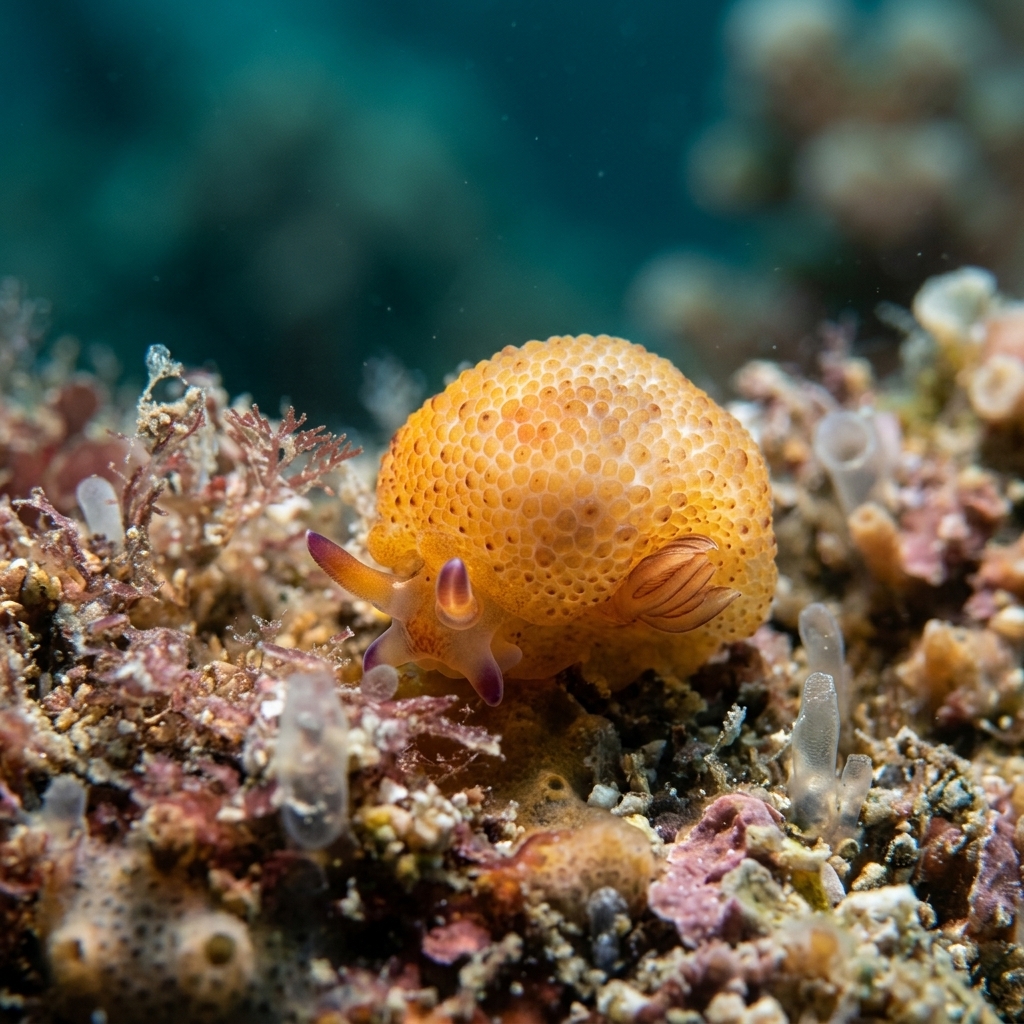
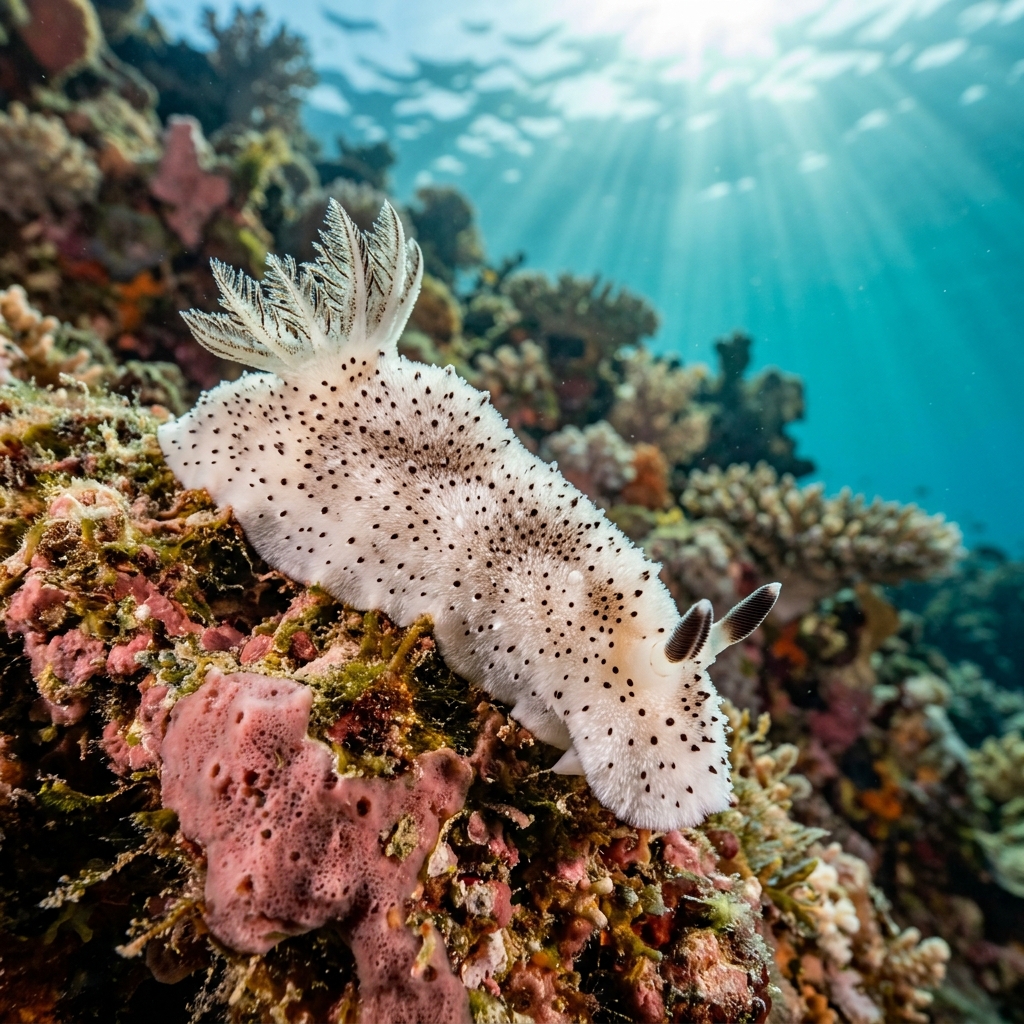
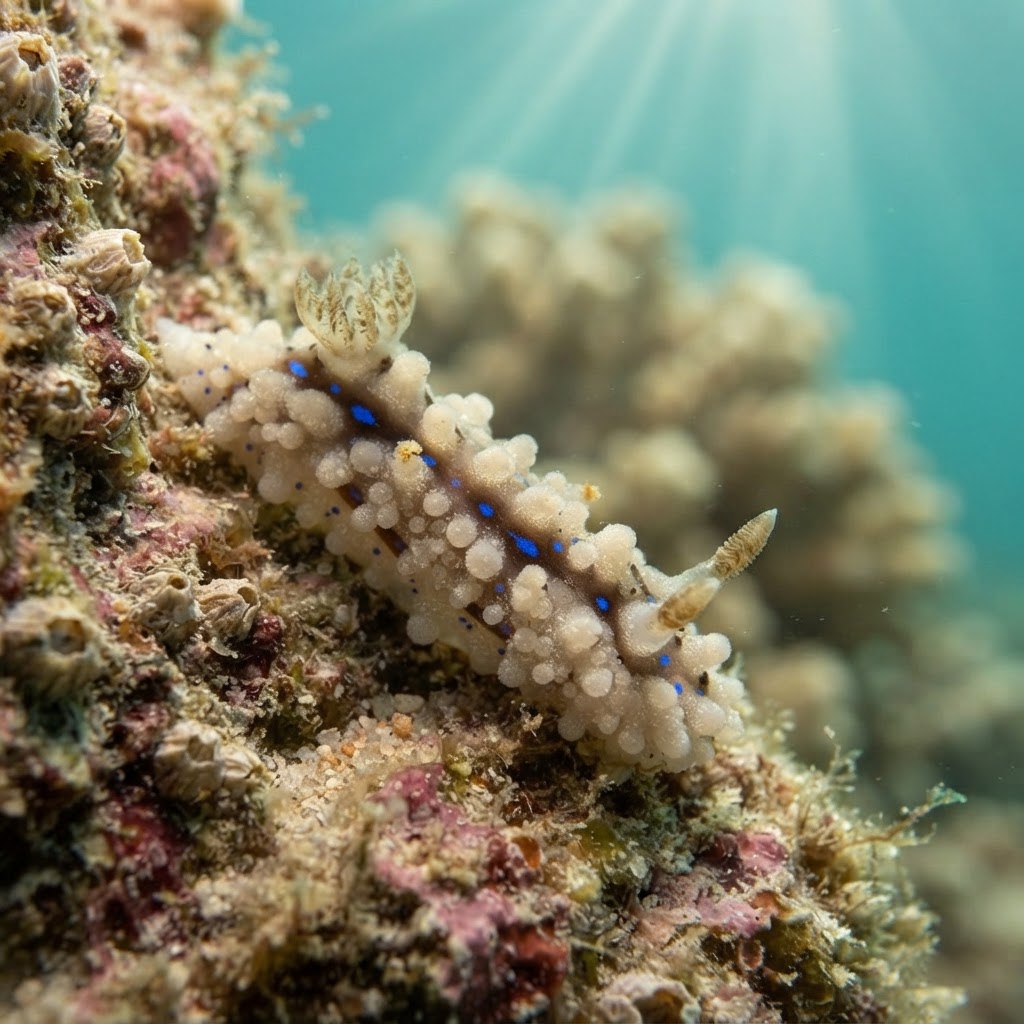
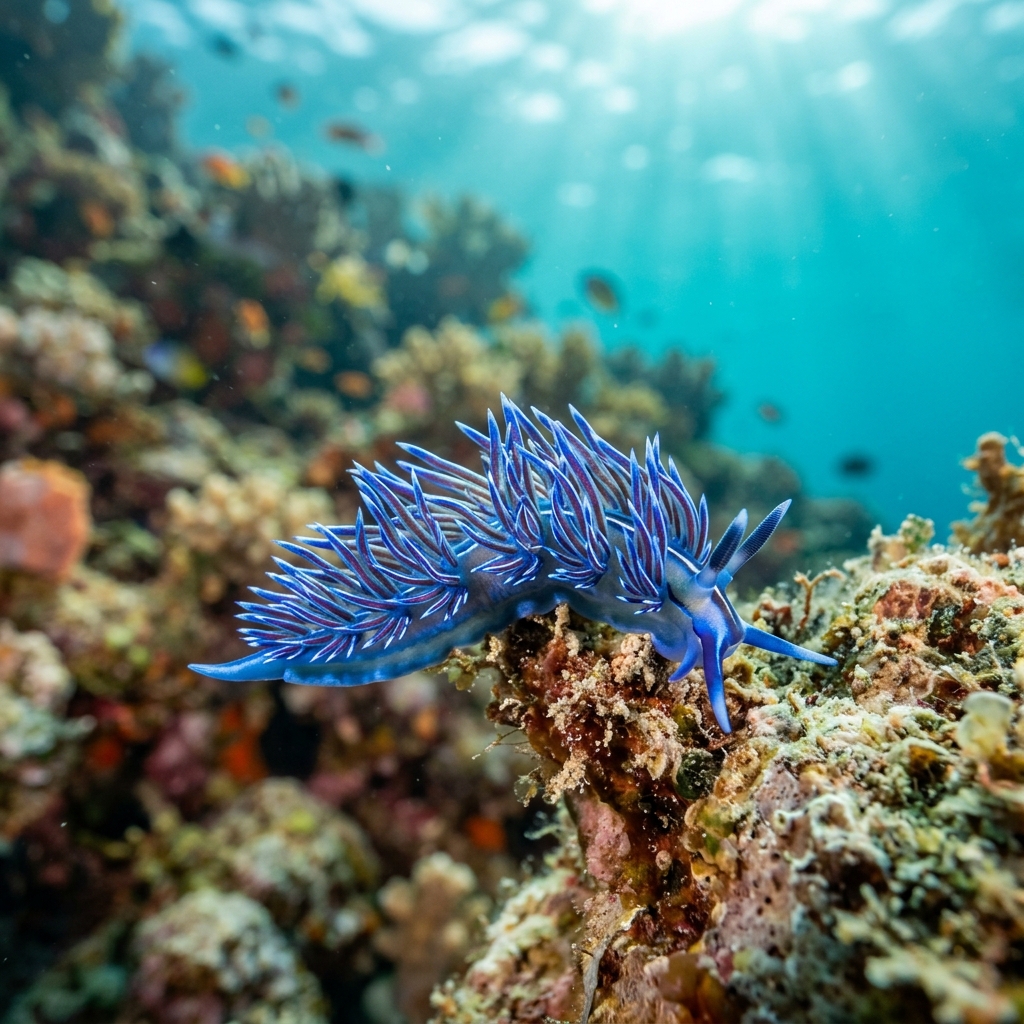
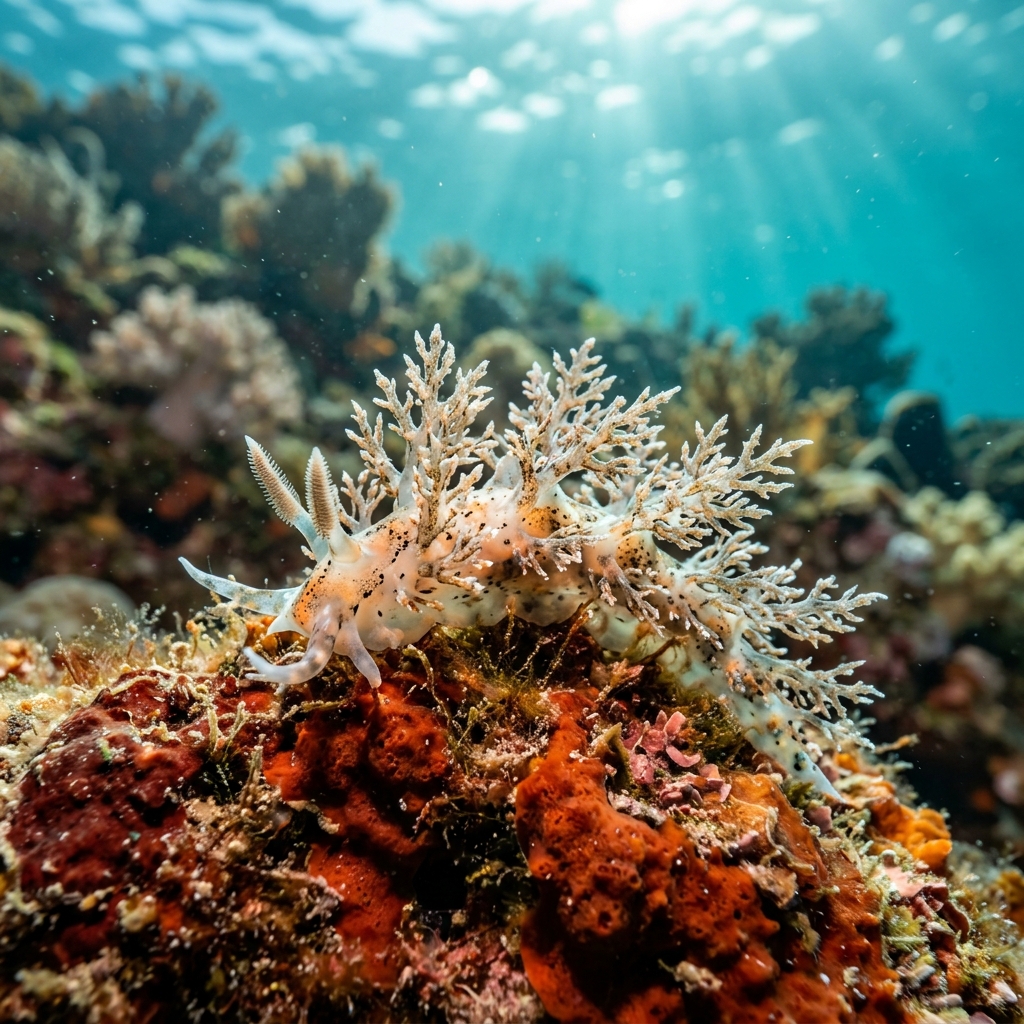
A dendronotid nudibranch (a group known for the branching, tree-like projections called cerata along its back), Dendronotus venustus typically displays elaborate, feathery cerata that give it a distinctly bushy silhouette on the reef. Its colouration tends towards translucent whites and pale tones with darker or reddish tipping on the cerata, helping it blend against cold-water encrusting organisms. Look for the characteristic row of branched cerata running along each side of the body and the prominent oral veil at the head end, which separates it from simpler dorid-type nudibranchs.
This is a rarely logged nudibranch, and detailed behavioural observations from divers are still very limited. When encountered, it is most likely found moving slowly across rocky substrates or algae-covered surfaces in cold, temperate water, as is typical of dendronotid nudibranchs hunting hydroids. How it reacts to divers is not yet documented, so approach slowly and observe carefully; any notes you record could add to what is known about this species.
Like other members of the Dendronotidae family, the Branched Dendronotid is thought to feed on hydroids, the tiny colonial animals that colonise rocky reefs in cold water, and its branching cerata likely serve both for camouflage among those hydroids and for increased surface area to aid respiration.
Sightings on the Pacific Coast concentrate between April and September, suggesting this is when the species is most active or most visible in the shallows. Outside those months, encounters become rare, so plan cold-water dives in spring through early autumn for the best chance.
The vast majority of sightings come from the Pacific Coast of the United States, making California, Oregon, and Washington the strongest places to look. British Columbia's coast, including the waters around Vancouver Island, is the next most reliable region, and a smaller number of records come from Alaska. Isolated sightings have been recorded in the British Virgin Islands and Pacific Mexico, but those are outliers compared to the North American Pacific stronghold.
Mapping where Branched Dendronotid is logged…
Most sightings come from the Pacific Coast of the United States, with British Columbia, Canada, being the second most productive region. Alaska also contributes a handful of records. This is firmly a North American Pacific species, favouring cold, rocky reef environments.
Sightings cluster between April and September in the Northern Hemisphere. If you are diving the Pacific Coast of the US or British Columbia, spring through early autumn gives you the best odds. The species tolerates very cold water, between about 8 and 14°C, so a drysuit is strongly recommended.
Look for the distinctive rows of elaborately branched, feathery cerata running along the back, giving the animal a bushy, tree-like profile. The pale, often translucent body with darker cerata tips, combined with a broad oral veil at the head, are the key features to note. It sits in the Dendronotus genus, so the branched cerata immediately separate it from smooth dorid nudibranchs.
Reliable size data for this species has not yet been recorded in diver observations. As a general guide, many Dendronotus nudibranchs range from a few centimetres up to around five centimetres in length, but treat any figure for this particular species with caution until more observations are documented.
Yes, this is considered a rare sighting even at sites where it has been recorded. Across the dive sites where observations exist, the most common report is a rare encounter rather than a reliable find. It is possible that its cryptic colouration and small size mean it is sometimes overlooked, but it appears to be infrequent regardless.
Site and sighting data is aggregated from diver logs, iNaturalist and GBIF. For taxonomy and conservation status:
Light-spotted Aegires
3,168 sites