Boreoberthella chacei
An uncommon cold-water find in British Columbia and the Pacific Northwest, best spotted on chilly 8.5-14.5C dives year-round.
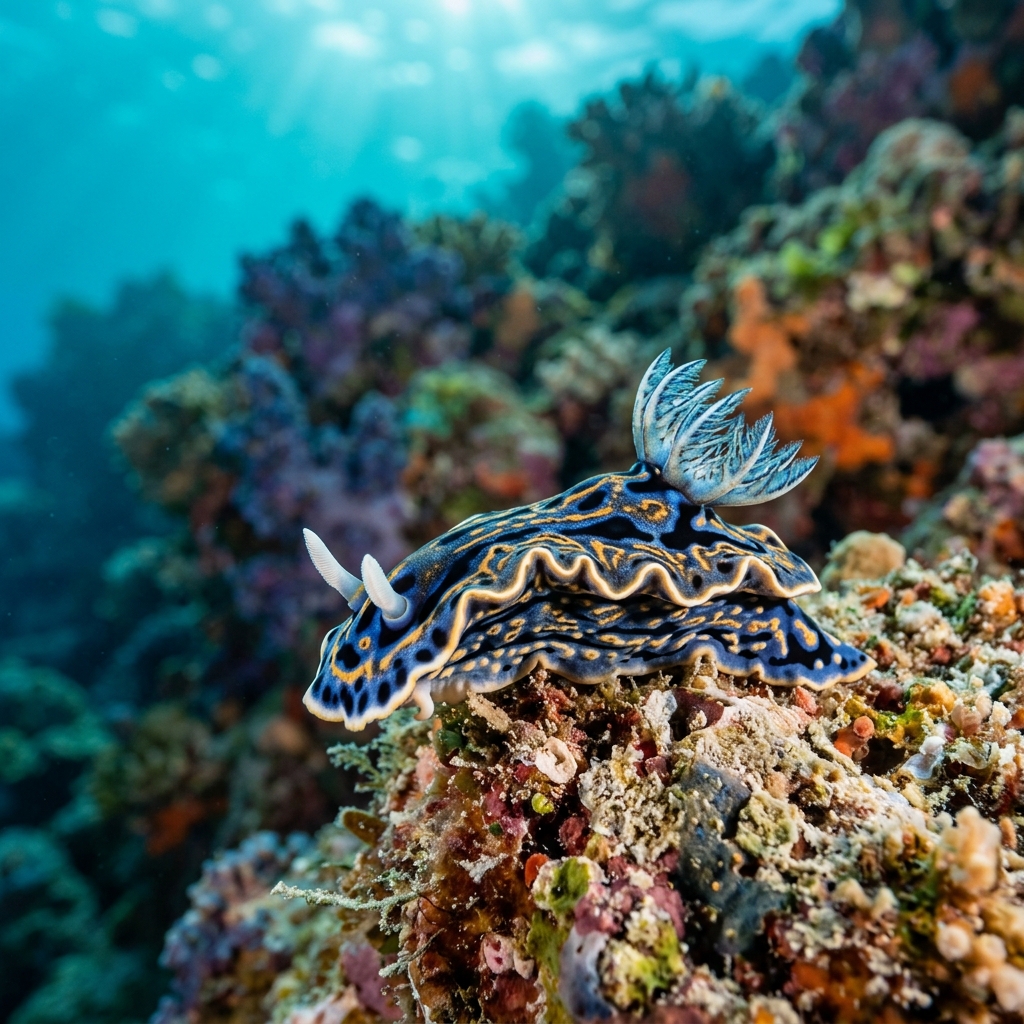
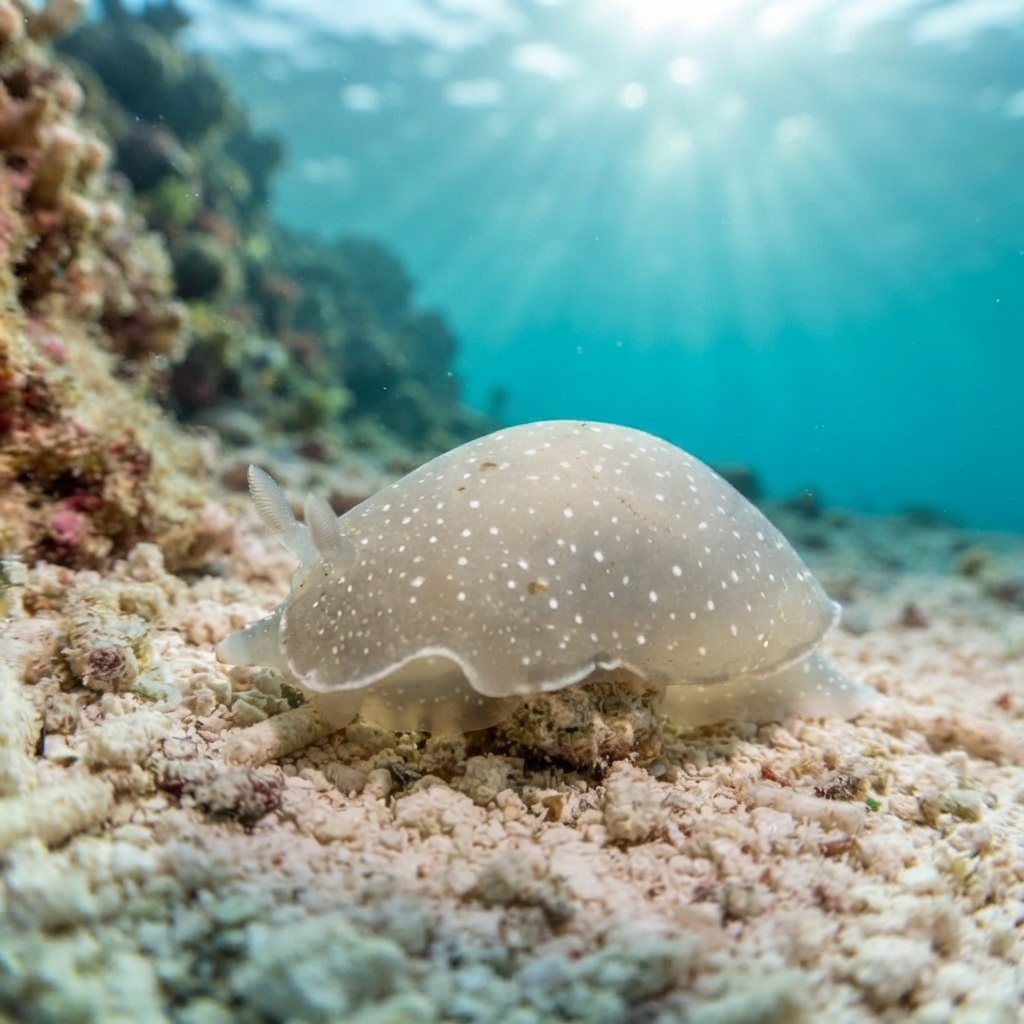
A soft-bodied sea slug found on cold rocky reefs, built low and broad like other side-gilled slugs (pleurobranchs) rather than the frillier true nudibranchs divers often expect. Look for a smooth, mantle-covered body without the exposed feathery gill tuft typical of dorid nudibranchs, since the gill sits hidden underneath. Size and colour details are not well documented, so treat any pale, mottled slug on cold rock or cobble as worth a close look and a photo for confirmation.
Divers find it slow-moving or stationary on rock and cobble bottoms, grazing quietly and paying no attention to passing divers. It's logged as uncommon at most sites where it turns up, so sightings tend to come from divers who are specifically scanning the substrate rather than mid-water cruising.
Like other pleurobranchs, its gill is tucked away on the underside of the body rather than exposed on the back, which is the main giveaway that separates it from the showier dorid nudibranchs divers usually photograph.
No clear seasonal pattern shows up in the sighting data, so treat it as a year-round possibility on cold-water dives. It's been logged in water from 8.5 to 14.5C, which covers most of the diving season in British Columbia and the Pacific Northwest.
Most reliably logged in British Columbia, Canada, which accounts for the bulk of recorded sightings, with additional finds in the Pacific Northwest and California in the United States. This is a cold-water Pacific species, so look for it on temperate rocky reefs rather than tropical dive destinations.
Mapping where Boreoberthella Chacei is logged…
British Columbia in Canada is the strongest area for sightings, with further records from the Pacific Northwest and California in the United States. It's a cold-water Pacific species tied to temperate rocky reefs rather than warm-water dive destinations.
There's no strong seasonal pattern in the sightings, so it can turn up on any dive through the year. It's recorded in water between 8.5 and 14.5C, the typical range for cold-water diving in British Columbia and the Pacific Northwest.
Look for a smooth-bodied slug on cold rocky or cobble bottoms with no exposed feathery gill on its back, since its gill is hidden underneath the mantle. This sets it apart from frillier dorid nudibranchs seen in the same habitat.
No, it poses no danger to divers. It's a small, slow-moving slug that can be observed and photographed at a comfortable distance without any risk.
It belongs to the pleurobranch group, sea slugs that keep their gill tucked under the mantle on one side of the body instead of displaying it openly like true nudibranchs. This hidden-gill design is the key biological trait separating pleurobranchs from the more familiar dorid nudibranchs divers photograph.
Site and sighting data is aggregated from diver logs, iNaturalist and GBIF. For taxonomy and conservation status:
Blue Dragon
3,163 sites