Chaetodon fremblii
Yellow reef fish with electric-blue stripes, most reliably spotted on Hawaii's reefs in 24 to 28 C water, year-round.
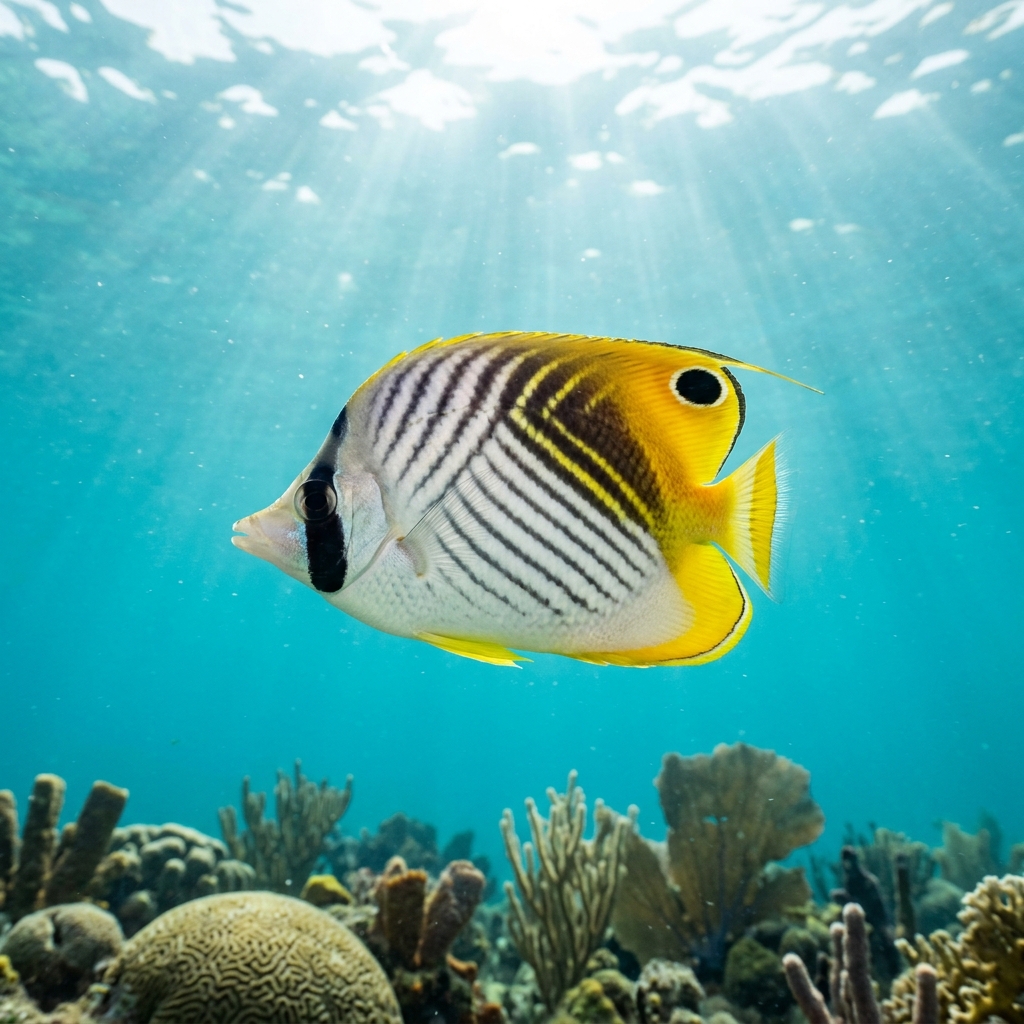
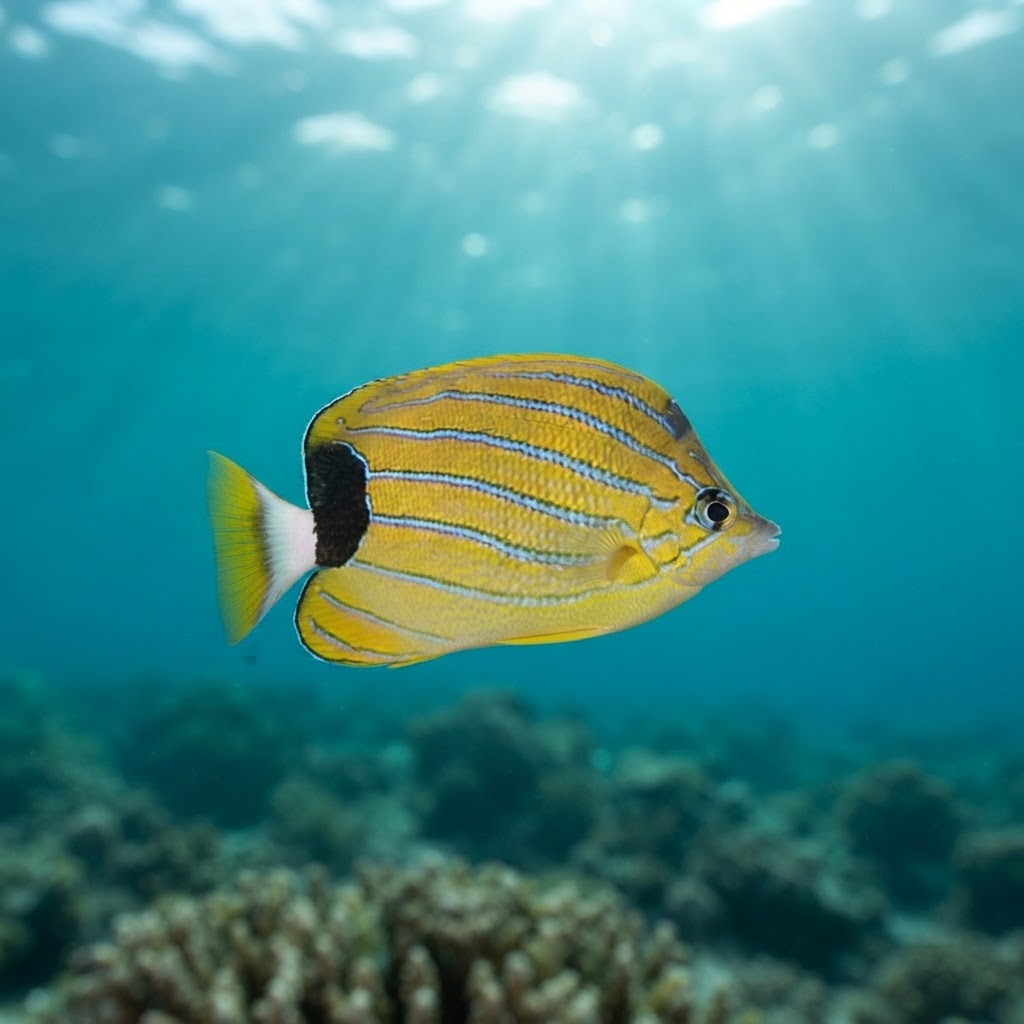
A small yellow fish, around 9 cm, patterned with thin, electric-blue stripes running diagonally across the body rather than the vertical bands seen on many butterflyfish. There's no bold black eye-mask like on its cousins, just a slim dark bar through the eye, which makes the overall look cleaner and more subtly striped underwater. Body shape is the classic butterflyfish disc: laterally flattened, small mouth, single dorsal fin running the length of the back.
Usually seen picking around coral heads and rubble patches alone or in loose pairs, browsing on algae and small invertebrates rather than schooling in the open. It tends to hold its distance from divers without bolting for cover, so a slow approach usually gets you a decent look before it moves off. Most sightings come from typical daytime reef dives rather than any dawn or dusk pattern.
It's one of the few butterflyfish found almost nowhere outside Hawaii, making it one of the better reasons to look closely at the reef fish there rather than swim past assuming you've seen it all before.
No clear seasonal pattern shows up in the sighting data, and with a comfortable temperature range of roughly 24 to 28 C, Hawaiian reefs stay within its niche all year, so any month is a fair bet.
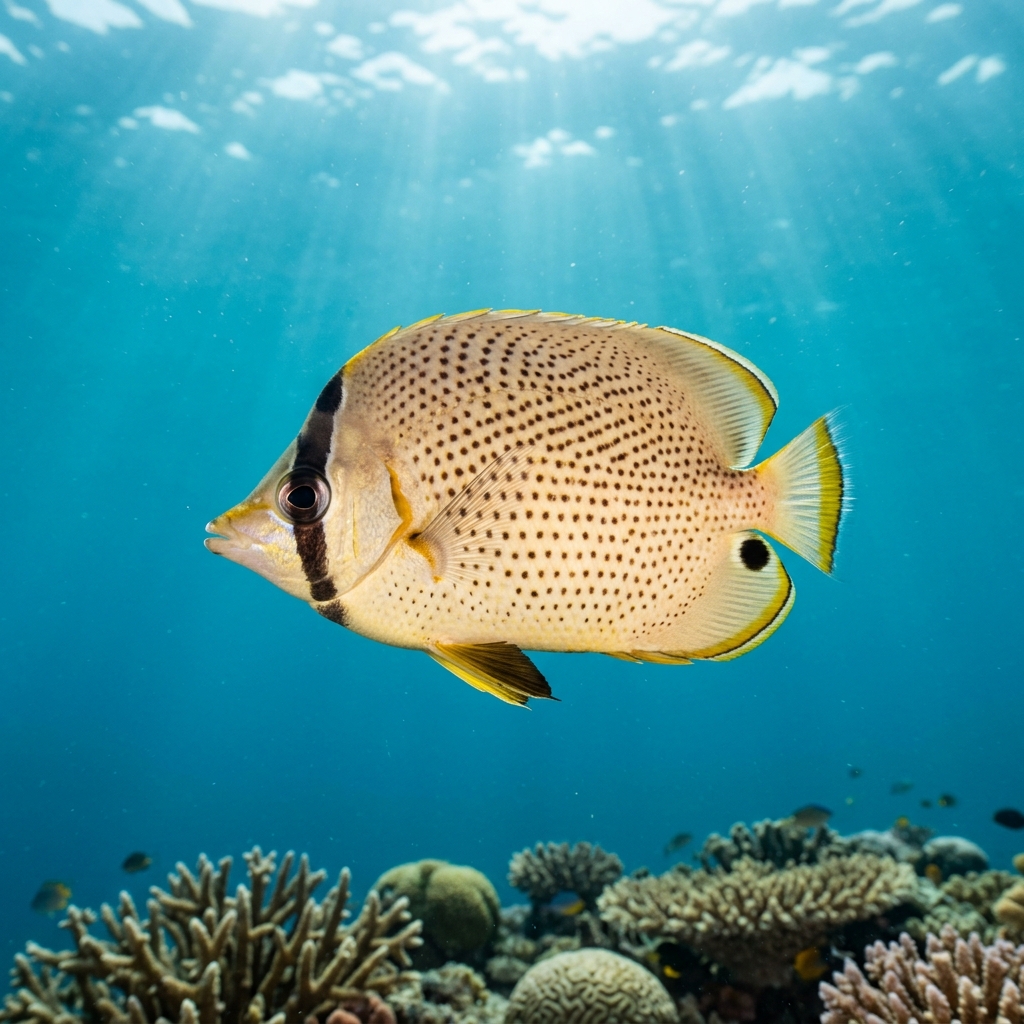
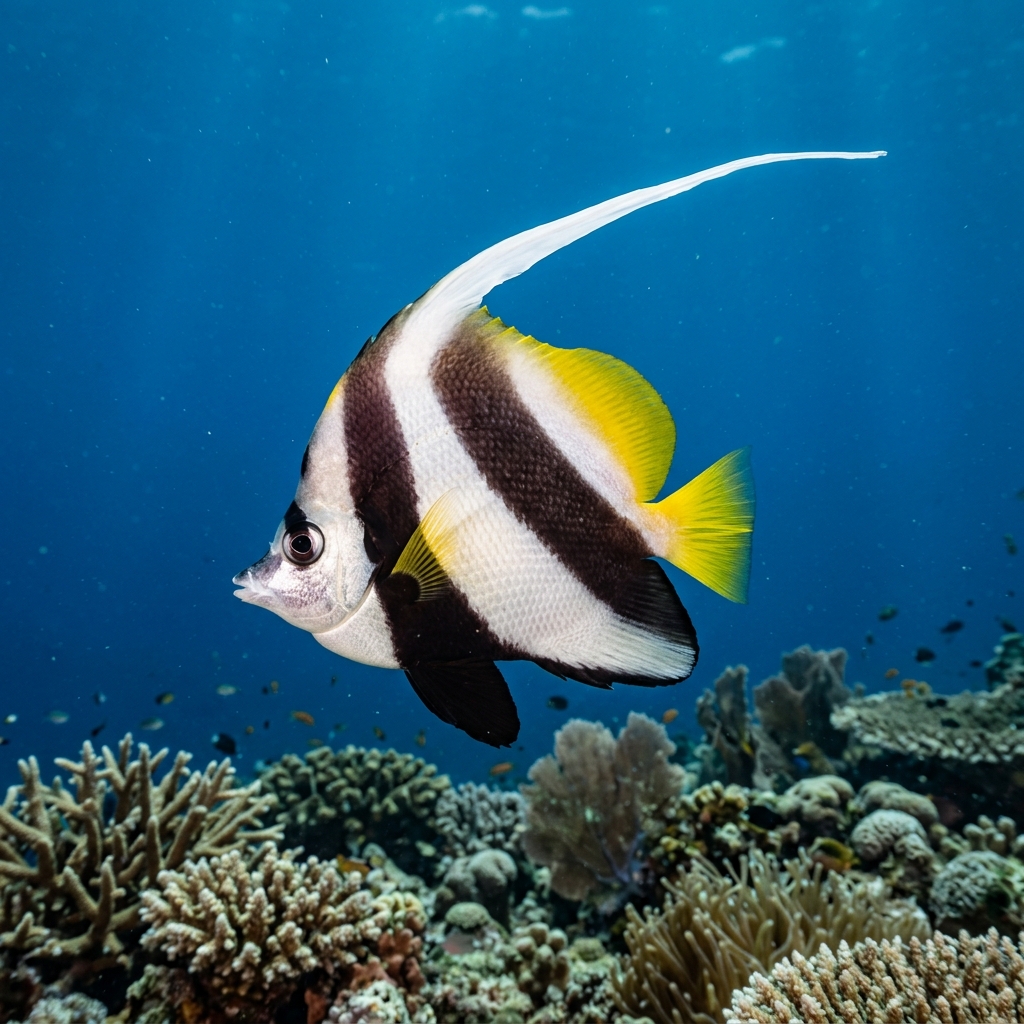
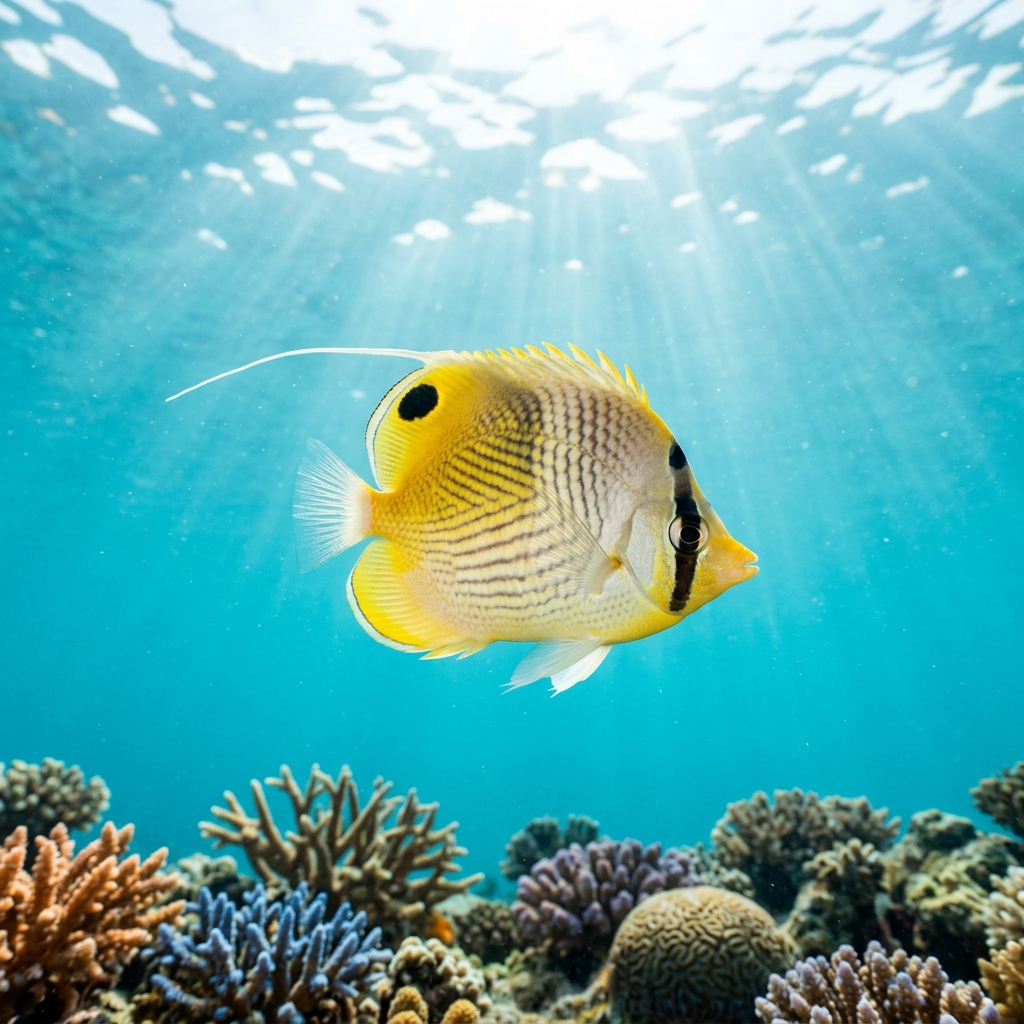
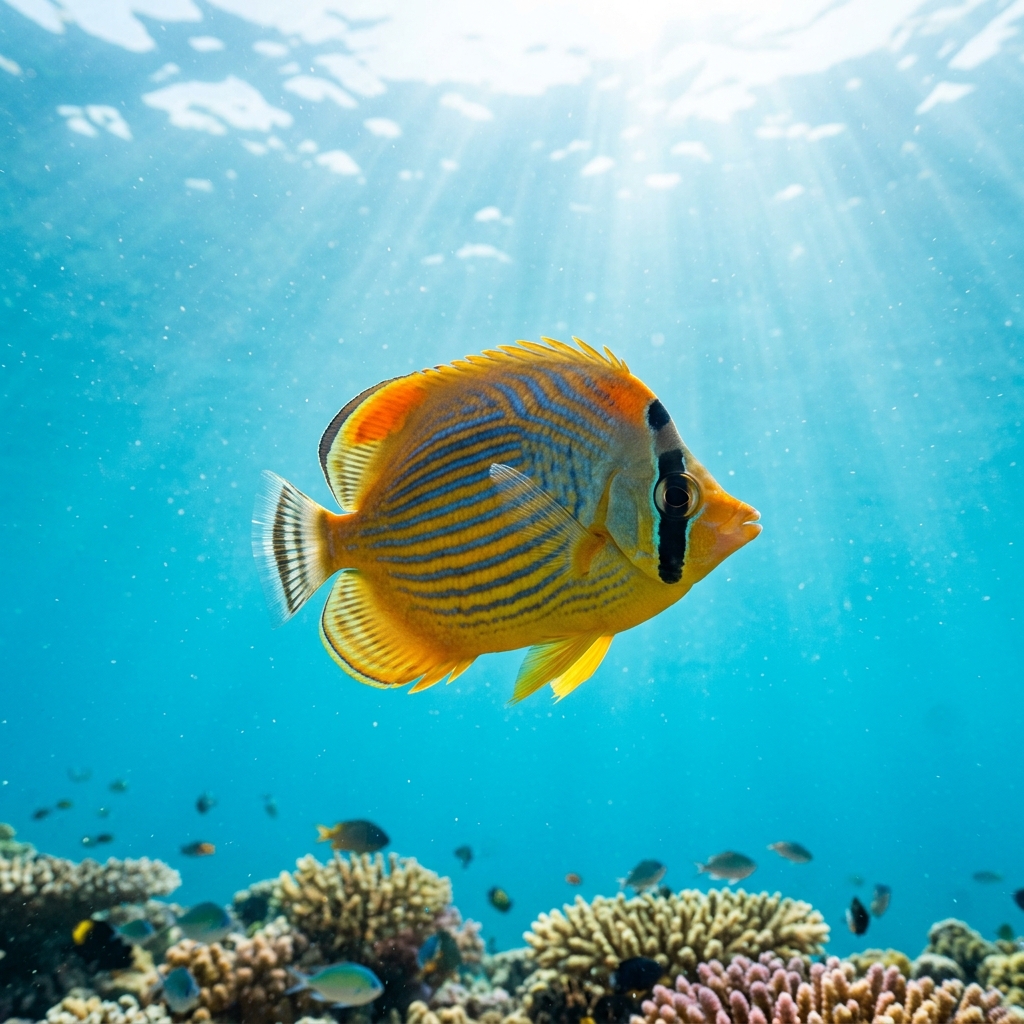
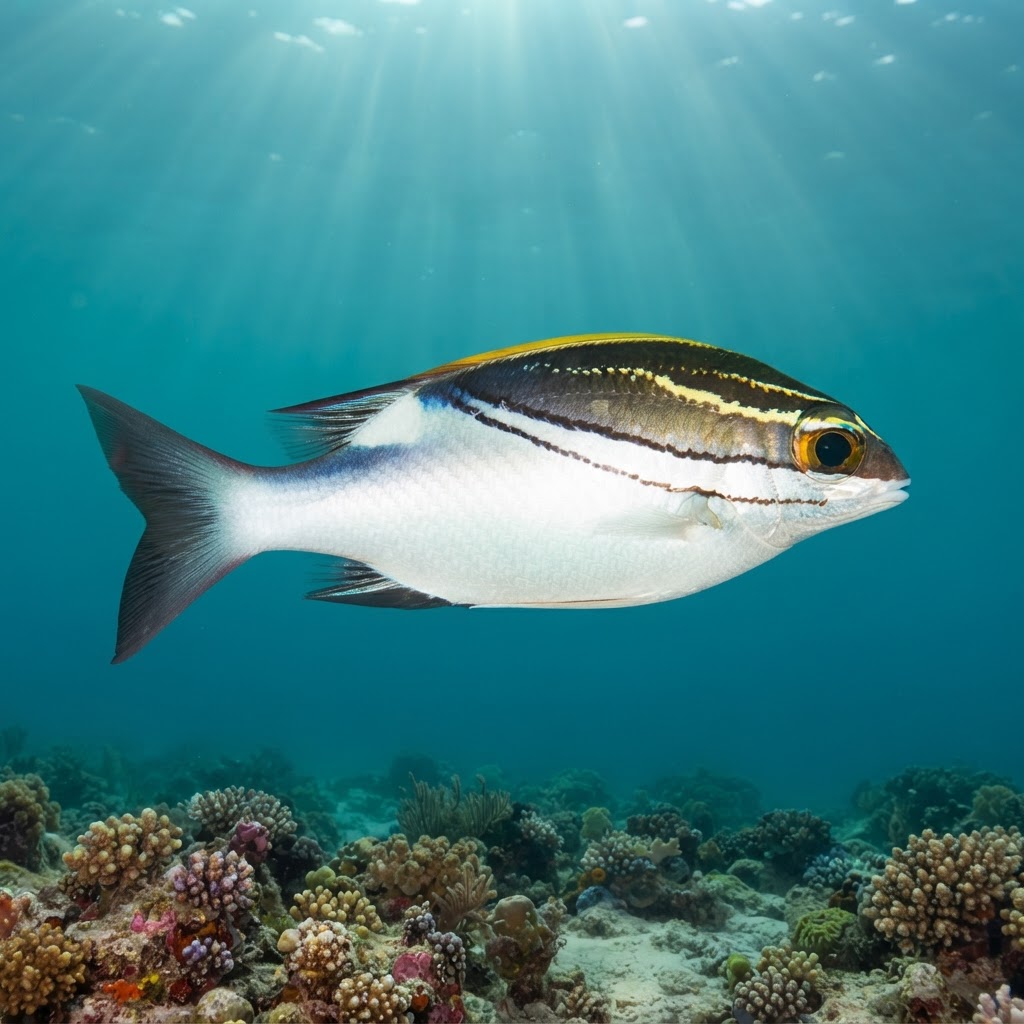
Reef neighbours a diver could mistake it for. Use the identification notes above to tell them apart.
This one is a Hawaii specialty: sightings logged across the state's reefs, from Oahu to the outer islands, with no other regions showing up in the data. If you're diving Hawaii, it's a fixture of the reef community rather than a rare find, though most dive sites report it as uncommon rather than abundant.
Mapping where Bluestripe Butterflyfish is logged…
Hawaii is the place. It turns up across reef sites throughout the islands and is effectively endemic to the region, so it's not something you'll tick off elsewhere.
There's no strong seasonal signal in sightings, and Hawaiian waters sit within its preferred 24 to 28 C range year-round, so any season works for spotting one.
Look for a small yellow butterflyfish with thin, diagonal blue stripes and no bold black eye-mask, just a slim dark bar through the eye. The diagonal stripe pattern is the main giveaway against similar species.
They're small reef fish, typically around 9 cm as adults, so they're easy to overlook against busier, larger reef species nearby.
No. They're harmless, small-mouthed grazers with no defensive threat to divers and no history of aggressive behaviour.
Site and sighting data is aggregated from diver logs, iNaturalist and GBIF. For taxonomy and conservation status:
Melon Butterflyfish
1,616 sites