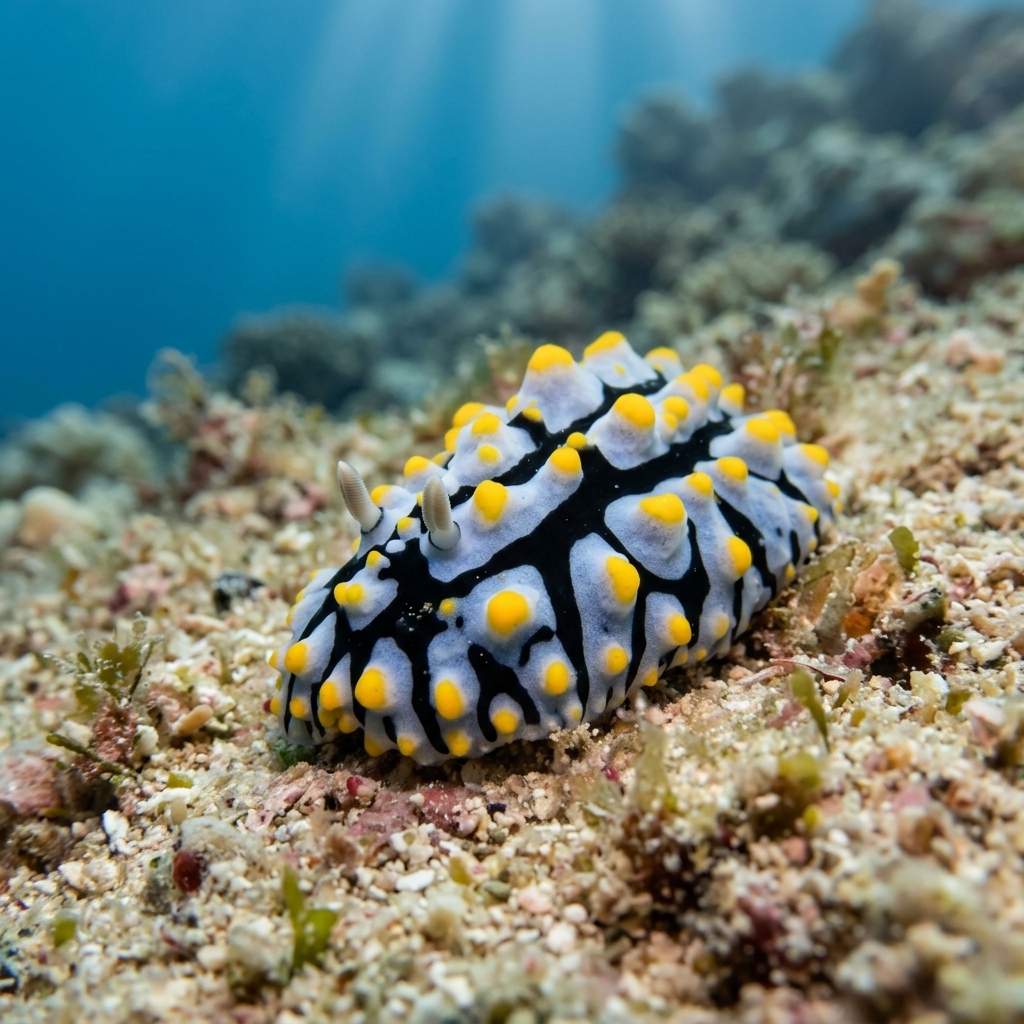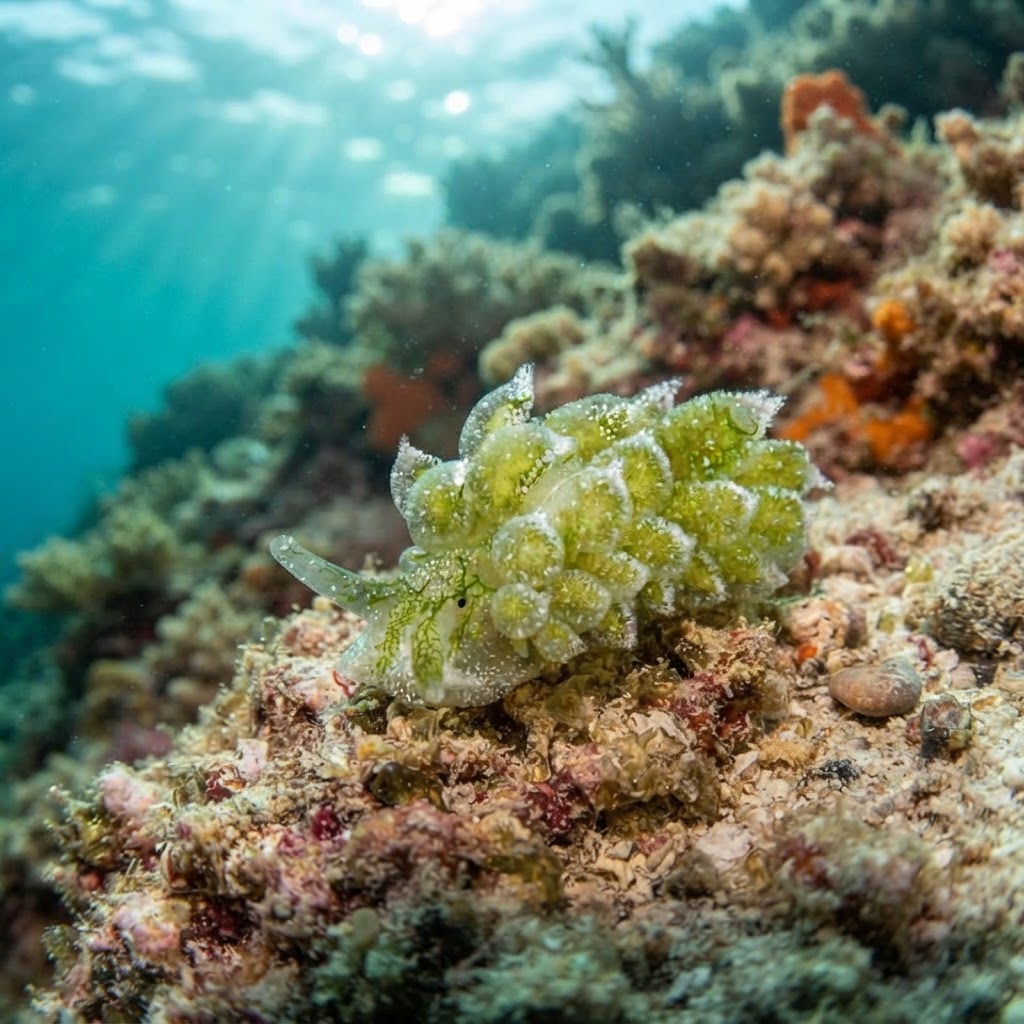
Ercolania coerulea
A speck-sized sea slug logged across the French Riviera and Guadeloupe, best spotted by divers who slow down and look close.
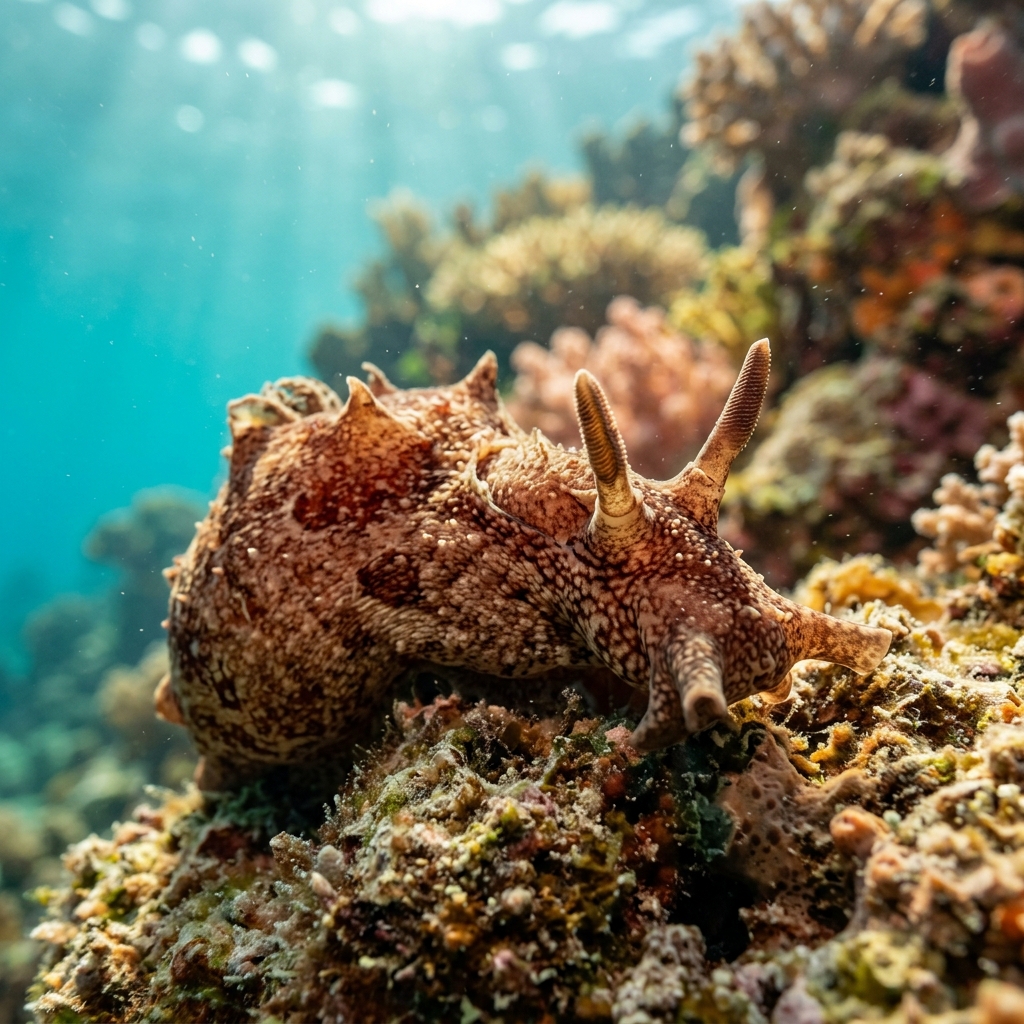
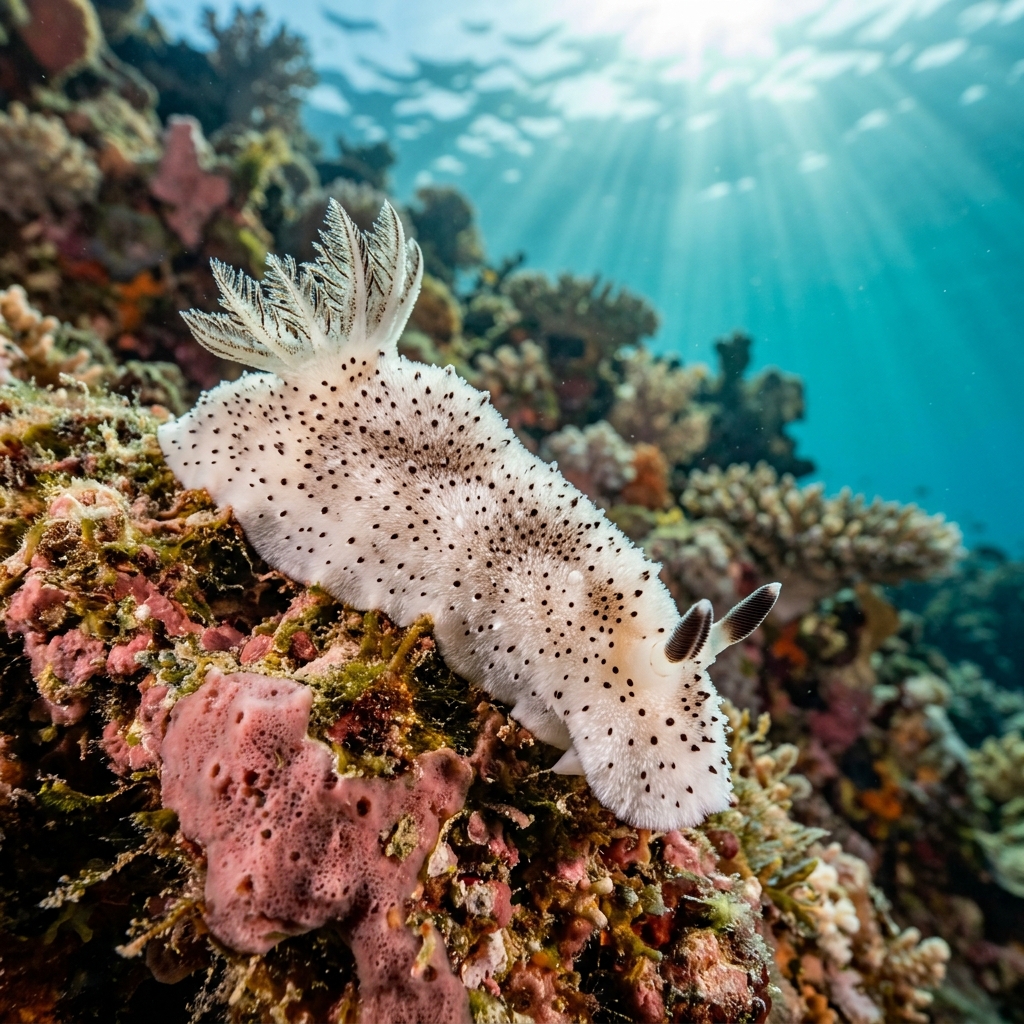
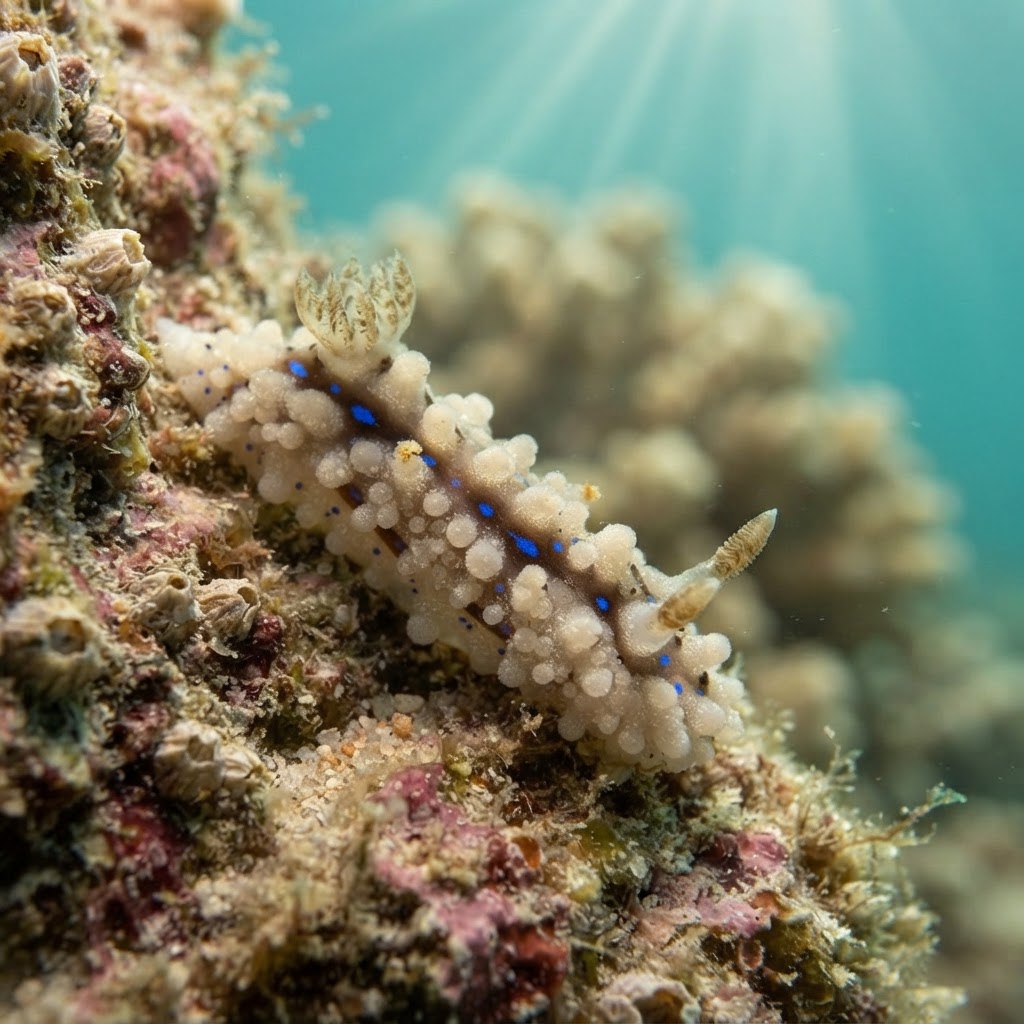
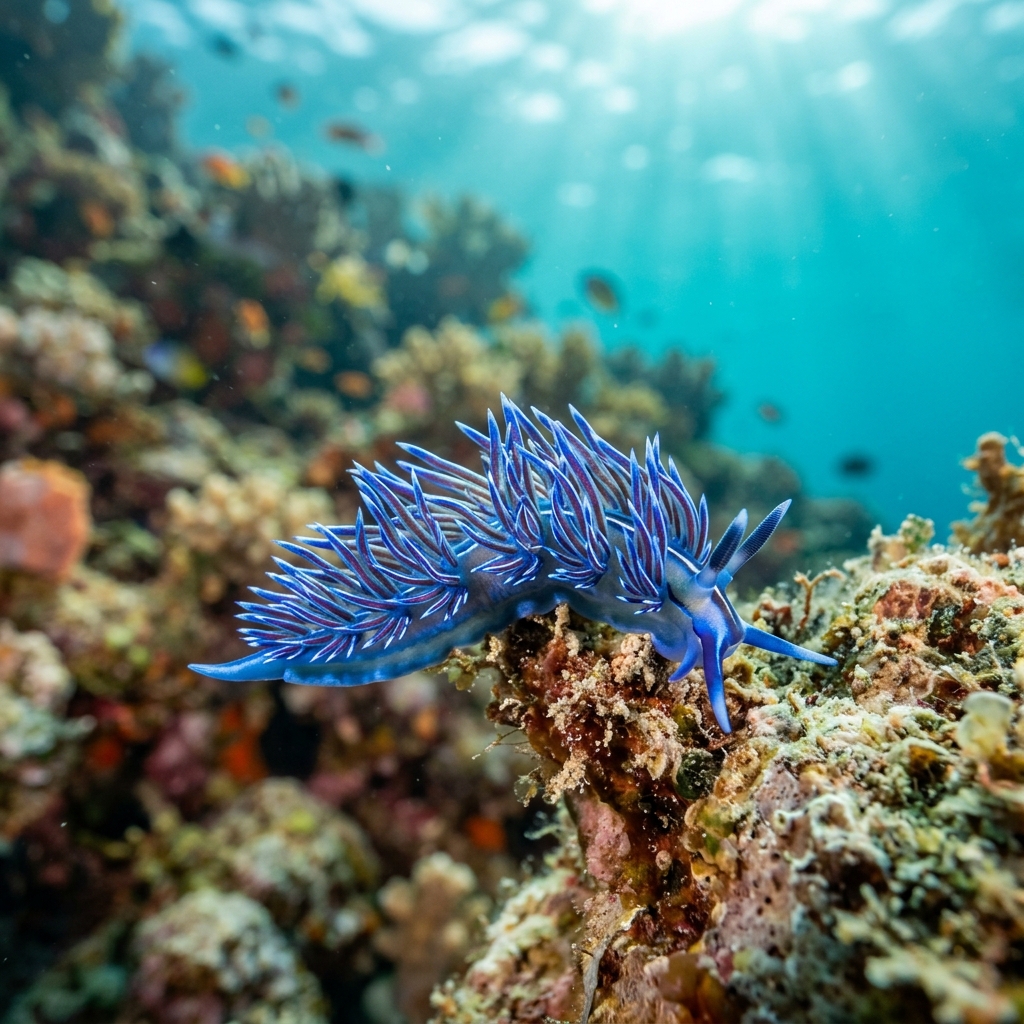
Small enough to miss entirely if you are not scanning close to the substrate, this sea slug has a slender, semi-translucent body often showing a bluish or greenish cast depending on what it has been feeding on. It lacks a shell and carries small finger-like projections (cerata) along its back, which is typical of this group of slugs and gives it a slightly fuzzy outline rather than a smooth one. There is no reliable colour difference reported between individuals beyond this general translucence, so identification comes down to size, shape, and habitat rather than bold markings.
Look for it grazing slowly over algae-covered rock and rubble, usually in shallower, sheltered spots rather than open water, moving at the unhurried pace typical of small sea slugs. It shows no reaction to divers beyond continuing to feed, since it has no eyes capable of noticing you and no real defence to mount. Most sightings come from divers who are already in slow, close-focus macro mode rather than cruising past on a reef tour.
Like many slugs in the Limapontiidae family, it likely takes on some of the colour of the algae it feeds on, which is part of why its blue-green tint can vary between individuals and locations.
Sightings show no detectable seasonal pattern, and the observed temperature range of 17 to 28.7C spans Mediterranean winters through Caribbean summers, so this is a year-round find rather than a seasonal one. Divers have logged it across a wide temperature spread, meaning timing your dive around season matters far less than simply looking carefully.
This one is most reliably found along the French Riviera and Provence coast, where it turns up across a wide spread of sites, with a second strong population in Guadeloupe, particularly around Grande-Terre and the Îles des Saintes. Outside these two areas it has not been logged in the data, so French Mediterranean and French Caribbean sites are the places to target it.
Mapping where Blue Stiliger is logged…
It is most commonly logged along the French Riviera and Provence coast in France, with a second reliable population around Grande-Terre and the Îles des Saintes in Guadeloupe.
There is no clear season in the sightings data. It has been observed across a temperature range from 17 to 28.7C, so it is effectively a year-round find in both the French Riviera and Guadeloupe.
Look for a very small, slender, translucent slug with a bluish or greenish tint, grazing slowly over algae-covered rock. Its small size means it is easiest to spot when you are already moving slowly and scanning close to the substrate.
Exact size figures are not documented, but slugs in this genus are tiny, typically only a few millimetres long, which is why most divers overlook them entirely unless searching specifically for small invertebrates.
No. It poses no danger to divers, having no venom or defensive structures of concern, and it will simply continue grazing if approached closely.
It likely absorbs pigment from the algae it grazes on, which may explain the variable blue-green tint seen in different individuals, a trait shared with several relatives in the Limapontiidae family.
Site and sighting data is aggregated from diver logs, iNaturalist and GBIF. For taxonomy and conservation status:
Light-spotted Aegires
3,168 sites