Aldisa sanguinea
A pinhead-sized red nudibranch logged mostly in California's cold water between 11-17C, year-round if you look close.
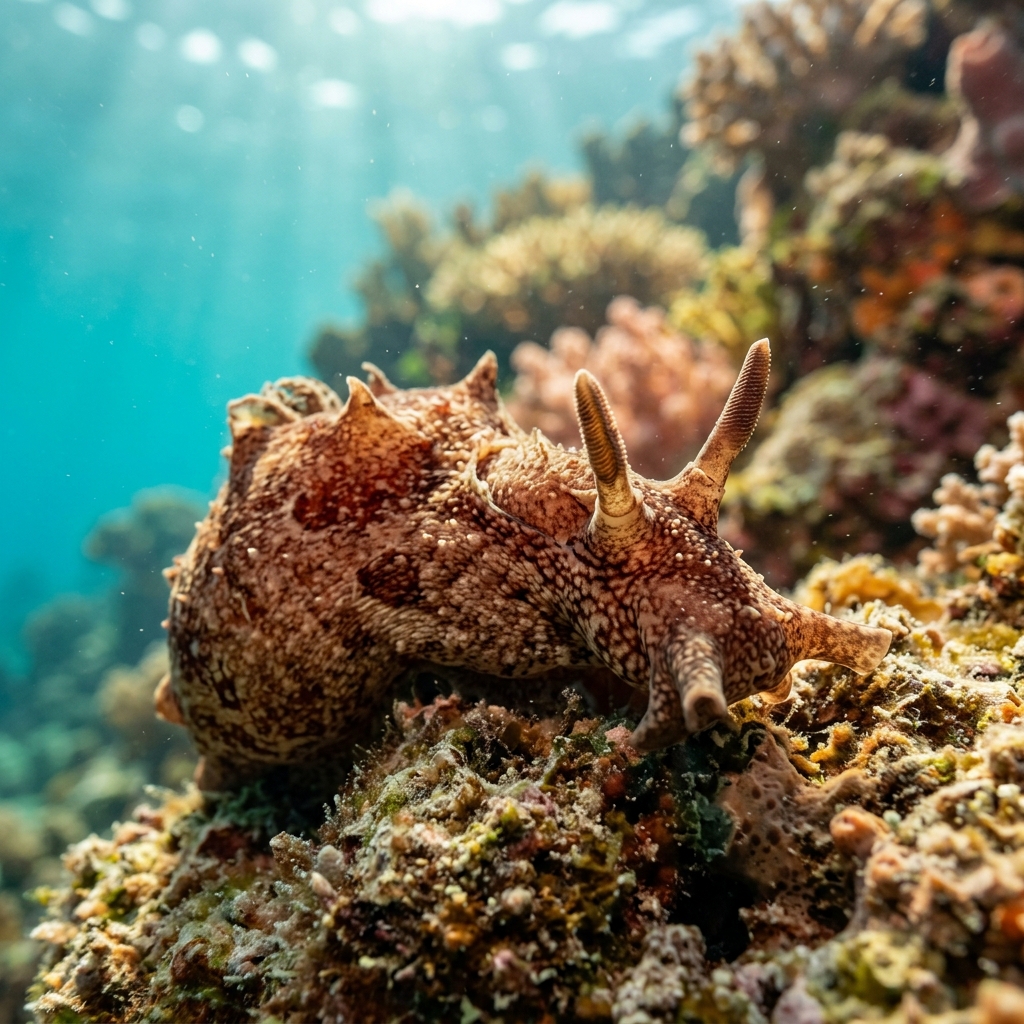
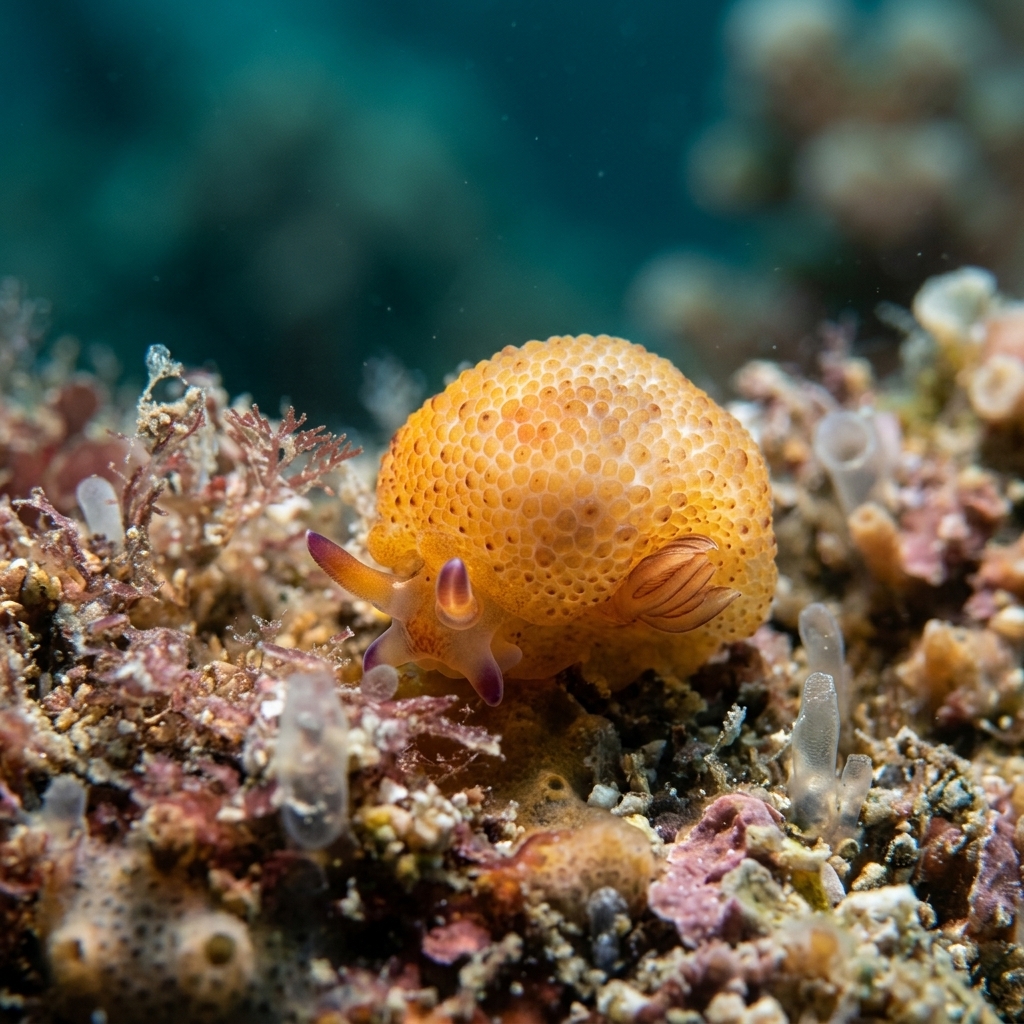
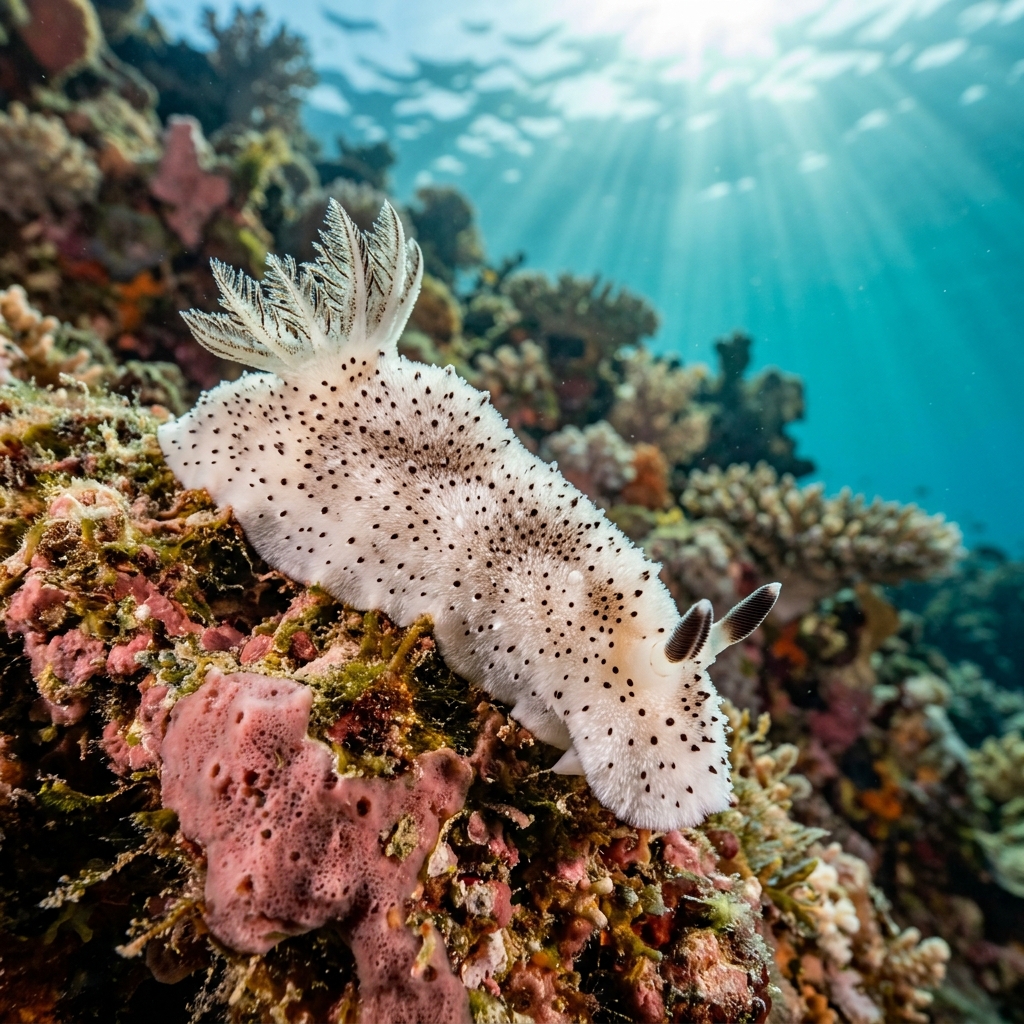
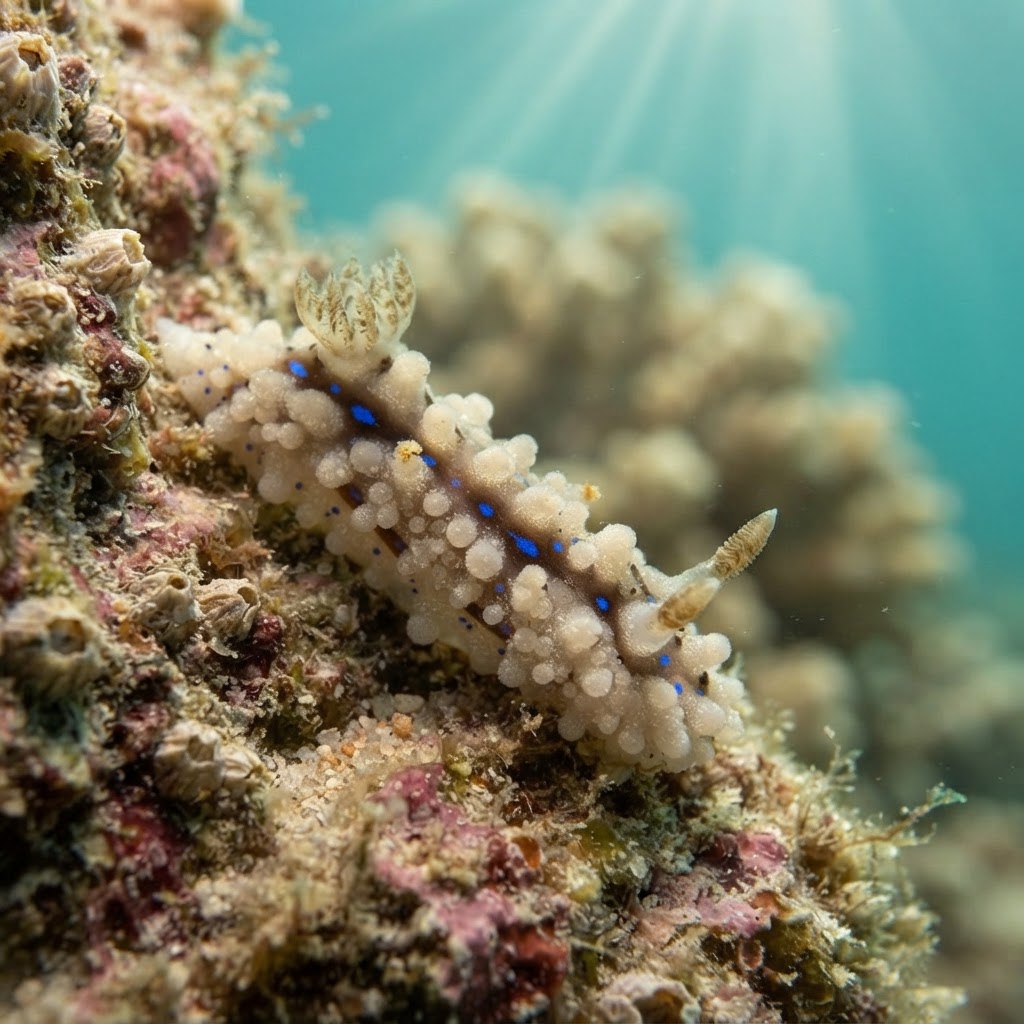
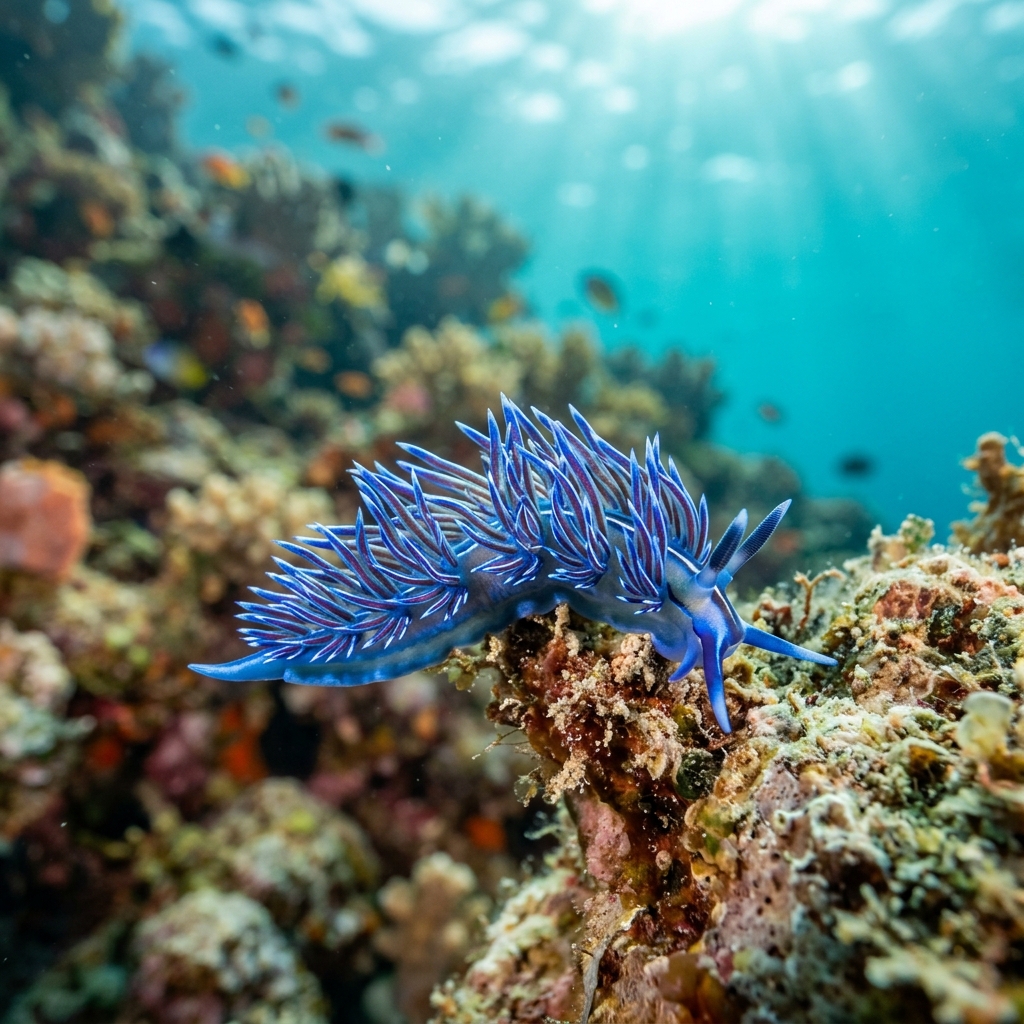
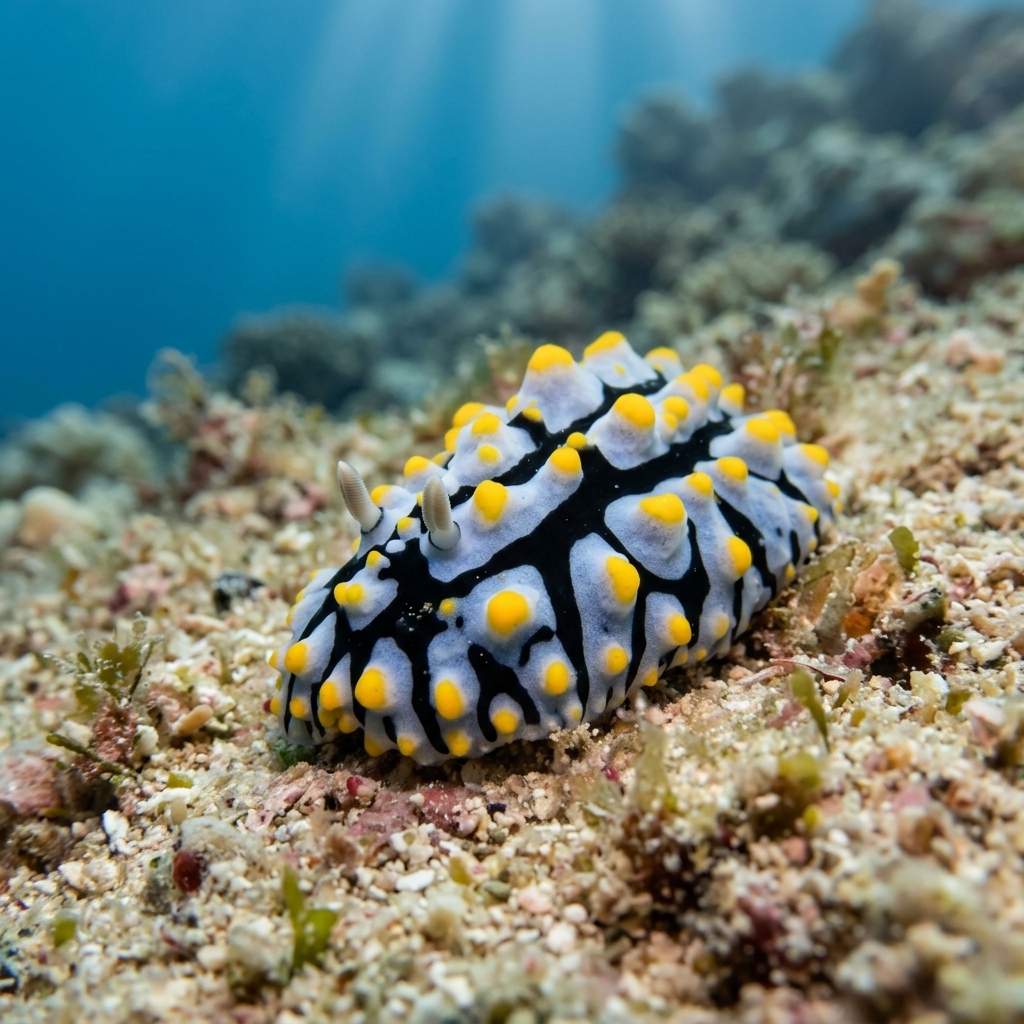
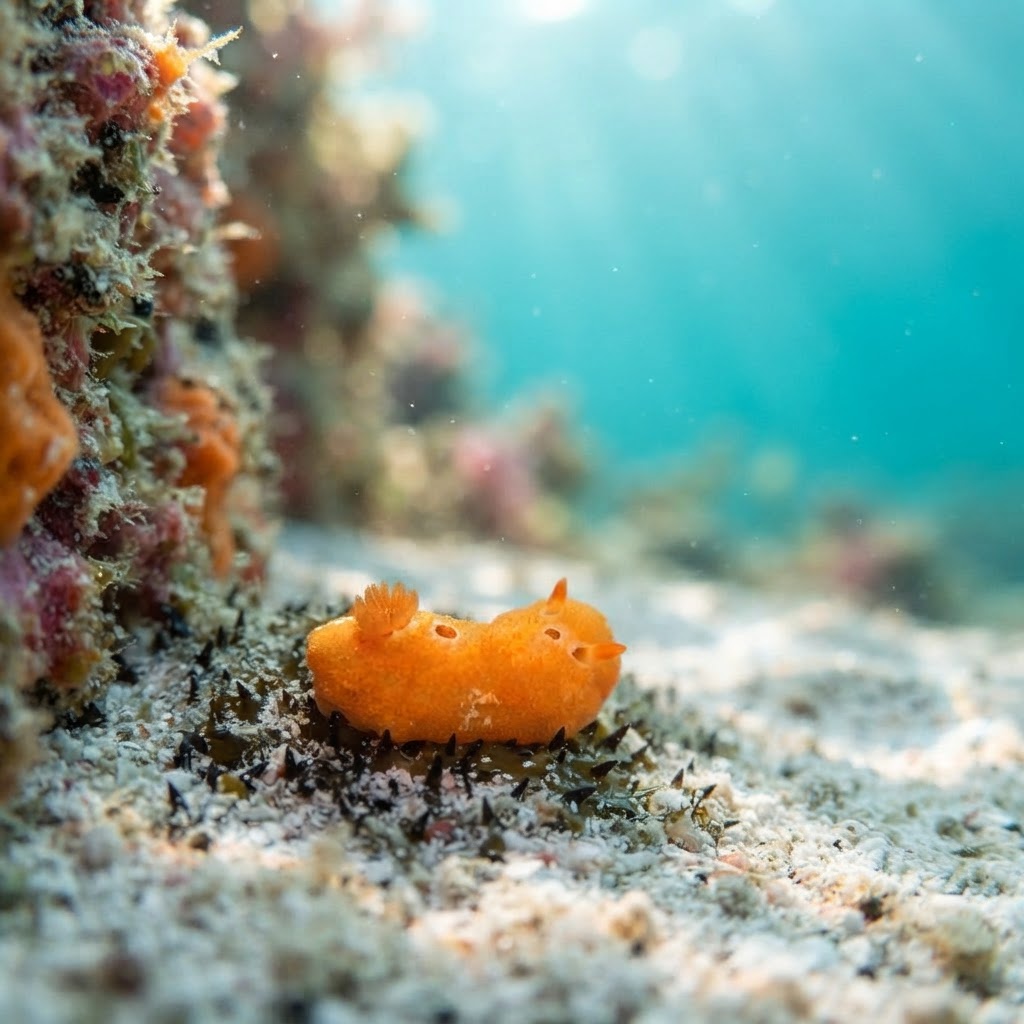
At roughly 1 cm long, this is a nudibranch you find by scanning rock and rubble closely rather than spotting from a distance. The body is bright red to orange with darker red spots scattered across the mantle, giving it the blotchy look its name suggests. It has the typical dorid nudibranch shape: a low, oval body with a rosette of gills near the rear and a pair of rhinophores (sensory tentacles) up front.
Divers find it sitting still on rock, rubble, or sponge-covered surfaces, doing what nudibranchs do: grazing slowly and staying put rather than fleeing when a light or camera comes close. Because it is tiny and coloured to blend into red sponge and encrusting life, most sightings come from divers doing slow, close-focus searches rather than general reef swims.
Like other dorid nudibranchs, it likely feeds on sponges and gets its colour from its diet, though its diet source isn't confirmed for this species. Its size and camouflage mean it is almost certainly under-reported: what gets logged as rare may just reflect how easy it is to swim straight past.
Sightings don't show a clear seasonal pattern, so treat this as a year-round find wherever the water sits in its comfortable 10.7 to 16.7C range. That range matches California and Pacific Northwest cold-water conditions most of the year, which is likely why sightings aren't clustered into one season.
This is a cold-water find, most reliably logged along California, with a smaller but real presence in the Pacific Northwest further north in the United States and into British Columbia, Canada. California carries the bulk of confirmed sightings, so divers doing muck and rubble dives on the West Coast have the best odds.
Mapping where Blood Spot Doris is logged…
California is the strongest region for this species, with additional sightings from the Pacific Northwest and British Columbia, Canada. It is a cold-water species, so tropical dive destinations won't turn it up.
There's no strong season in the sighting data, so it appears to be a year-round find in its cold-water range. Look for it whenever water temperatures sit between roughly 11 and 17C, which covers much of the year on the US West Coast.
Look for a tiny, roughly 1 cm nudibranch with a red to orange body marked by darker red spots. It sits low and still on rock or rubble, so slow down and scan close-up rather than looking for movement.
They are small, typically around 1 cm long, which is about the size of a fingernail. This makes them easy to miss without a close, deliberate search of the substrate.
Most divers who log it describe it as rare, with a smaller number reporting it as uncommon at their site. Its tiny size and camouflage likely mean it's spotted less often than it's actually present.
Site and sighting data is aggregated from diver logs, iNaturalist and GBIF. For taxonomy and conservation status:
Light-spotted Aegires
3,168 sites