Bermudella mija
A rare nudibranch logged on New Zealand's North Island in cool 13-22C water. Here's how to spot one and where divers have found it.
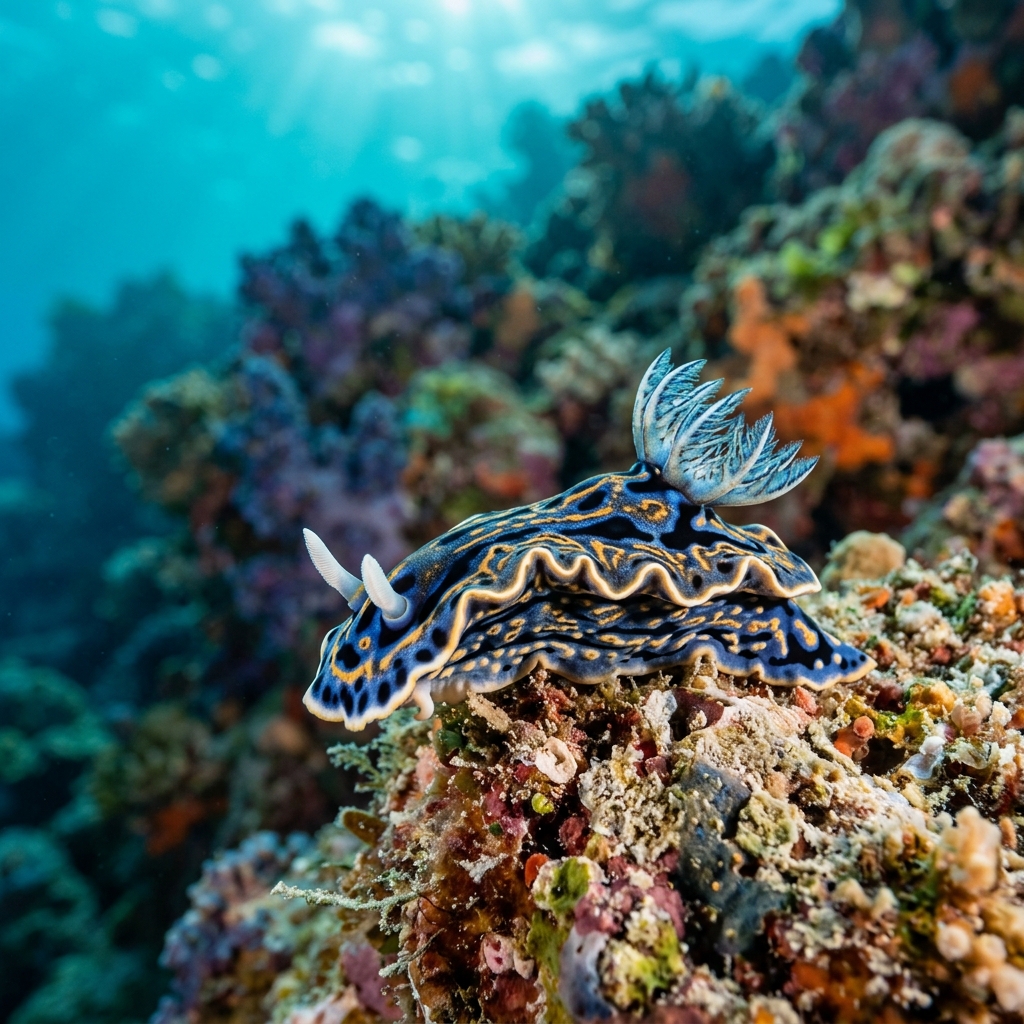
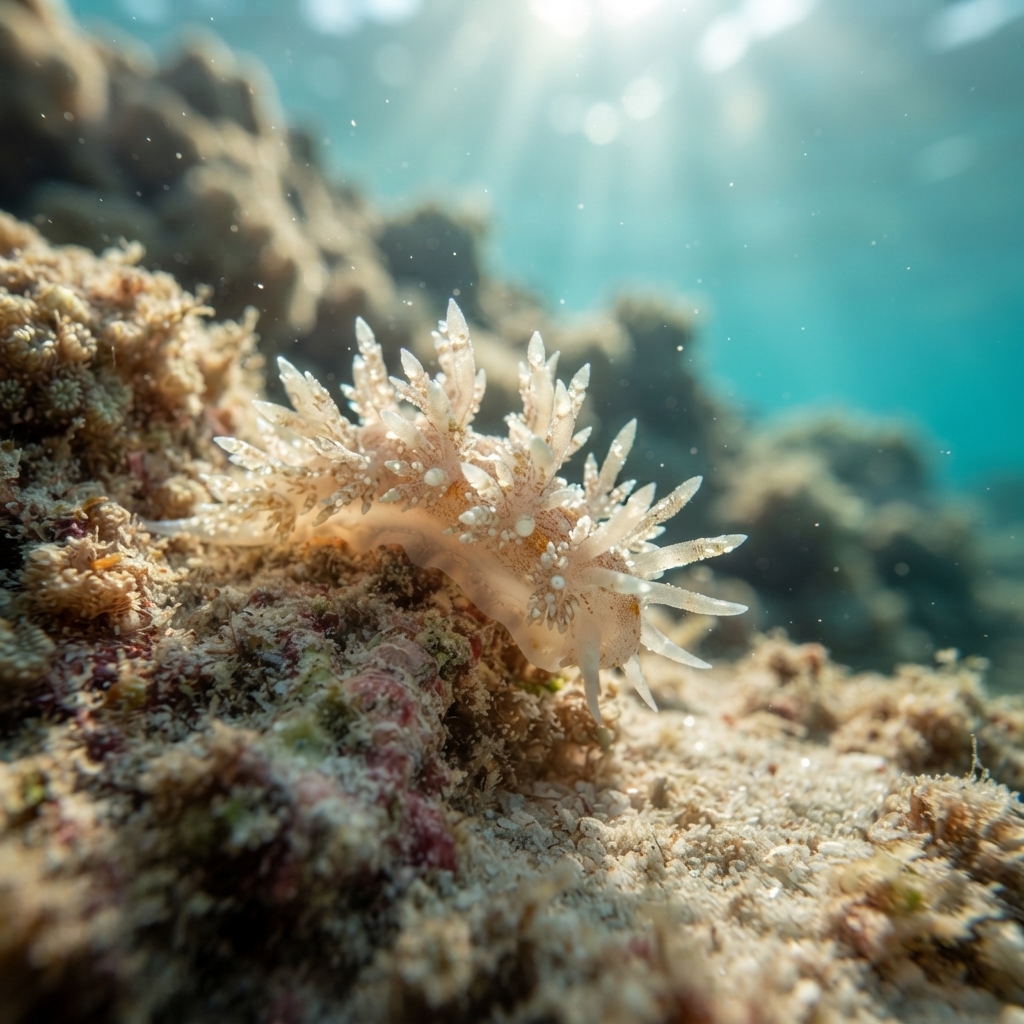
A small, soft-bodied sea slug (nudibranch) best picked out by careful scanning of rock and rubble rather than by any single bold marking, since detailed colour pattern data for this species is sparse. Look for the typical goniodorid body shape: a low, tubercled (bumpy-skinned) mantle with a pair of feathery gills near the rear and short sensory tentacles (rhinophores) up front. Size in the water is unrecorded, so treat any candidate as small until you can compare it closely with a photo reference.
Like other goniodorid nudibranchs, it likely stays close to rock and rubble surfaces where it grazes slowly, so divers tend to spot it by scanning rather than by any active movement. It shows no known reaction to divers and simply continues feeding when approached. Given how rarely it's been logged, most sightings so far have come from divers deliberately searching likely nudibranch habitat rather than chance encounters mid-dive.
Like most goniodorid nudibranchs, it almost certainly feeds on encrusting bryozoans or sponges, using this specialised diet to extract chemical compounds that may help defend it from predators.
There isn't enough logged data to pin down a season, so this is currently a year-round unknown. Observed water temperatures range from a cool 13.1 to 22.0C, consistent with North Island's temperate diving conditions across most of the year.
Every logged sighting of this species so far comes from New Zealand's North Island, making it the only confirmed spot to look. Treat it as a North Island specialty until divers elsewhere start reporting it.
Mapping where Bermudella Mija is logged…
The only confirmed sightings so far are from New Zealand's North Island. It hasn't yet been logged at dive sites outside that region.
There's not enough data yet to identify a specific season, so it's best treated as a year-round possibility. It has been recorded in water from 13.1 to 22.0C, which spans much of the North Island's diving calendar.
Look for a small, bumpy-mantled nudibranch with feathery gills at the rear and short rhinophores up front, resting on rock or rubble. Detailed colour markings aren't well documented yet, so close-up photos are the best way to confirm an identification.
Size hasn't been documented for this species yet. As with most goniodorid nudibranchs, it's likely to be a small, easily overlooked animal measured in centimetres rather than tens of centimetres.
No, it poses no known danger to divers. Like other small nudibranchs, it's harmless to touch or observe and has no defensive mechanism that affects people.
Site and sighting data is aggregated from diver logs, iNaturalist and GBIF. For taxonomy and conservation status:
Blue Dragon
3,163 sites