Bermudella angelensis
An uncommon nudibranch find off California, logged in cool water between 12 and 19C, year-round with no clear season.
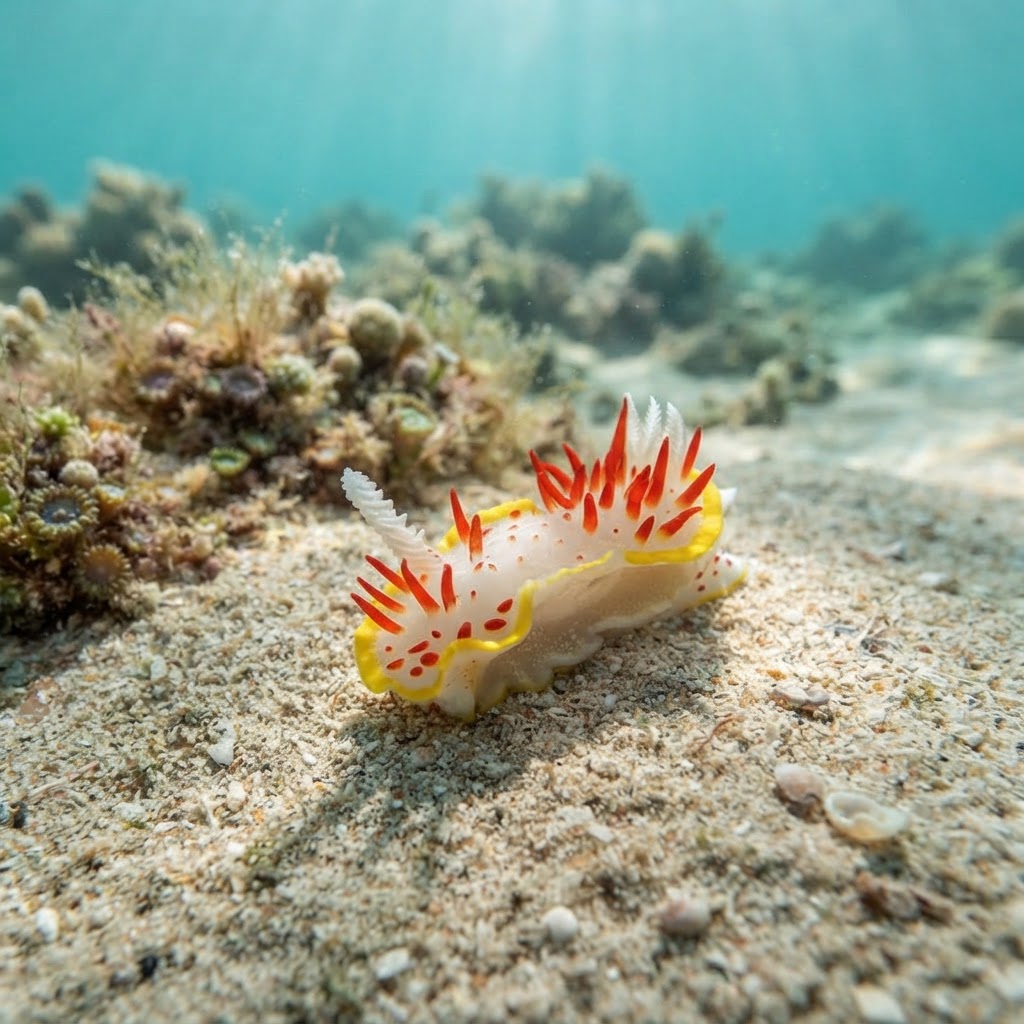
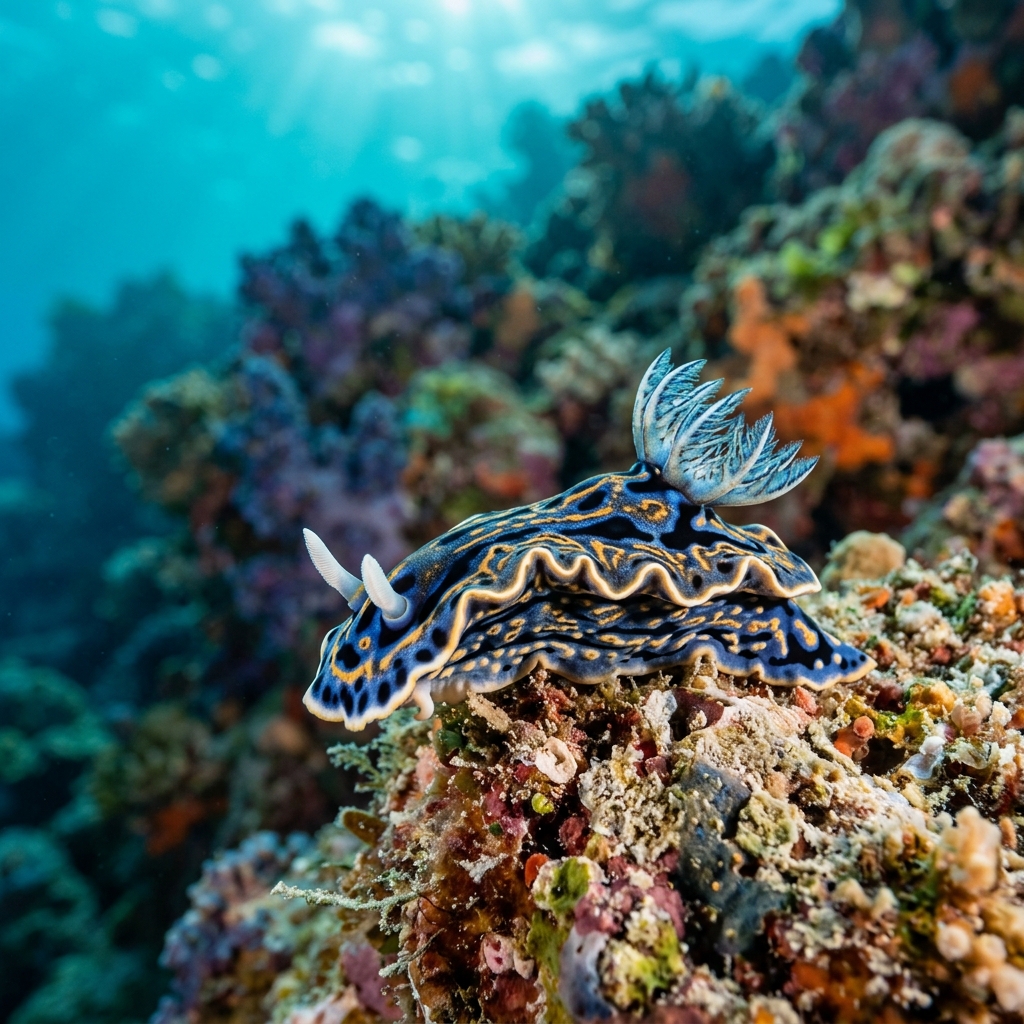
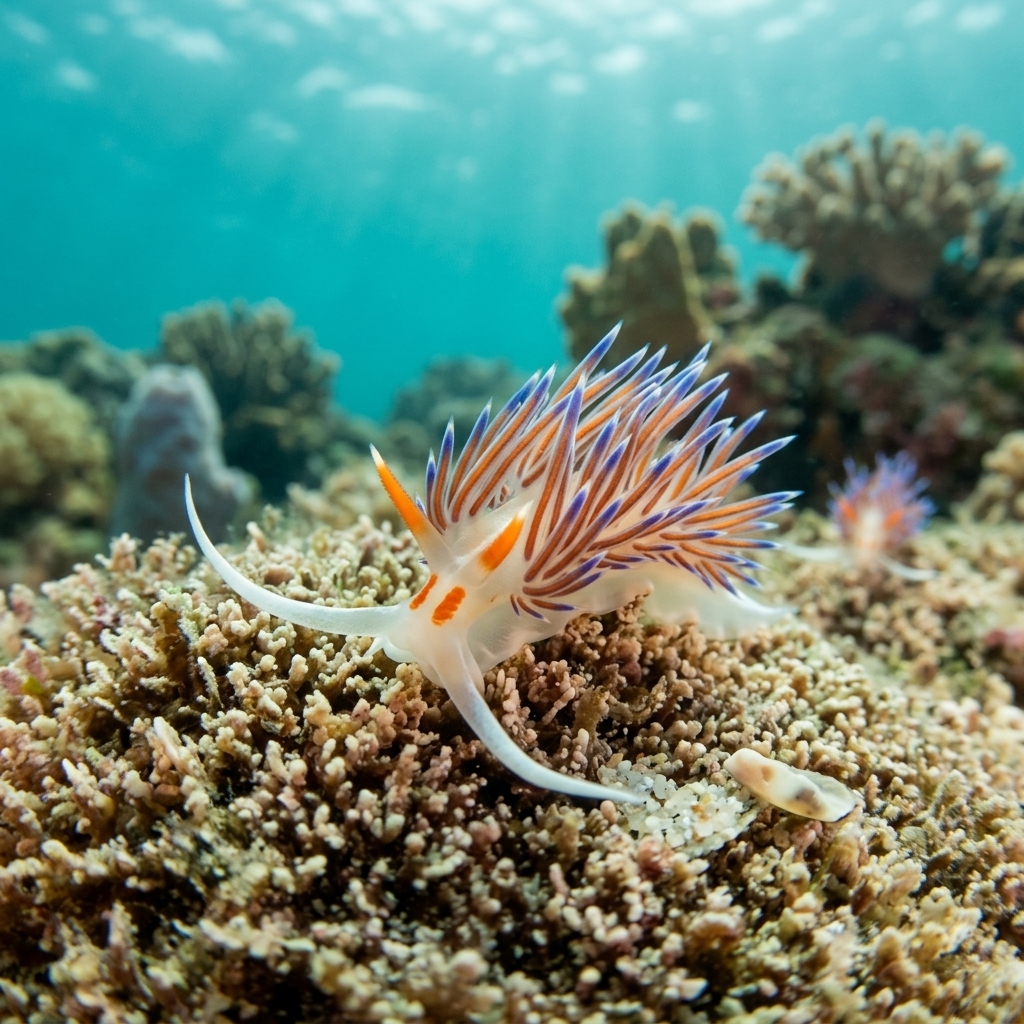
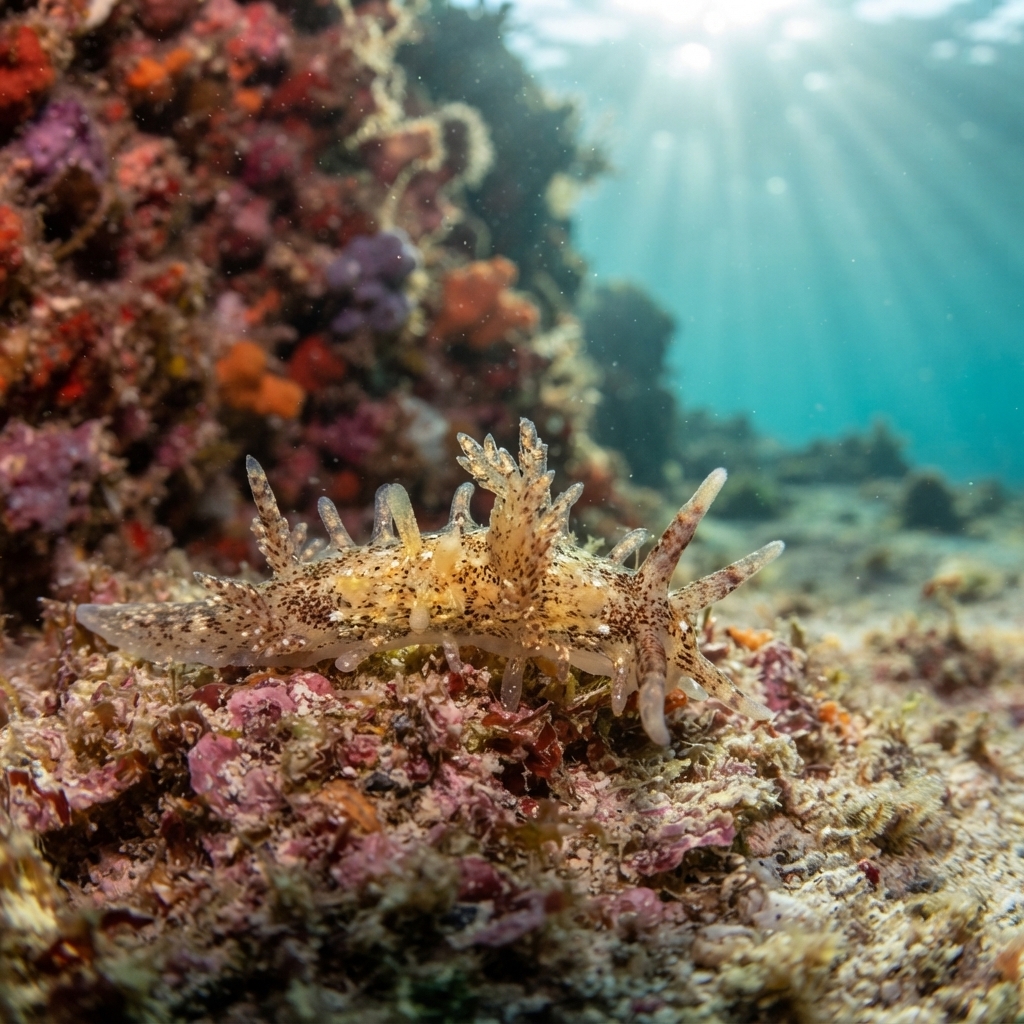
A small sea slug best picked out by patient reef scanning rather than bright colour from a distance, since no dramatic pattern is documented for this species. Look for it on rocky substrate in cool water, moving slowly across algae or sponge-covered surfaces the way most goniodorid nudibranchs do. Because confirmed size and colour details are not established here, treat any small unfamiliar dorid nudibranch on a California reef as a candidate and photograph it for closer identification later.
Divers encounter this nudibranch moving slowly across rocky reef surfaces, grazing in the unhurried way typical of small dorid nudibranchs rather than reacting to a diver's presence. It shows no avoidance behaviour and is usually found by divers scanning close to the substrate rather than swimming mid-water. Given the rare-to-uncommon frequency logged at its sites, finding one usually takes a slow, close look rather than a lucky glance.
Like other members of the family Goniodorididae, this species almost certainly feeds on encrusting invertebrates such as bryozoans or sponges, using the food source to influence its own colouring and camouflage on the reef.
Sightings are spread across the year with no detectable seasonal peak, and the observed water temperature range of 12.3 to 18.9C matches the cool water typical of California diving through most seasons. Treat this as a year-round possibility rather than a species tied to a particular month.
Reef neighbours a diver could mistake it for. Use the identification notes above to tell them apart.
Every logged sighting of this species comes from California, in the United States, making it a California specialty rather than a species with a wider known range. Divers in that region have the best odds, though even there sightings run from uncommon to rare depending on the site.
Mapping where Bermudella Angelensis is logged…
All recorded sightings come from California in the United States, so it is currently best known as a California nudibranch rather than a species found elsewhere.
There is no clear seasonal pattern in the data, and the cool water temperature range it is found in, 12.3 to 18.9C, is present through much of the year in California, so sightings are possible year-round.
Look for a small dorid nudibranch grazing slowly on rocky substrate in cool California waters. Detailed colour and size data is limited, so photographing any candidate slug for later comparison is the most reliable approach.
Confirmed size data is not available for this species, though it is consistent with the generally small body size typical of nudibranchs in the family Goniodorididae.
Site and sighting data is aggregated from diver logs, iNaturalist and GBIF. For taxonomy and conservation status:
Nudibranch
3,168 sites