Chirodactylus spectabilis
Chunky, striped reef fish most commonly logged around New Zealand's North Island in cool 14-20 C water, year-round.
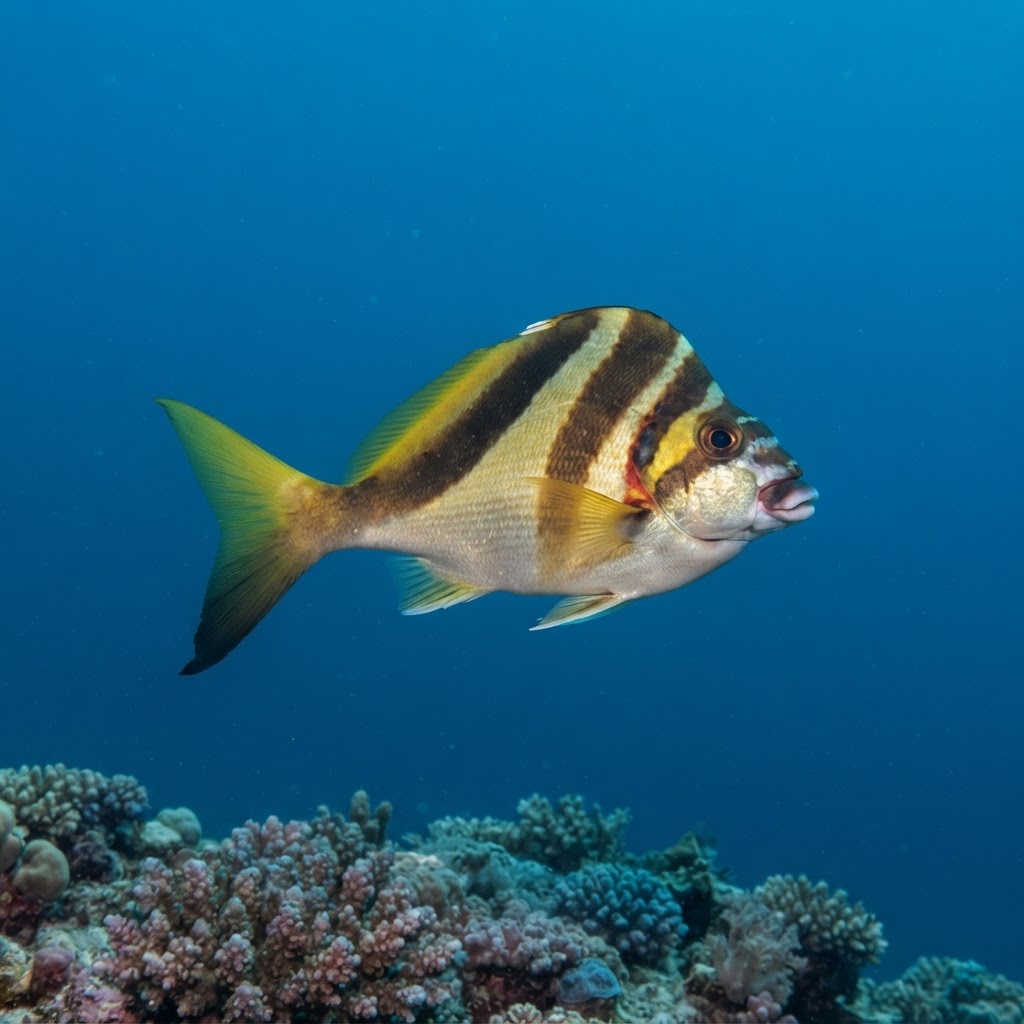
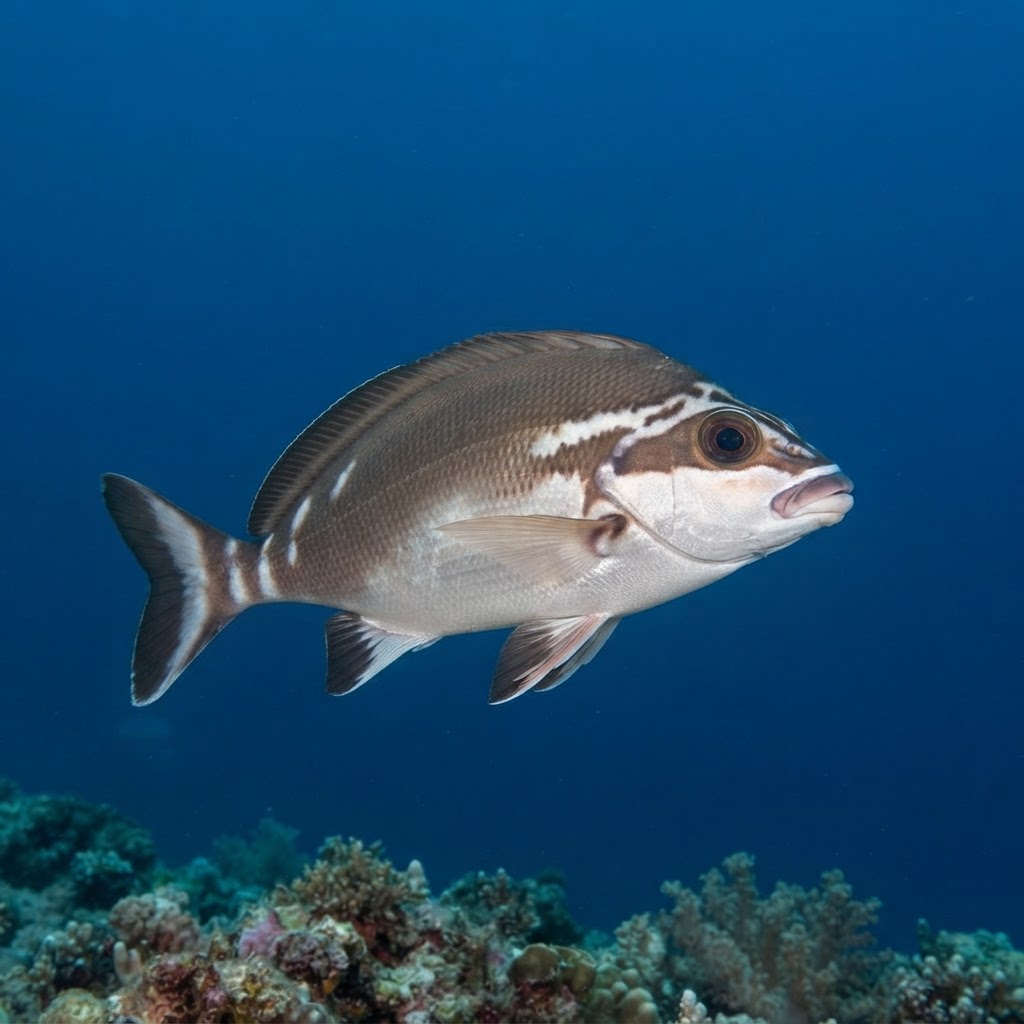
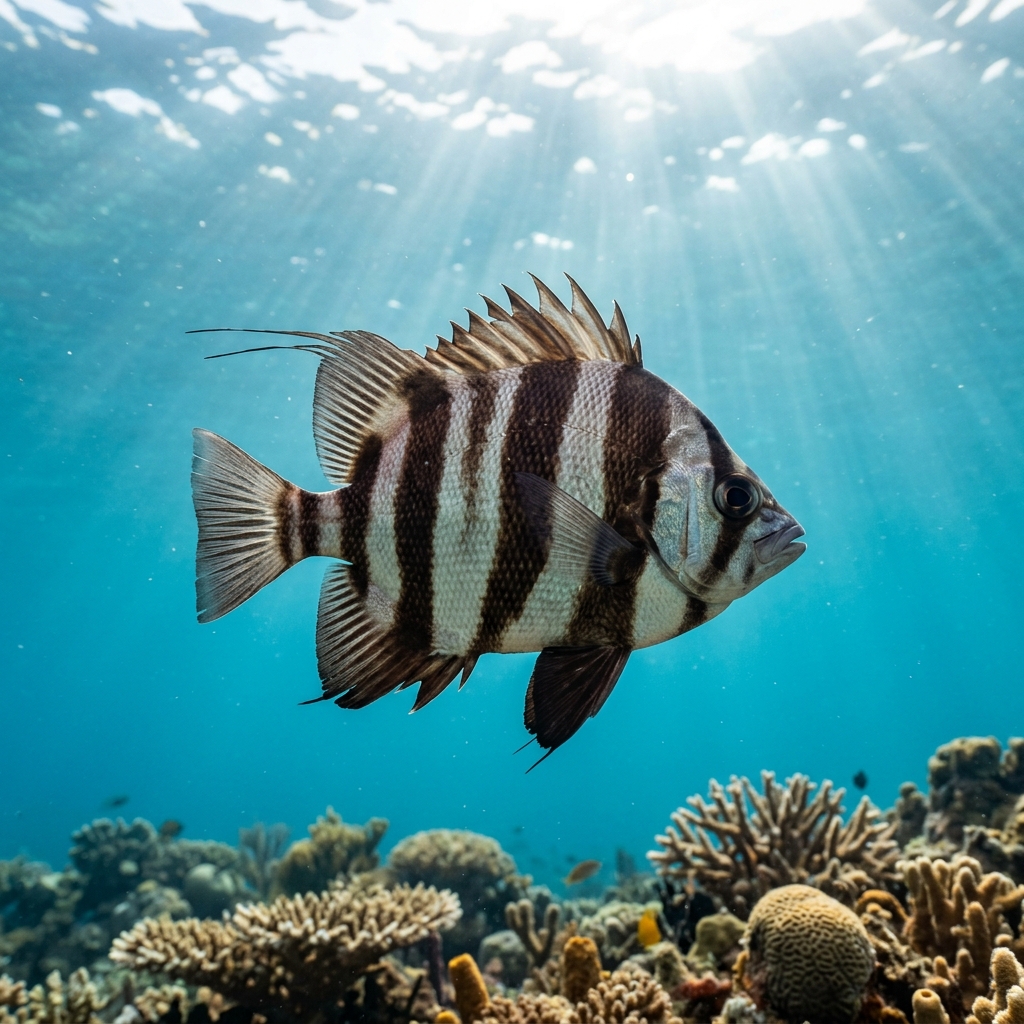
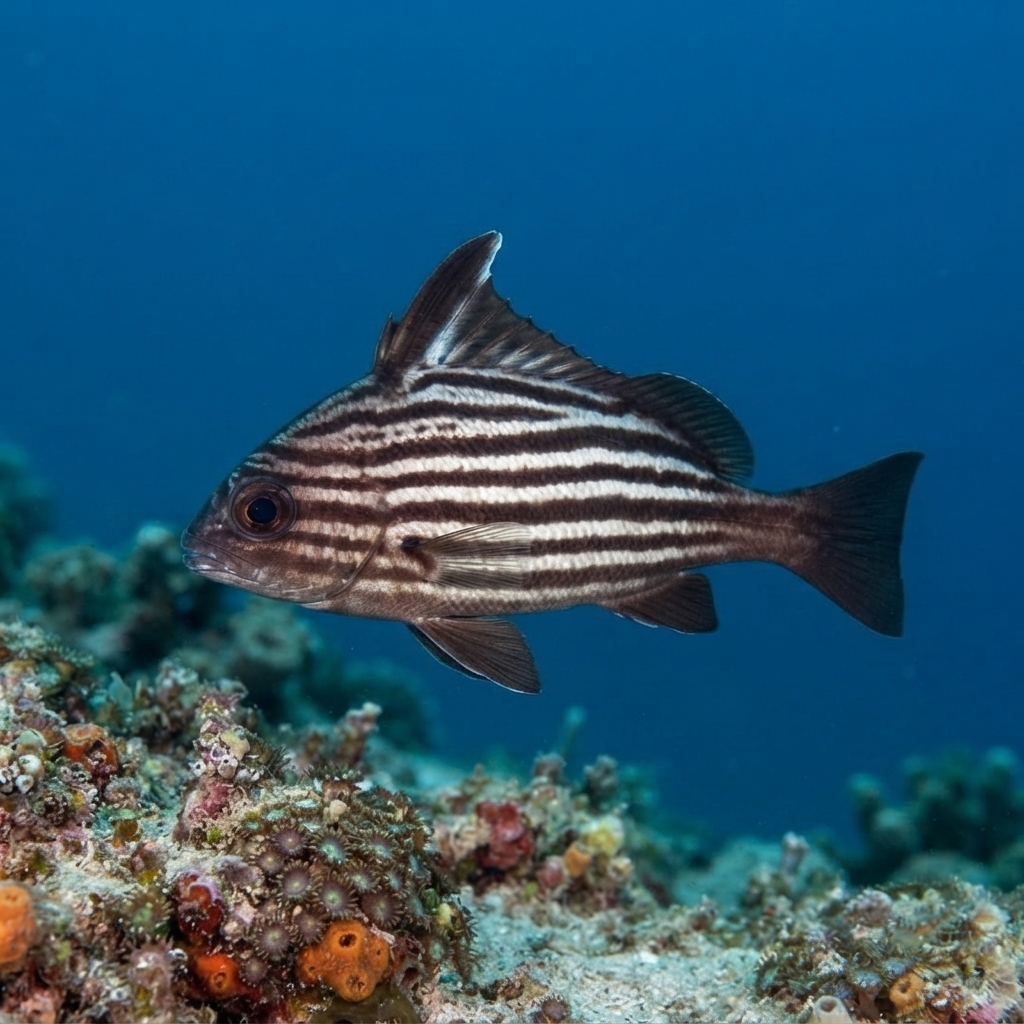
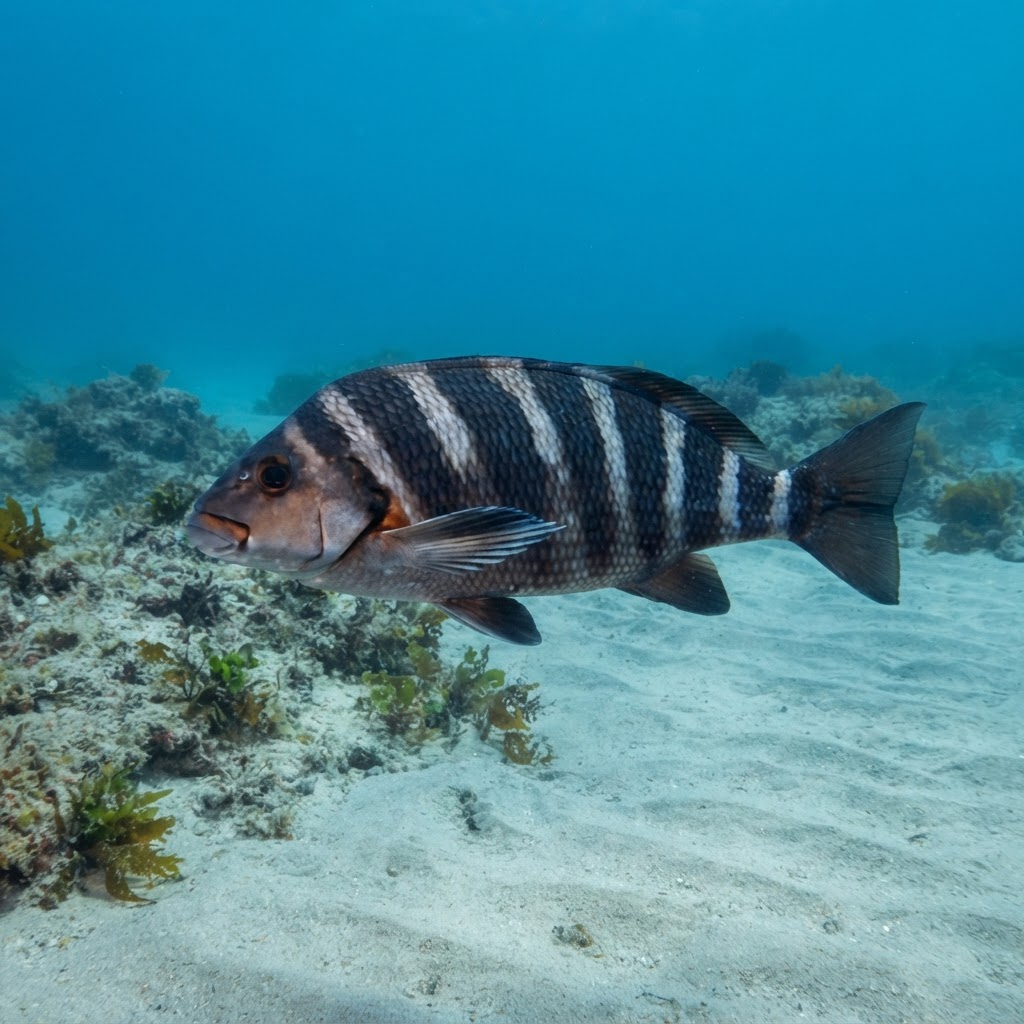
Look for a heavy-bodied fish up to about 70 cm with thick dark bands running vertically down a pale brownish body, giving it a striped, almost bar-coded look. It has a sloping forehead, thick lips and a squarish tail, and tends to sit low against rock rather than swim in open water. The bands are the giveaway feature that separates it from most other temperate reef fish sharing the same rocky ledges.
Divers typically find it hovering close to rock, often tucked under ledges or hanging near cracks and crevices rather than out in open water. It is not a fast or flighty fish, most logs describe it as an uncommon but calm find that will hold position and let a diver get a good look before easing off into cover. Expect it on rocky reef rather than sand or open pelagic water, usually at moderate depth rather than right at the surface.
Banded morwong are known to be long-lived and slow-growing for a reef fish this size, which is part of why researchers have used their growth rings for age studies on New Zealand reefs.
Sightings show no strong seasonal pattern, and with a comfortable range of roughly 14 to 20.5 C it seems to stay put on its home reefs through the year rather than migrating with temperature. Plan around site conditions and visibility rather than chasing a particular month.
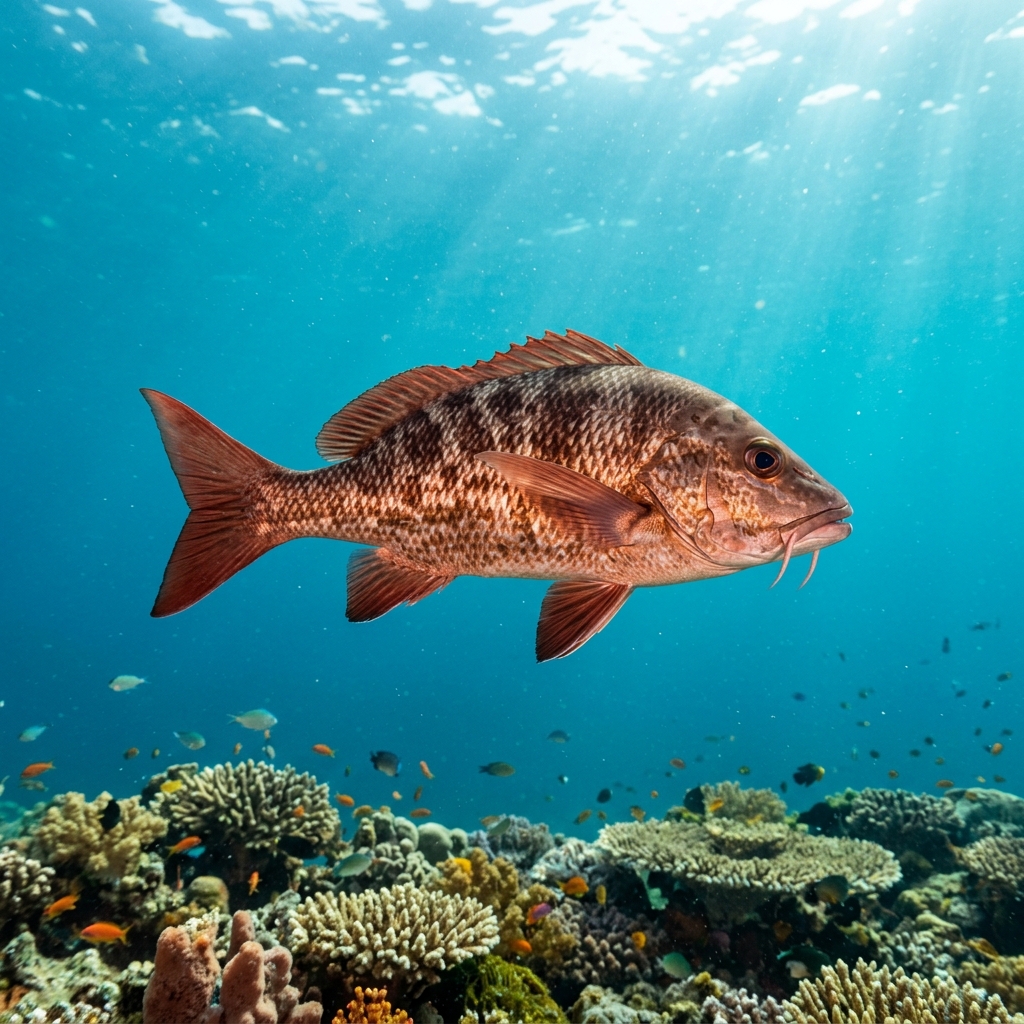
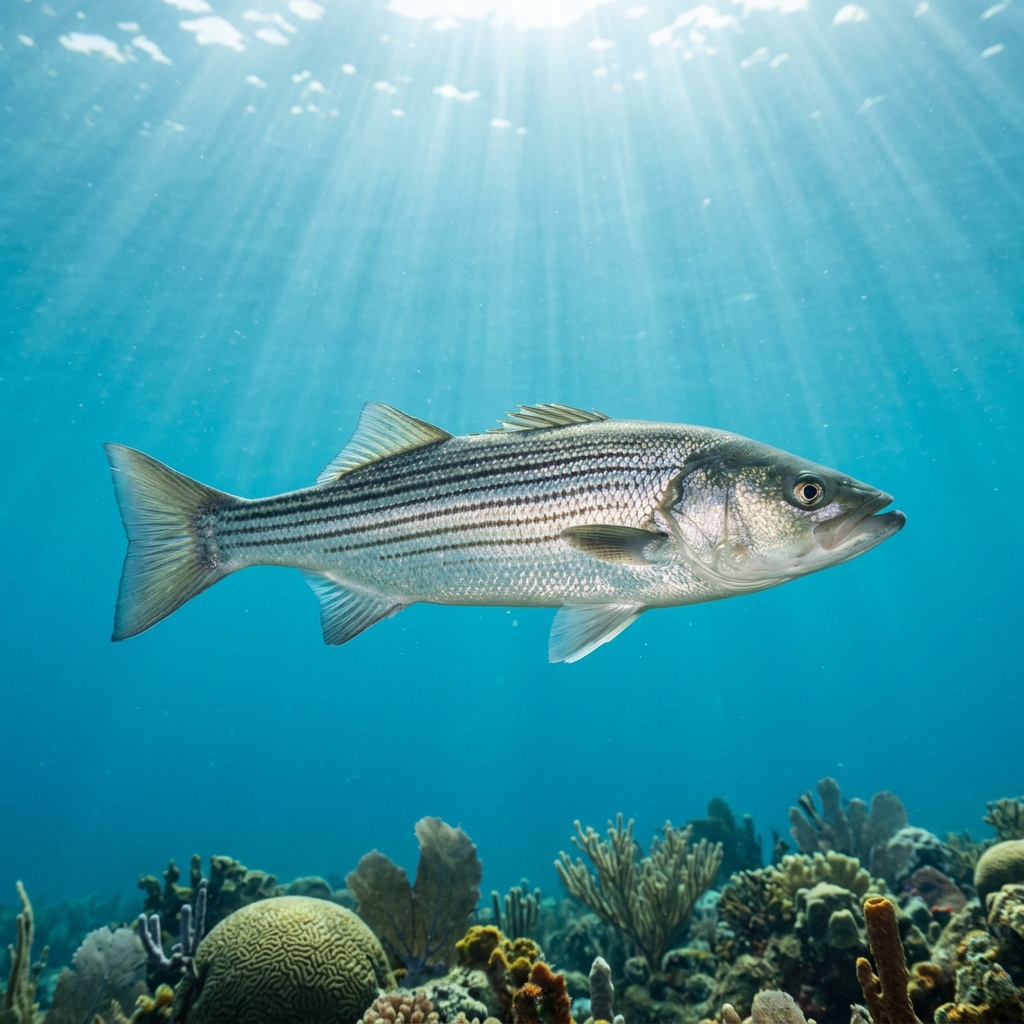
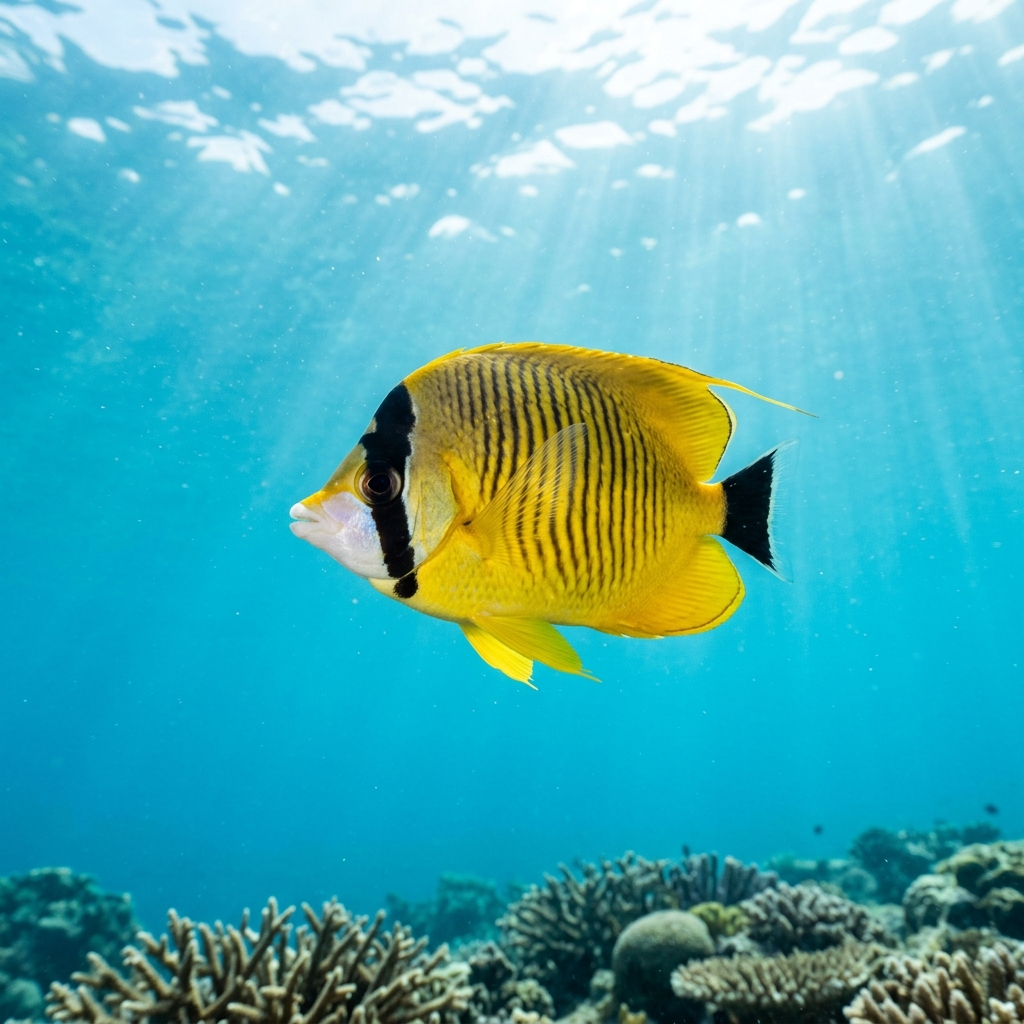
Reef neighbours a diver could mistake it for. Use the identification notes above to tell them apart.
This is very much a New Zealand fish first, most commonly logged around the North Island, where it turns up on rocky reef dives with reliable regularity. Australian divers find it too, with a solid presence in Tasmania and smaller but real numbers in New South Wales and Victoria, usually on the same kind of exposed rocky reef habitat.
Mapping where Banded Morwong is logged…
The strongest sightings are around the North Island of New Zealand, with further populations in Tasmania, New South Wales and Victoria in Australia. It favours rocky reef habitat over sand or coral.
There is no clear seasonal pattern in the sighting data, so it appears to be present on its home reefs year-round. It is comfortable across a cool 14 to 20.5 C range, which likely explains the lack of a strict season.
Look for a thick-bodied fish with bold dark vertical bands over a pale body, a sloping head and thick lips, usually seen resting near rock rather than swimming in the open. It can reach around 70 cm, making it one of the larger fish on a temperate reef ledge.
They typically reach around 70 cm in length, making them a noticeably large, solid-bodied presence on rocky reef dives.
No, they are not considered dangerous to divers. They are calm, reef-associated fish that tend to hold position near rock rather than react defensively.
They are notably long-lived and slow-growing for their size, and scientists have used growth rings in their bones to study reef fish ageing in New Zealand waters.
Site and sighting data is aggregated from diver logs, iNaturalist and GBIF. For taxonomy and conservation status:
Barberfish
510 sites