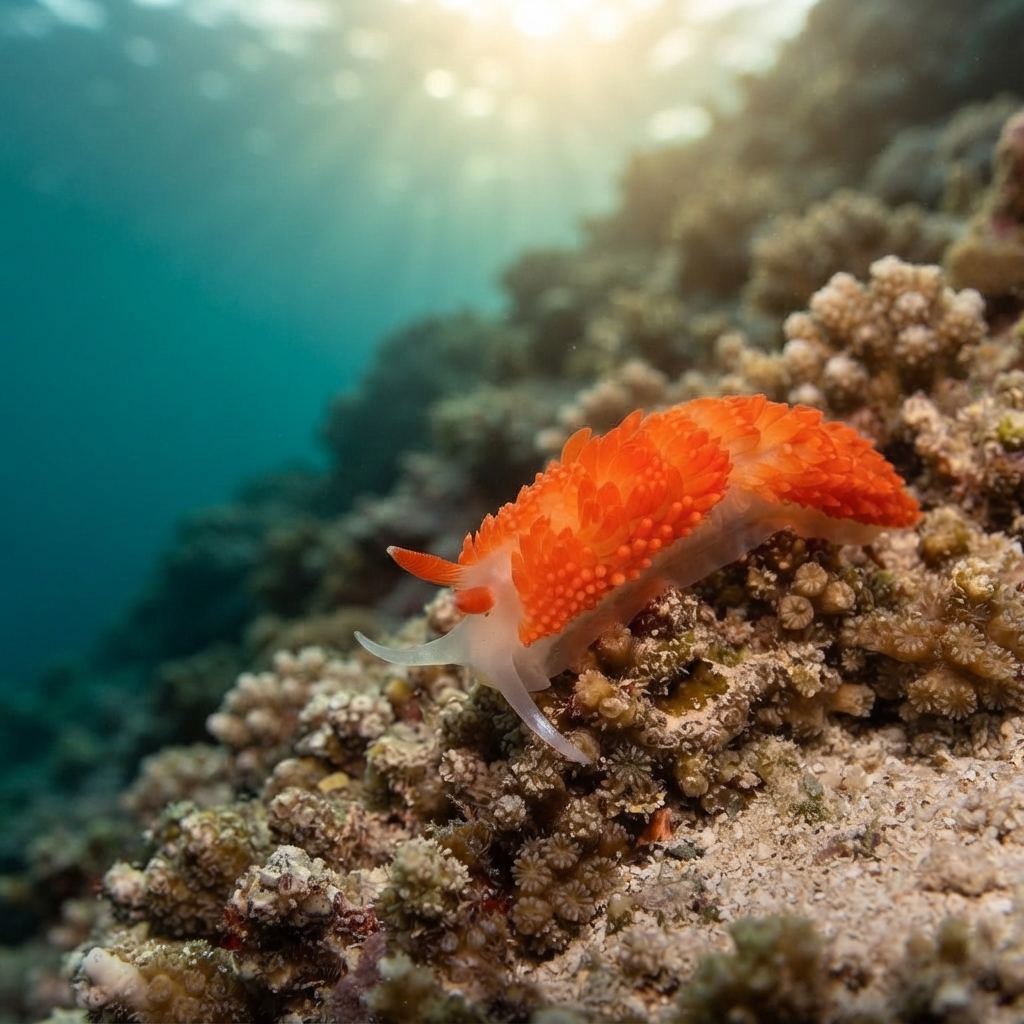
Anteaeolidiella oliviae
Cool-water aeolid found along California, most often logged as an uncommon sighting in temperate reef and kelp habitat around 12-19C.
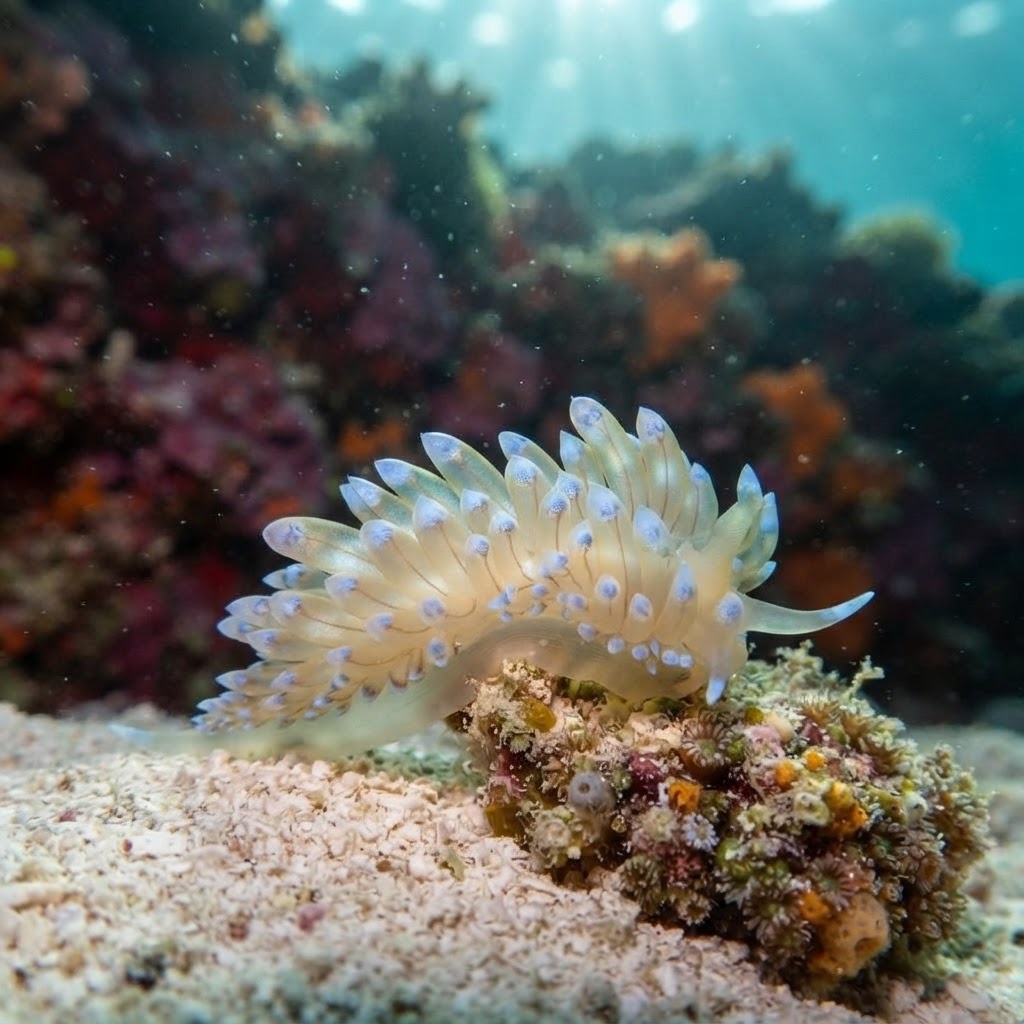
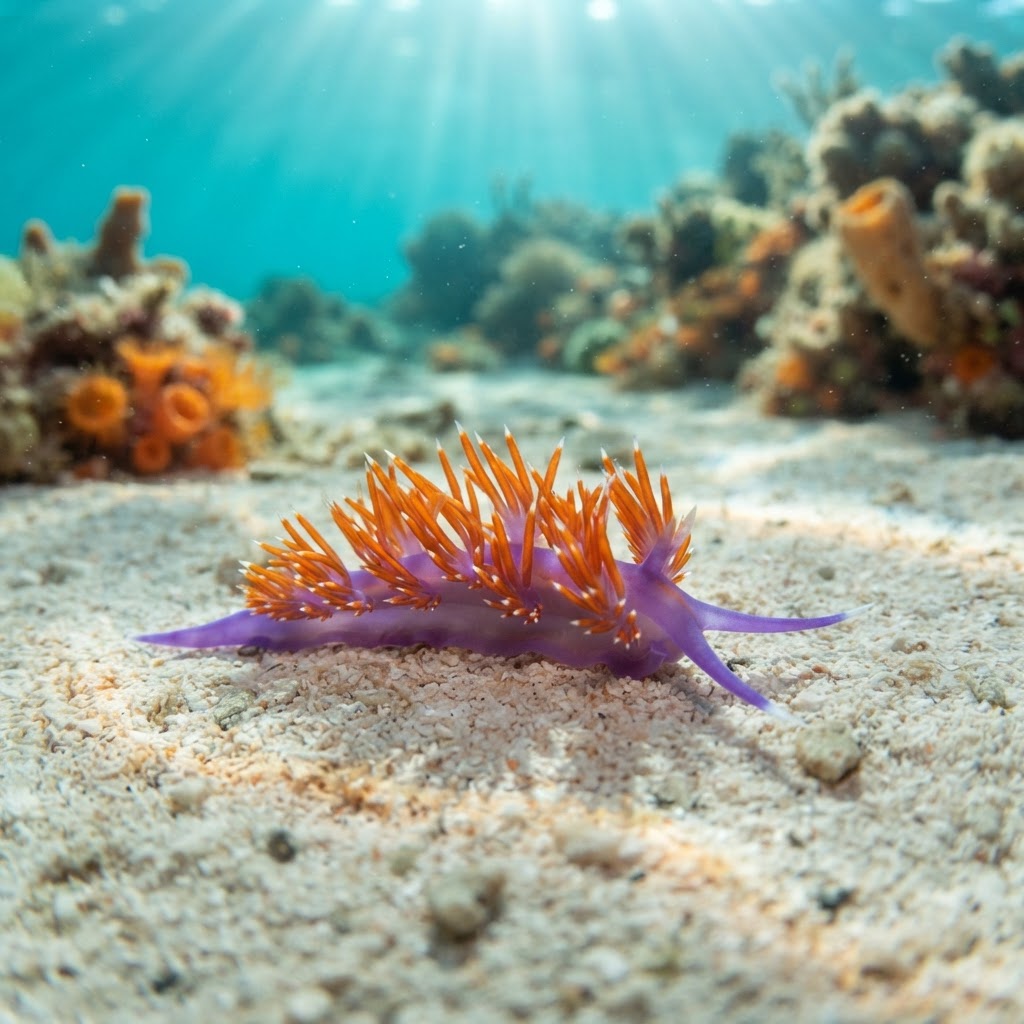
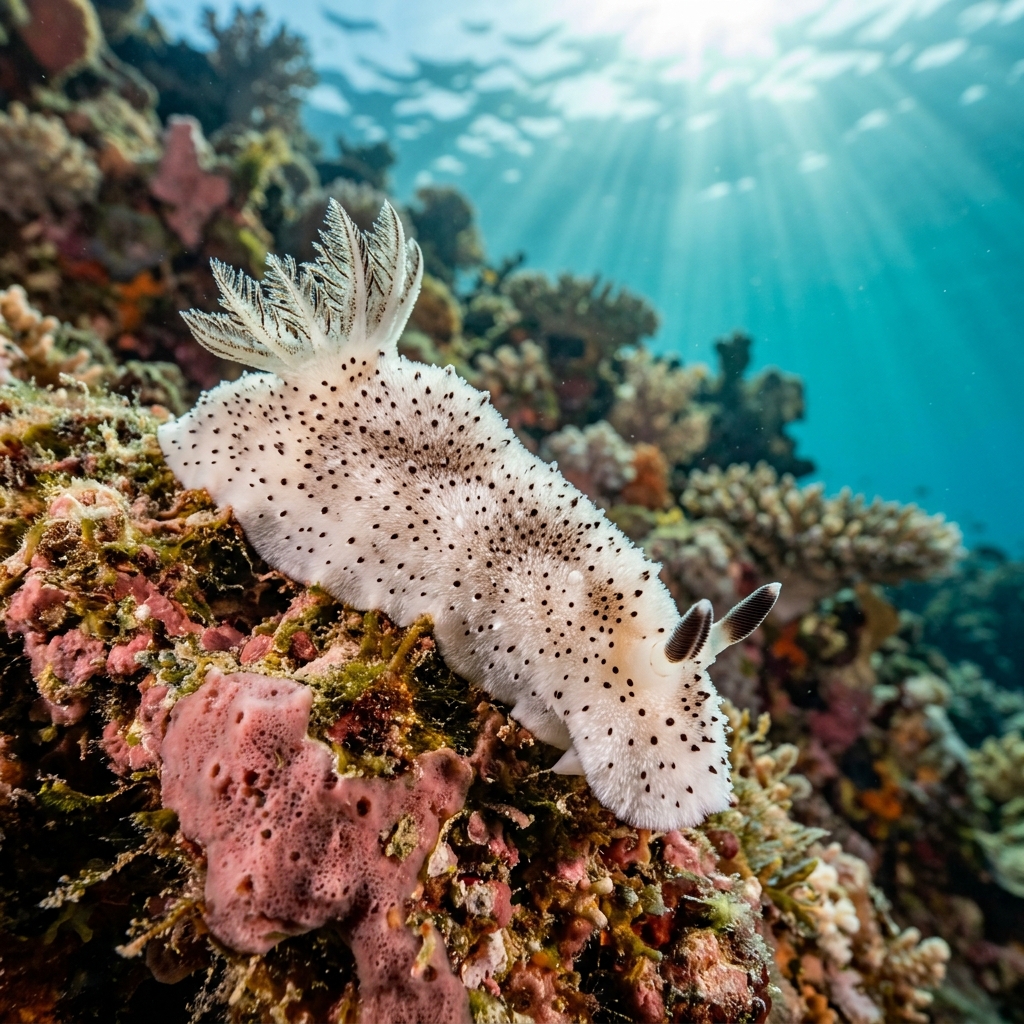
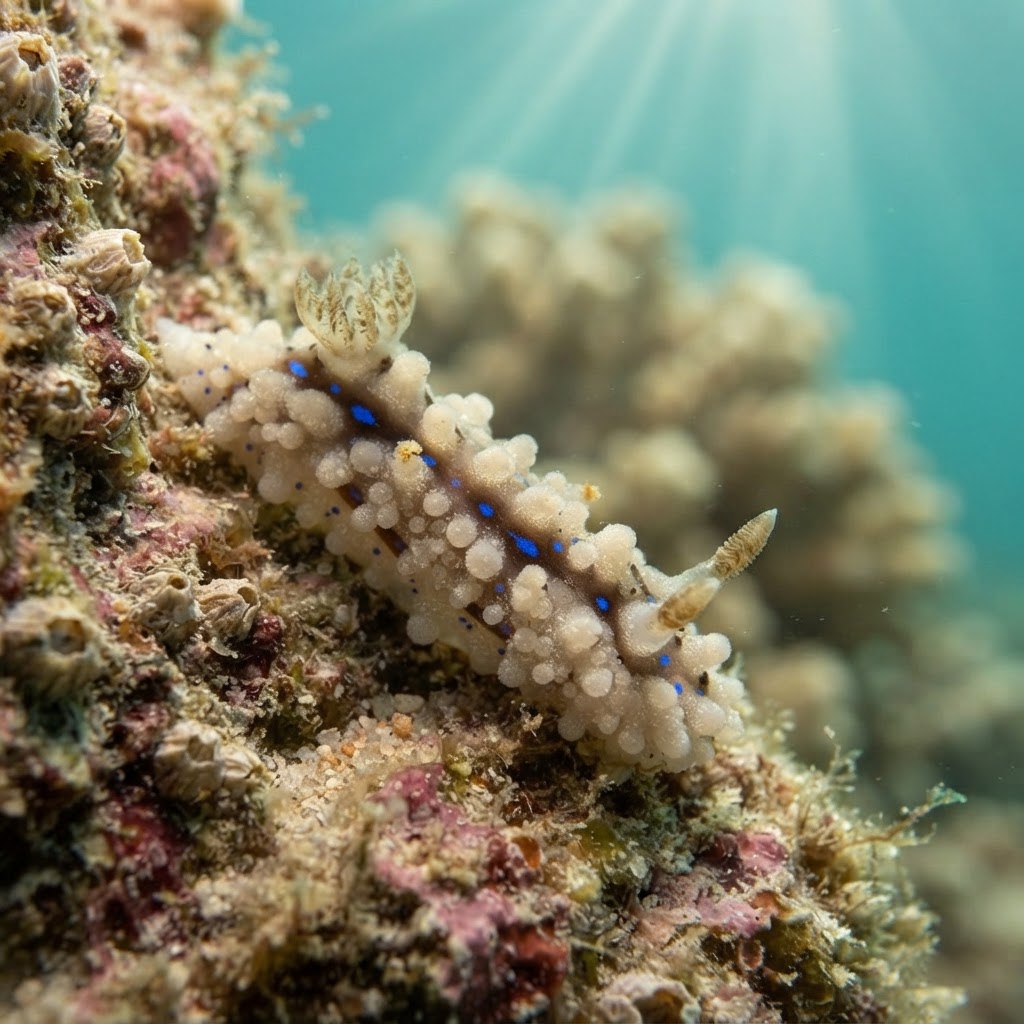
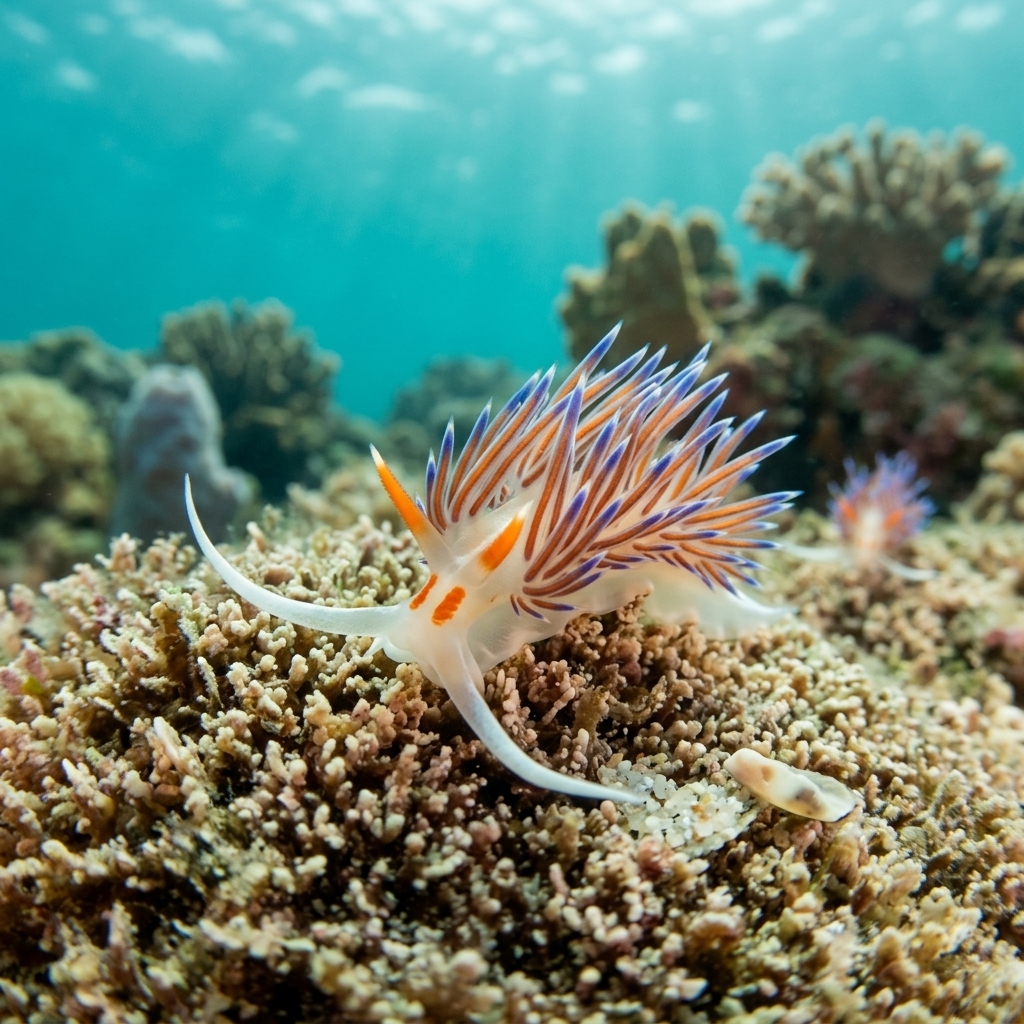
A small aeolid nudibranch (a group known for the finger-like projections, called cerata, covering their backs) with a slender, tapering body. The cerata run in dense rows down the length of the back and give it a slightly furry or bristled silhouette compared to smooth-backed dorid nudibranchs. Look for it tucked against rocky reef surfaces rather than out in the open sand, moving slowly and low to the substrate.
Divers typically find it moving slowly across rock and reef surfaces, grazing rather than swimming or drifting in open water. It shows no reaction to divers beyond its usual unhurried pace, so a slow, close look with a torch and macro lens is the way to actually spot one. Most sightings are opportunistic finds during general reef dives rather than targeted searches.
Like other aeolid nudibranchs, it likely feeds on cnidarians such as anemones or hydroids and can store stinging cells from its prey in its own cerata as a defence, a trick called kleptocnidae borrowed straight from its dinner.
Sightings show no clear seasonal pattern, and with the water sitting in a fairly narrow 12.3 to 18.9C band year-round in California, there's no obvious warm or cold season driving it into view. Treat it as a year-round possibility on any dive with the right rocky habitat.
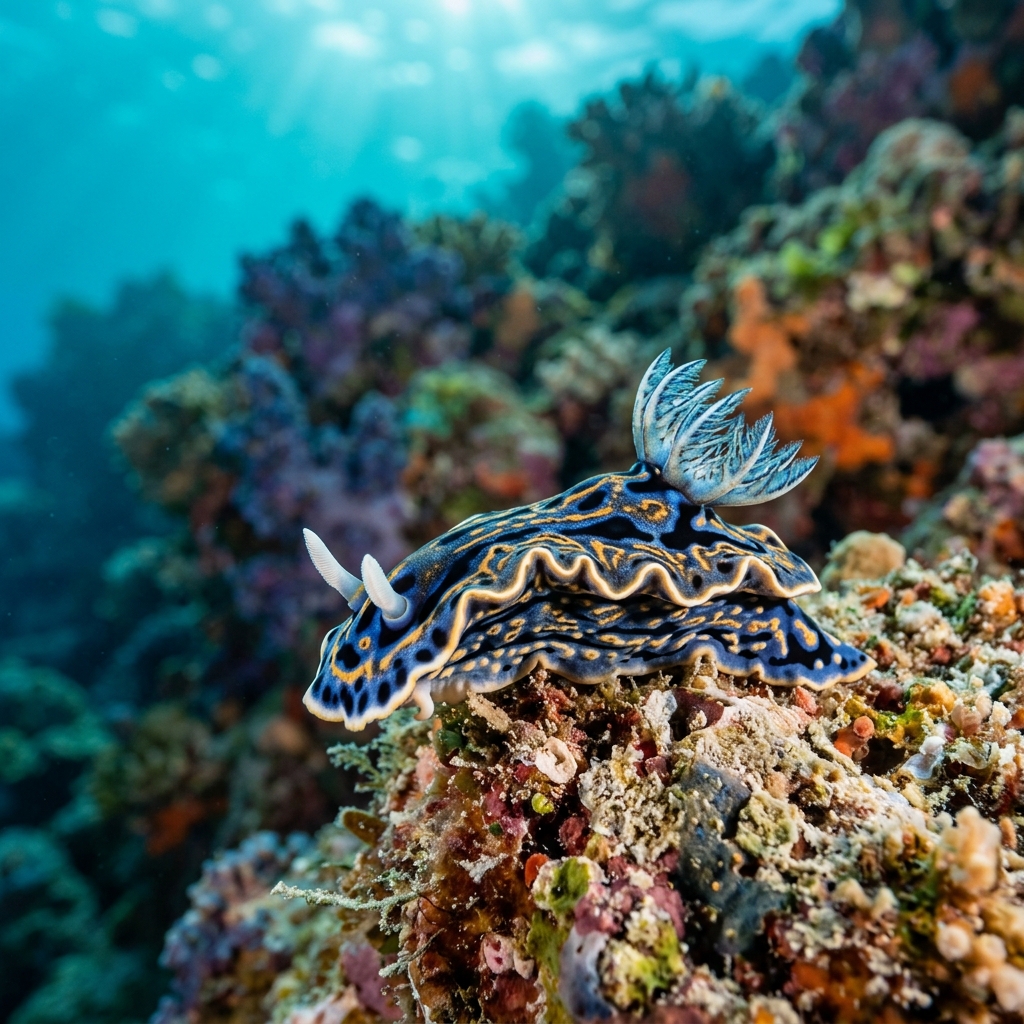
Reef neighbours a diver could mistake it for. Use the identification notes above to tell them apart.
Every logged sighting so far comes from California, making it a United States speciality rather than a species you'll find on tropical itineraries. Divers most reliably encounter it at sites along the Californian coast, where it turns up in the state's cold-water reef systems.
Mapping where Anteaeolidiella oliviae is logged…
Every recorded sighting comes from California in the United States, where it's found across a spread of temperate rocky reef sites. It hasn't been logged outside California, so it's currently a Californian speciality for nudibranch spotters.
There's no detected seasonal pattern, so it's treated as a year-round find. Water temperature at the sites where it's seen stays in a fairly steady 12.3 to 18.9C range, which doesn't point to a specific peak month.
Look for a small, slender nudibranch covered in dense rows of tapering cerata along its back, giving it a bristled rather than smooth profile. It moves slowly over rocky substrate and is easiest to spot with a close, patient look rather than a quick scan.
Exact size data isn't confirmed for this species, but like most aeolid nudibranchs it's likely a small animal, typically only a few centimetres long, best found by looking closely at rocky substrate rather than scanning from a distance.
As an aeolid nudibranch it probably feeds on stinging cnidarians and can recycle their stinging cells into its own cerata for defence, a borrowed weapon known as kleptocnidae.
Site and sighting data is aggregated from diver logs, iNaturalist and GBIF. For taxonomy and conservation status:
Nudibranch
3,168 sites