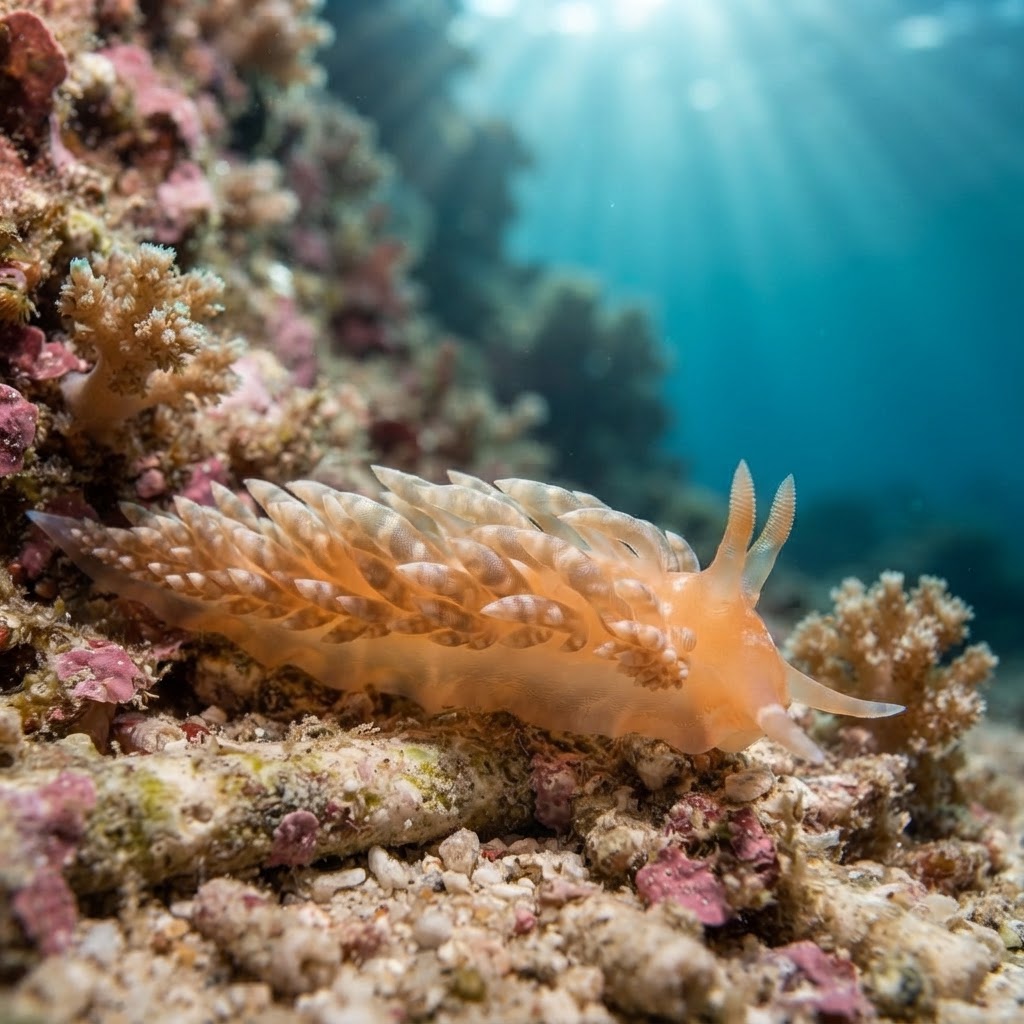
Anteaeolidiella chromosoma
Small aeolid nudibranch logged mainly along Mexico's Pacific Coast, in water from 16 to 29C, seen year-round on rock and reef sites.
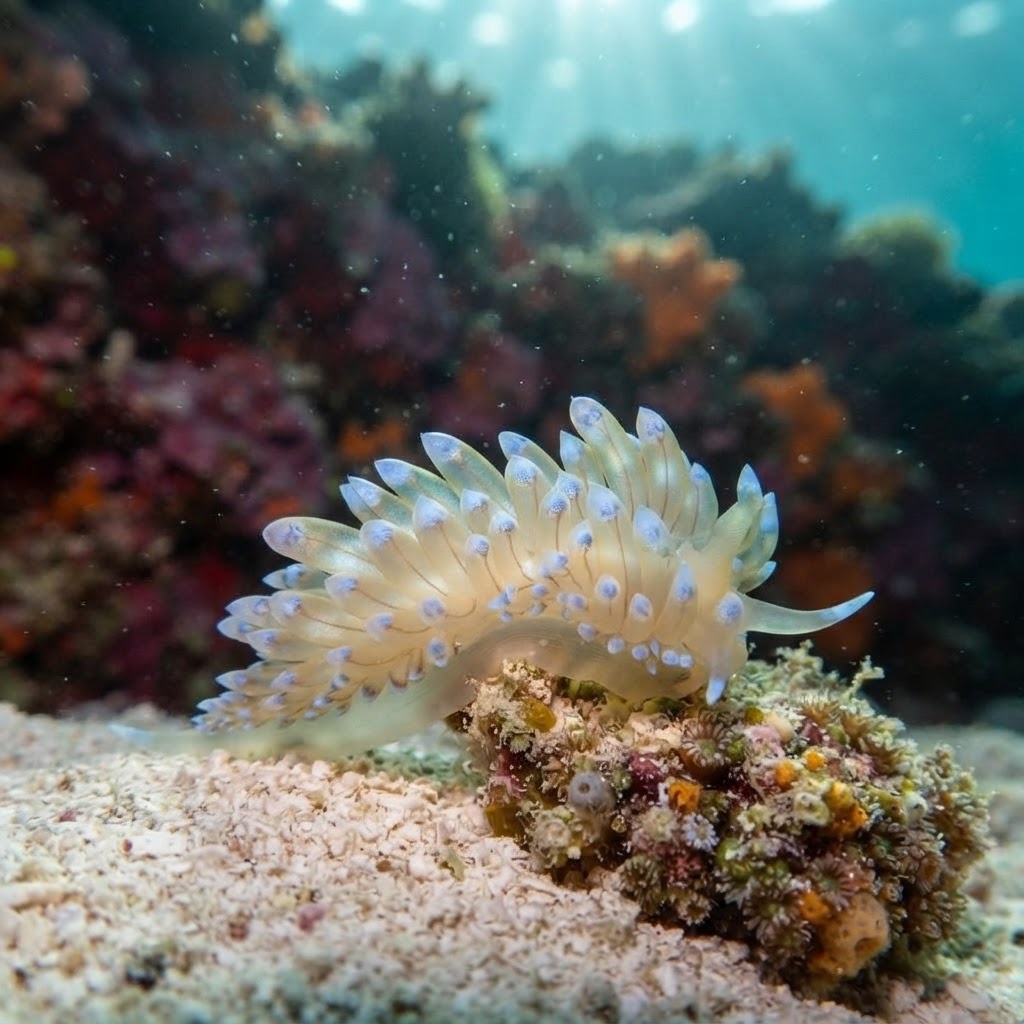
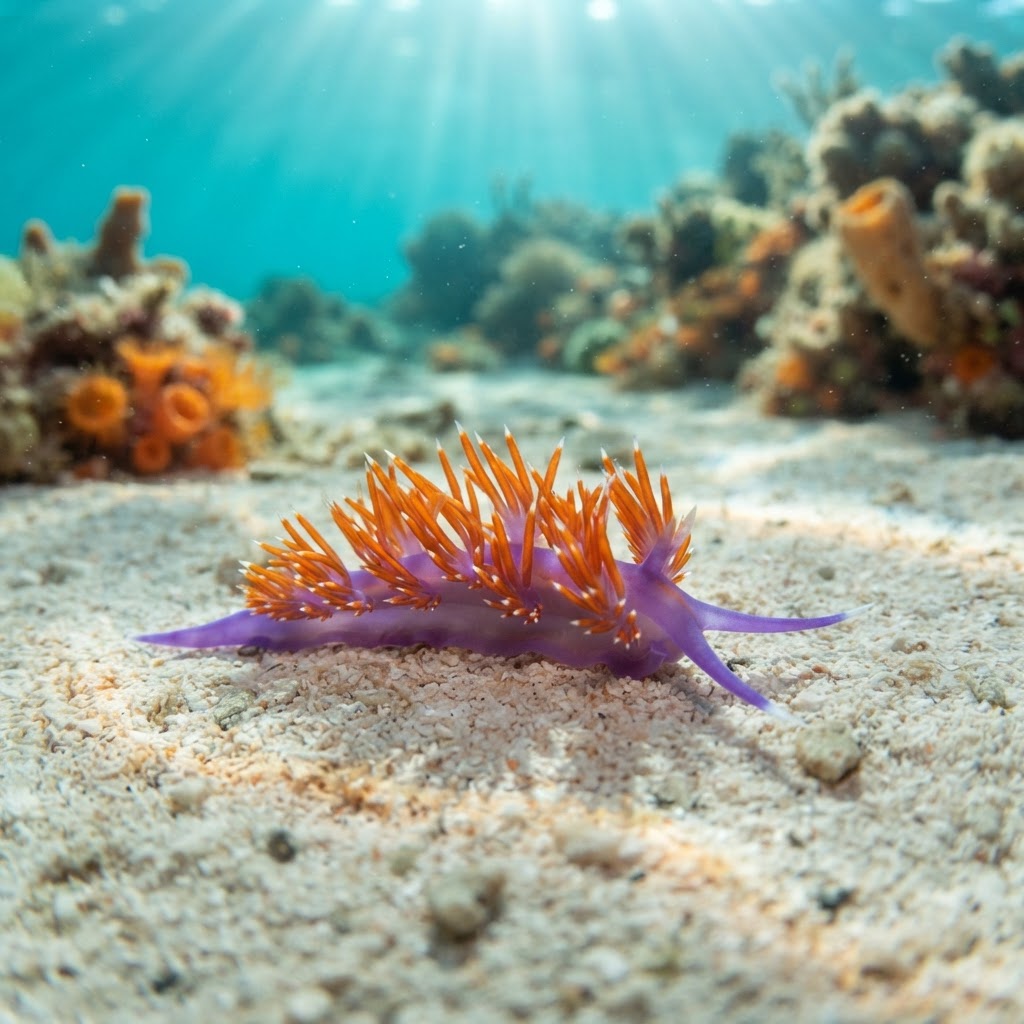
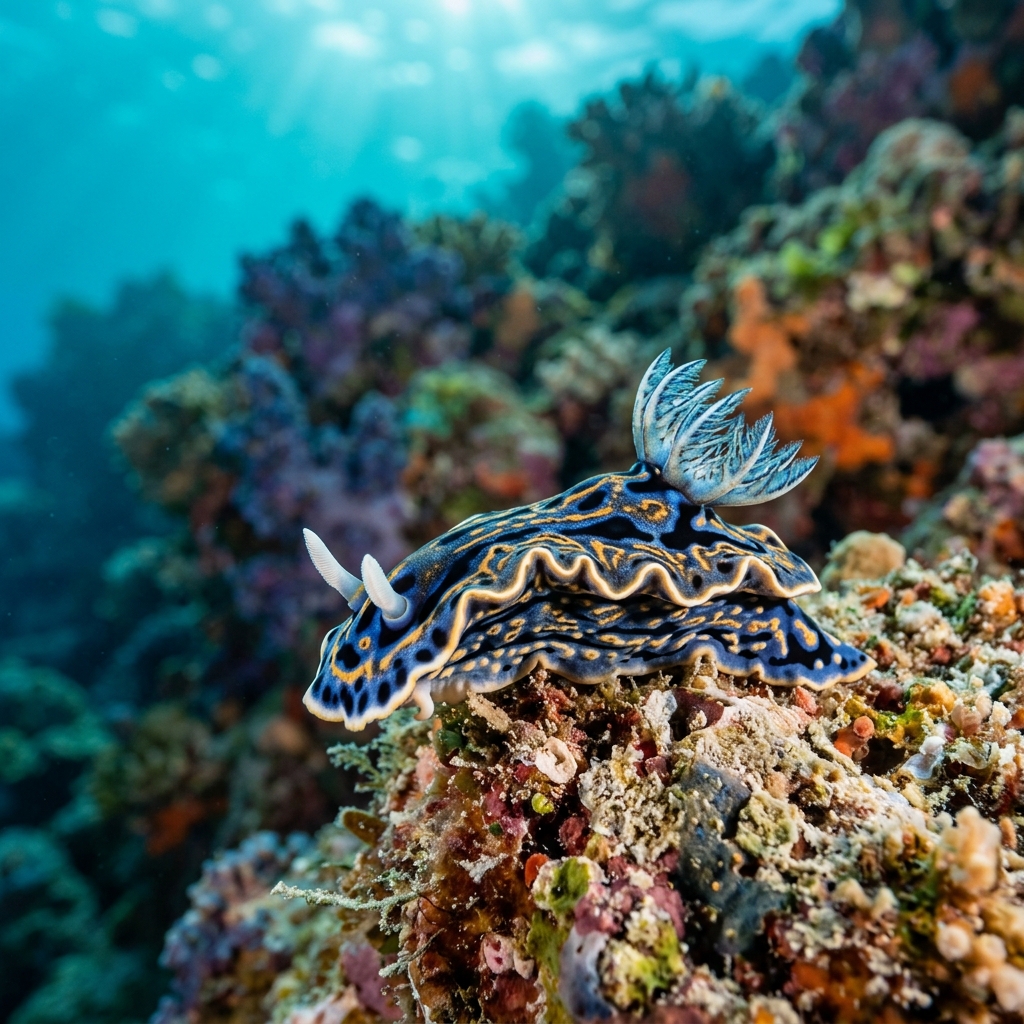
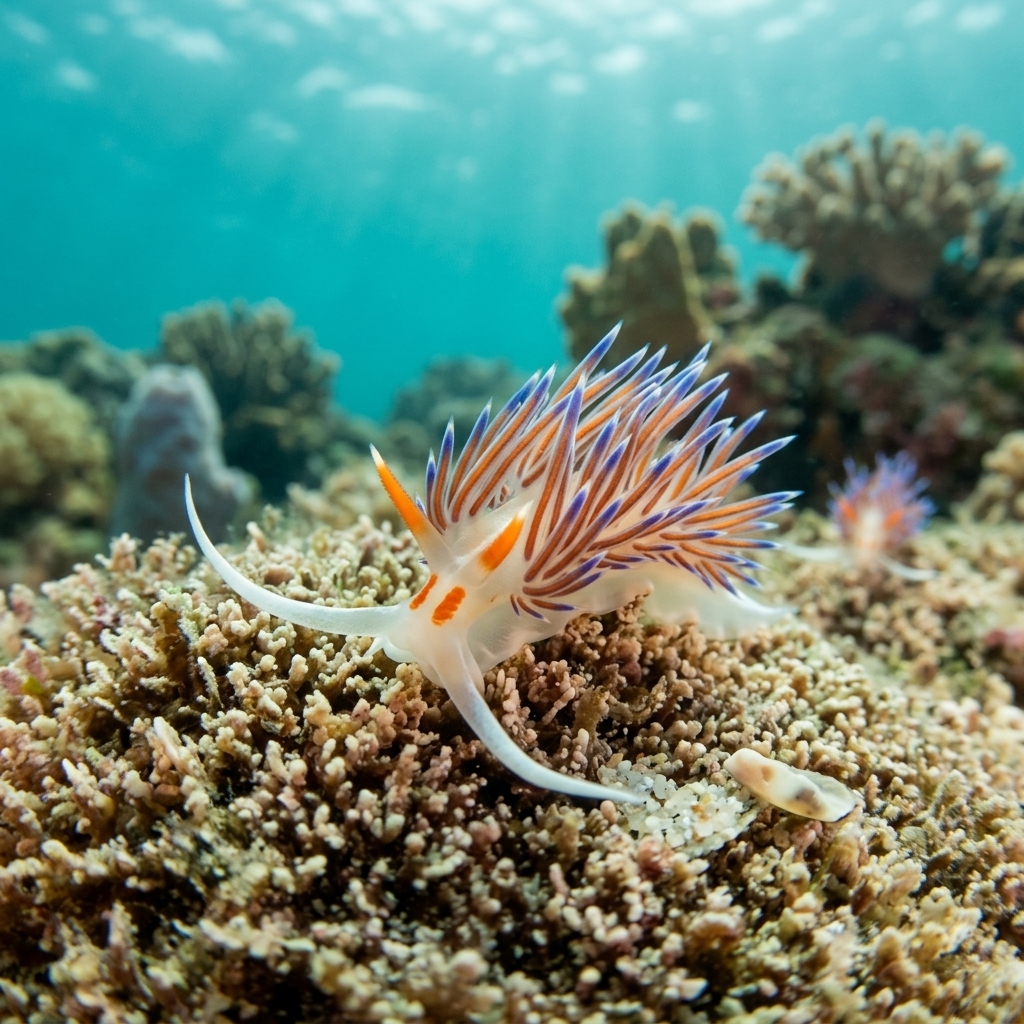
Small, slug-bodied nudibranch covered in dense rows of finger-like projections (cerata) along its back, which is typical of the aeolid group it belongs to. Look for a pale to translucent body with the cerata often carrying darker digestive-gland colouring visible through the tissue, giving a mottled, textured look rather than a smooth one. Size in the water is modest, so divers usually spot it while scanning rock crevices or algae-covered surfaces at close range rather than from a distance.
Divers find it tucked into rocky reef surfaces and crevices, moving slowly as it grazes rather than swimming or drifting in open water. It shows no reaction to divers beyond its usual unhurried pace, making it an easy subject for close-up photography once spotted. Most logs describe it as uncommon at a given site, so it rewards a slow, close look at the substrate rather than a quick pass.
Like other aeolid nudibranchs, it likely feeds on cnidarians and can repurpose stinging cells from its prey for its own defence, storing them in those back-mounted cerata.
Sightings span a wide temperature range from 16.4 to 28.9C with no detected seasonal pattern, so treat it as a year-round find at these Pacific Coast sites rather than something tied to a particular month.
Reef neighbours a diver could mistake it for. Use the identification notes above to tell them apart.
Most consistently logged along the Pacific Coast of Mexico, with Baja California adding further records, making this the strongest region for a sighting. California, in the United States, is the other confirmed spot, so divers working the West Coast from Baja up into southern California have the best shot at finding it.
Mapping where Anteaeolidiella chromosoma is logged…
It is most reliably logged along the Pacific Coast of Mexico, including Baja California, with additional sightings from California in the United States.
There is no strong seasonal pattern in the sightings, and it has been observed across a wide temperature range from about 16 to 29C, so it can turn up on a dive at any time of year.
Look for a small aeolid nudibranch with dense rows of cerata along its back, pale to translucent body colour, and a slow grazing crawl over rocky or algae-covered surfaces.
Exact size figures are not well documented for this species, but like most aeolid nudibranchs it stays small, typically found at close range while scanning rock and reef surfaces.
No, it poses no danger to divers. It is a small, slow-moving nudibranch best appreciated with a close look rather than any handling.
Site and sighting data is aggregated from diver logs, iNaturalist and GBIF. For taxonomy and conservation status:
Nudibranch
3,168 sites