Amphiprion chrysogaster
Spot the Mauritian Anemonefish in North Mauritius and Réunion. Tips on ID, best seasons, and what to expect at real dive sites.
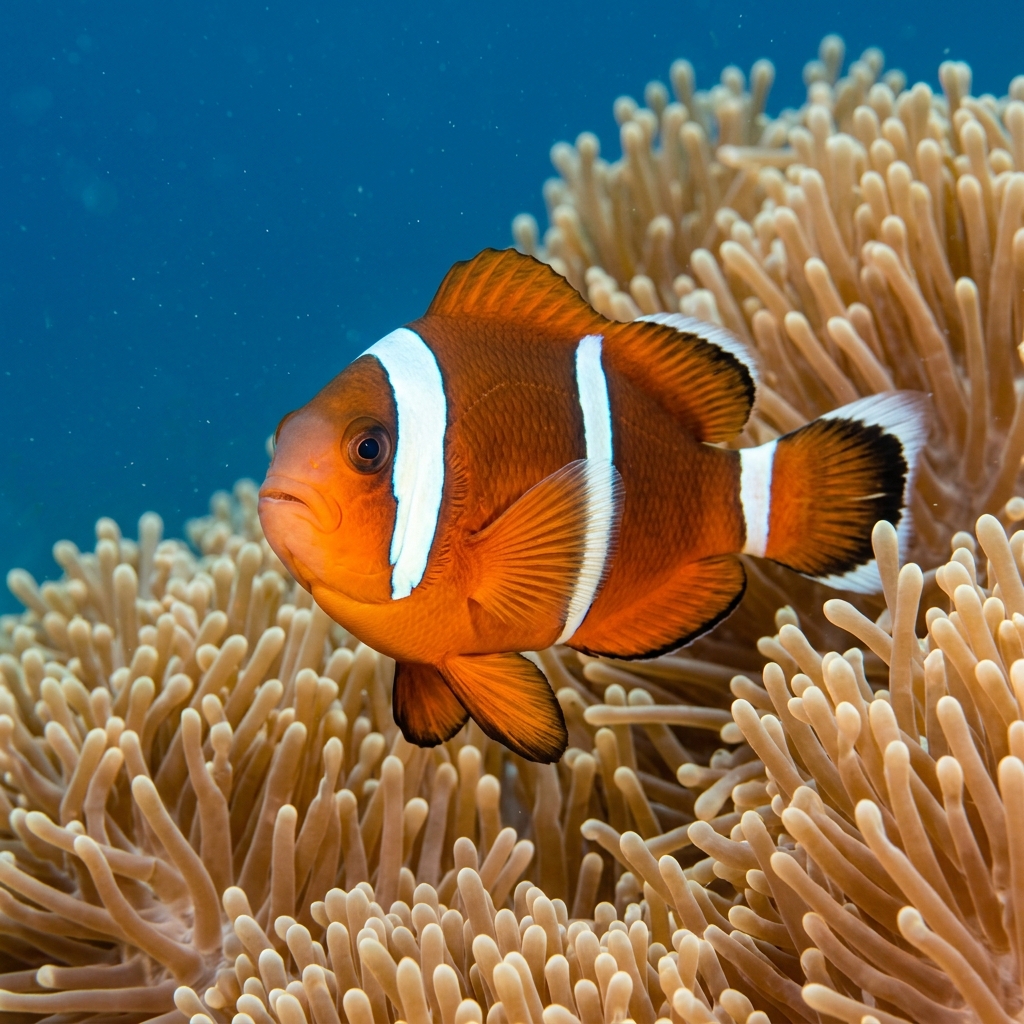
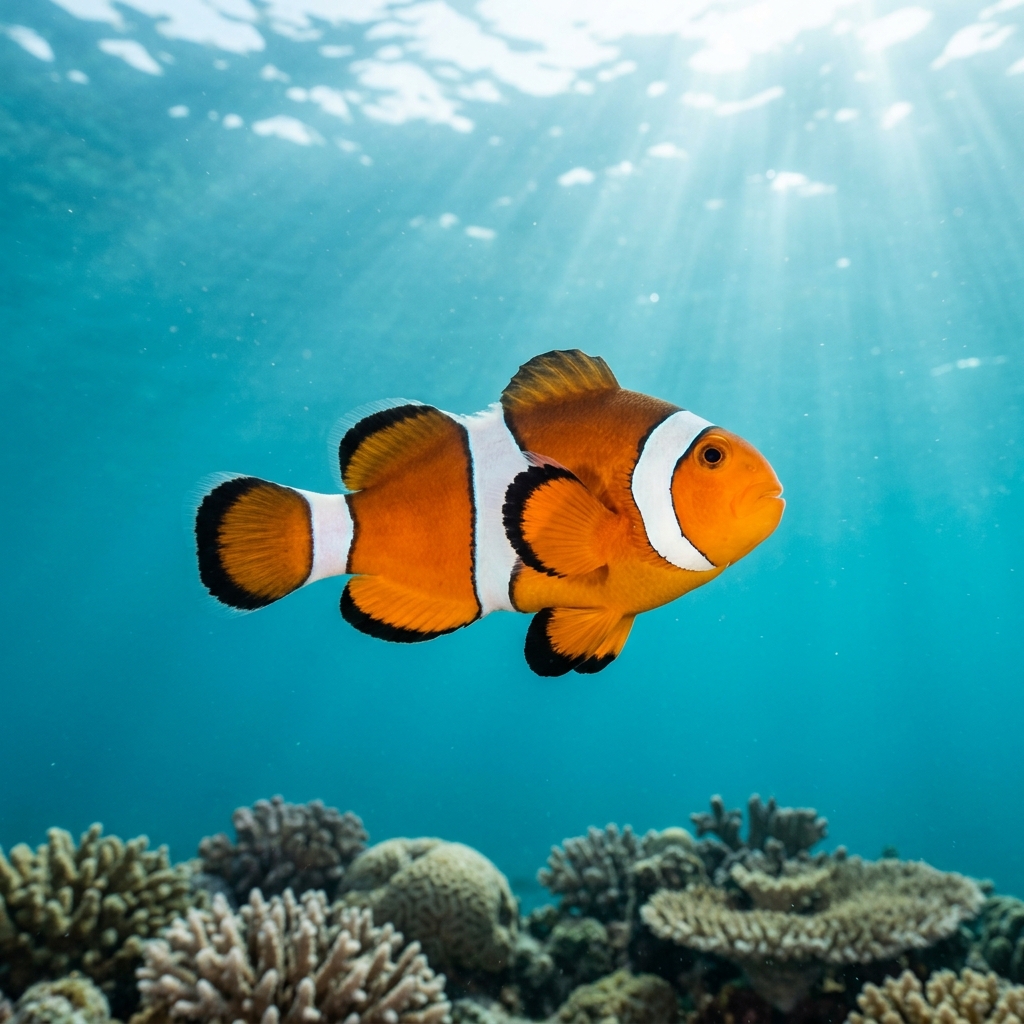
A stocky, orange-bodied clownfish with a single broad white bar across the head, just behind the eyes, and no additional bars along the body. The orange deepens to a warm amber on the flanks, while the fins are edged in white to pale yellow. Compared with other anemonefish in the Indian Ocean, the absence of a mid-body or tail-base bar is the key marker to look for. At typical reef depths it appears vivid orange against the anemone's tentacles.
Like all anemonefish, this species lives in an obligate mutualism (a partnership where both animals benefit) with its host anemone, rarely straying more than a body-length from the tentacles. Divers typically find it hovering close to the anemone crown, darting at intruders, and occasionally nipping at photographers who hover too close. It is most active and visible during daylight dives when light levels make the orange colouration easy to spot against the anemone.
All anemonefish are sequential hermaphrodites: the dominant individual in any pair is female, and if she disappears, the male changes sex to take her place. This means every large fish guarding an anemone is female, and every small fish attending her is male.
Seasonality data from southern-hemisphere sites points to sightings concentrating between August and December, which covers the dry-season shoulder and spring warm-up period in Mauritius and Réunion. Water temperatures at these sites range from about 23.5 °C to 27.9 °C across the year, so the fish is present year-round, but observer effort and encounter rates peak in that August-to-December window.
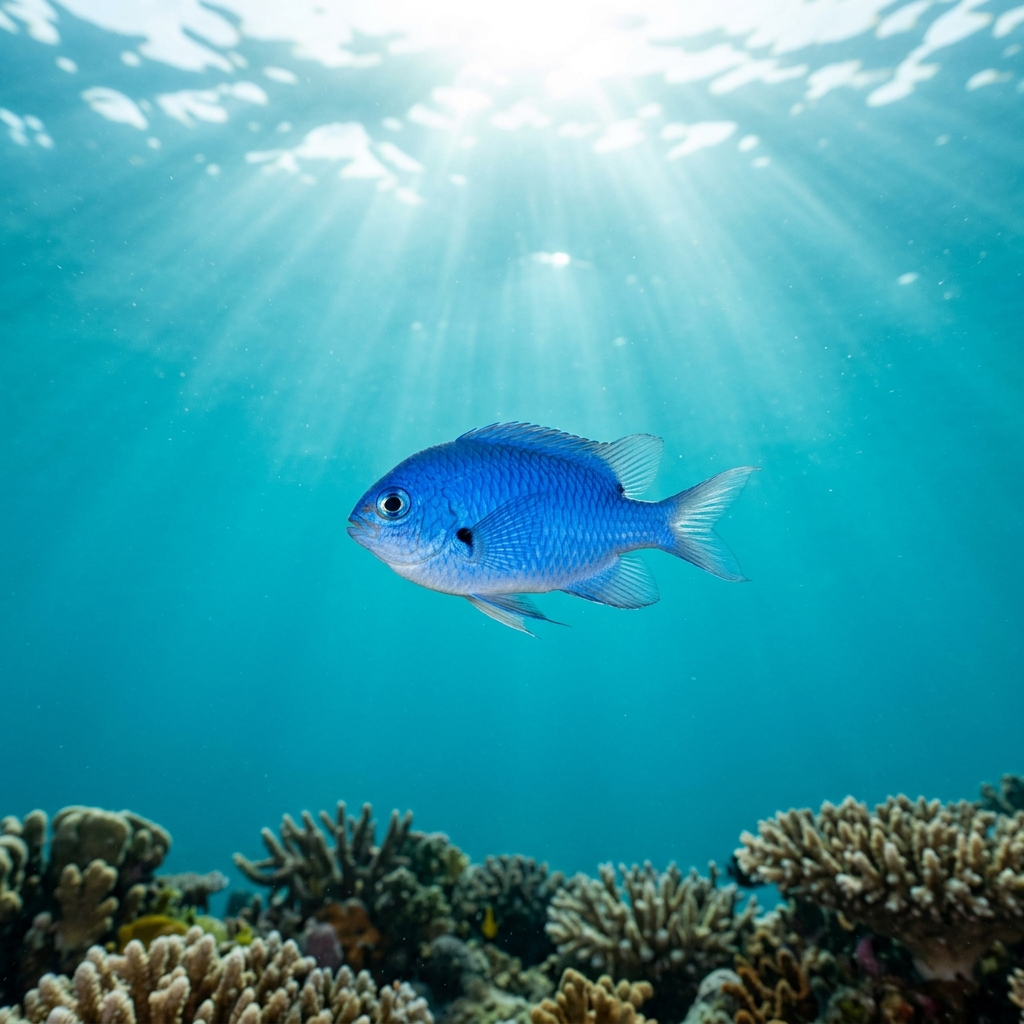
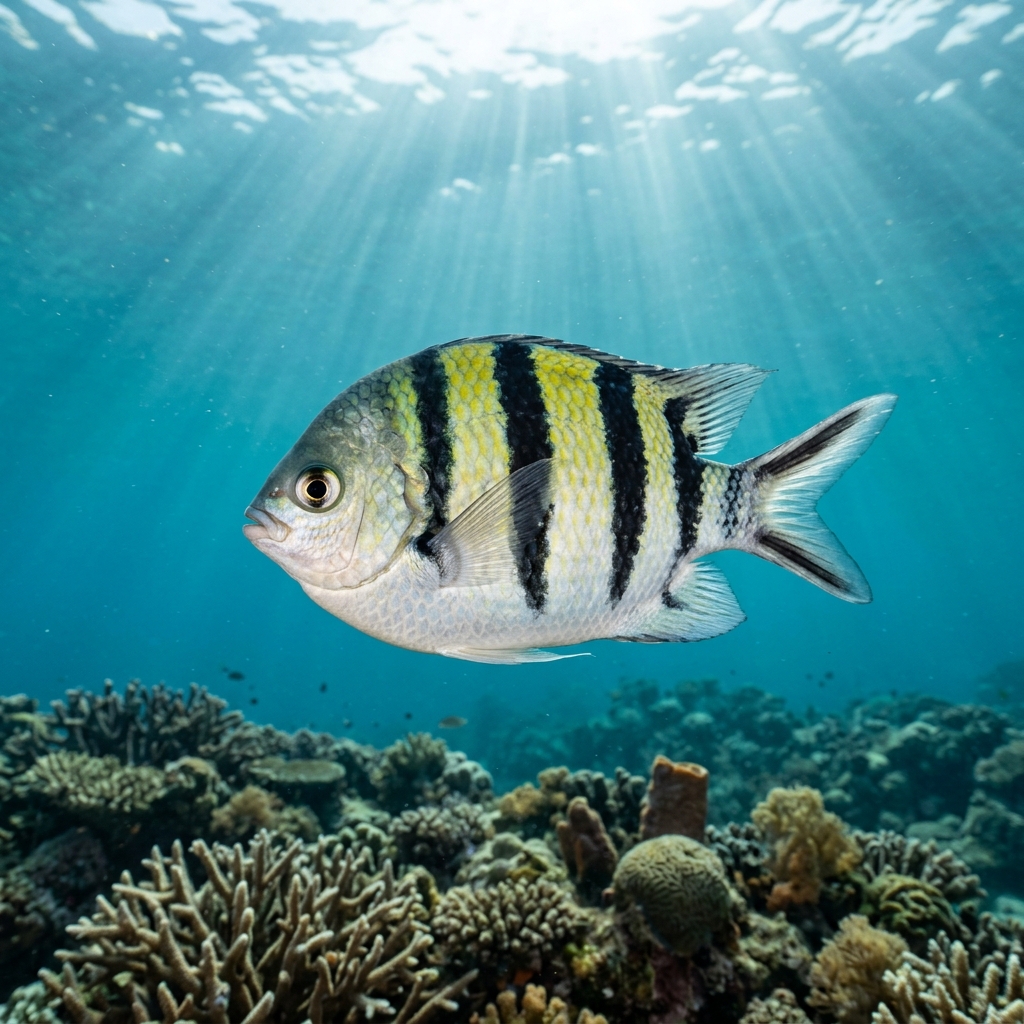
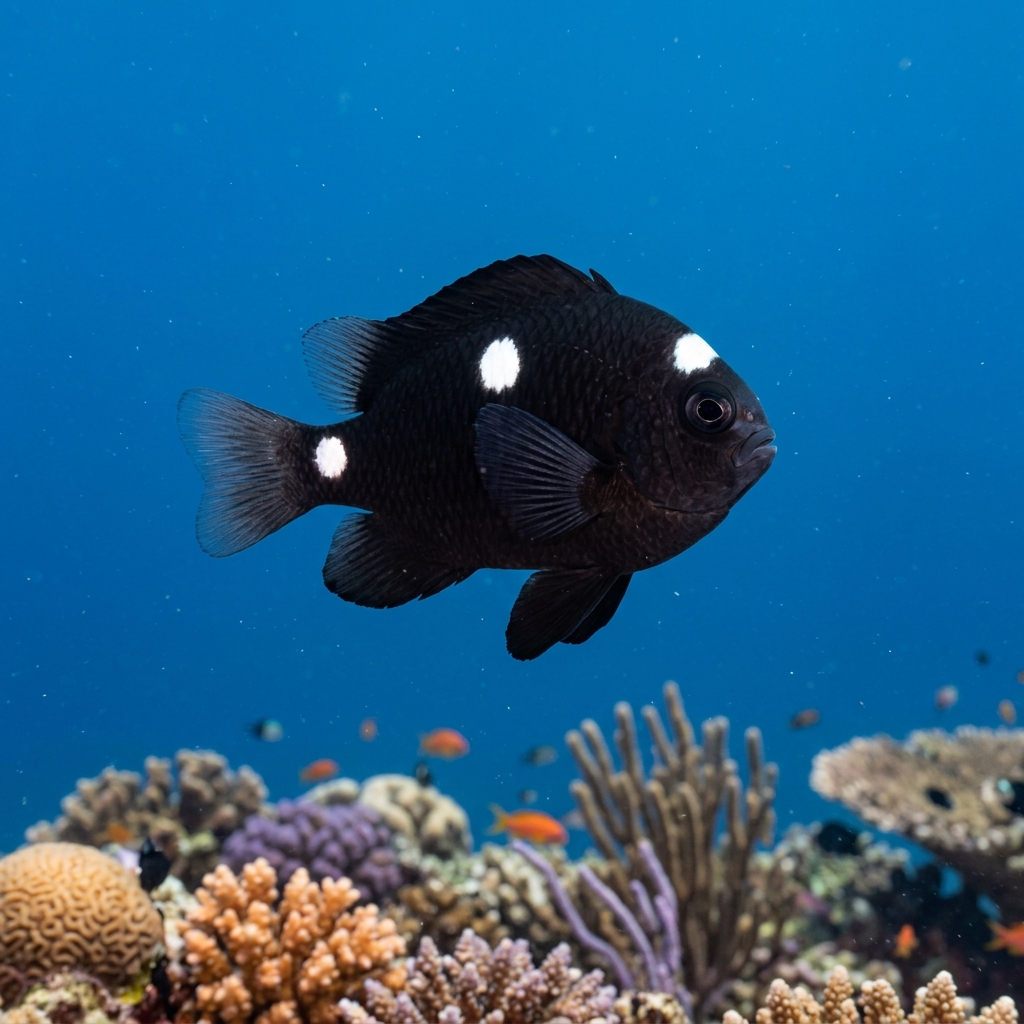
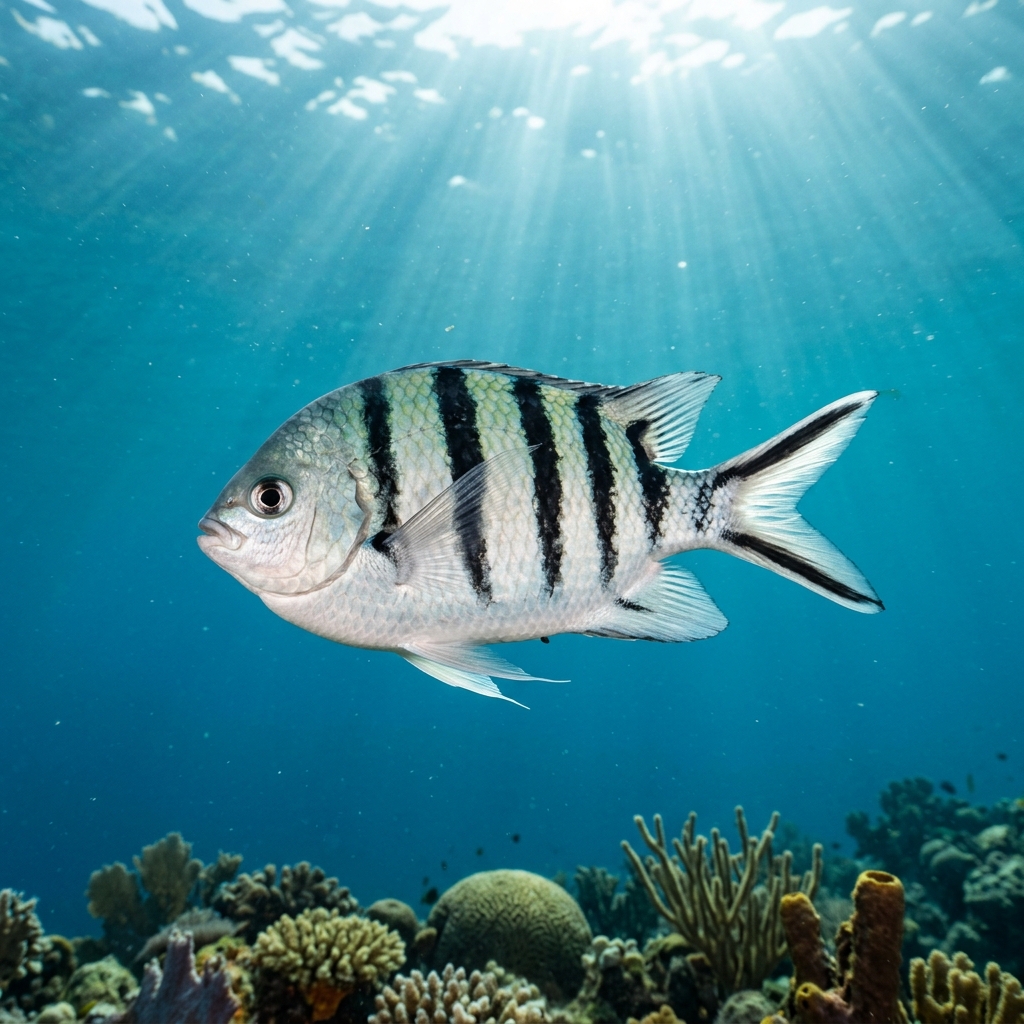
Reef neighbours a diver could mistake it for. Use the identification notes above to tell them apart.
Almost all logged sightings come from Mauritius and Réunion, both Indian Ocean islands where this species is essentially endemic. Within Mauritius, the north coast concentrates the most records, with further sightings spread along the west coast; in Réunion, the Saint-Gilles-les-Bains area on the west coast is the reliable hub. Nowhere else in the world produces consistent diver sightings of this fish.
Mapping where Mauritian Clownfish is logged…
This species is found almost exclusively around Mauritius and Réunion in the south-west Indian Ocean. Within Mauritius, the north coast has the strongest concentration of sightings, with the west coast adding further sites. In Réunion, the Saint-Gilles-les-Bains area on the western shore is the most consistent location to look.
Diver sightings concentrate between August and December at sites in Mauritius and Réunion. This aligns with the dry season and the gradual spring warm-up of water temperatures. The fish is present year-round, but encounter rates appear highest during this window.
Look for a single bold white bar immediately behind the eyes on an otherwise all-orange fish. There are no additional bars on the body or near the tail, which separates it from most other anemonefish in the region. The orange is warm and even across the flanks, and the fins show pale white-yellow edging.
No. Like other clownfish, they may dart aggressively at a hand or camera brought near their anemone, but they are far too small to cause any real harm. Simply keeping a respectful distance keeps both you and the fish settled.
Site and sighting data is aggregated from diver logs, iNaturalist and GBIF. For taxonomy and conservation status:
Dascyllus
3,697 sites