Best for beginner divers, 24-26m, boat entry, moderate current.
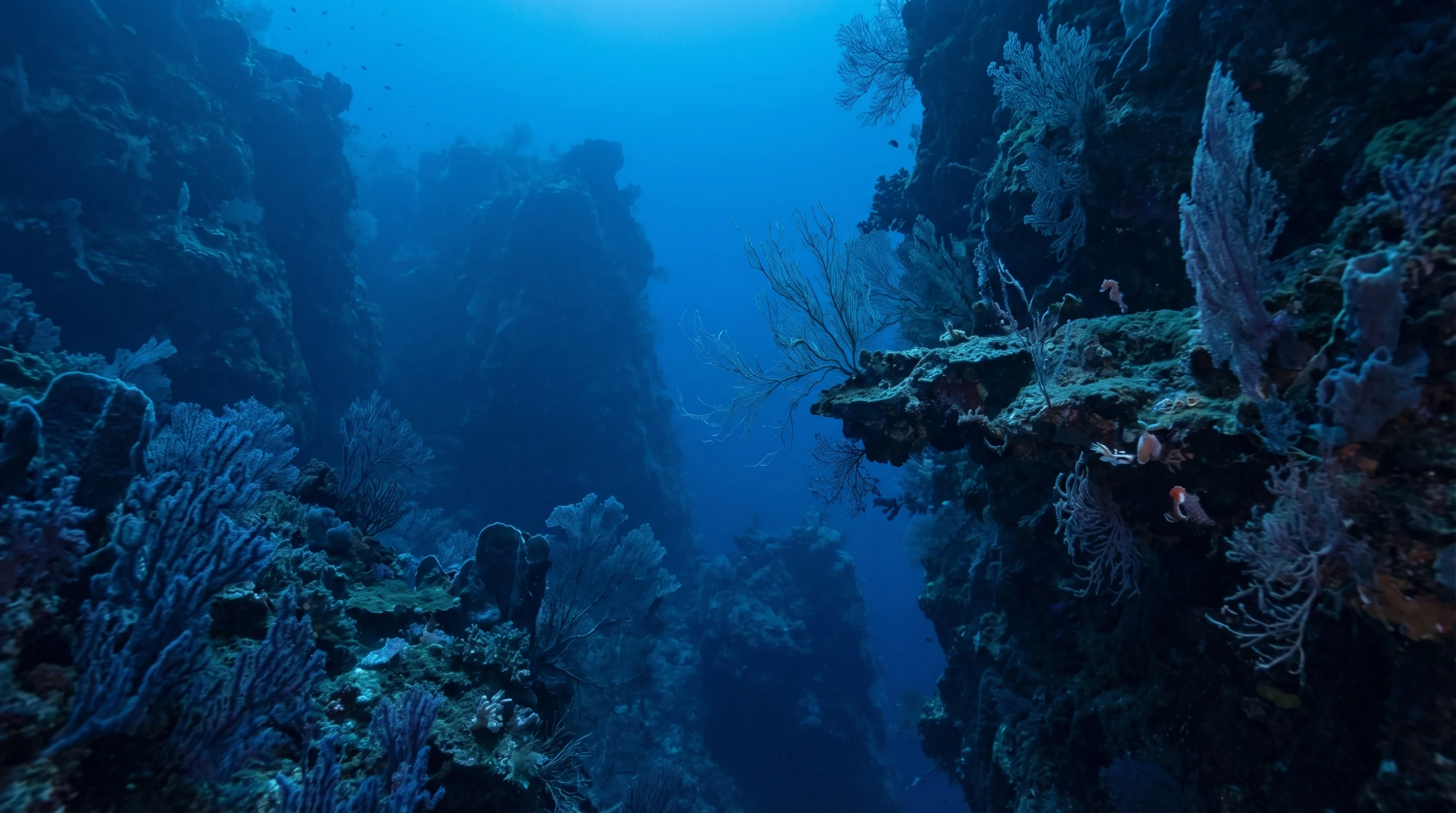
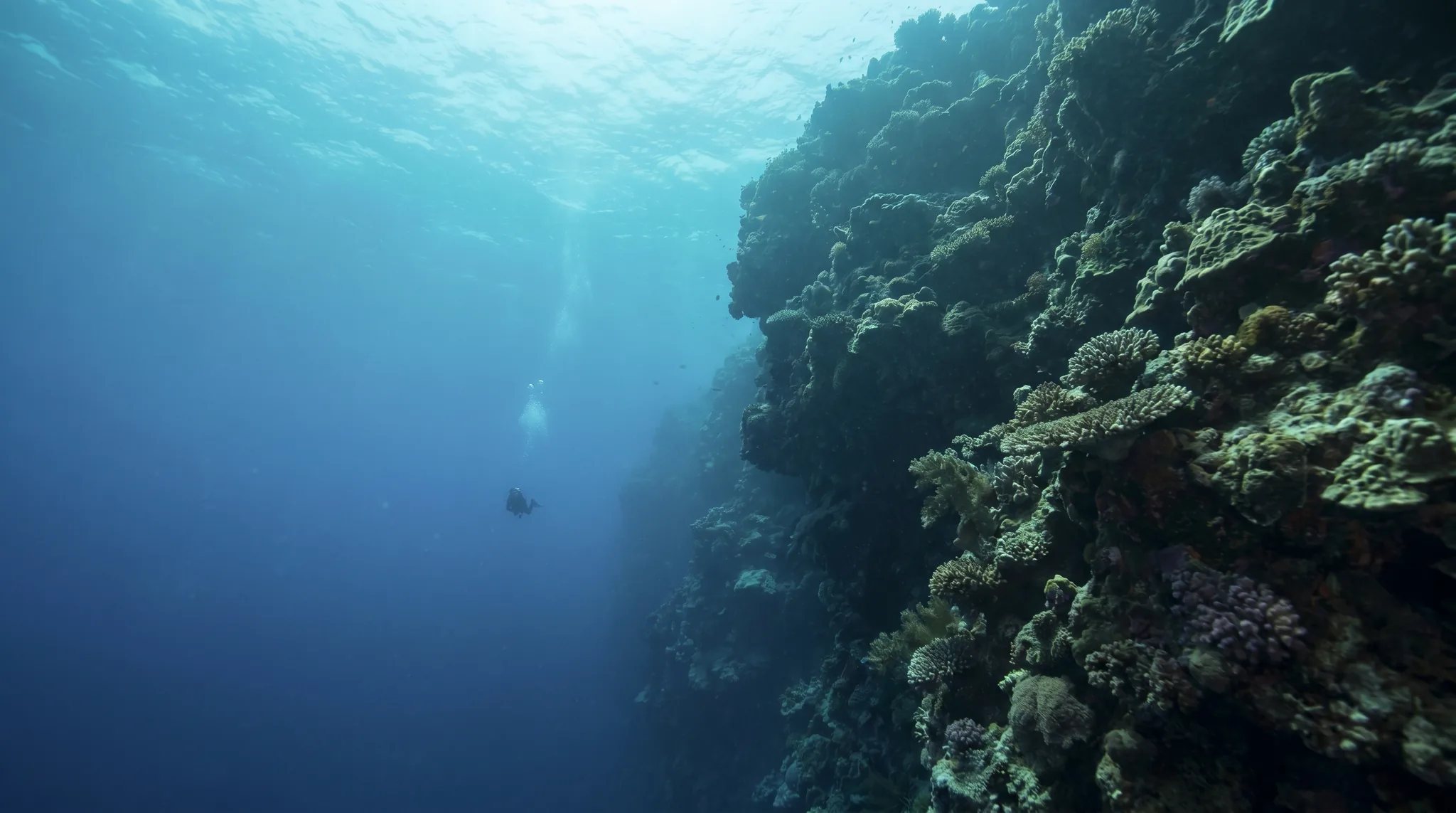
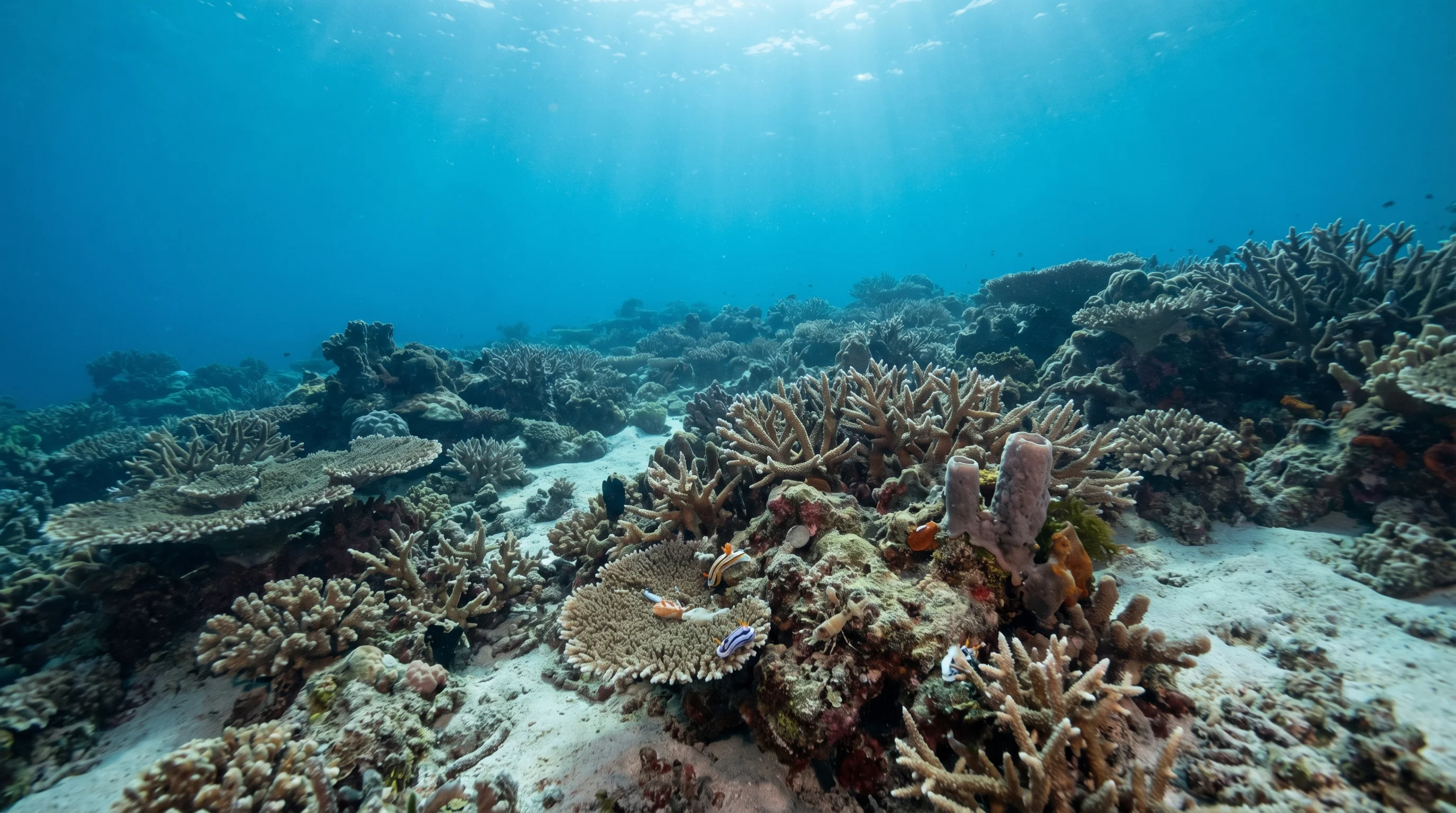
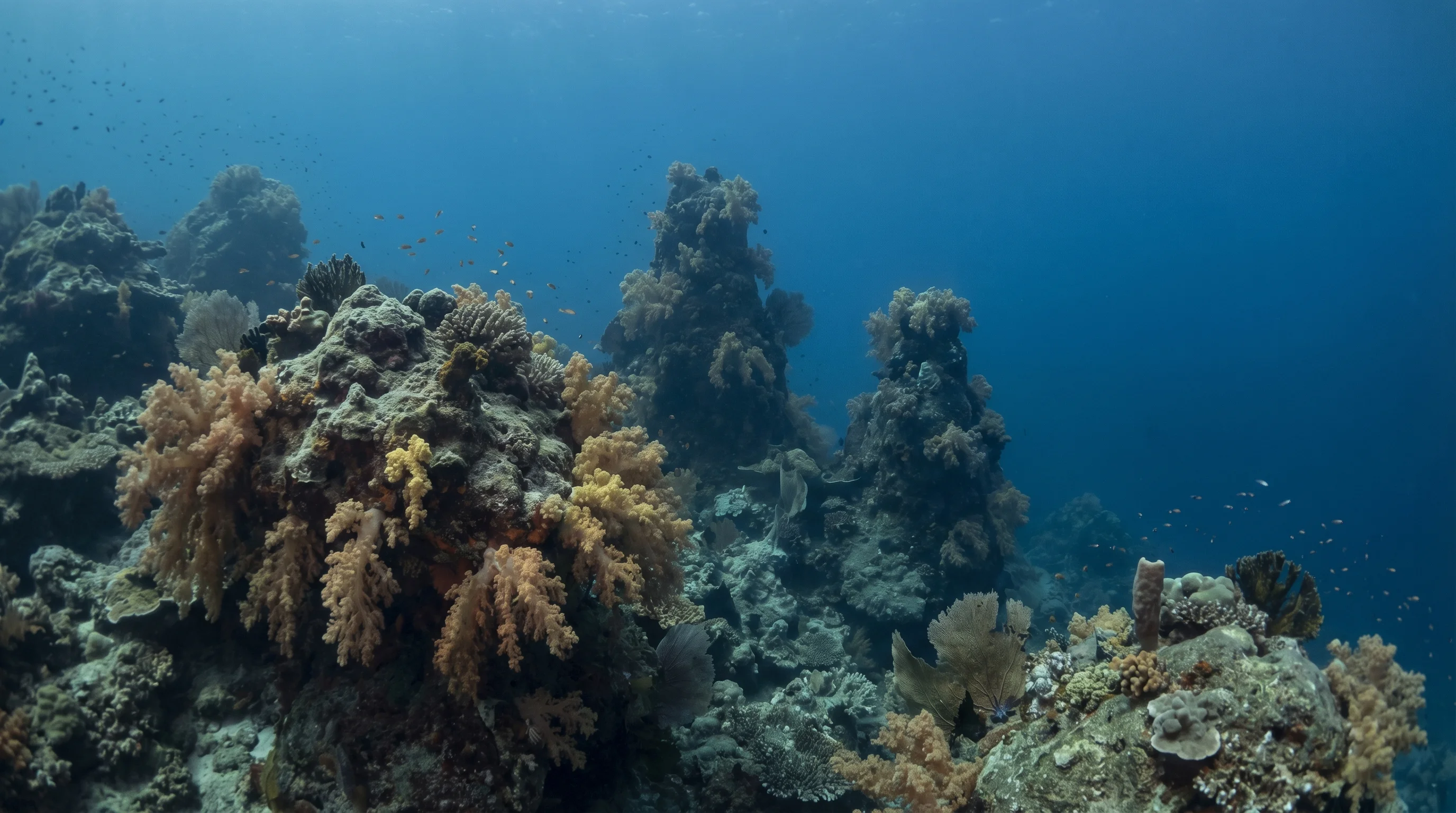
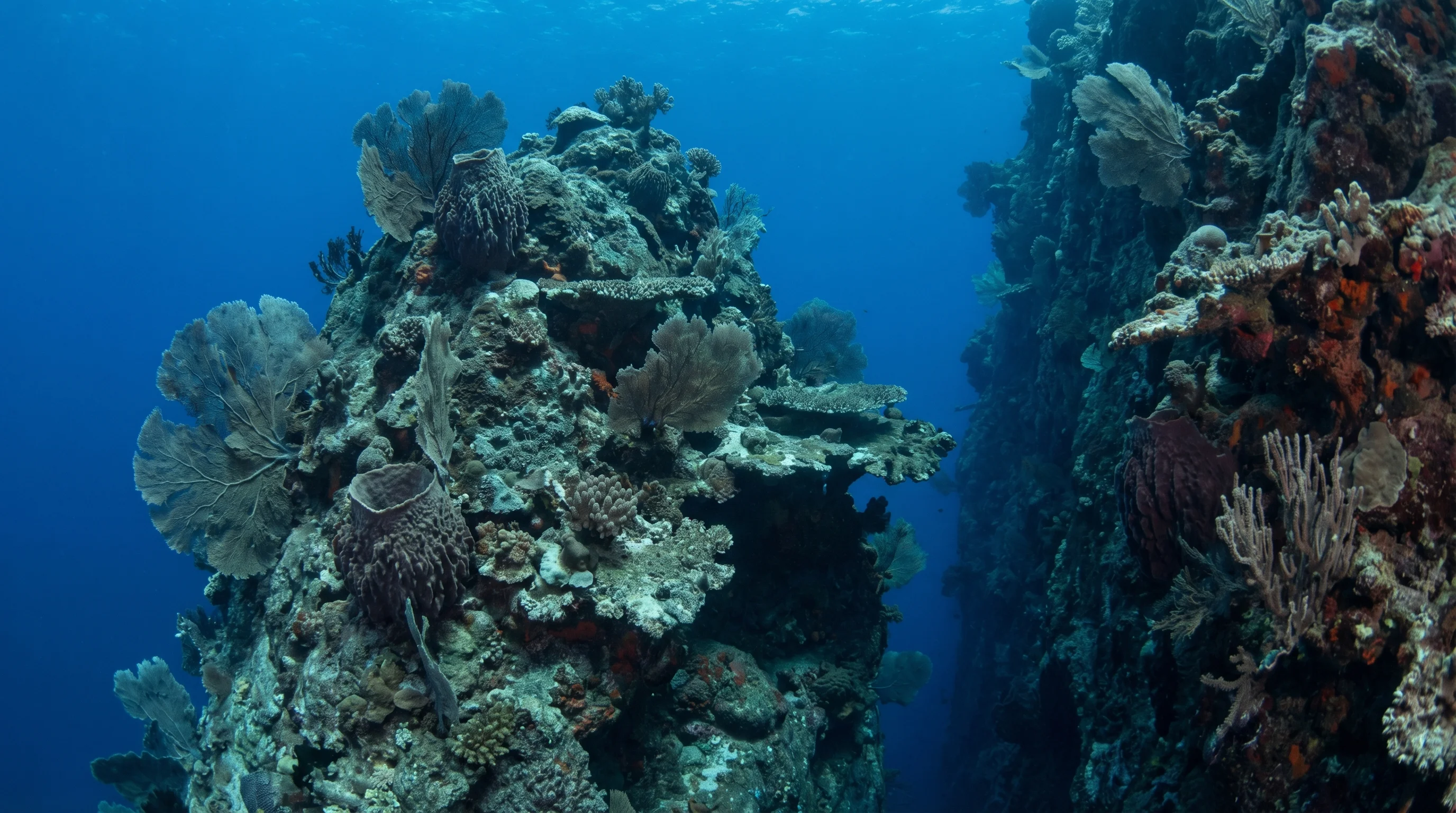
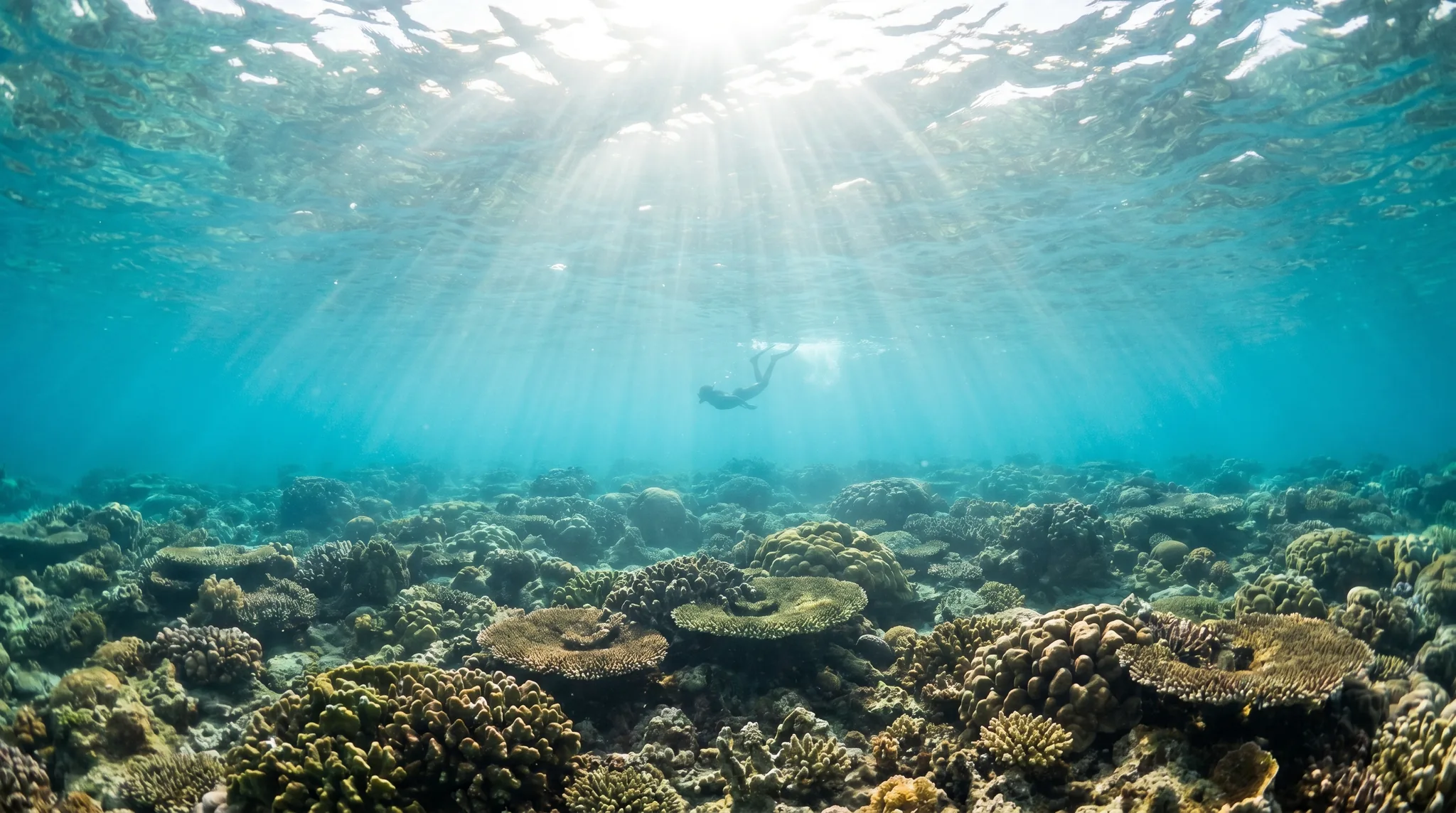
Yellow Koko is a reef and drop-off site located off Siladen Island, Indonesia. Divers typically explore depths between 24 and 26 metres, where moderate currents are common. Access is strictly by boat, and visibility generally ranges from 5 to 10 metres. The site is suitable for beginners, though divers must remain close to their guide due to current fluctuations near the drop-off. Stonefish are a known hazard, so maintain neutral buoyancy and avoid contact with the reef. Species recorded around this area include wrasses, various lionfish, moray eels, and nudibranchs. Water temperatures remain warm, consistently between 28 and 30 degrees Celsius throughout the year.
1.67677, 125.12677
Currents at Yellow Koko can pick up unexpectedly, so plan your dive to move with the current rather than against it. Check locally for up-to-date conditions before heading out, as flow strength can vary considerably depending on the time of day and tidal phase.
Access info coming soon
Recorded at this site
Depth
24-26m
Visibility
5-10m
Skill Level
Beginner
Entry
Boat
Boat required
Water Temp
28-30°C
Current
Moderate
While specific sightings vary, species recorded around this area include wrasses, Indian and Spotfin lionfish, Yellow-edged morays, and various nudibranchs.
Yes, the site is suitable for beginners, though the moderate currents require divers to stay close to their guide and maintain good buoyancy control.
The site reaches depths of 24 to 26 metres in its deeper sections.
Yellow Koko is a boat-only dive site.
Hazards include stonefish, which are difficult to spot on the reef, and moderate currents that can strengthen near the drop-off.
A rashguard or 2mm shorty is recommended for diving at Yellow koko in Bangka. Water temperatures range from 28°C to 30°C.
Expect moderate currents at Yellow koko in Bangka. Good buoyancy control and some drift diving experience is helpful.
Visibility at Yellow koko in Bangka typically ranges from 5 metres to 10 metres. Conditions vary with weather, tides, and seasons.