Diminovula culmen
Small mottled cowry snail found clinging to soft coral branches across Luzon, Philippines, mostly logged as an uncommon macro find.
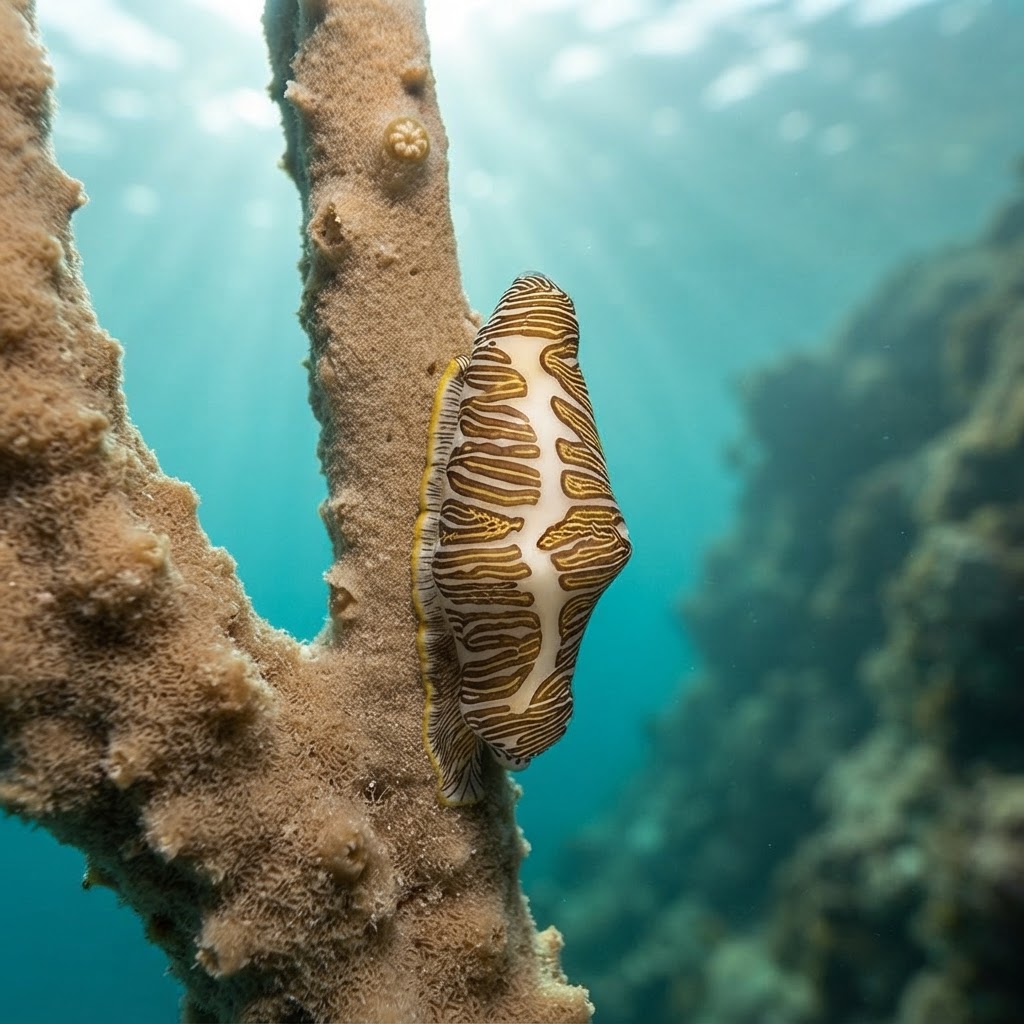
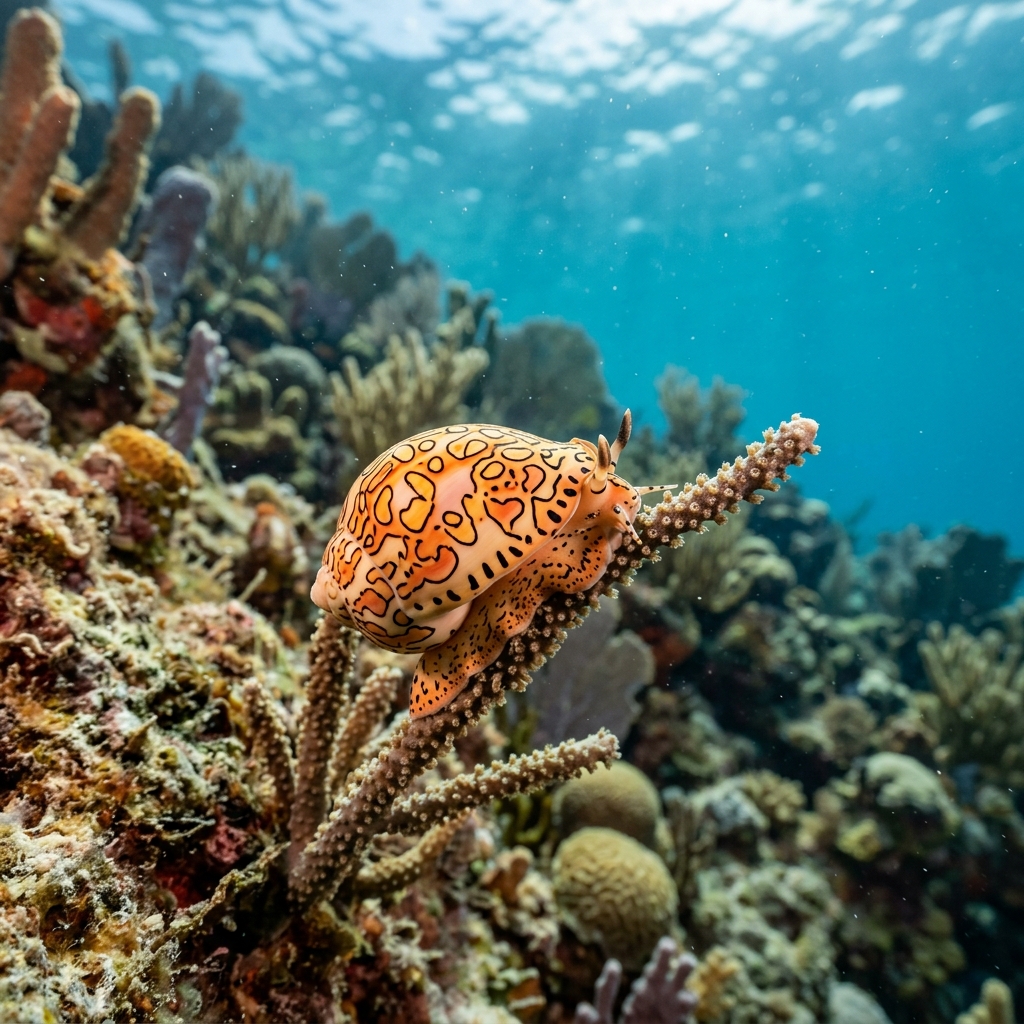
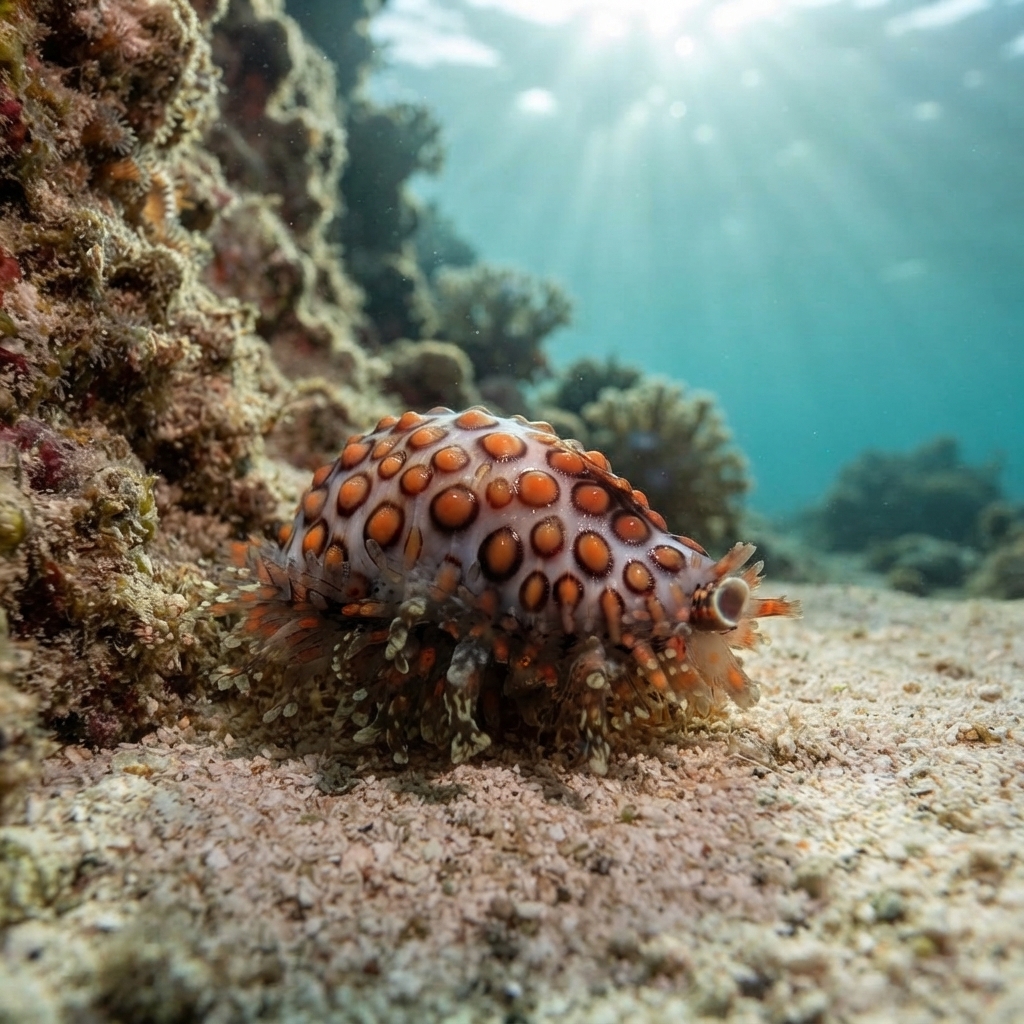
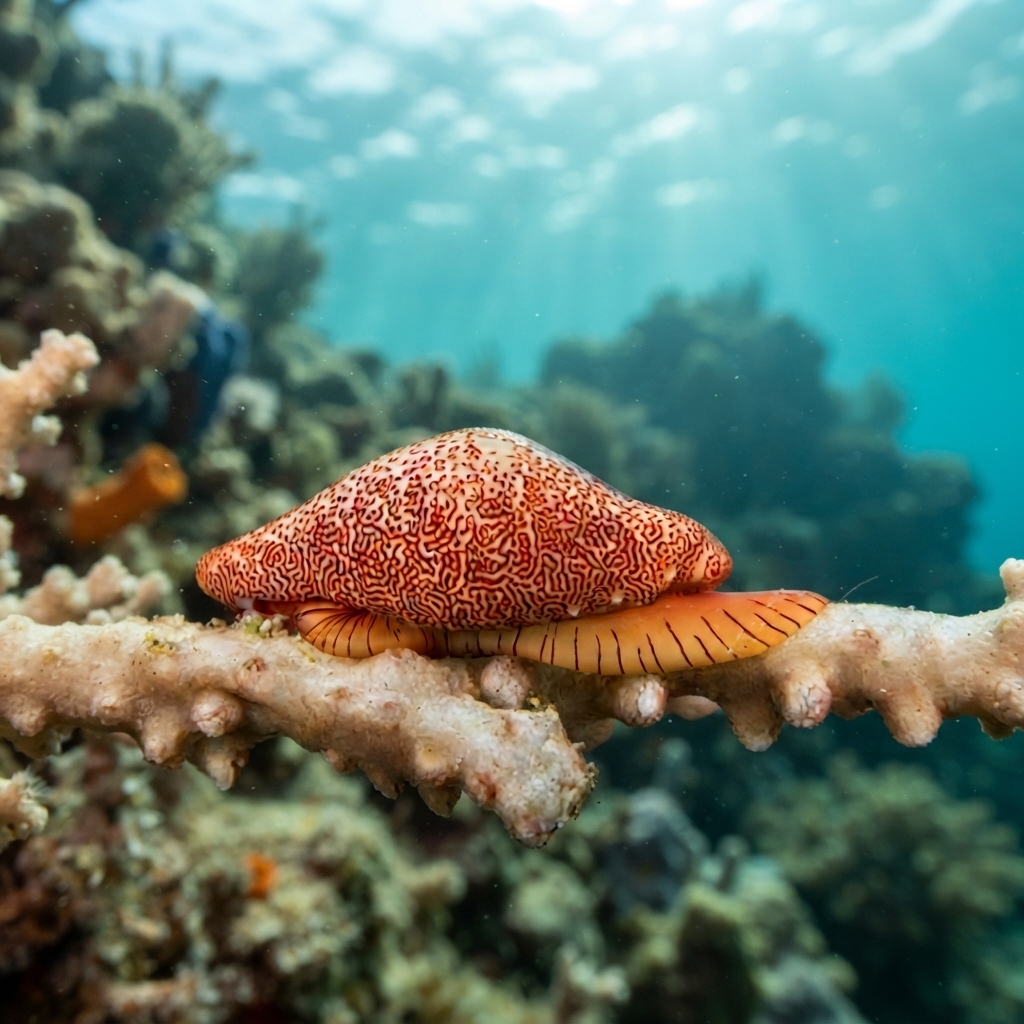
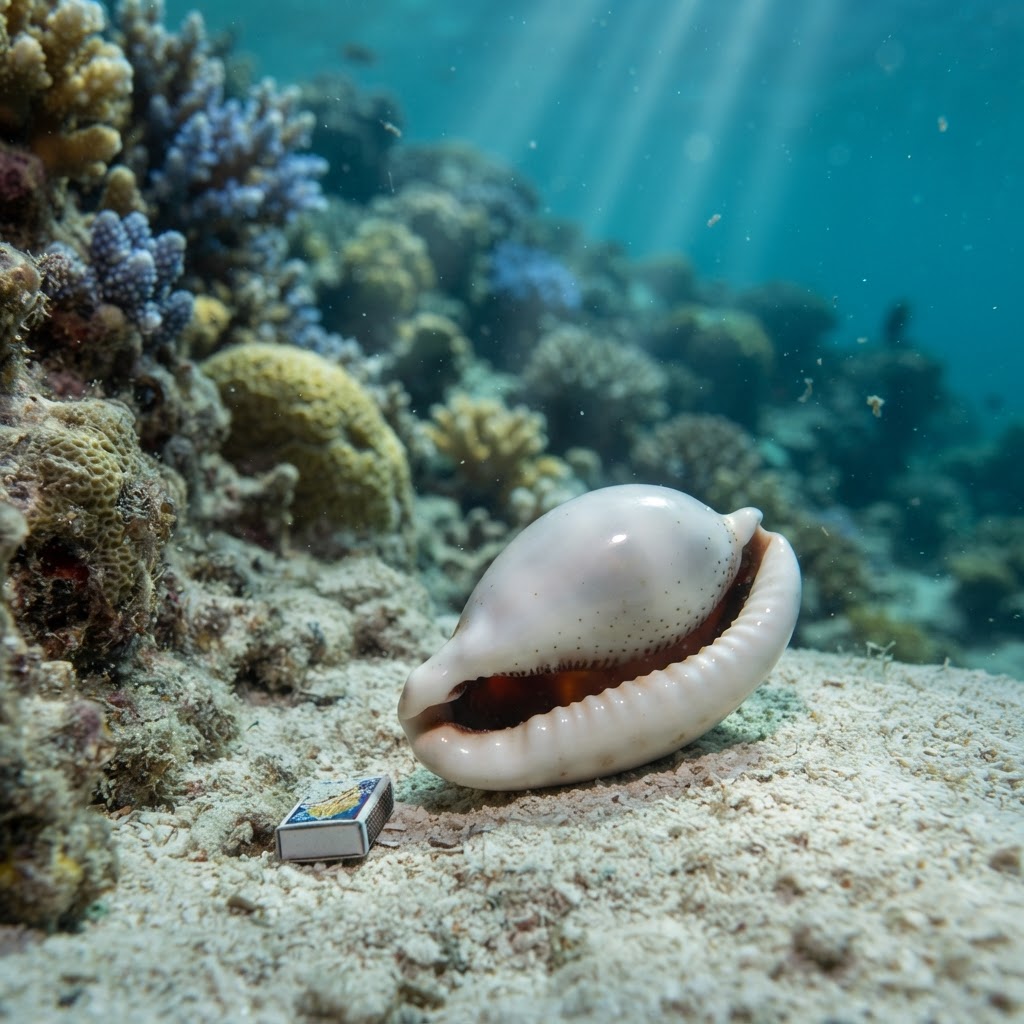
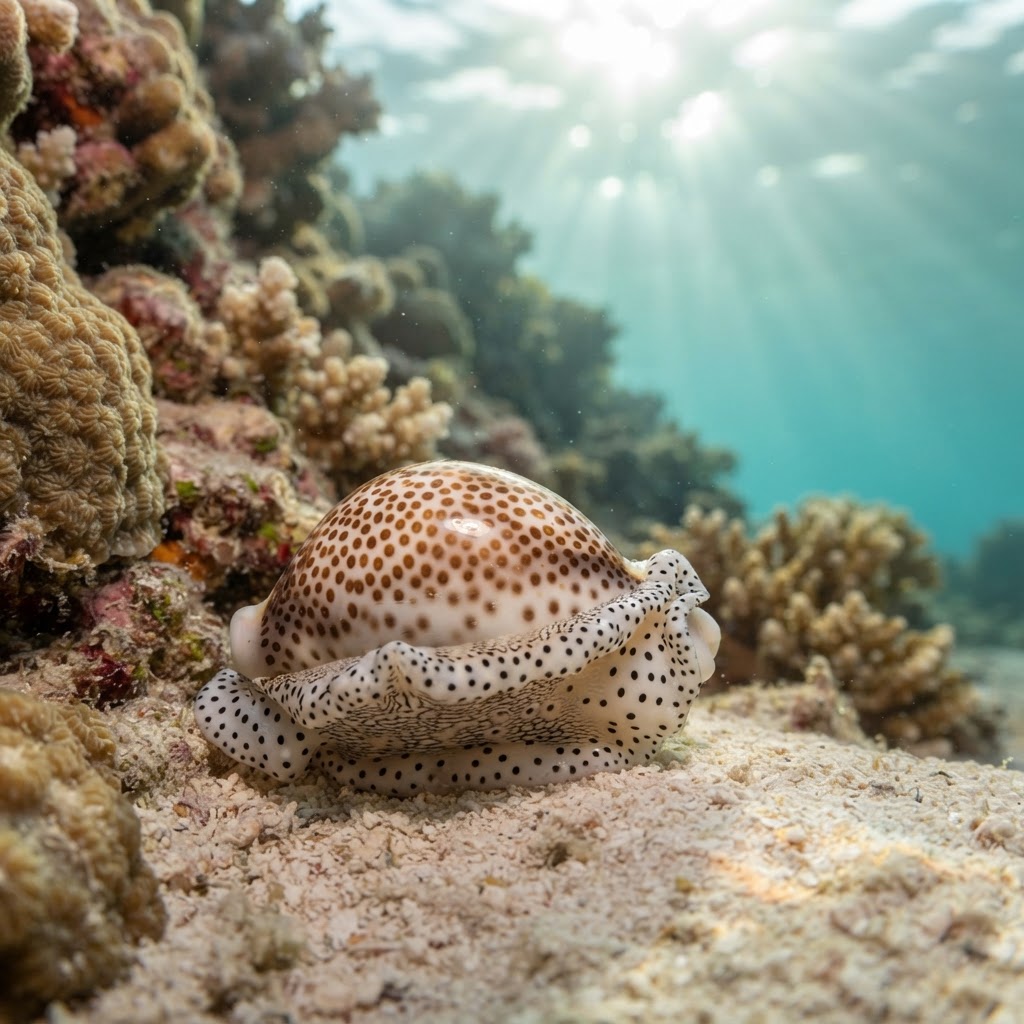
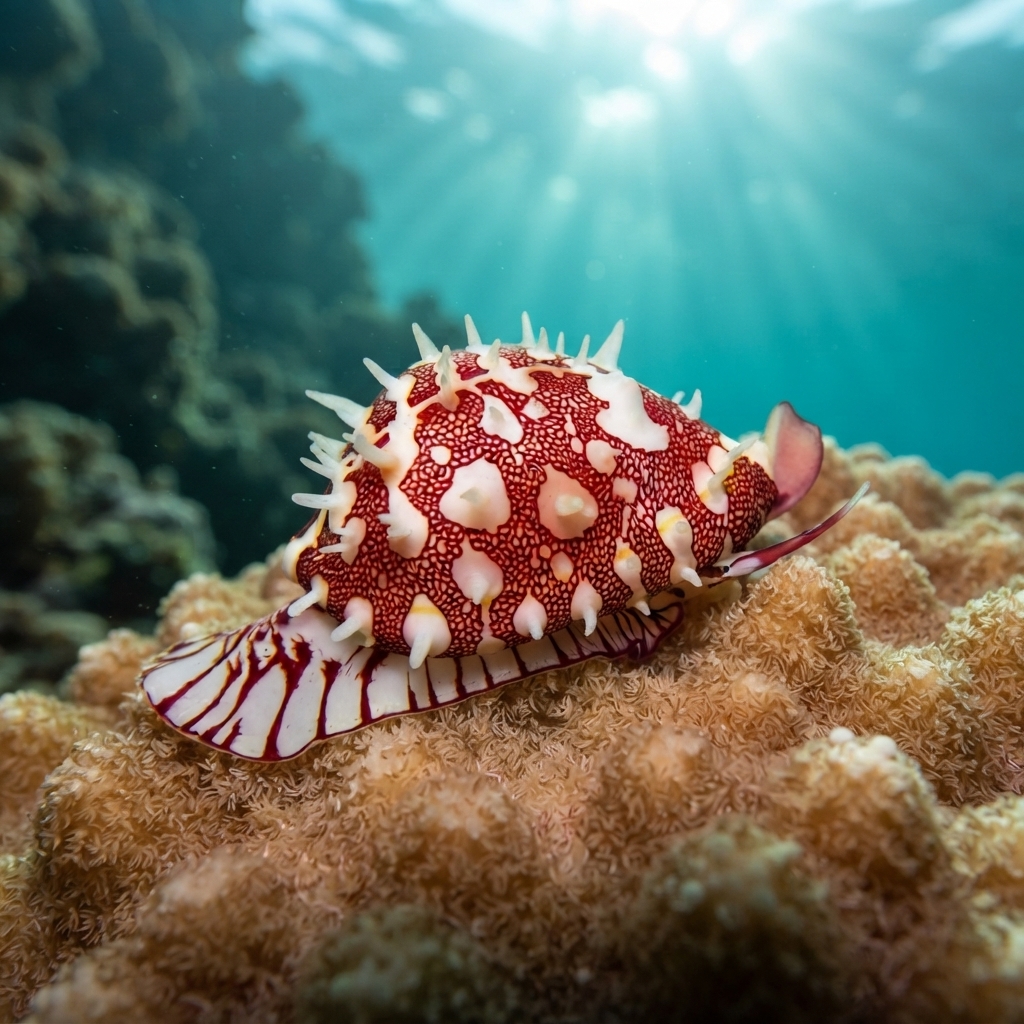
Small, smooth-shelled snail that sits tight against the branches of soft coral, its shell usually pale to whitish with a raised ridge running along the top (the 'culmen') that gives it away under a torch or macro lens. Body size is modest, easily overlooked unless you're scanning soft coral colonies branch by branch. The fleshy mantle often wraps partway over the shell and can carry mottled or translucent patterning that changes with the host coral's colour.
Divers find it parked motionless on the branches of its host soft coral, grazing slowly on the coral tissue and polyps rather than moving around the reef. It barely reacts to divers, so a slow approach with a torch or macro lens is all that's needed for a good look. Most sightings happen during the day on reef slopes and walls where soft coral cover is dense.
Like other ovulids, it feeds directly on its host soft coral and can shift its mantle colouring to blend with the coral branch it's sitting on, which is why a close look at the branches themselves is often the only way to spot one.
No clear seasonal pattern shows up in the sightings, and with a comfortable range of roughly 21 to 30 C it's a year-round find on tropical reefs rather than a seasonal target.
Reef neighbours a diver could mistake it for. Use the identification notes above to tell them apart.
Most reliably logged on reefs in Luzon, Philippines, which accounts for the bulk of recorded sightings, with smaller but consistent numbers from Nusa Tenggara and Sulawesi in Indonesia. A handful of sightings also come from Queensland, Australia, so it turns up wherever soft coral gardens are healthy across the Coral Triangle and beyond.
Mapping where Ridged Egg Cowrie is logged…
Luzon in the Philippines is the most reliable spot, with further sightings from Nusa Tenggara and Sulawesi in Indonesia and occasional records from Queensland, Australia.
There's no detected season for this species, and it sits comfortably in water from about 21 to 30 C, so it's a year-round find on soft coral reefs.
Look for a small, smooth pale shell with a raised ridge along its back, clinging tight to the branches of soft coral. Its mantle often mottles to match the coral colour, so check branches closely rather than scanning the open reef.
Exact size data isn't available, but like most ovulids it stays small, generally a couple of centimetres, making it a macro subject rather than something spotted from a distance.
No, it poses no risk to divers. It's a small, slow-moving snail that stays fixed to its host coral and has no means of harming a diver.
Site and sighting data is aggregated from diver logs, iNaturalist and GBIF. For taxonomy and conservation status:
Fingerprint Flamingo Tongue
122 sites