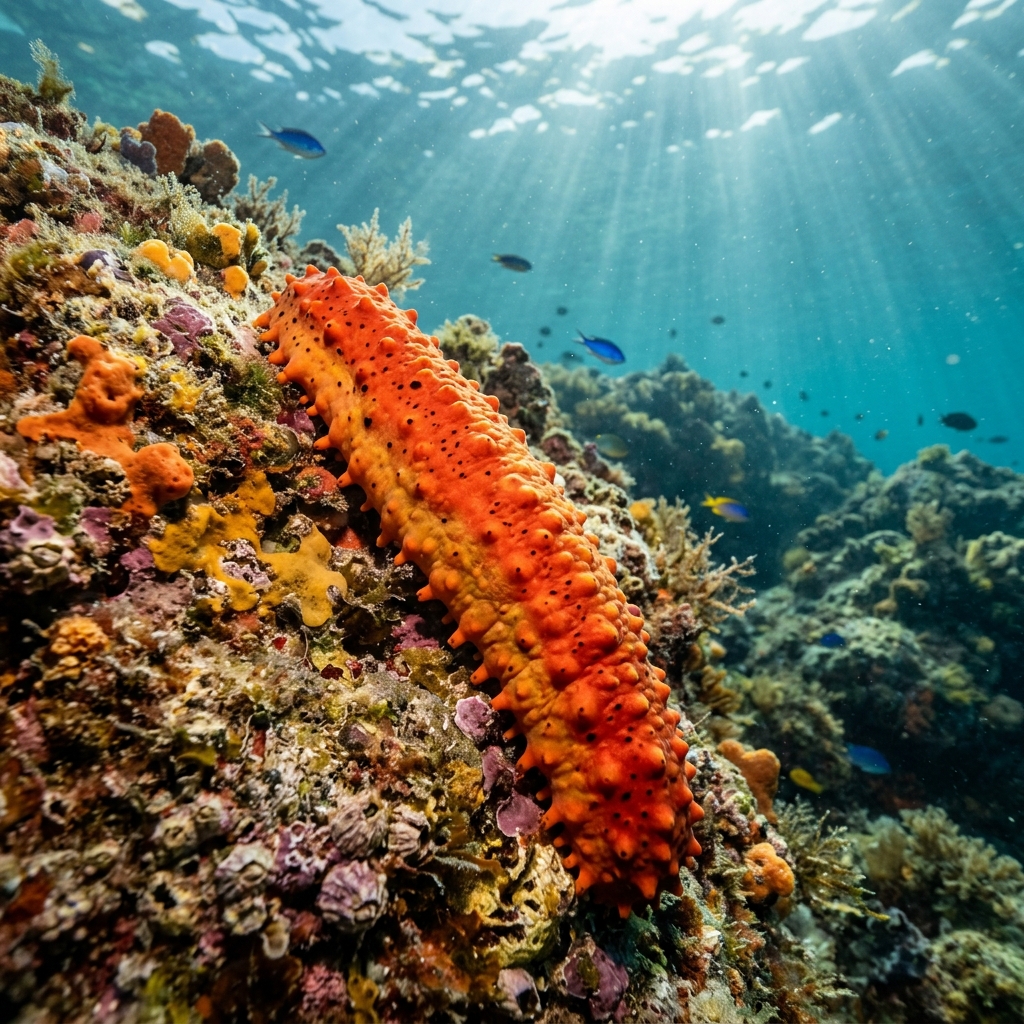
Cucumaria miniata
Spot orange sea cucumbers along the British Columbia Coast and Pacific Coast of the US in water as cold as 12°C. Best sightings run January to August.
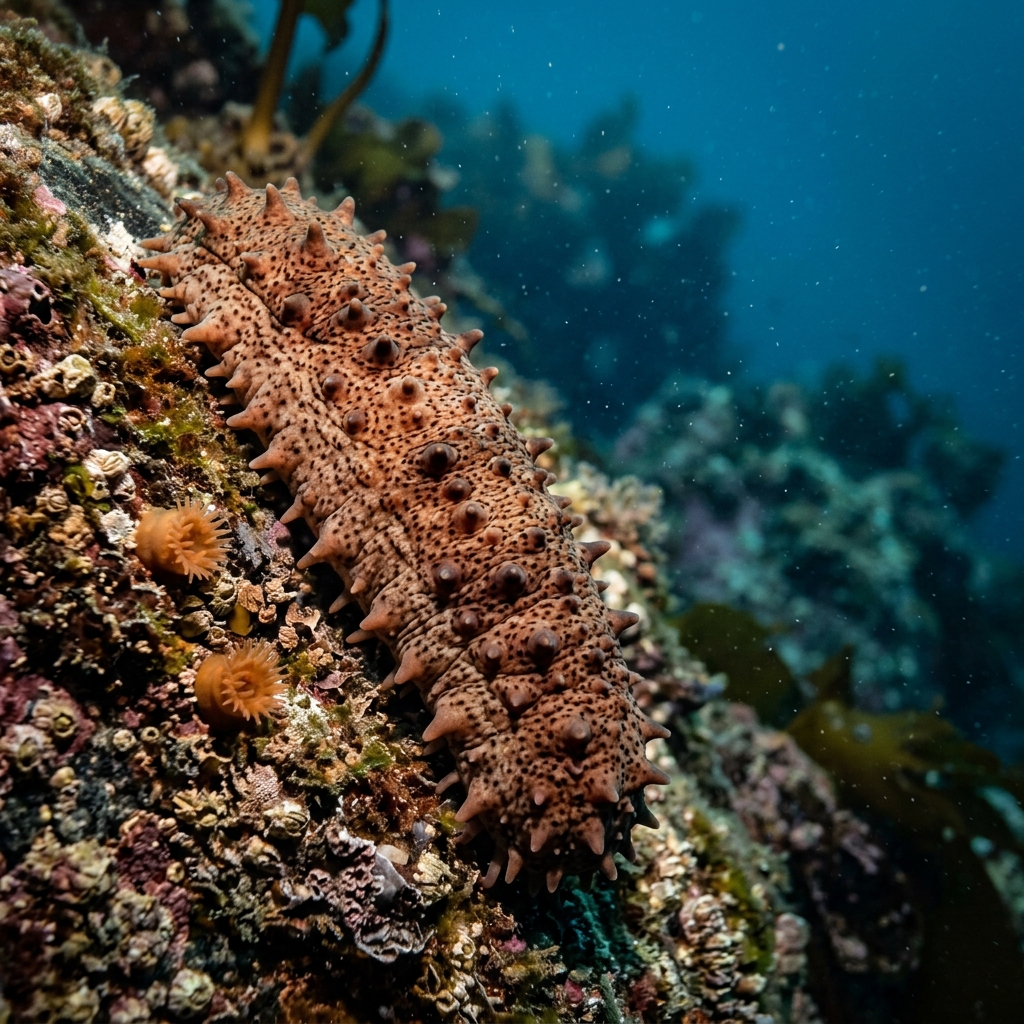
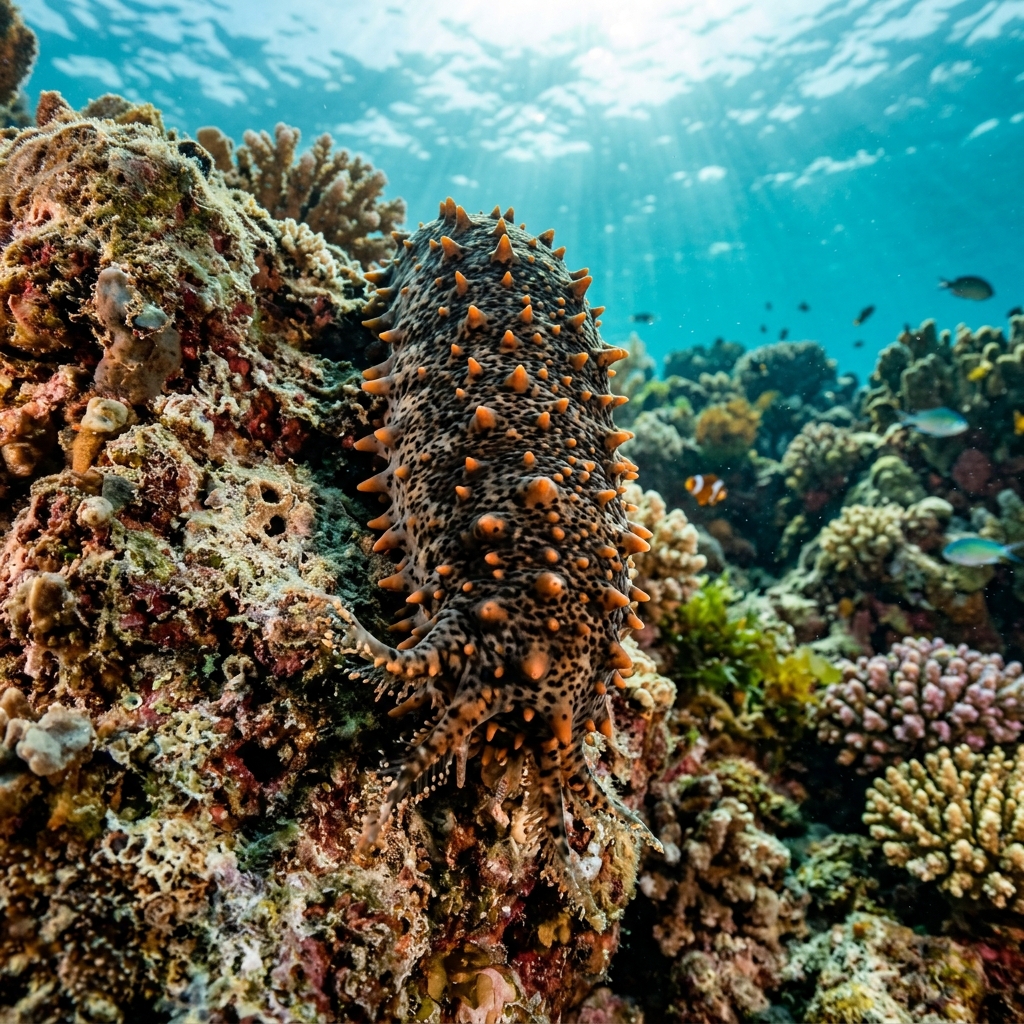
Vivid orange is the giveaway: this cucumber glows against rock and kelp in a way that nothing nearby quite matches. It typically reaches around 17 cm and has a firm, cylindrical body that tapers at both ends, usually anchored firmly to hard substrate. When actively feeding, it extends a crown of bushy, branching tentacles from its oral end to catch suspended particles, and these tentacles are orange to orange-brown as well. In colder, murkier water it can appear more reddish, but the uniformly warm colouration distinguishes it from most neighbours.
When you find one, it is almost certainly glued to a rock or reef wall with its tentacles fanned out into the current, filter feeding continuously without any apparent awareness of your presence. It does not retract or flee when approached, so you can get close for a good look without disturbing it. Expect to find them in groups on exposed rocky surfaces or tucked into crevices where current brings plankton and organic particles within reach.
Like many sea cucumbers, this species can expel its internal organs (a defence response called evisceration) when severely stressed, then slowly regenerate them. It is a useful reminder to look without touching.
Sightings concentrate between January and August in the Northern Hemisphere, which lines up with the species' cold-water niche of roughly 12 to 15.5°C. Diving British Columbia or the Pacific Northwest during this window gives you the best chance of an encounter.
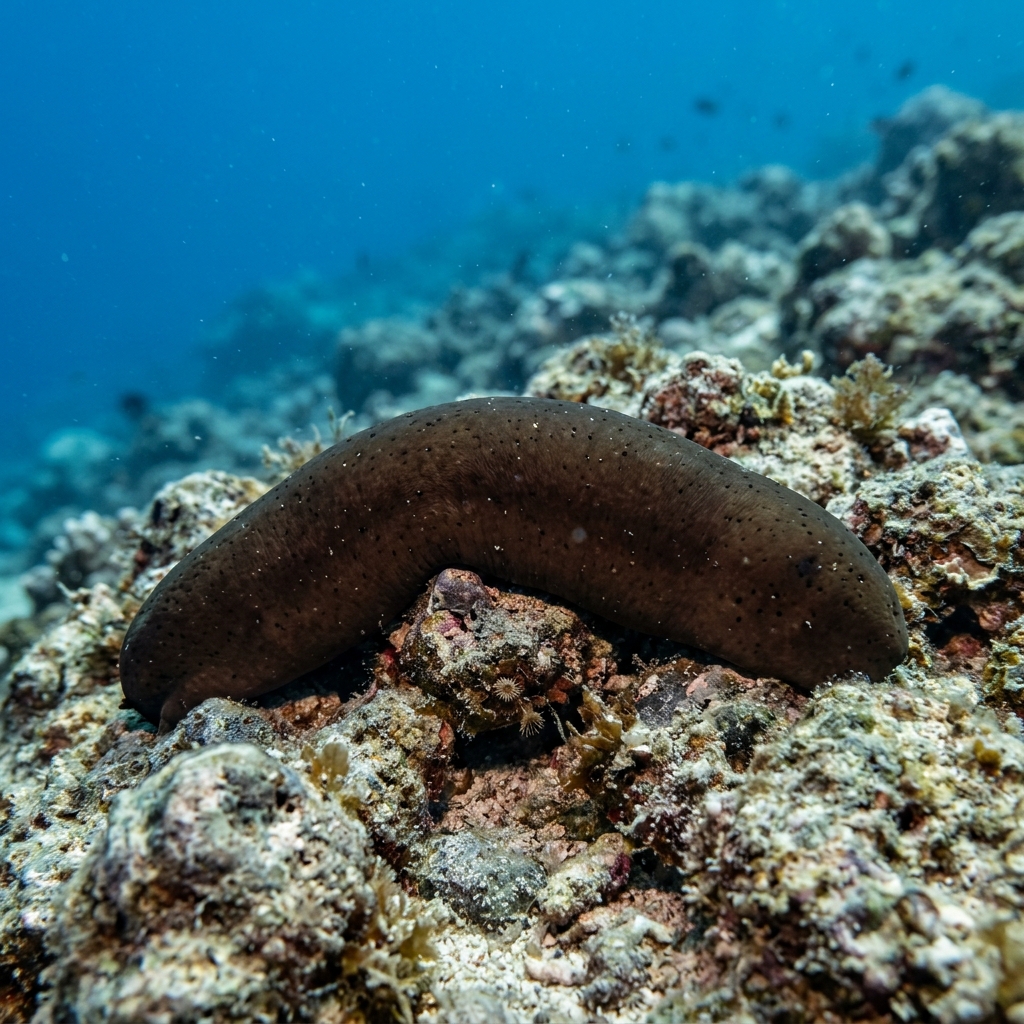
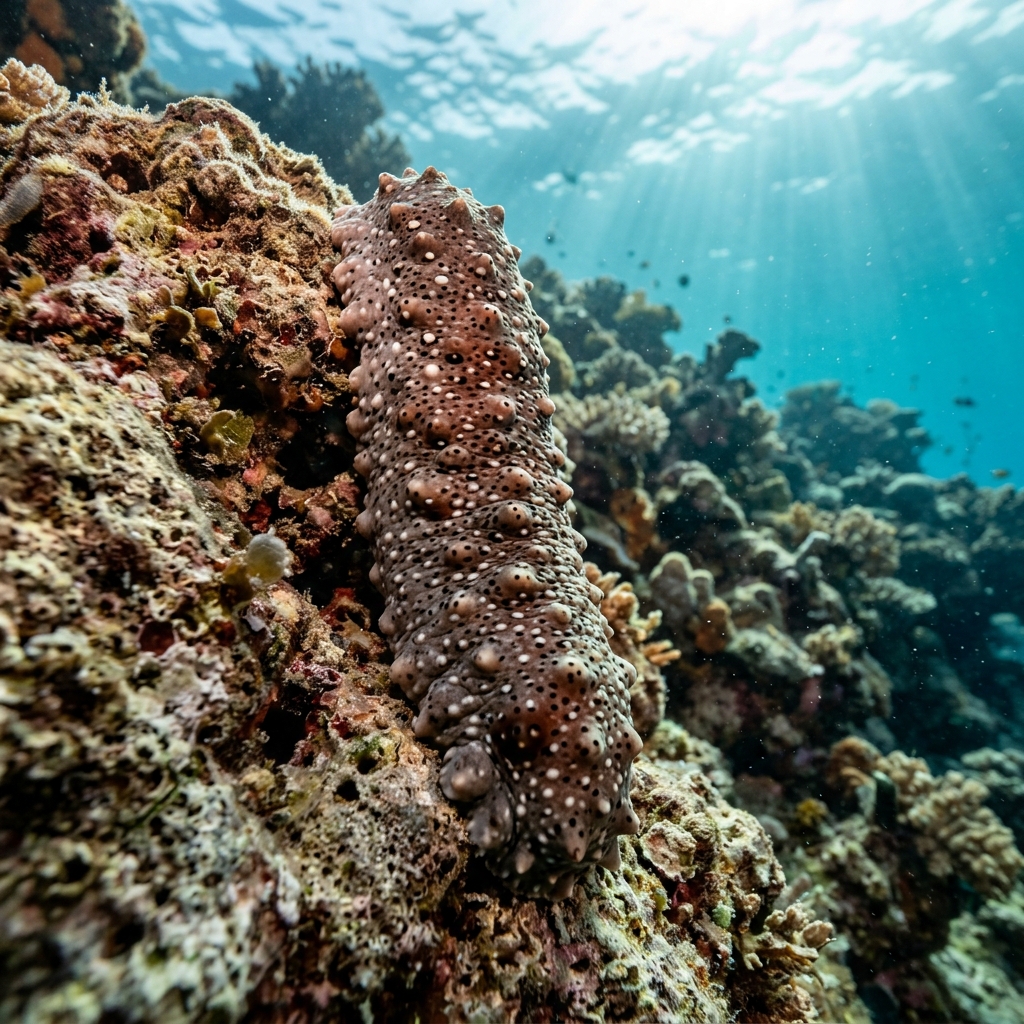
Reef neighbours a diver could mistake it for. Use the identification notes above to tell them apart.
This species is most commonly logged along the British Columbia Coast and the Pacific Coast of the United States, making it a hallmark invertebrate of cold northeast Pacific diving. Canada and the US together account for the vast majority of recorded sites, with smaller numbers of sightings from Norway and Mexico. Shallow rocky reefs and kelp-covered walls in the 0 to 24 m range are where you will find them.
Mapping where Orange Sea Cucumber is logged…
The best diving is along the British Columbia Coast in Canada and the Pacific Coast of the United States, where they appear at shallow rocky reefs down to about 24 m. Smaller numbers have been recorded off Norway and Mexico.
Diver sightings concentrate from January through August in the Northern Hemisphere. This cold-water species thrives in temperatures around 12 to 15.5°C, so winter and spring dives in the Pacific Northwest are particularly productive.
The uniform bright orange colour is the key feature. Look for a firm, cylindrical body up to about 17 cm long, anchored to hard substrate, with a crown of branching orange tentacles extended when feeding. No other common cucumber in its range shares that vivid all-orange look.
They typically reach around 17 cm in length. In the water they often look a little shorter because the body contracts when not actively extended for feeding.
They are filter feeders, extending a ring of bushy tentacles into the current to catch plankton and organic particles suspended in the water. Each tentacle is drawn back into the mouth to be cleaned, then extended again in a continuous cycle you can watch in real time on the reef.
Site and sighting data is aggregated from diver logs, iNaturalist and GBIF. For taxonomy and conservation status:
Giant California Sea Cucumber
203 sites