Pyrosoma atlanticum
Spot Atlantic Pyrosomes along the US Pacific Coast and the Canary Islands, April to September, in cool water between 12 and 21 °C.
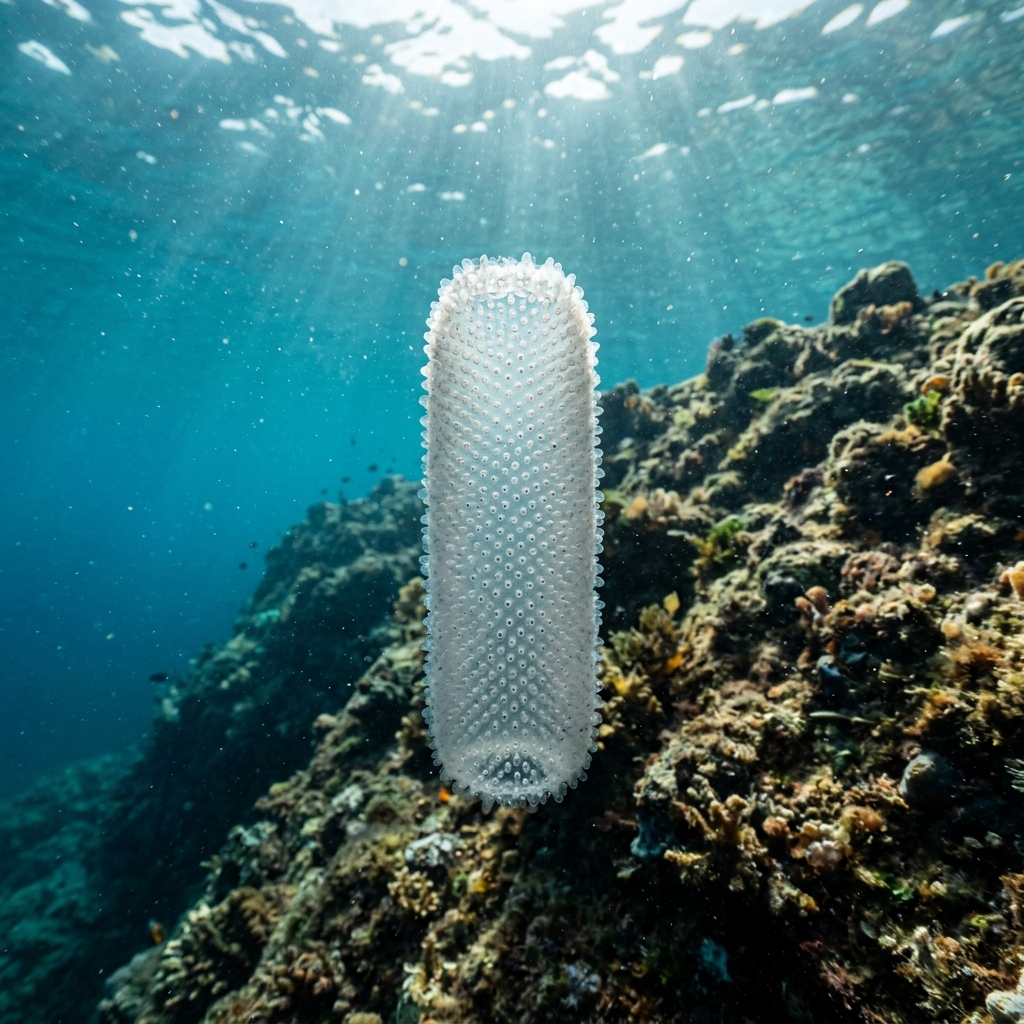
Look for a hollow, translucent cylinder that glows faintly pink or blue-green in the water column. Each tube is made up of hundreds of tiny individual animals (zooids) whose feeding pores give the surface a distinctive pitted or bumpy texture. One end of the cylinder is open; the other is closed and rounded. Colonies range from finger-sized to well over a metre long, so the same species can look like a glowing pen or a floating sleeping bag depending on the aggregation.
Pyrosomes drift with the current in the open water column rather than resting on the reef, so divers encounter them as a mid-water surprise rather than a bottom feature. Each zooid pumps water through the colony for filter feeding, creating a slow, collective jet propulsion that makes the whole structure drift lazily past. They are entirely indifferent to divers and will not change course, so you can approach closely without disturbing them.
Every pyrosome is technically a colony, not a single animal. Each zooid is a complete tunicate that can reproduce asexually inside the tube, budding off new clones and extending the colony. This means what looks like one organism is really a cooperative of genetically identical individuals working together.
In the Northern Hemisphere, sightings concentrate between April and September, aligning with warming surface waters and the productive season that drives the zooplankton prey pyrosomes follow.
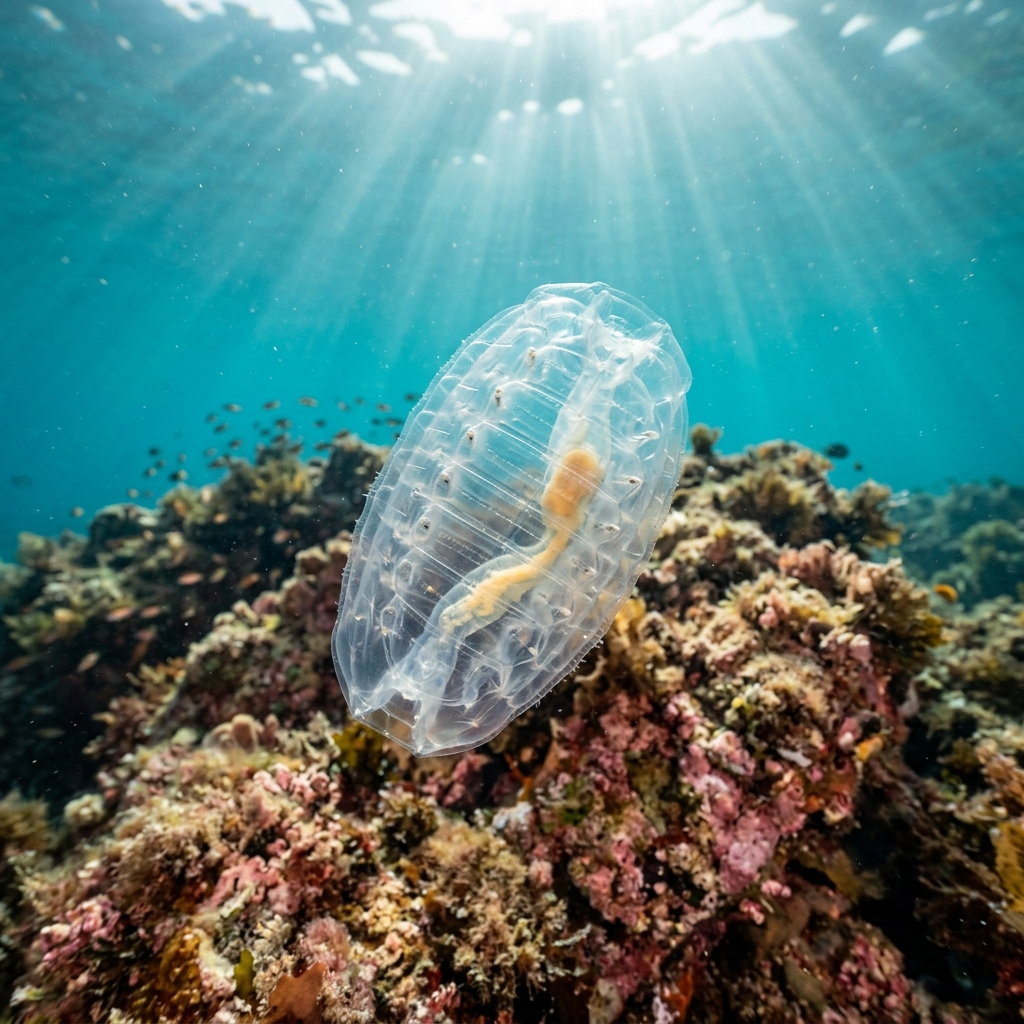
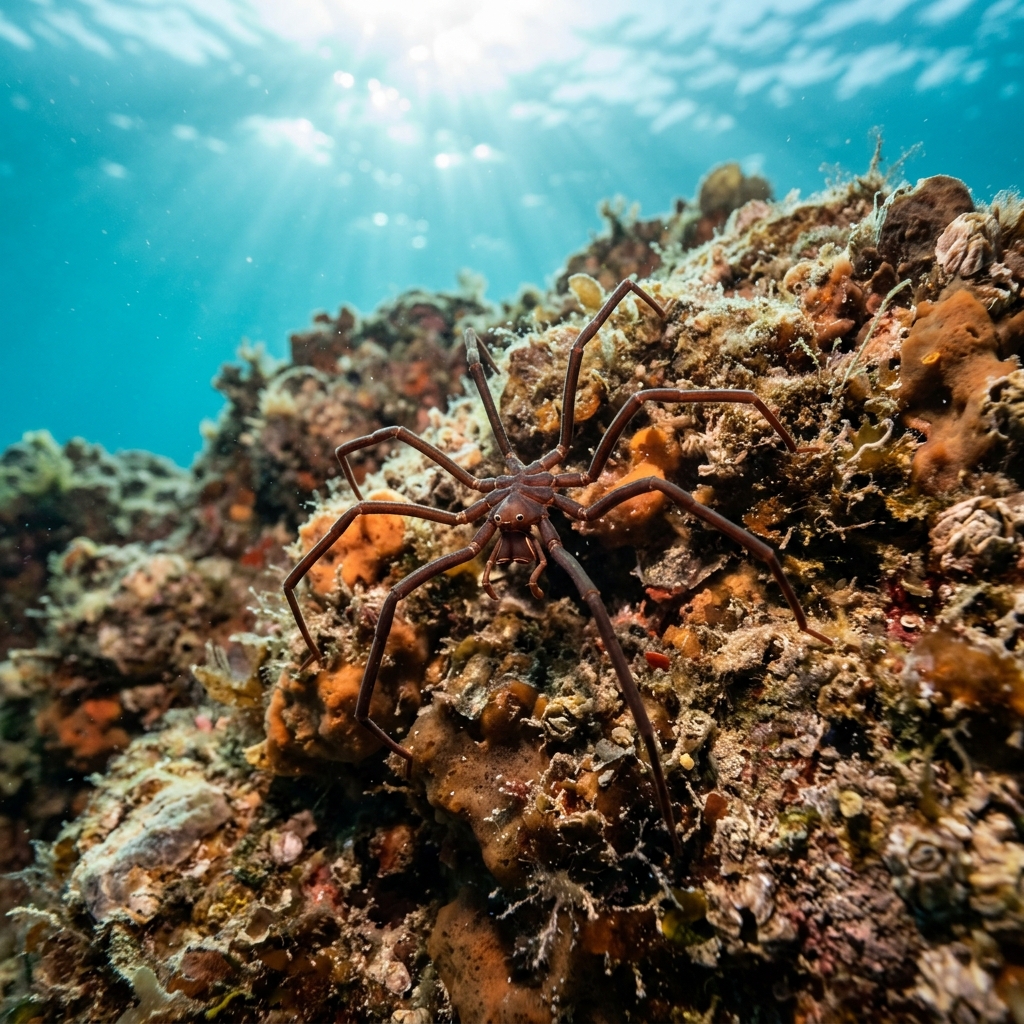
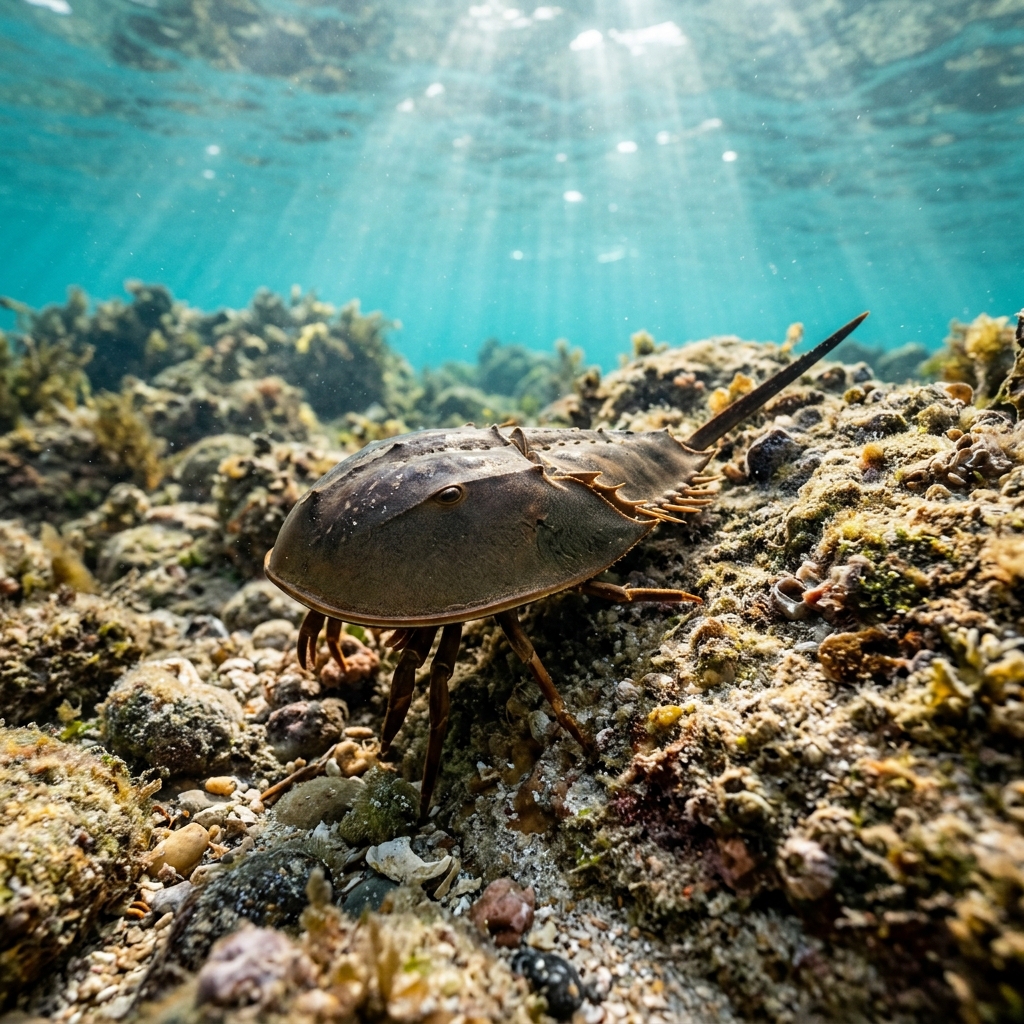
Reef neighbours a diver could mistake it for. Use the identification notes above to tell them apart.
Most sightings come from the US Pacific Coast, which accounts for the vast majority of logged encounters. The Canary Islands, particularly El Hierro and La Palma, are the next most reliable area. A smaller cluster of records exists around the Azores, especially Faial and São Jorge.
Mapping where Atlantic Pyrosomes is logged…
The US Pacific Coast has by far the most logged sightings, followed by the Canary Islands, particularly around El Hierro and La Palma. Smaller numbers of records come from the Azores. Because they drift in open water, they are an opportunistic encounter rather than a site-specific find.
In the Northern Hemisphere, April through September is the peak window. This warm-season concentration likely reflects both warmer surface waters and higher plankton productivity that supports filter-feeding colonies.
Look for a hollow, closed-at-one-end cylinder drifting freely in the water column with a pitted, slightly bumpy surface and a faint bioluminescent pink or blue-green glow. The closest confusion species is the giant salp, but salps are solitary or form chains of separate individuals rather than a single continuous tube.
Colonies range enormously, from a few centimetres to well over a metre in length. The size depends on how many zooids have budded within the colony, so divers may encounter anything from a small cylindrical blob to a slow-moving tube nearly as long as they are tall.
It is a colonial tunicate (sea squirt relative) made up of hundreds of clonal individual animals called zooids, each filtering seawater for food. Together they form a single hollow tube that drifts through the open ocean. The name comes from the Greek for 'fire body', a nod to their bioluminescence.
Site and sighting data is aggregated from diver logs, iNaturalist and GBIF. For taxonomy and conservation status: