Orcinus orca
Plan a dive with orca: what to look for underwater, how to tell males from females, and where cold-water encounters are most reliably reported.
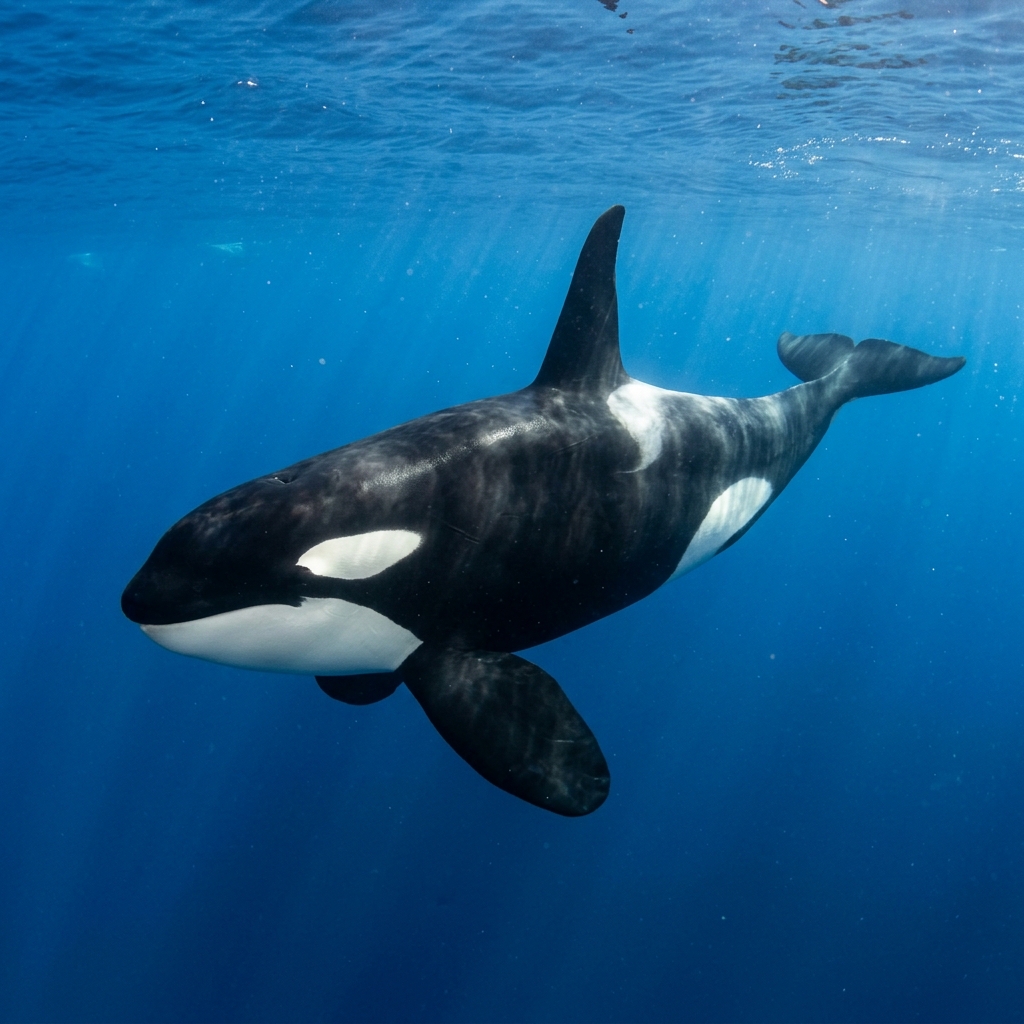
Nothing in the ocean looks quite like an orca at close range: bold jet-black upperparts contrast with a bright white underside and a distinctive white oval patch above and behind each eye. At up to roughly seven metres, they dwarf every other dolphin family member. The dorsal fin is the quickest field mark, as adult males carry a rigidly upright fin that can approach two metres tall, making them unmistakable even at the surface. Females and young animals have a shorter, noticeably curved dorsal fin.
When orca choose to interact with people in the water, the experience tends to be led entirely by the animals: they approach on their own terms, circle at a distance, and often vocalise, producing clicks and calls that carry clearly underwater. Curious individuals, particularly younger ones, may close the gap considerably, while others pass through without a second glance. If you're lucky enough to be in the water during active foraging, watch for coordinated herding behaviour as the pod works together to concentrate prey.
Orca live in stable, matrilineal social groups and each population has developed distinct hunting techniques passed down through generations, effectively making them culturally differentiated groups rather than a single uniform species.
There is not yet enough monthly sighting data to point to a specific season, so encounters should be treated as potentially year-round wherever orca are present. Their observed water-temperature niche of roughly 2 to 16 °C points firmly toward temperate and polar destinations rather than tropical reef sites.
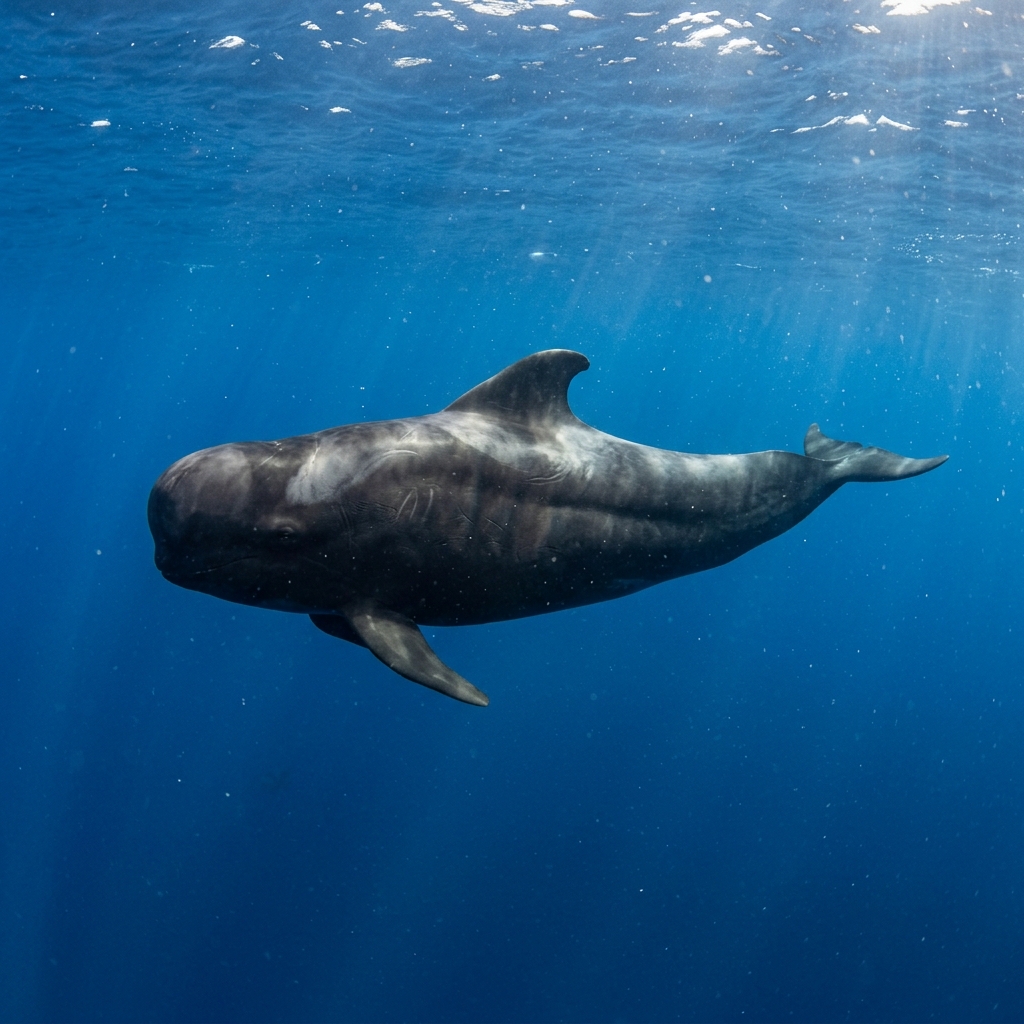
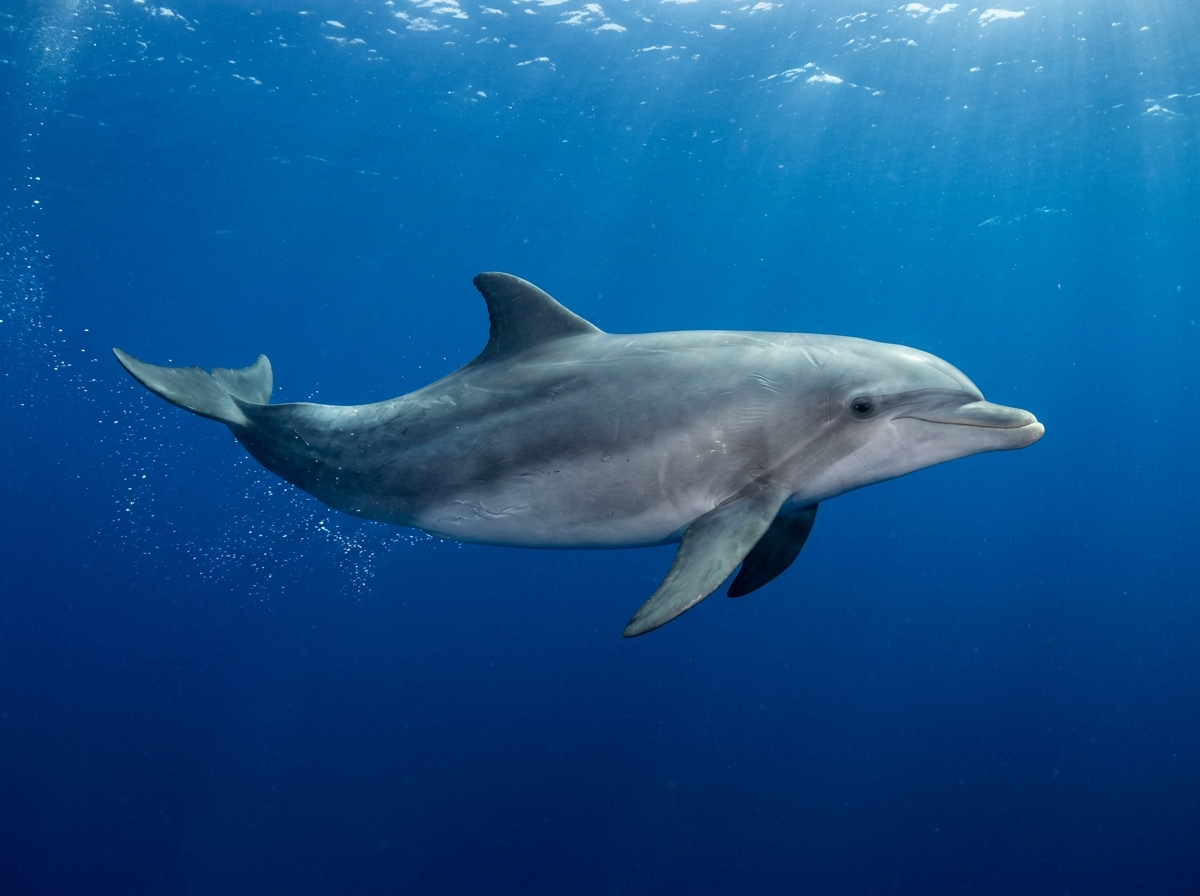
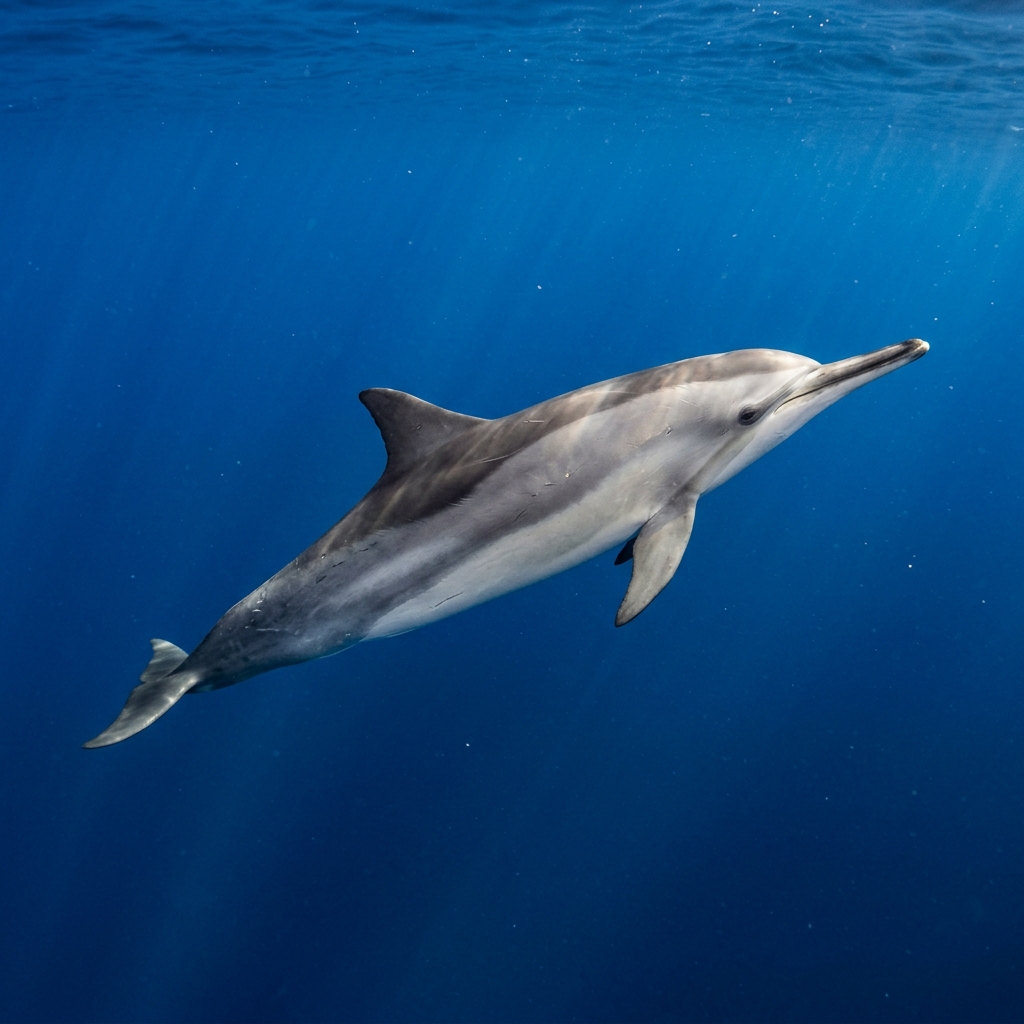
Reef neighbours a diver could mistake it for. Use the identification notes above to tell them apart.
Orca have no logged dive-site records in Fin's database yet, so no specific hotspot rankings are available. Broadly, cold-water regions in the observed temperature range of roughly 2 to 16 °C, such as high-latitude Pacific and Atlantic waters, are where in-water encounters are most commonly reported by divers and snorkellers worldwide. As sightings are logged on Fin, regional patterns will emerge here.
Mapping where Orca is logged…
Orca are most reliably encountered in cold, temperate to polar waters, broadly within a 2 to 16 °C range. High-latitude destinations in the Pacific and Atlantic are where in-water encounters are most frequently reported. Fin's dive-site database does not yet hold logged orca sightings, so check back as divers add records.
There is not yet enough monthly data to identify a peak season. Orca are present year-round in suitable cold-water habitats, so timing a trip around local prey availability, such as salmon runs or herring aggregations, is a practical strategy used by operators in known hotspot regions.
Orca are not considered a threat to divers. Aggressive encounters in the wild are extremely rare. They are highly intelligent animals and in-water behaviour varies by pod, with some groups being curious and others largely indifferent. Maintaining a calm, non-intrusive approach is always the right call.
Adults typically reach around 686 cm in length. Adult males are noticeably larger than females and are easy to distinguish by their near-vertical dorsal fin, which can be close to two metres tall.
Short-finned pilot whales are the most plausible mix-up in poor visibility. Pilot whales are uniformly dark with a broad, rounded forehead and a low, swept-back dorsal fin. Orca always show bold white patches, including the diagnostic white eye patch, and a much taller, more upright dorsal fin.
Yes, and the techniques differ between populations. Some pods herd schooling fish into tight balls before taking turns feeding; others use wave-washing to knock prey off ice. These strategies are culturally transmitted, meaning calves learn specific techniques from their family group rather than instinct alone.
Site and sighting data is aggregated from diver logs, iNaturalist and GBIF. For taxonomy and conservation status: