Chirodactylus brachydactylus
Reef fish with a two-tone flank, most often logged in the Western Cape's cool 12-24 C waters, year-round and no season needed.
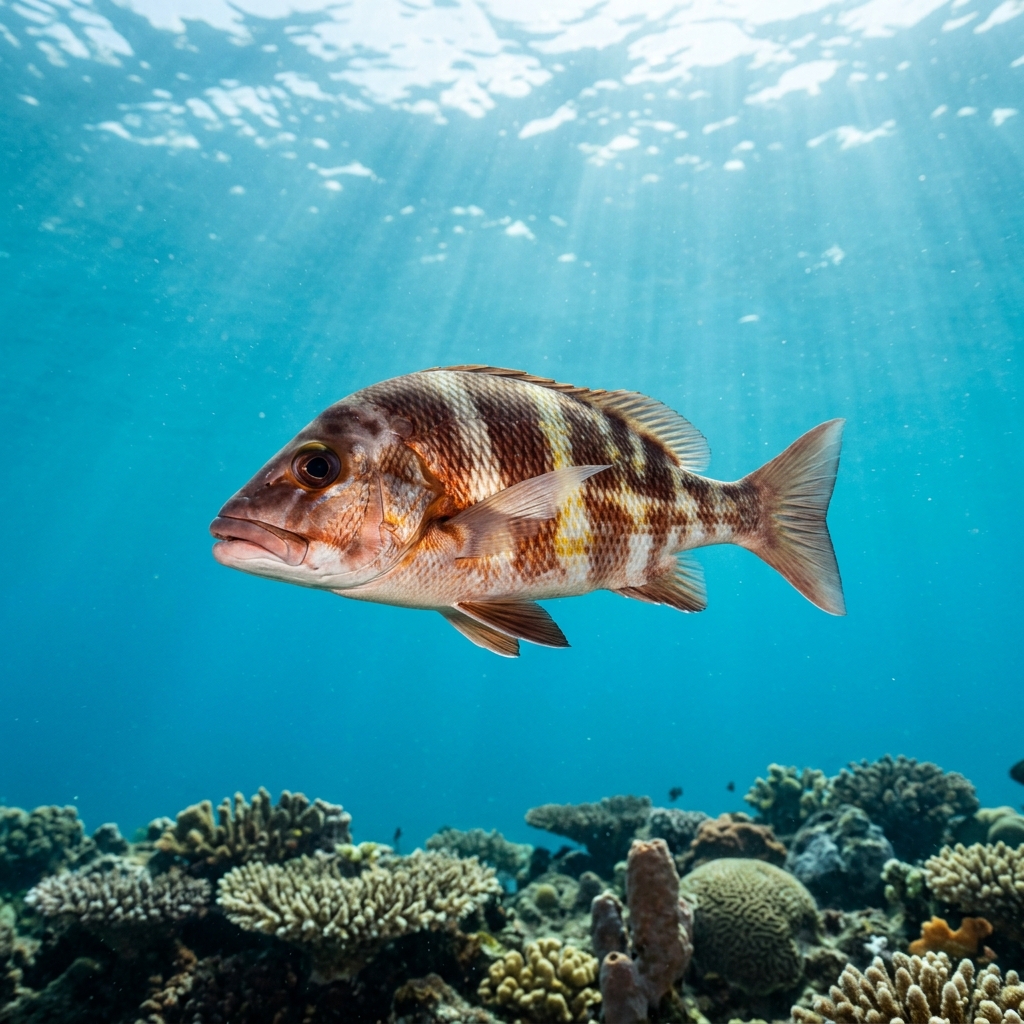
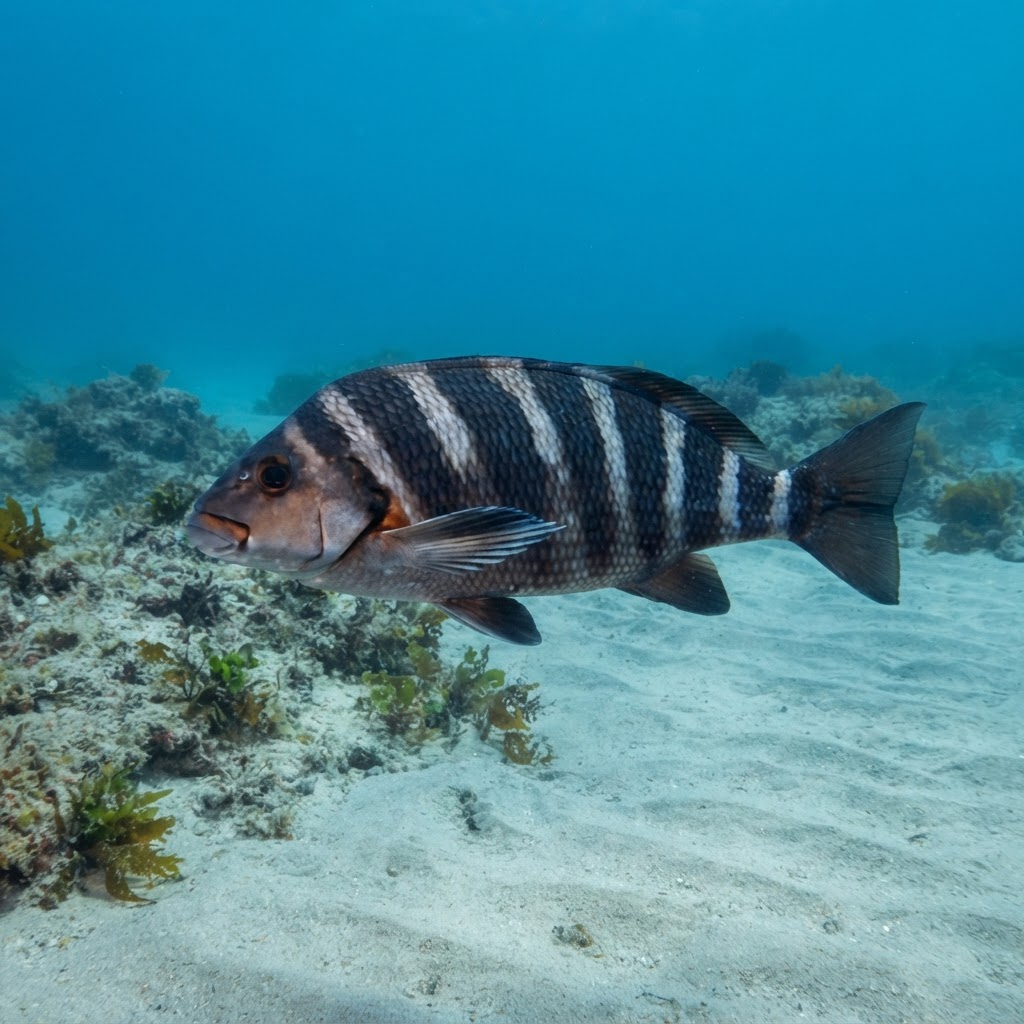
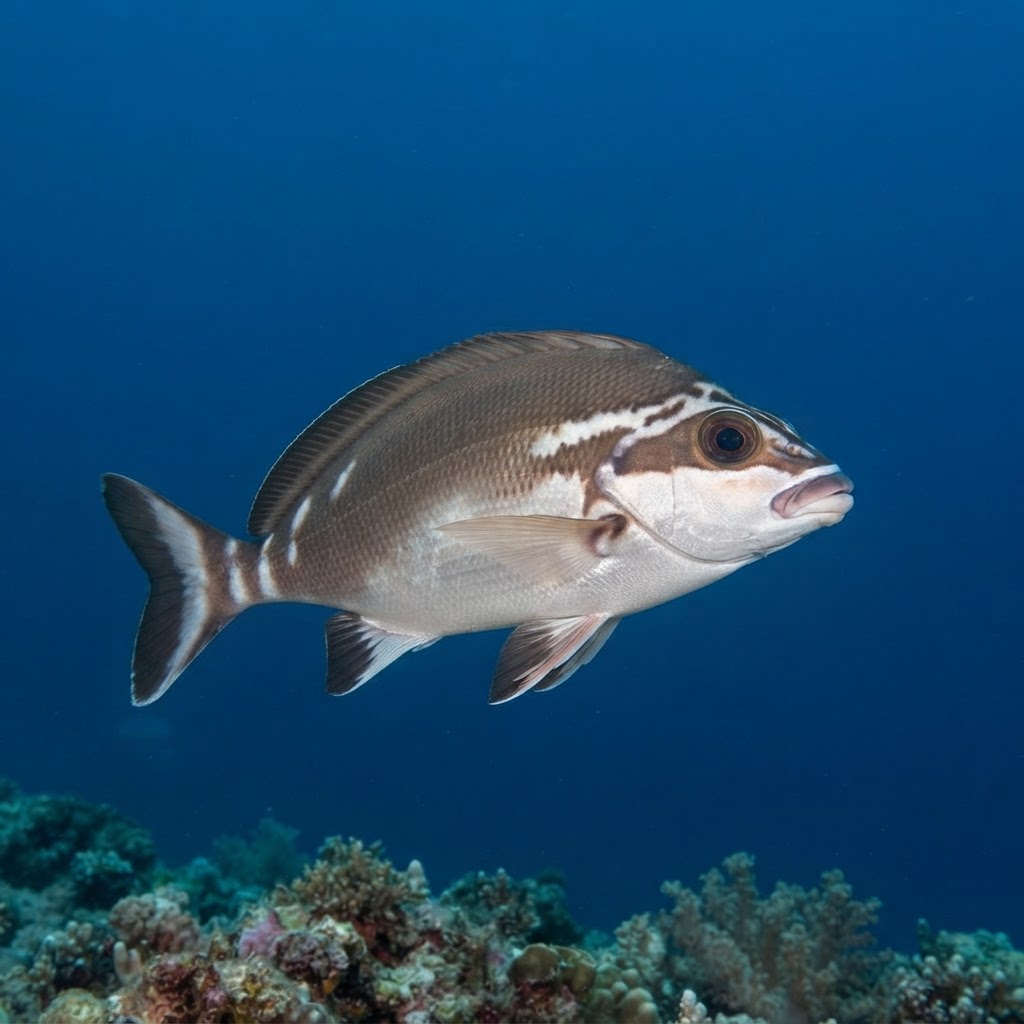
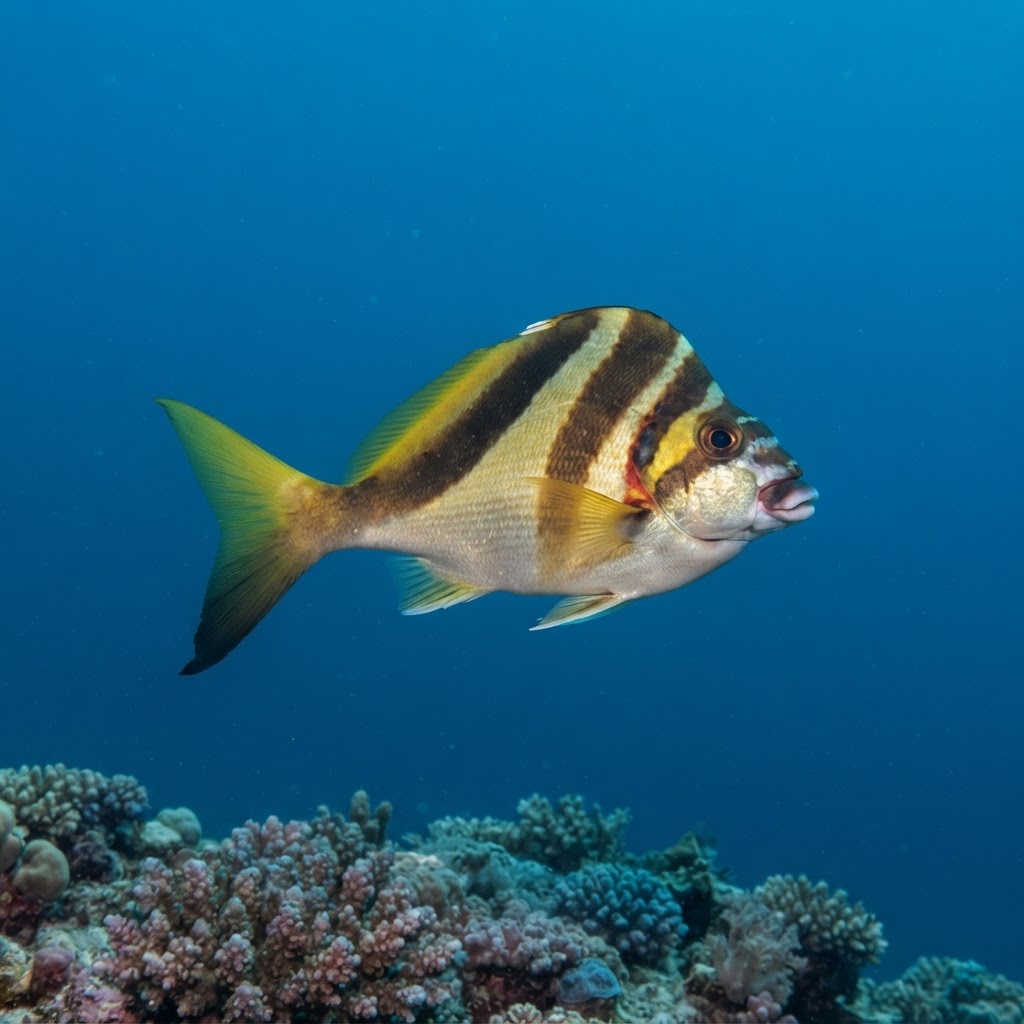
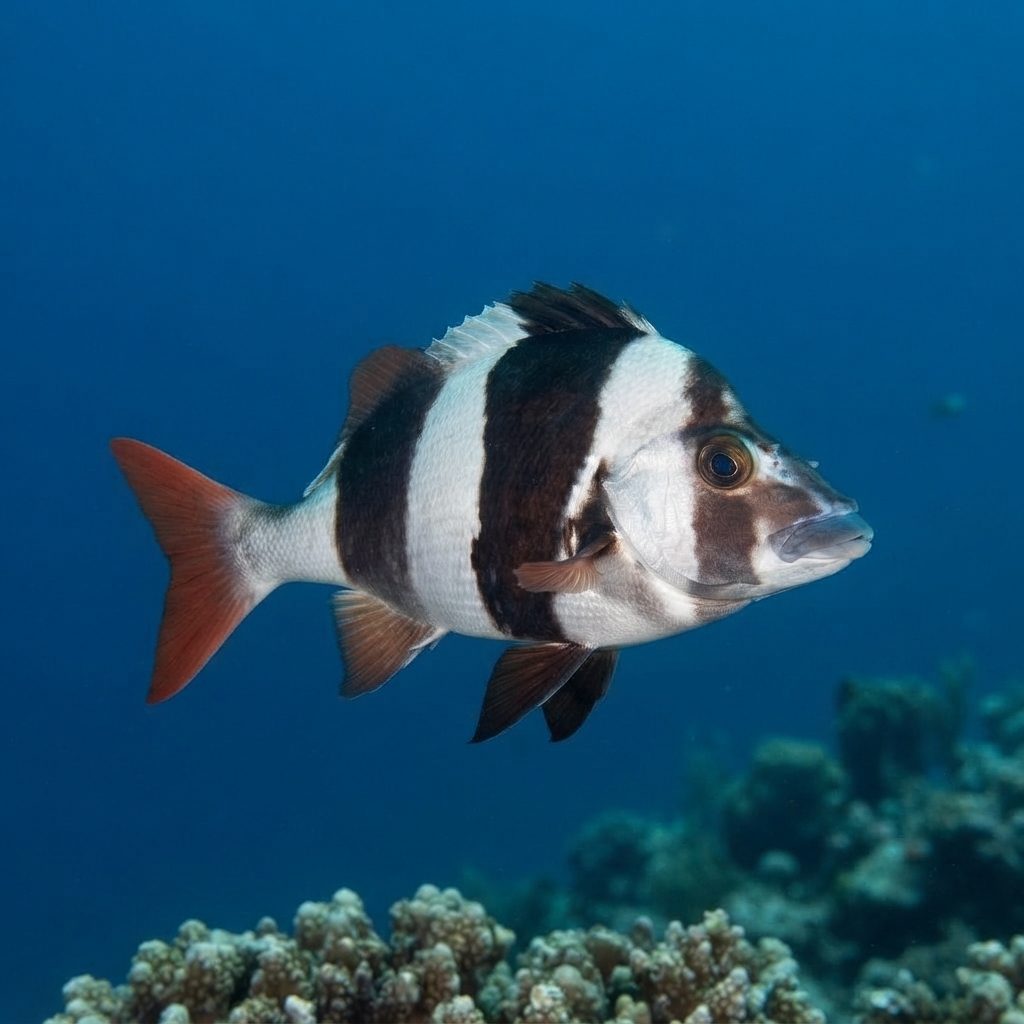
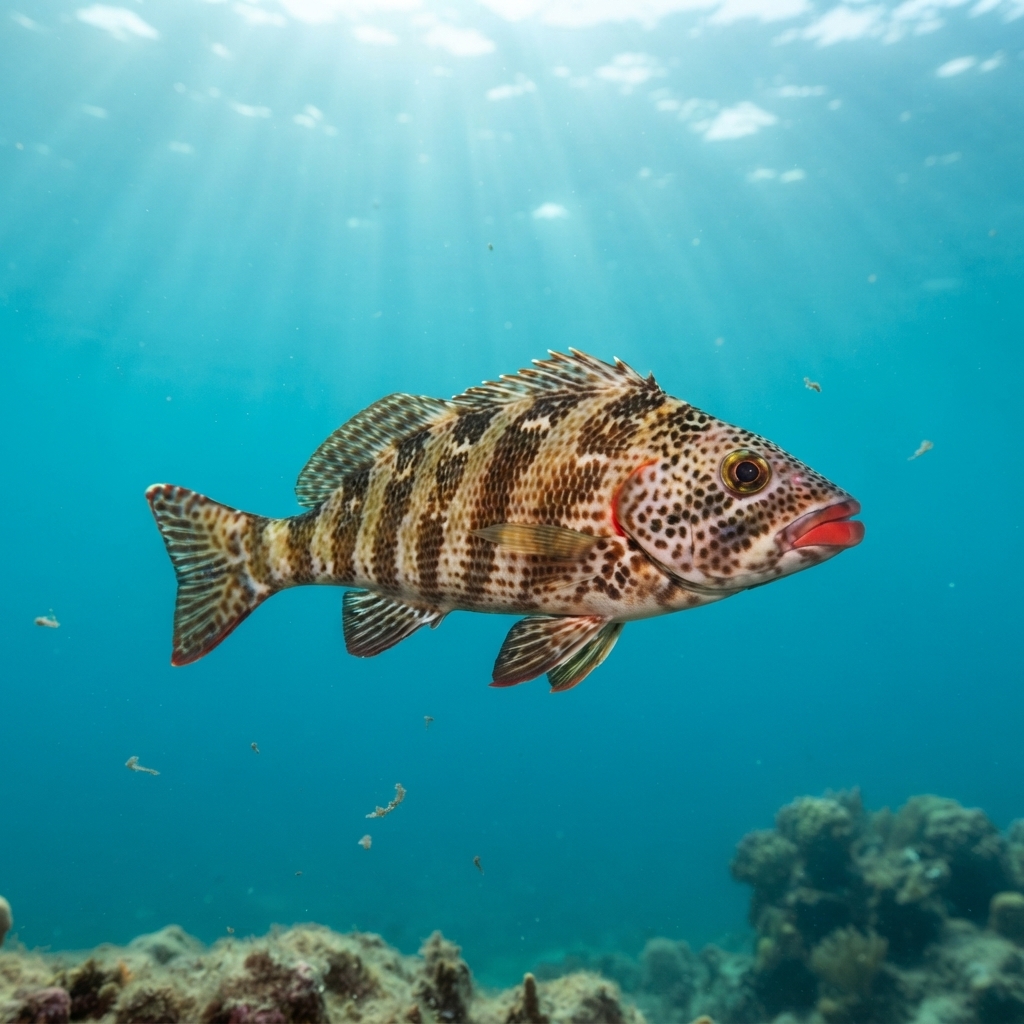
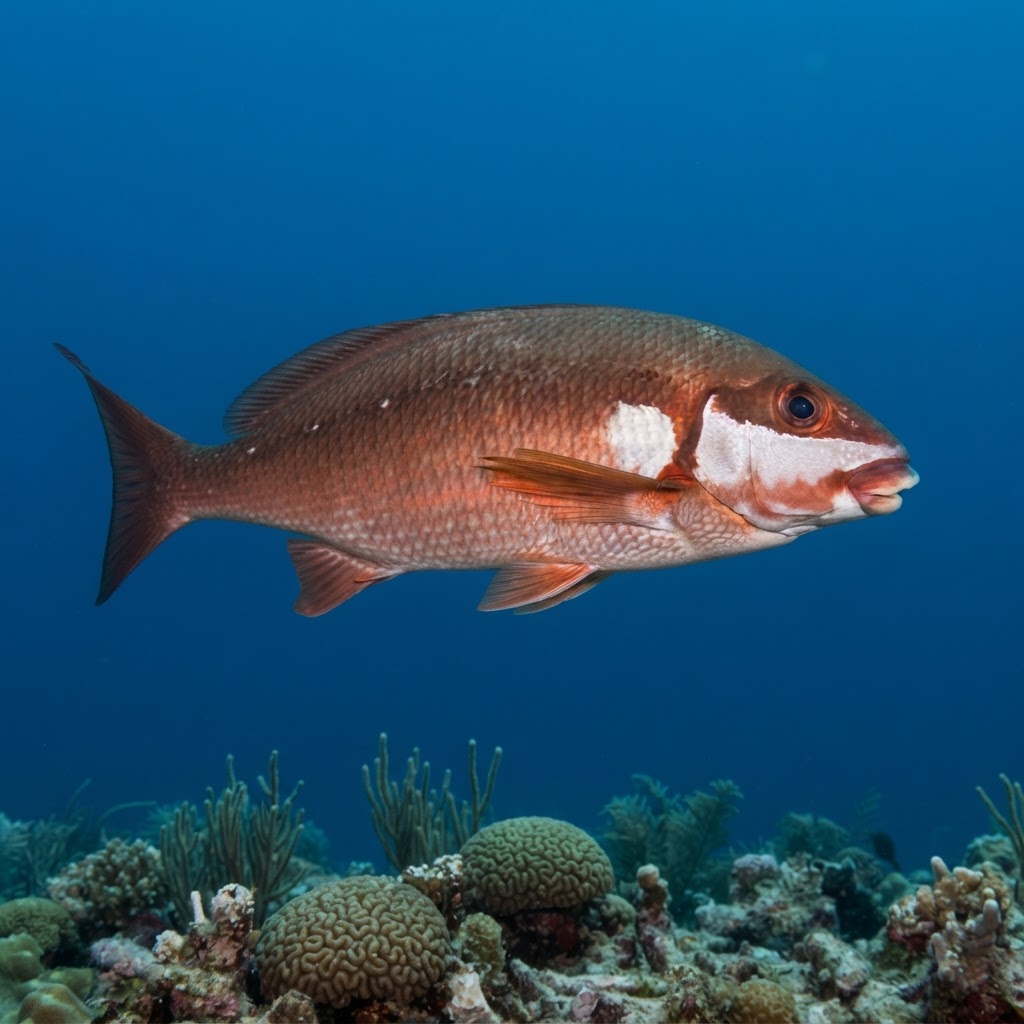
Grows to around 28 cm and shows a distinct split-colour body, pale grey to silvery at the front and darker brown to grey towards the tail, which is where the name comes from. Look for the elongated, thickened lower pectoral fin rays it uses almost like feelers along the reef bottom. Body shape is elongate and slightly compressed, typical of a temperate reef dweller that hovers close to rock rather than swimming in open water.
Divers usually find it hovering or resting close to rocky reef structure rather than out in open water, using those long pectoral fin rays to feel along the substrate as it searches for food. It tends to hold its position when divers approach rather than bolting, making for a calm, unhurried look if you spot one tucked against a ledge. Most logs describe it as an uncommon but steady find rather than something schooling or highly active.
Those extended lower pectoral fin rays aren't just for show, they act as sensory feelers that let the fish probe crevices and the reef bottom for small invertebrate prey without needing to see them directly.
Sightings show no strong seasonal pattern, so it's a year-round find on Western Cape and KwaZulu-Natal reefs. Its comfort range of roughly 12 to 24.5 C covers the cool Cape waters through most of the year, so timing your trip around temperature isn't necessary.
This is a South Africa speciality, most reliably found along the Western Cape, with sites around Cape Town and the surrounding coast producing the bulk of sightings. KwaZulu-Natal also turns up sightings further up the east coast, though in smaller numbers than the Western Cape reefs.
Mapping where Two-tone Fingerfin is logged…
South Africa is the place for this one, with the Western Cape producing the great majority of sightings and KwaZulu-Natal offering a smaller but reliable second option.
There's no clear seasonal pattern in the sighting data, so it's considered a year-round species on Western Cape and KwaZulu-Natal reefs within its usual 12 to 24.5 C temperature range.
Look for a roughly 28 cm reef fish with a clearly split colour pattern, paler at the front and darker towards the tail, resting close to rocky structure. The extended lower pectoral fin rays used to feel along the reef are a useful secondary clue.
They typically reach around 28 cm, making them a modest-sized reef fish rather than a standout large species.
Its lower pectoral fin rays are elongated into feeler-like structures it uses to probe the reef bottom and crevices for food, a trait shared with other fingerfin relatives.
No, they pose no threat to divers and are typically calm, reef-associated fish that hold position rather than react defensively when approached.
Site and sighting data is aggregated from diver logs, iNaturalist and GBIF. For taxonomy and conservation status:
Crested Morwong
172 sites