Cheilodactylidae spp.
Spot morwongs in cool temperate waters from Japan's Izu Peninsula to South Australia and New Zealand. Best seen March to May in the Southern Hemisphere.
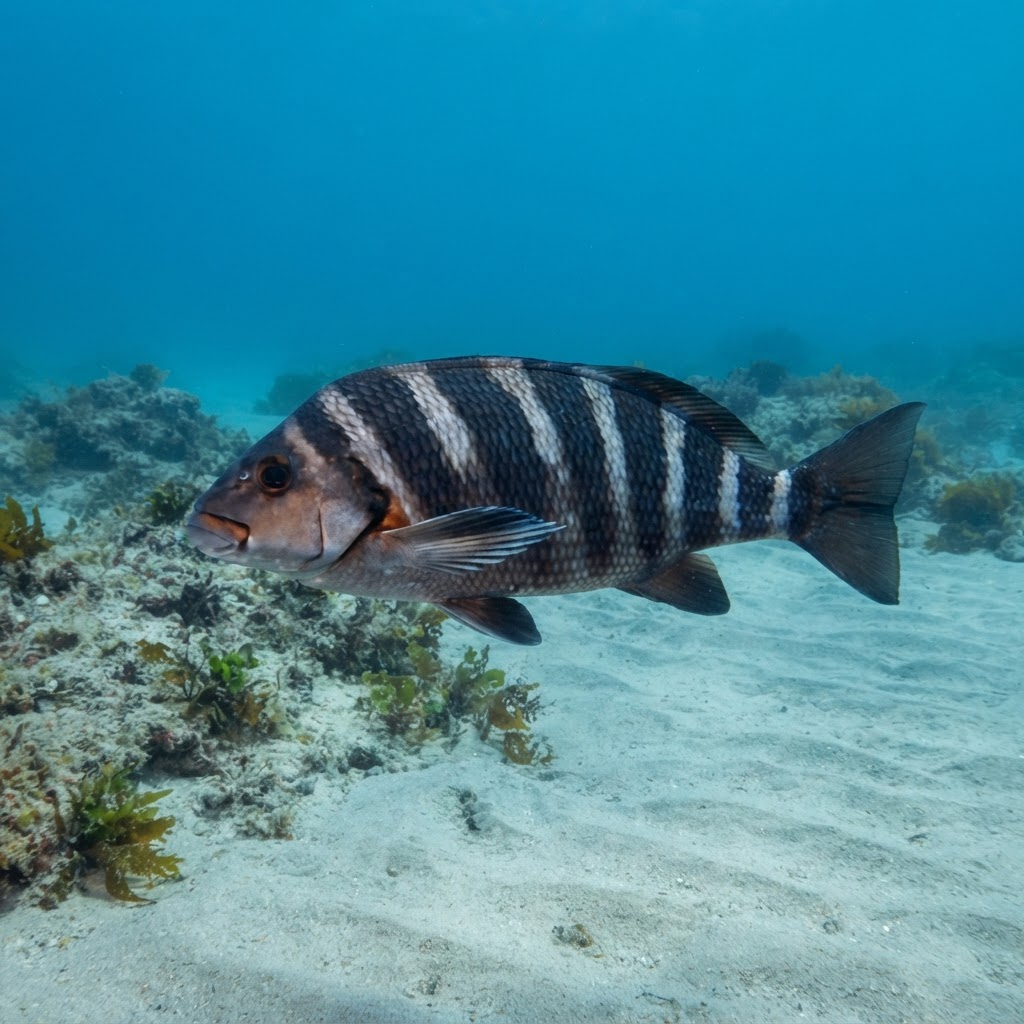
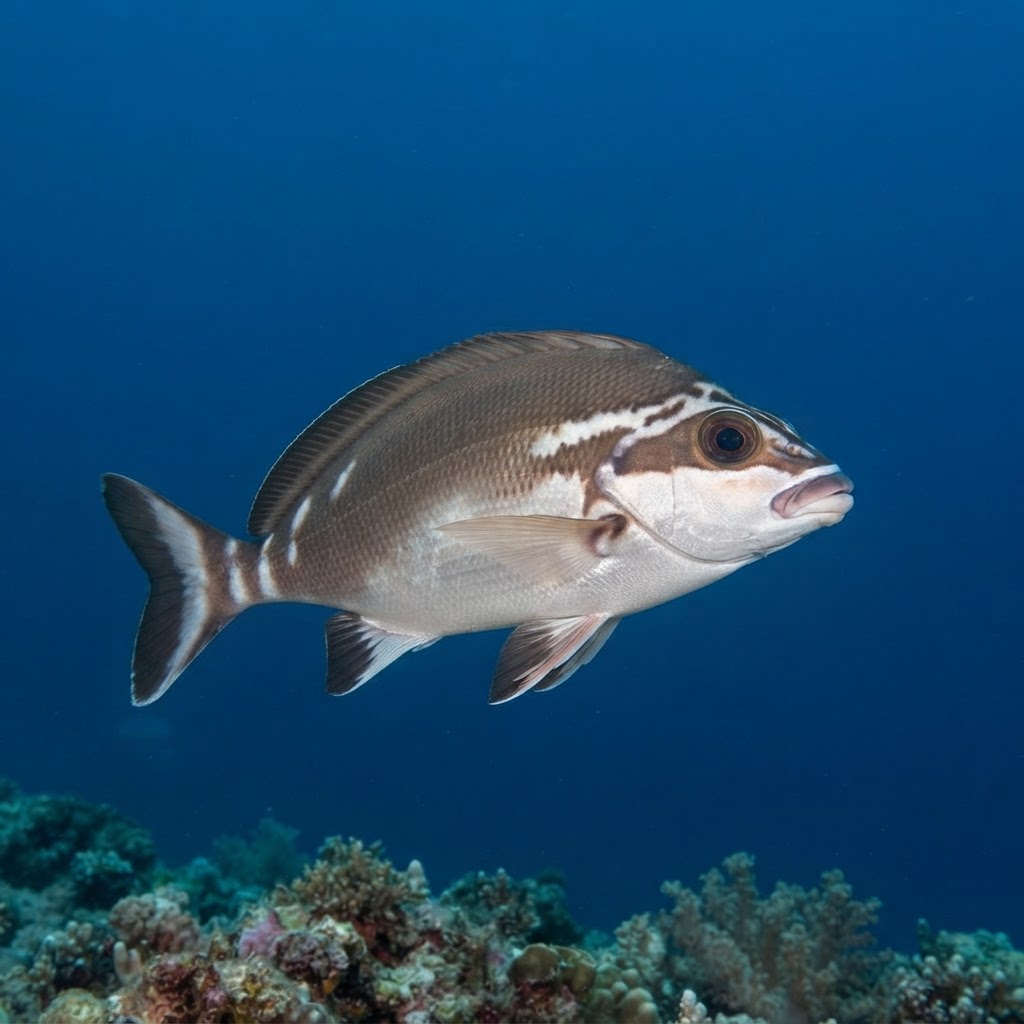
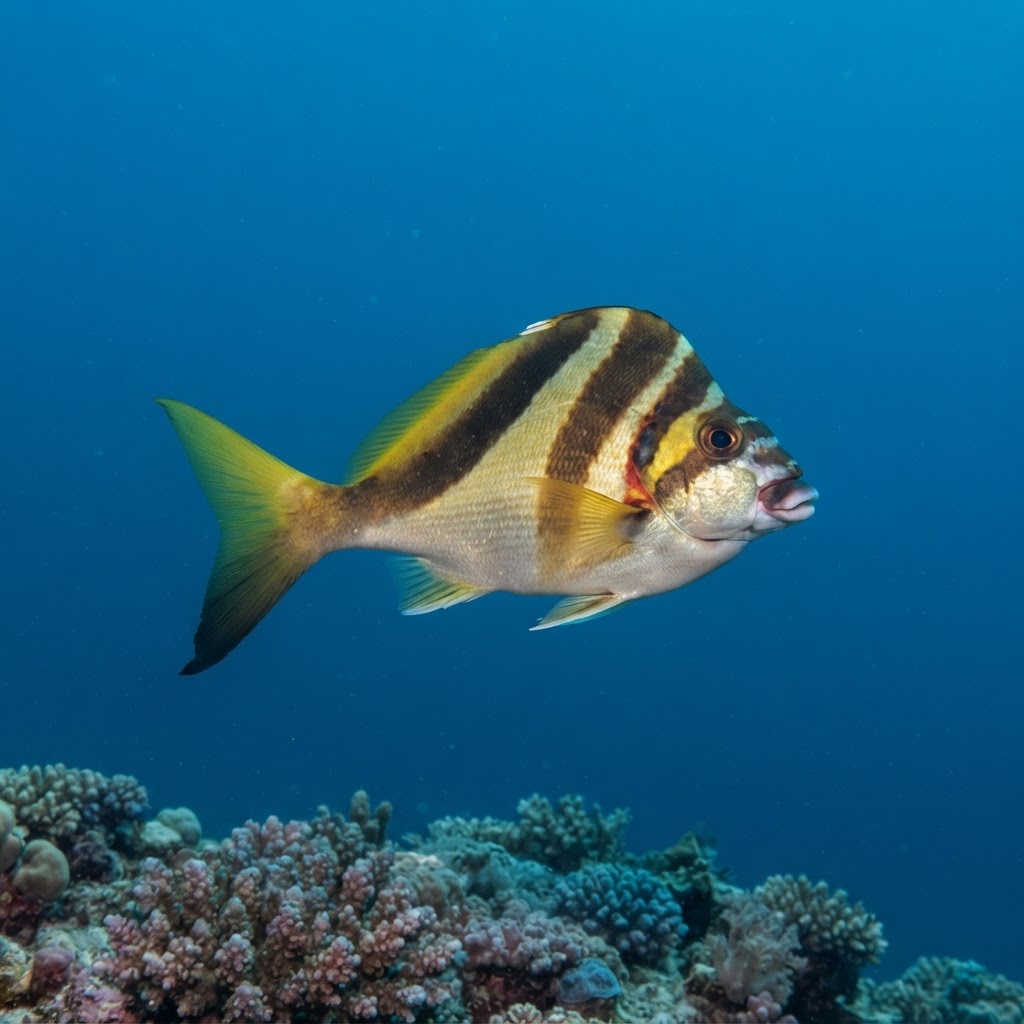
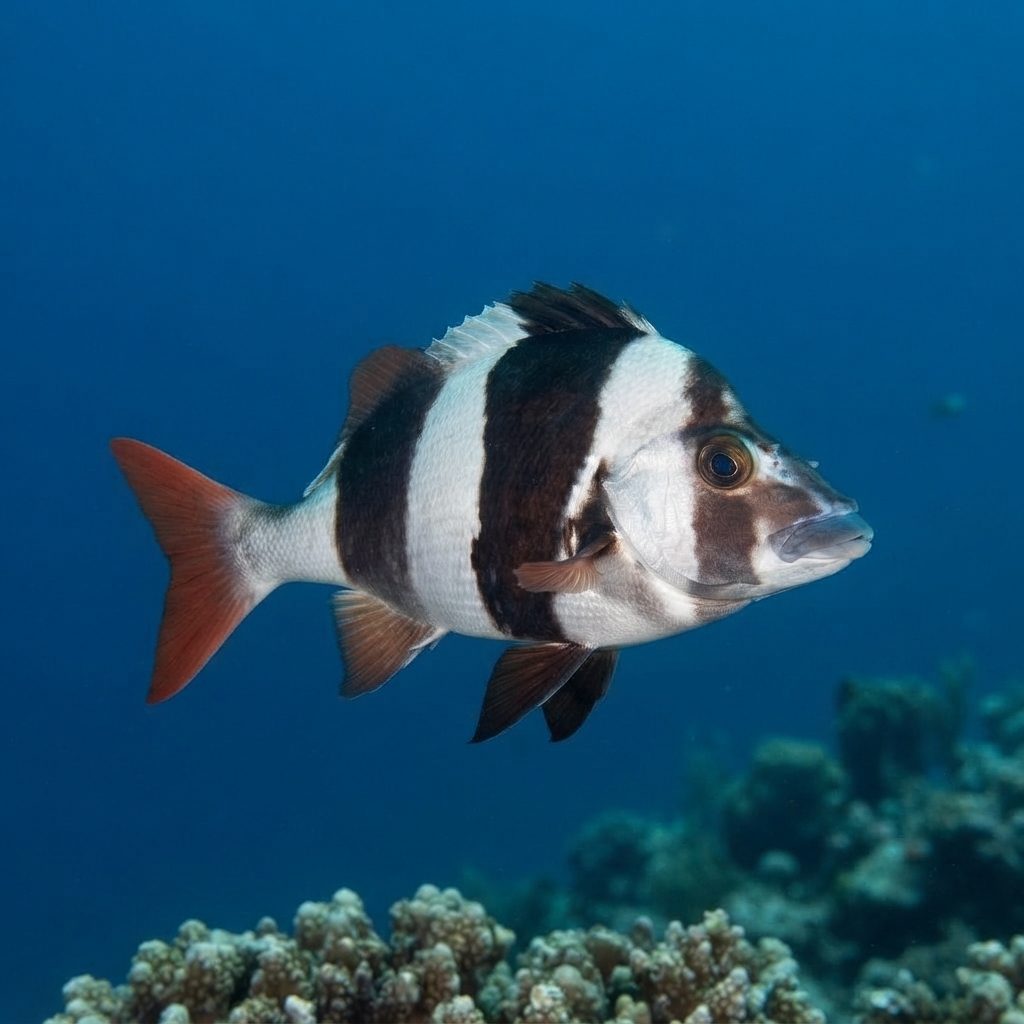
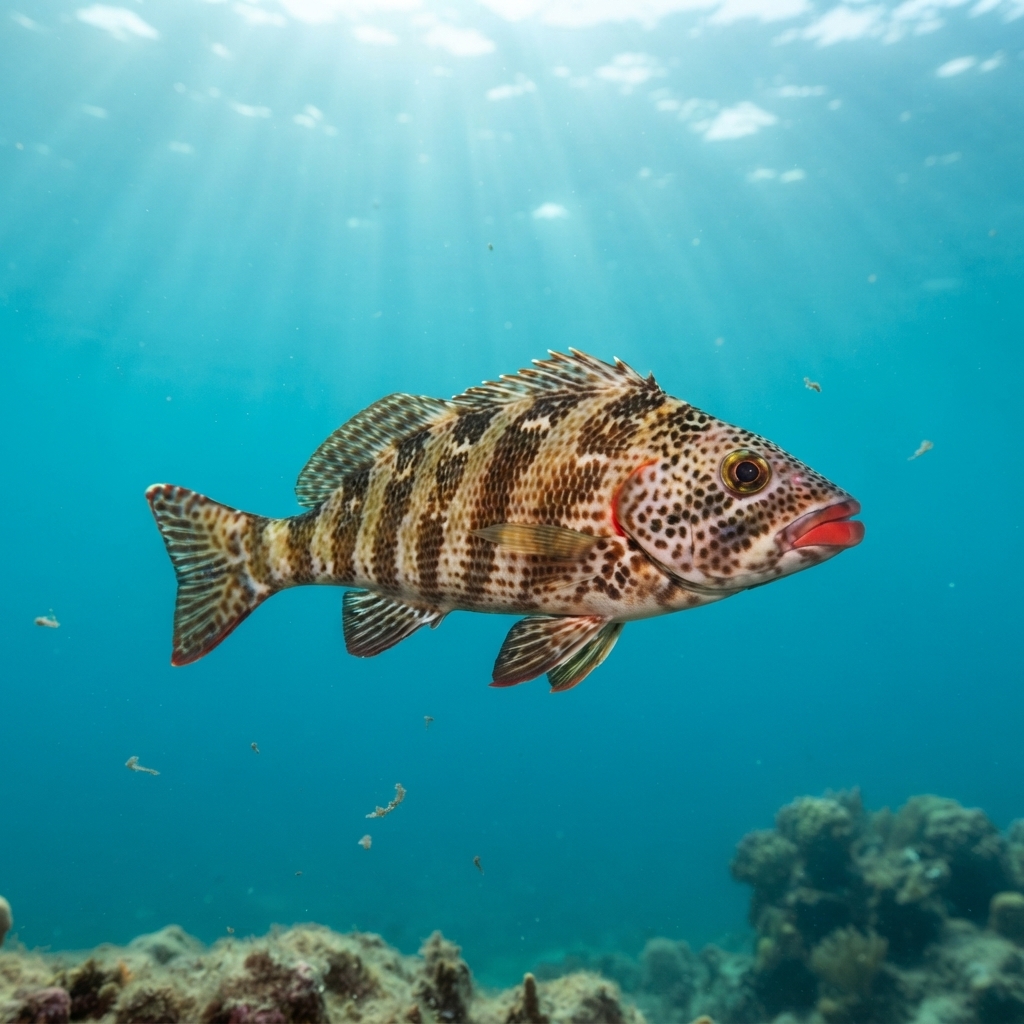
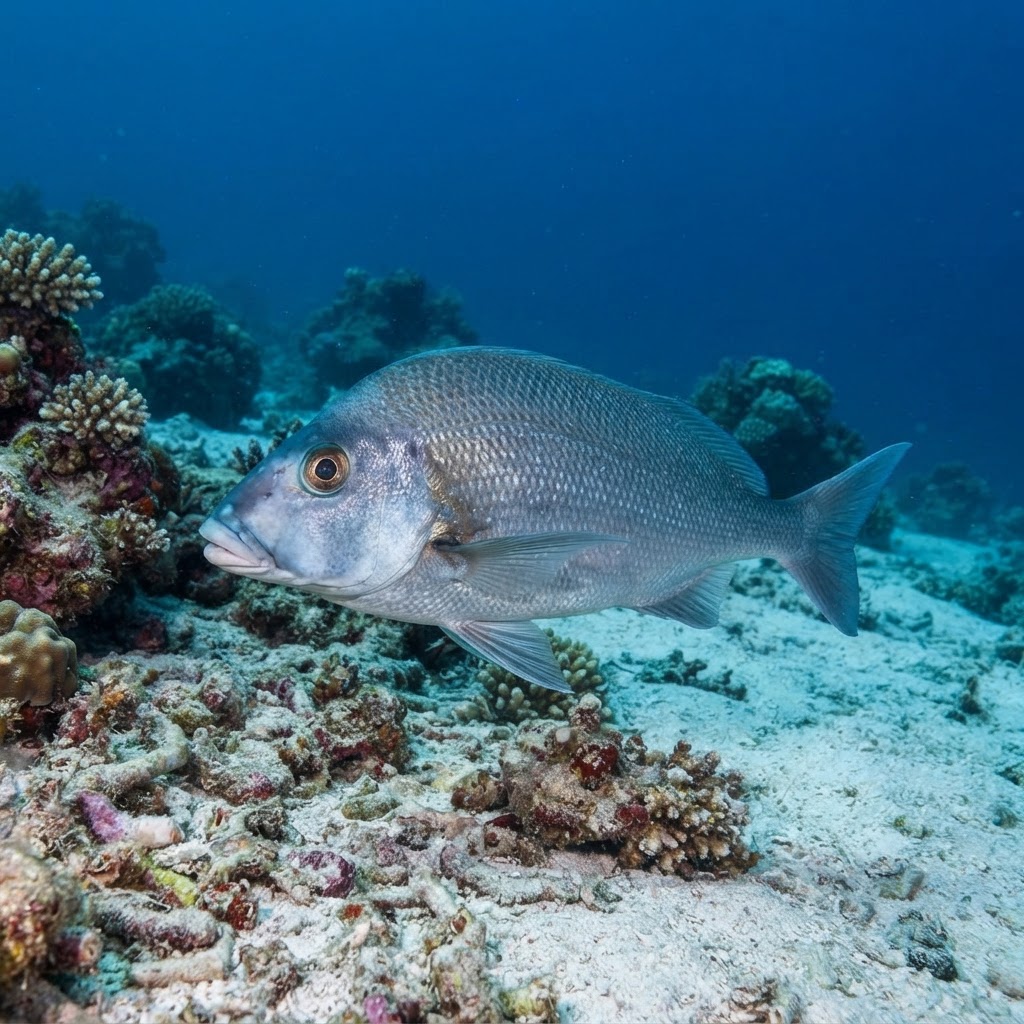
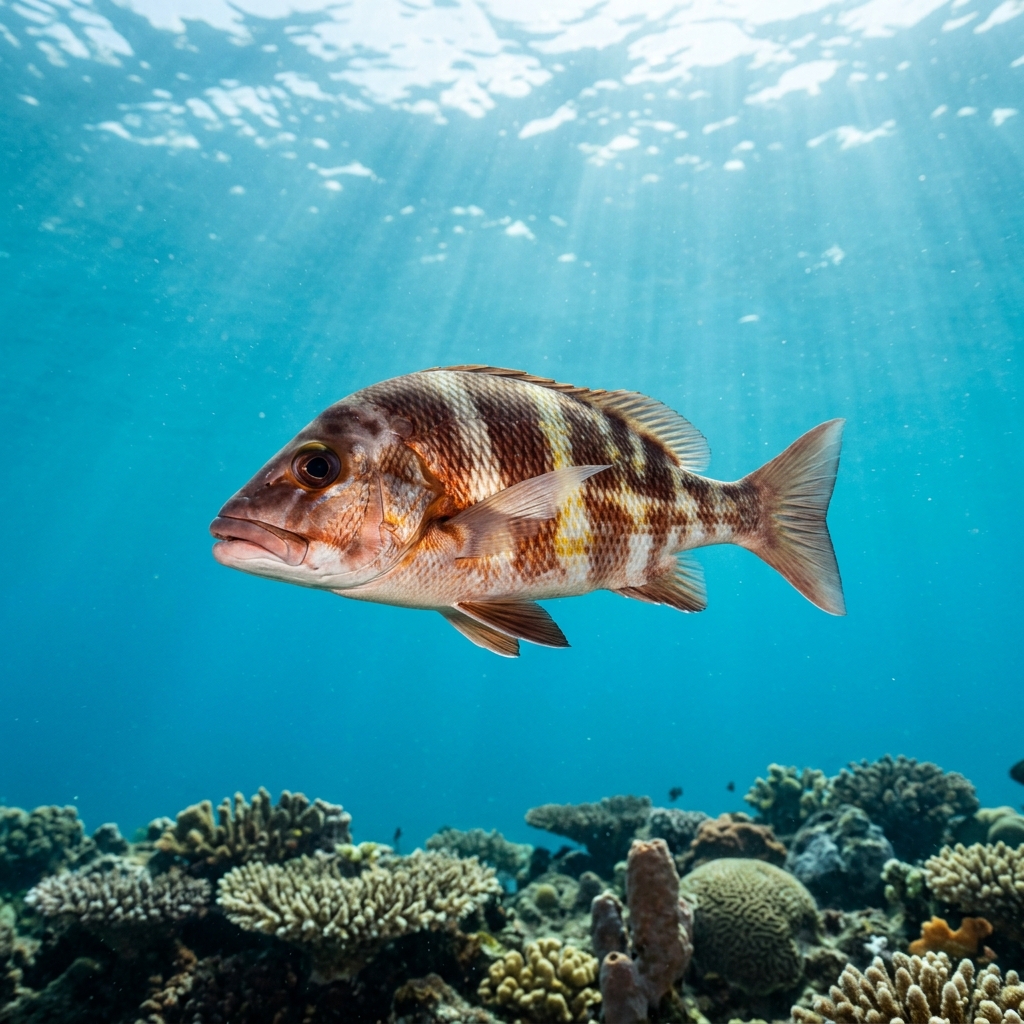
Morwongs are deep-bodied, somewhat perch-like fish with a distinctively blunt snout and thick, fleshy lips that give the face a pouting look. The elongated lower rays of the pectoral fins (the fins just behind the gills) are a family hallmark, often trailing free and finger-like as the fish rests on the bottom. Colouration varies by species, but most show grey, silver, or reddish-brown tones, sometimes with bold banding or spotting. They tend to sit still on rocky or kelp-covered reef, which makes them easy to approach but easy to overlook.
Morwongs are unhurried fish, most often seen hovering just above or resting directly on rocky reef, rubble, or kelp beds in the mid-water zone. They tend to be tolerant of divers and will hold their position if you approach slowly, making them rewarding to photograph. Individuals are commonly solitary, though some species form loose aggregations over reef structure.
Those free-tipped pectoral fin rays are not just decorative; morwongs use them to prop themselves on the reef and to feel along the bottom when foraging, functioning almost like fingers.
In the Southern Hemisphere, sightings concentrate between March and May, the austral autumn, when cooler water temperatures align with observed records. The family favours water between roughly 12 and 21 degrees Celsius, so temperate and cool sites hold them through much of the year.
Reef neighbours a diver could mistake it for. Use the identification notes above to tell them apart.
Morwongs are most commonly logged across temperate reef systems in Japan, Australia, and New Zealand, with the Izu Peninsula and Hachijojima region of Japan standing out as a particularly strong cluster of sightings. In the Southern Hemisphere, South Australia, Tasmania, and central New Zealand offer reliable encounters, and the Western Cape of South Africa rounds out the global spread. Chile and Argentina along the Patagonian coast also feature them, reflecting the family's affinity for cool, southern-latitude reefs.
Mapping where Morwong is logged…
The strongest concentrations are around Japan's Izu Peninsula, South Australia, Tasmania, central New Zealand, and the Western Cape of South Africa. Smaller populations are also recorded along the Patagonian coasts of Chile and Argentina. All of these are cool, temperate reef environments.
In the Southern Hemisphere, March through May is when sightings peak. The family is tied to cool water between about 12 and 21 degrees Celsius, so they are present on temperate reefs outside summer, and autumn tends to be the sweet spot for encounters.
Look for the blunt, pouting snout and the distinctive free-tipped lower rays of the pectoral fins, which trail away from the fin like fingers. Most morwongs are grey, silvery, or brownish and are found sitting calmly on rocky or kelp-covered reef rather than actively swimming.
Across logged dive sites, morwongs are most frequently rated as uncommon, so a sighting is a pleasant find rather than a certainty. A smaller number of sites record them as common, typically in sheltered, rocky reef areas within their core temperate range.
No. Morwongs pose no threat to divers. They are calm, slow-moving fish that typically hold their ground on the reef and can be approached with care for a close look.
Site and sighting data is aggregated from diver logs, iNaturalist and GBIF. For taxonomy and conservation status:
Magpie Perch
100 sites