Cheilodactylus fasciatus
Uncommon but reliable find on Western Cape reefs, 14-25C waters, year-round sightings for sharp-eyed divers.
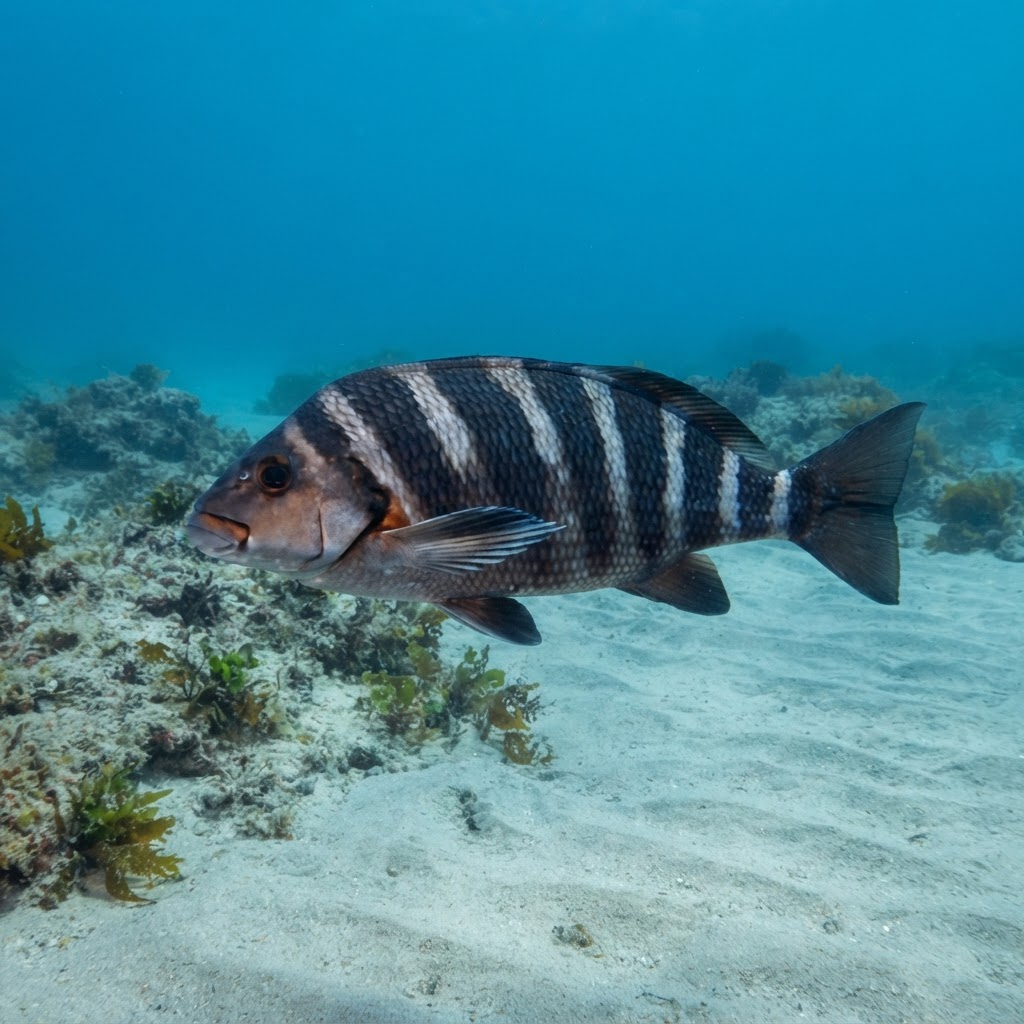
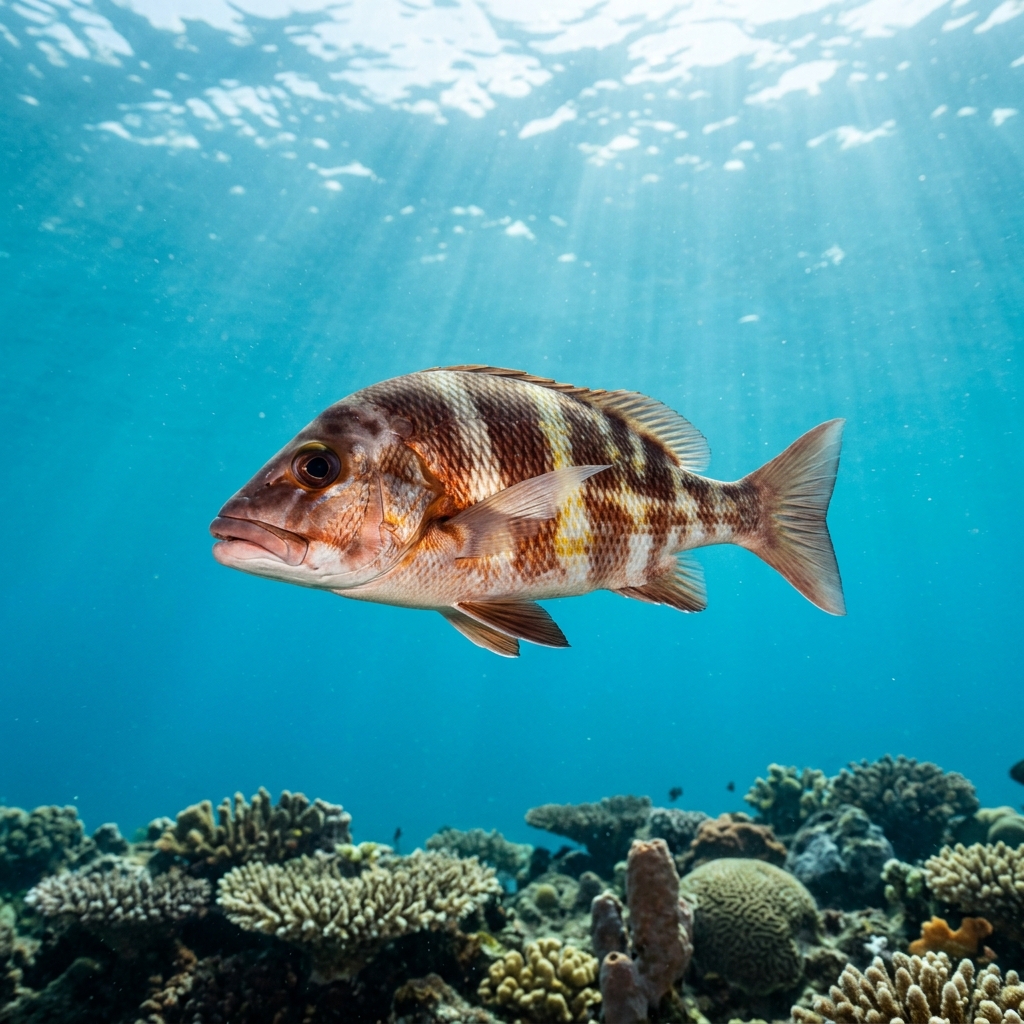
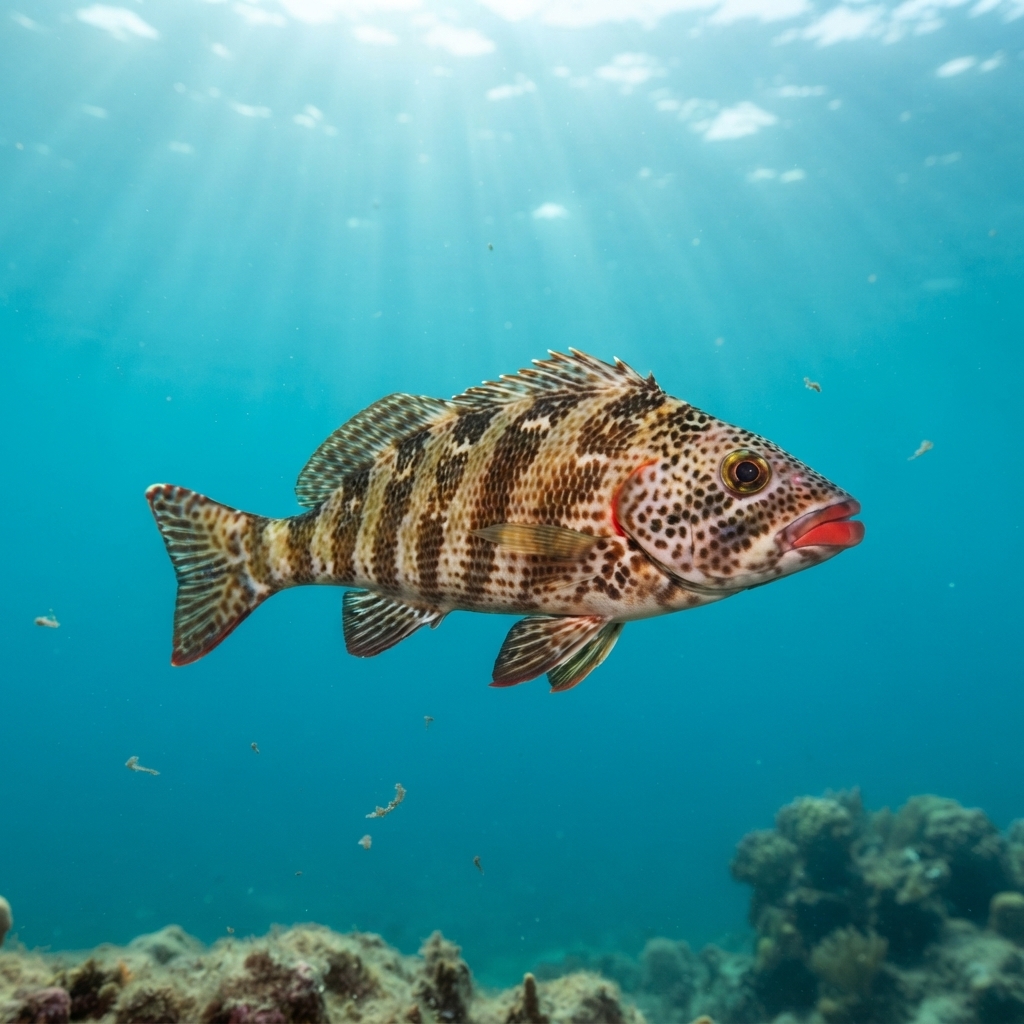
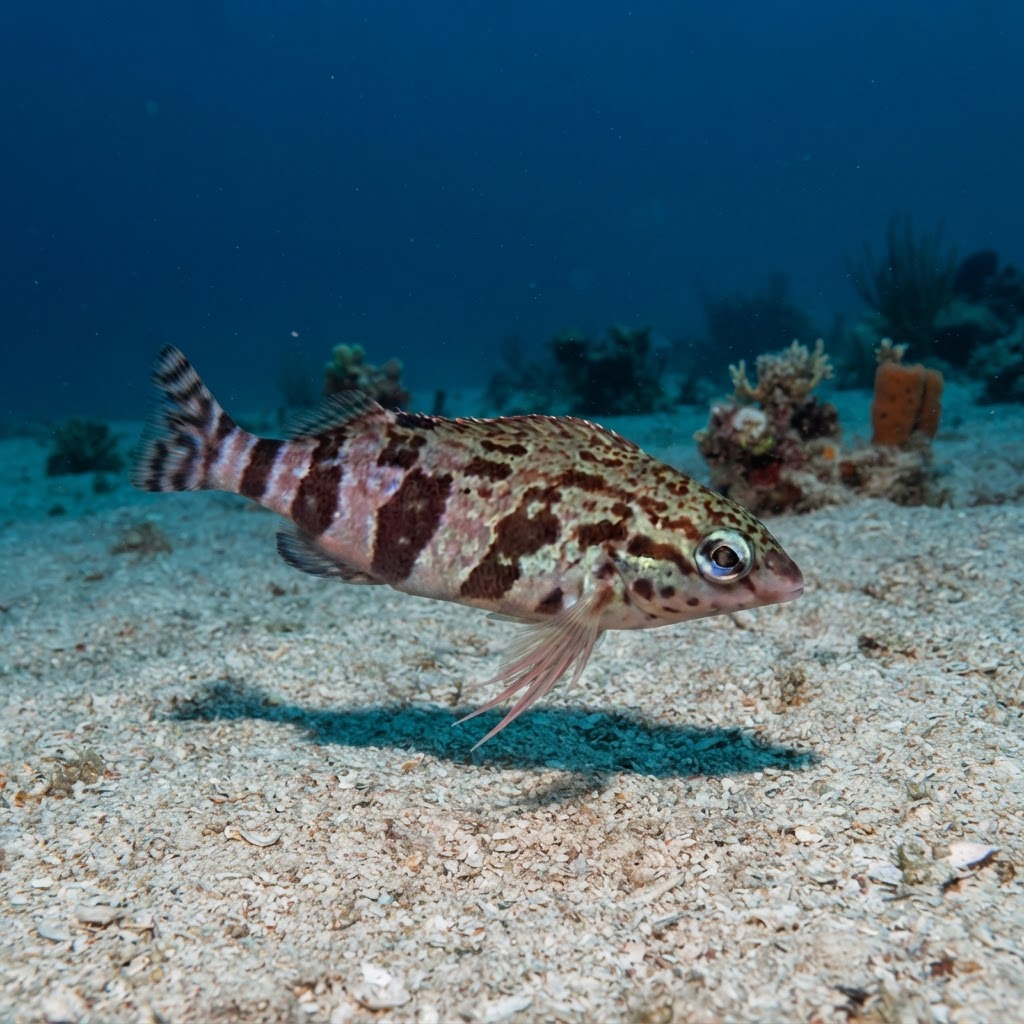
Look for a stocky, elongated fish around 21cm with a mottled reddish-brown body crossed by darker bands, usually seen sitting still on rock rather than swimming in open water. The head has a slightly humped profile and the pectoral fins are noticeably thickened at the base, which the fish uses to prop itself against the substrate. Colouring reads more brown than bright red in low light, so check the banding pattern rather than relying on colour alone.
Divers typically find it parked motionless on rock ledges or wedged into reef crevices rather than cruising the water column, using those thickened pectoral fins to brace against surge. It is generally unbothered by divers, holding its position and letting you approach for a close look before it eventually shuffles off along the rock. Most reports describe it as uncommon rather than common, so a sighting usually means a patient scan of the reef rather than a chance encounter in open water.
Its heavy, splayed pectoral fins are built less for swimming and more for gripping and steadying against rock in the surge-prone reefs of the Cape, a trait shared across the morwong family.
Sightings show no detected seasonal pattern, so treat it as a year-round find on Western Cape reefs. Its recorded temperature range of 14 to 25C covers the Cape's cooler winter and warmer summer water, which likely explains the lack of a tight season.
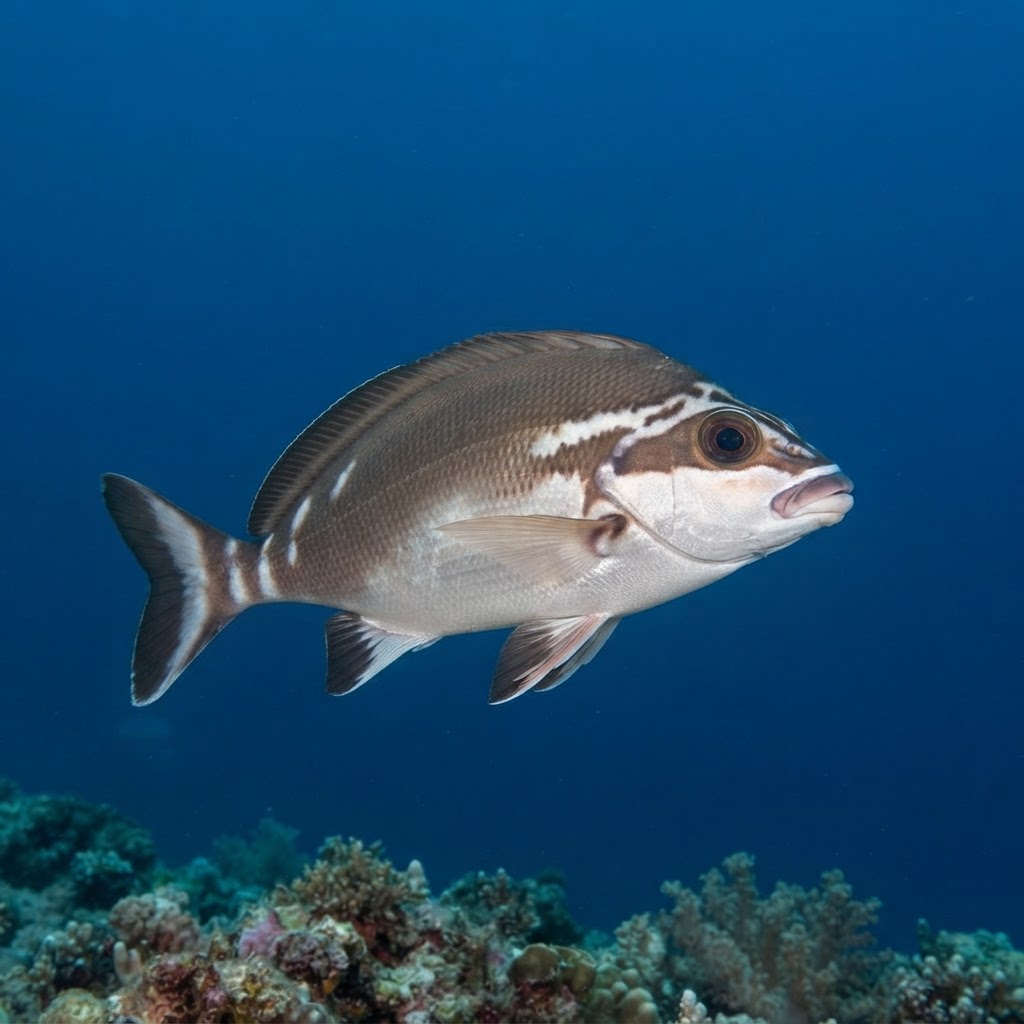
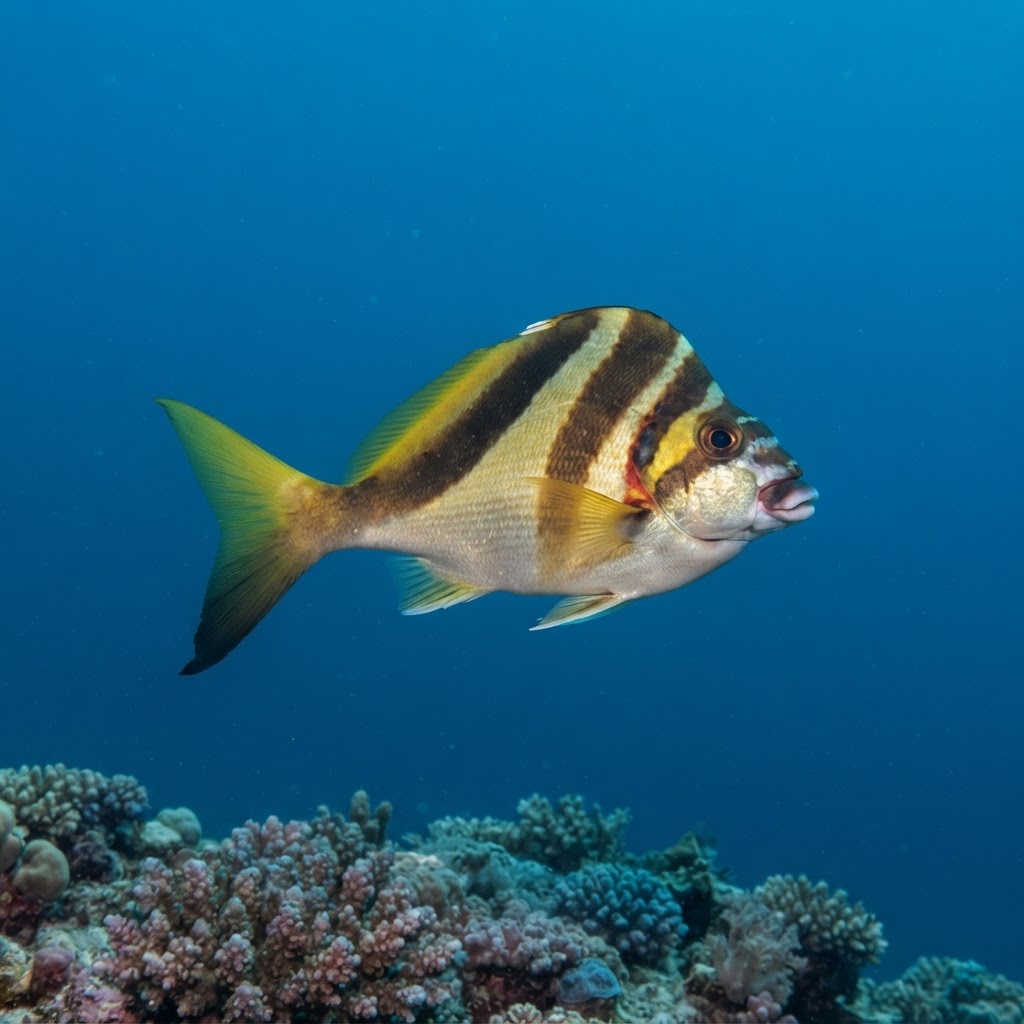
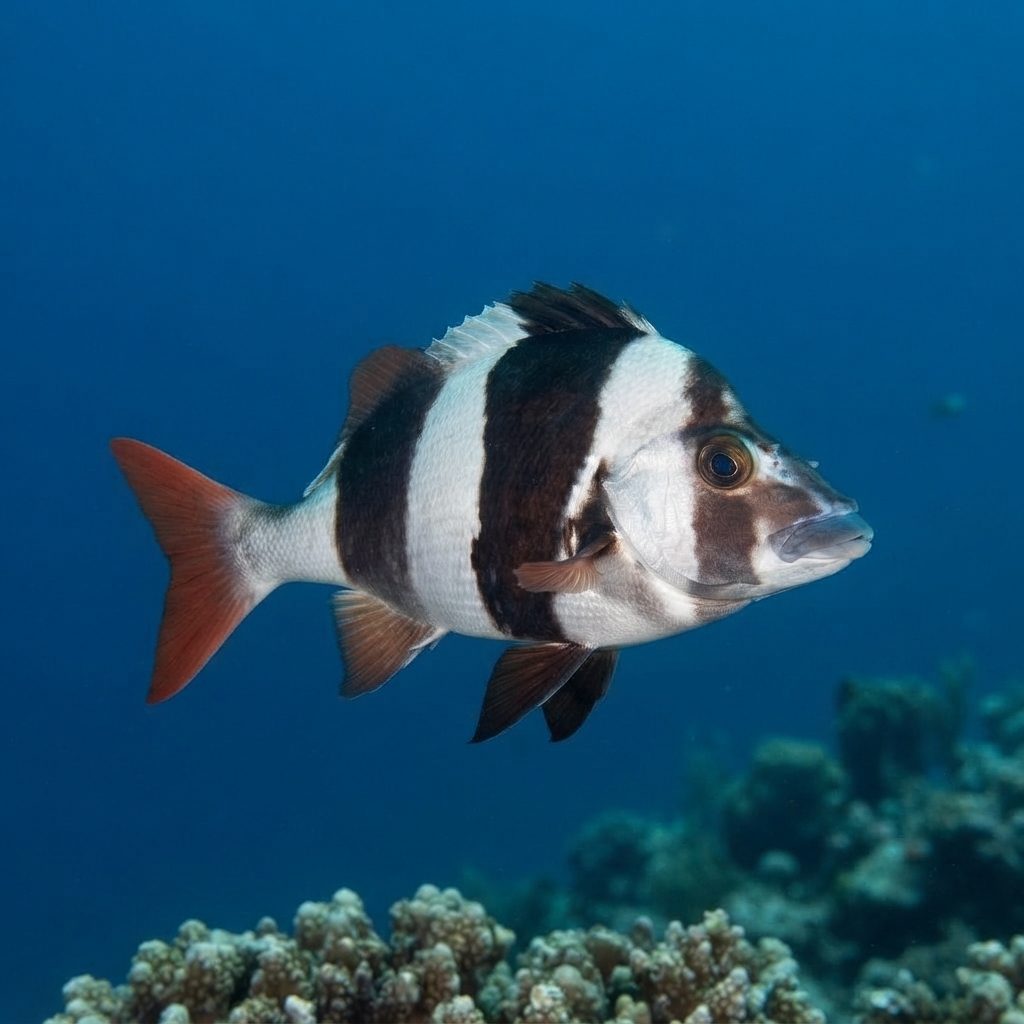
Reef neighbours a diver could mistake it for. Use the identification notes above to tell them apart.
This is a Western Cape speciality, logged consistently across dive sites in South Africa and nowhere else in meaningful numbers. If you are diving Cape Town and the surrounding Western Cape reefs, it is one of the demersal (bottom-dwelling) fish worth scanning ledges and rocky reef for.
Mapping where Redfingers is logged…
They are most reliably found on rocky reefs in South Africa's Western Cape, particularly around Cape Town's dive sites. Data outside this region is too sparse to call it a target species anywhere else.
There is no strong seasonal pattern, so they turn up year-round on Western Cape reefs. Their comfort across a wide 14 to 25C range likely means they are present whatever the water temperature is doing.
Look for a stocky reddish-brown fish around 21cm long, banded rather than solid-coloured, resting still on rock ledges instead of swimming freely. The thickened pectoral fin bases used to brace against the reef are a useful giveaway.
They typically reach around 21cm in length, a modest reef fish size that keeps them easy to overlook against rock and kelp.
No, they pose no danger to divers. They are calm, bottom-resting fish that tolerate close approach without any defensive behaviour.
Site and sighting data is aggregated from diver logs, iNaturalist and GBIF. For taxonomy and conservation status:
Crested Morwong
172 sites