Morwong ephippium
Uncommon but findable on North Island, New Zealand reefs in 14-20C water: here's how to spot a Painted Moki underwater.
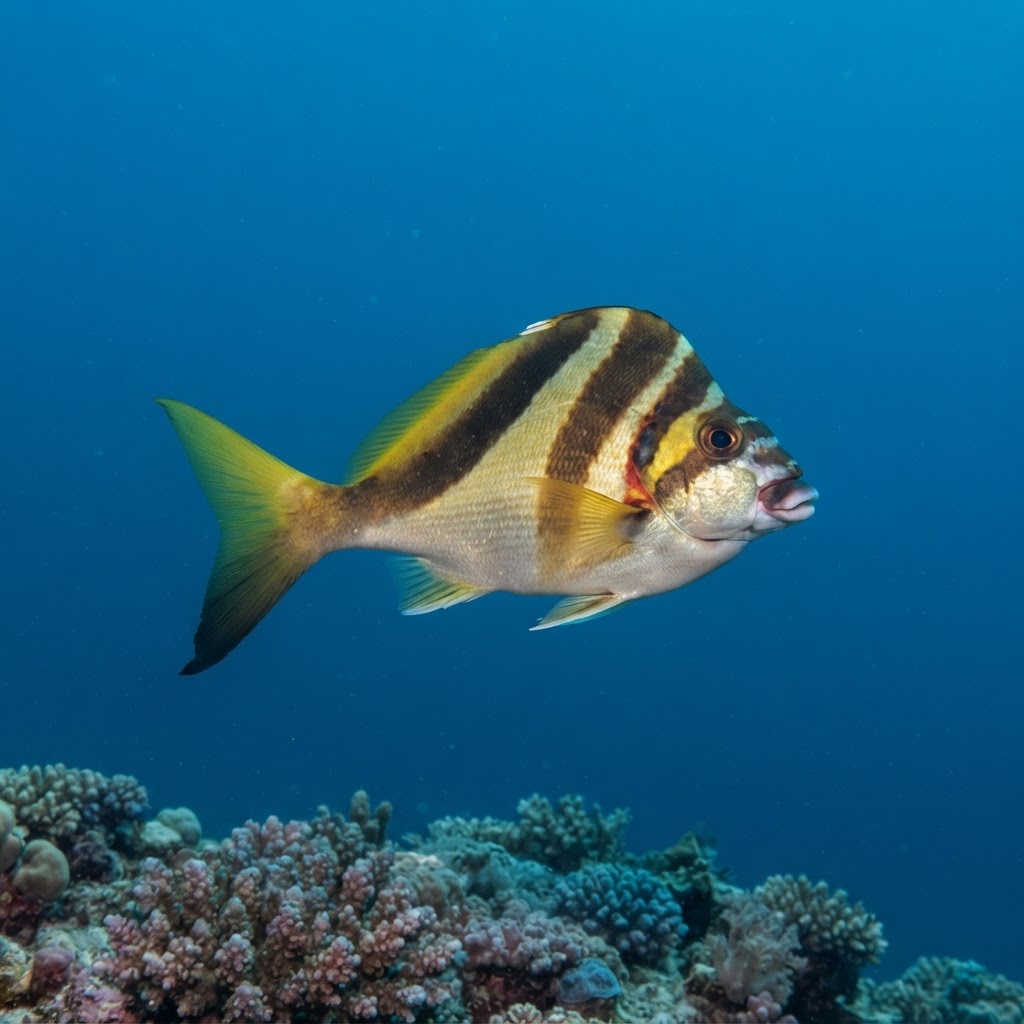
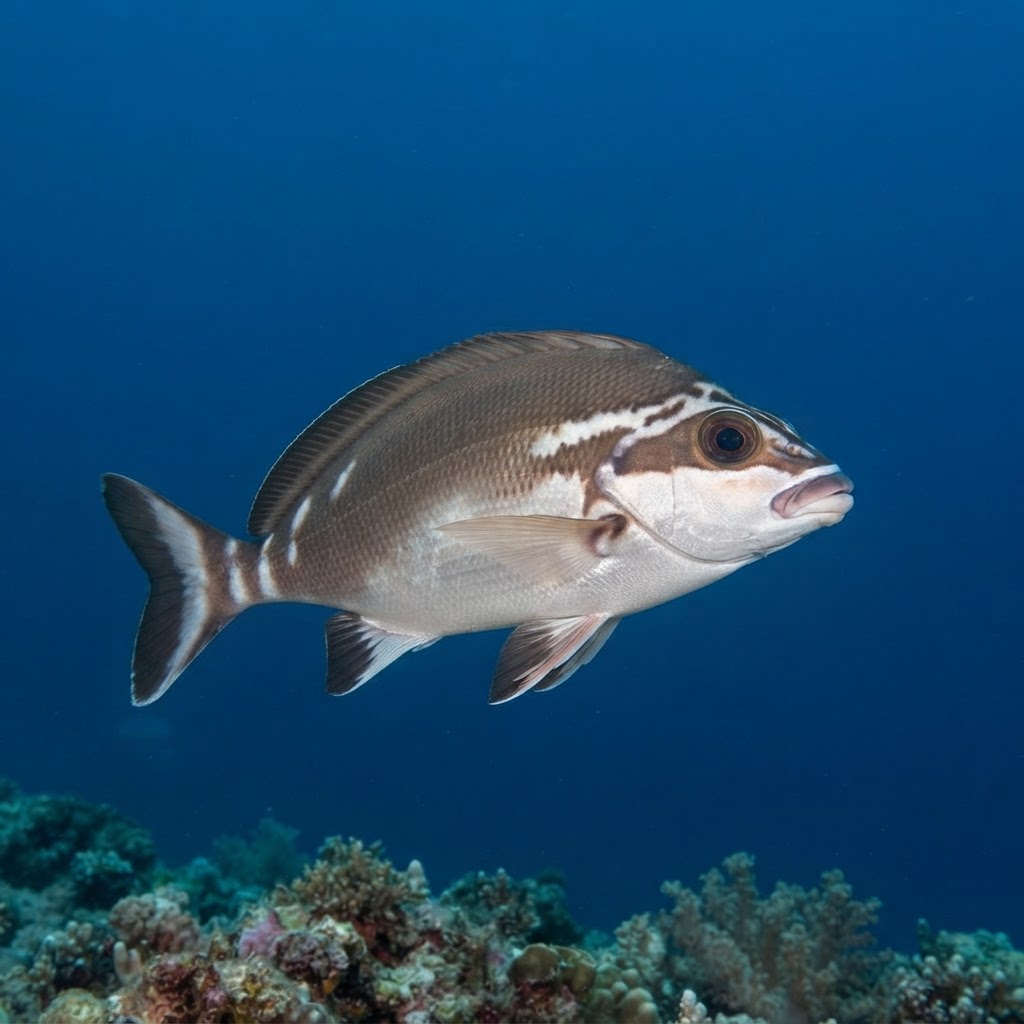
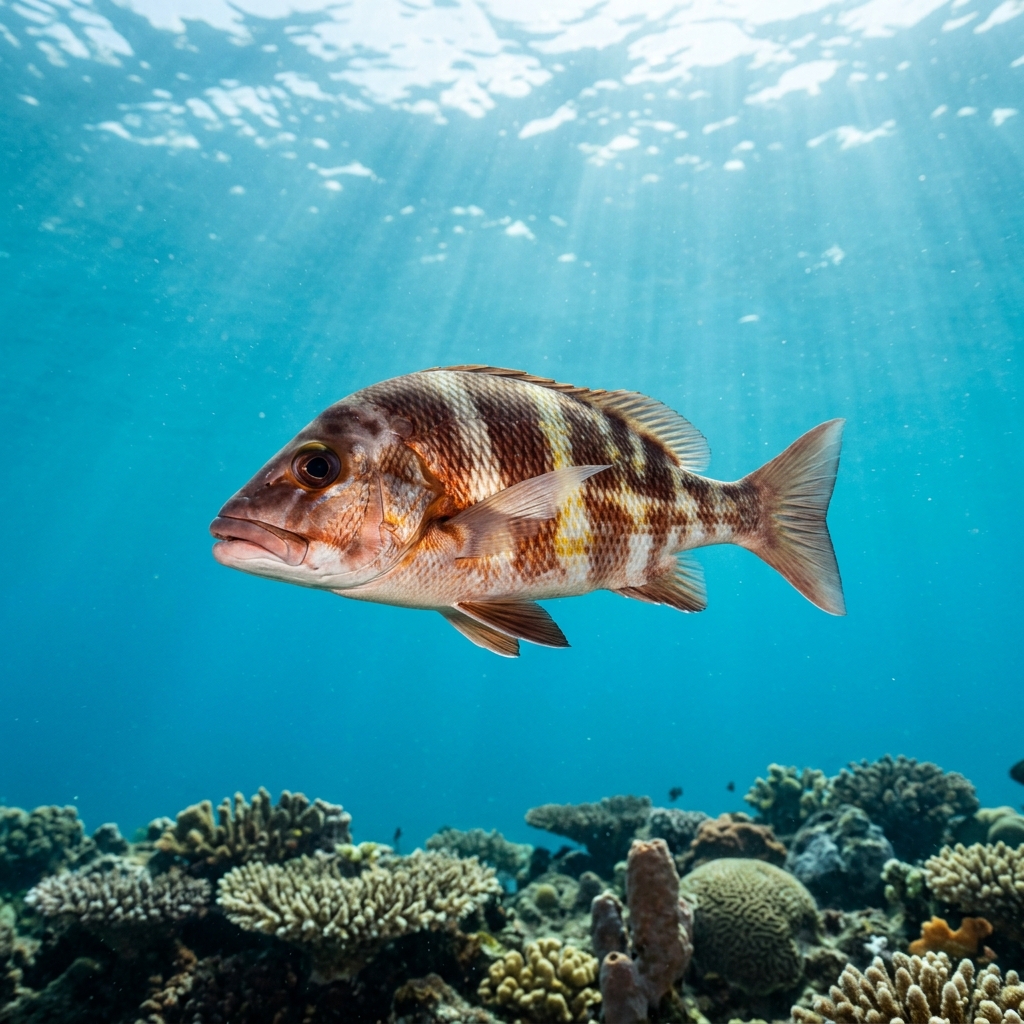
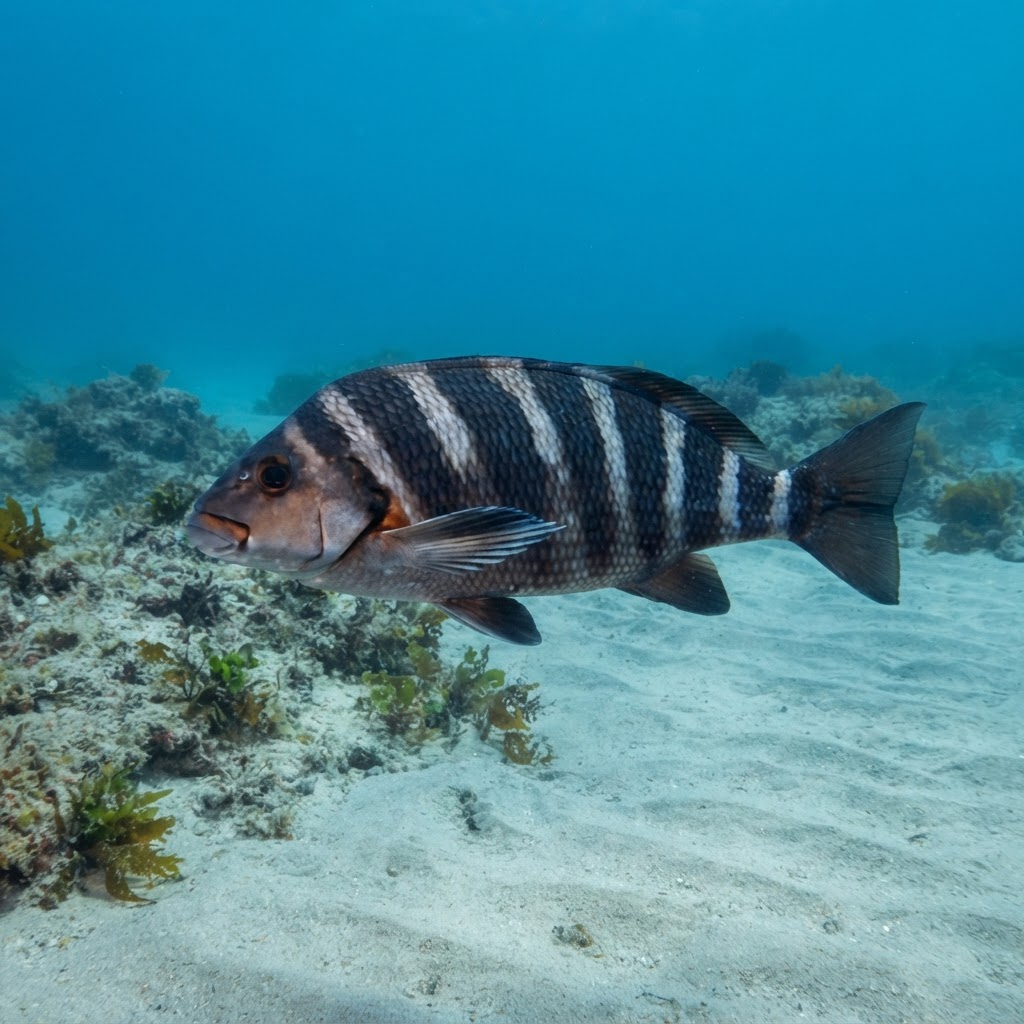
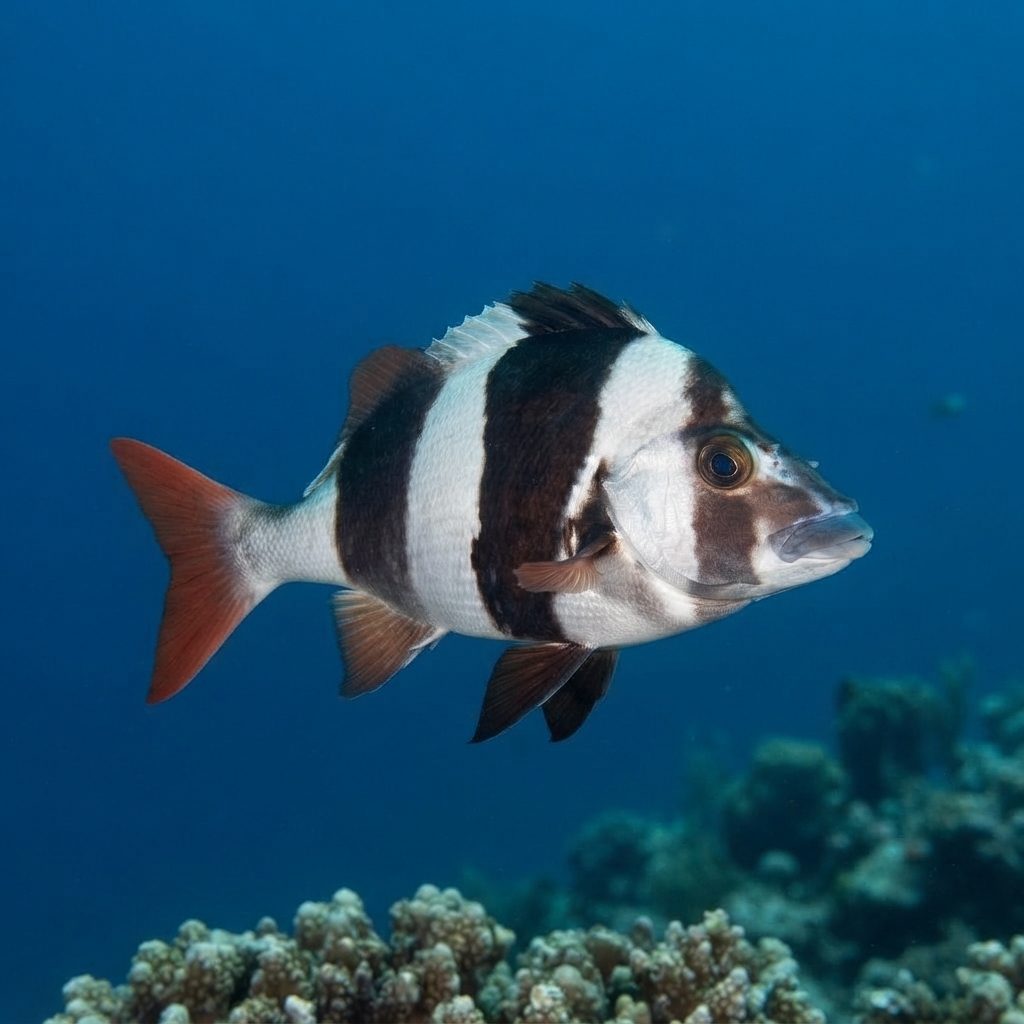
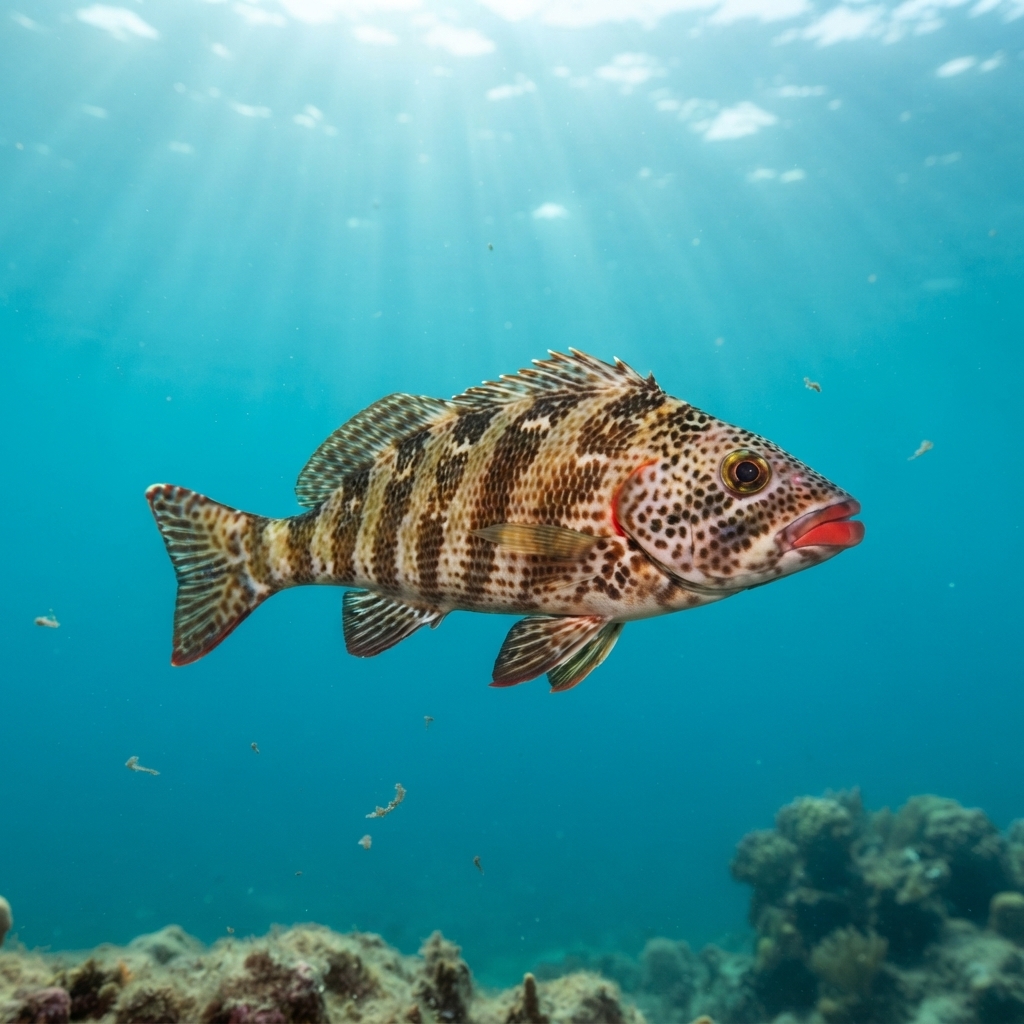
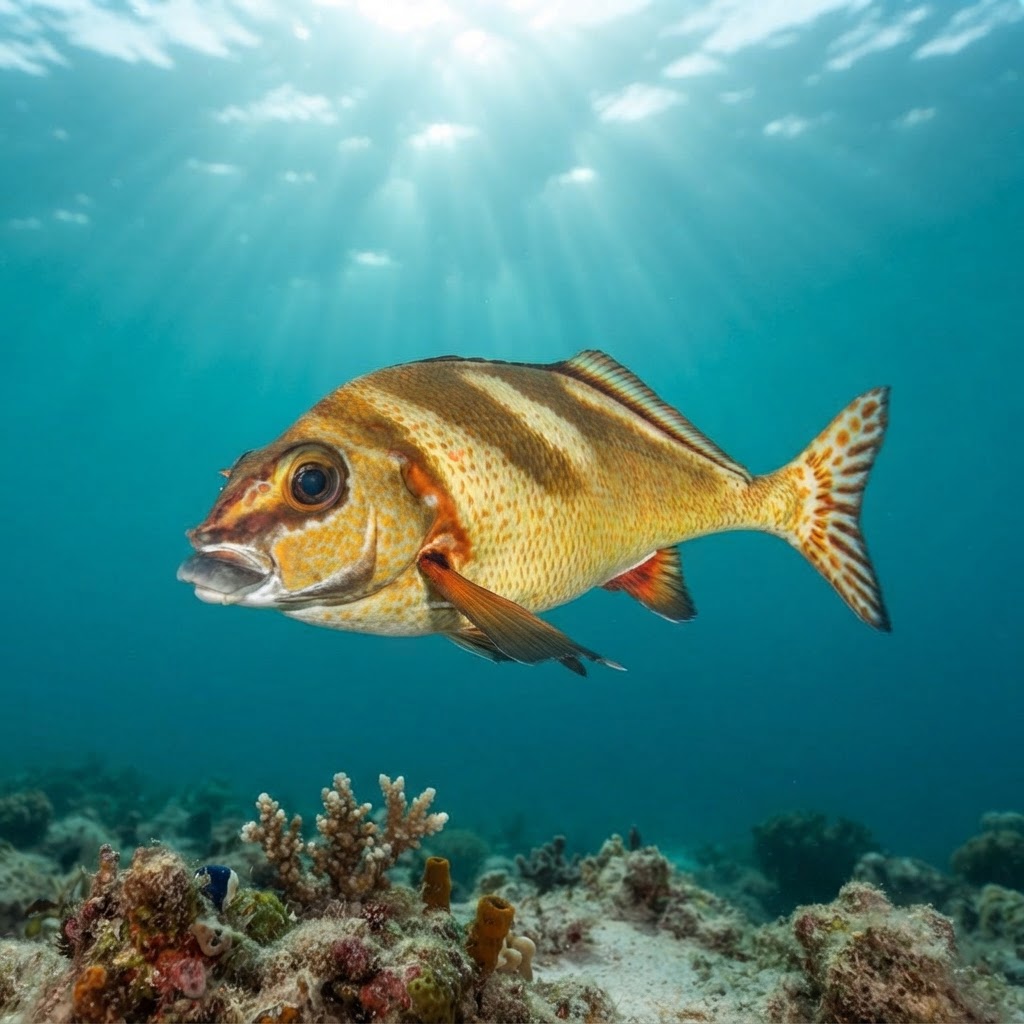
A small, thickset reef fish reaching around 14 cm, with a mottled brown-and-cream body that blends into rocky reef and rubble. Look for the blunt head, downturned mouth suited to picking food off the substrate, and faint darker blotching along the flanks rather than bold stripes. It sits low against rock and reef edges rather than swimming in open water, which is often the first clue you have found one.
Divers typically find it hovering close to rock crevices and reef structure rather than out in open water, often tucked against a ledge or ledge shadow. It tends to hold its position when approached slowly rather than bolting, making it a patient subject for a careful diver rather than a chase.
It belongs to the morwong family (Latridae), a temperate reef group most divers in New Zealand and southern Australia will already recognise from related species on the same reefs.
Sightings are logged year-round with no clear seasonal peak, consistent with a temperate reef fish comfortable across its observed 13.8 to 20.3C range. Plan around water temperature and site conditions rather than a specific month.
Reef neighbours a diver could mistake it for. Use the identification notes above to tell them apart.
Most reliably logged around North Island, New Zealand, which accounts for the bulk of recorded sightings, with additional records from New South Wales in Australia and a single site on Norfolk Island. Divers doing temperate reef and rocky-reef dives in these regions have the best odds of a sighting.
Mapping where Painted Moki is logged…
Most sightings come from North Island, New Zealand, with further records from New South Wales in Australia and one site on Norfolk Island. It favours temperate rocky reef habitat over tropical coral reef settings.
There is no strong seasonal pattern in the sightings, so it is considered a year-round find within its 13.8 to 20.3C temperature niche. Dive when conditions and visibility suit you rather than chasing a season.
Look for a small, thickset fish around 14 cm with a mottled brown and cream body that camouflages against rock and rubble. It has a blunt head and sits low near reef structure rather than swimming in open water.
It is a small reef fish, typically around 14 cm in length, easy to overlook against a mottled rocky background.
No, it poses no danger to divers. It is a small, non-aggressive reef fish that tends to hold its ground rather than flee or defend itself against divers.
Site and sighting data is aggregated from diver logs, iNaturalist and GBIF. For taxonomy and conservation status:
Crested Morwong
172 sites