Chirodactylus jessicalenorum
Endemic to KwaZulu-Natal reefs at 18.6-23.9C, the Natal Fingerfin is an uncommon find worth knowing how to spot.
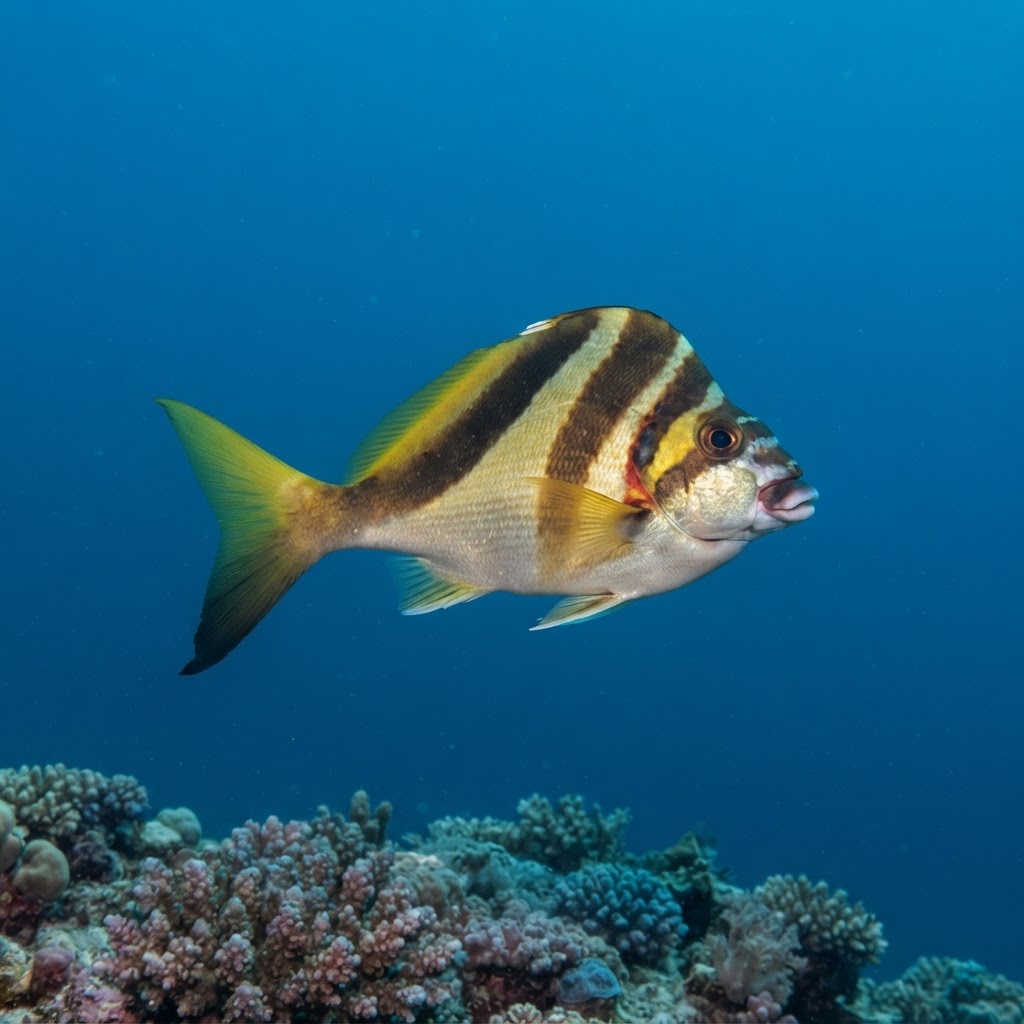
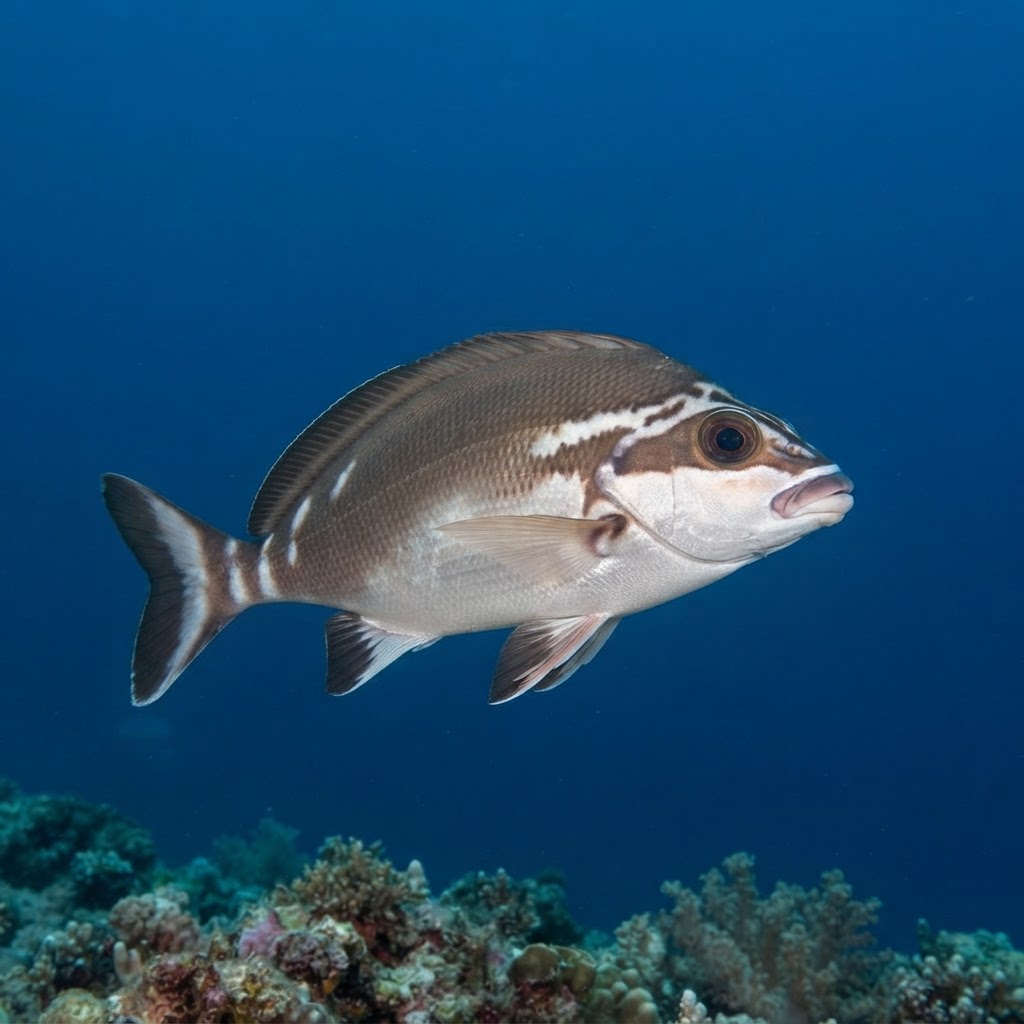
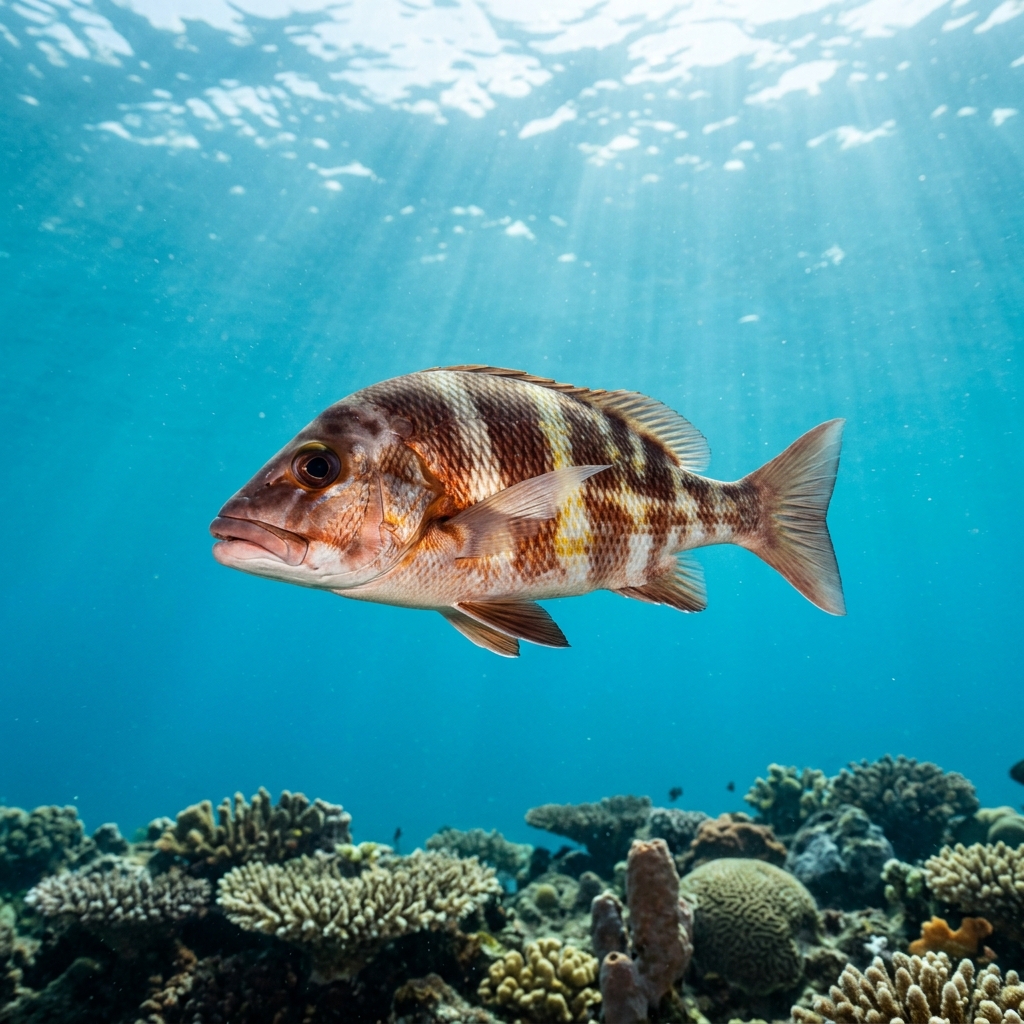
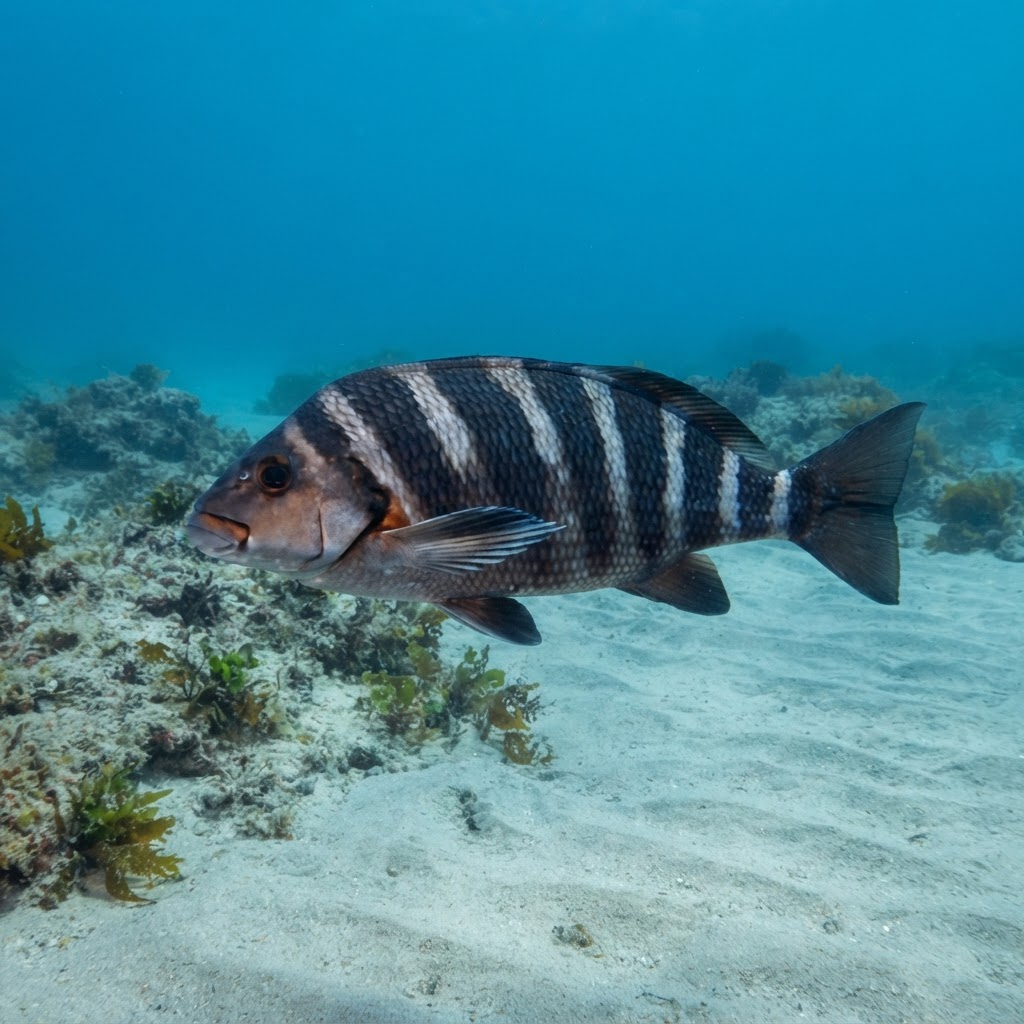
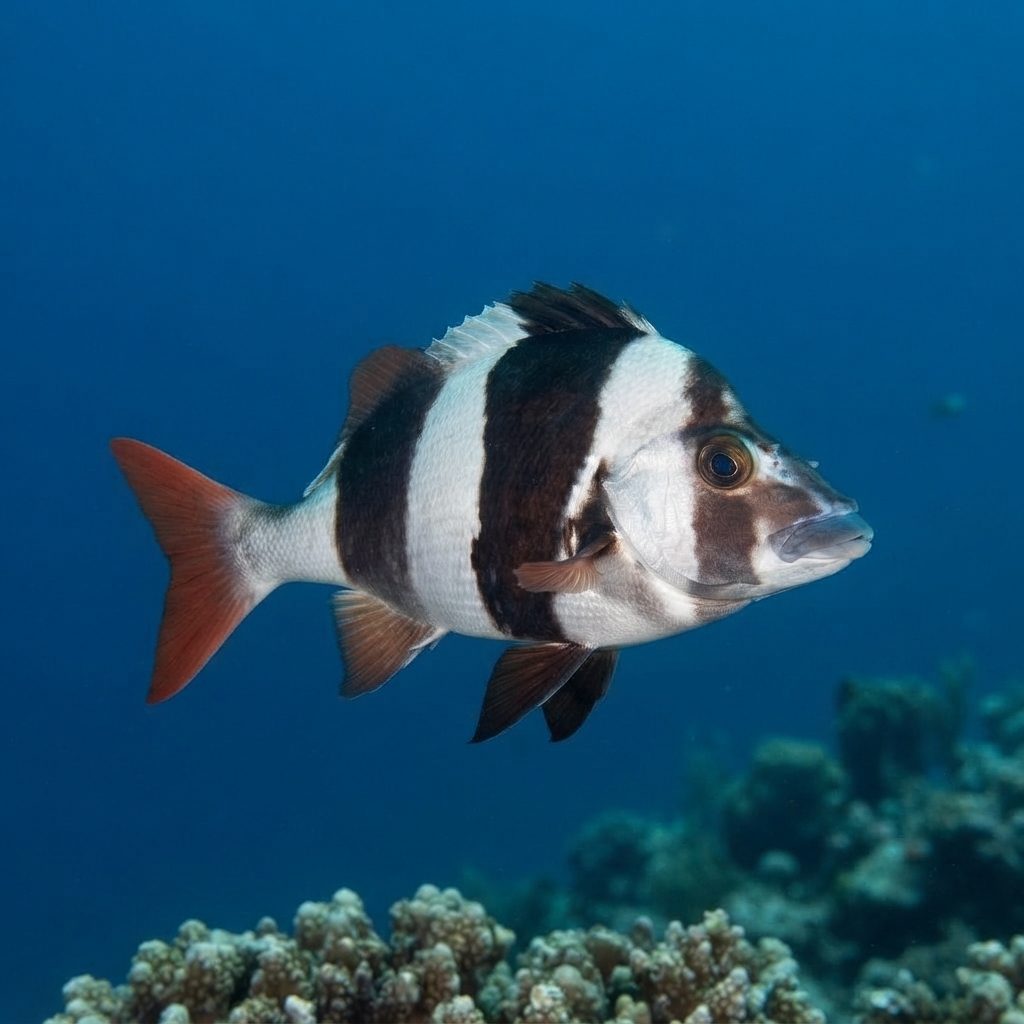
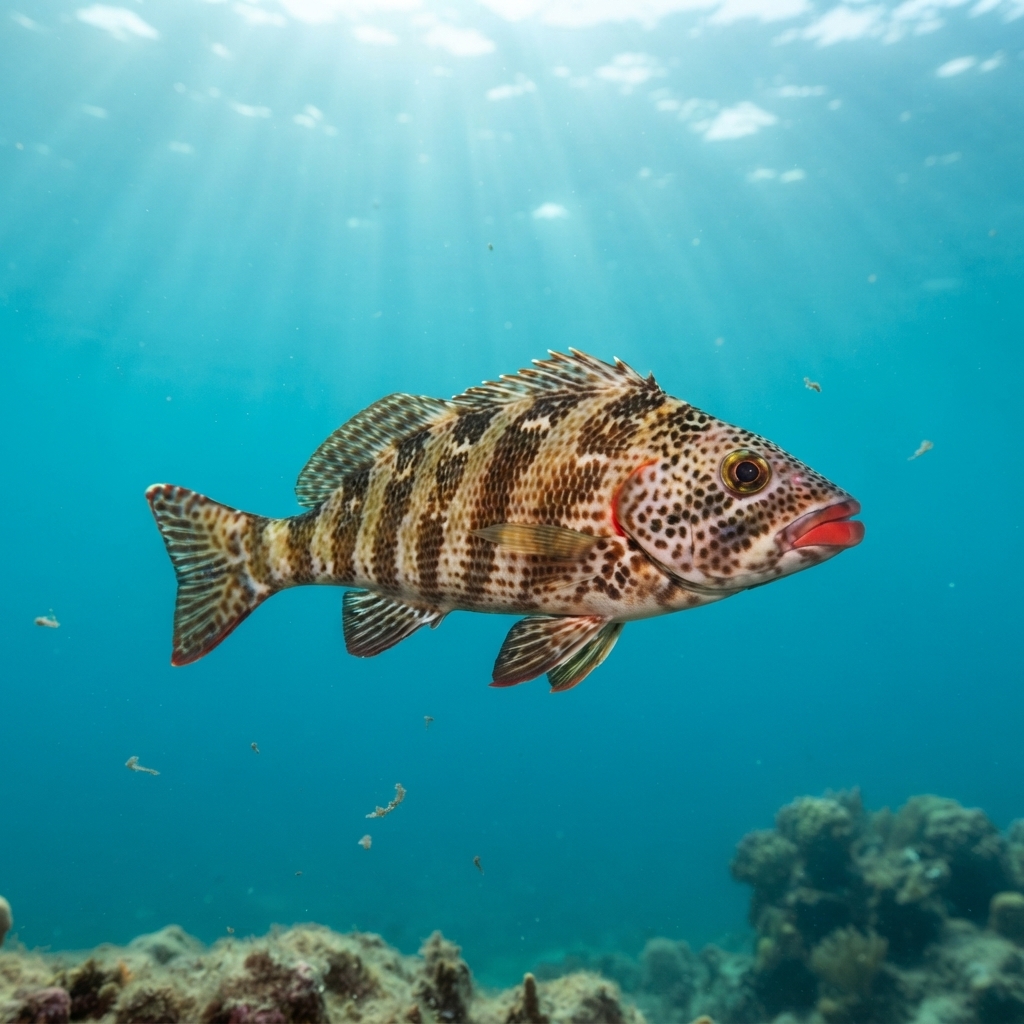
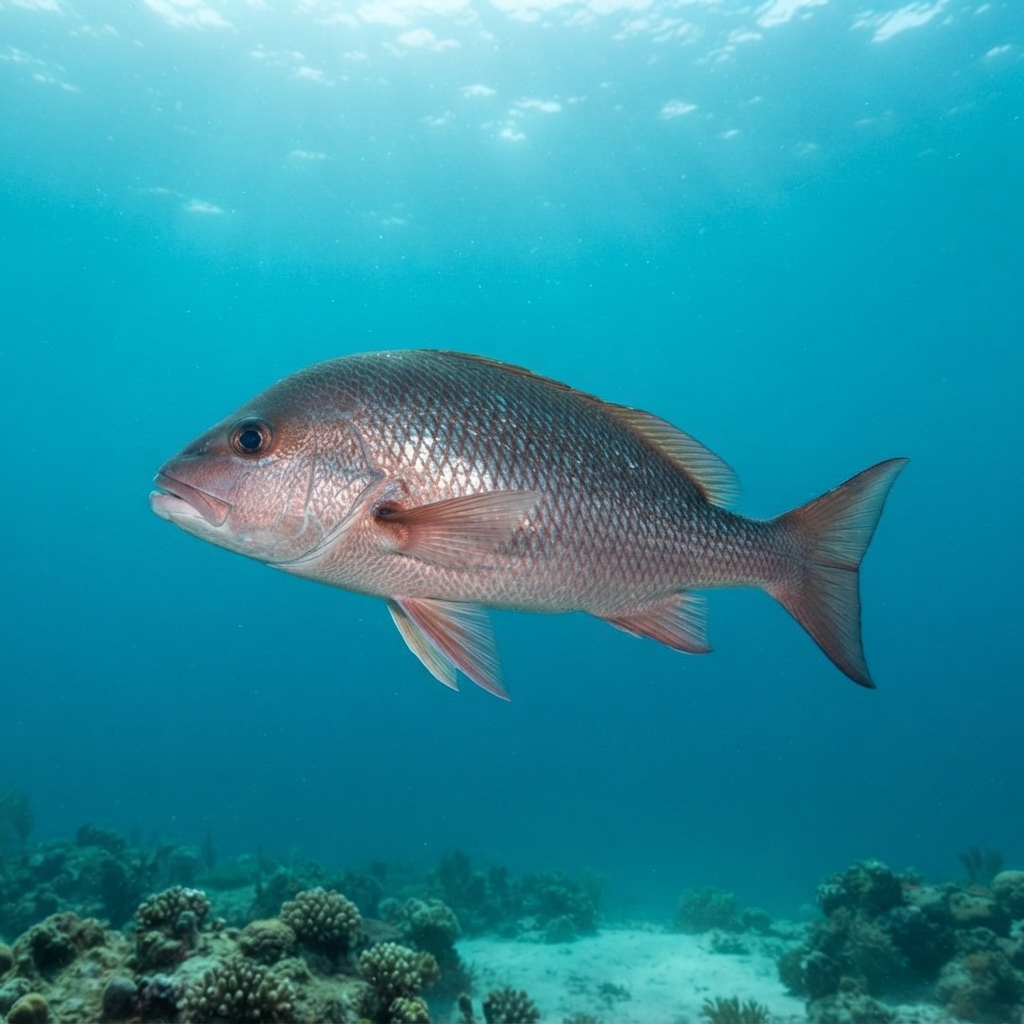
Grows to around 35 cm, with a stocky, slightly flattened body in mottled grey-brown tones that blend into rocky reef. The standout feature is the fingerfin family trademark: several long, free-standing rays trailing off the lower pectoral fins, almost like fingers feeling along the substrate. It tends to sit low and still against rock rather than swimming in open water, which is often the first clue you're looking at a fingerfin rather than another reef fish.
Divers typically find it holding close to rocky reef structure, using those trailing fin rays to probe crevices and the reef surface rather than cruising in the water column. It's an uncommon sighting even at the sites where it occurs, so patient, slow reef scanning near rock and ledge features gives you the best odds. It doesn't show strong avoidance of divers, but its low-key, reef-hugging habit means it's easy to swim past without noticing.
The long, separated lower pectoral rays that give fingerfins their name are thought to work as tactile feelers, helping the fish sense prey and terrain on the reef surface as it moves close to the substrate.
Sightings don't show a clear seasonal pattern, and the recorded temperature range of 18.6 to 23.9C spans much of the year on KwaZulu-Natal reefs, so it's reasonable to look for it whenever you're diving there.
Reef neighbours a diver could mistake it for. Use the identification notes above to tell them apart.
This one is a KwaZulu-Natal speciality, logged at reef sites along that stretch of the South African coast and nowhere else in the current data. If you're diving temperate reefs in this region, it's worth checking rocky ledges and reef structure rather than open sand or coral.
Mapping where Natal Fingerfin is logged…
It's recorded specifically on reefs in KwaZulu-Natal, South Africa, making it a regional speciality rather than a fish you'll encounter on tropical reef trips elsewhere.
There's no strong seasonal pattern in sighting data, and its temperature niche of roughly 18.6 to 23.9C covers much of the year on KwaZulu-Natal reefs, so it can turn up on any dive there.
Look for a grey-brown, mottled body around 35 cm long resting close to rocky reef, with long, separated fin rays trailing from the lower pectoral fins. It sits low against structure rather than swimming freely in open water.
They reach around 35 cm in length, a solid mid-size reef fish rather than a small or particularly large species.
Its lower pectoral fins carry long, finger-like rays that separate from the rest of the fin, likely used to feel along the reef surface for food, a feature shared across the fingerfin family.
No, it poses no risk to divers. It's a shy, reef-associated fish with no venomous spines or aggressive behaviour to worry about.
Site and sighting data is aggregated from diver logs, iNaturalist and GBIF. For taxonomy and conservation status:
Crested Morwong
172 sites