Nemadactylus macropterus
A rare, silver-grey reef fish found on cool-water reefs in Tasmania and New Zealand's North Island, best spotted in 11-16C water.
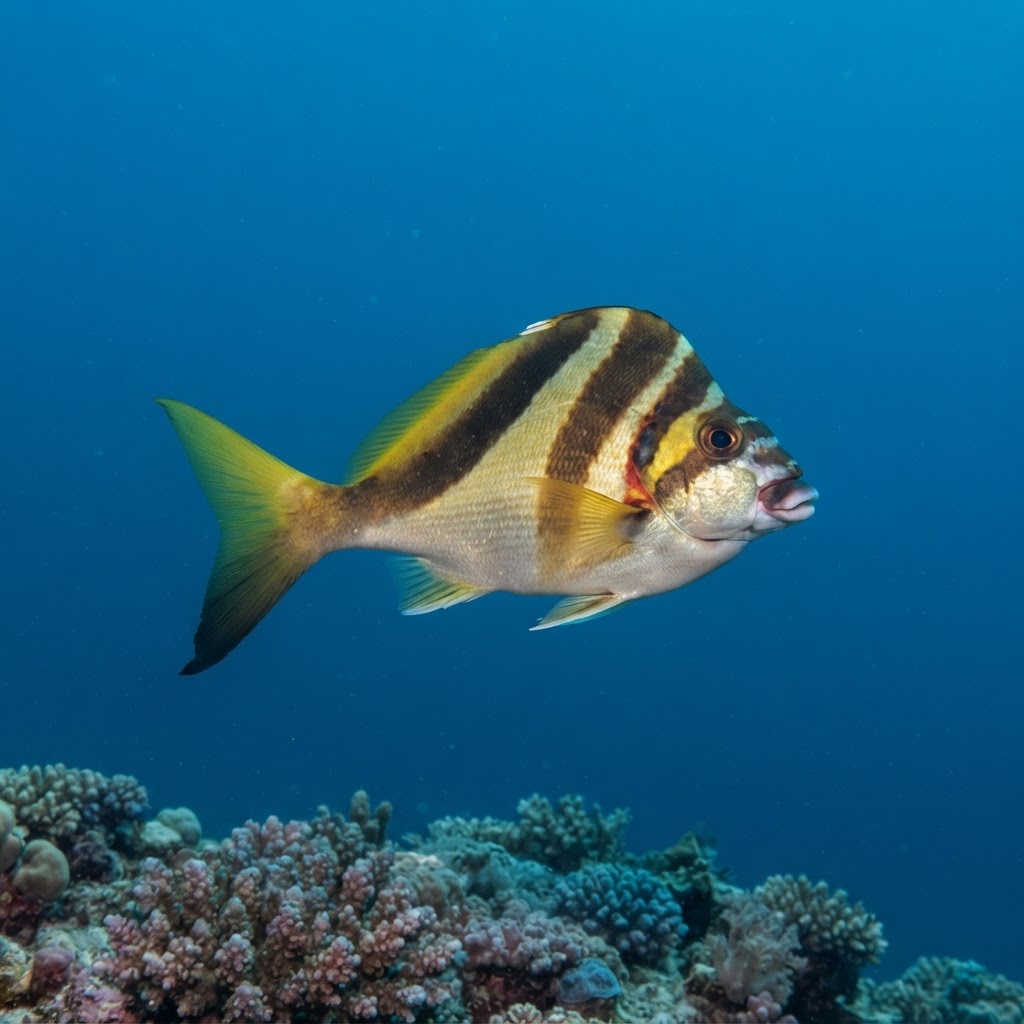
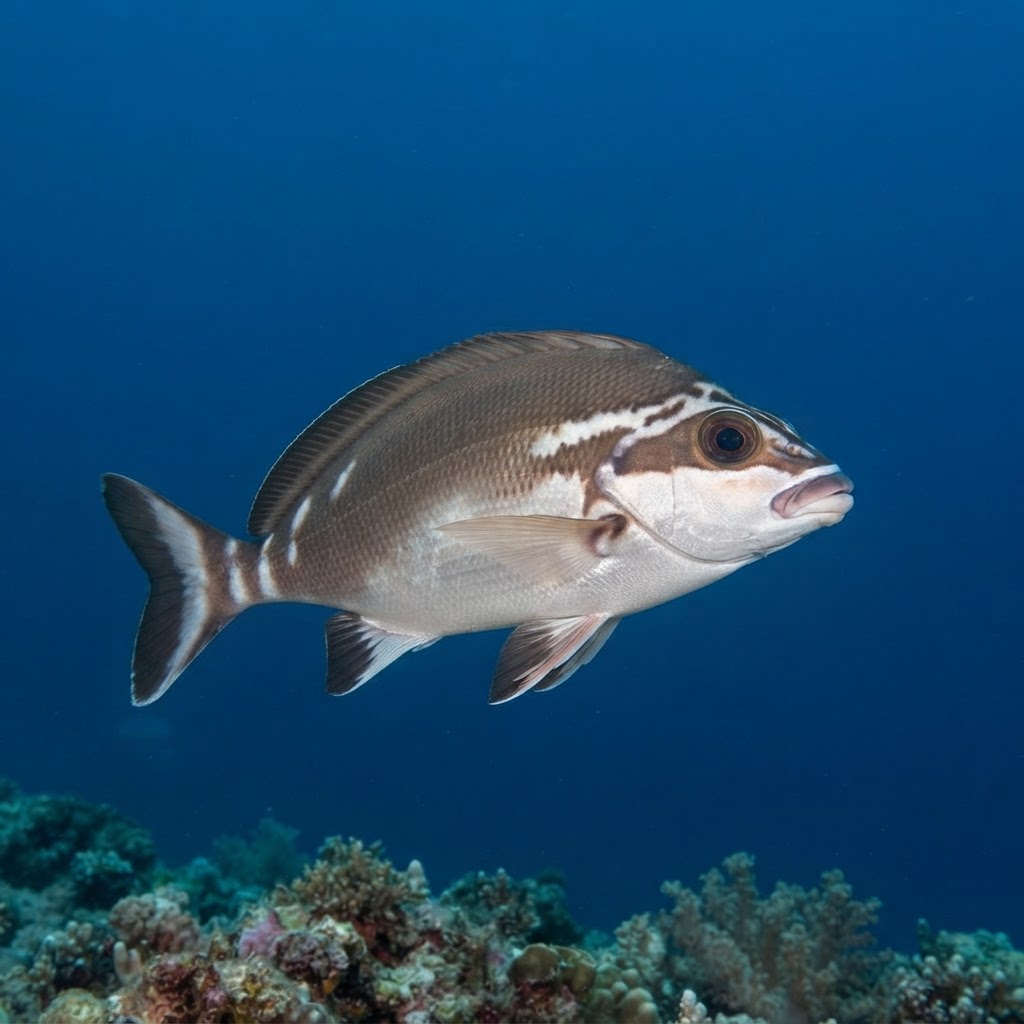
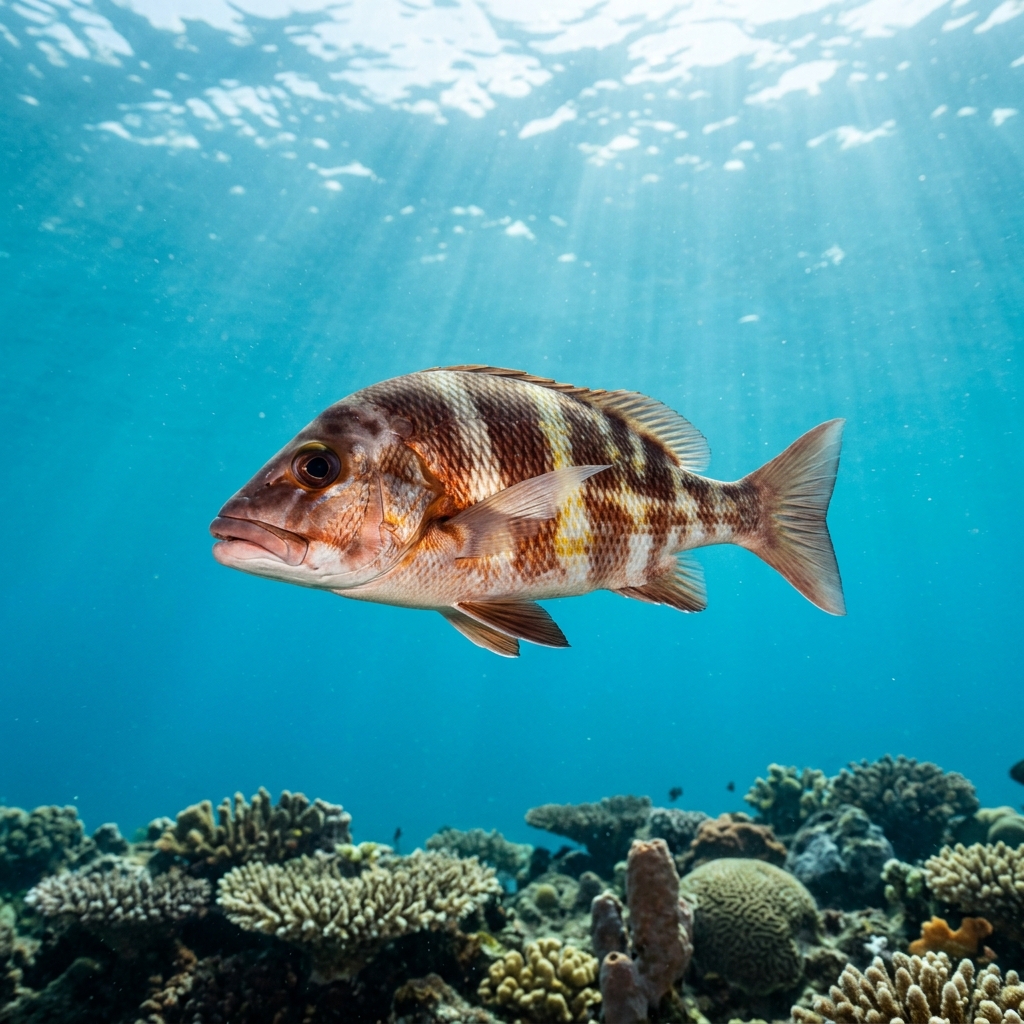
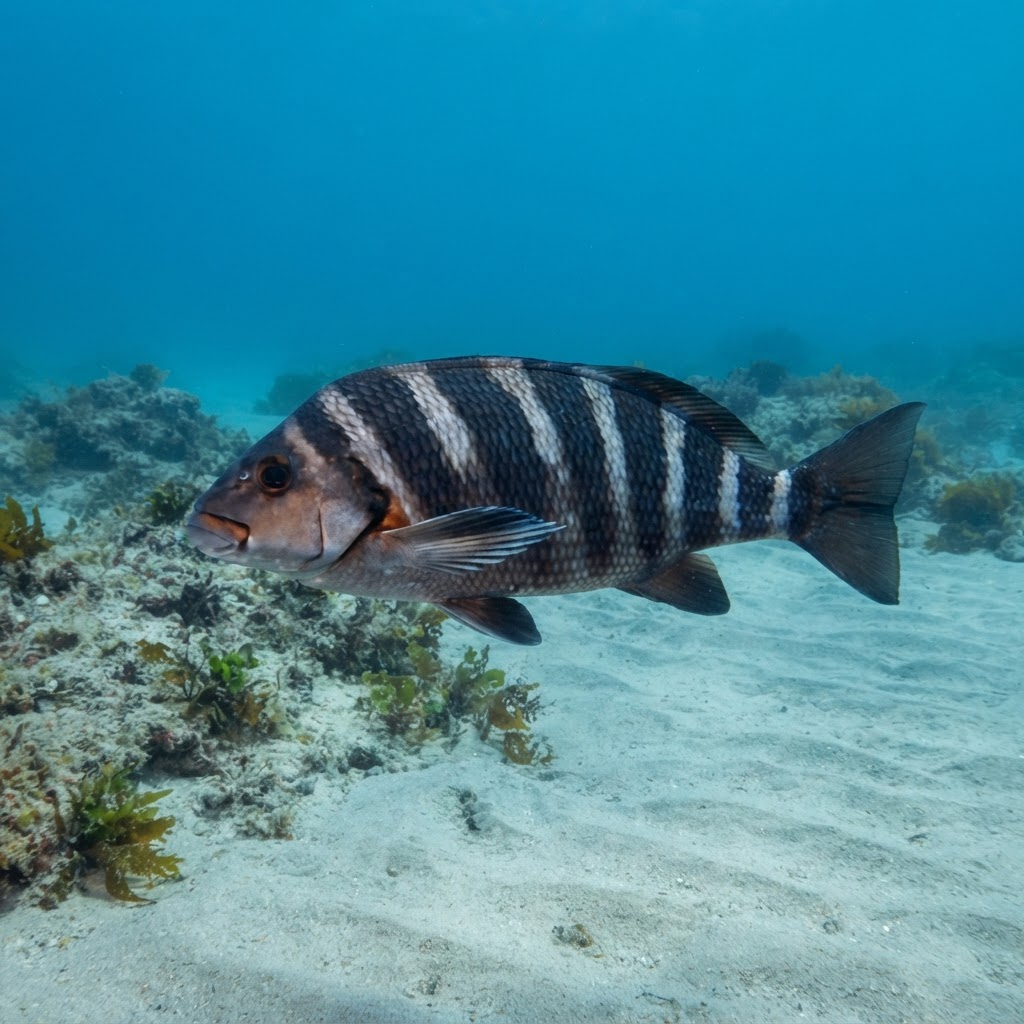
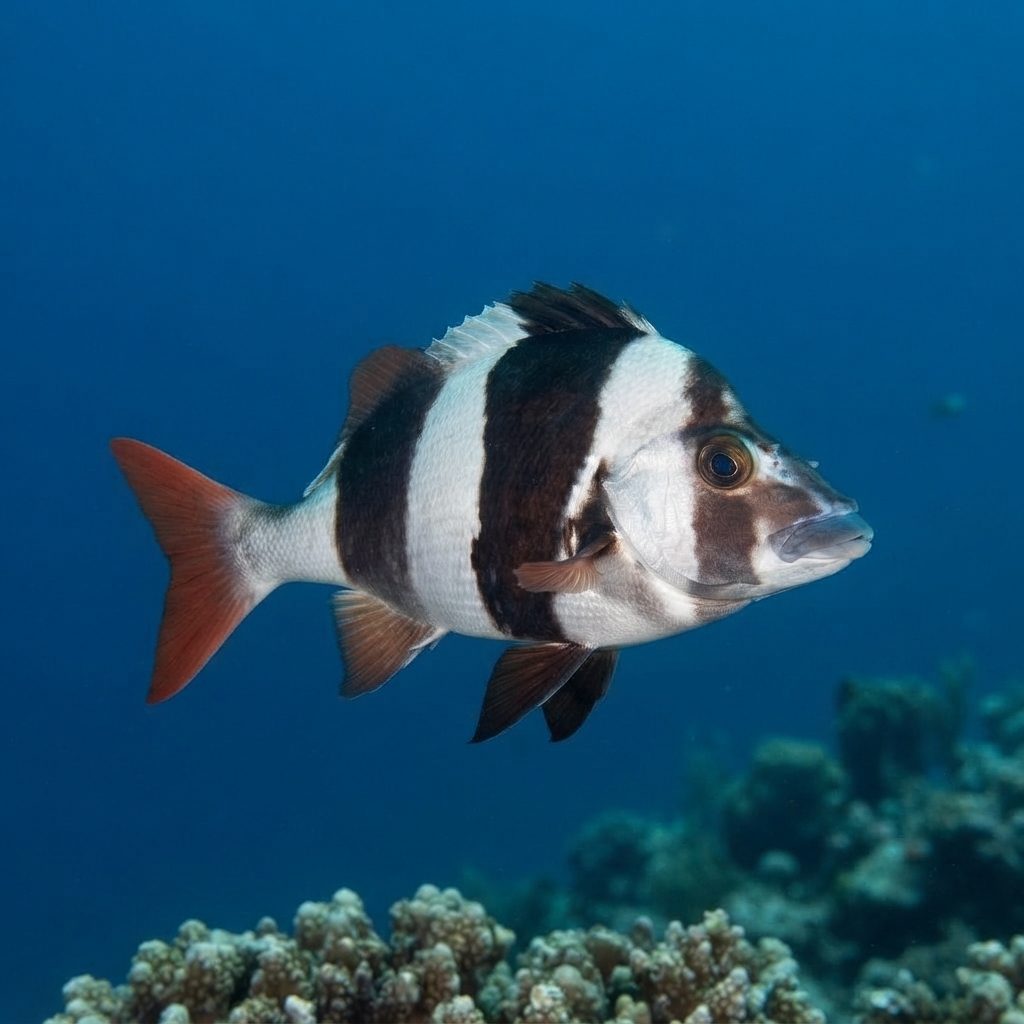
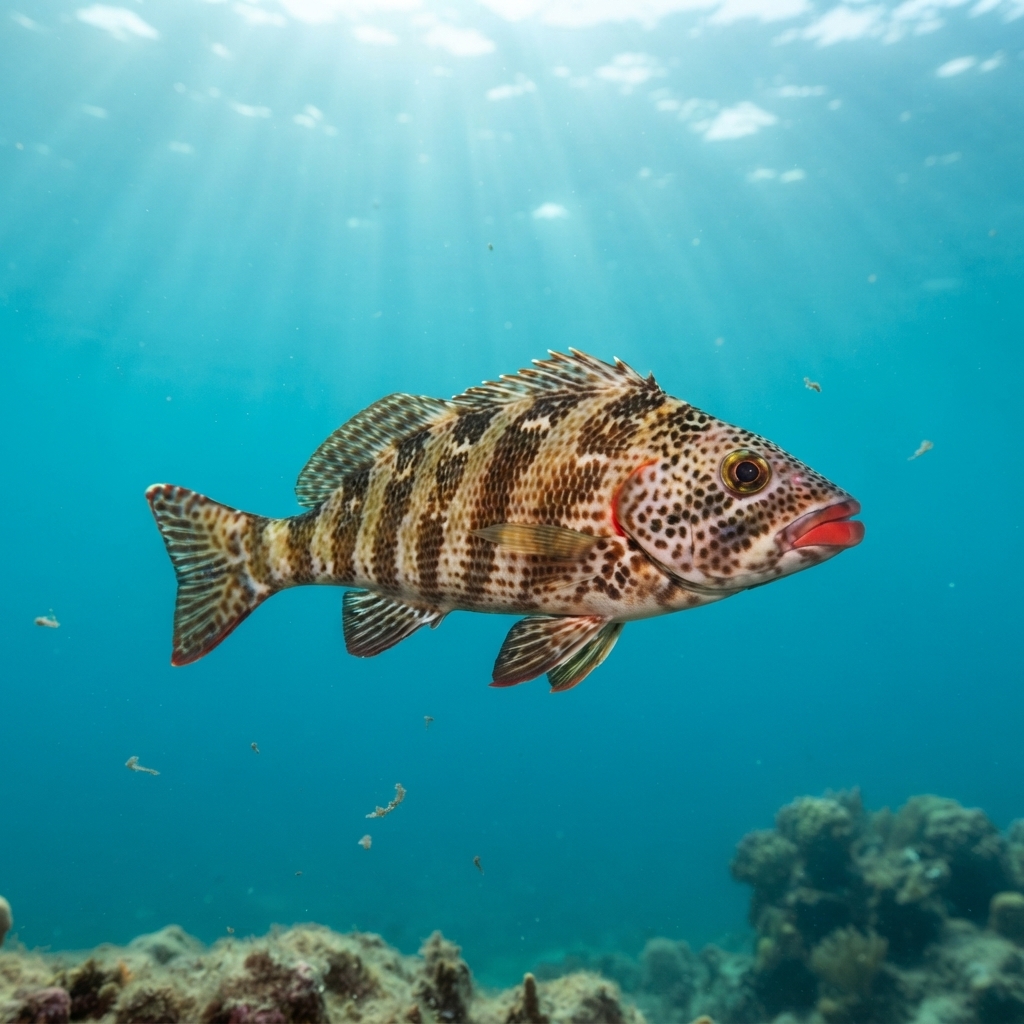
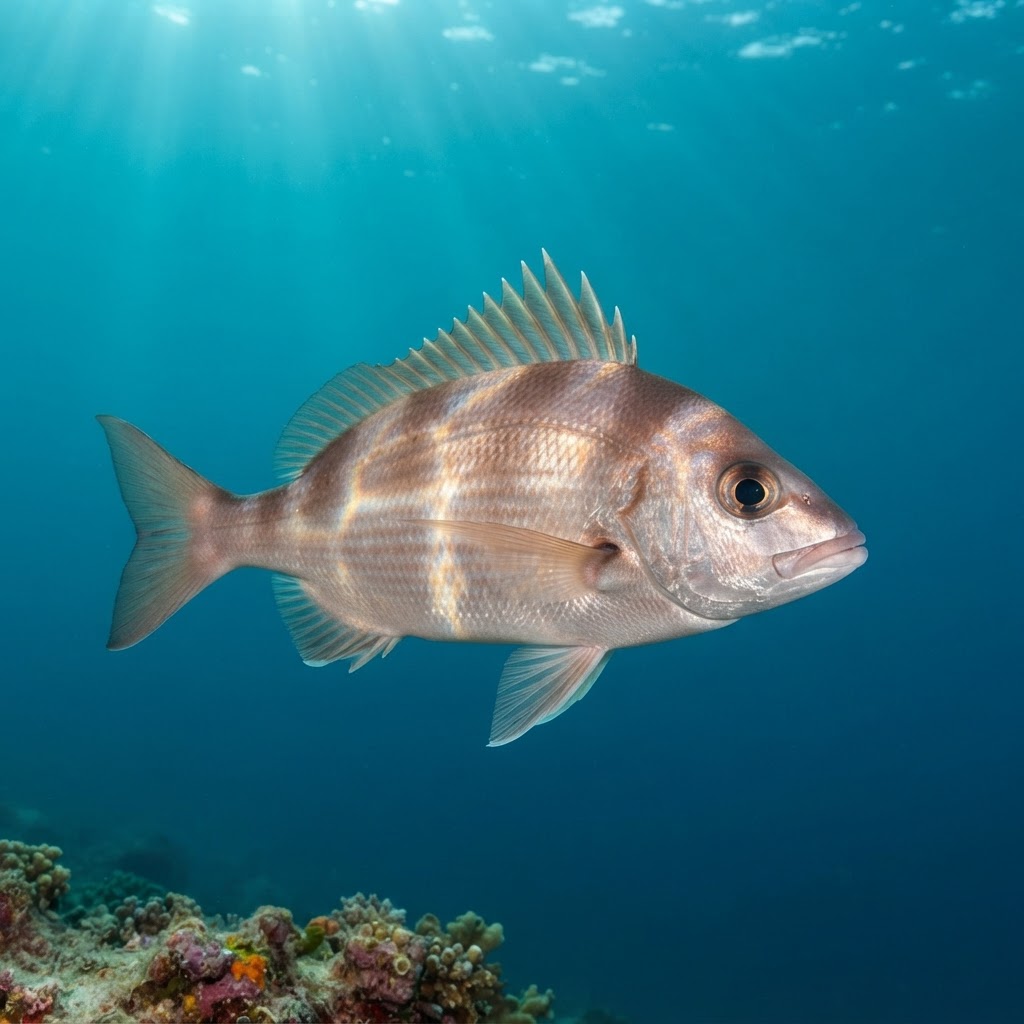
Look for a deep-bodied, silvery-grey fish around 49 cm long with a distinctly humped forehead profile and a dark saddle-like blotch near the base of the tail. The long, trailing filament on the front dorsal fin is a useful giveaway once you spot it swaying as the fish moves. It usually holds a horizontal, mid-water posture over reef structure rather than hugging the bottom like many temperate reef species.
Divers typically log it holding steady over reef structure or drifting just above the substrate rather than darting for cover, though at most sites it's logged as rare to uncommon so encounters tend to be brief and opportunistic. It doesn't school tightly like some reef fish, so expect single fish or loose small groups rather than a wall of them. Keep a normal, unhurried approach and it tends to hold its position rather than bolt.
This species undertakes real long-distance movements between Australian and New Zealand waters as part of its life cycle, which is part of why it turns up as a scattered, low-density sighting rather than a resident reef fixture at most dive sites.
Sightings don't show a clear seasonal pattern, so treat it as a year-round possibility on the reefs where it occurs. Its comfort range of 11.1 to 16.0 C lines up with the cool water that persists through much of the year in Tasmania and North Island, New Zealand.
Reef neighbours a diver could mistake it for. Use the identification notes above to tell them apart.
Most reliably logged in Tasmania, Australia, with a further cluster of sightings around North Island, New Zealand. Both regions offer cool temperate reef habitat that matches this species' narrow temperature niche, and it's worth treating any single sighting as a bonus rather than a guarantee given how thinly it's reported even there.
Mapping where Jackass Morwong is logged…
The most consistent sightings come from Tasmania in Australia and North Island in New Zealand, both areas of cool temperate reef. Outside these regions it's rarely logged by divers.
There's no strong seasonal signal in diver sightings, so it's considered a year-round possibility. It favours cool water between roughly 11 and 16 C, which is typical of Tasmania and North Island for much of the year.
Check for a silvery-grey, deep-bodied fish about half a metre long with a humped forehead and a dark blotch near the tail base. A trailing filament on the front dorsal fin is the clincher if you can get a clear look.
They typically reach around 49 cm in length, making them a solid mid-sized presence on temperate reefs rather than a small reef fish.
No, they pose no danger to divers and are simply calm, slow-moving reef fish to observe from a normal distance.
Not really: it's logged as rare at most sites and uncommon at the rest, so seeing one is a real highlight rather than a given, even in Tasmania or North Island.
Site and sighting data is aggregated from diver logs, iNaturalist and GBIF. For taxonomy and conservation status:
Crested Morwong
172 sites