Best for intermediate divers, 5-25m, boat entry, strong current.
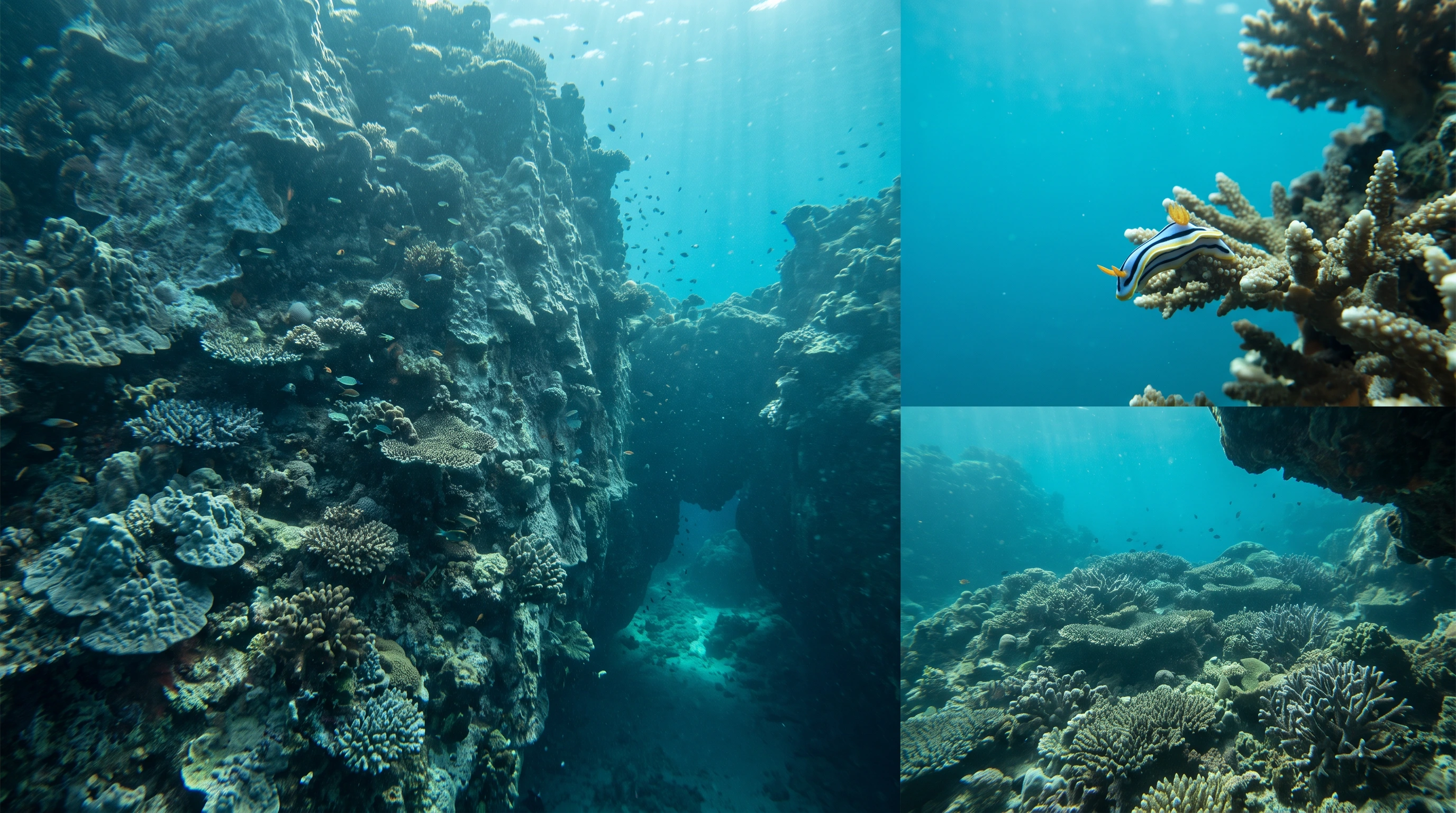
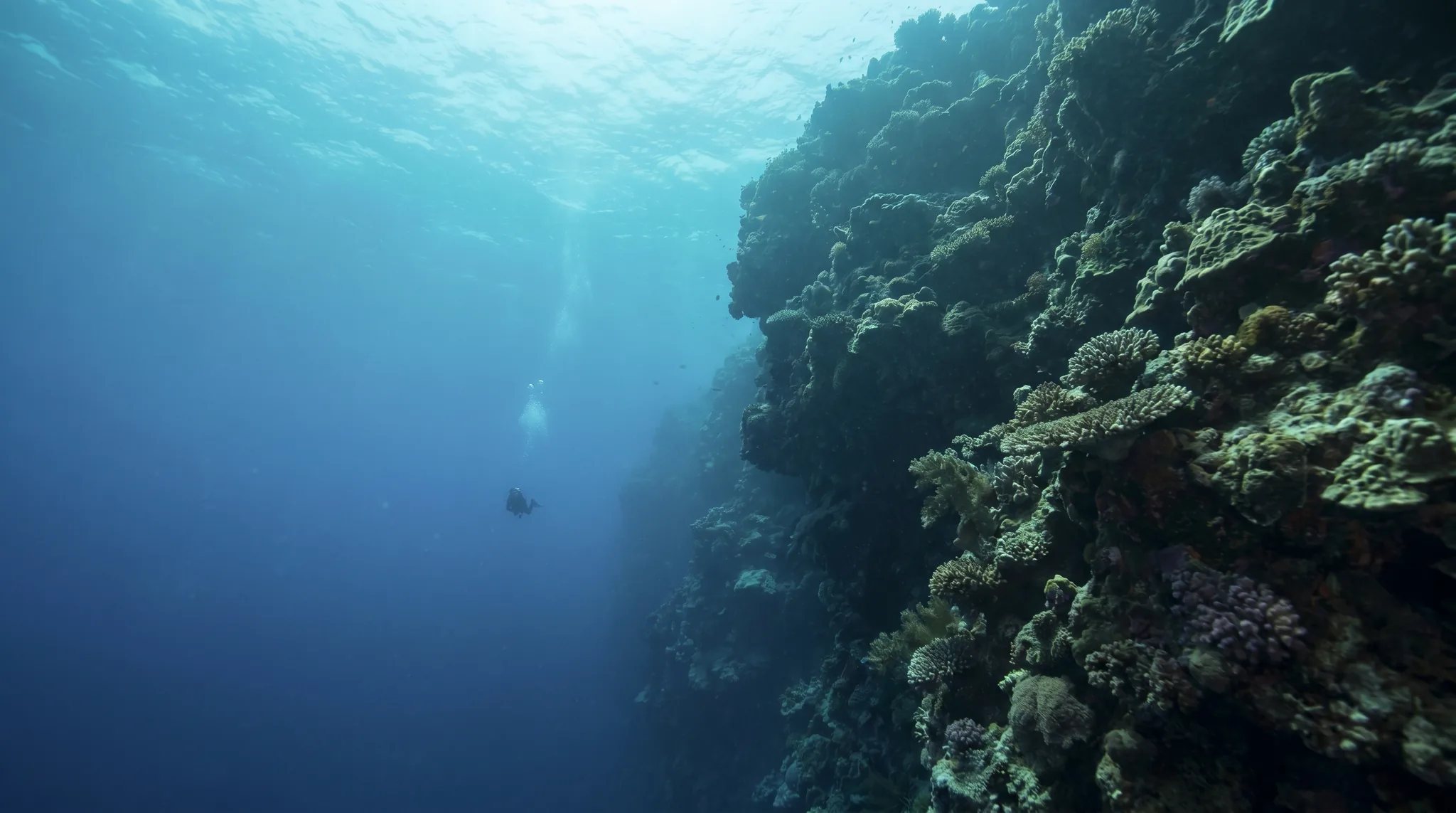
Anita's Garden is a reef site in the Fam Islands, Indonesia, offering depths between 5 and 25 metres. The topography consists of a coral reef structure that rewards exploration across both shallow and deeper sections. Access is strictly by boat, and the site is best suited for intermediate divers comfortable with variable conditions. Visibility typically ranges from 10 to 30 metres. The primary environmental factor is the current, which can be strong and requires careful planning with your boat crew. Divers should use a surface marker buoy to ensure visibility for the boat crew, as currents can shift significantly with the tide.
-0.54352, 130.25113
Strong currents at Anita's Garden can shift with the tide, so brief with your divemaster before entering and agree on a drift plan. Starting your dive upcurrent and working back toward the boat gives you the best control over where you end up.
Access info coming soon
Recorded at this site
Depth
5-25m
Visibility
10-30m
Skill Level
Intermediate
Entry
Boat
Boat required
Water Temp
28-30°C
Current
Strong
The site ranges from 5 to 25 metres, with an average depth of 15 metres.
No, this site is rated for intermediate divers due to the potential for strong currents.
Anita's Garden requires boat access. You should coordinate with your boat crew regarding tidal states and pick-up plans before entering the water.
The main hazard is the strong current. It is recommended to use a surface marker buoy so the boat can track your position.
Diving at Anita's Garden in Raja Ampat requires the following certifications: Open Water. Always dive within your training limits.
A rashguard or 2mm shorty is recommended for diving at Anita's Garden in Raja Ampat. Water temperatures range from 28°C to 30°C.
Anita's Garden in Raja Ampat can have strong currents. Advanced experience with drift diving and current navigation is recommended.
Visibility at Anita's Garden in Raja Ampat typically ranges from 10 metres to 30 metres. Conditions vary with weather, tides, and seasons.