Best for beginner divers, 2-3m, boat entry.
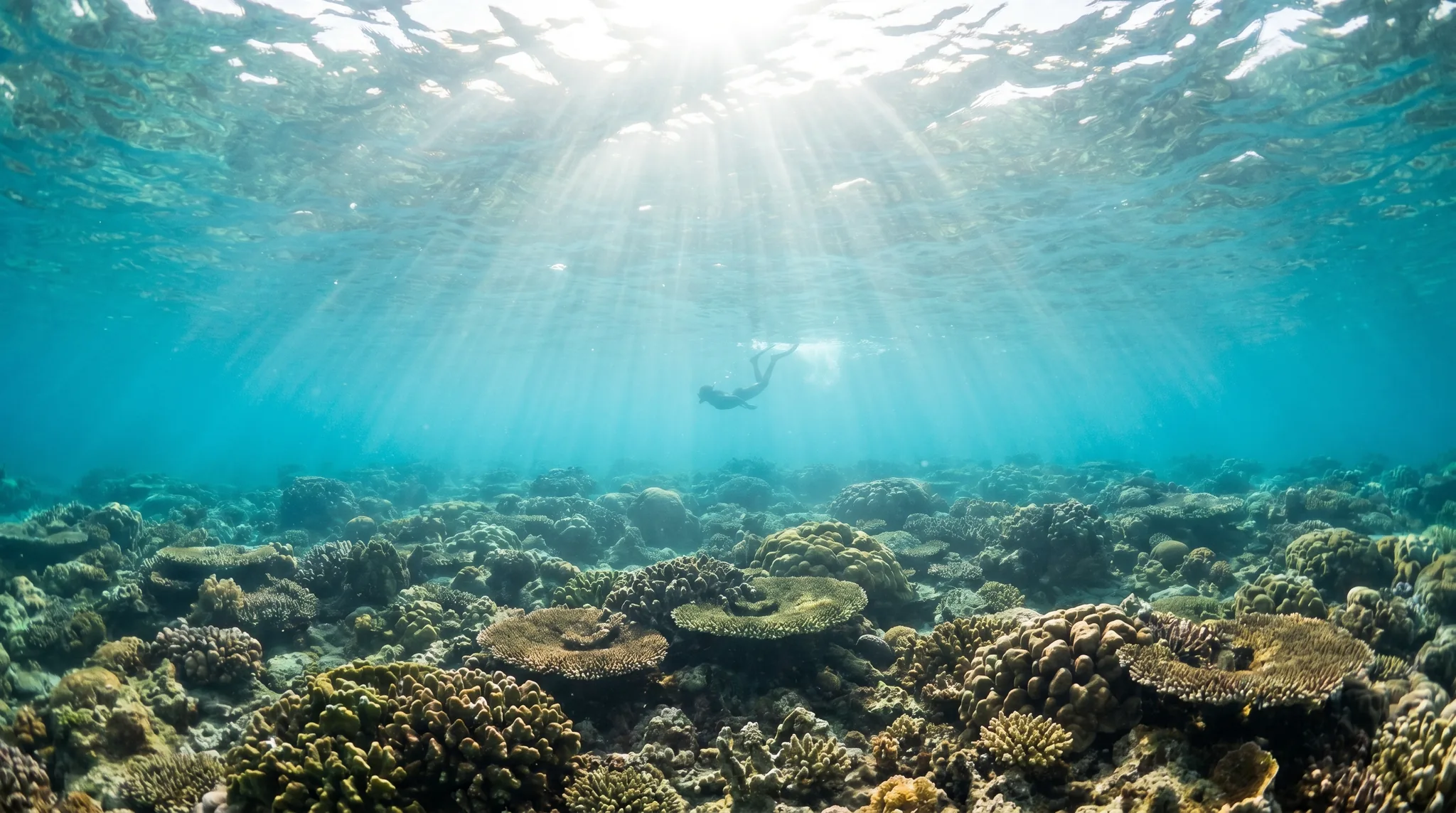
Crack is a shallow reef site in the Bahamas, with depths ranging from 2 to 3 metres. This site is suitable for beginner divers due to the forgiving conditions and lack of current. Visibility typically ranges from 10 to 30 metres, allowing for extended bottom times of approximately 45 minutes. Access is by boat only, requiring coordination with a local operator. Divers should monitor local surge and swell conditions before entry and manage buoyancy carefully when navigating the overhead cave environment. Species recorded around this area include Great Barracuda, Queen Angelfish, Blue Tang, and various parrotfish species.
21.81720, -72.20627
The site features a large pillar coral on the top edge of the wall.
Access to the dive site is by boat.
Recorded at this site
Depth
Up to 3m
Visibility
10-30m
Skill Level
Beginner
Entry
Boat
Boat required
Water Temp
26-30°C
Current
None
Typical Dive
45 min
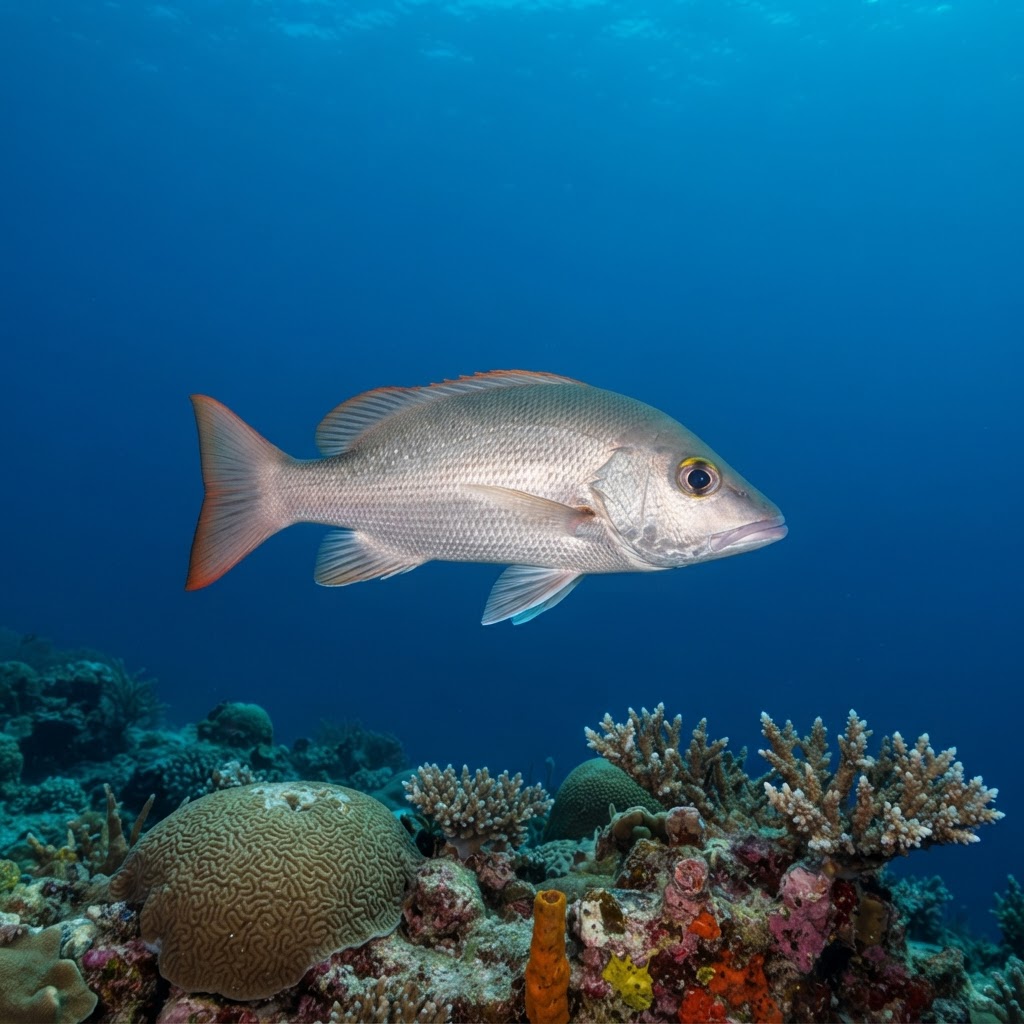
Species recorded around this area include Great Barracuda, Queen Angelfish, Fairy Basslet, Brazilian Reef Octopus, Indian Lionfish, Blue Tang, various wrasses, parrotfish, Pacific Trumpetfish, Foureye Butterfly Fish, Mutton Snapper, and Flamingo Tongue.
Yes, the site is well-suited for newly certified open water divers due to the shallow depths and lack of current.
The site is very shallow, with depths ranging from 2 to 3 metres and an average depth of 2 metres.
Boat access is required to reach this site. You should arrange your trip through a local operator who is familiar with the mooring or anchorage options.
Given the shallow depth of 2 to 3 metres, the site is physically accessible for snorkelling, though it is primarily designated as a dive site.
Diving at Crack in Providenciales requires the following certifications: Open Water. Always dive within your training limits.
A rashguard or 2mm shorty is recommended for diving at Crack in Providenciales. Water temperatures range from 26°C to 30°C.
Visibility at Crack in Providenciales typically ranges from 10 metres to 30 metres. Conditions vary with weather, tides, and seasons.