Best for intermediate divers, 18-24m, boat entry, strong current.
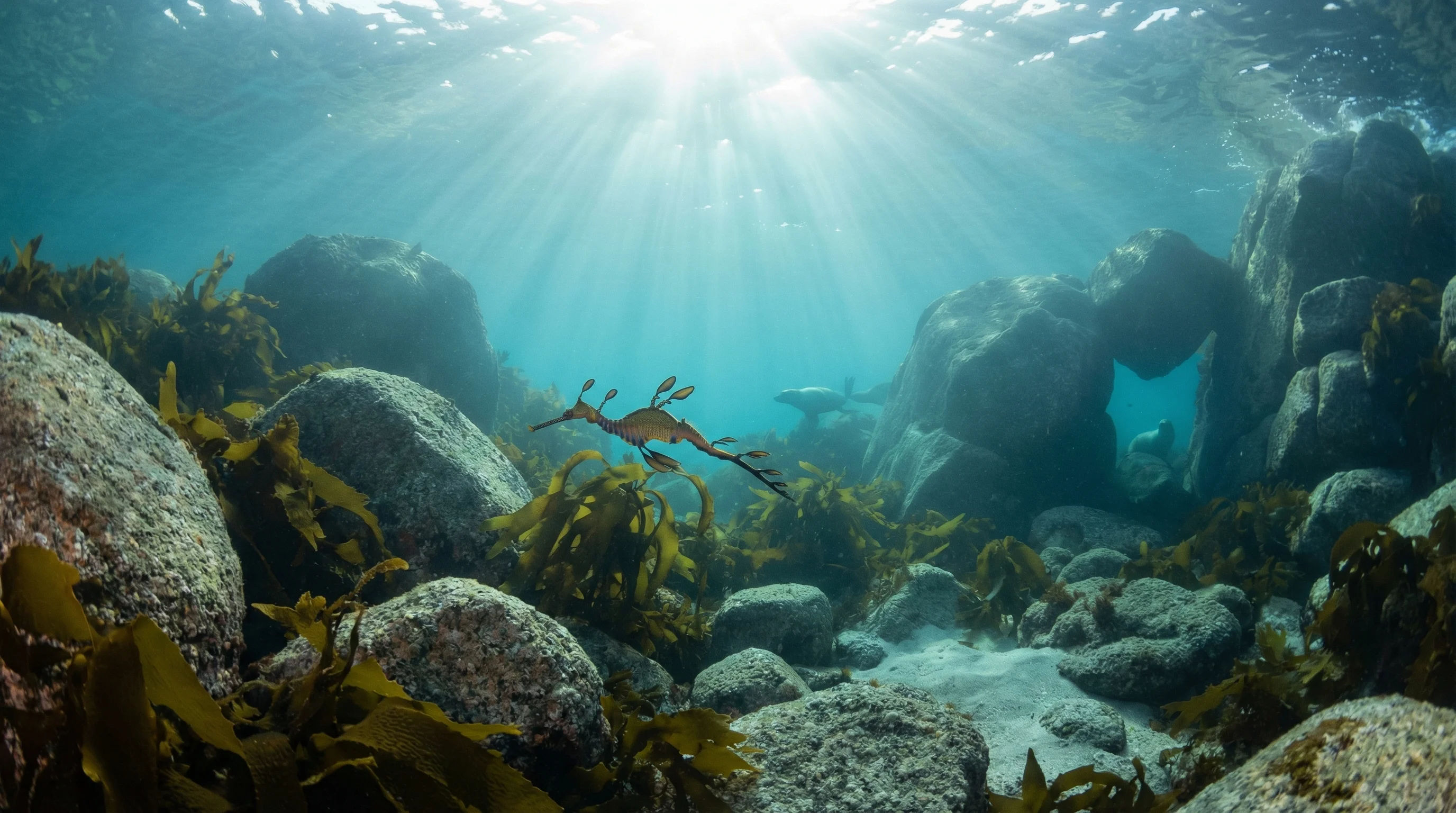
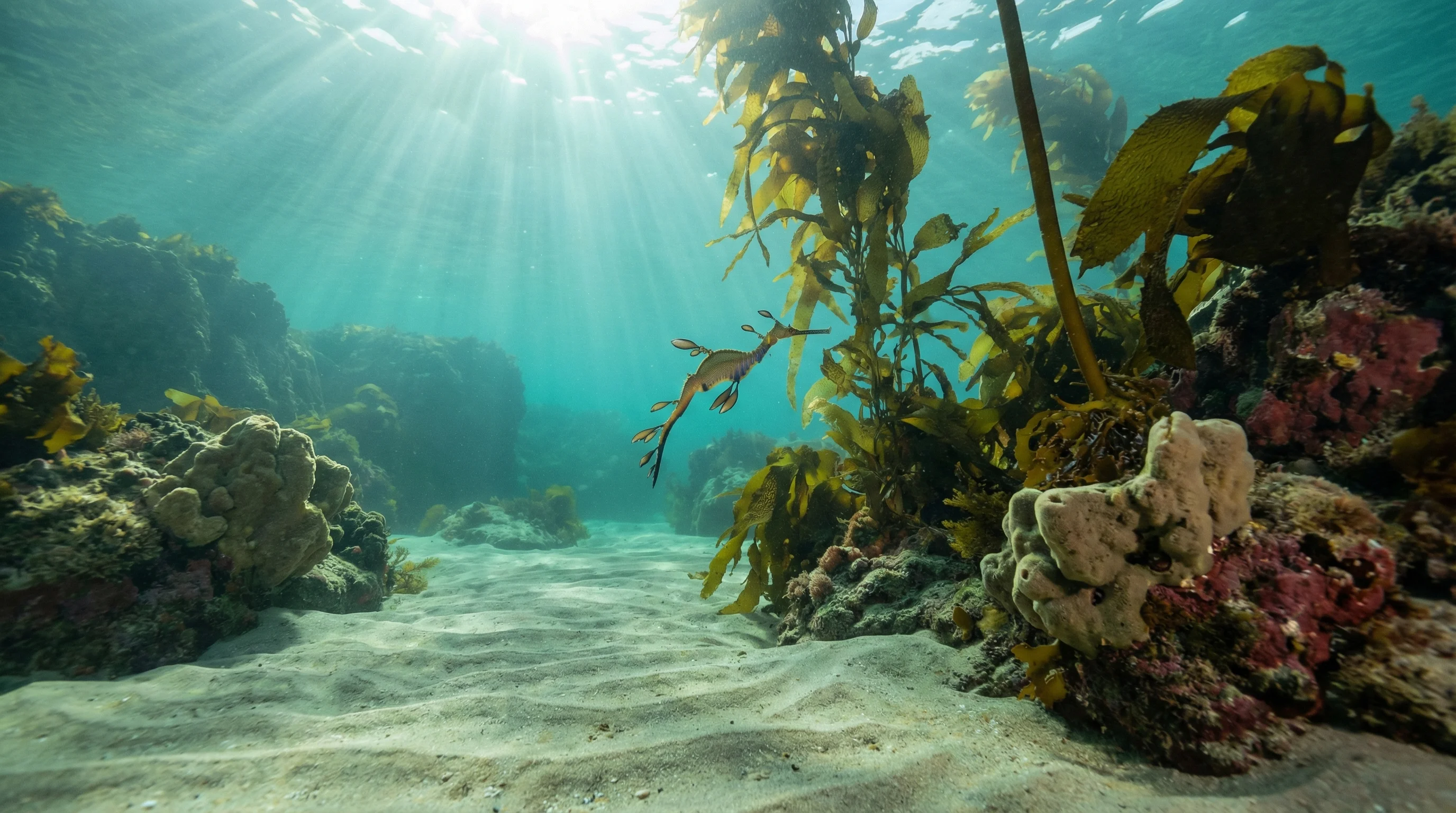
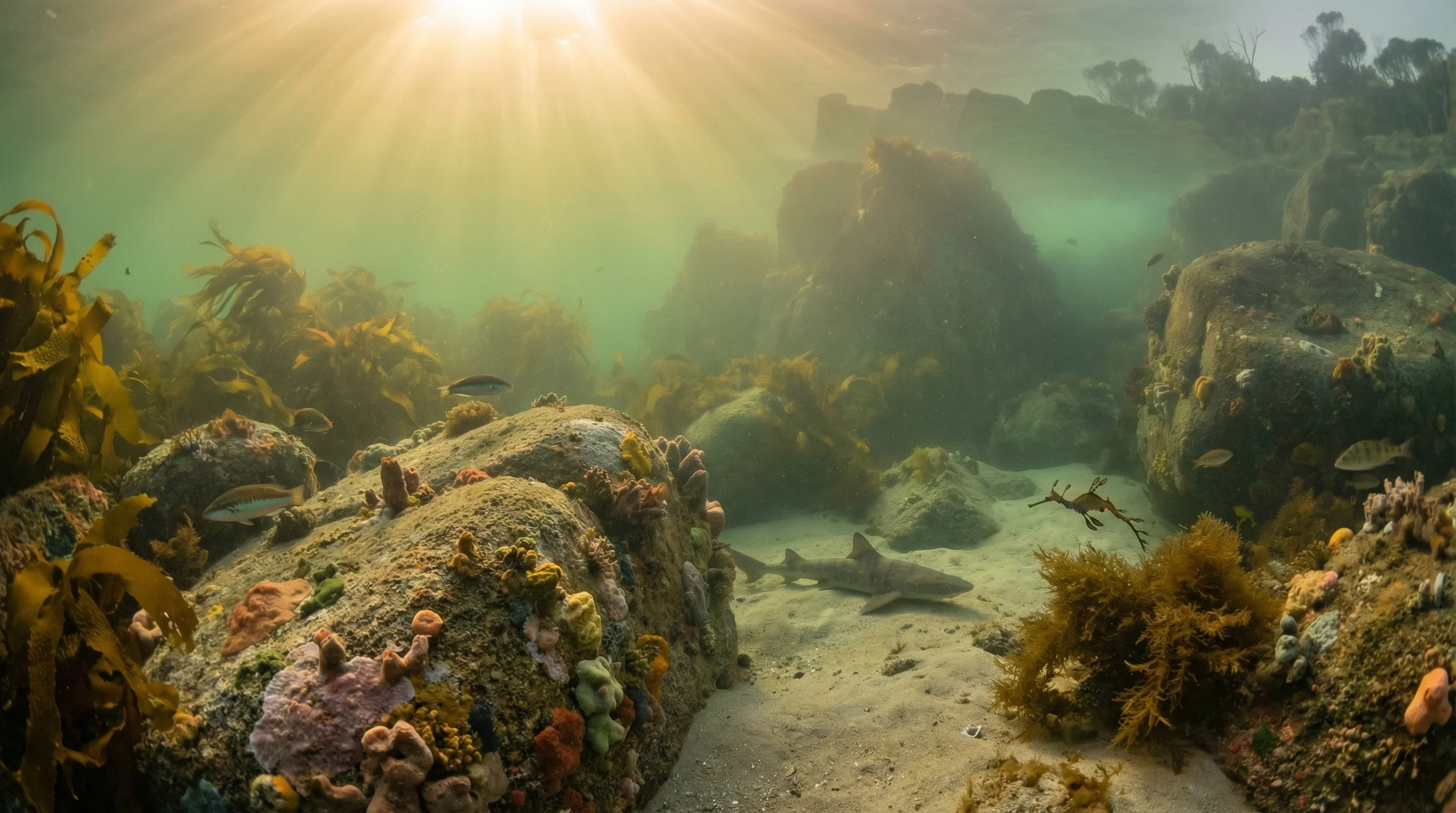
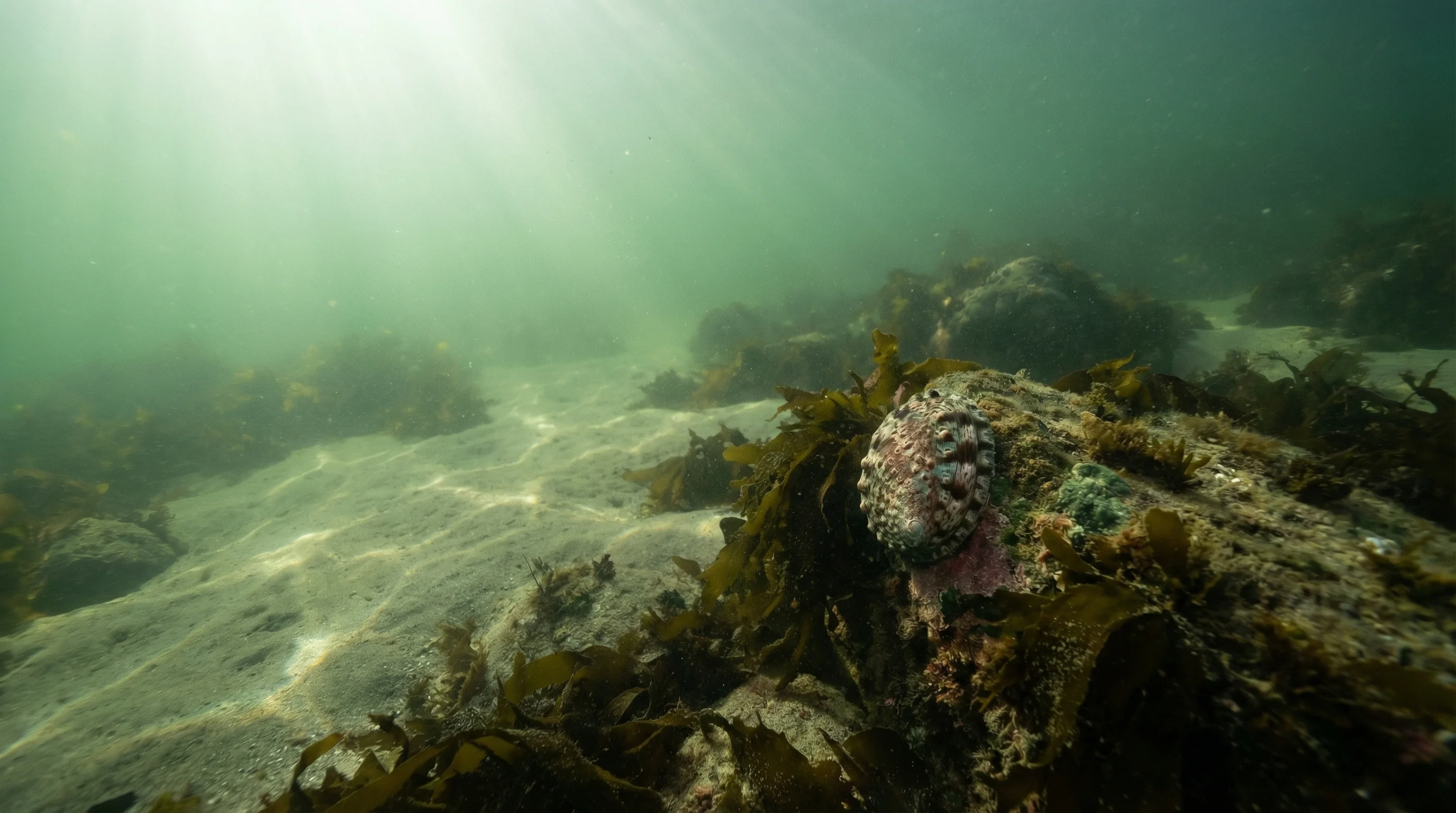
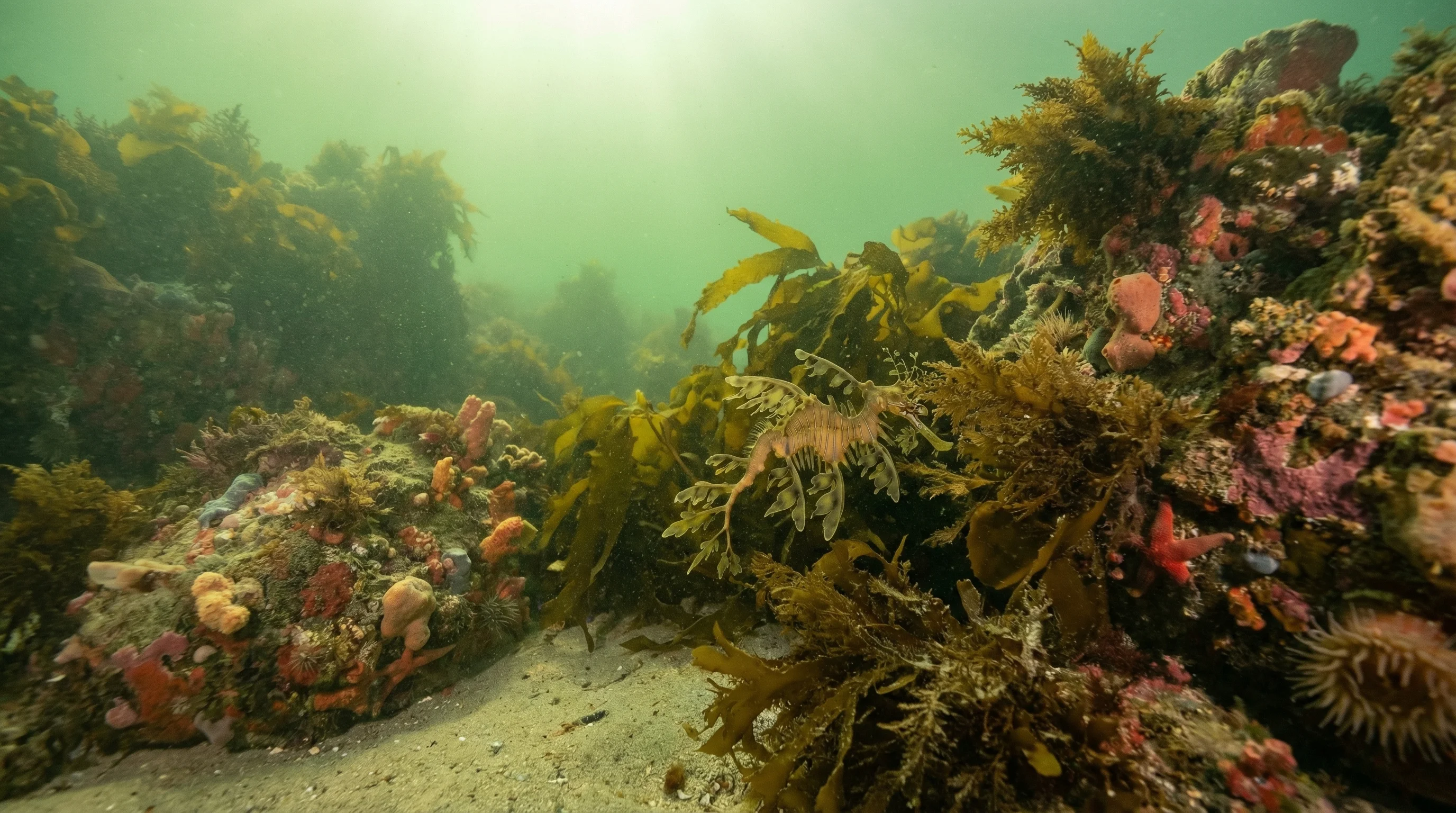
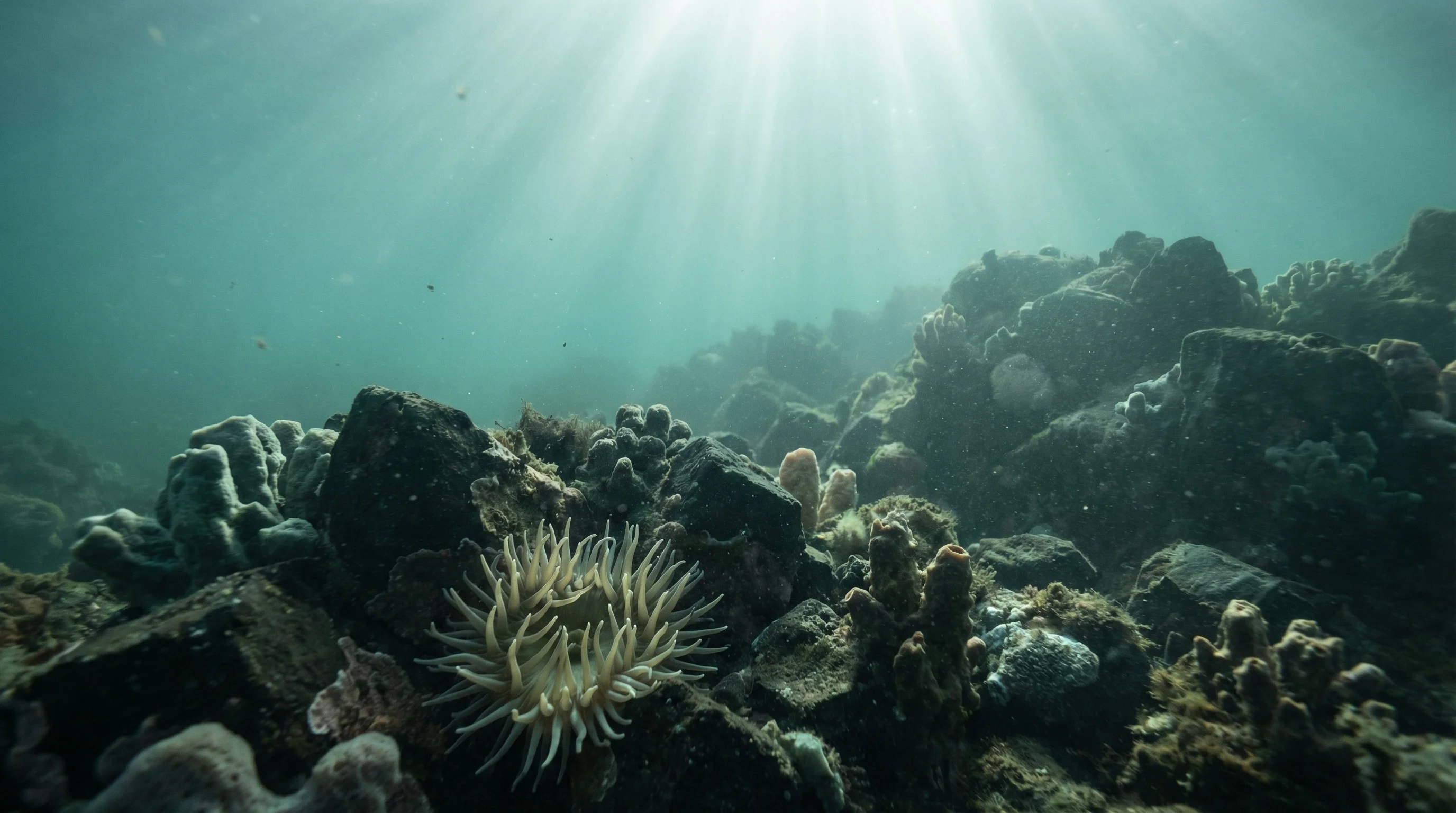
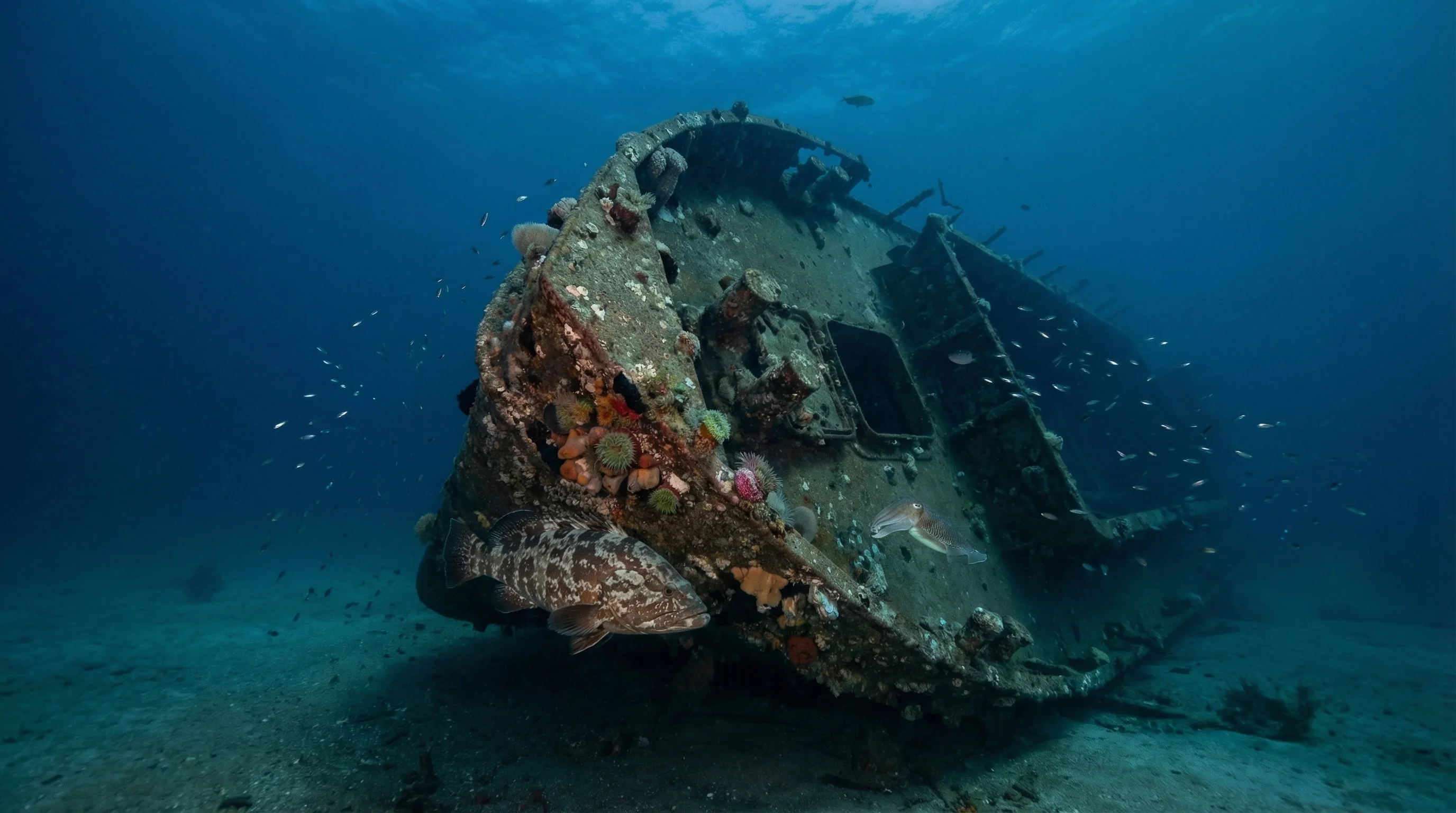
The Troy D is a purpose-sunk wreck located off Eaglehawk Neck, resting at depths between 18 and 24 metres. This artificial reef offers an intermediate-level dive requiring boat access from Triabunna. Divers can expect visibility ranging from 10 to 20 metres with generally mild currents. The structure features overhead environments, including an engine room, which necessitate the use of a dive light and careful buoyancy control. Species recorded around this area include wrasses, Southern Rock Lobster, abalone, crabs, sea stars, and snails. Due to water temperatures between 12 and 18C, a high-quality wetsuit or drysuit is recommended for the typical 45-minute dive duration.
-42.58330, 148.16670
Summer months from December through February give you the best visibility and the most comfortable water temperatures for an extended dive on the wreck. Come prepared with a dive light regardless of ambient conditions, as the interior sections stay dark.
The site is accessed via a 15-minute boat ride from Triabunna. Dive charters operate from the town.
Requires boat transport from Triabunna.
Recorded at this site
Depth
18-24m
Visibility
10-20m
Skill Level
Intermediate
Entry
Boat
Boat required
Water Temp
12-18°C
Current
Strong
Typical Dive
45 min
Best Time
Jan, Feb, Dec
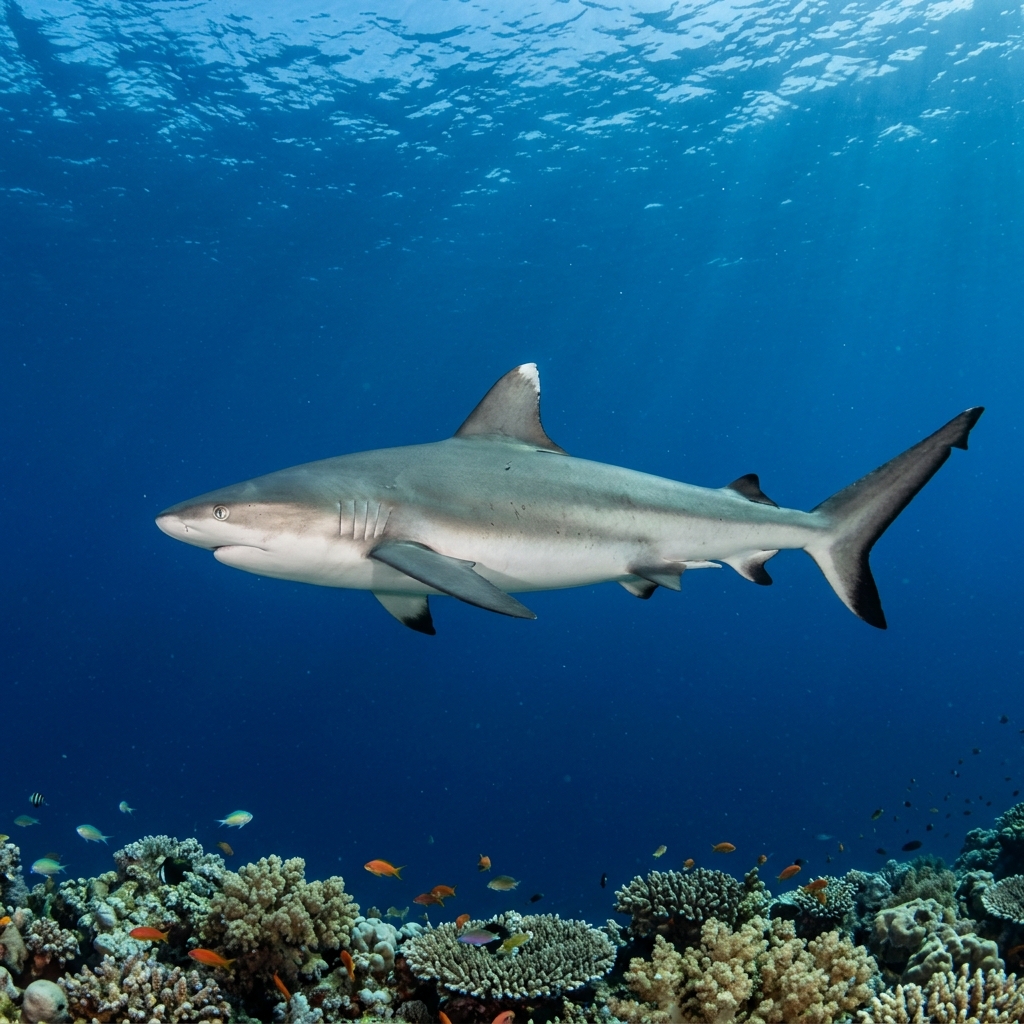
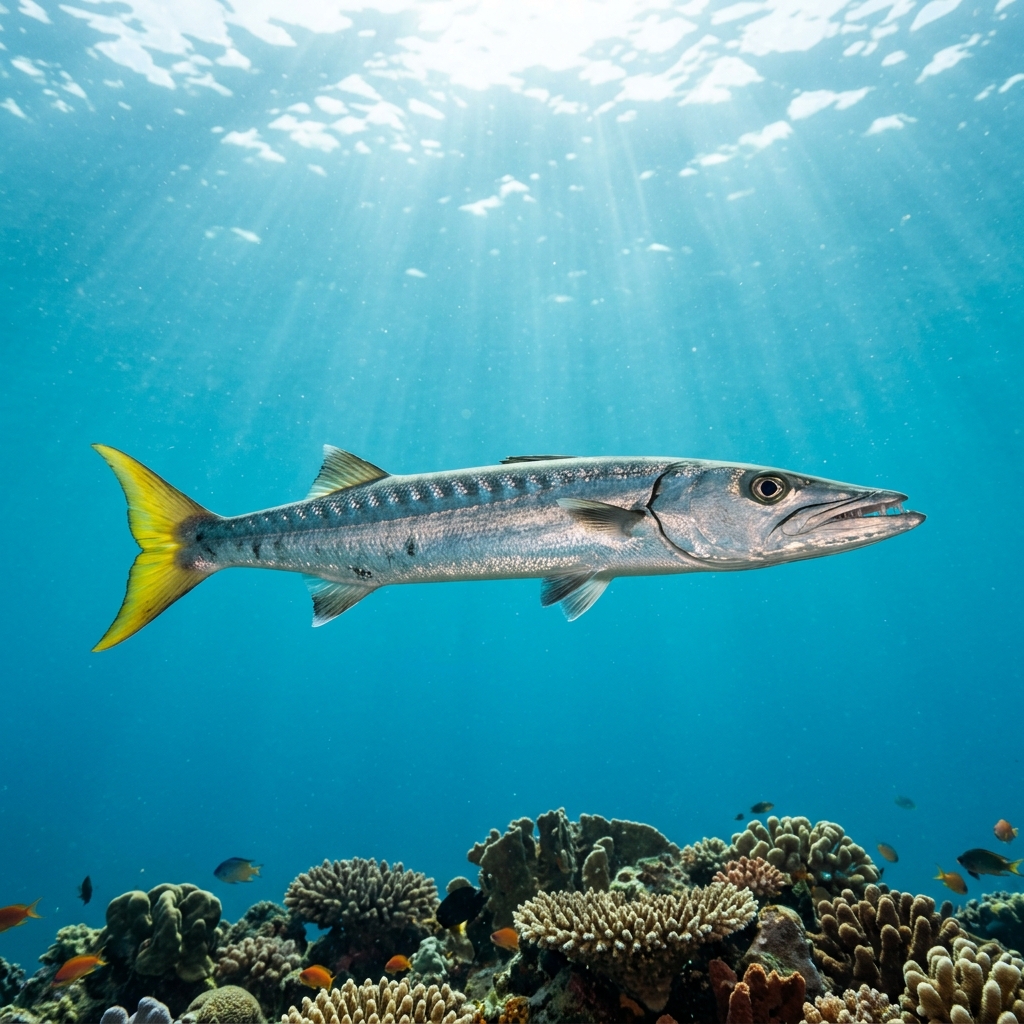
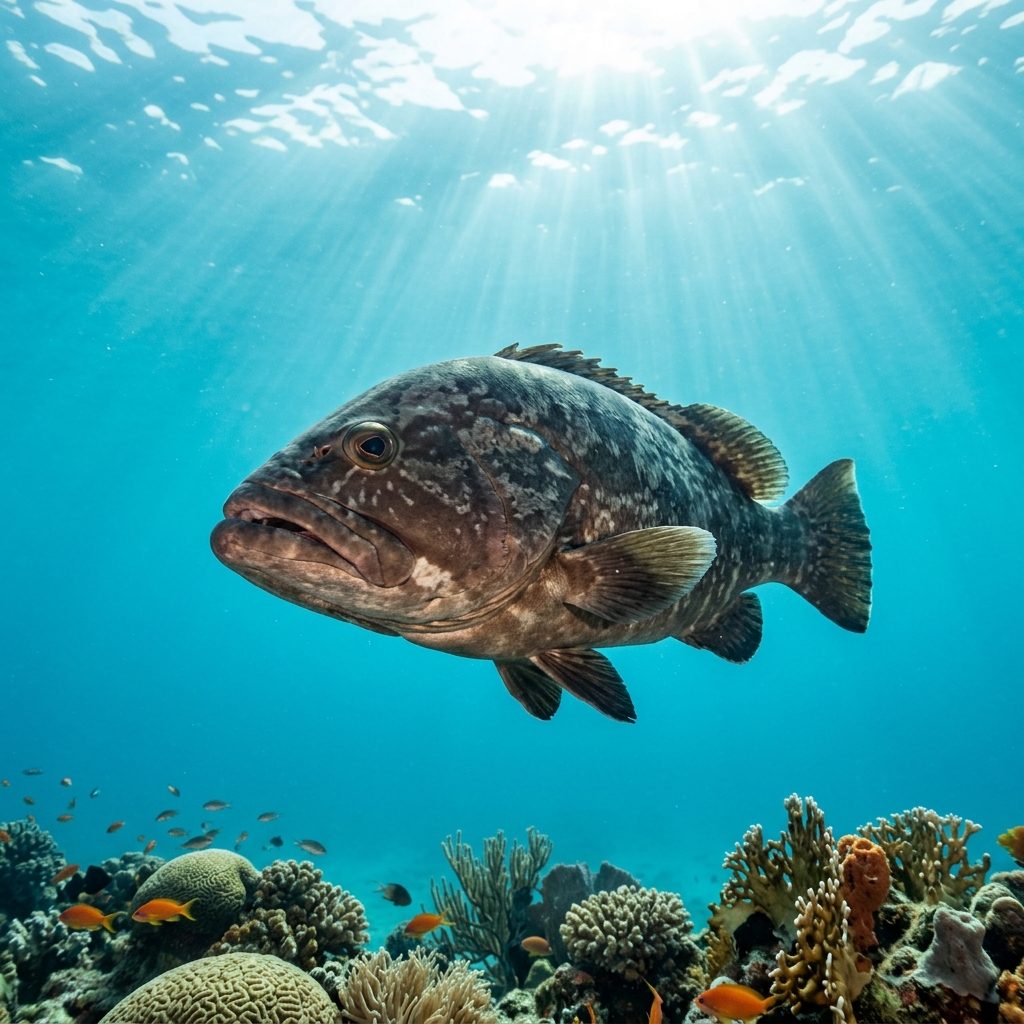
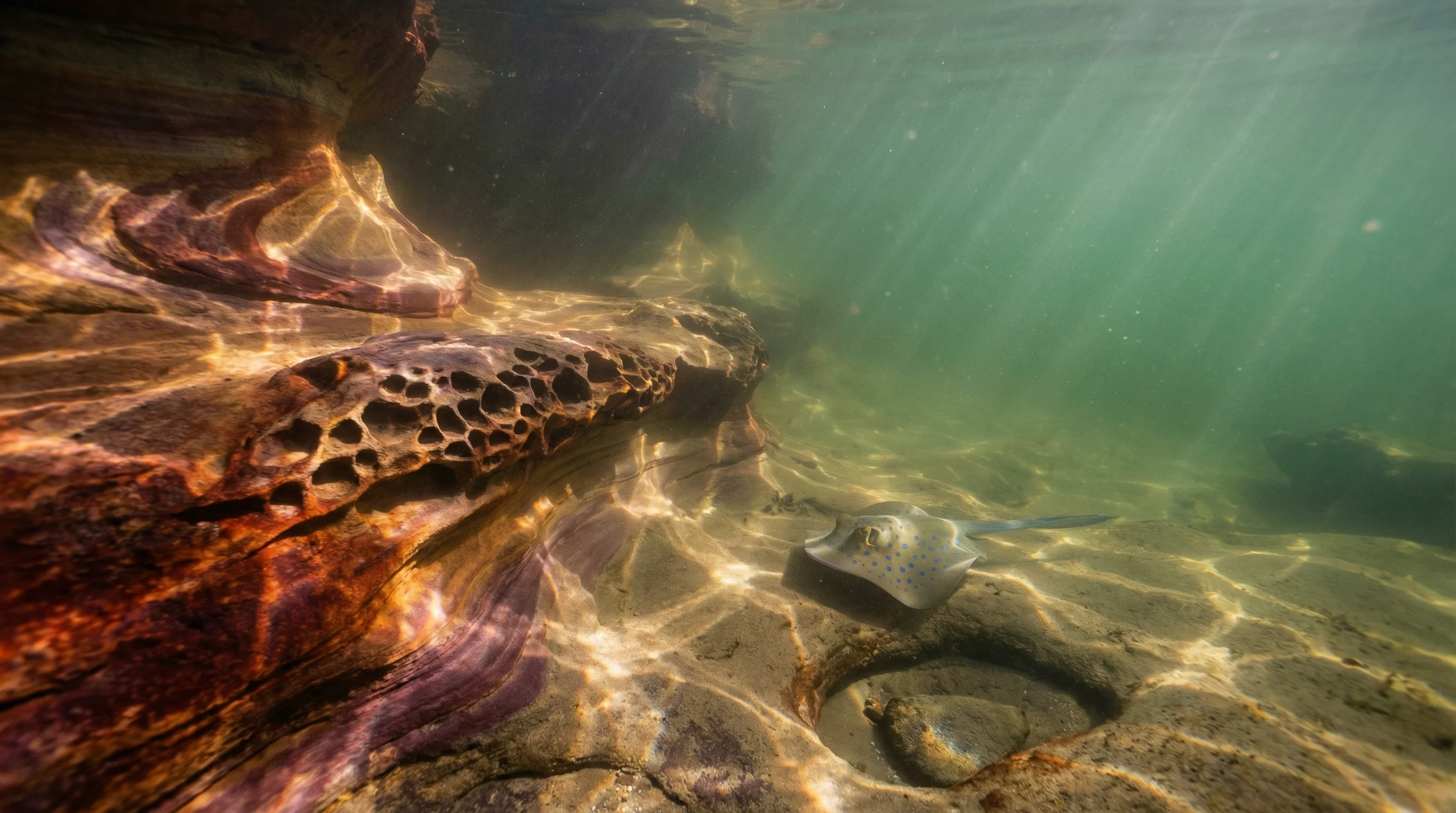
Species recorded around this area include wrasses, Southern Rock Lobster, abalone, crabs, sea stars, and snails.
No, the Troy D is rated for intermediate divers due to the wreck's depth, potential for entanglement, and overhead environments.
The wreck sits at a depth of 18 to 24 metres, with an average depth of 21 metres.
This is a boat dive requiring transport from Triabunna.
Snorkelling is not recommended at the Troy D, as it is rated 1/5 for this activity due to the depth of the wreck.
December, January, and February offer the best visibility and most comfortable water temperatures.
Diving at Troy D in Triabunna requires the following certifications: Open Water, Advanced. Always dive within your training limits.
A 7mm wetsuit or semi-dry is recommended for diving at Troy D in Triabunna. Water temperatures range from 12°C to 18°C.
Troy D in Triabunna can have strong currents. Advanced experience with drift diving and current navigation is recommended.
Visibility at Troy D in Triabunna typically ranges from 10 metres to 20 metres. Conditions vary with weather, tides, and seasons.