Best for beginner divers, 1-10m, shore entry, mild current.
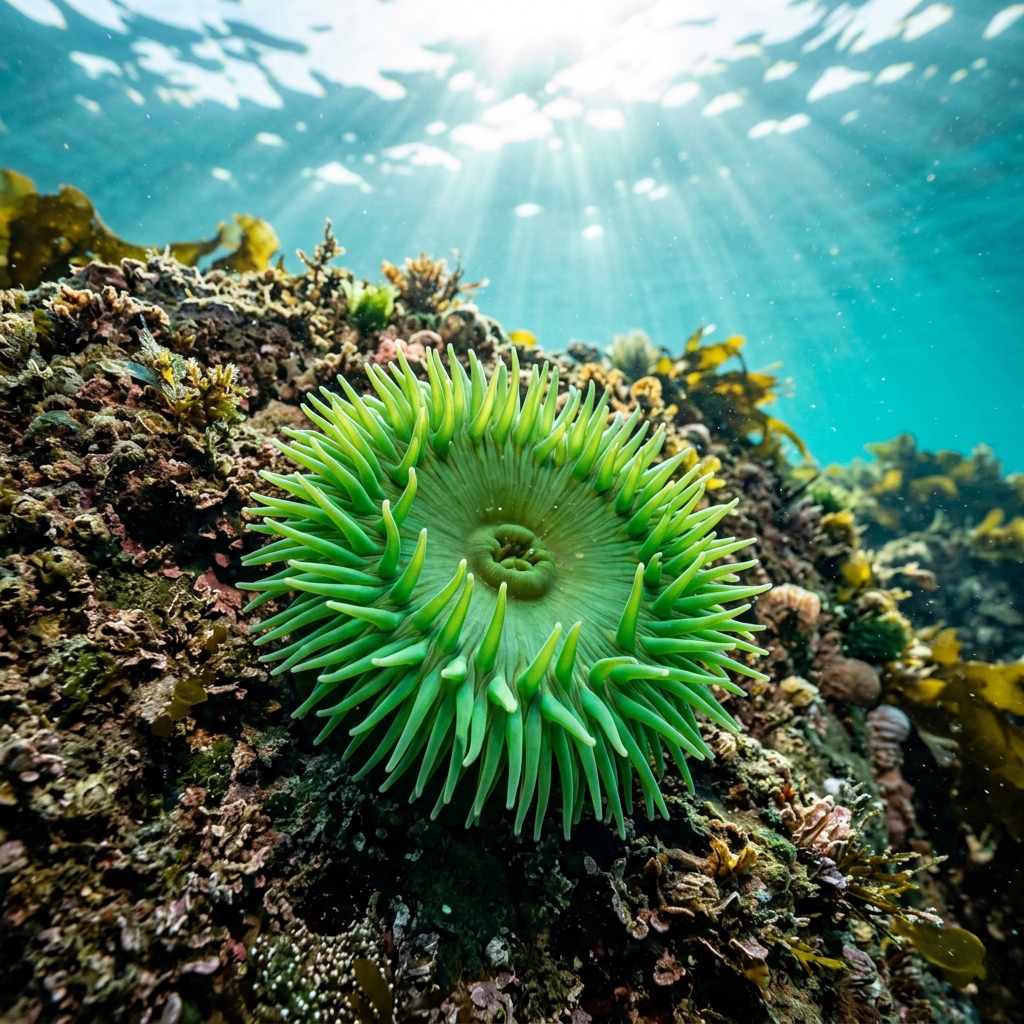
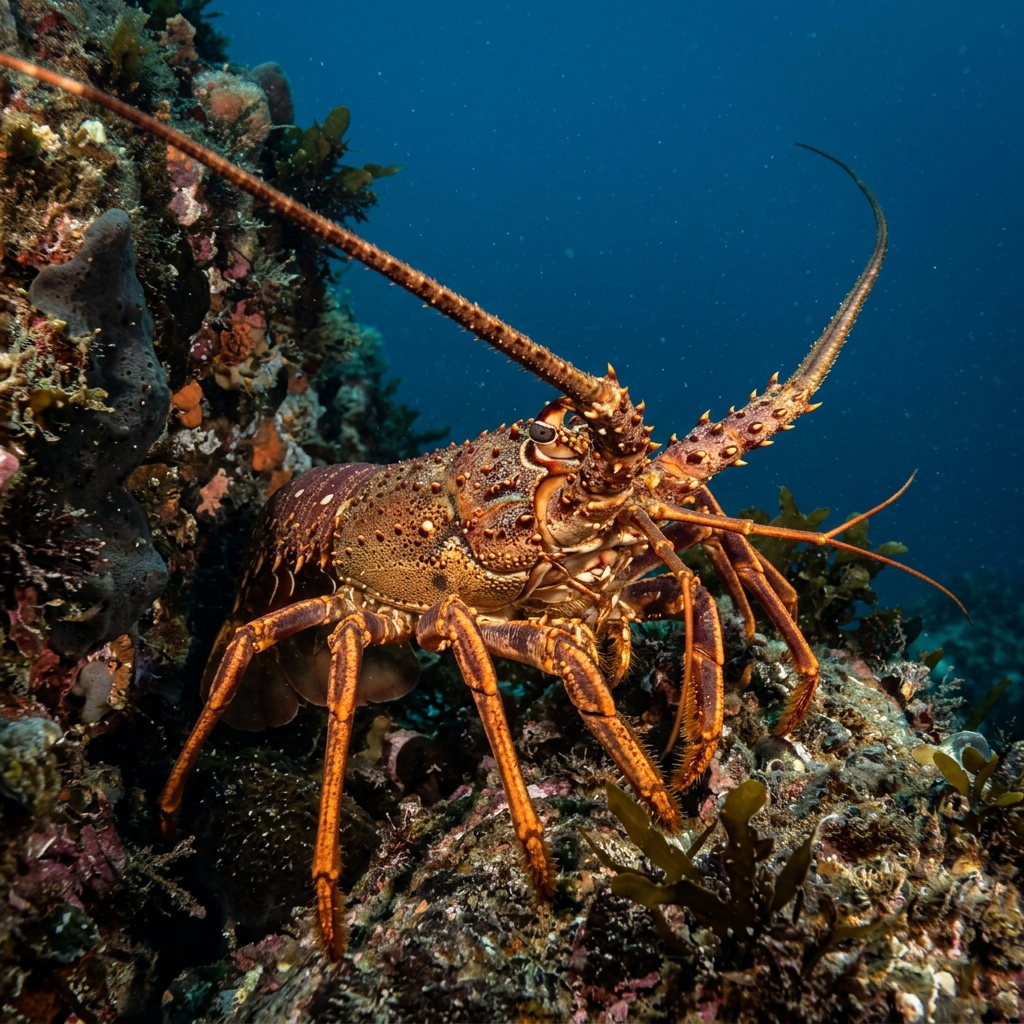
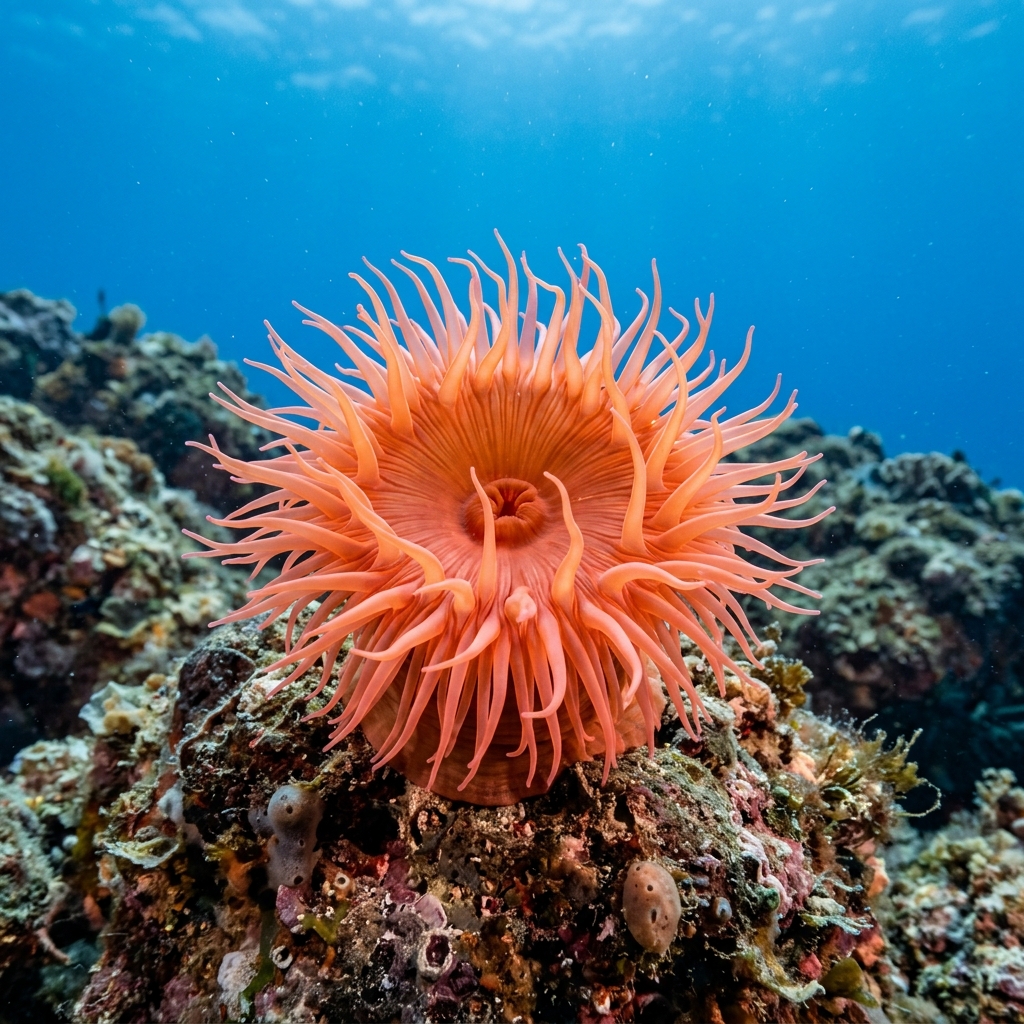
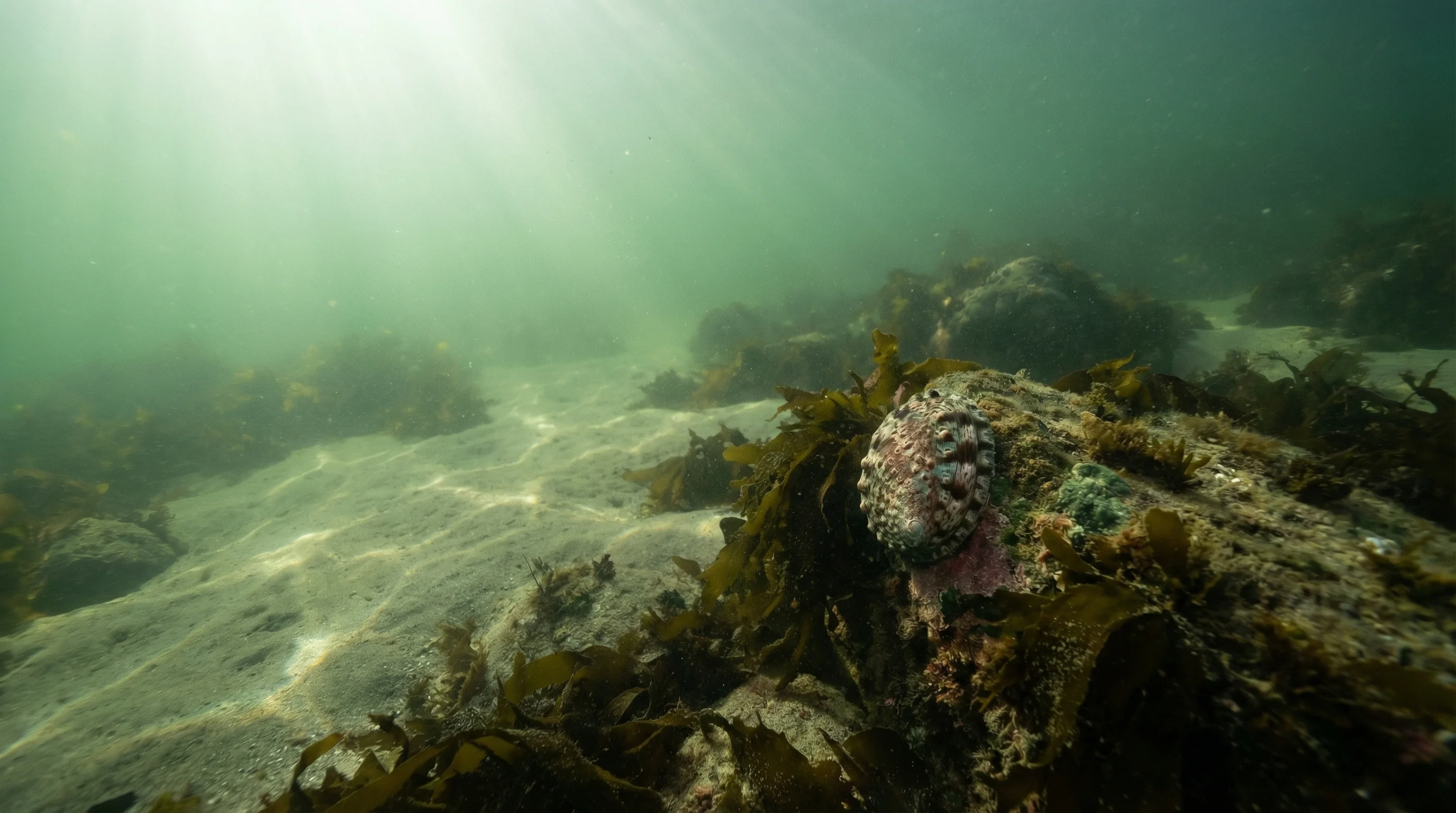
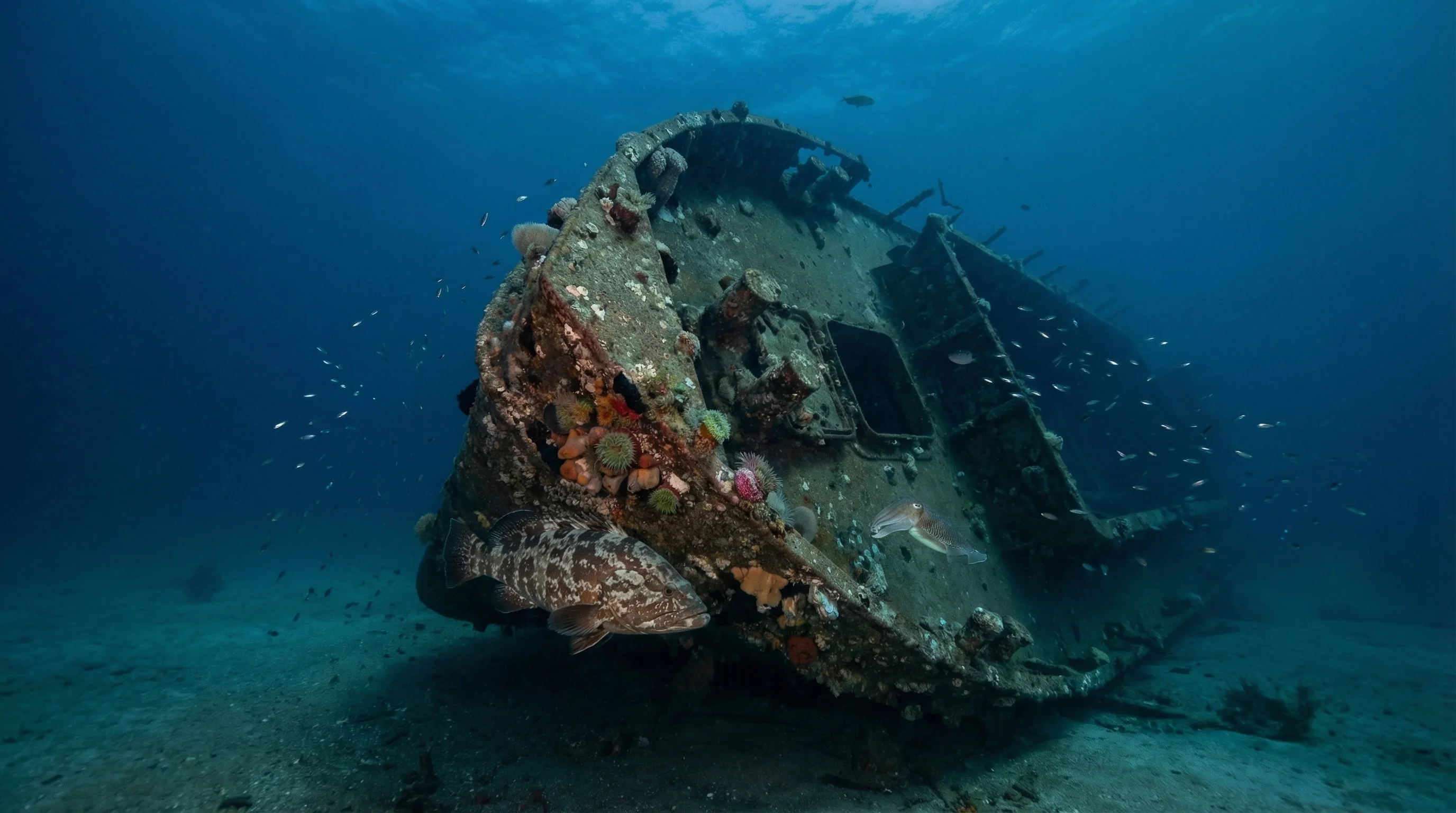
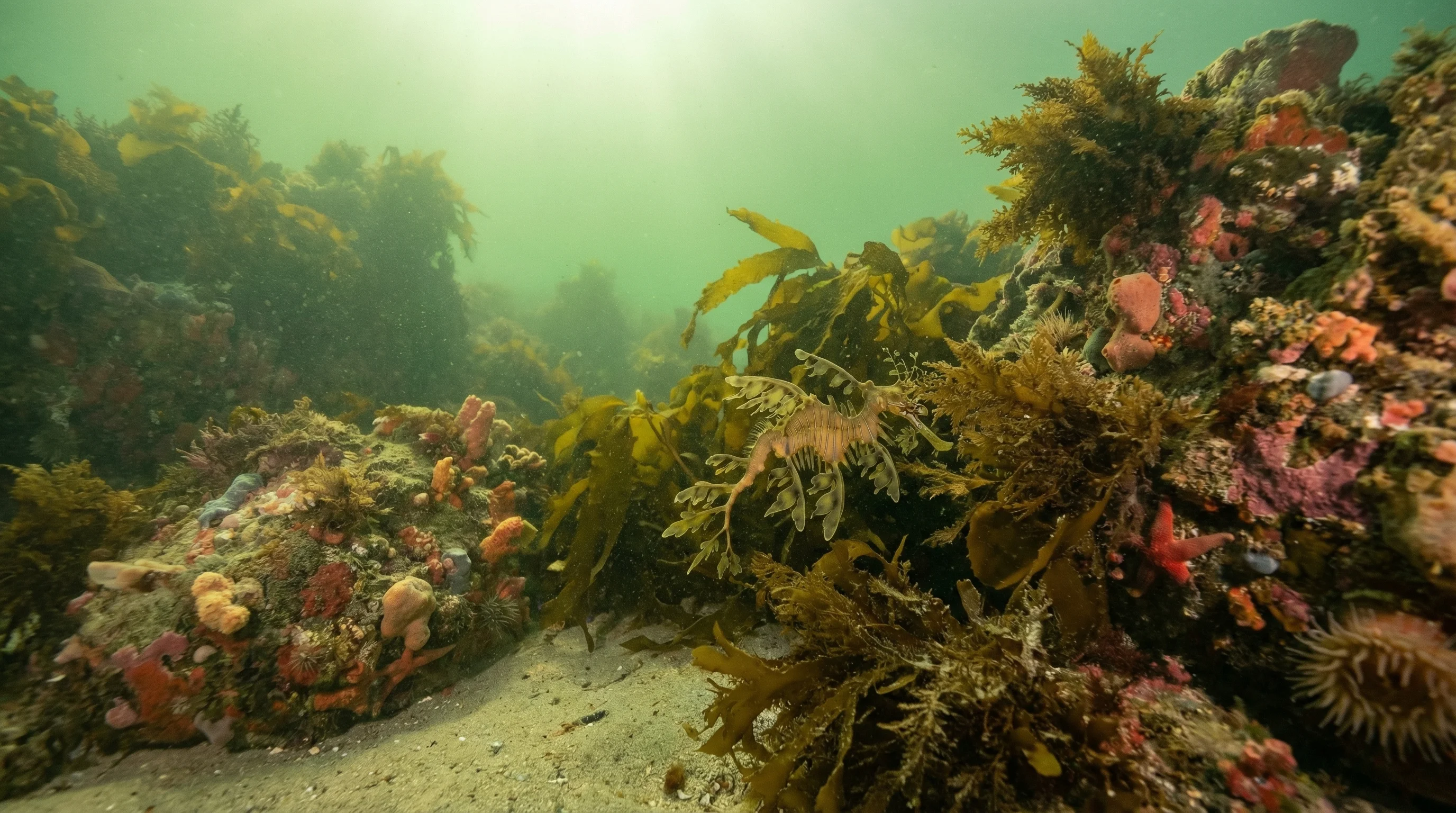
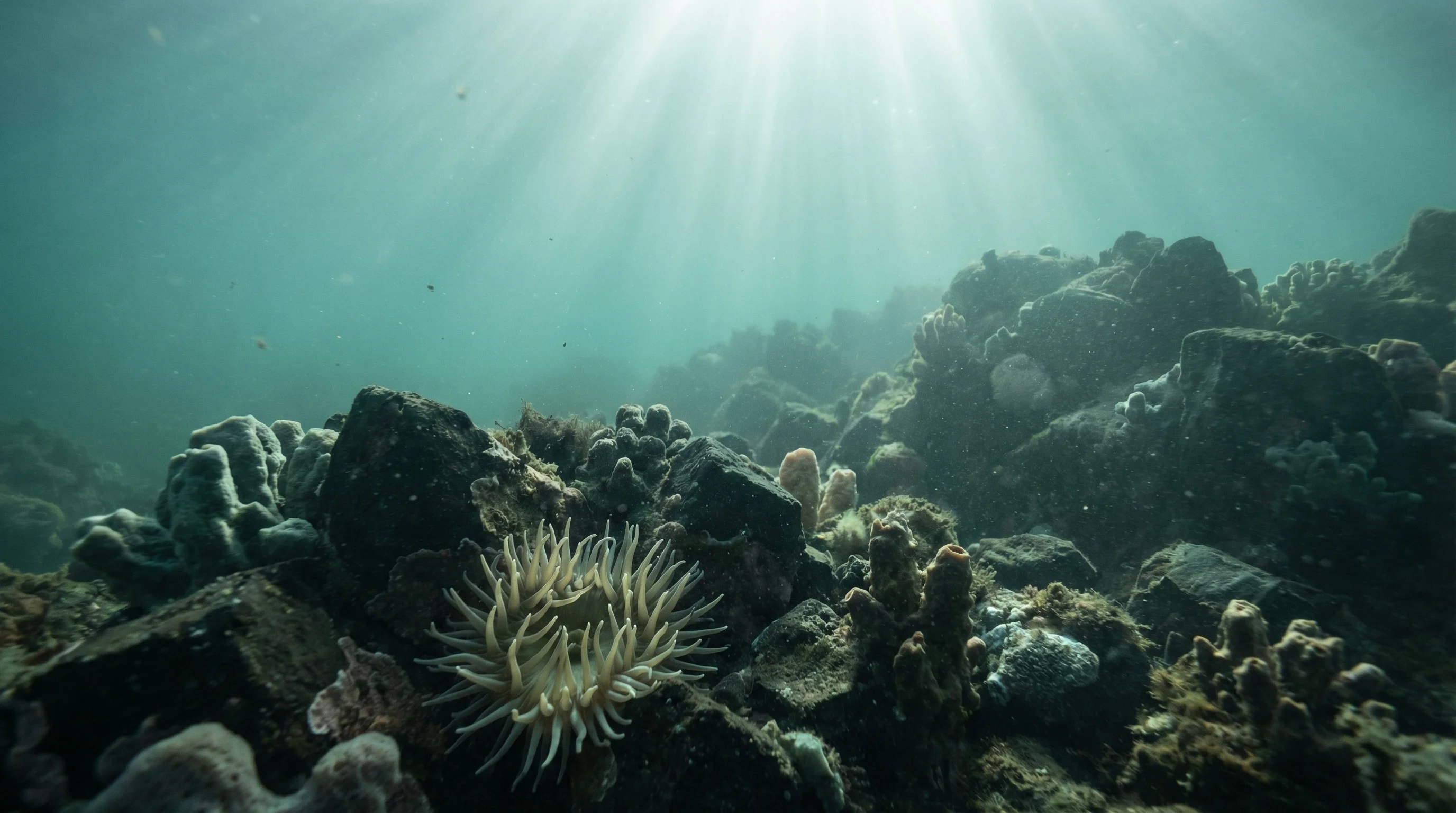
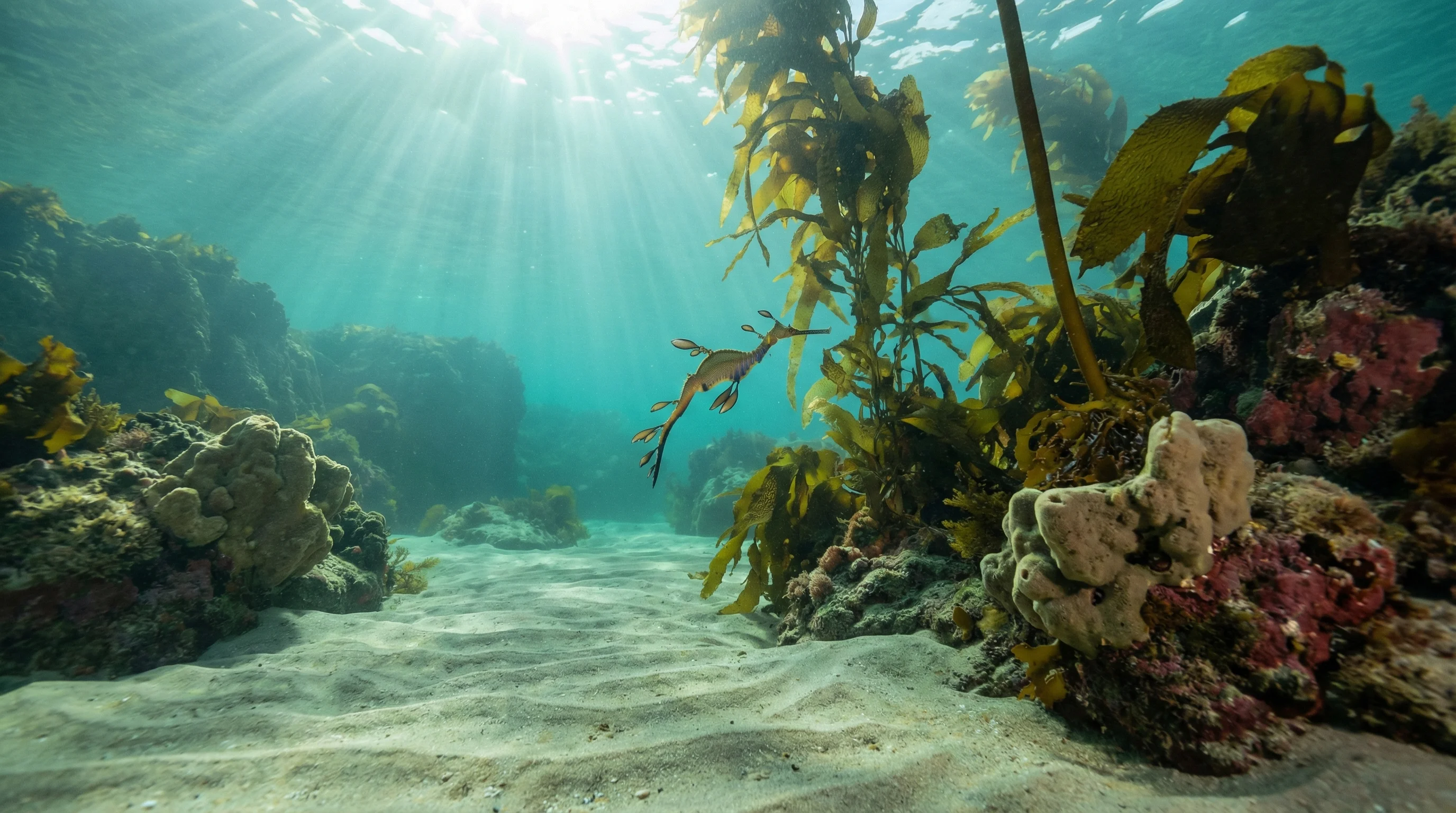
Little Nook Bay at Eaglehawk Neck offers a sheltered shore dive suitable for beginners. The site features a reef environment dominated by kelp forests, with rocky surfaces hosting sponges, jewel anemones, and yellow zoanthids. Divers may encounter weedy seadragons among the kelp fronds. Depths range from 1 to 10 metres, with an average of 5 metres. Visibility is excellent, typically between 15 and 35 metres. While the bay is generally calm with mild currents, divers should remain aware of potential surges and swells when moving away from the shore. Due to water temperatures ranging from 12C to 18C, a 7mm wetsuit or drysuit is recommended for comfort.
-42.50000, 148.00000
Winter through early spring (June to September) brings the best visibility, when cold, clear water settles in. Wear a thick wetsuit of at least 7mm, as Tasmanian waters are genuinely cold year-round.
Access is via the shore at Bicheno. The lodging "The Nook at Cod Rock Point" has private access to the ocean.
Recorded nearby, within 20km
Depth
Up to 10m
Visibility
15-35m
Skill Level
Beginner
Entry
Shore
Water Temp
12-18°C
Current
Mild
Best Time
Jun, Jul, Aug, Sep
Divers can observe weedy seadragons within the kelp forests, alongside rocky surfaces covered in colourful sponges, jewel anemones, and yellow zoanthids.
Yes, the site is considered a great starting point for newer divers due to its sheltered nature and shallow depths.
The depth at Little Nook Bay ranges from 1 to 10 metres, with an average depth of 5 metres.
Little Nook Bay is a shore dive.
Snorkelling is possible, though the site has a low rating of 1/5 for this activity.
The best months for diving and snorkelling at this site are June, July, August, and September, when the water is coldest and visibility is at its peak.
Diving at Little Nook Bay in East Coast requires the following certifications: Open Water. Always dive within your training limits.
A 7mm wetsuit or semi-dry is recommended for diving at Little Nook Bay in East Coast. Water temperatures range from 12°C to 18°C.
Little Nook Bay in East Coast typically has mild currents that most divers can handle comfortably.
Visibility at Little Nook Bay in East Coast typically ranges from 15 metres to 35 metres. Conditions vary with weather, tides, and seasons.