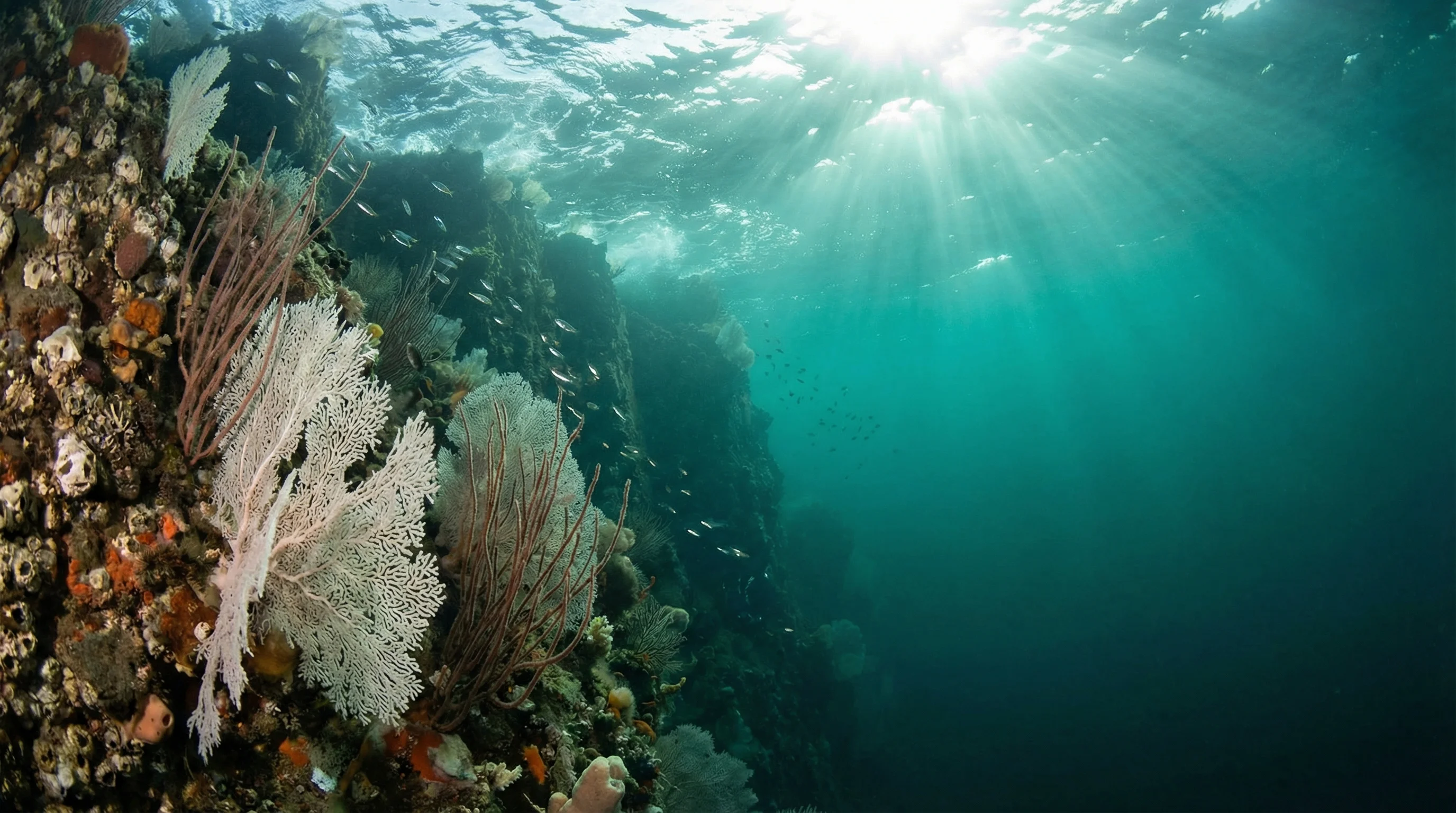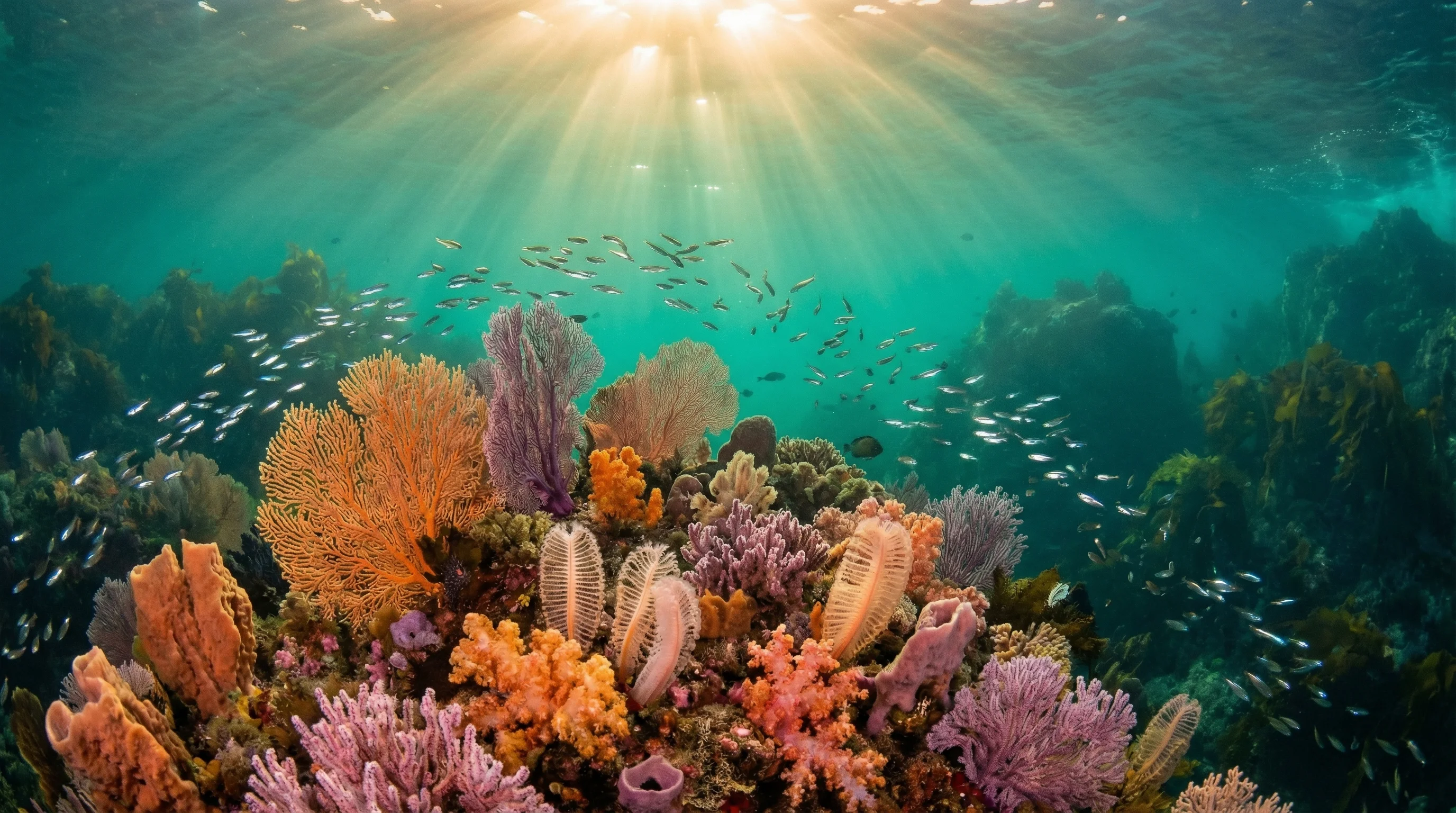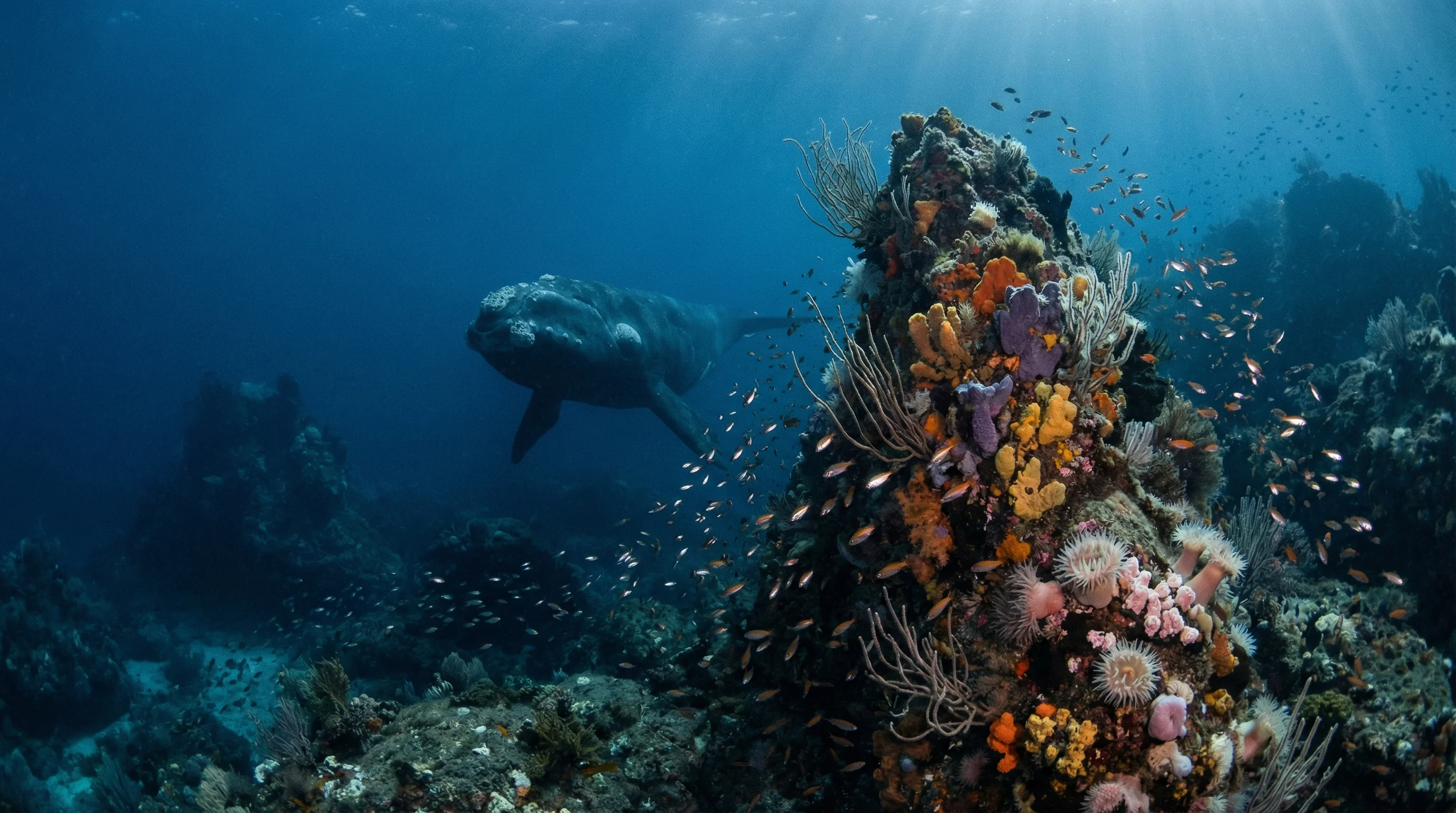
Brothers and Sisters Rocks offers a compelling mix of open-water encounters and kelp forest diving in Tasmania's southern waters. Visibility here is genuinely impressive, ranging from 12 to 40 metres depending on conditions, so you'll often see well into the blue beyond the reef structure. The site attracts seals and dolphins, and during winter and spring months migratory whales pass through the area. Current runs variable and can turn strong, so monitor conditions carefully before and during your dive. Surge is a real consideration close to the rocks, and the water stays cold year-round, so a good wetsuit or drysuit is non-negotiable.
-43.60111, 146.26389
The best window for whale sightings runs from June through September, so plan your dives around those months if that's your priority. Check current and surge conditions on the day before committing to entry, as they can change quickly around the rock formations.
Access is by boat only, likely via a liveaboard or private charter departing from a major port like Hobart. The site is in a remote wilderness area on the south coast.
The site is in a remote location, requiring self-sufficiency. Water is cold year-round.
Depth
20-45m
Visibility
12-40m
Skill Level
Advanced
Entry
Boat
Boat required
Water Temp
16-22°C
Current
Strong
Brothers and Sisters Rocks is accessed by boat from Tasmania's South Coast, with shore entry once you reach the site. The remote location requires chartering a vessel or joining an organised tour, as there are no facilities available at this offshore snorkelling destination. The site's isolation makes it suitable only for properly planned expeditions with adequate safety support.
Brothers and Sisters Rocks requires intermediate snorkelling skills due to potential surge, strong currents, and cold water temperatures ranging from 11 to 18 degrees Celsius. Snorkellers must be comfortable in challenging conditions and capable of managing themselves in exposed coastal waters. The site's 4 out of 5 rating reflects both its excellent marine environment and the technical demands it places on visitors.
Brothers and Sisters Rocks offers encounters with migratory whales, Australian fur seals, dolphins, and extensive kelp forests. The site's nutrient-rich waters support diverse marine ecosystems, with visibility ranging from 12 to 40 metres allowing excellent observation opportunities. Winter months provide the best chance for whale sightings as they migrate along Tasmania's southern coastline.
Water temperatures at Brothers and Sisters Rocks range from 11 degrees Celsius in winter to 18 degrees Celsius in summer. A quality wetsuit of at least 5mm thickness is essential, with many snorkellers opting for 7mm suits or drysuits during the colder months. The cold water is a significant factor requiring proper thermal protection for safe and enjoyable snorkelling.
The best months for snorkelling Brothers and Sisters Rocks are June through September, coinciding with Tasmania's winter whale migration season. During these months, visibility is often at its peak and marine life activity increases despite colder water temperatures. Winter conditions also bring calmer seas to the South Coast, though weather windows must be carefully monitored.
The primary hazards at Brothers and Sisters Rocks include surge from ocean swells, strong currents, and cold water exposure. Snorkellers must be prepared for rapidly changing conditions common to Tasmania's exposed southern coastline. Hypothermia risk is significant without adequate thermal protection, and the remote location means emergency assistance is not immediately available.
There is no entry fee to snorkel Brothers and Sisters Rocks. However, costs are incurred through boat charter or tour operator fees, as vessel transport is required to reach this remote offshore location. Budget for professional guide services is recommended given the site's intermediate difficulty and lack of facilities.
Brothers and Sisters Rocks stands out for its combination of migratory whale encounters, seal colonies, and pristine kelp forest ecosystems in Tasmania's remote southern waters. The site offers exceptional visibility up to 40 metres and hosts diverse marine life rarely accessible to snorkellers. Its wilderness setting and challenging conditions create a truly unique experience for intermediate snorkellers seeking adventure beyond typical coastal sites.
Diving at Brothers and Sisters Rocks in South Coast requires the following certifications: Advanced, Deep. Always dive within your training limits.
A 7mm wetsuit or semi-dry is recommended for diving at Brothers and Sisters Rocks in South Coast. Water temperatures range from 16°C to 22°C.