Cheloniidae spp.
1.0m
1-40m
10082 sites
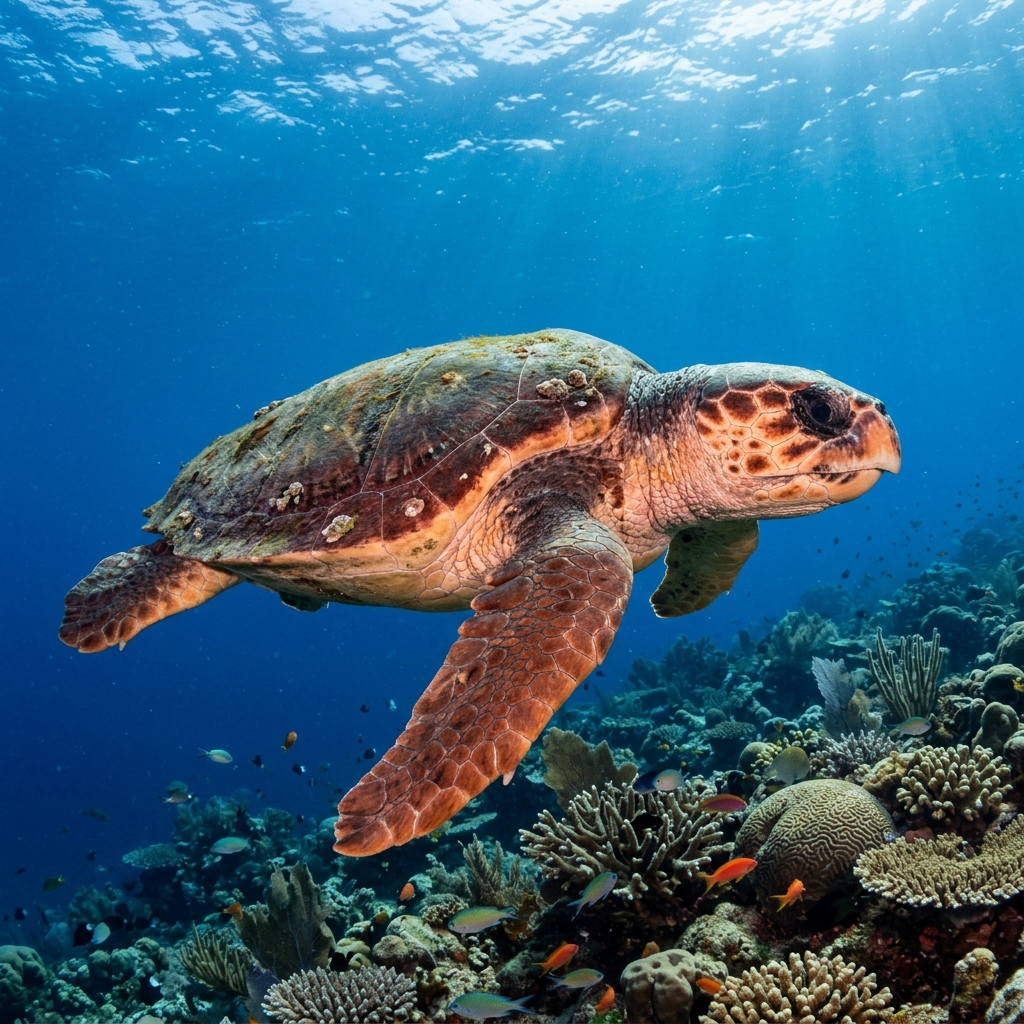
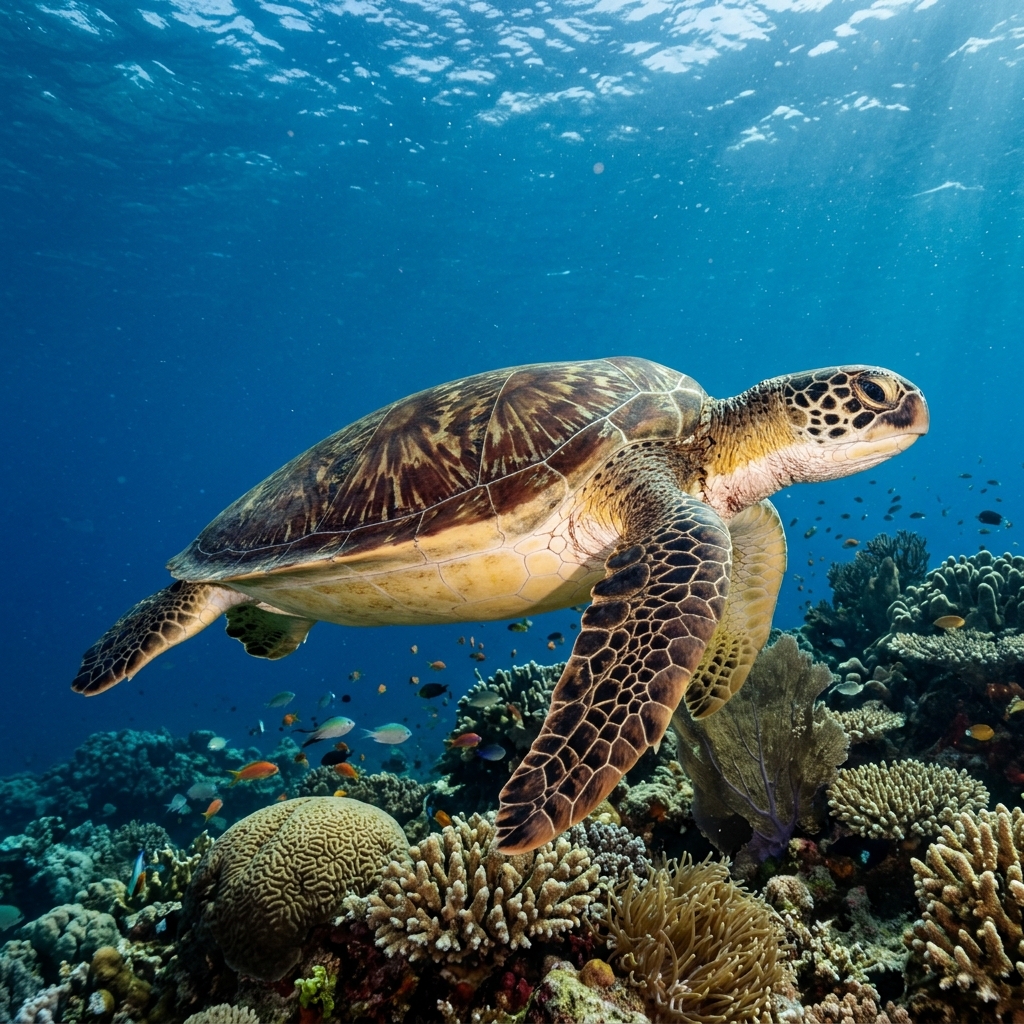
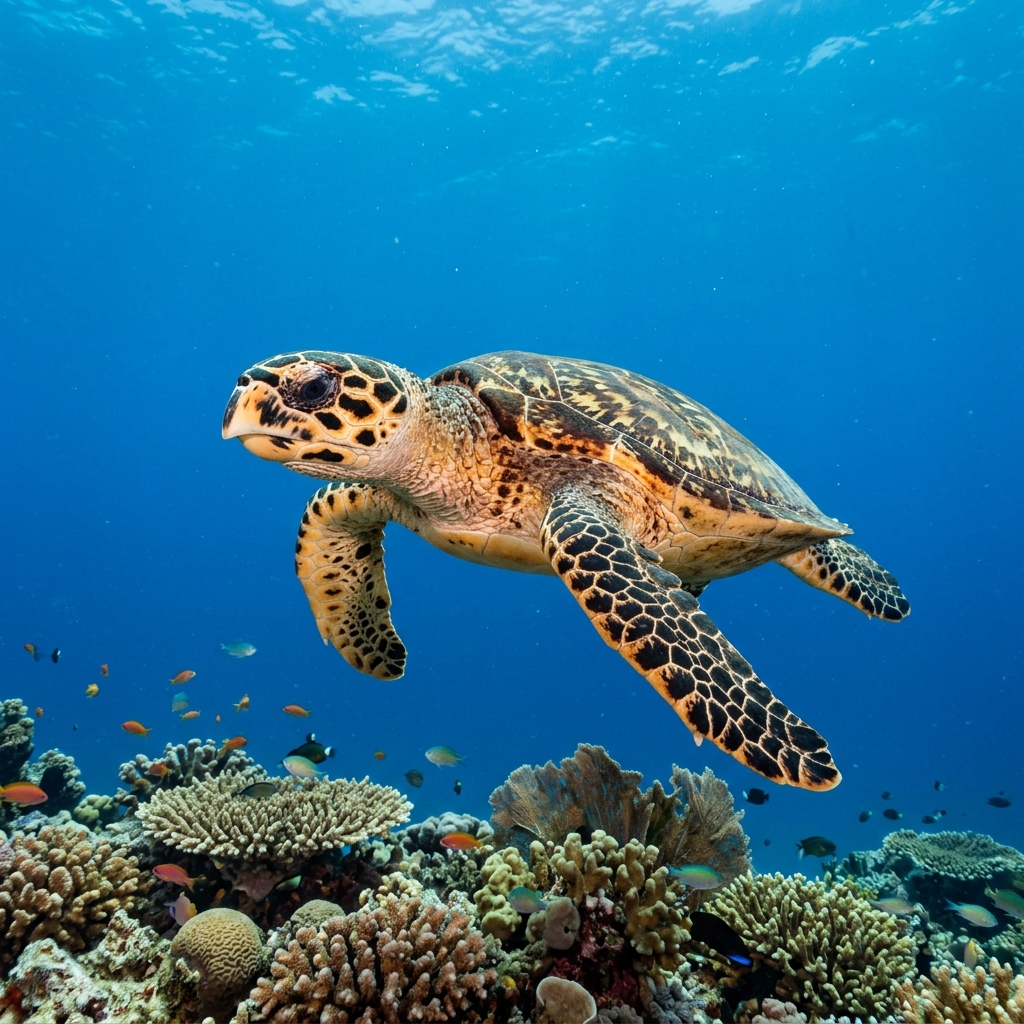
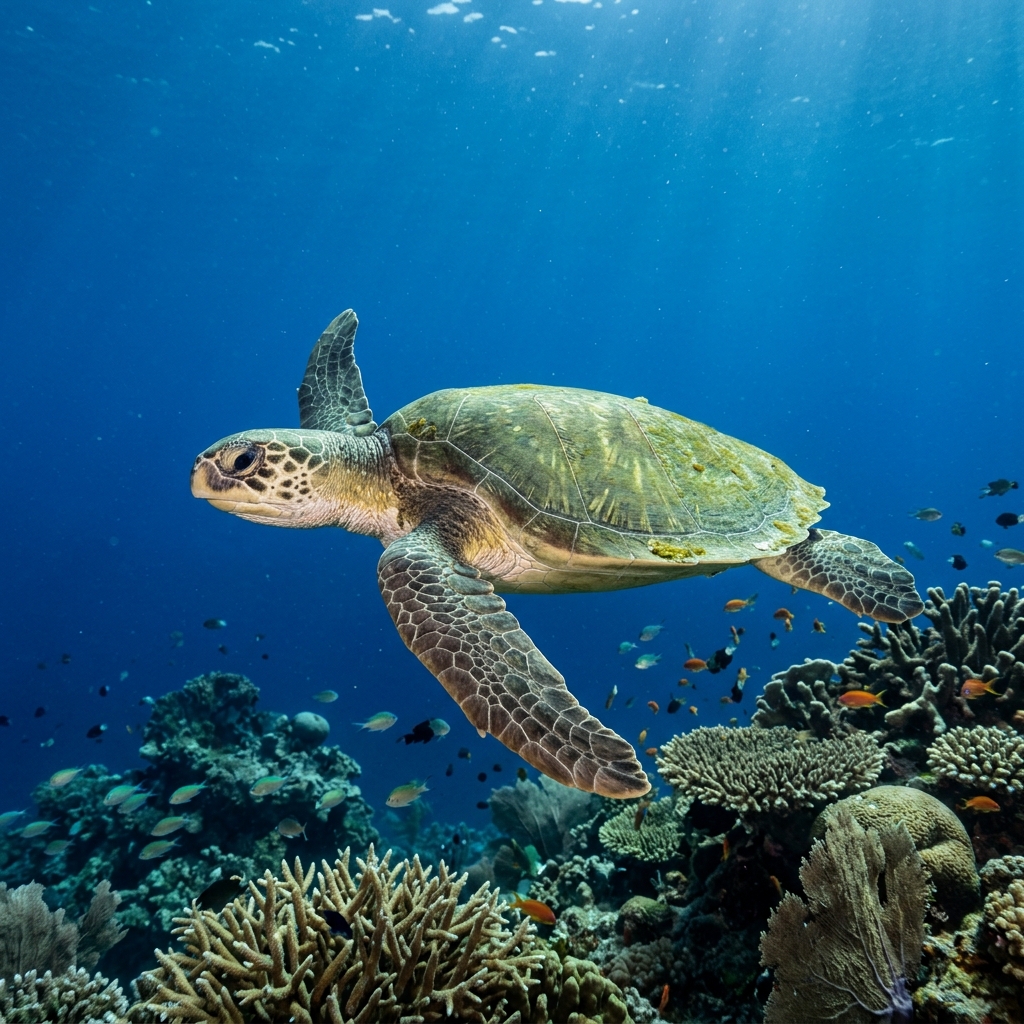
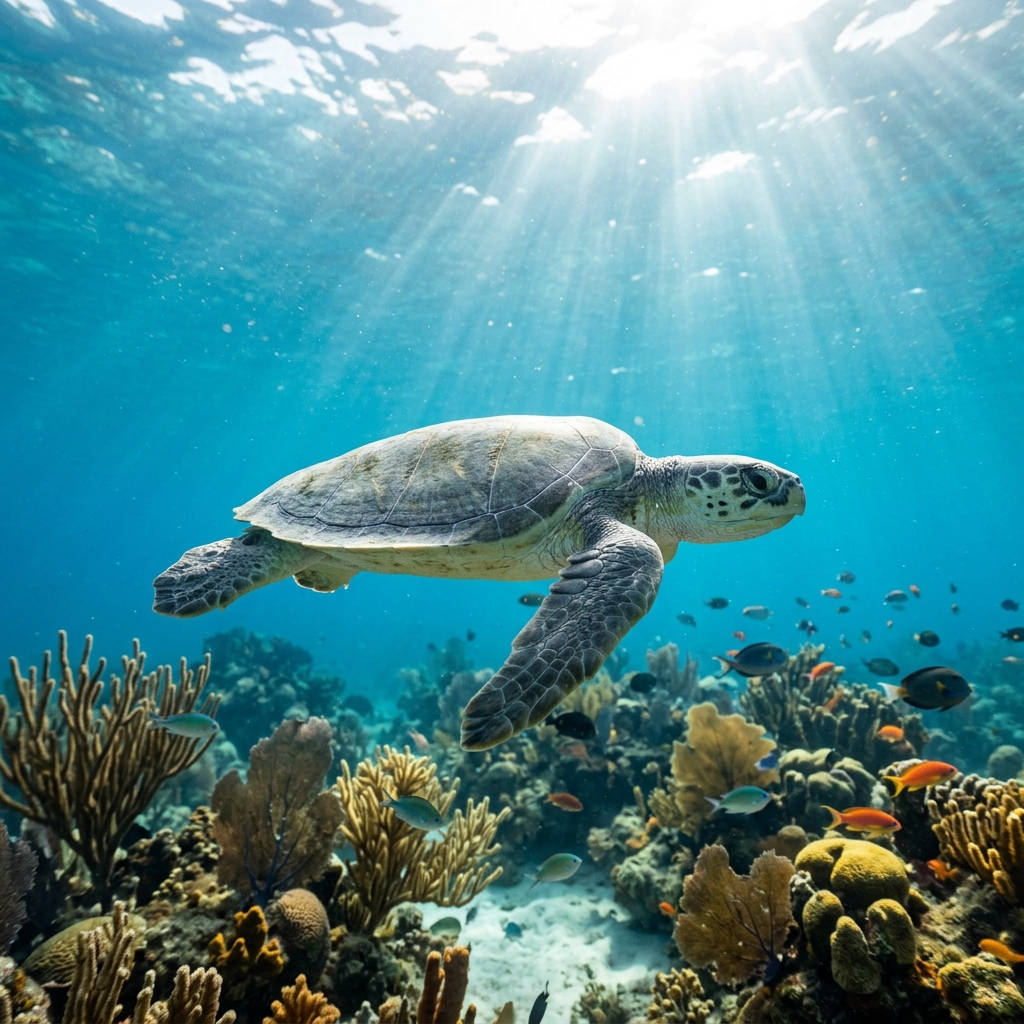
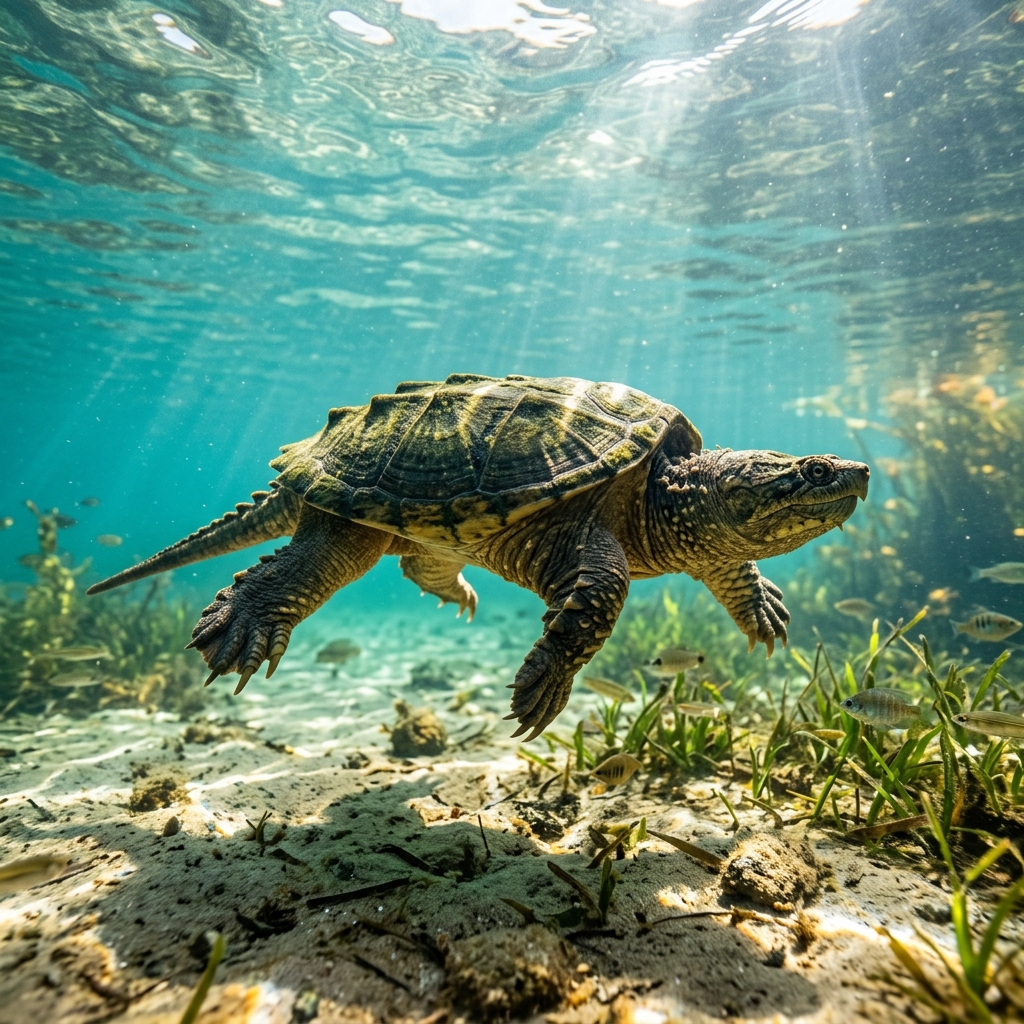
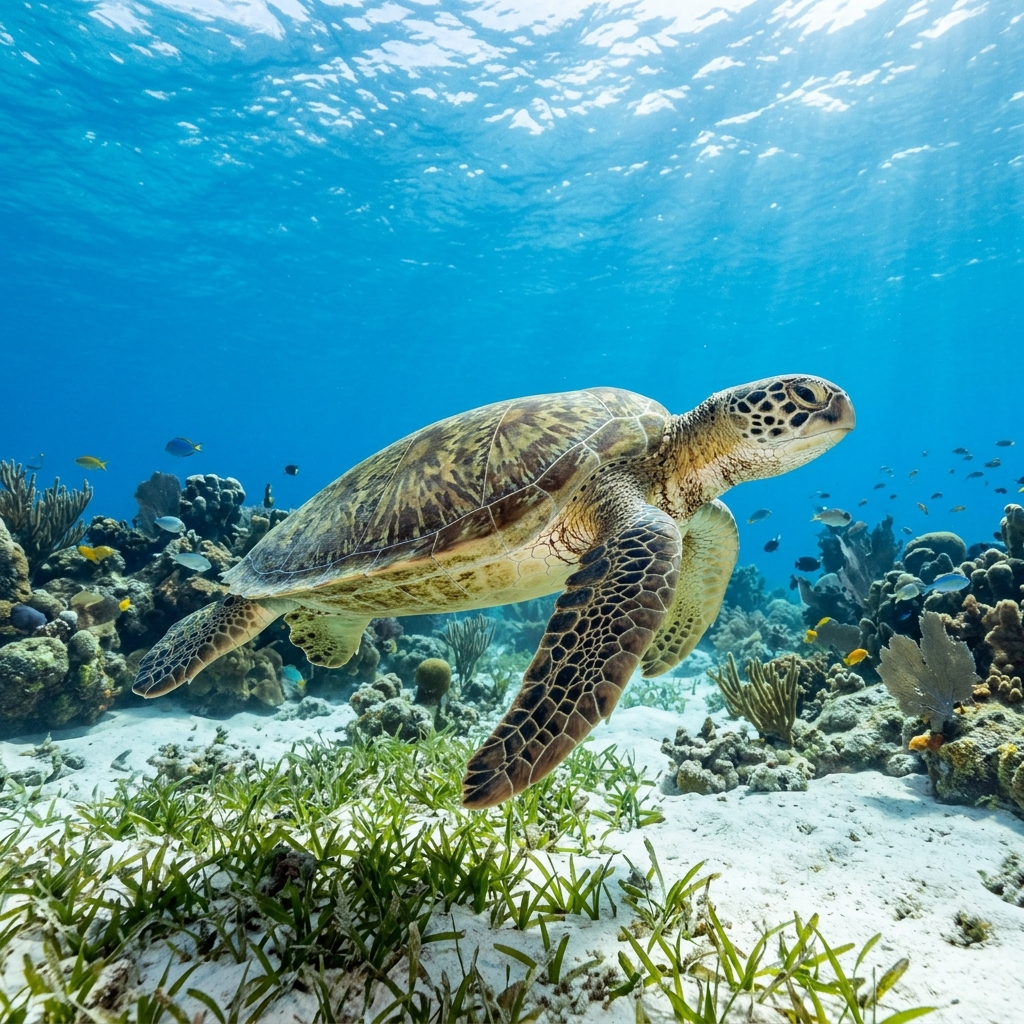
Distinguishing features include a streamlined, heart-shaped carapace (shell) that's typically brown or olive-green, often mottled with darker patterns. Their paddle-like flippers are well-adapted for swimming, and they use them powerfully to propel themselves through the water. Look for a relatively smooth shell compared to other turtle species. Their movements are graceful and deliberate, often appearing almost weightless underwater. The size, usually around 1 meter, is a good indicator, but juveniles will be much smaller.
The Sea Turtle is listed as endangered by the IUCN. When diving, please observe from a distance, avoid touching or feeding, and report any sightings to local marine research organisations.
Cheloniidae
Sea turtles! These graceful reptiles are a highlight for any diver or snorkeller. Imagine gliding alongside these ancient mariners as they effortlessly navigate the underwater world. Typically around 100cm in size, sea turtles inhabit a range of depths, from just below the surface to around 40 meters, so you might spot them while snorkelling or on a deeper dive. Encounters often happen around coral reefs, seagrass beds, or even while they're cruising in the open ocean. Their calm demeanor and captivating presence make every encounter a truly unforgettable experience. Seeing a sea turtle is a special treat. Their placid nature and the way sunlight dances on their shells make for incredible photo opportunities. You might observe them munching on seagrass, resting under ledges, or even surfacing for a breath of air. Remember to observe them respectfully, giving them plenty of space and avoiding any disturbance to their natural behaviour. With a diver appeal score of 5/5, it's clear why these gentle giants are so beloved by ocean enthusiasts.
Kemp's Ridley Sea Turtle
70 sites