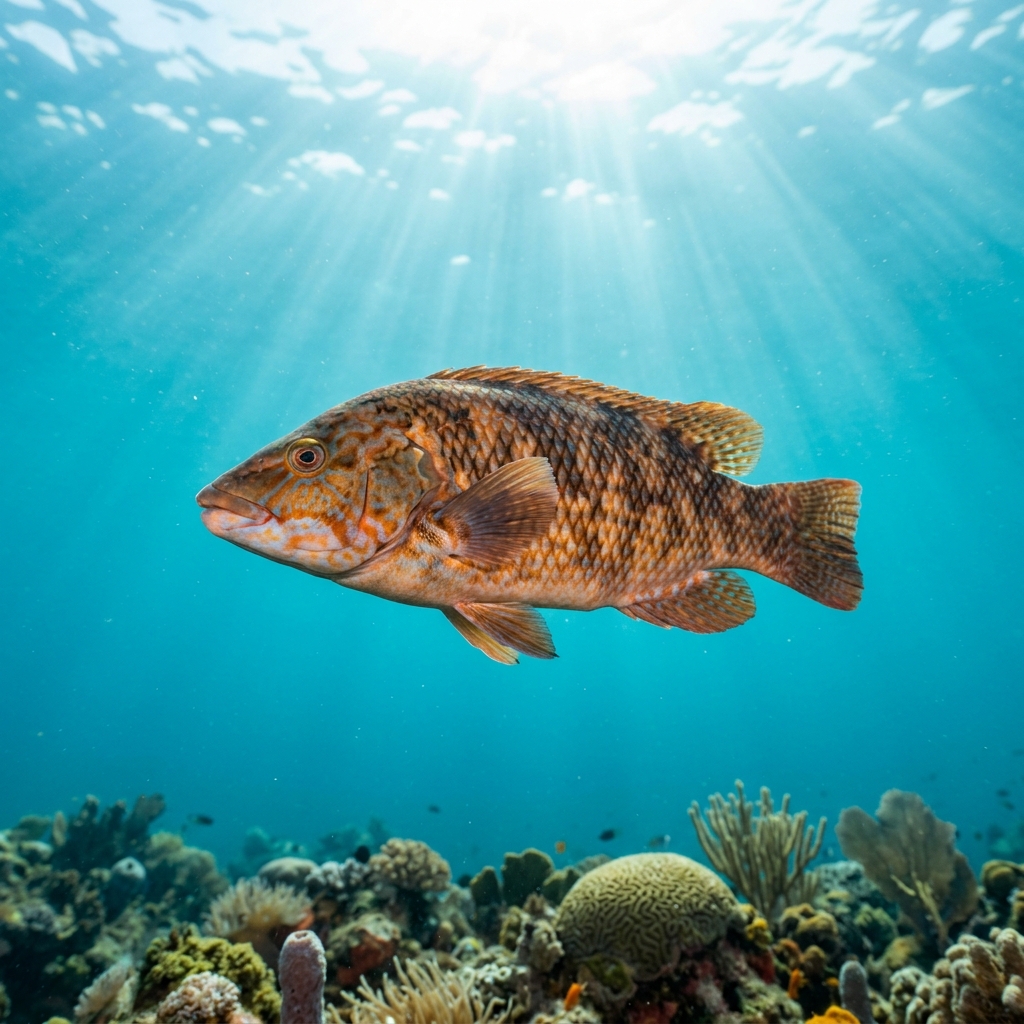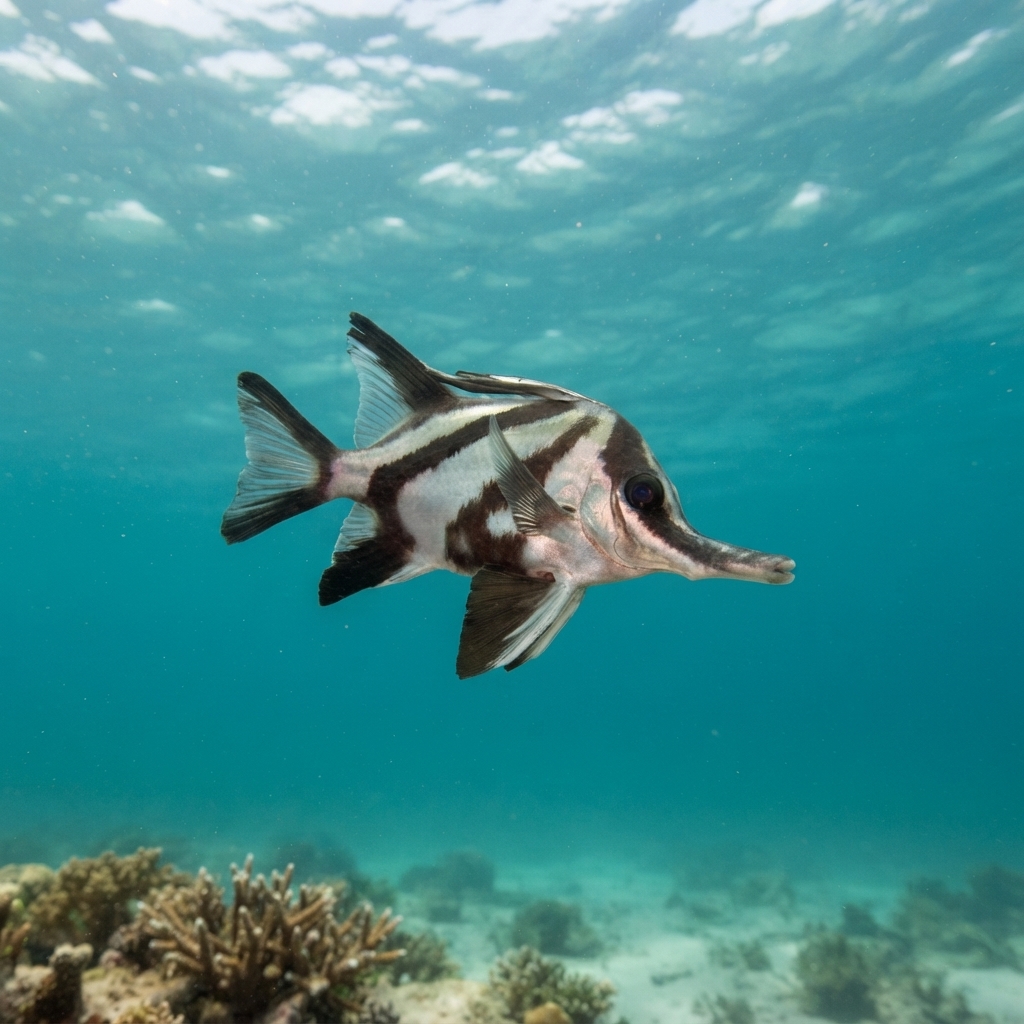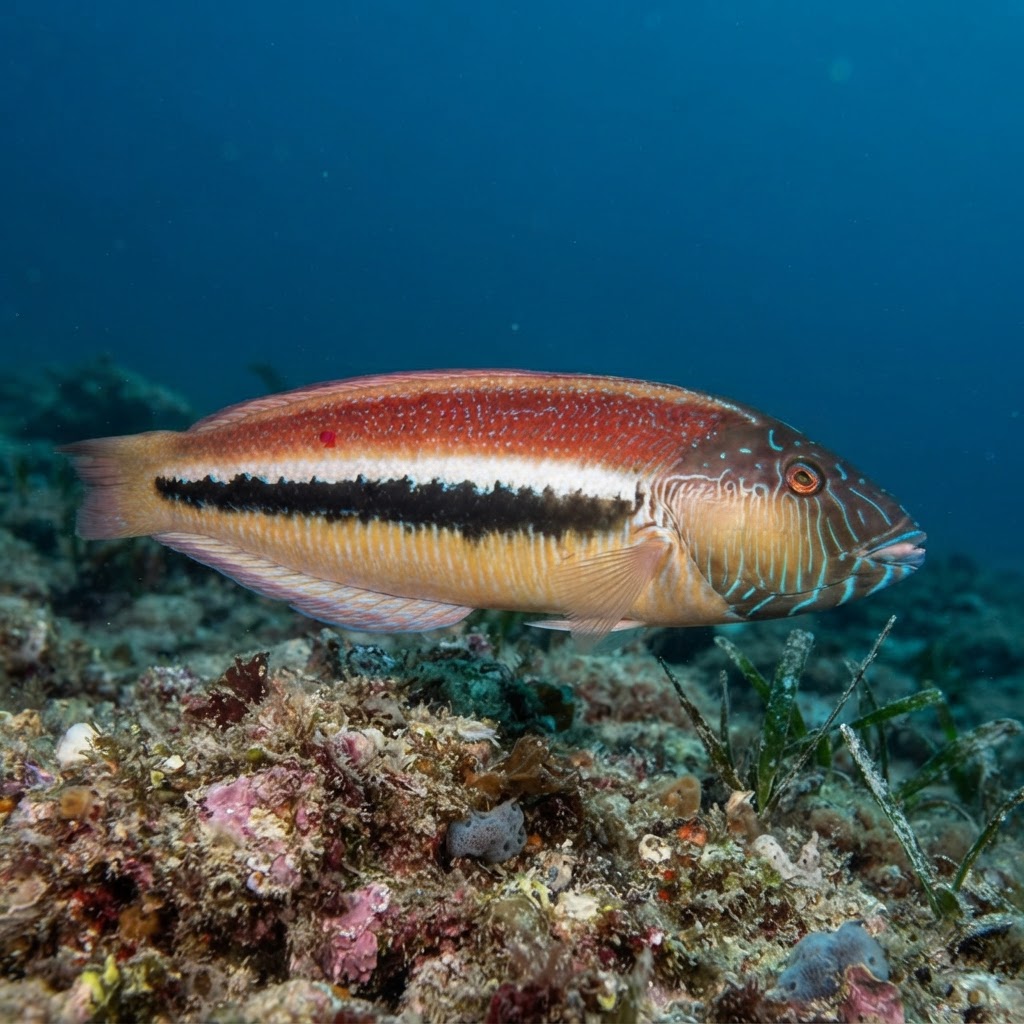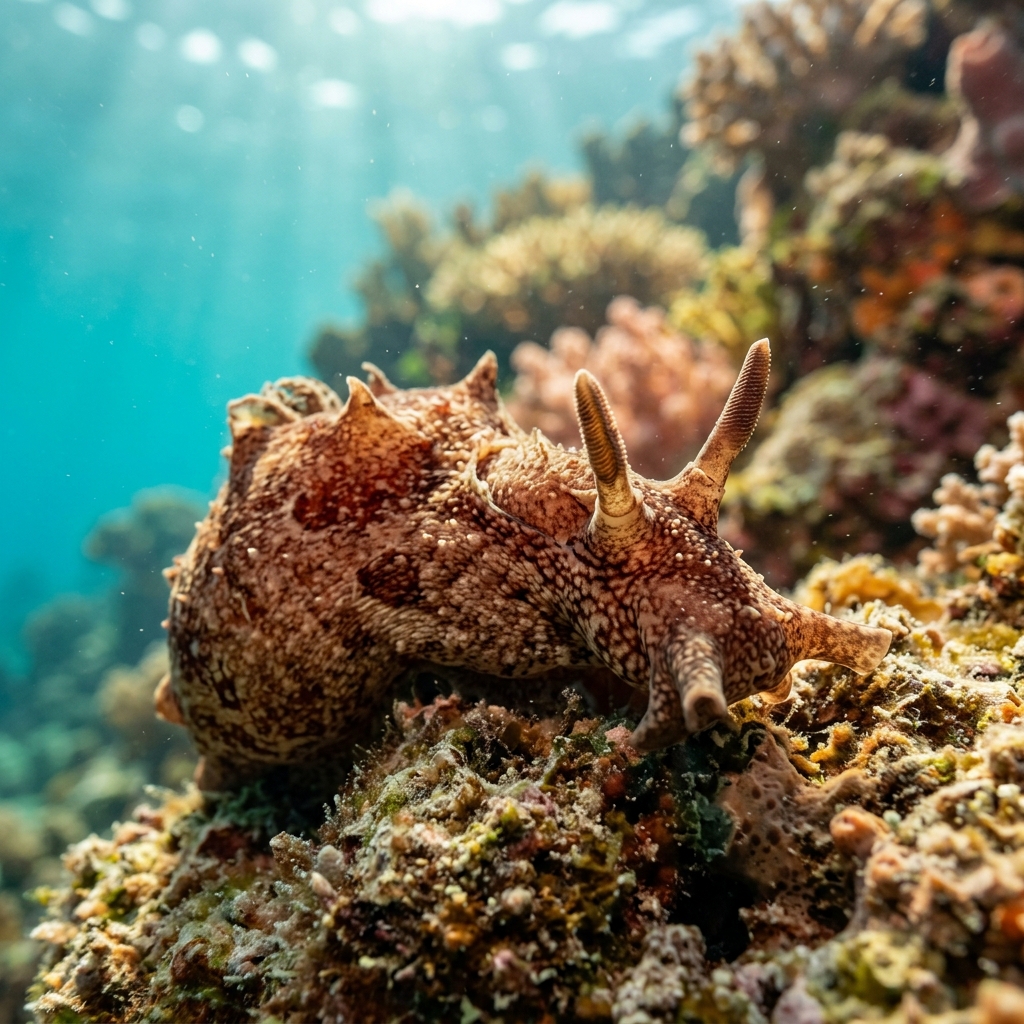
Best for beginner divers, Up to 18m, shore entry, mild current.
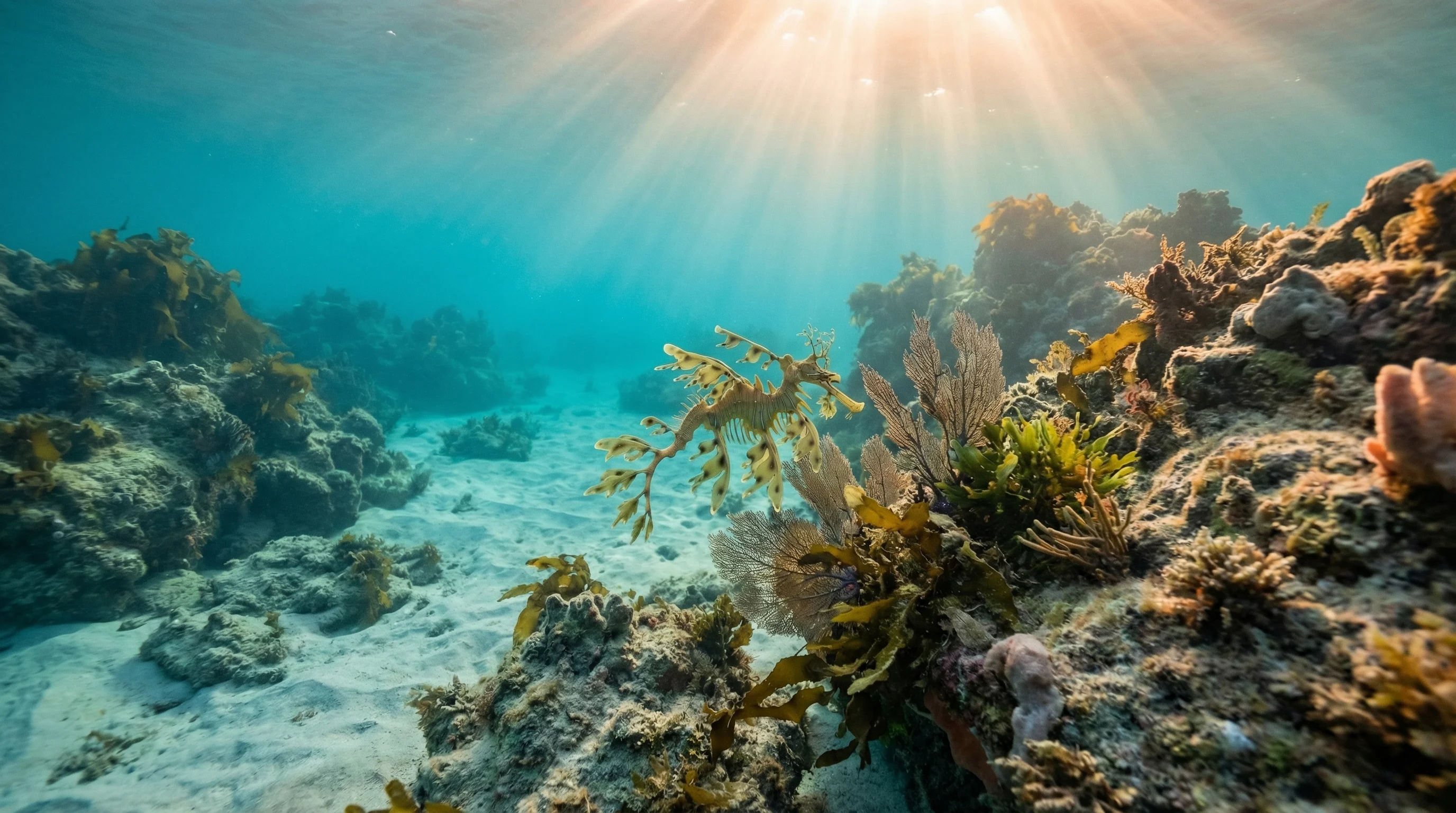
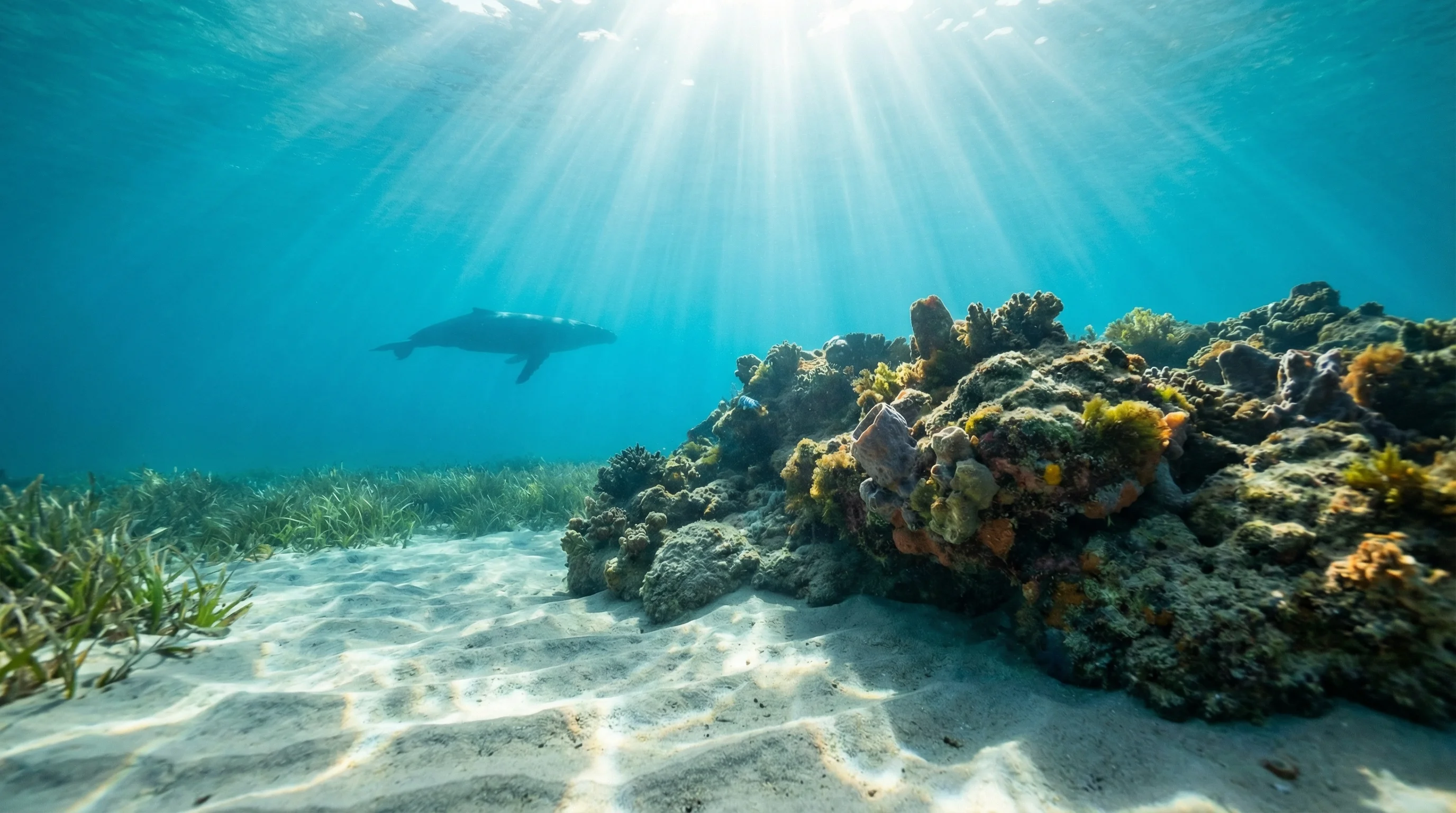
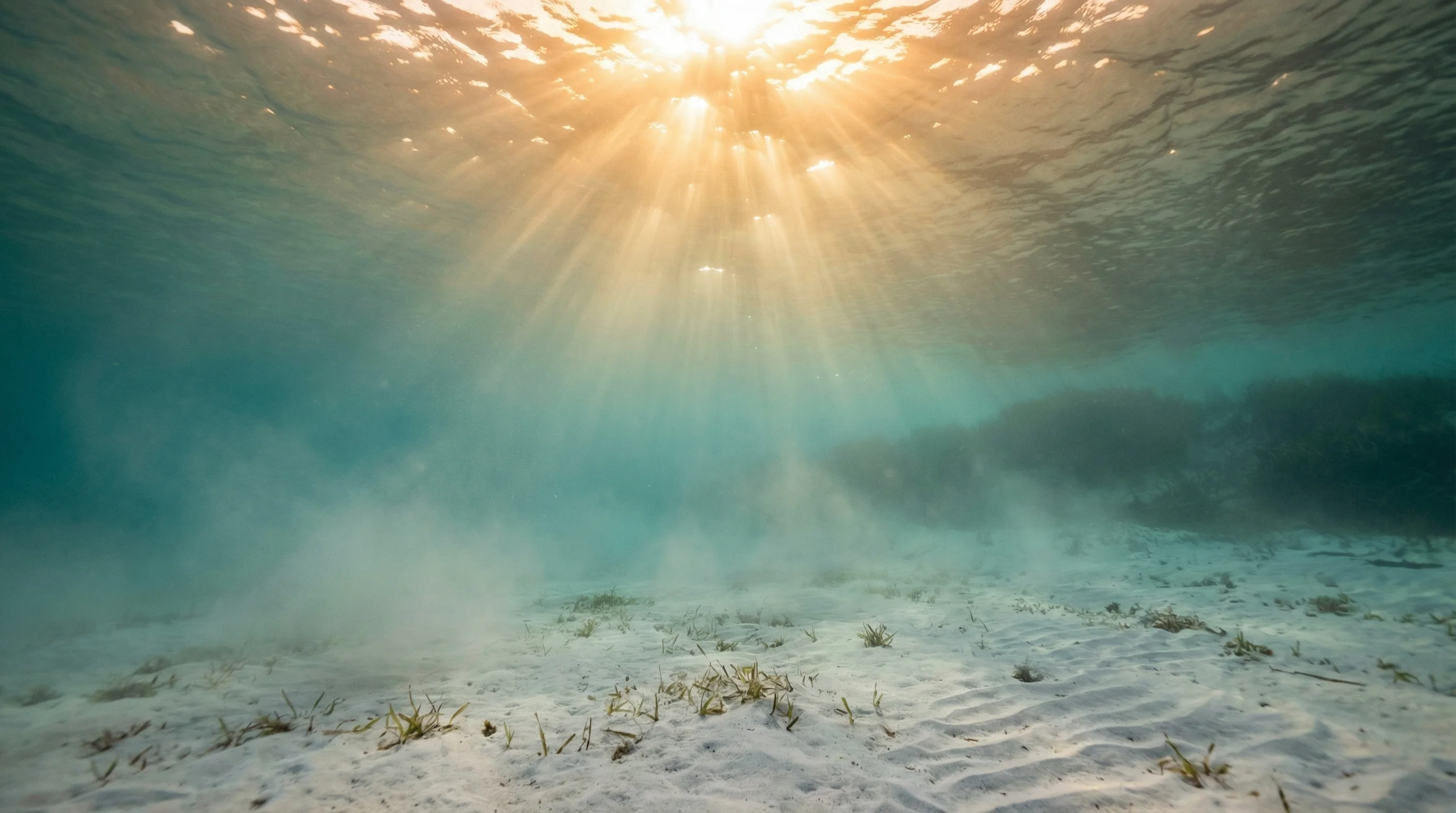
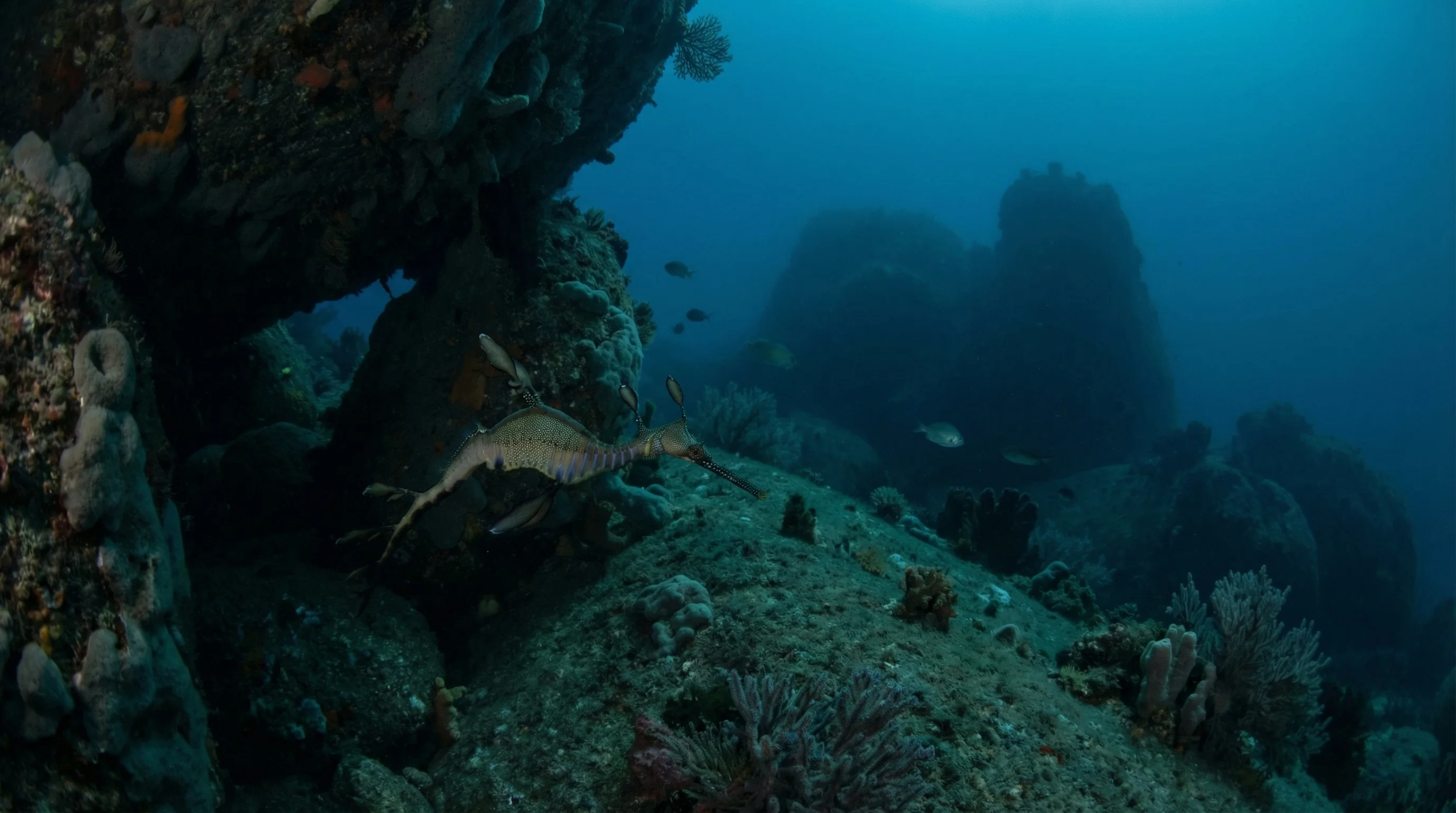
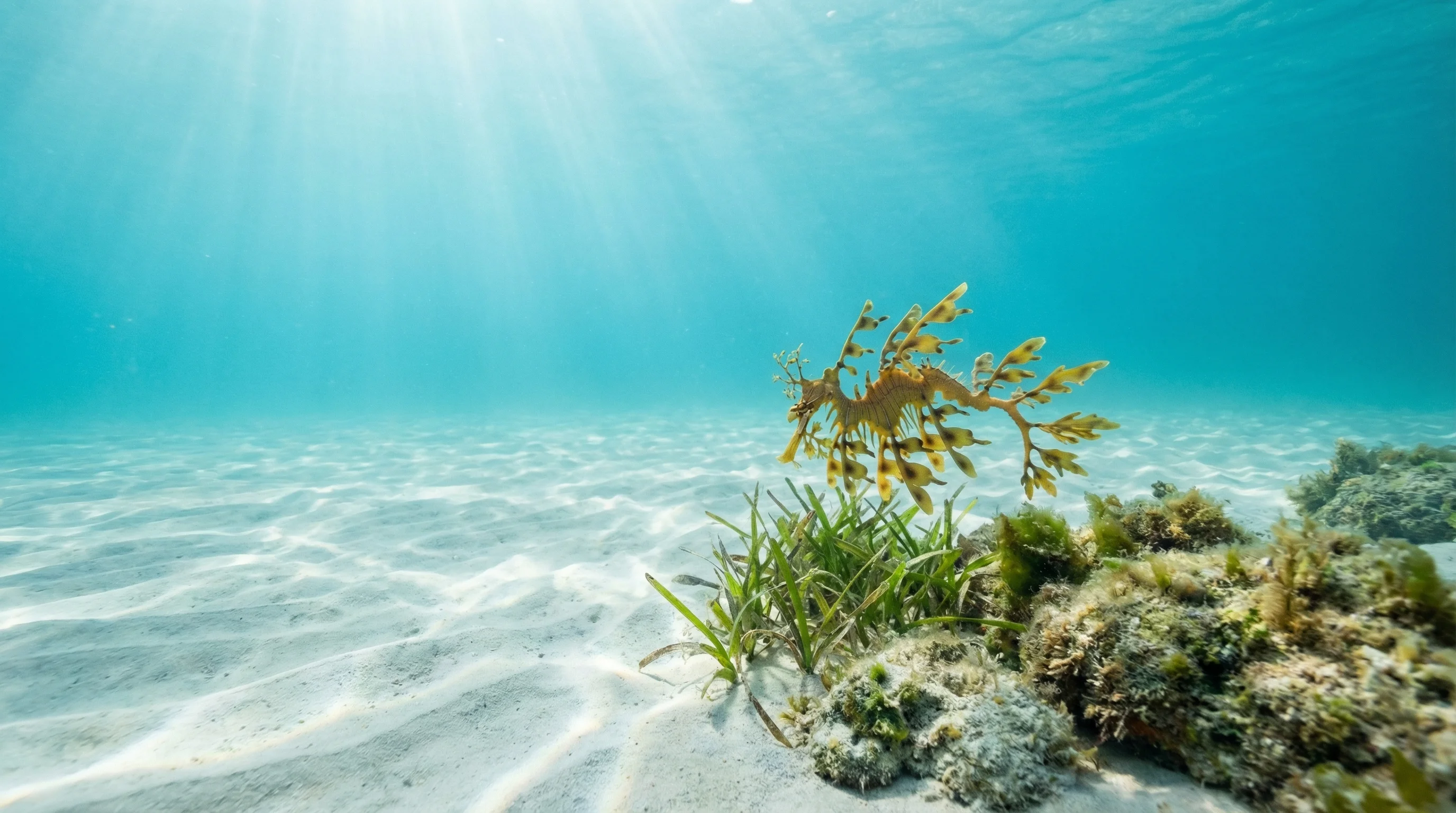
Little Wharton Beach is a shore-entry site in Australia featuring a mix of reef and seagrass habitats. Divers can explore depths ranging from the shallows down to 18 metres, making it suitable for beginners. The site experiences mild currents, though visibility can be variable and shift between visits. Facilities at the location include parking and toilets. When entering the water, shuffle your feet to avoid startling marine life. Maintain good buoyancy control while navigating the reef and seagrass areas, and remain aware of the presence of sharks in the water.
-33.94607, 122.56630
Visitors can park along the side of the road near the beach entrance.
The beach is situated about 45 minutes away from Esperance. Parking is available along the side of the road near the beach entrance.
Recorded nearby, within 20km
Depth
Up to 18m
Skill Level
Beginner
Entry
Shore
Water Temp
16-20°C
Current
Mild
Best Time
Mar, May, Sep, Nov
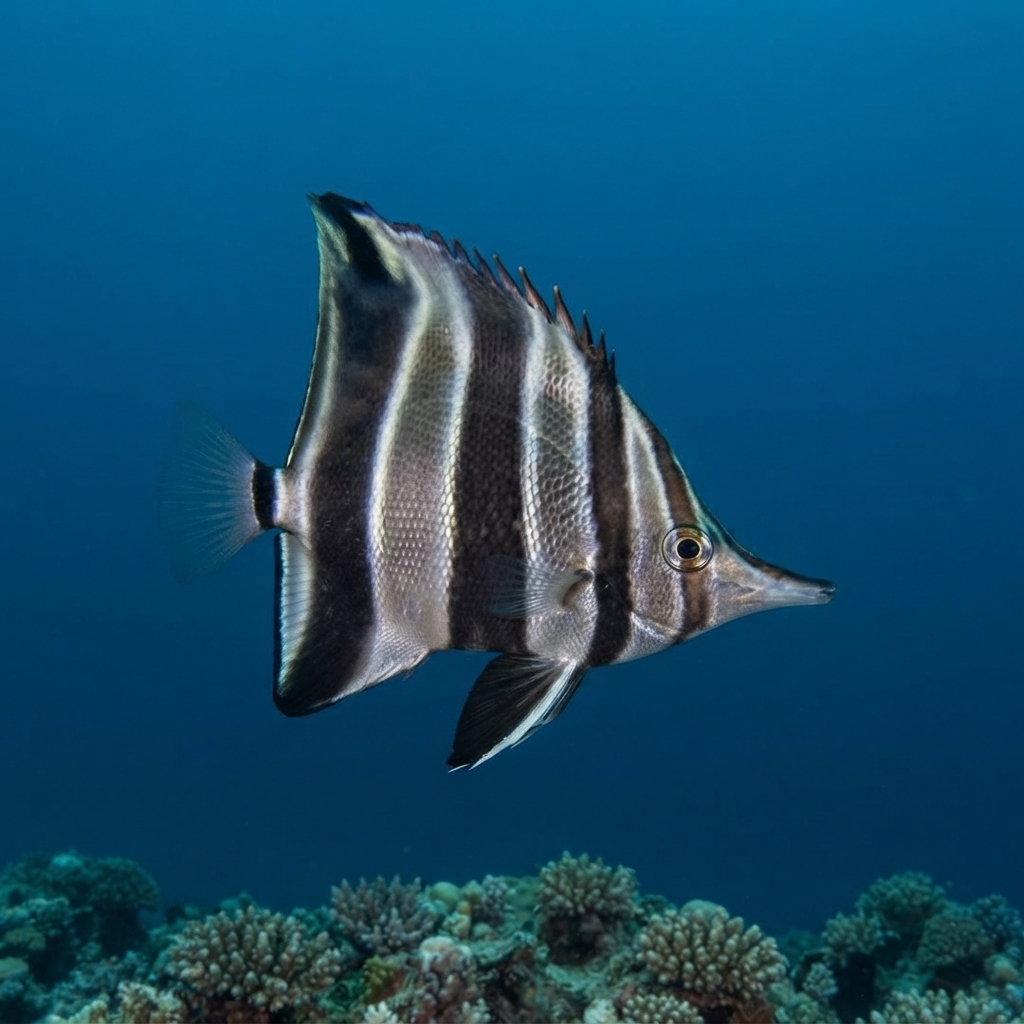
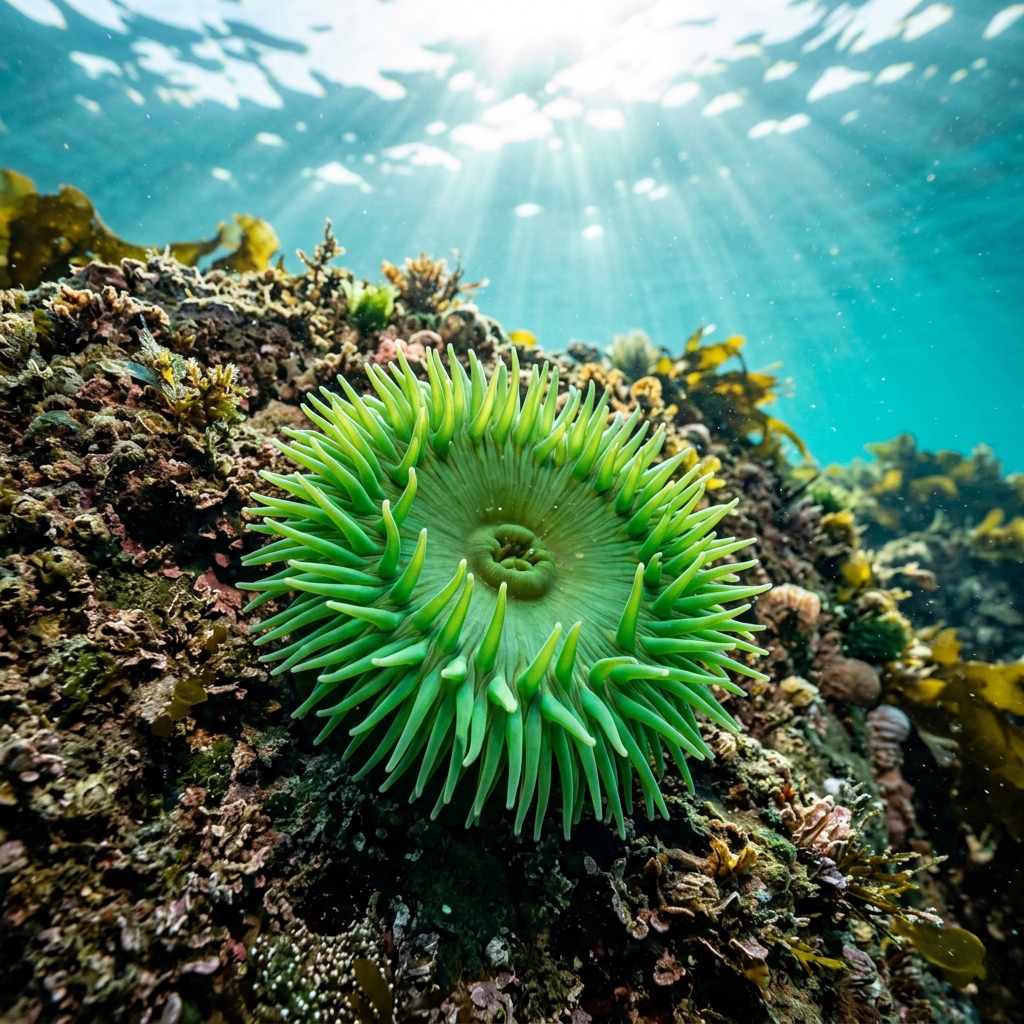
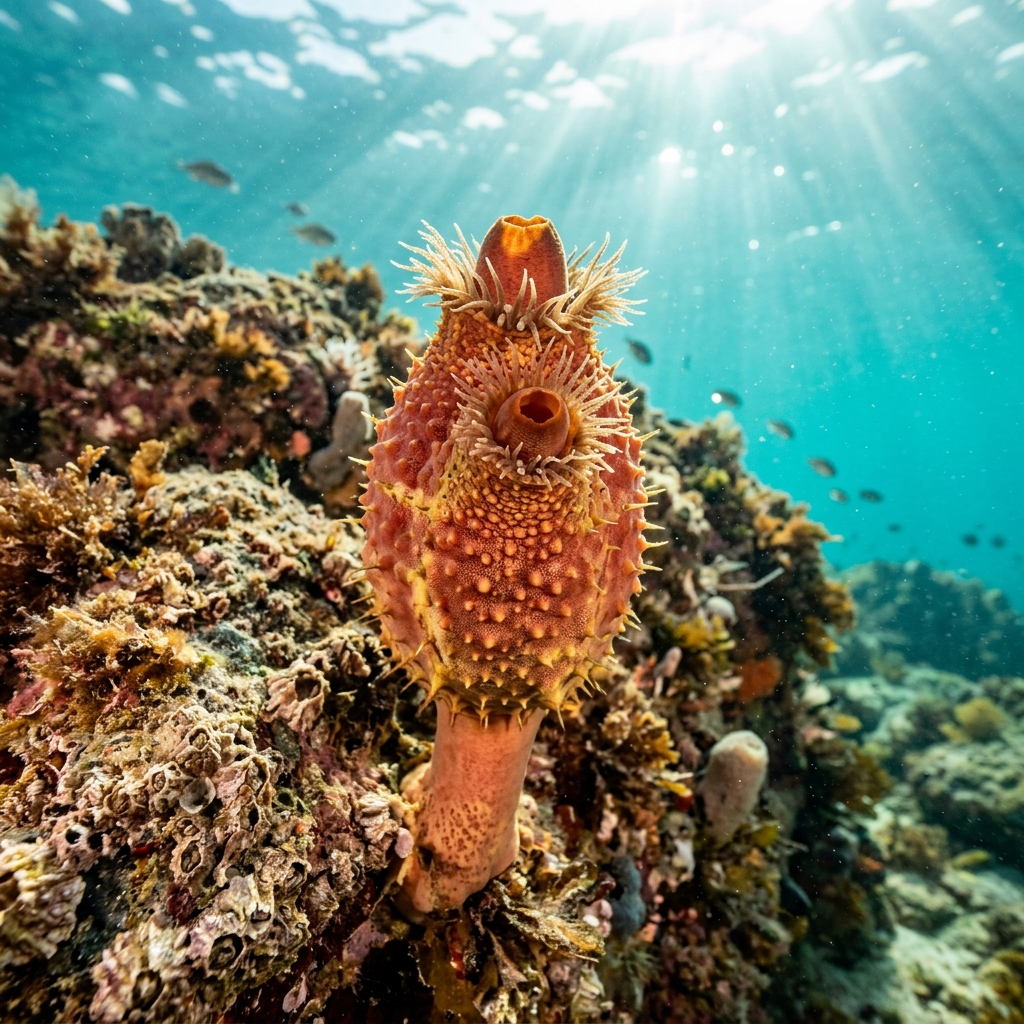
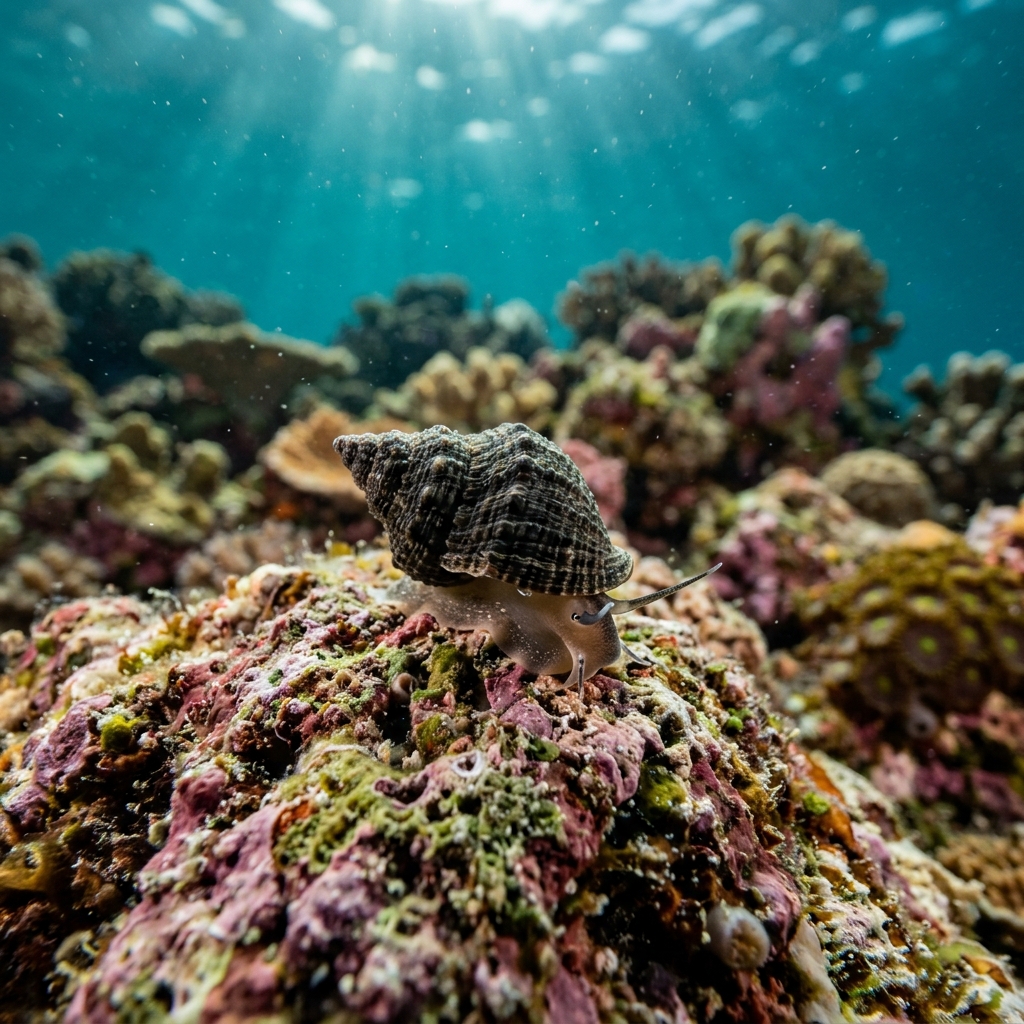
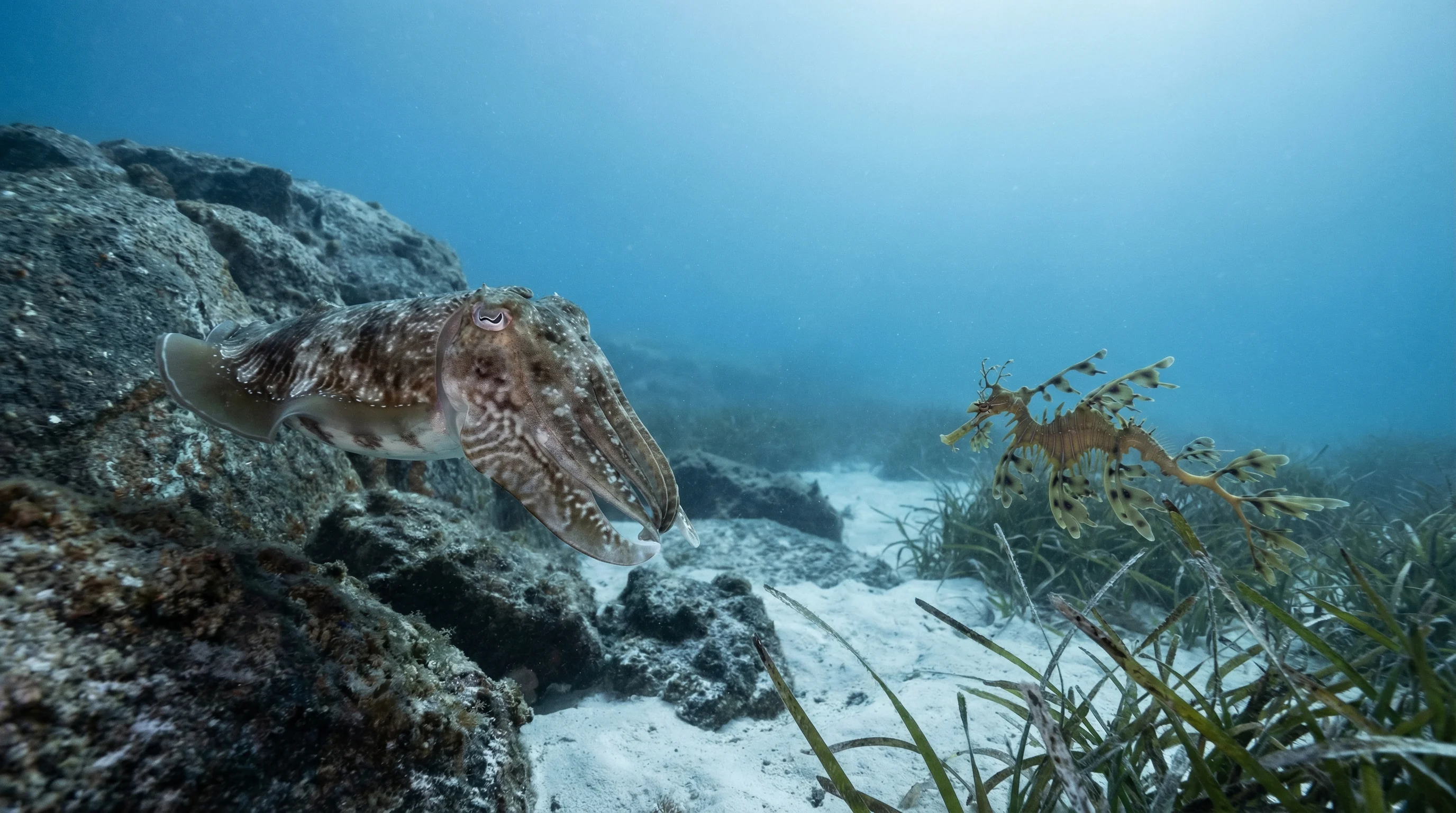
The site features reef and seagrass habitats, though specific species observations are not recorded for this location.
Yes, Little Wharton Beach is considered suitable for beginners due to its manageable mild currents and variable depth range.
The site offers depths ranging from the shallows down to a maximum of 18 metres.
This is a shore-entry dive site.
The best months to visit are March, May, September, and November, when visibility tends to be most reliable.
Sharks are present at this site. Divers should shuffle their feet when entering the shallows and maintain good buoyancy control.
Diving at Little Wharton Beach in Condingup requires the following certifications: Open Water. Always dive within your training limits.
A 7mm wetsuit or semi-dry is recommended for diving at Little Wharton Beach in Condingup. Water temperatures range from 16°C to 20°C.
Little Wharton Beach in Condingup typically has mild currents that most divers can handle comfortably.