Best for beginner divers, 4-13m, shore entry, variable current.
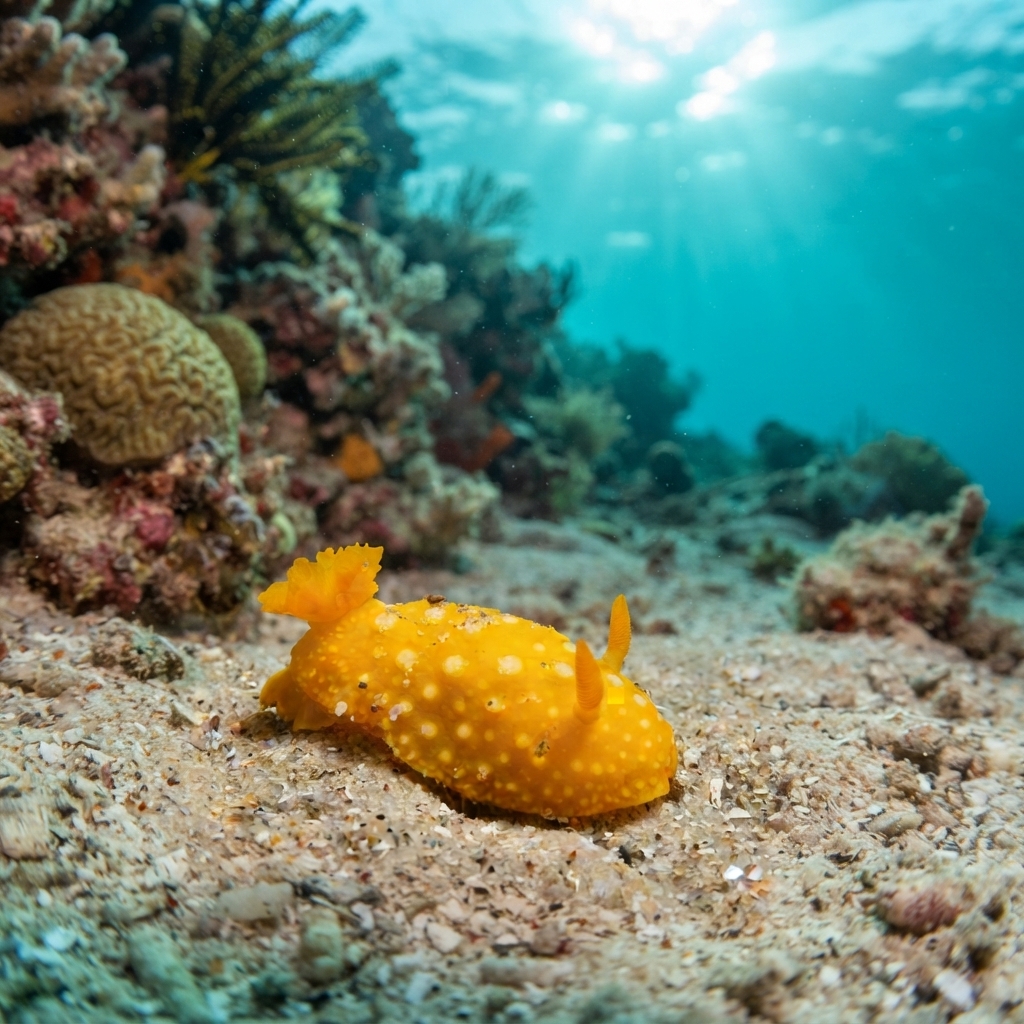
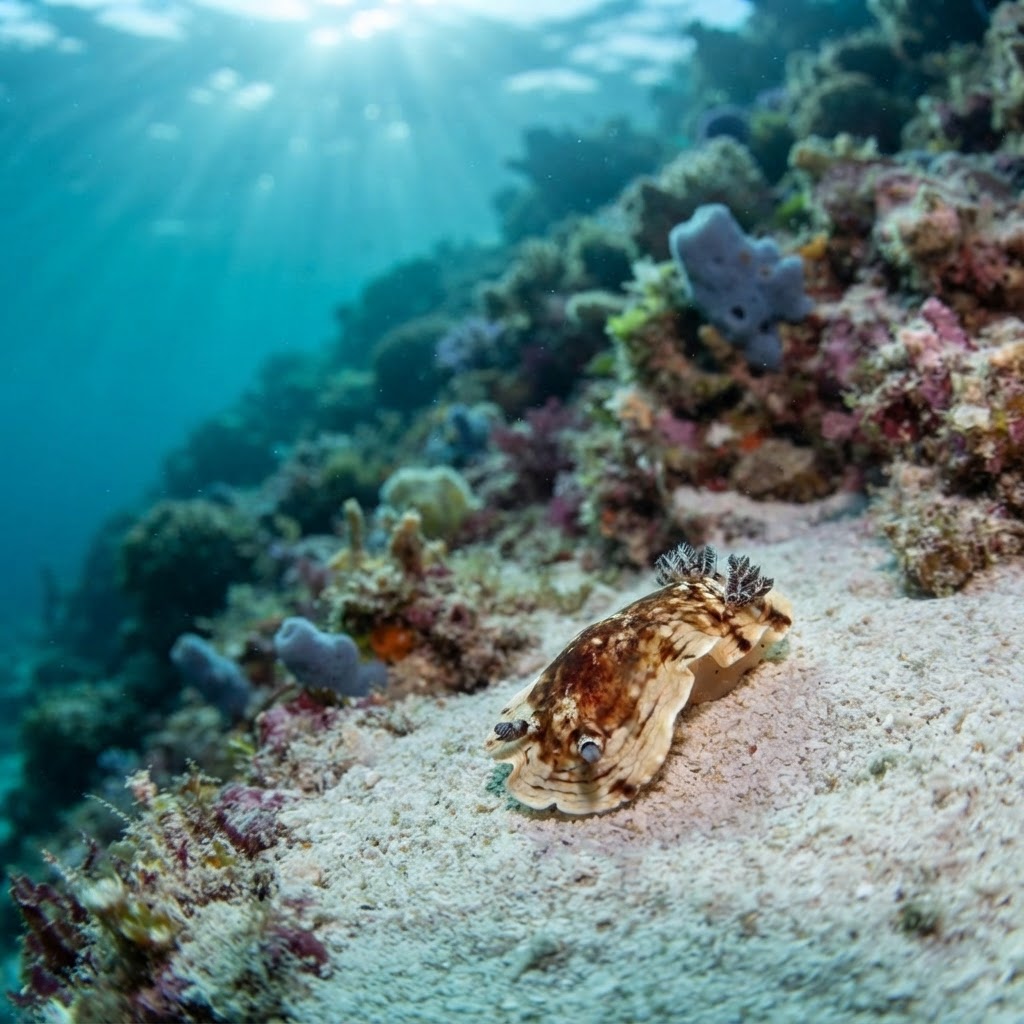
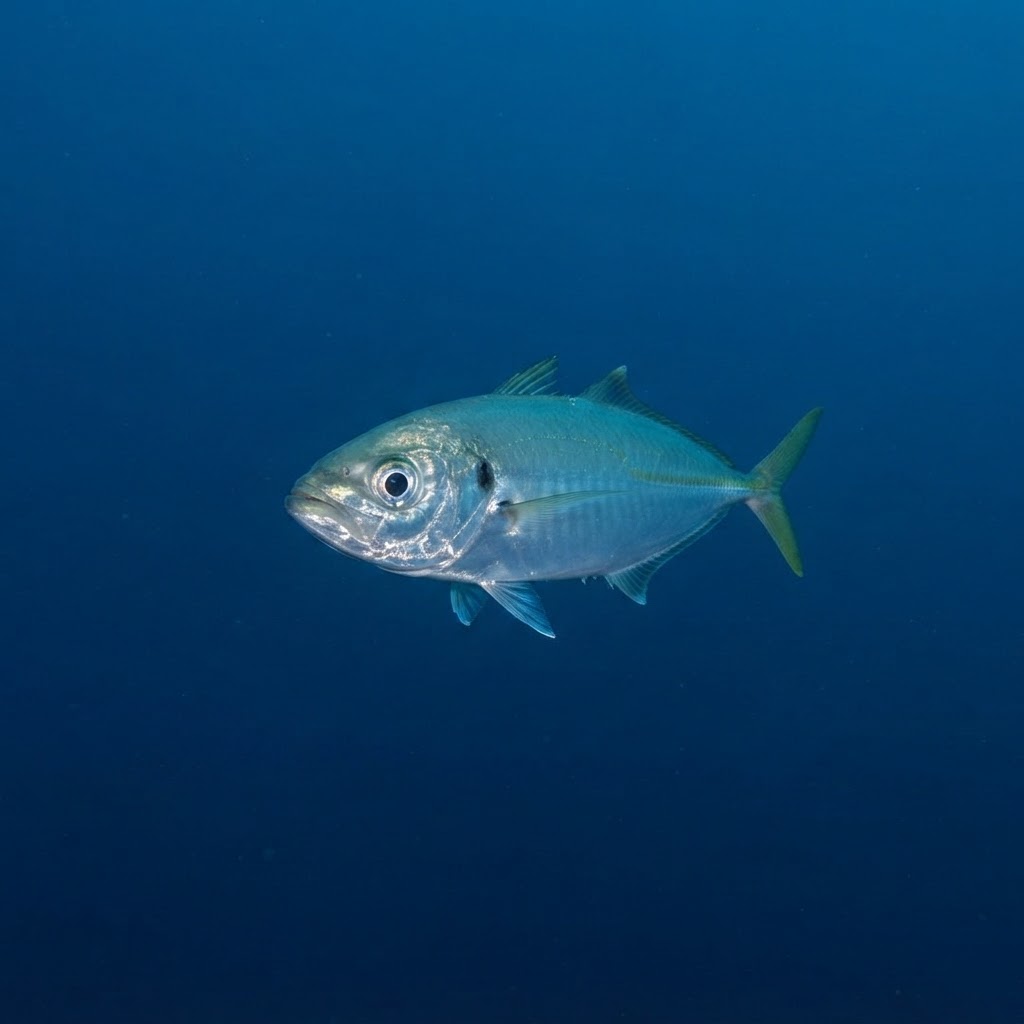
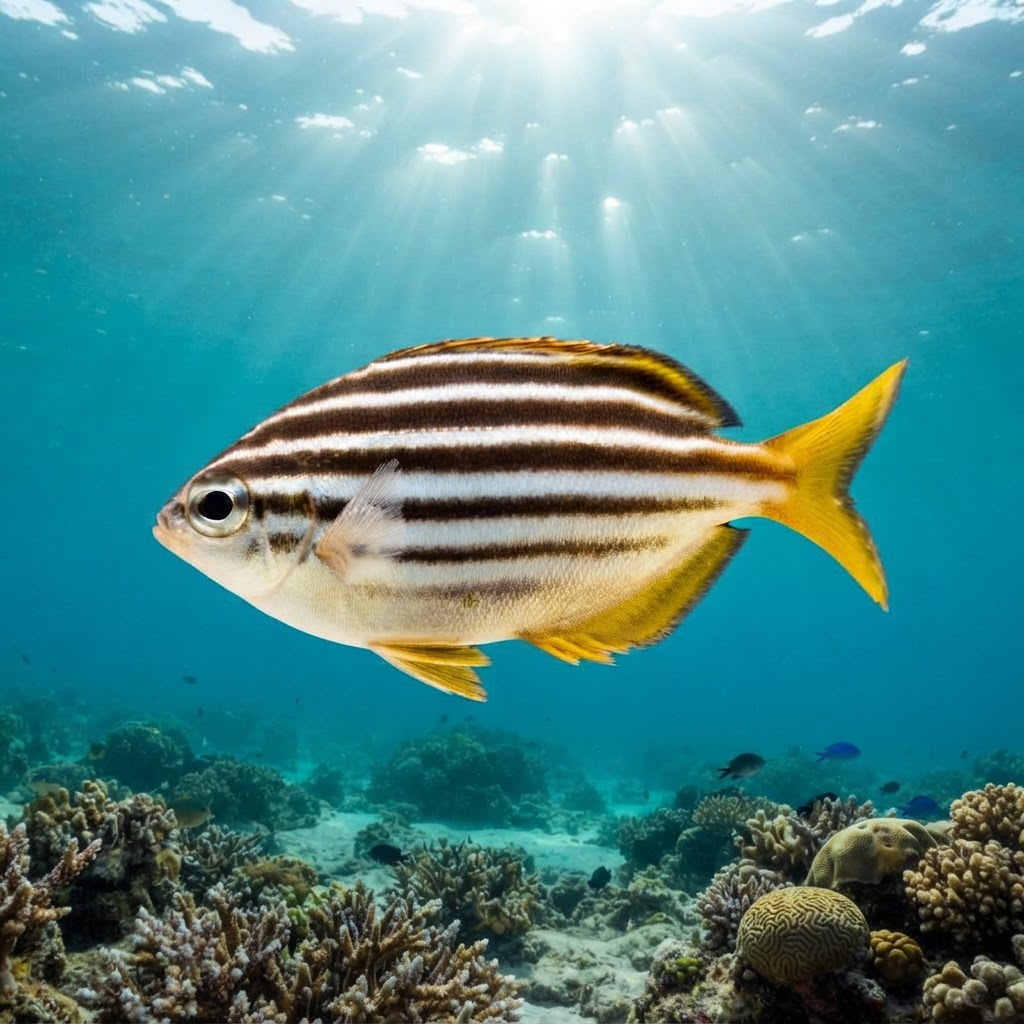
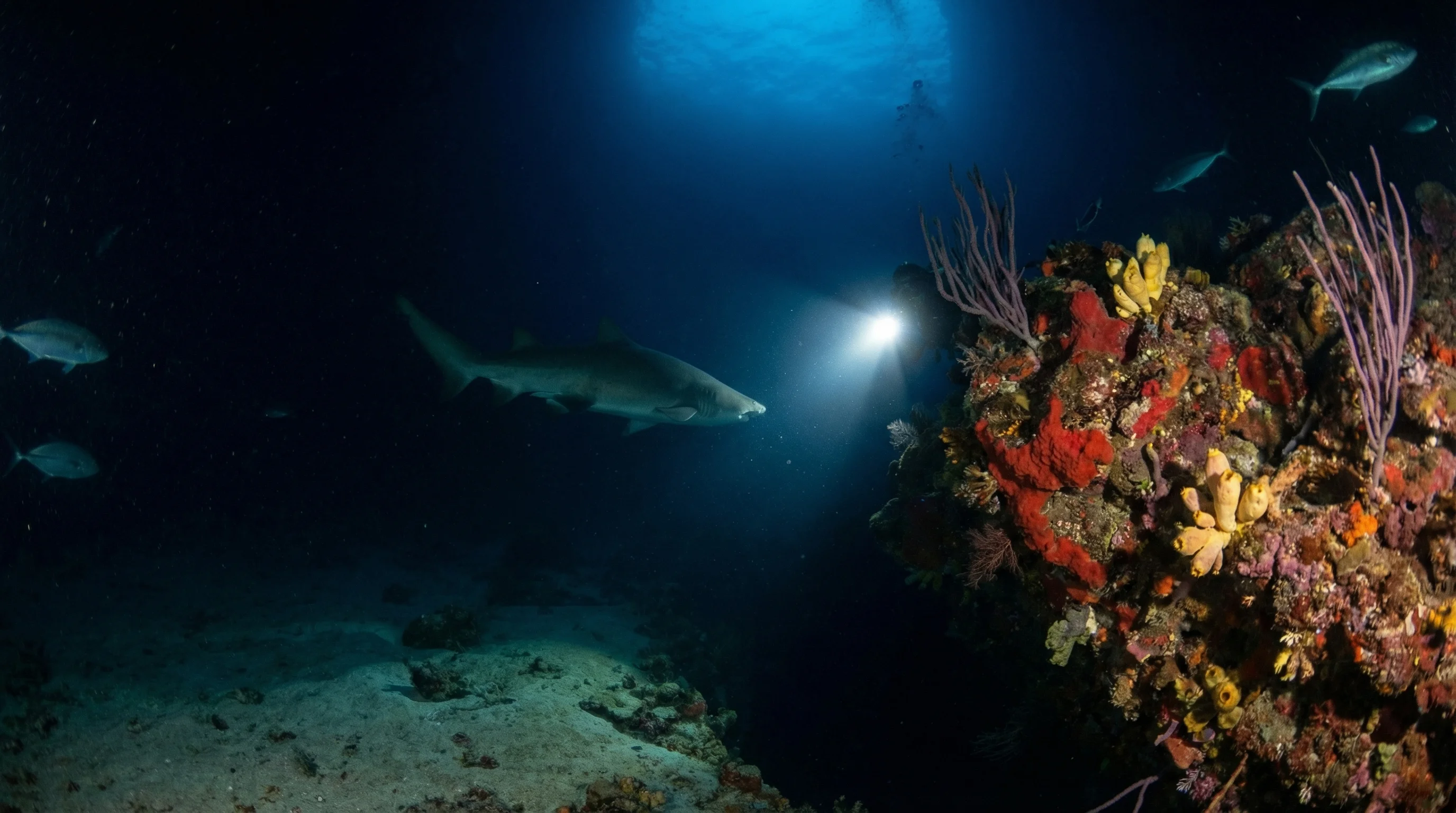
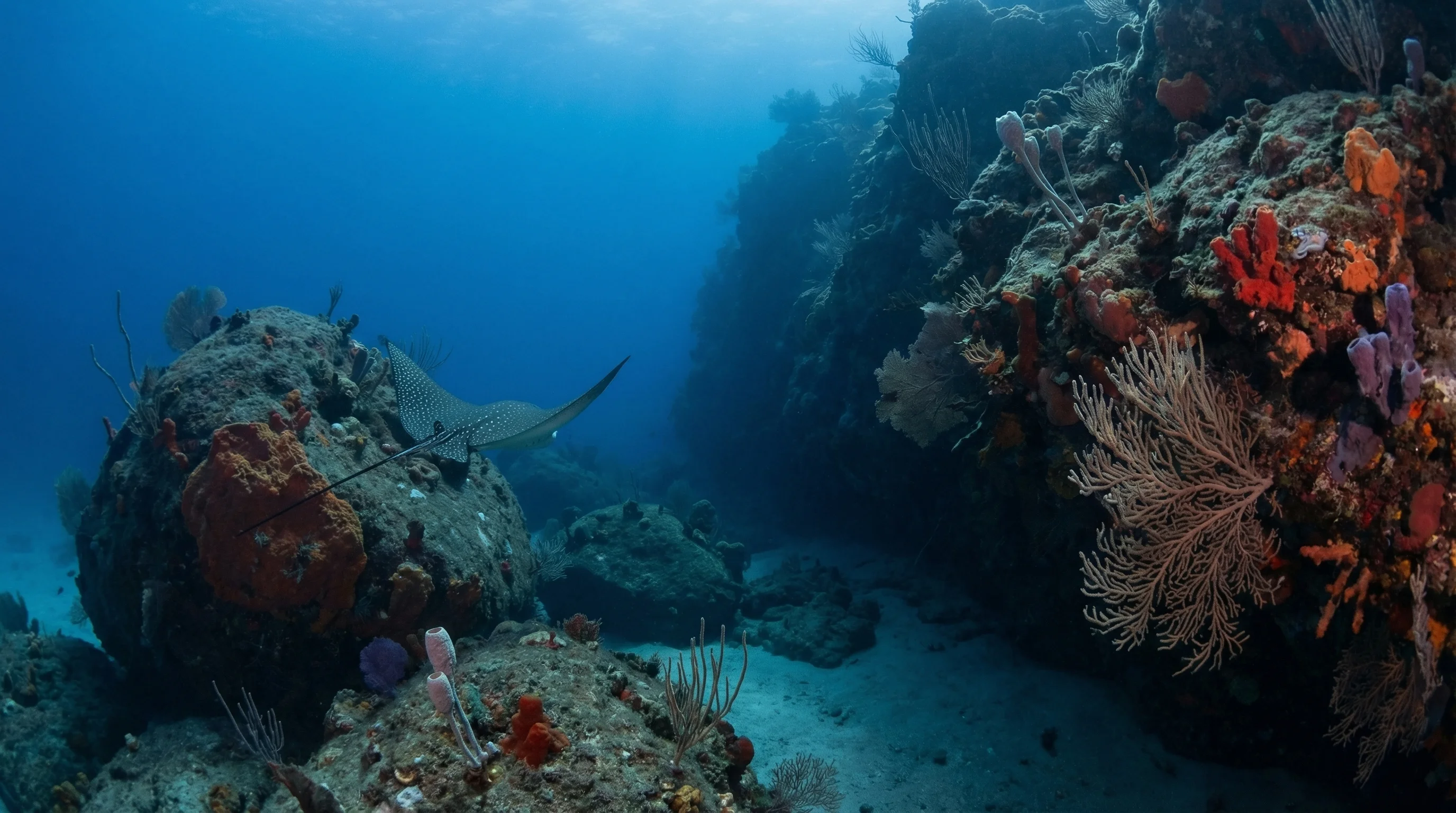
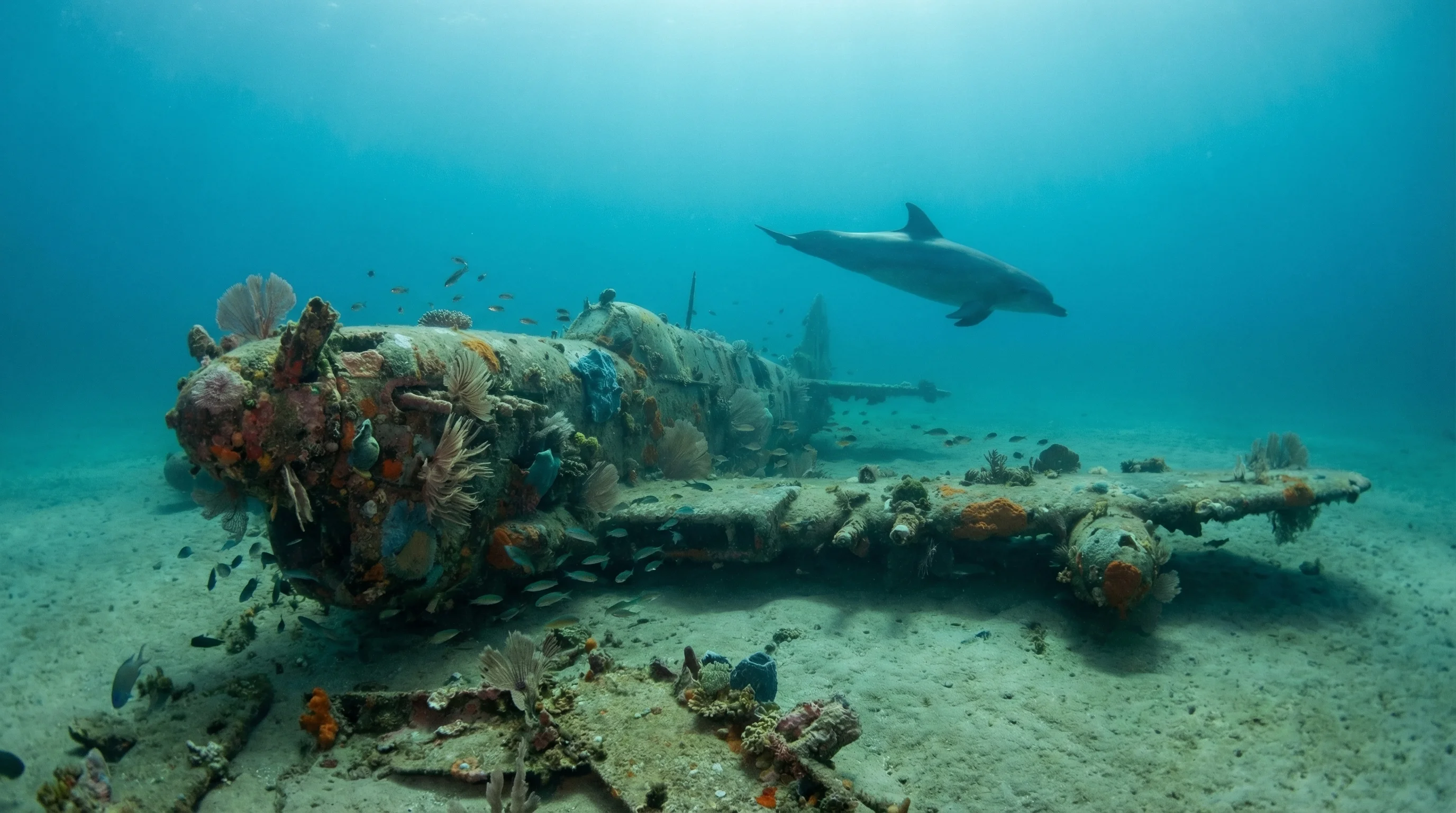
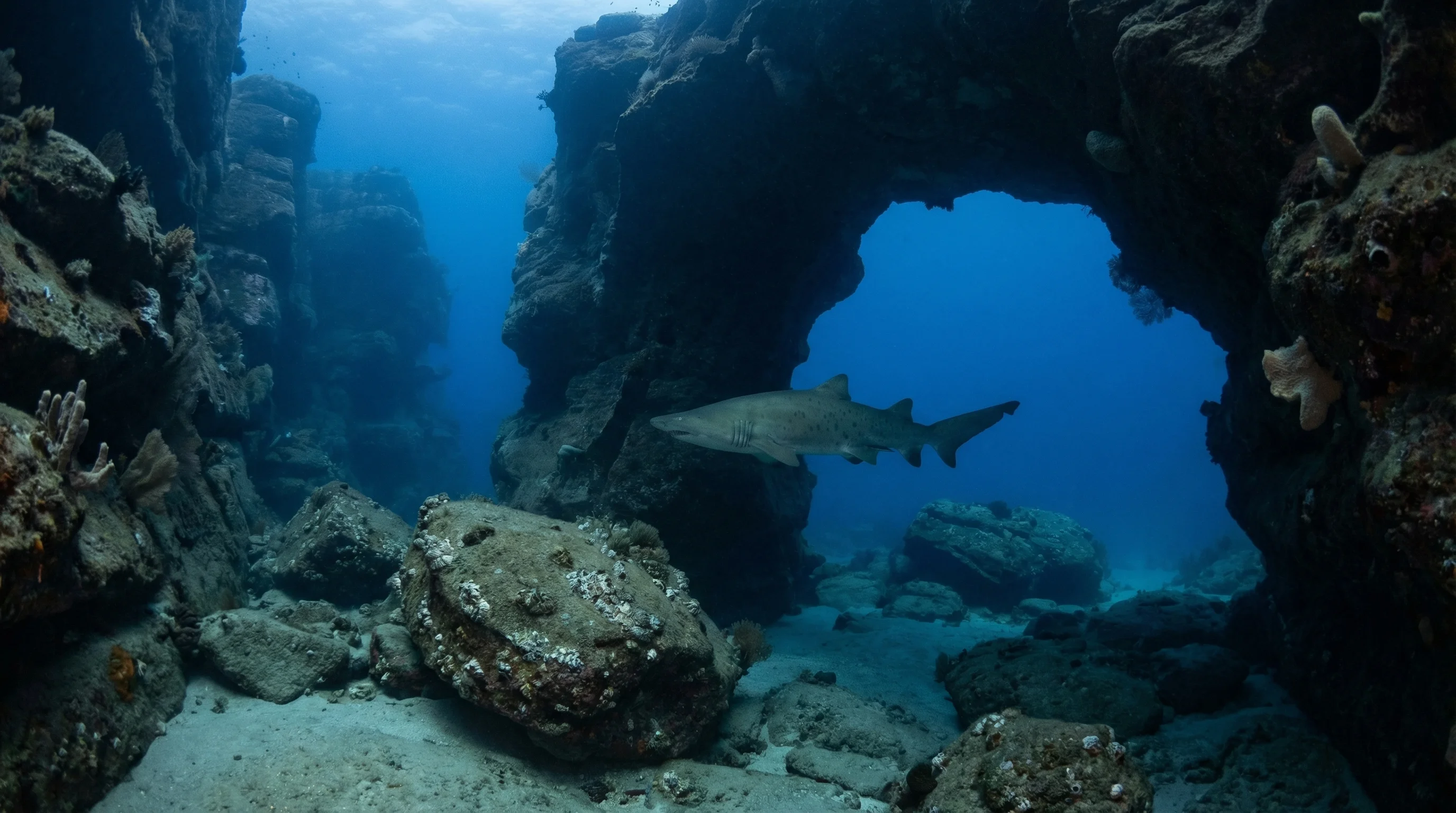
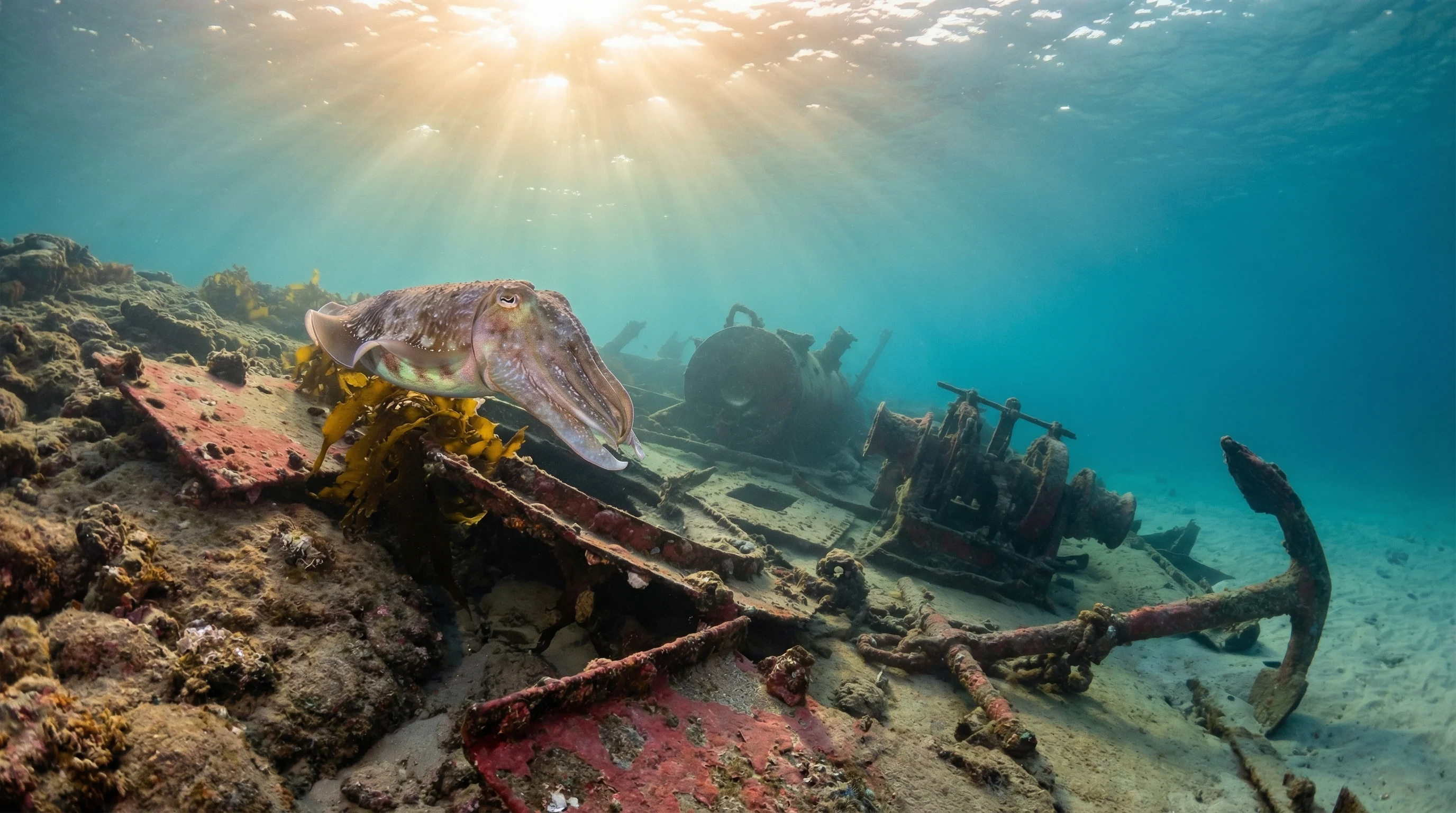
The TSS Merimbula is a shore-accessible wreck located in New South Wales, Australia. Resting in depths between 4 and 13 metres, with an average of 8 metres, it serves as an accessible site for beginners. Divers encounter a variety of marine life including wrasses, stonefish, and several species of rays such as the fiddler ray, smooth ray, and common stingray. Nudibranchs like the splendid goniobranch, clown doris, and black-margined nudibranch are also present. The site is subject to variable currents and surf, requiring careful assessment of conditions before entry. Divers should shuffle their feet in the shallows to avoid disturbing stingrays and remain vigilant regarding changing water movement.
-35.00455, 150.83032
Check the surf and current conditions carefully before entry, as both can change quickly at this site and catch beginners off guard. Slack water periods will give you the best visibility and the easiest time exploring the wreck.
Access info coming soon
Recorded at this site
Depth
4-13m
Skill Level
Beginner
Entry
Shore
Water Temp
18-24°C
Current
Variable
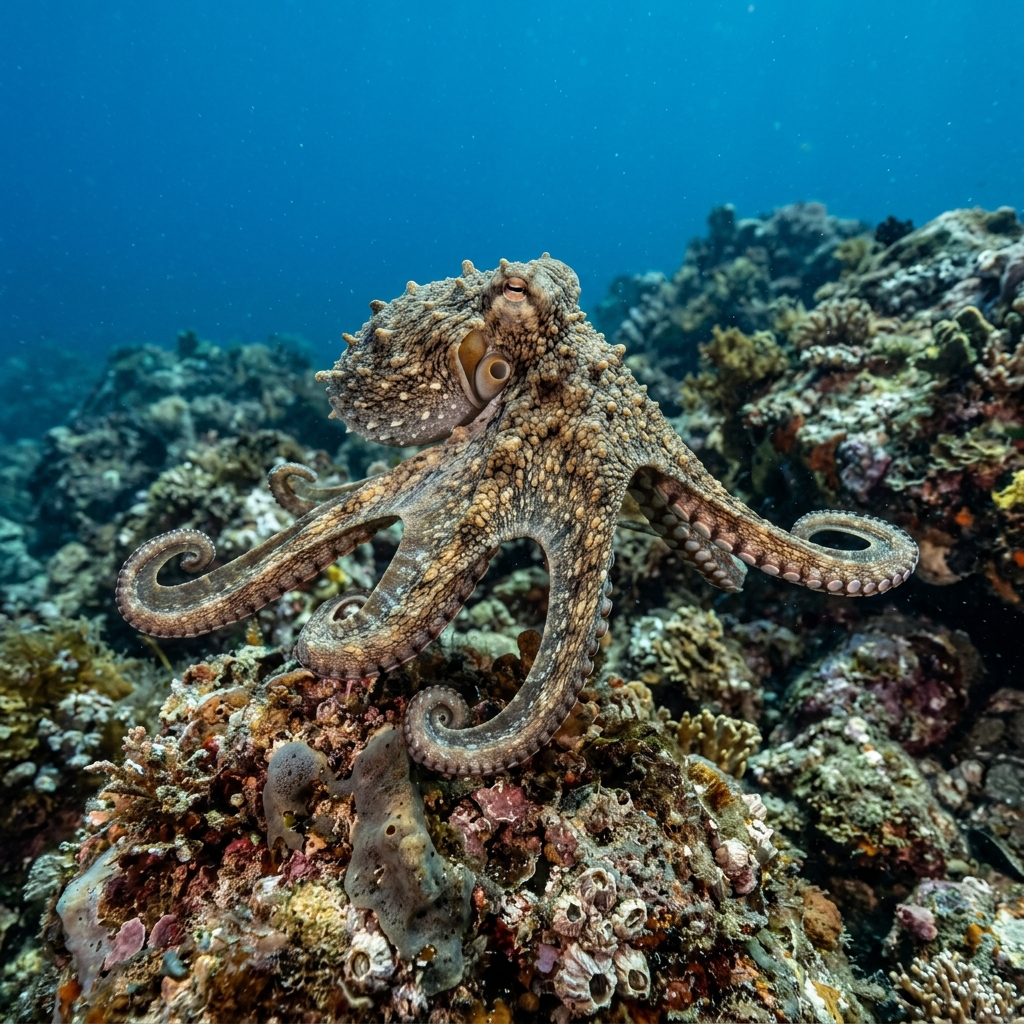
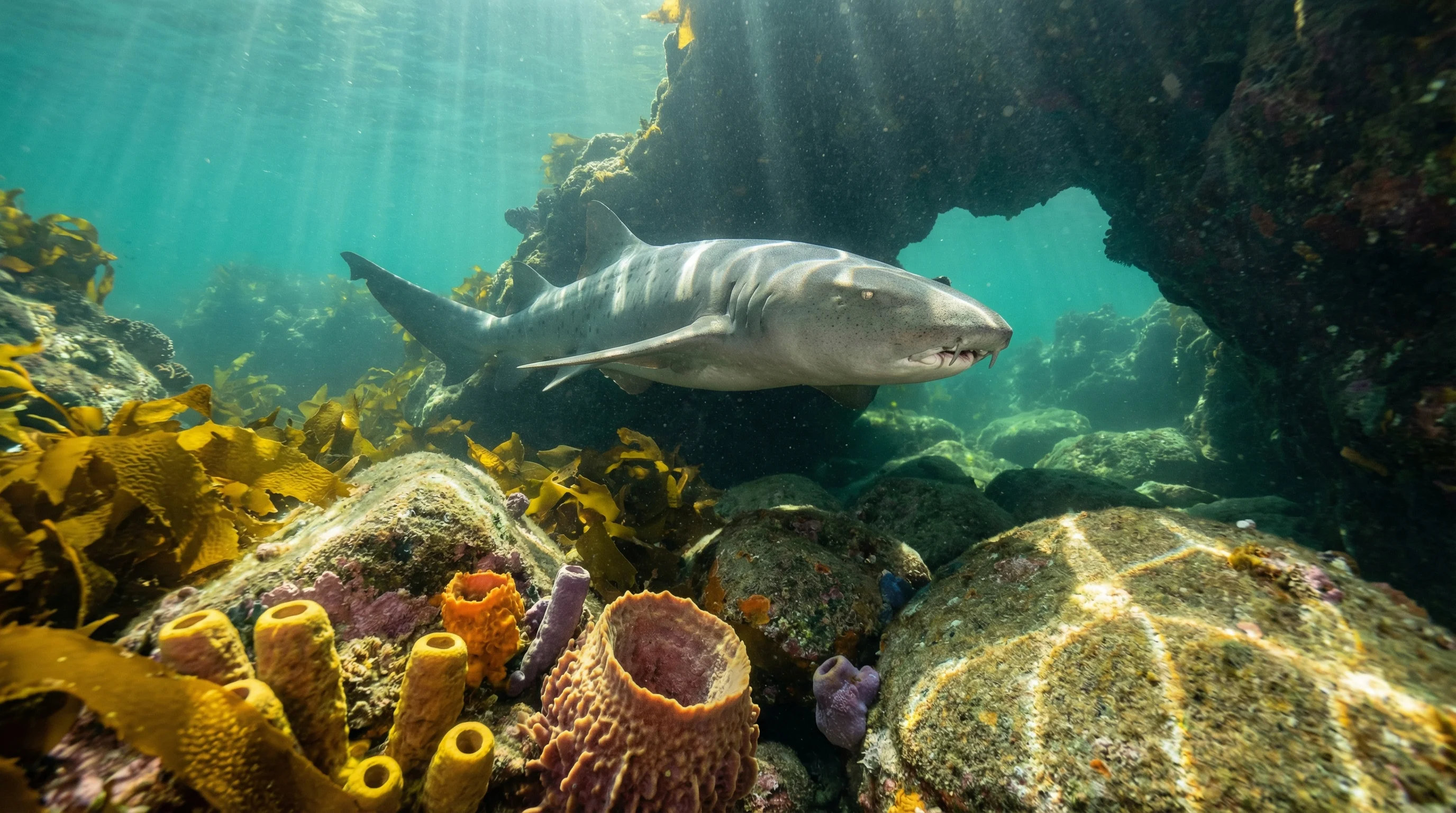
Divers can encounter wrasses, stonefish, and various rays including fiddler, smooth, and common stingrays. Nudibranch species such as the splendid goniobranch, clown doris, and black-margined nudibranch are also recorded here.
Yes, the wreck is considered a manageable introduction to wreck diving, though beginners must be prepared for potential strong currents and surf conditions.
The wreck lies in depths ranging from 4 to 13 metres, with an average depth of 8 metres.
The TSS Merimbula is a shore-accessible dive site.
The main hazards include strong currents and surf. Divers should be prepared for a strong shore break upon entry and watch for currents while exploring the wreck.
Diving at TSS Merimbula in Currarong requires the following certifications: Open Water. Always dive within your training limits.
A 5mm wetsuit is recommended for diving at TSS Merimbula in Currarong. Water temperatures range from 18°C to 24°C.
Currents at TSS Merimbula in Currarong are variable and can change with tides and conditions. Always check current conditions before diving.