Porifera spp.
50cm
1-100m
17086 sites
Various
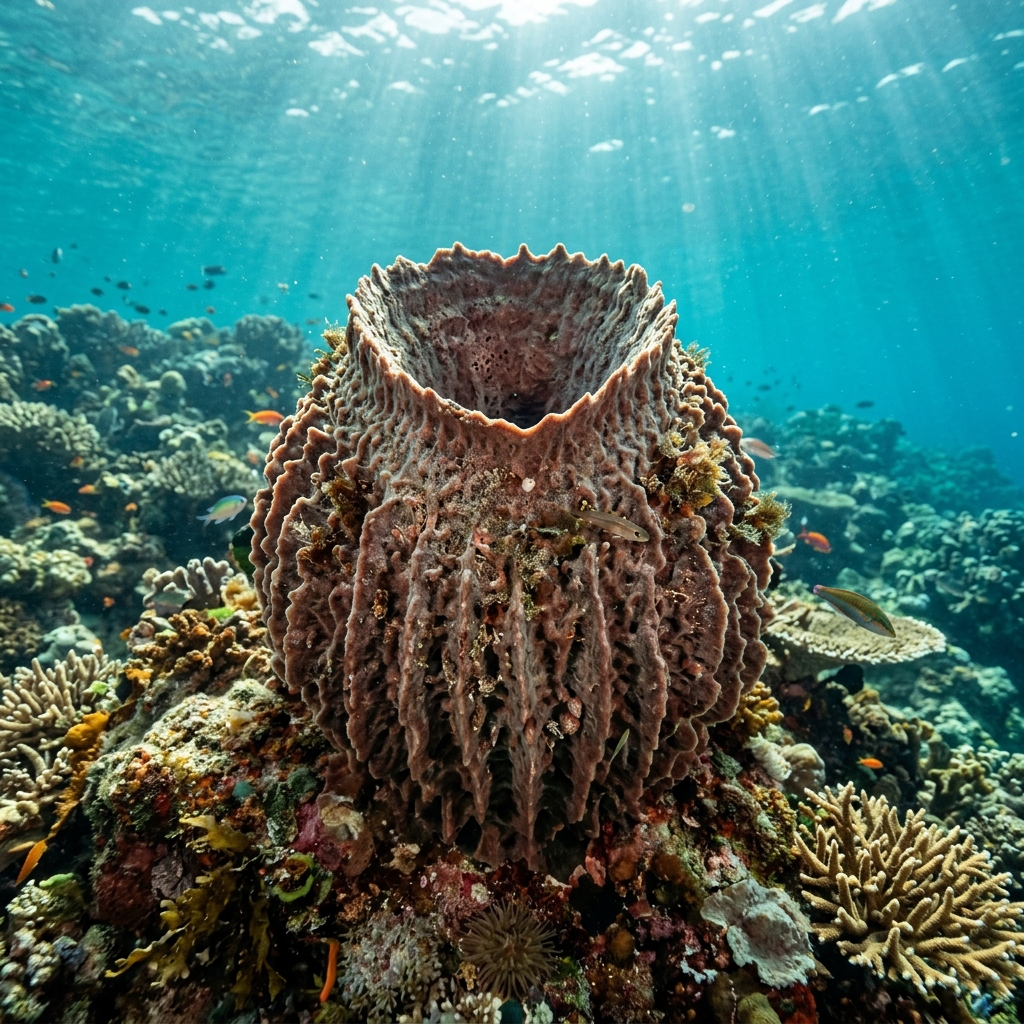
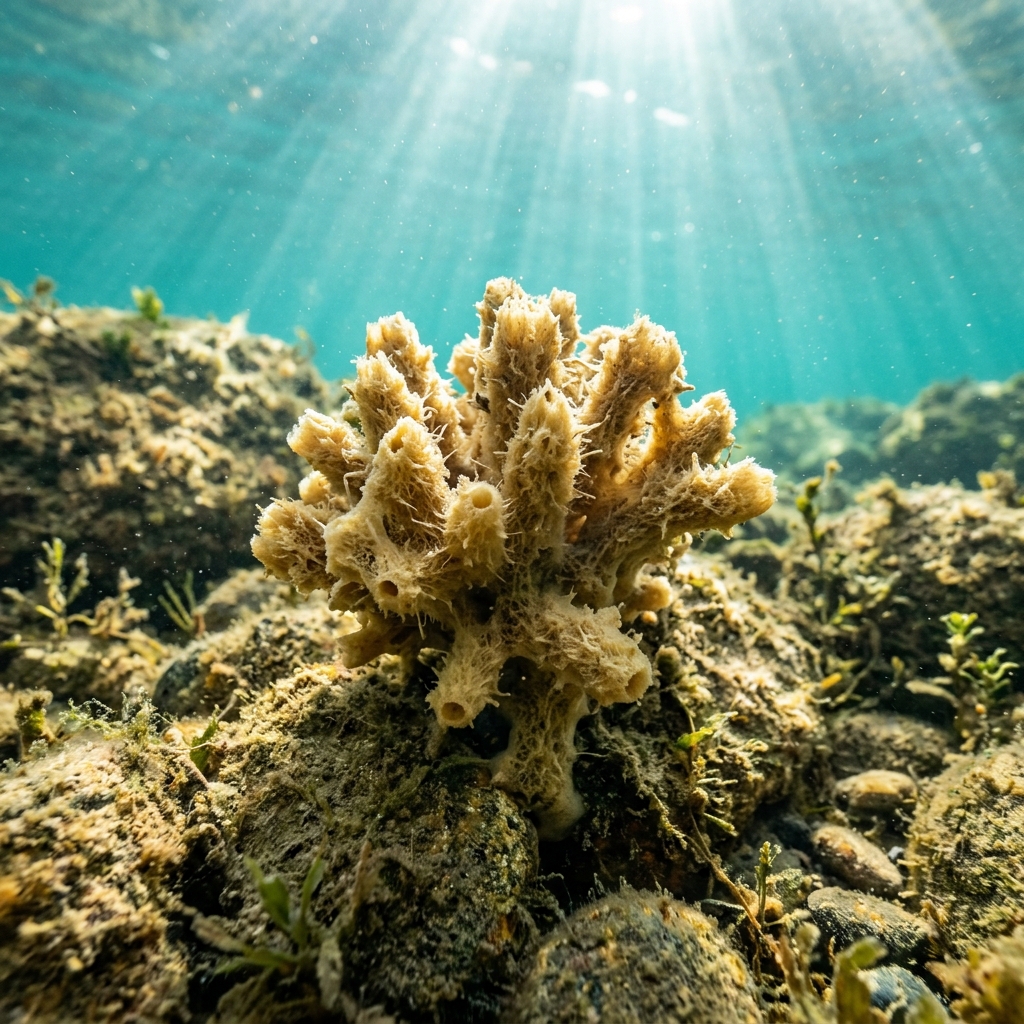
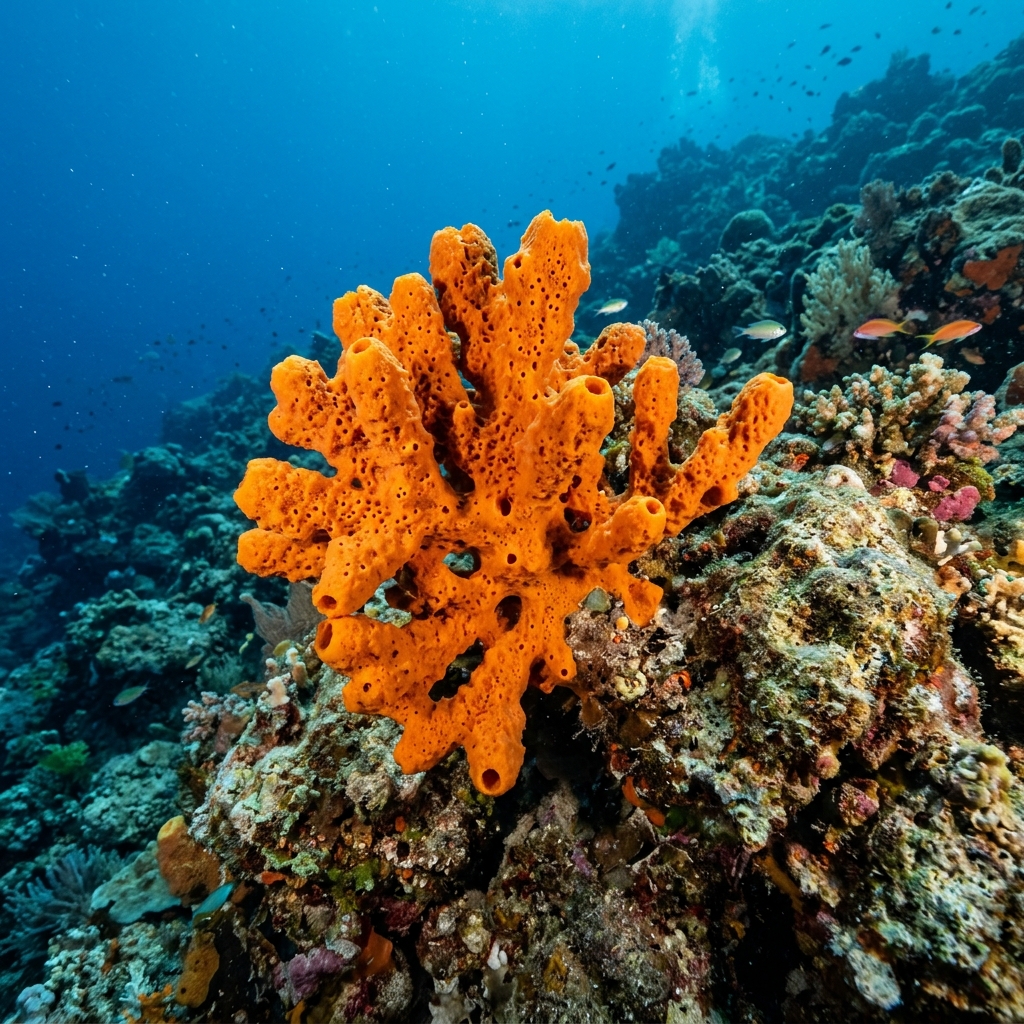
Sponges are among the most ancient and fascinating creatures you'll encounter while diving or snorkelling! These colourful invertebrates, typically around 50cm in size, add a splash of vibrancy to reefs and walls from shallow waters down to depths of 100m. While they might seem like plants, sponges are actually animals, filter-feeding constantly to extract nutrients from the water. Divers often find them encrusting rocks, forming bizarre shapes, or creating vibrant patches of colour. Keep an eye out for the diverse forms they take, from barrel sponges to branching varieties, each a unique work of underwater art. Seeing a sponge is a reminder of the incredible biodiversity hidden beneath the waves, and their presence is an indicator of a healthy reef system. Despite their simple appearance, sponges play a vital role in the marine ecosystem. They act as natural filters, cleaning the water and providing habitat for other creatures. Look closely, and you might spot tiny shrimp, crabs, or even fish seeking shelter within their porous bodies. Remember to observe them respectfully and avoid touching them, as they are delicate and easily damaged. Appreciating these sessile wonders is a key part of responsible diving and snorkelling.
Sponges are easily recognized by their simple, often irregular shapes and vibrant colours, ranging from bright reds and yellows to muted browns and greens. They lack distinct organs or a nervous system, appearing as porous masses attached to the seabed or other underwater structures. Unlike corals, they don't have individual polyps, and their surface texture is typically rough or slightly slimy. Look for the small openings (ostia) on their surface, through which they draw water, and the larger opening (osculum) where filtered water is expelled.