Hippocampus spp.
15cm
1-45m
2046 sites
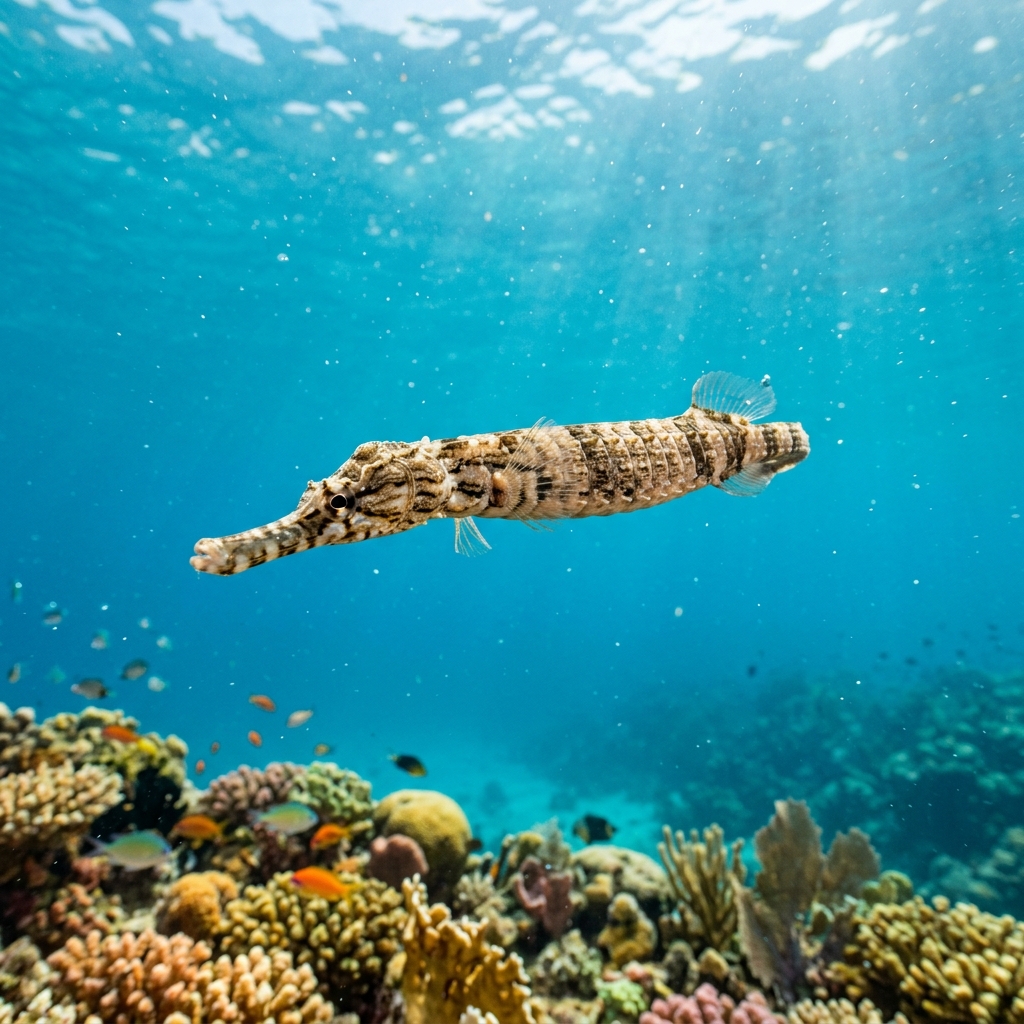
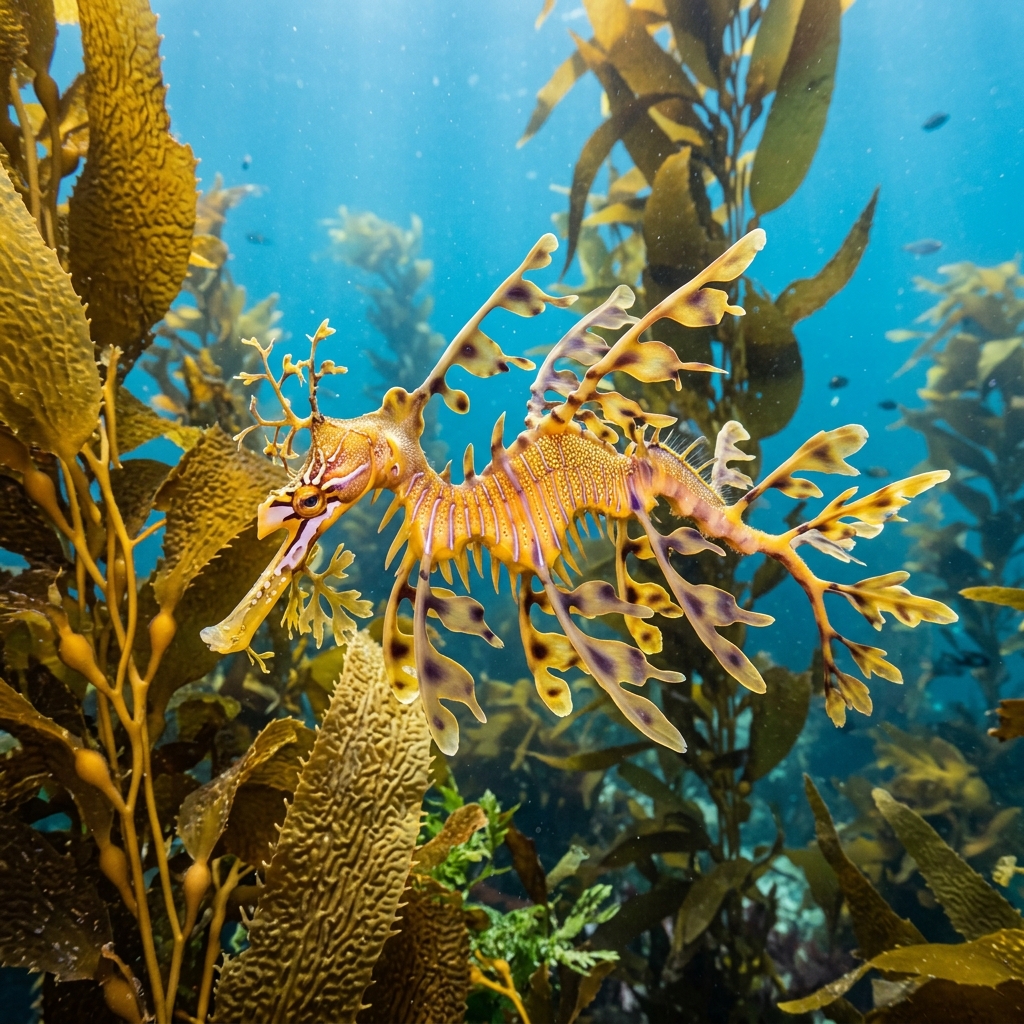
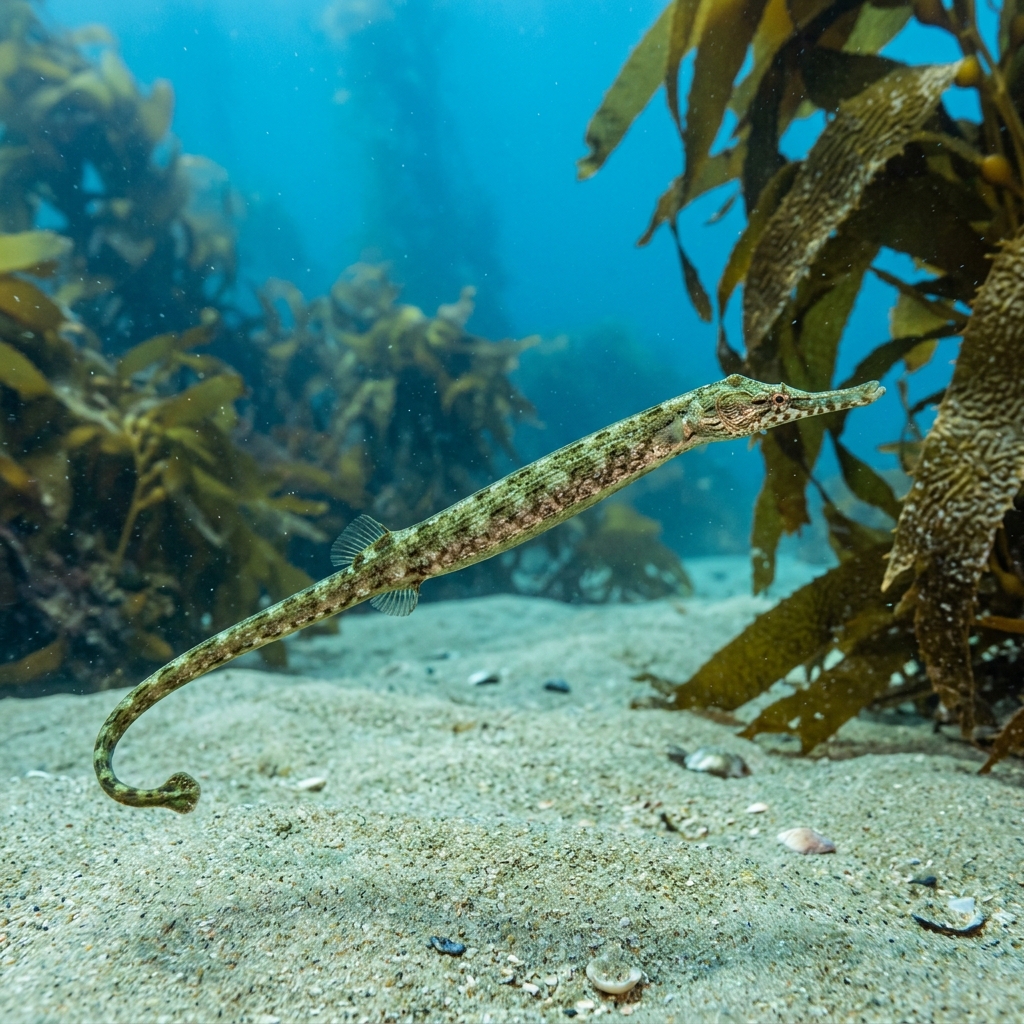
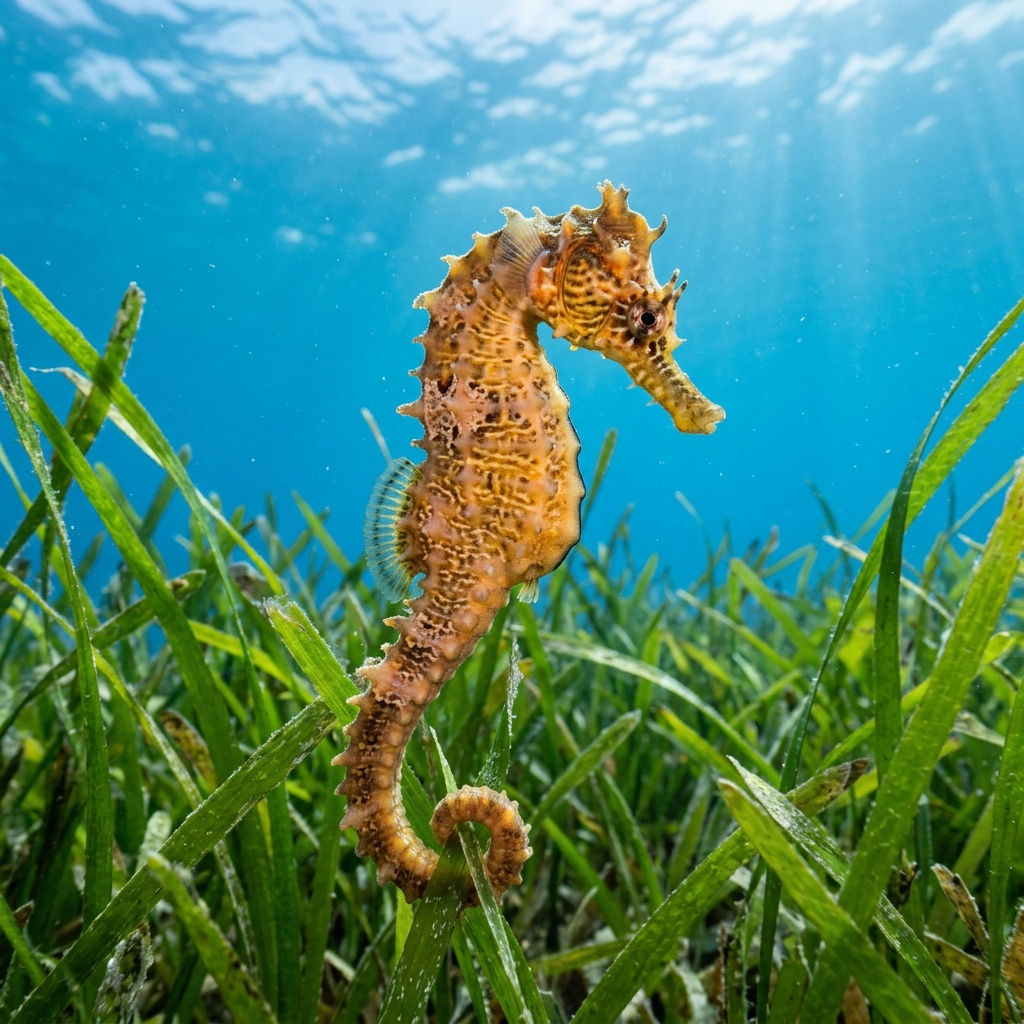
Seahorses are easily recognized by their distinctive horse-like head and prehensile tail. They have bony plates covering their bodies instead of scales, giving them a somewhat rigid appearance. Their coloration varies greatly depending on their environment, ranging from browns and greens to yellows and reds, often with mottled patterns for camouflage. Look for their small dorsal fin that flutters rapidly to propel them through the water.
The Seahorse is listed as vulnerable by the IUCN. When diving, please observe from a distance, avoid touching or feeding, and report any sightings to local marine research organisations.
Syngnathidae
Encountering a seahorse underwater is a truly magical experience! These tiny, charismatic fish, belonging to the *Syngnathidae* family, are masters of disguise and often blend seamlessly into their surroundings. Typically around 15cm long, seahorses inhabit shallow coastal waters, from seagrass beds and mangroves to coral reefs, down to depths of 45m. Keep a keen eye out for them clinging to seaweed or coral with their prehensile tails. Their unique upright posture and slow, deliberate movements make them a captivating sight for any diver or snorkeller. With a 'Vulnerable' conservation status, every sighting is a privilege, reminding us of the importance of protecting their fragile habitats. What makes seahorses truly special is their unusual reproductive behaviour: the male carries the eggs in a brood pouch until they hatch! Spotting a pregnant male is an unforgettable experience. Divers often find them in areas with plenty of structure, such as piers, jetties, and artificial reefs. Take your time, look closely, and you might just be rewarded with a glimpse of these enchanting creatures.
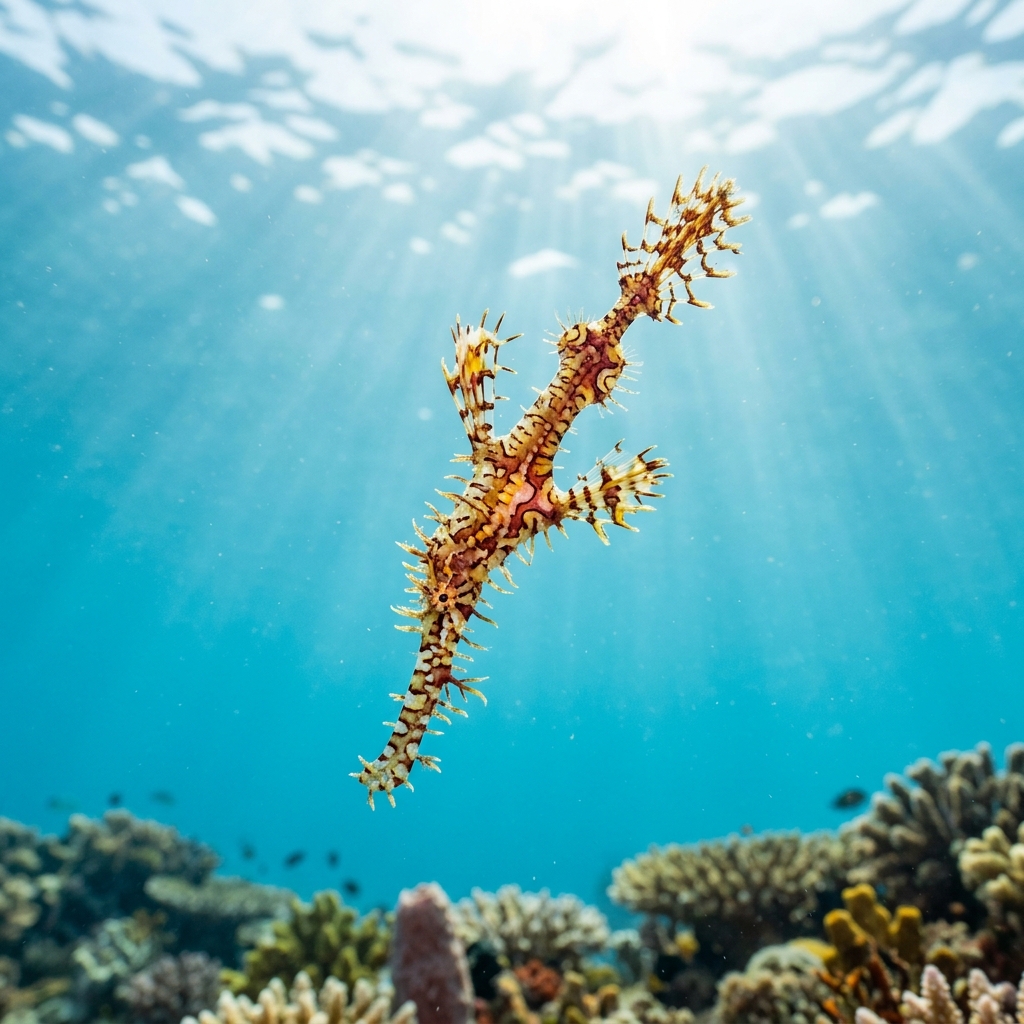
Ornate Ghostpipefish
27 sites