Diplectrum formosum
21cm
1-80m
143 sites
Serranidae
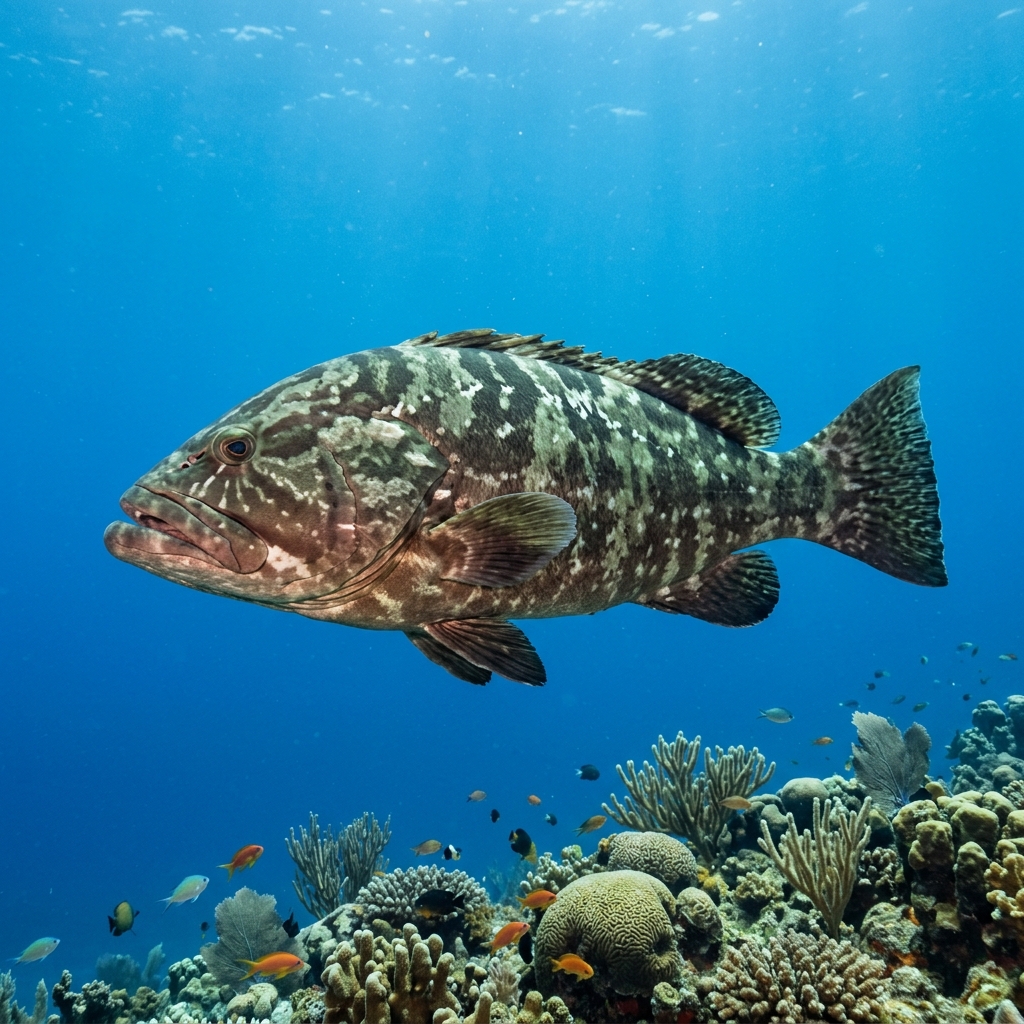
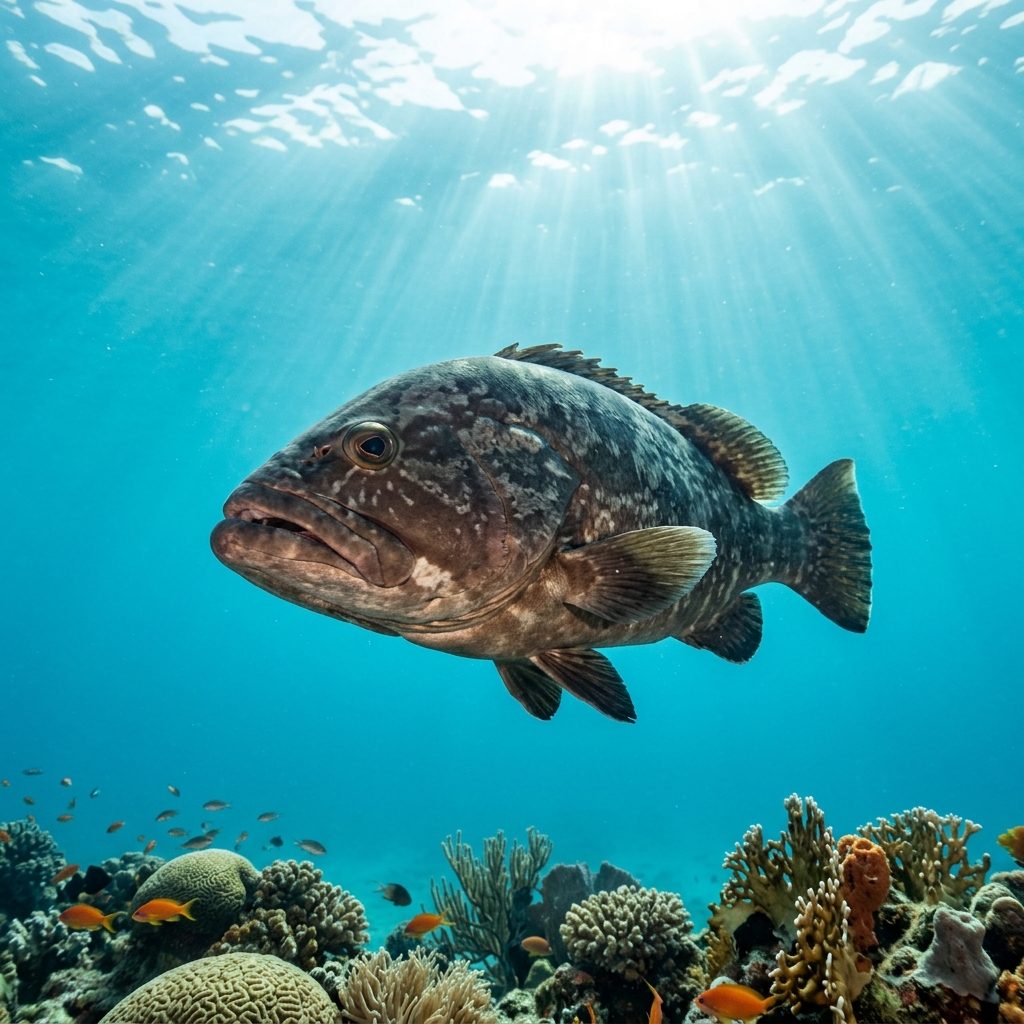
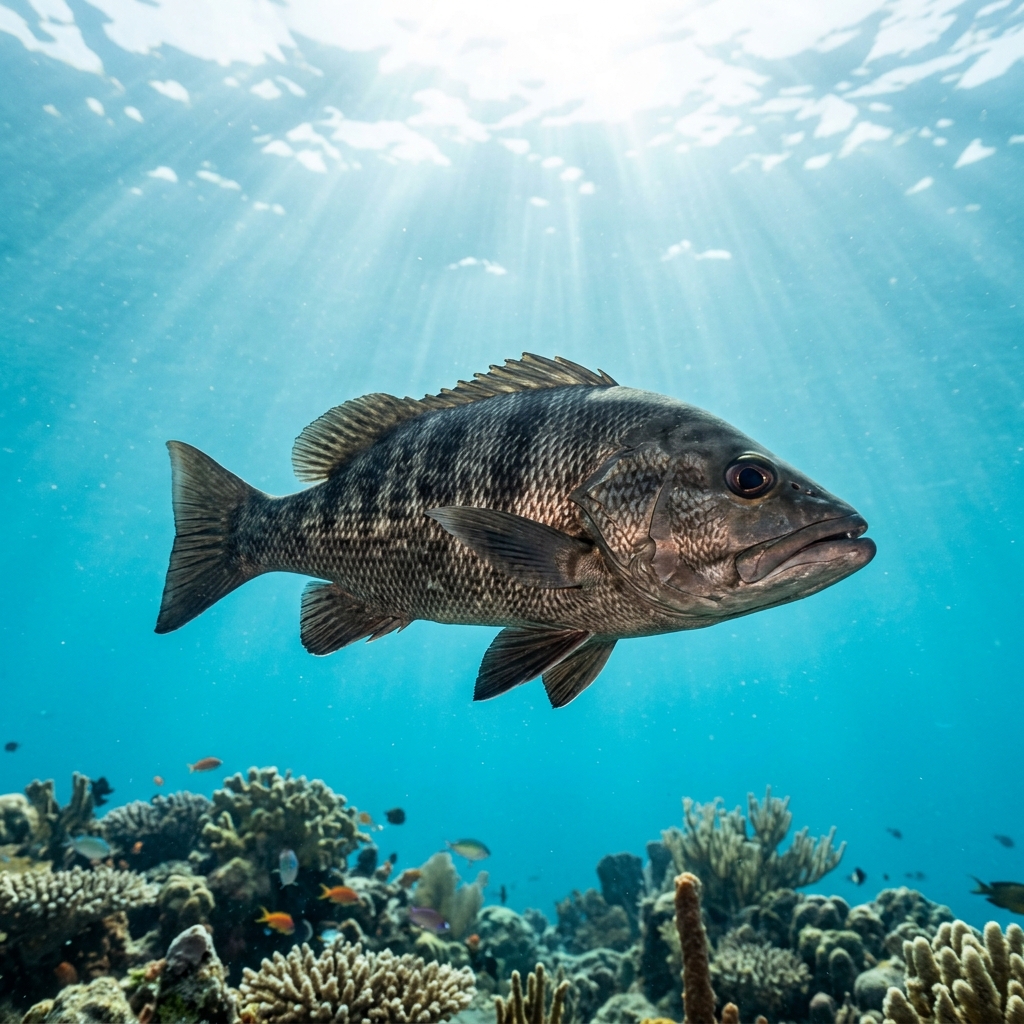
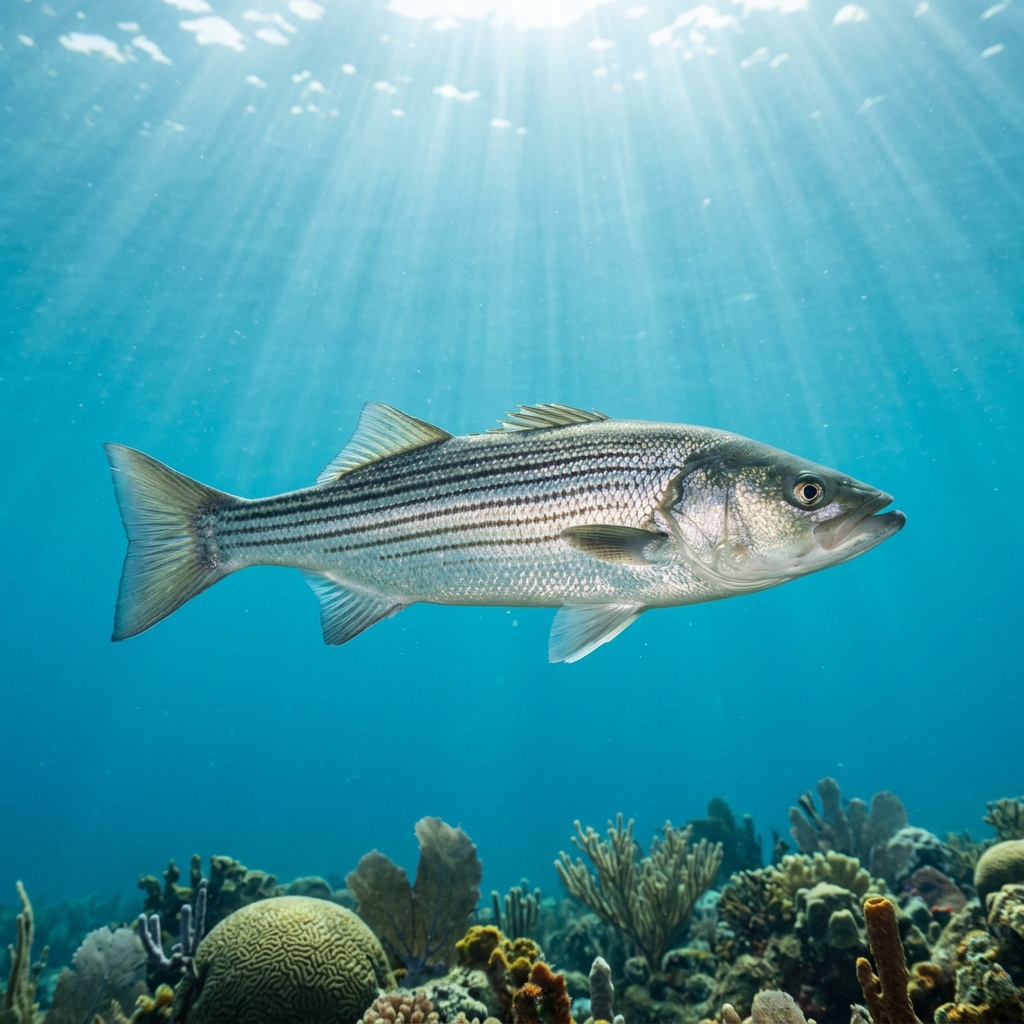
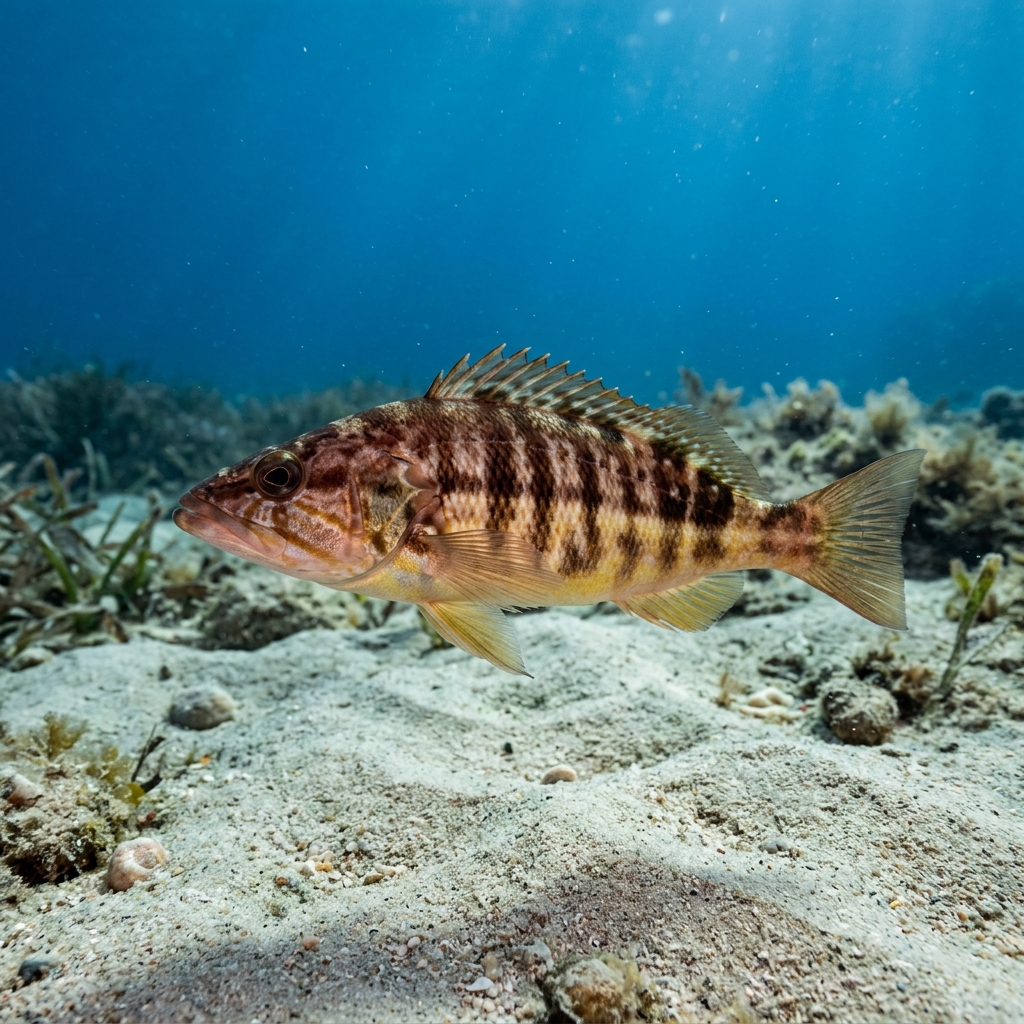
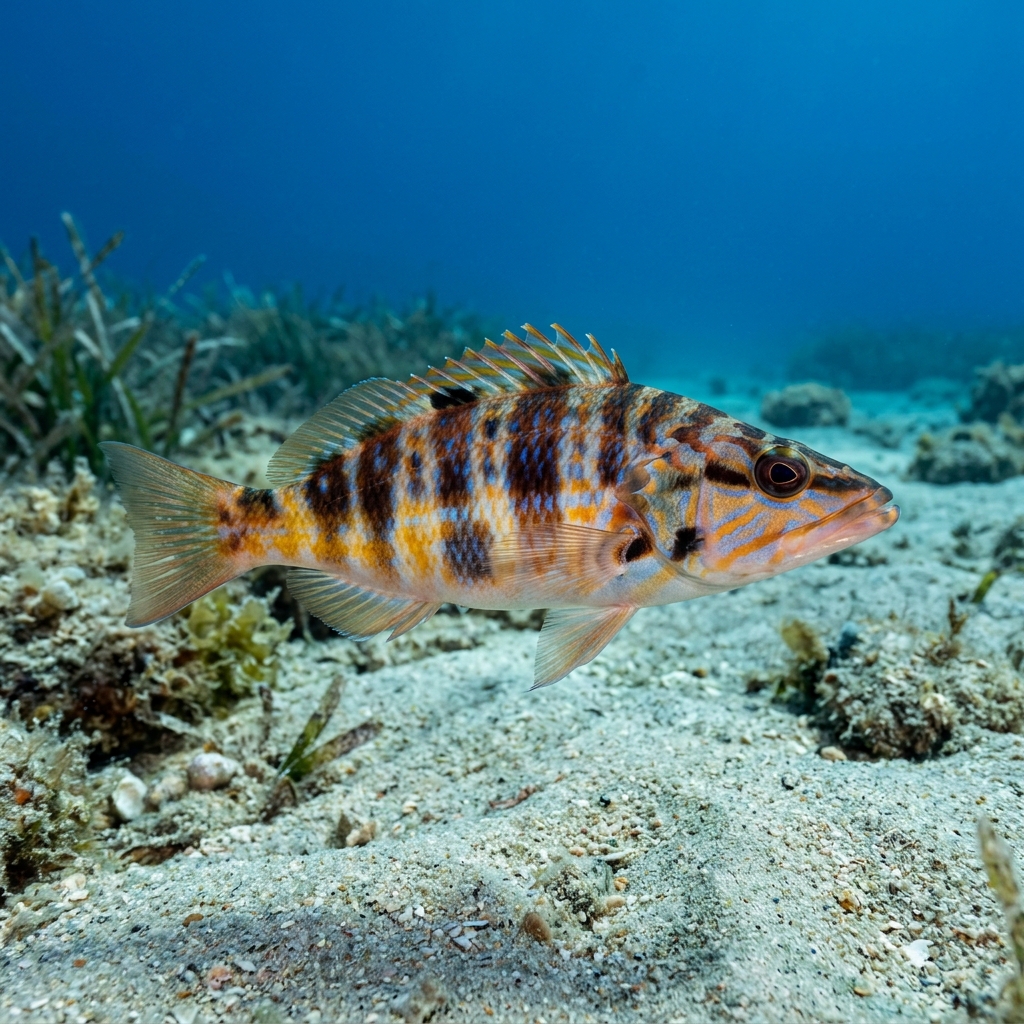
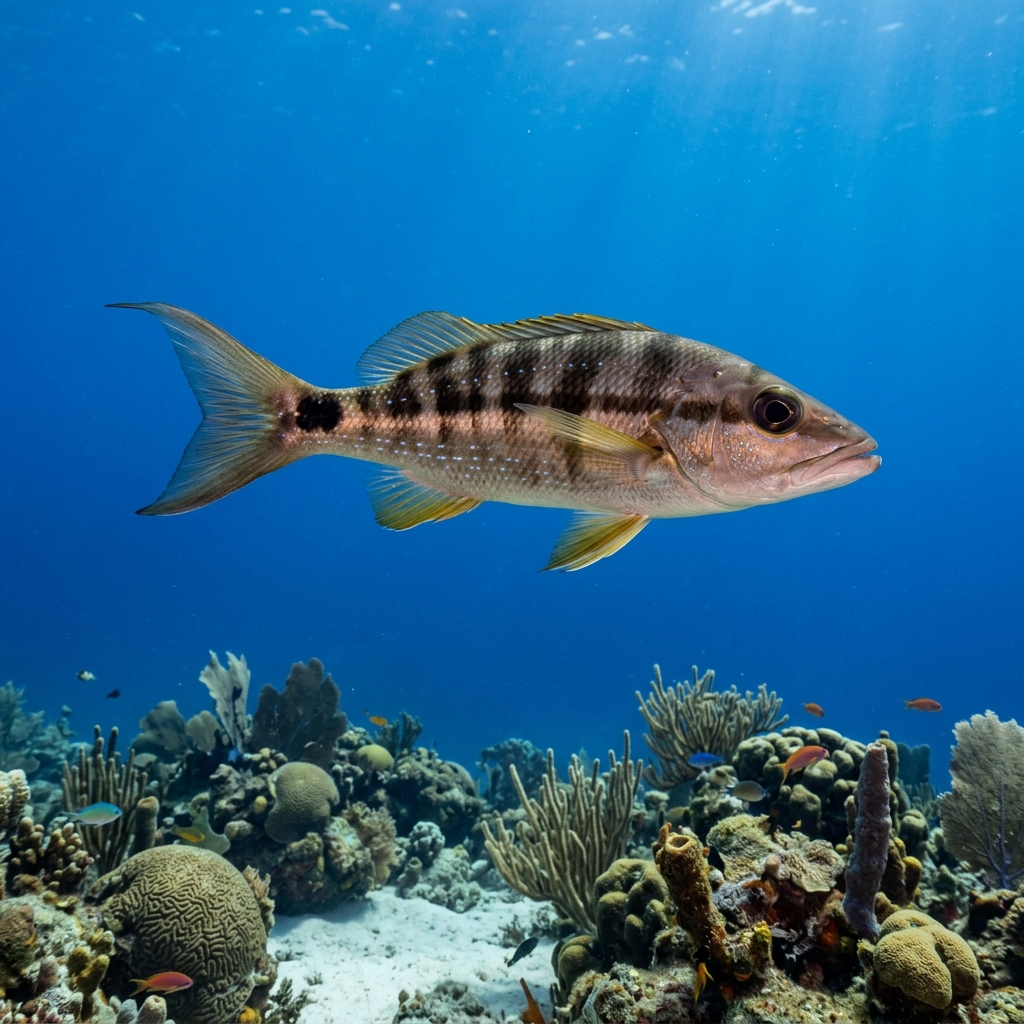
The Sand Perch (Diplectrum formosum) is a common sight for divers and snorkellers exploring reefs across the Western Atlantic, from North Carolina down to Brazil, and throughout the Caribbean. Although they're not the most flamboyant fish on the reef, these little guys add to the overall biodiversity and are often seen darting about in search of a tasty morsel. Their relatively small size and preference for shallower waters make them easily observable, often hovering near the sandy bottom or nestled amongst coral formations. Keep an eye out for them while exploring reefs, seagrass beds, or even around artificial structures like shipwrecks. They're generally not shy, making for excellent photo opportunities! While not a showstopper, Sand Perch play an important role in the reef ecosystem as mid-level predators. They help to keep populations of smaller invertebrates in check, contributing to the overall health and balance of the reef. Spotting them can be a fun challenge, and learning to identify them adds another layer of enjoyment to your underwater adventures. Look closely, and you might just find yourself appreciating these unassuming reef residents more than you initially thought.
Sand Perch are typically small, reaching around 21cm, though some can grow larger. They have an elongated body shape with a slightly pointed snout and a forked tail. Their colouration is variable, ranging from pale grey or tan to brownish, often with darker bars or blotches along their sides. A key identifying feature is the presence of small, iridescent blue spots scattered across their body, which can be particularly noticeable in clear water. Look for a dark blotch on the upper part of their gill cover as well.
1409 sites