Best for intermediate divers, 6-20m, boat entry, mild current.
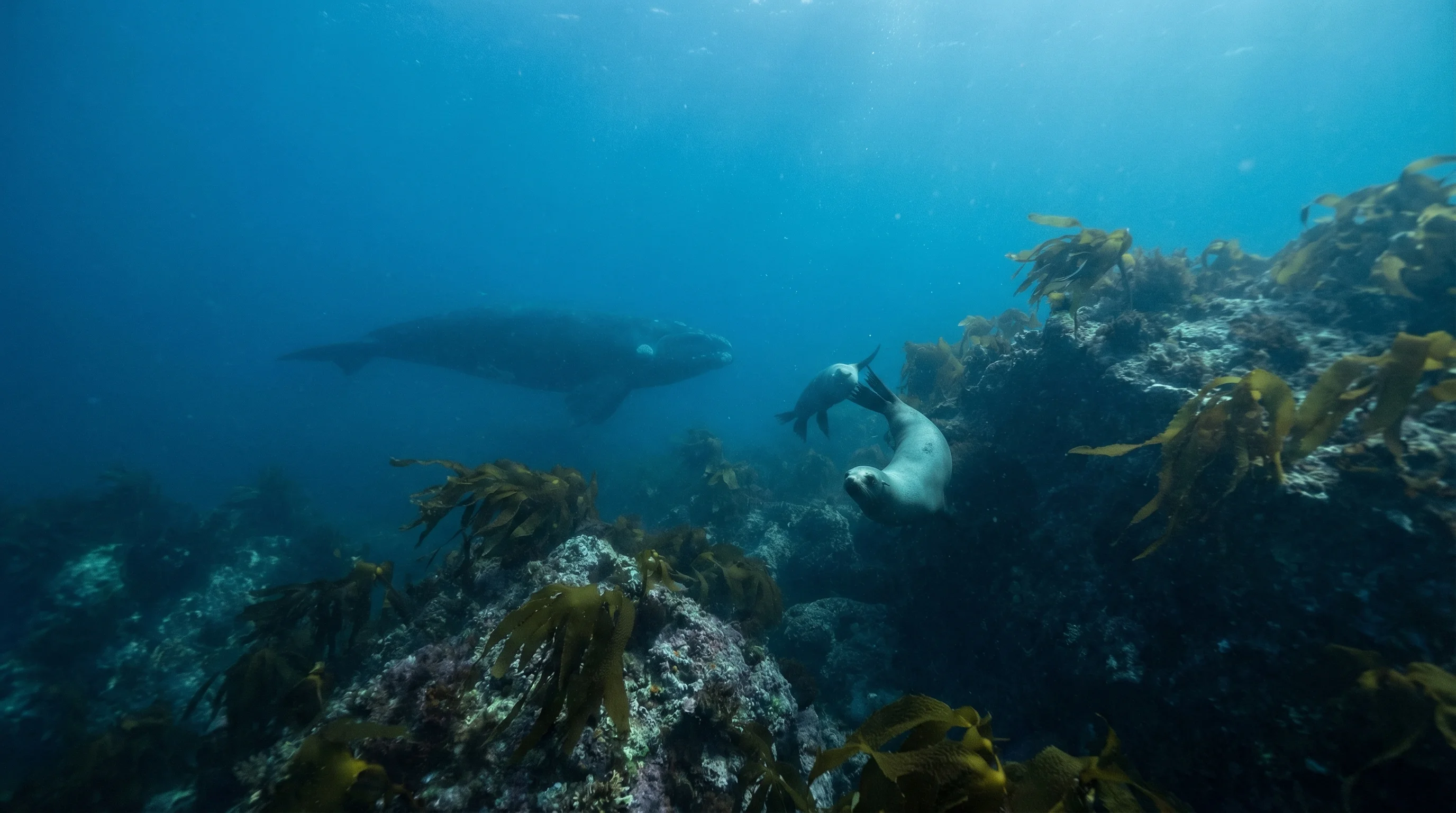
Lawrence Rocks Bay in Portland, Australia, is a boat-access site featuring a combination of reef and wall topography. Divers can explore depths ranging from 6 to 20 metres, with an average depth of 12 metres. The site is exposed to swell from the Southern Ocean, which can create significant surge, particularly near the wall structures. Visibility typically ranges between 10 and 20 metres. Due to the potential for surge and the presence of crayfish pot lines, this site is best suited for intermediate divers. Boat access is required to reach the site, which is located 2400 metres from the shore.
-38.40900, 141.66800
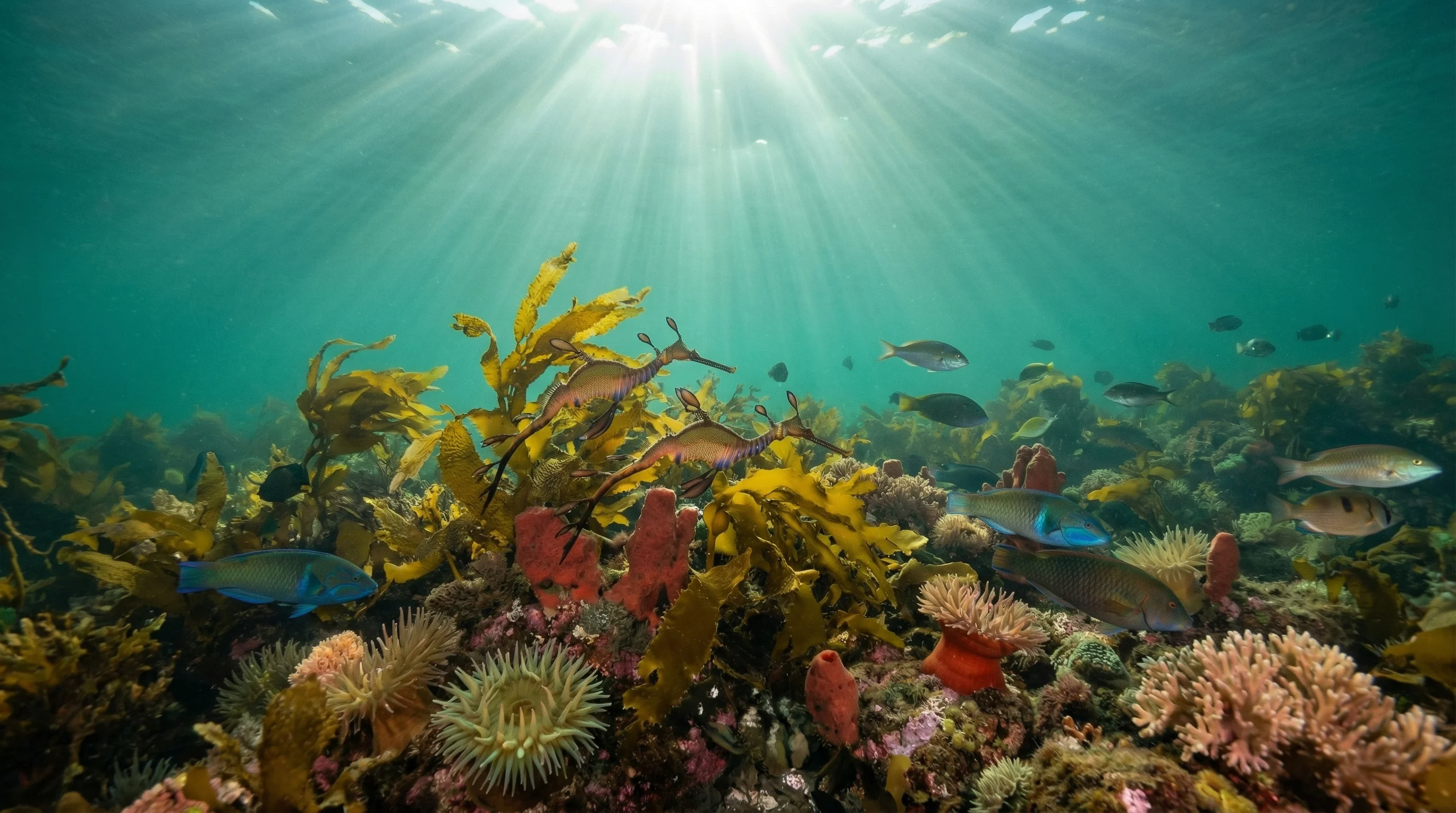
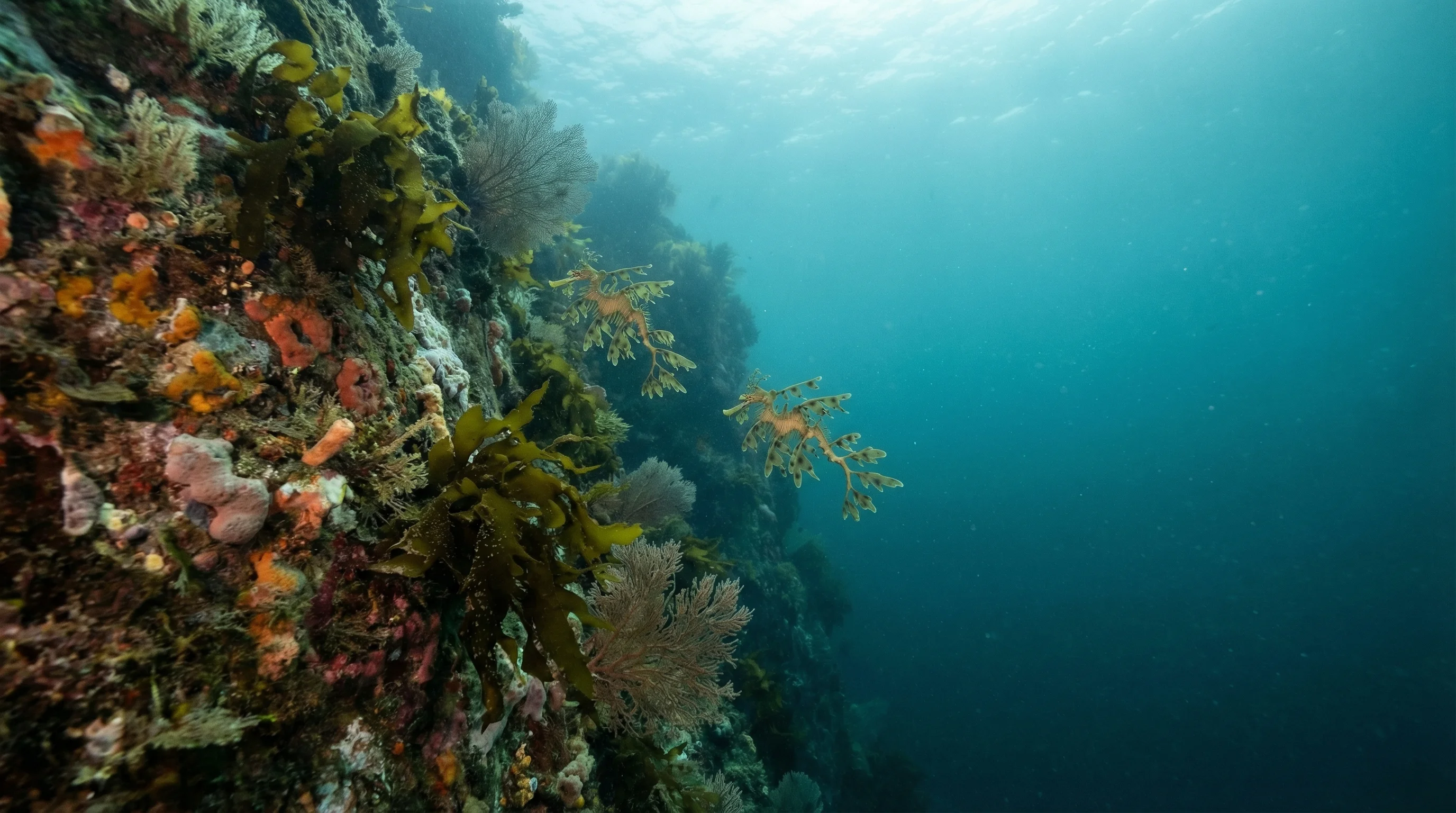
If you follow the wall south there is a wall covered in sponges and jewel anemones.
Access is via a 30-minute boat trip from Portland Harbour. Charters can be difficult to arrange, and small groups may need a private boat. The site is very weather-dependent and requires low swell and light winds.
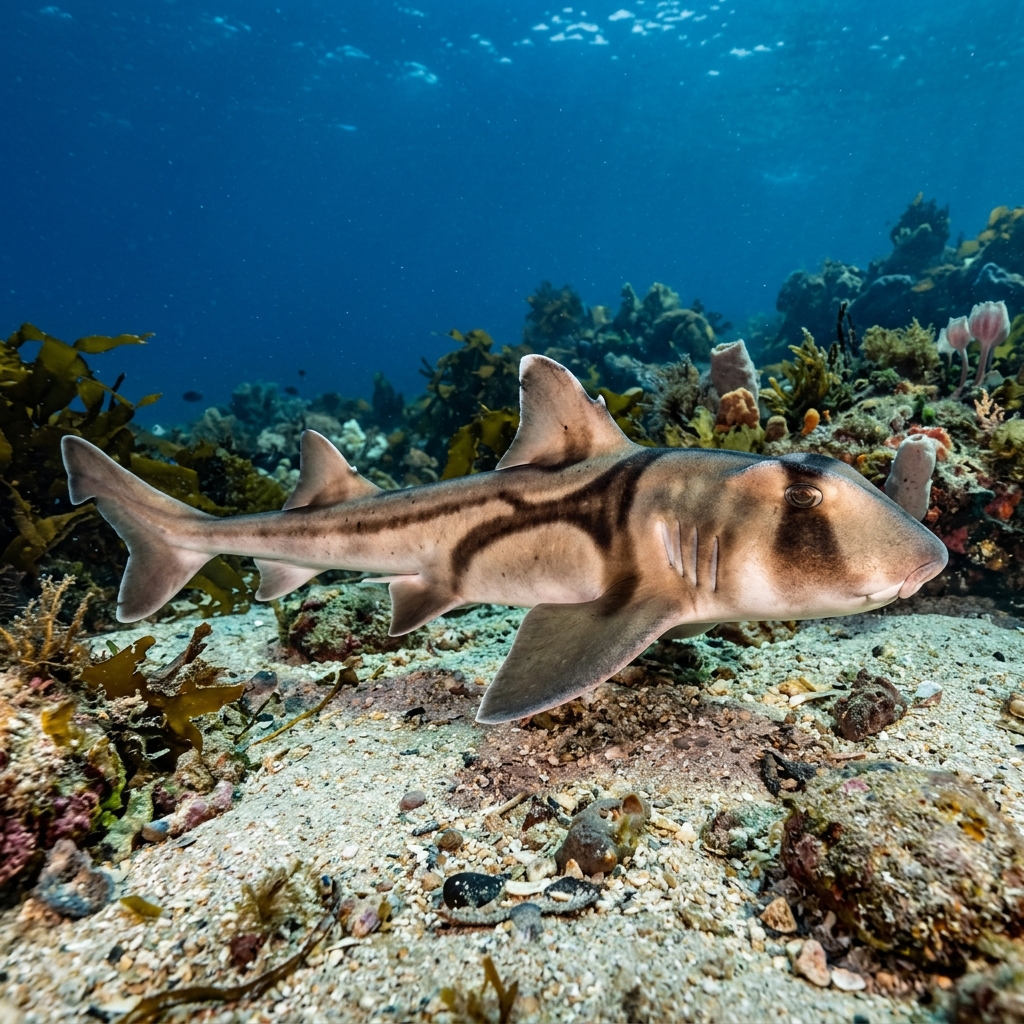
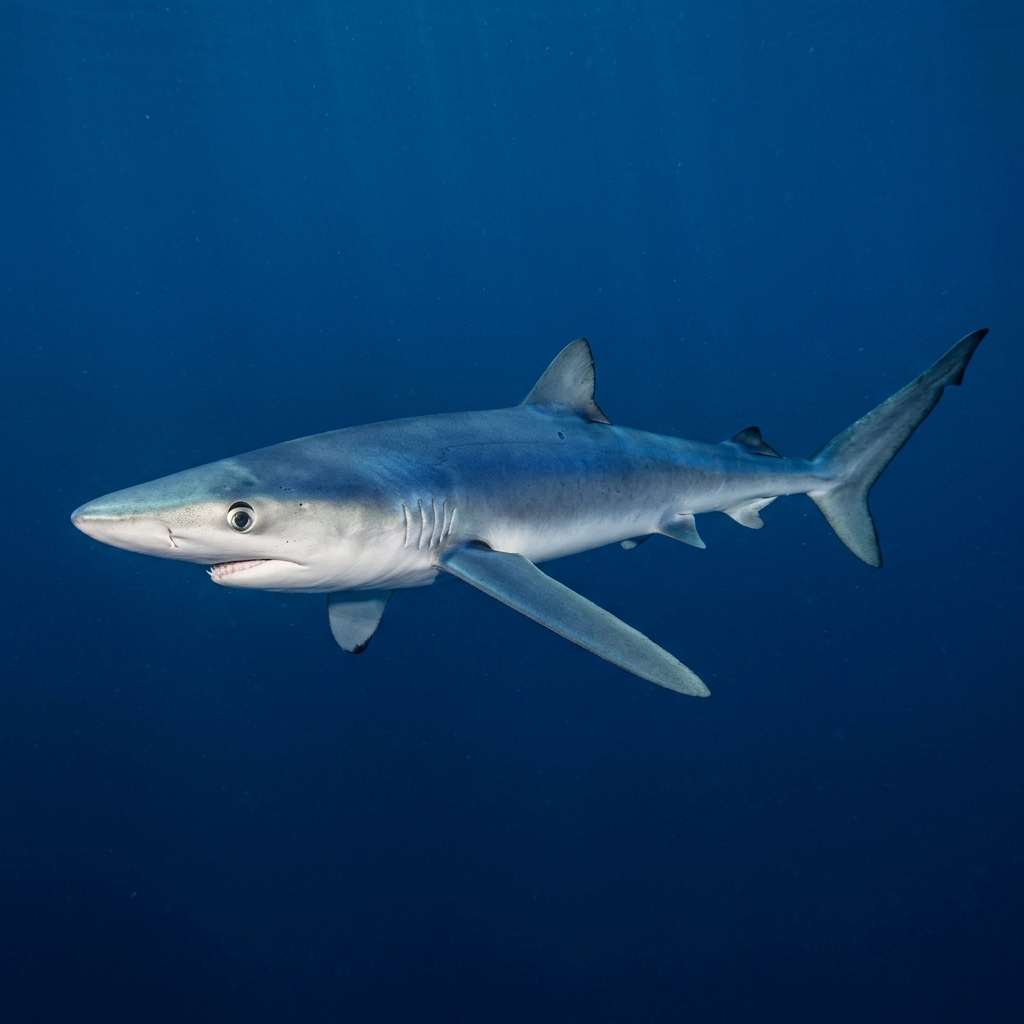
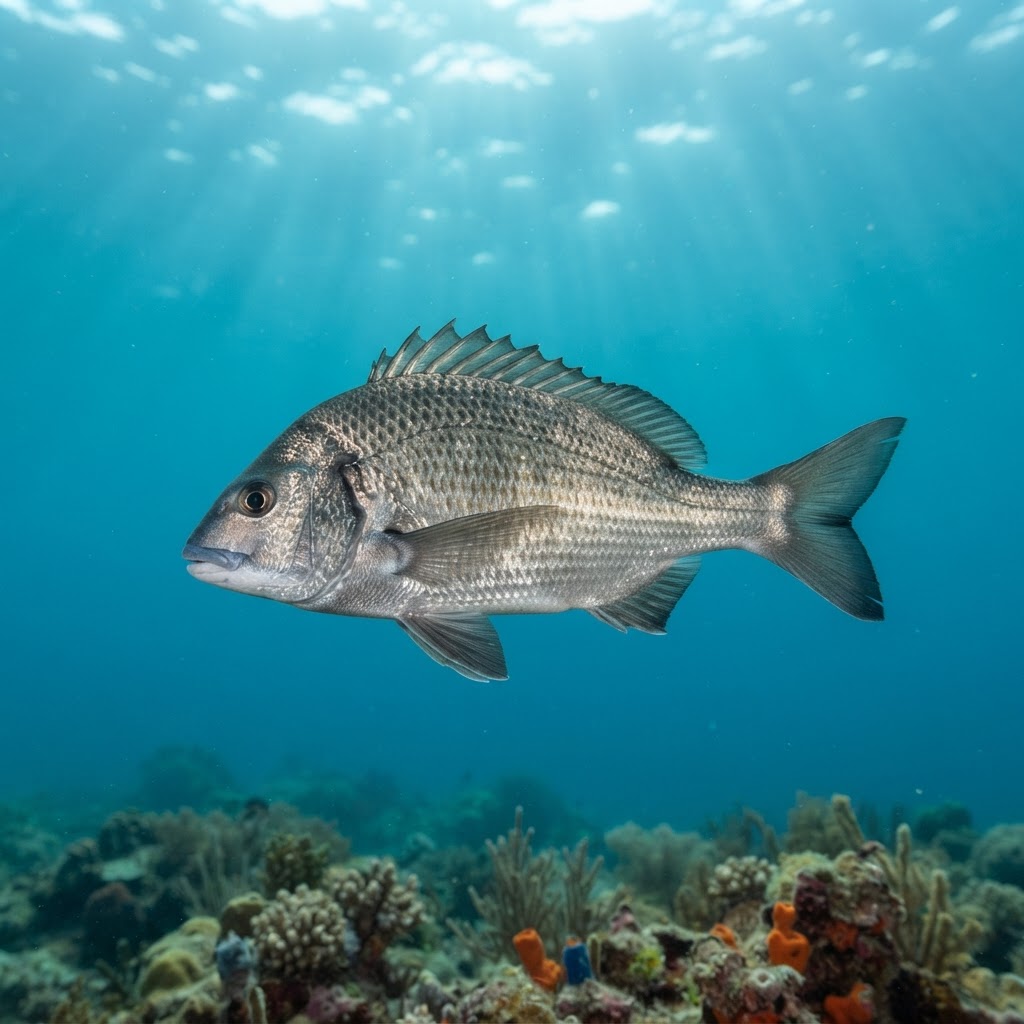
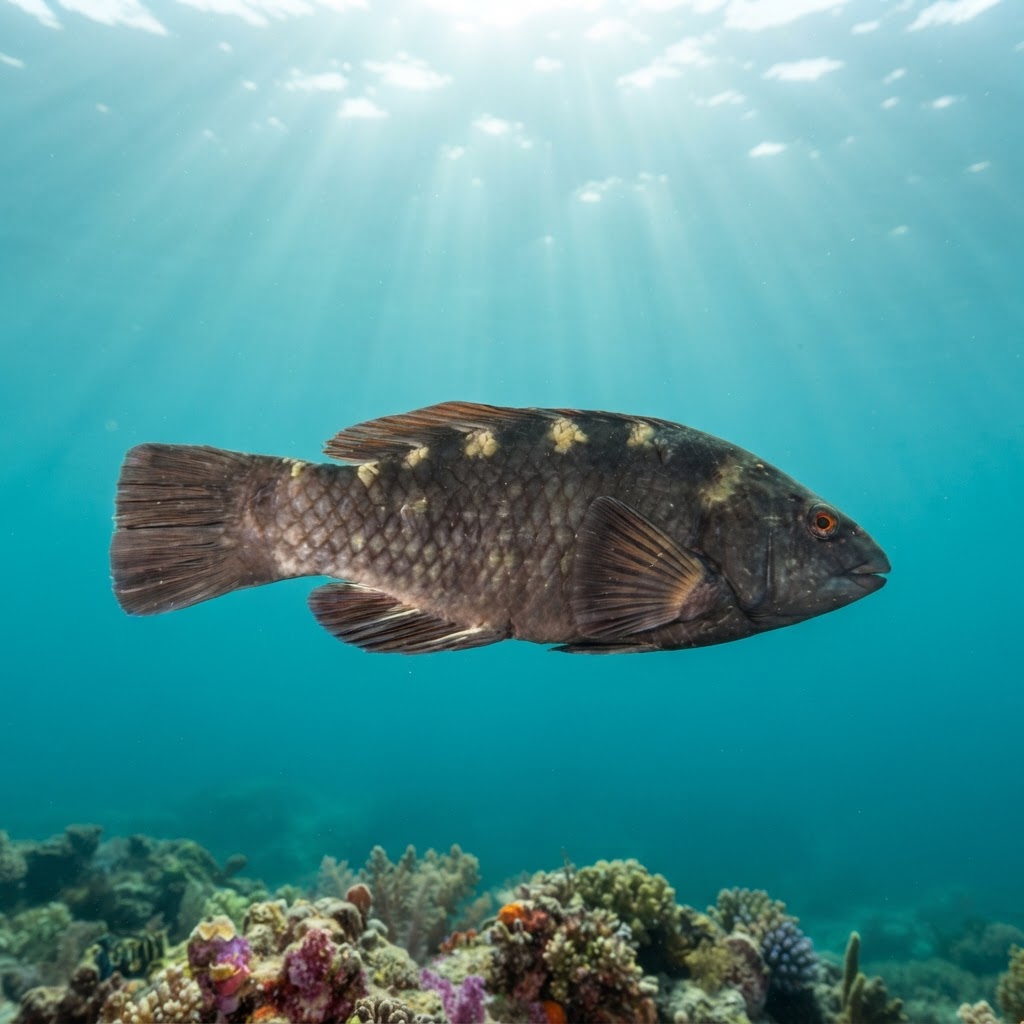
Recorded at this site
Depth
6-20m
Visibility
10-20m
Skill Level
Intermediate
Entry
Boat
Boat required
Water Temp
14-18°C
Current
Mild
Typical Dive
45 min
Best Time
Year-round
The site depths range from 6 to 20 metres, with an average depth of 12 metres.
No, this site is rated for intermediate divers due to the exposure to Southern Ocean swell and the potential for surge.
Access is by boat only, as the site is located 2400 metres from the shore.
Snorkelling is not recommended at this site, which holds a snorkel rating of 1/5.
Divers should be cautious of surge caused by Southern Ocean swell and watch for crayfish pot lines to avoid entanglement.
Diving at Lawrence Rocks Bay in Portland requires the following certifications: Open Water. Always dive within your training limits.
A 7mm wetsuit or semi-dry is recommended for diving at Lawrence Rocks Bay in Portland. Water temperatures range from 14°C to 18°C.
The best months to visit Lawrence Rocks Bay in Portland are March, April, May, June, July, August, September, October, November, December, January, and February. Conditions outside these months can still be good but are less predictable.
Lawrence Rocks Bay in Portland typically has mild currents that most divers can handle comfortably.
Visibility at Lawrence Rocks Bay in Portland typically ranges from 10 metres to 20 metres. Conditions vary with weather, tides, and seasons.