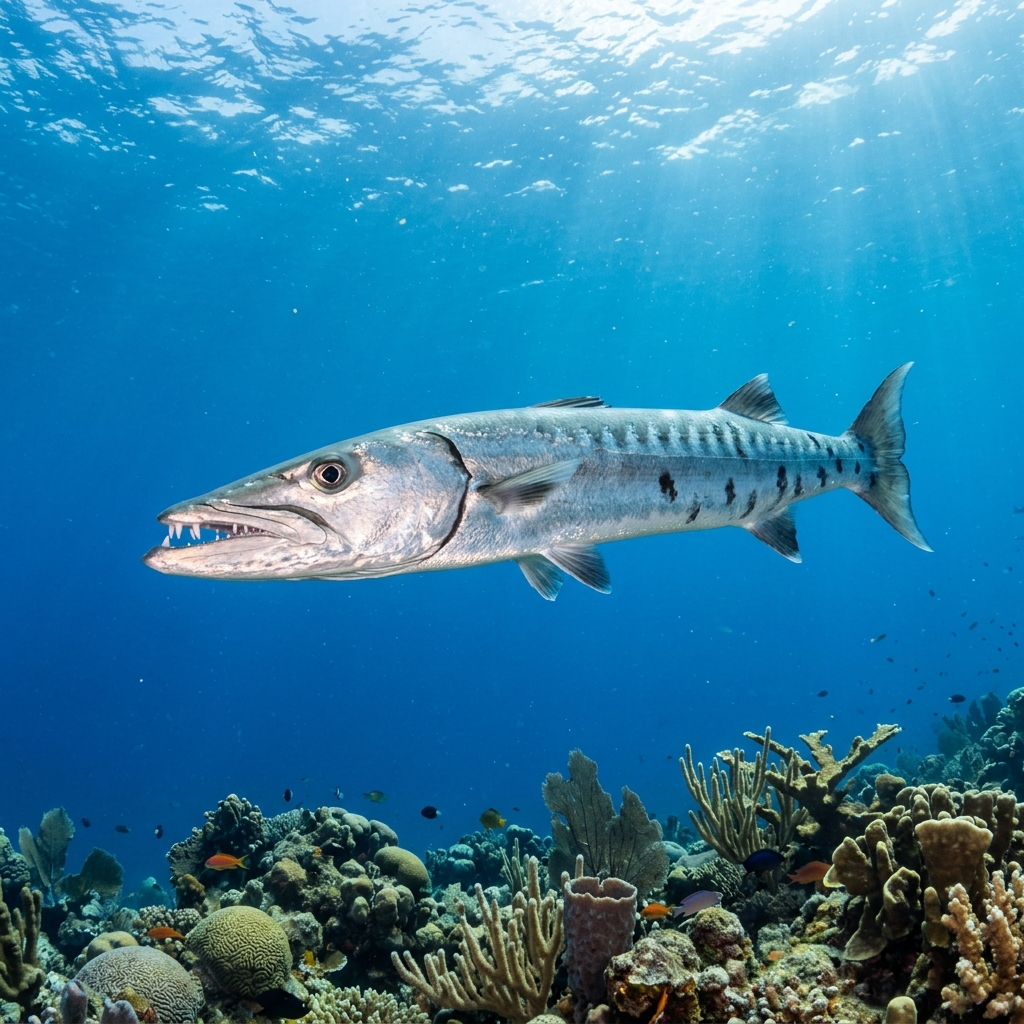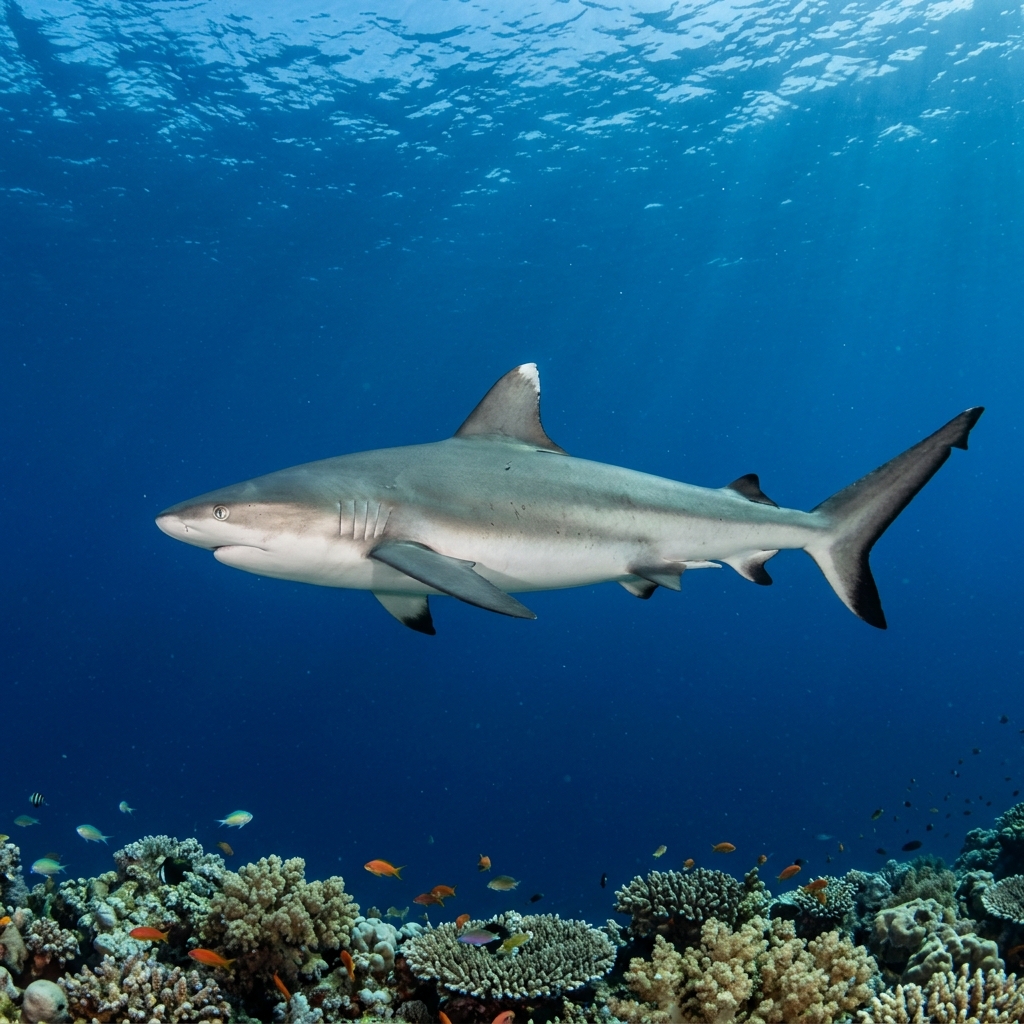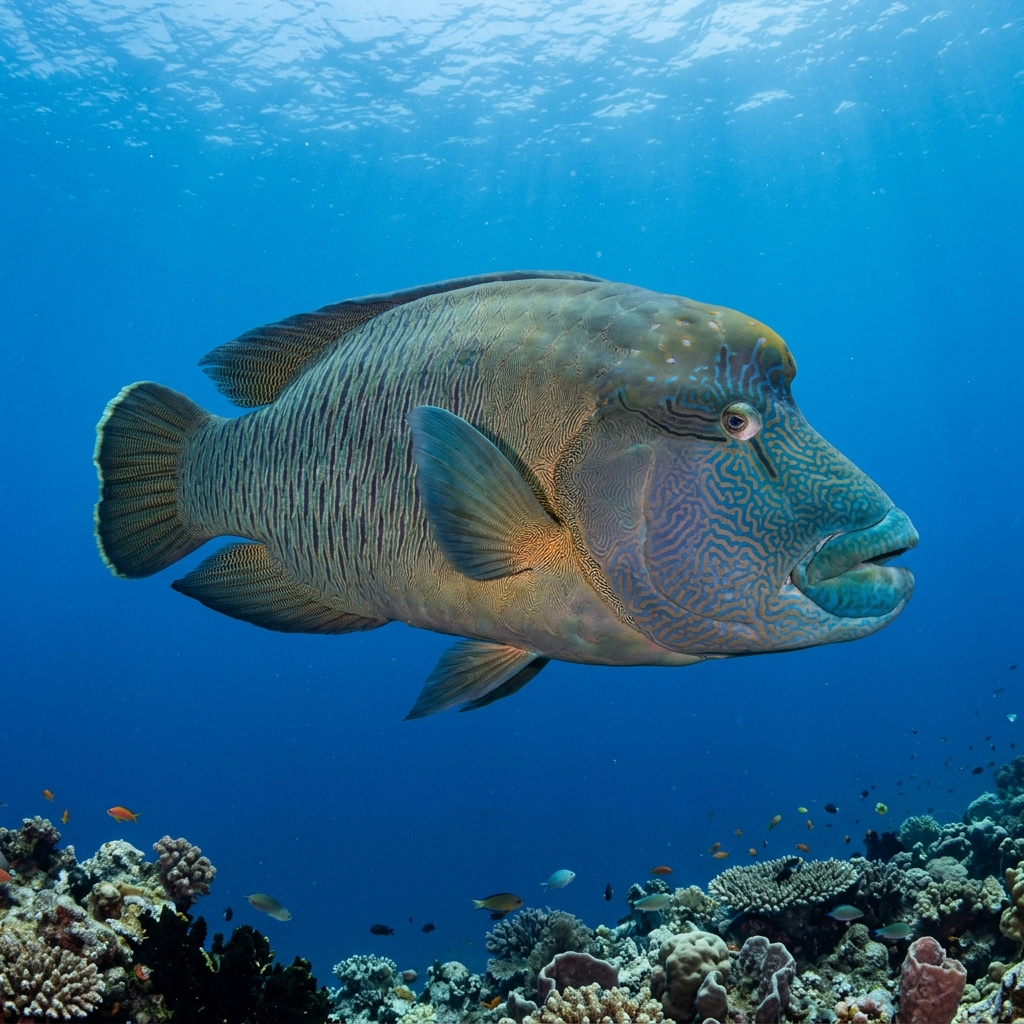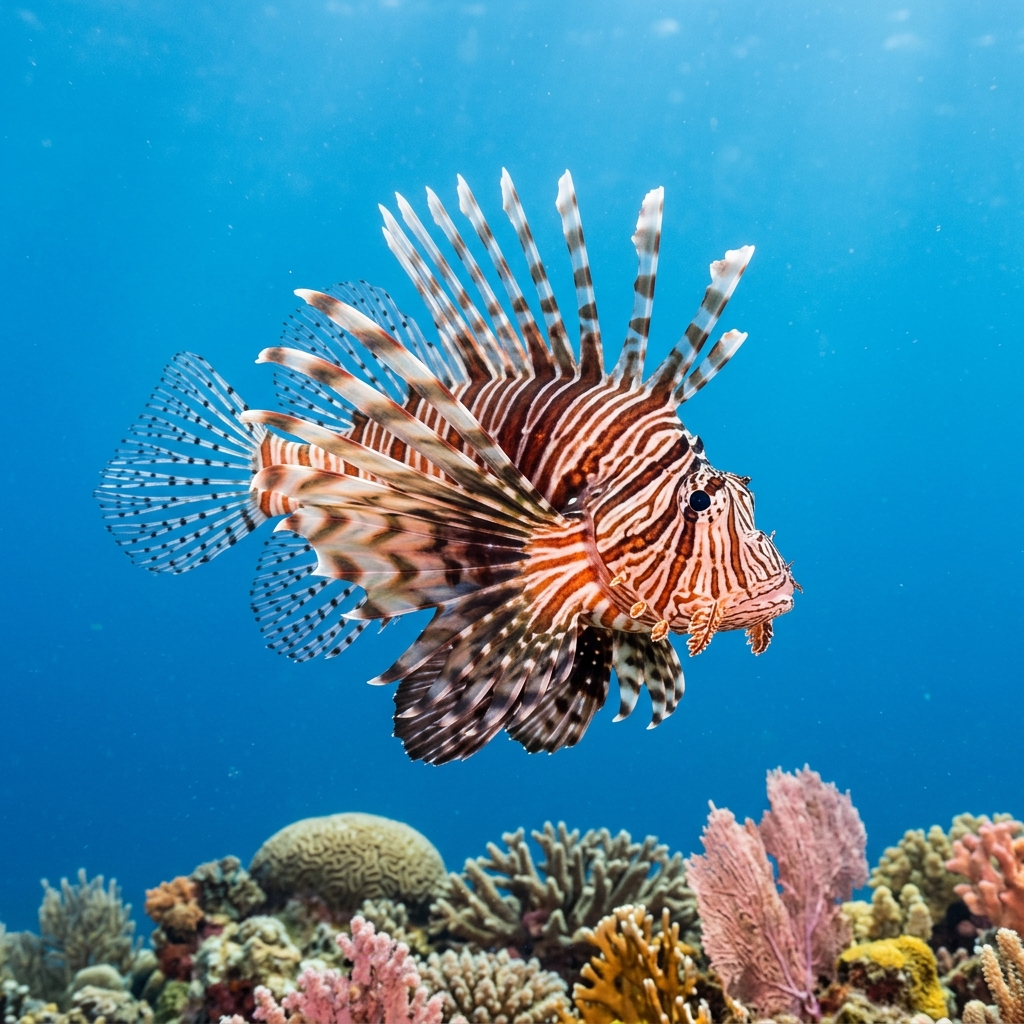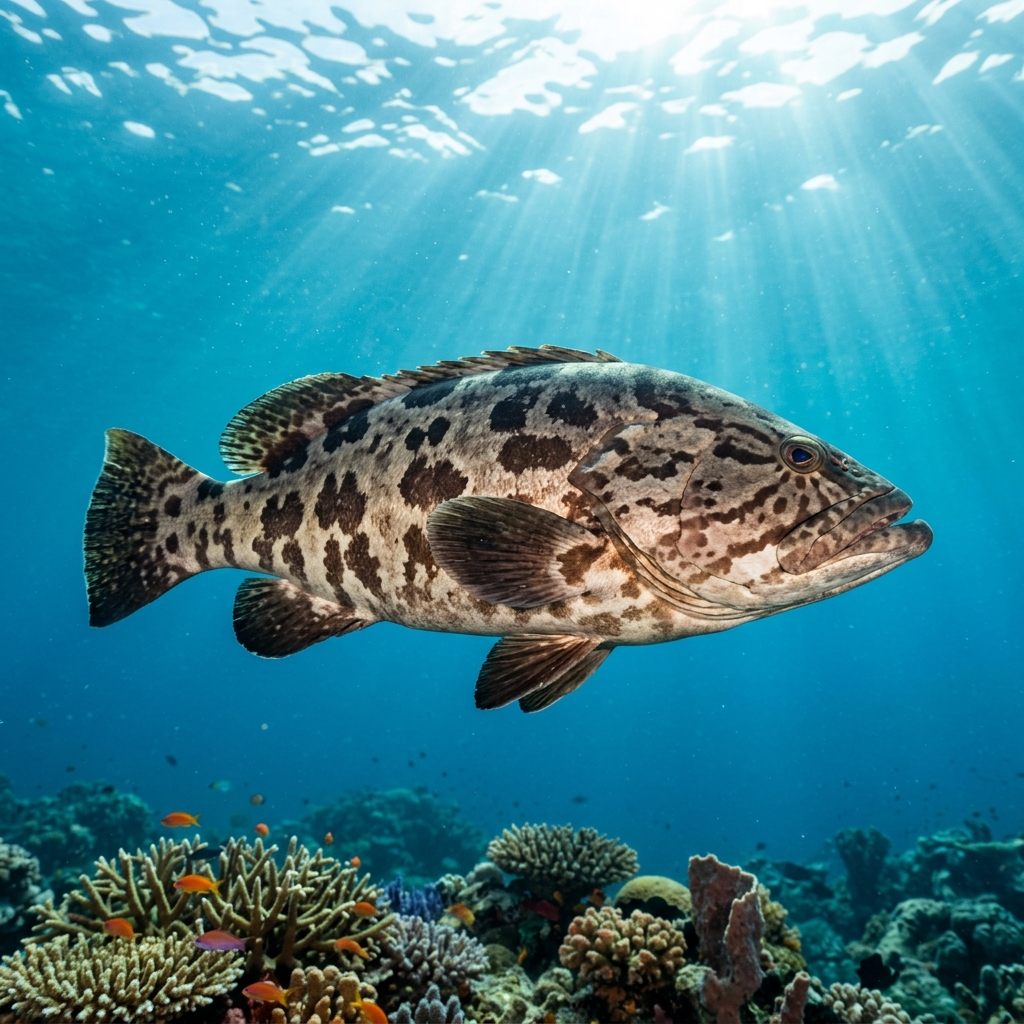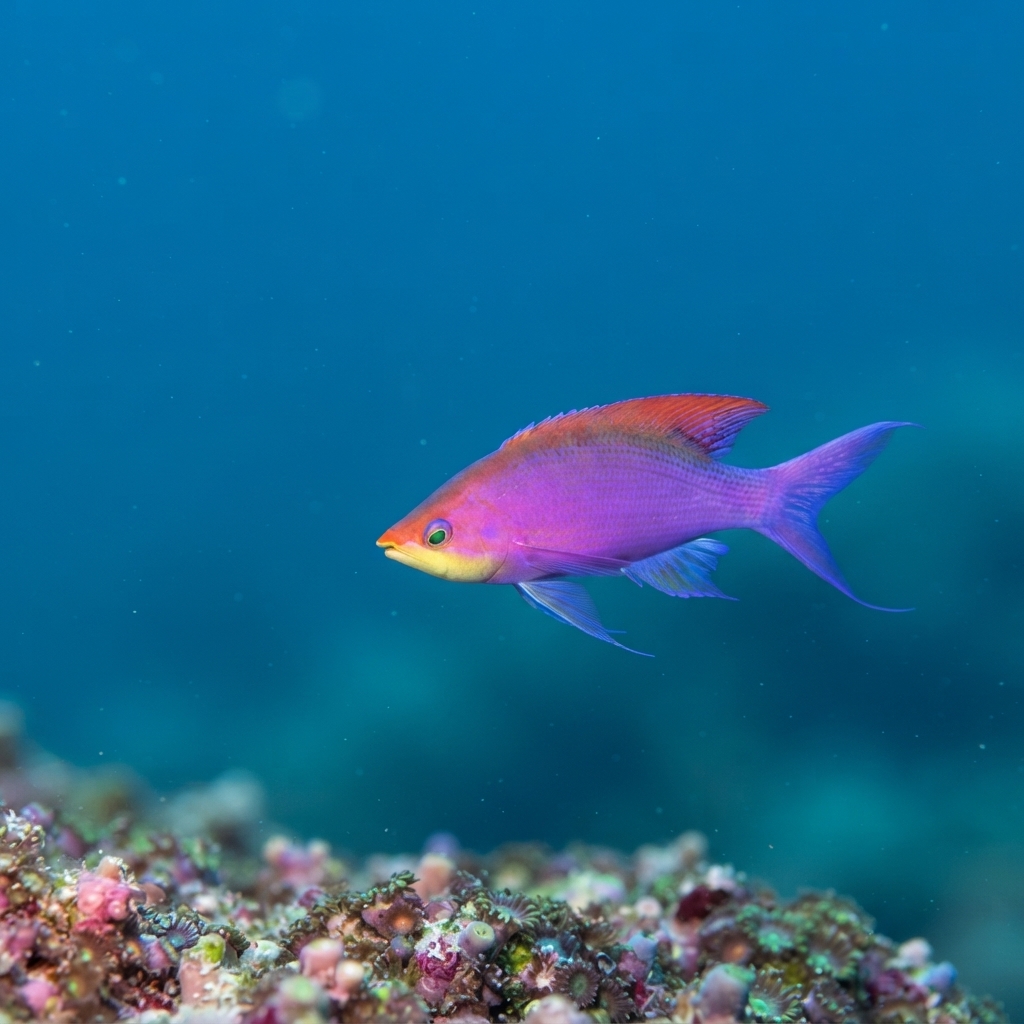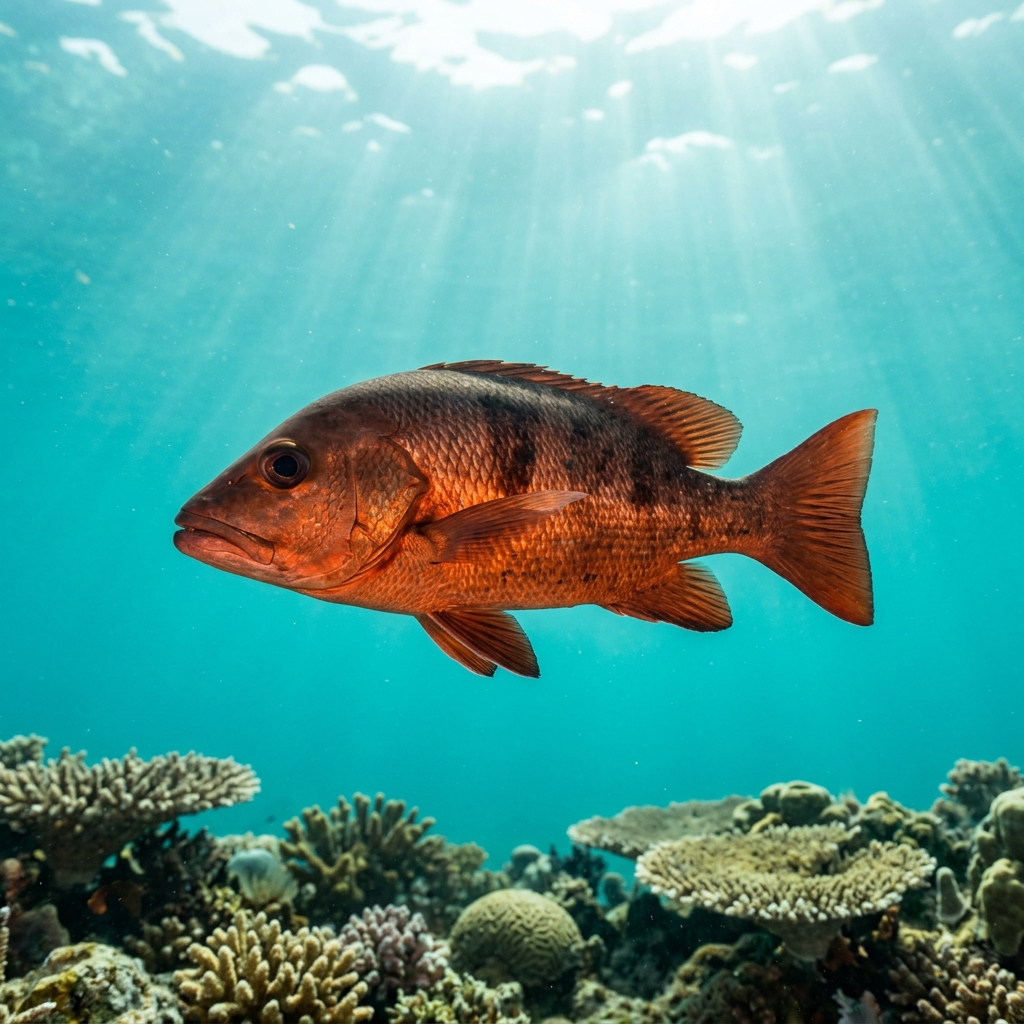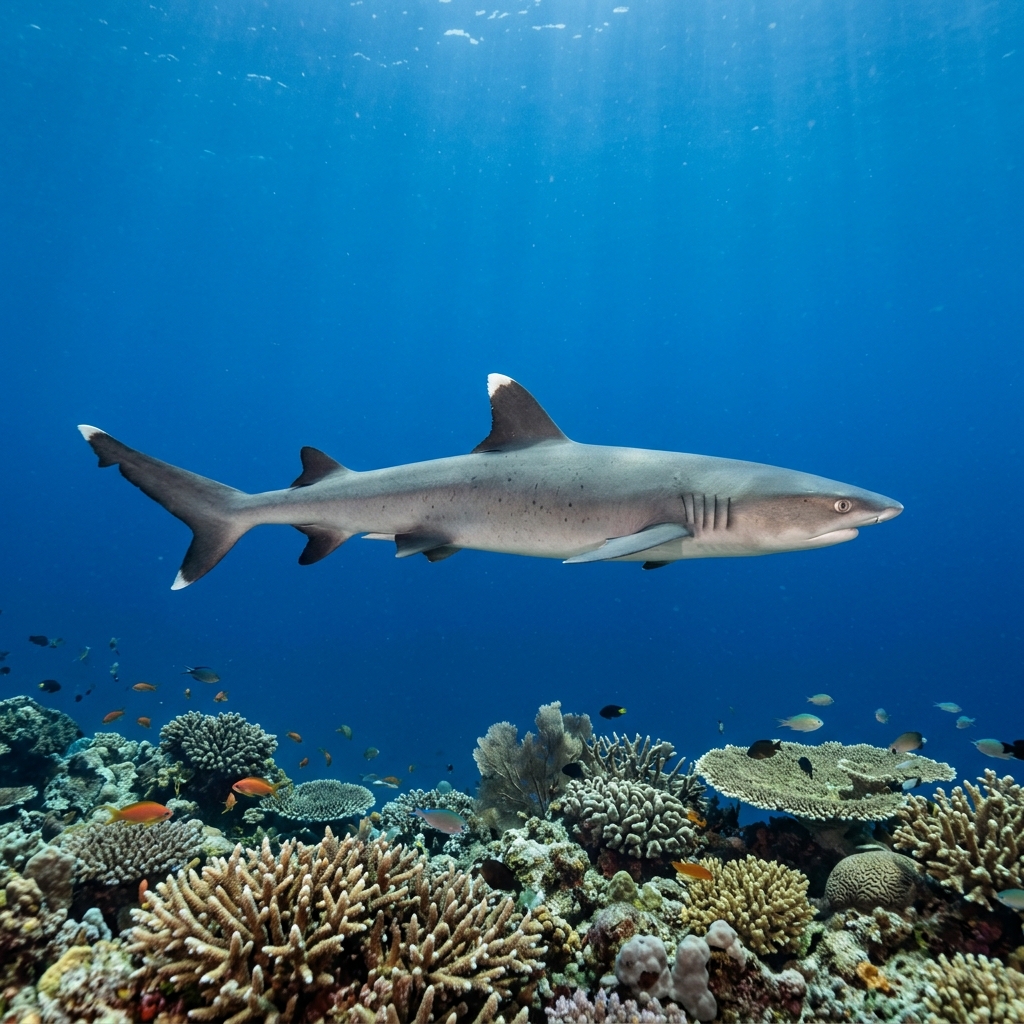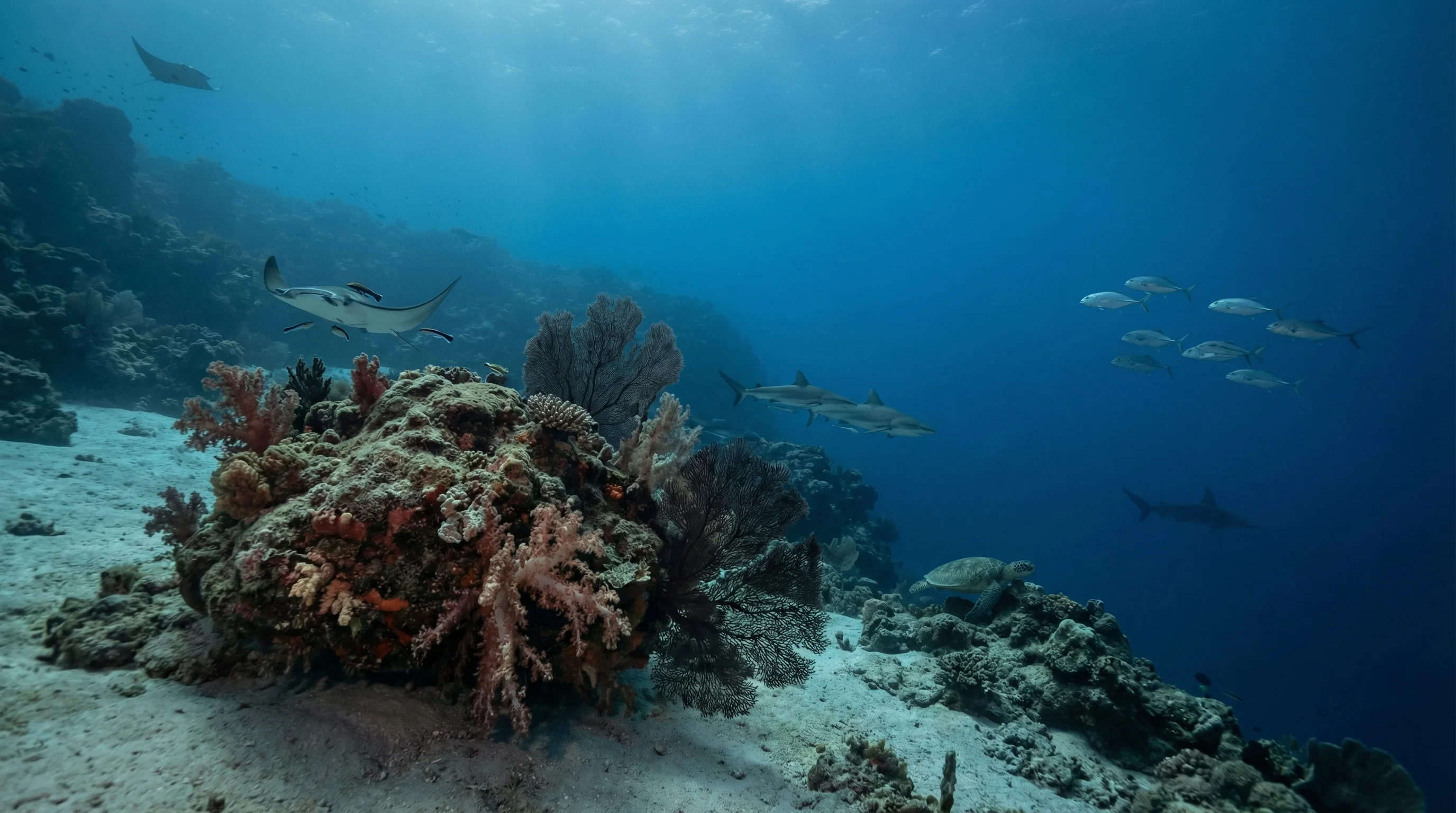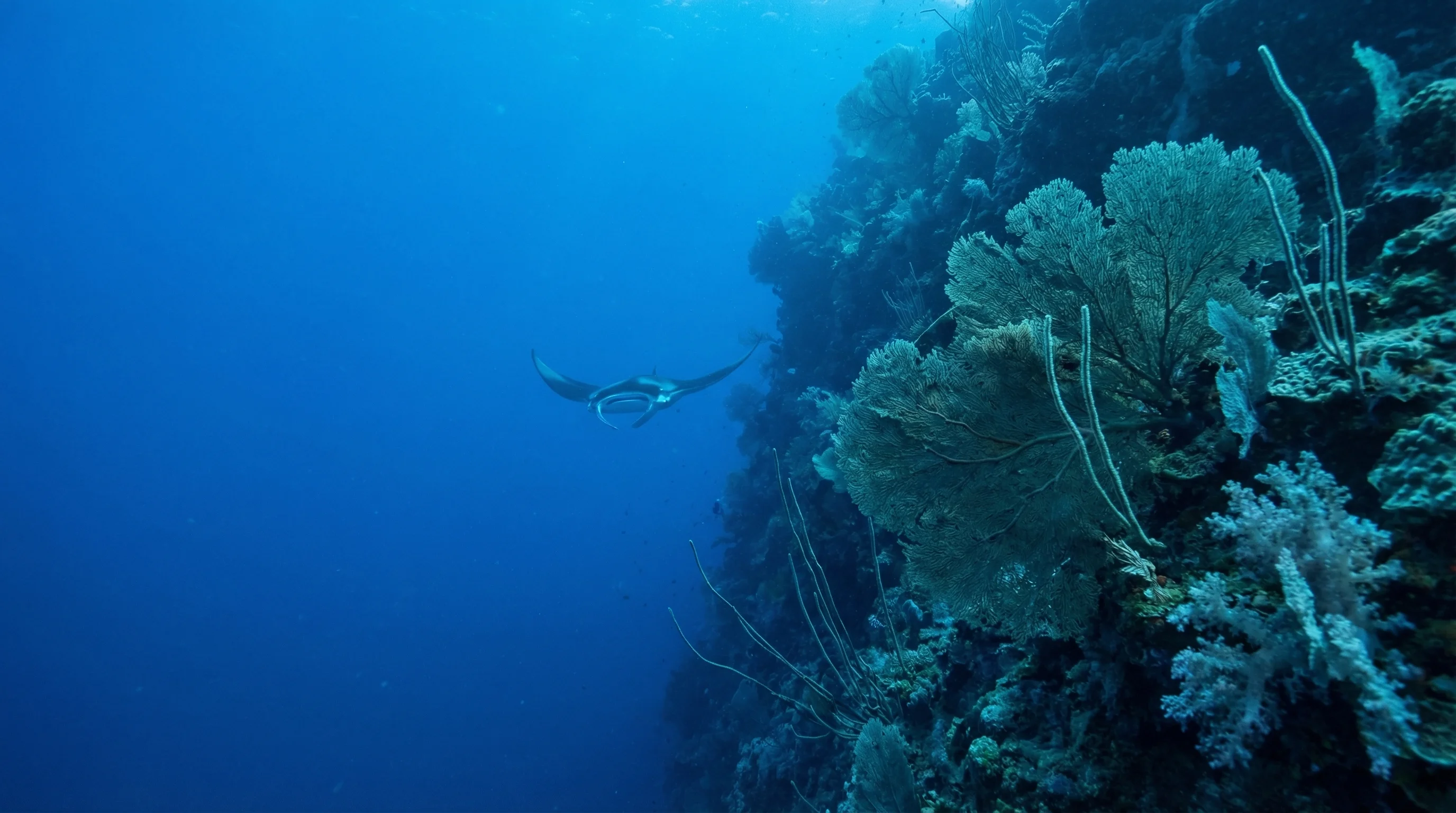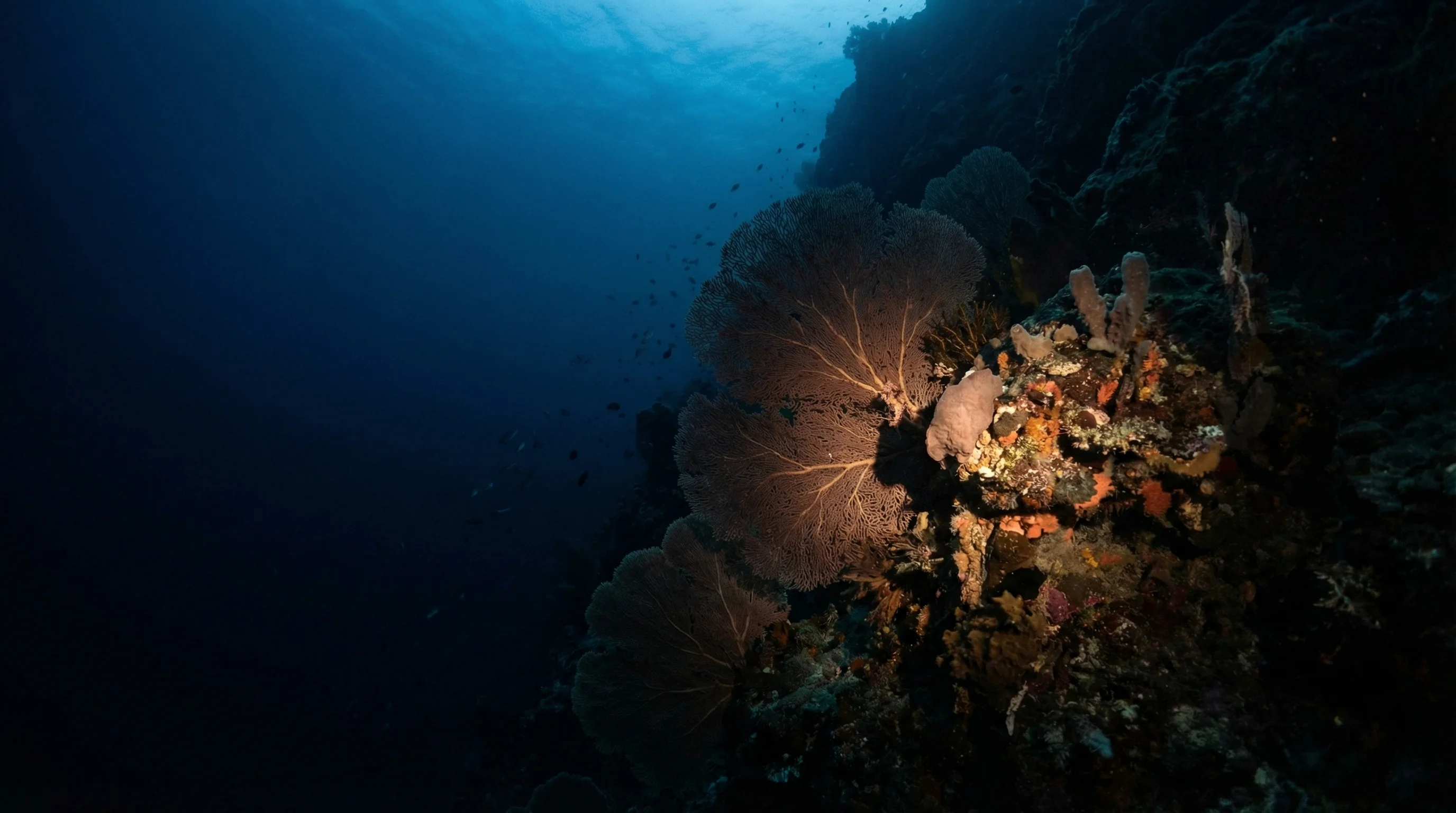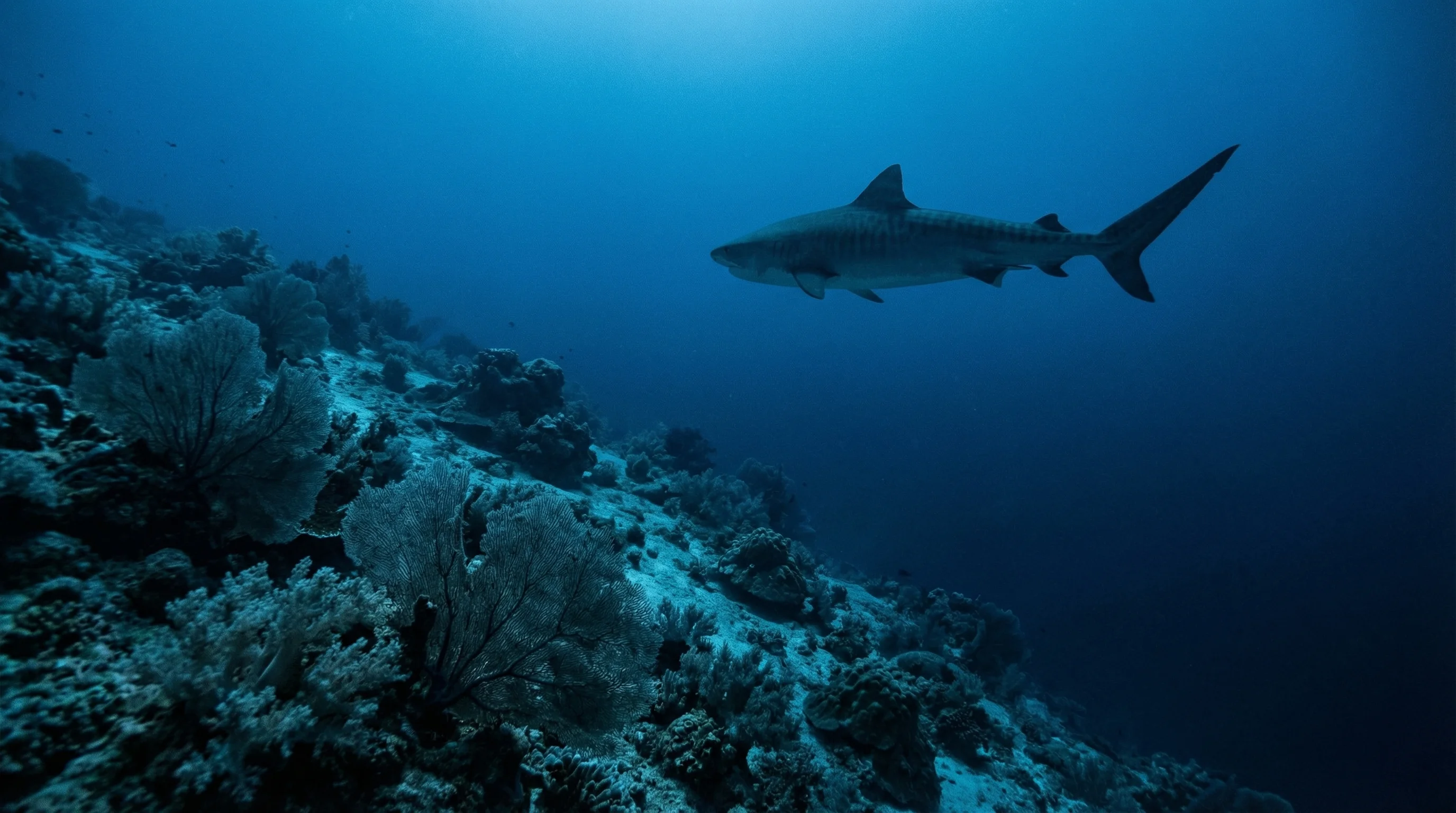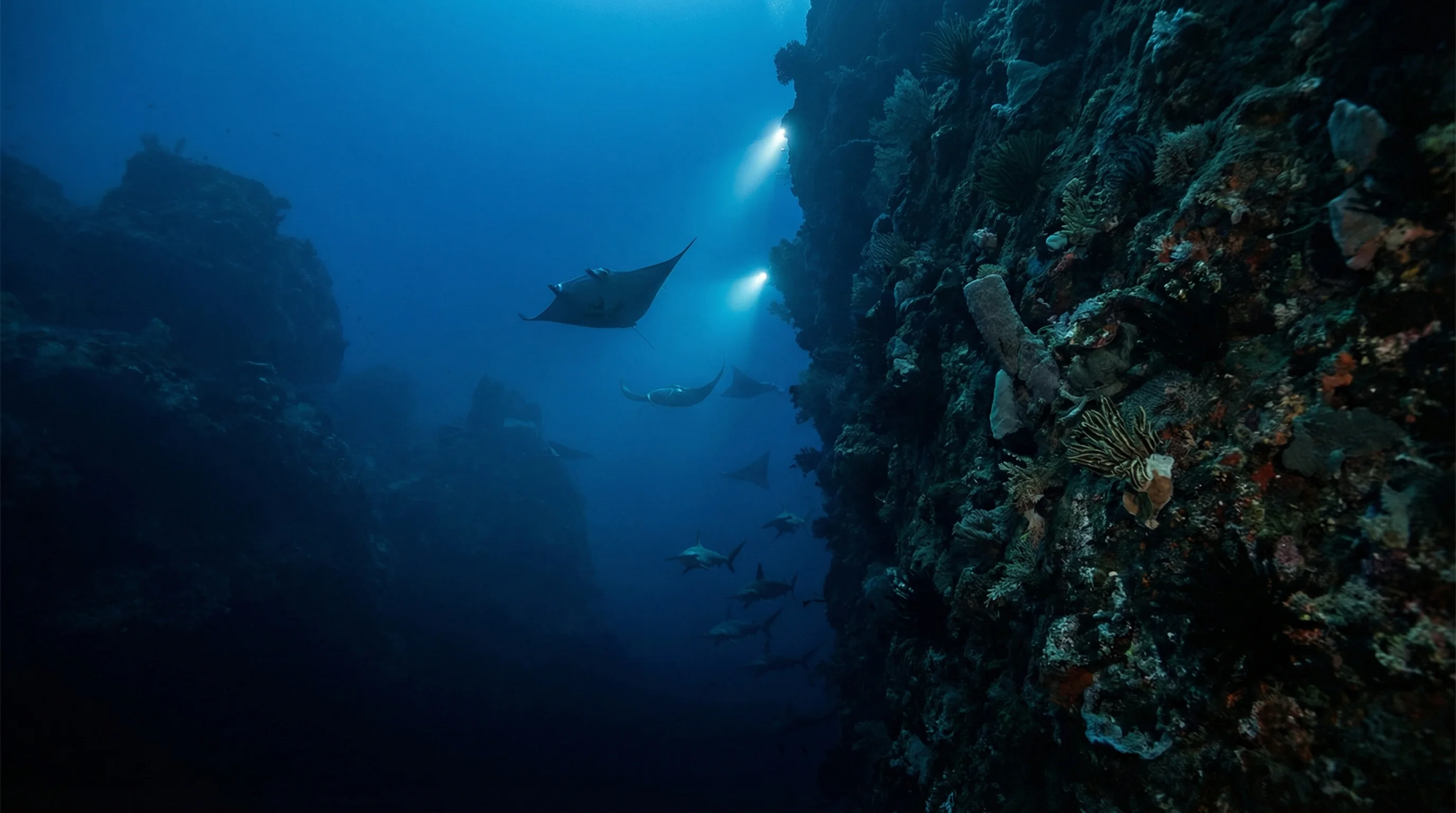

The Abyss lives up to its name as one of Queensland's most demanding wall dives. The reef edge drops from 2 metres straight down to 1000 metres, creating a vertical wall that attracts serious pelagic action. Crystal clear visibility of 30 to 60 metres lets you track the action from depth, though strong currents mean you'll need solid buoyancy control and experience reading water movement. The site draws impressive shark assemblages. Hammerheads cruise the blue, often in small groups, whilst tiger sharks and silvertips patrol the wall's edge. Grey reef sharks are reliably present, and giant potato cod occasionally emerge from deeper sections. Eagle rays glide past in the current, and manta rays appear during plankton blooms. You'll also encounter barracuda schools, sea turtles, and soft corals clinging to the wall's upper sections. Plan your dive around the current strength and your gas consumption. The strong flow makes this unsuitable for relaxed exploration. Most divers work the wall between 20 and 40 metres, though the temptation to go deeper is real. Watch for jellyfish in the water column, particularly during warmer months. September through November offers the best conditions, with peak pelagic activity and manageable current windows.
-13.91667, 146.63333
September through November brings the most reliable pelagic activity, particularly for hammerheads and mantas, so plan your trip accordingly. Carry a surface marker buoy and deploy it early on ascent as the strong currents can push you well clear of the boat.
Access is exclusively by multi-day liveaboard dive boats, typically departing from Cairns. The reef is approximately 350 km offshore.
Due to the remote location and challenging conditions (deep walls, strong currents), this site is for experienced divers. Shark feeding dives are a common activity, requiring careful procedures. Marine stingers (jellyfish) can be present, especially from November to May, and protective suits are recommended.
Depth
2-1000m
Visibility
30-60m
Skill Level
Advanced
Entry
Boat
Boat required
Water Temp
23°C+
Current
Strong
Typical Dive
50 min
Best Time
Year-round
The Abyss requires Advanced Open Water certification as a minimum, with Deep Diver certification also necessary due to the extreme depths reaching 1000 metres. This remote Coral Sea reef system is strictly for experienced technical divers who can manage the challenging depth profiles and strong currents. Dive operators enforce these certification requirements rigorously given the site's demanding conditions.
The Abyss is renowned for encounters with hammerhead sharks, tiger sharks and grey reef sharks patrolling the dramatic drop-offs. The site also hosts giant potato cod, barracuda schools and eagle rays, alongside healthy populations of sea turtles. September through November offers the best conditions for encountering these pelagic species in visibility ranging from 30 to 60 metres.
The Abyss experiences strong currents throughout the year, requiring advanced current management skills and proper dive planning. The currents are strongest around the wall sections where depths plunge from 2 metres to over 1000 metres. Divers must maintain constant awareness of current direction and intensity, making this site unsuitable for less experienced divers.
The optimal diving period for The Abyss runs from September through November, when conditions are most favourable for liveaboard expeditions. During these months, visibility peaks between 30 and 60 metres, and shark activity increases around the reef. The site remains accessible during other months but conditions become more challenging with increased current strength and reduced visibility.
The Abyss receives a snorkelling rating of only 1 out of 5, making it primarily a dive-focused destination. Whilst shallow sections exist at 2 metres, the strong currents and exposed offshore location create hazardous conditions for snorkellers. The site's main attractions, including shark encounters and dramatic wall formations, occur at depths inaccessible to surface swimmers.
The Abyss is accessible only by liveaboard boat, located in the remote Coral Sea Reefs offshore from Queensland. The site has no land-based facilities or shore access, requiring multi-day expedition vessels equipped for technical diving. Most operators depart from Cairns or Port Douglas for the journey to this isolated reef system.
Divers at The Abyss face three primary hazards: extreme depths reaching 1000 metres, strong currents along the wall sections, and jellyfish presence in surrounding waters. The combination of deep diving and current exposure requires meticulous dive planning and gas management. Full-length wetsuits provide protection against jellyfish whilst maintaining thermal protection during deeper excursions.
The Abyss in Coral Sea Reefs requires advanced diving skills. Expect deeper depths, currents, or challenging conditions that are not suitable for newly certified divers.
A 5mm wetsuit is recommended for diving at The Abyss in Coral Sea Reefs. Water temperatures can drop to 23°C.