Best for advanced divers, 25-60m, boat entry, strong current.
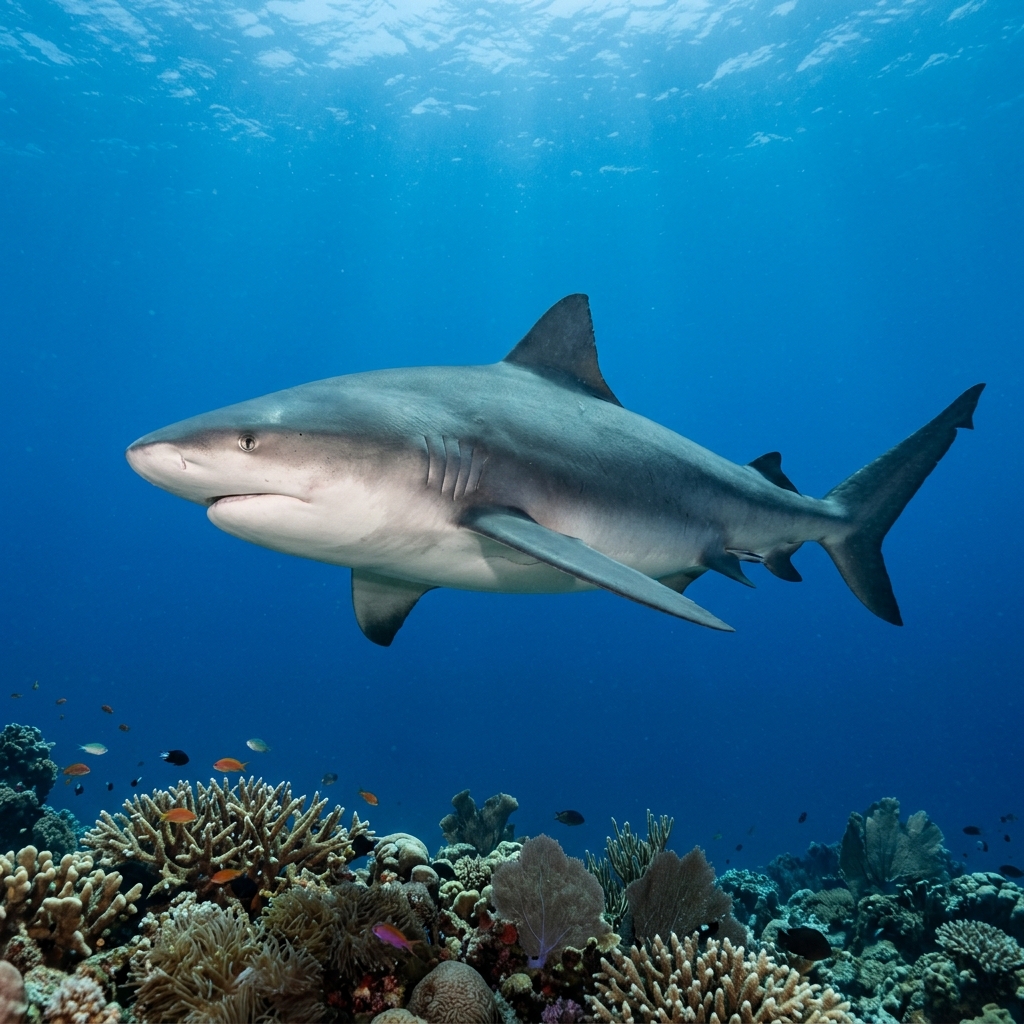
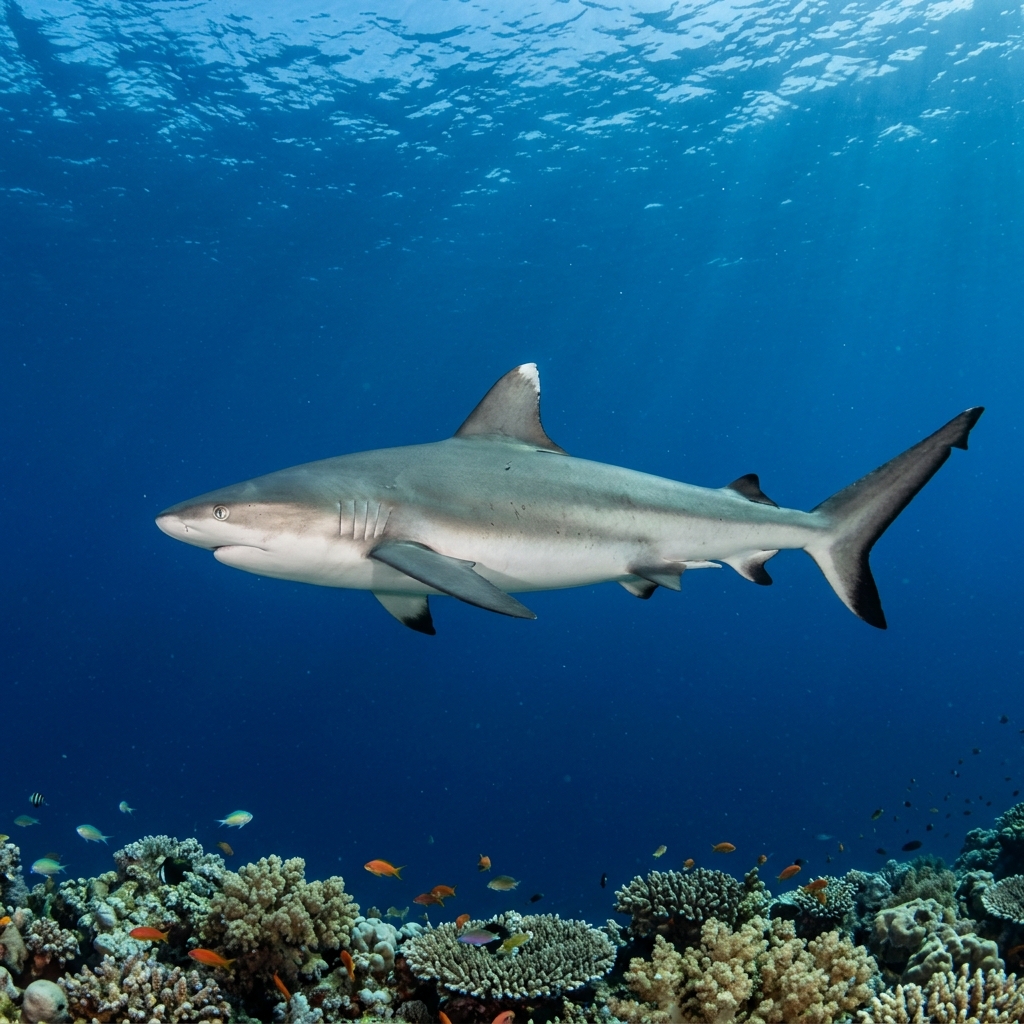
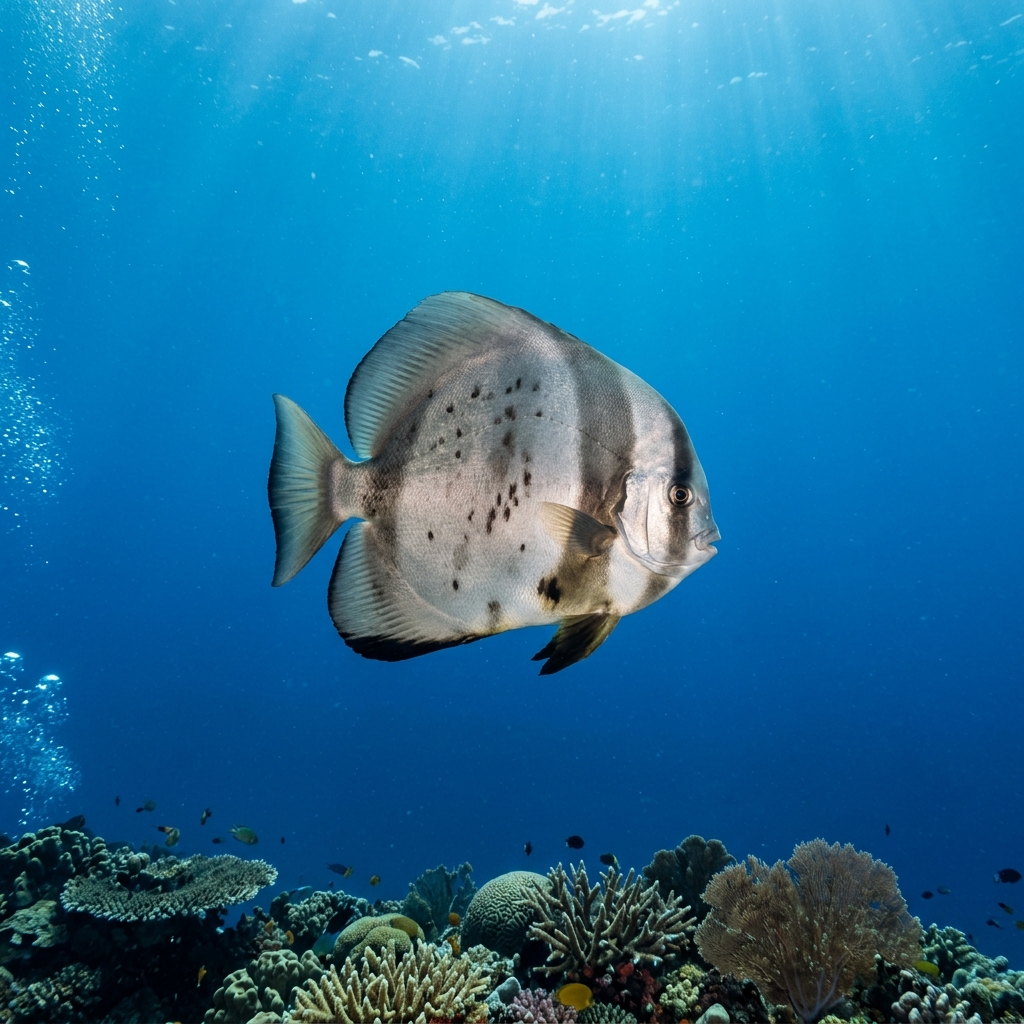
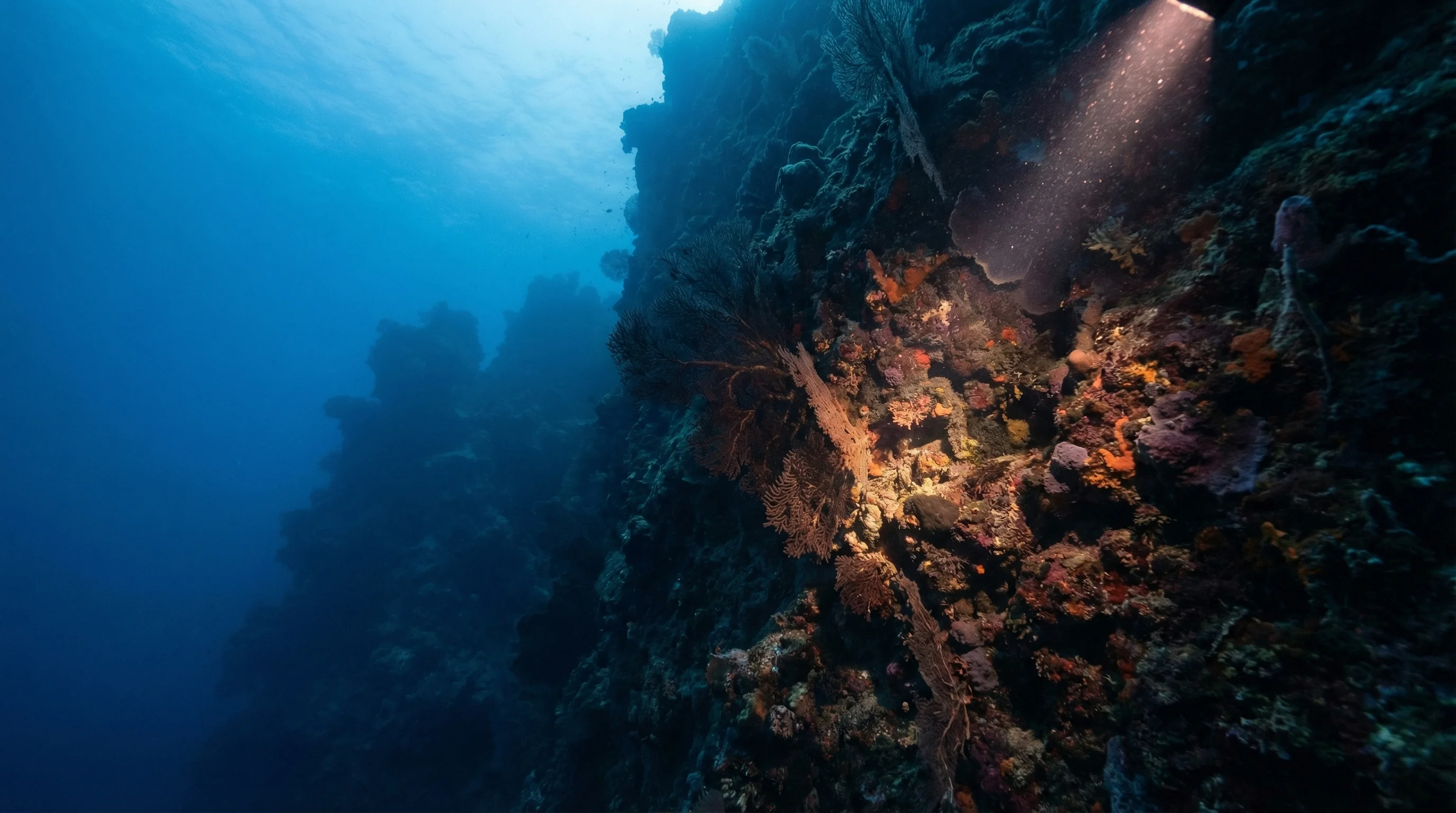
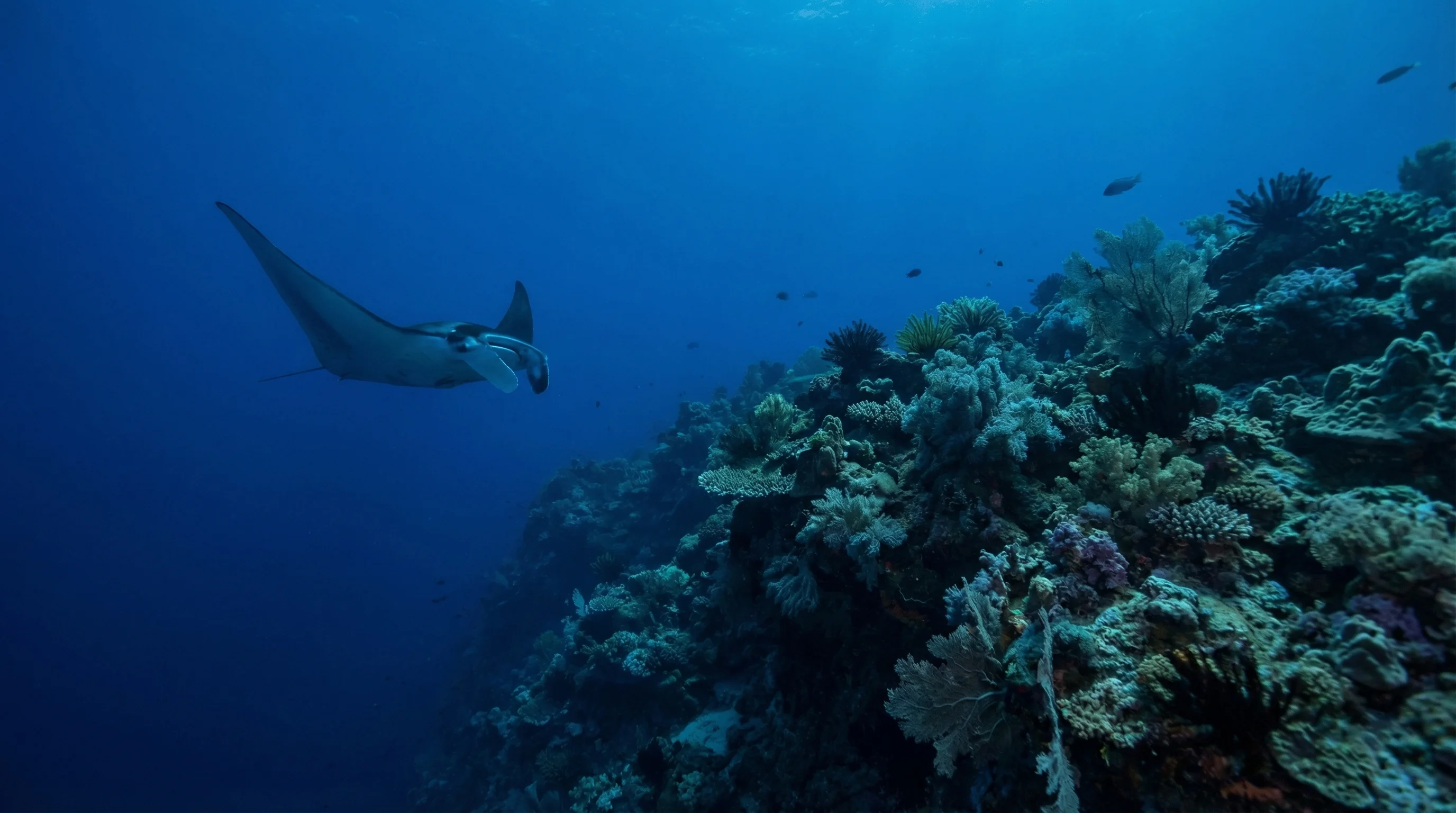
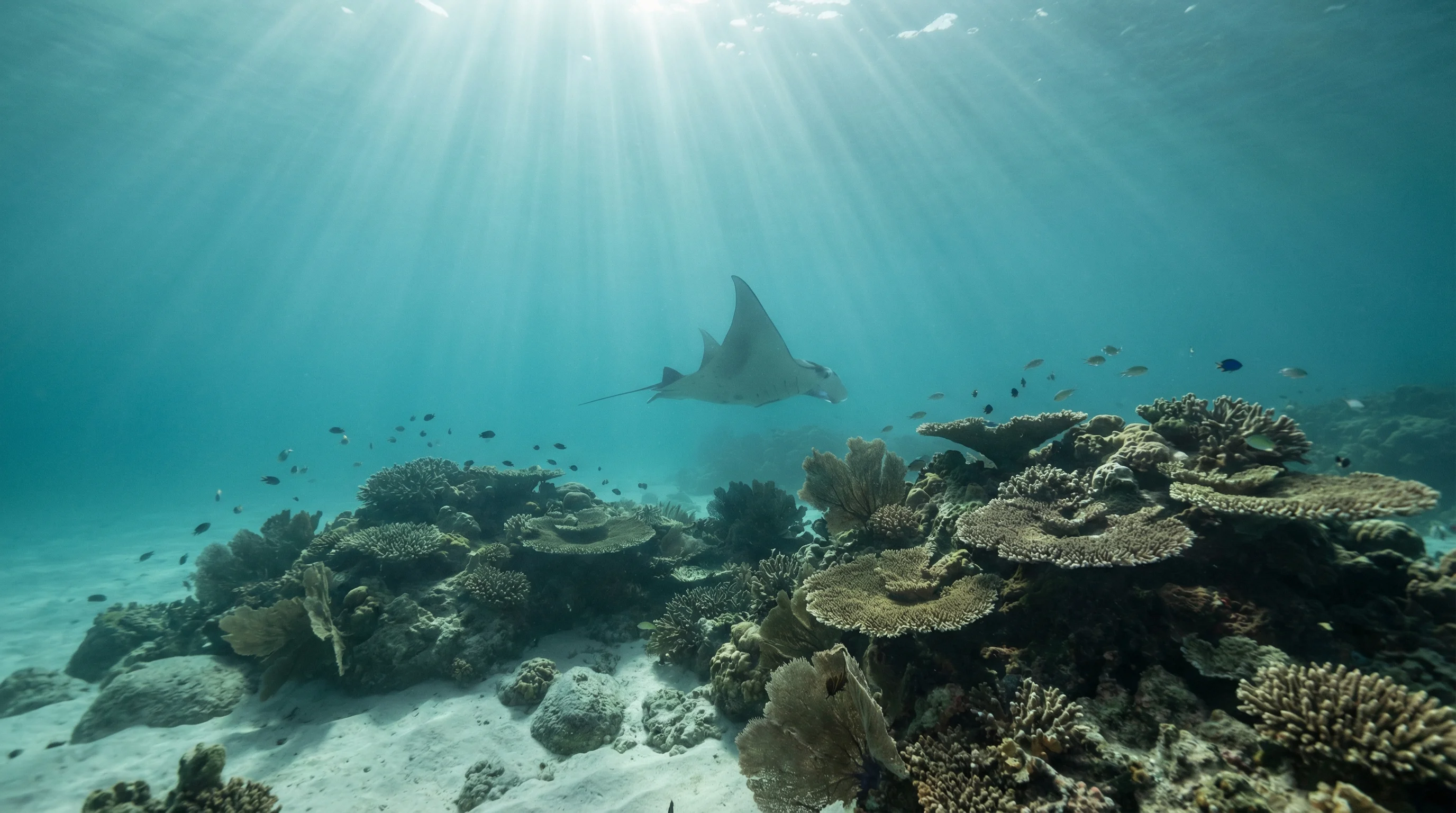
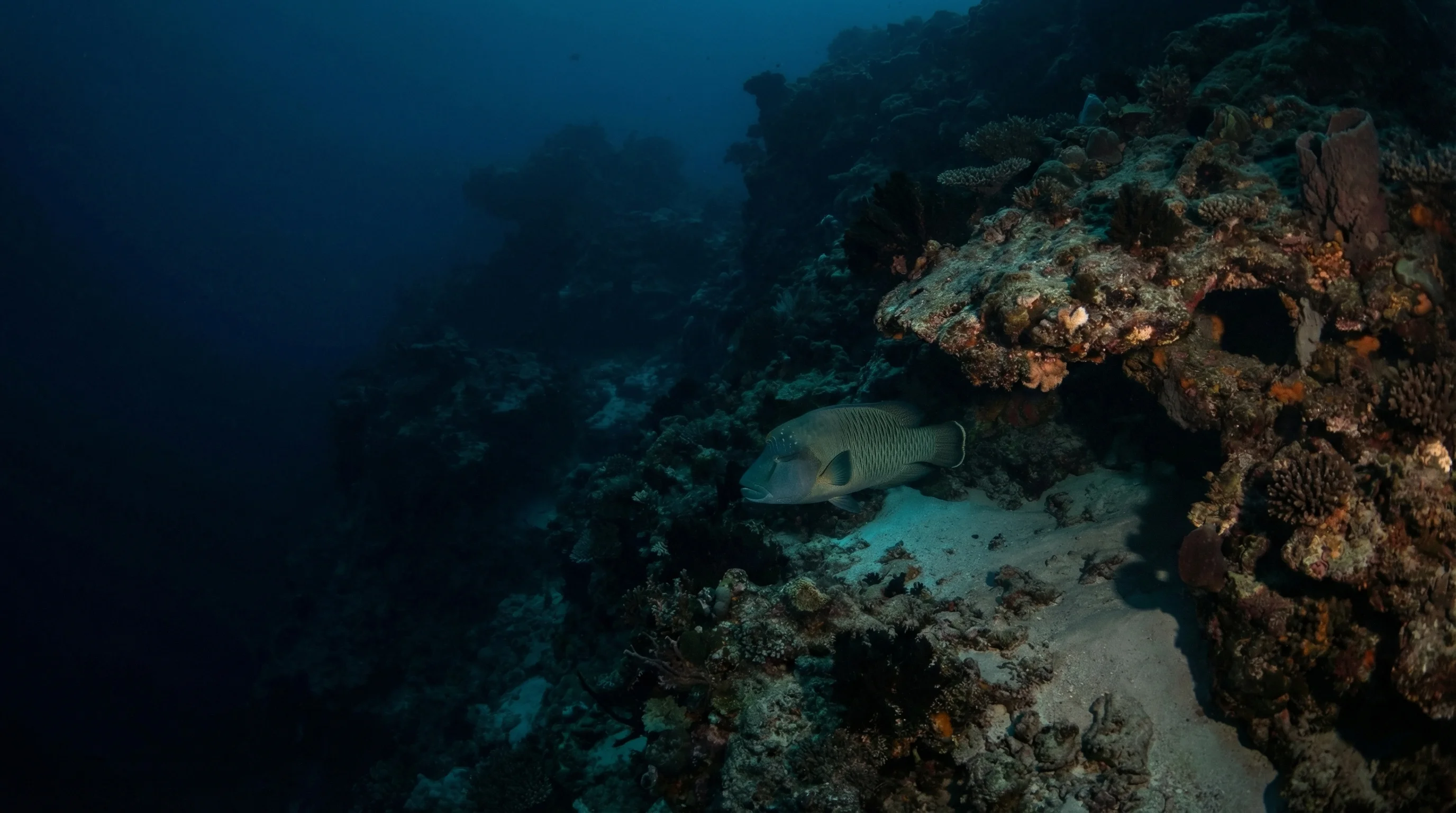
Bligh Reef is a remote wall site located 60 kilometres from the Queensland coast. The reef structure drops steeply, with depths ranging from 25 to 60 metres and an average depth of 45 metres. Due to the significant depth and potential for strong currents, this site is suitable only for advanced divers. Access is exclusively by boat. Visibility typically ranges between 20 and 50 metres, and water temperatures remain between 25 and 28C. Divers should be aware of hazards including sharks and stonefish, and the remote nature of the location requires thorough planning and self-sufficiency. Facilities available include air fills, equipment rental, guided tours, and boat charters.
-12.82843, 143.83598
April through August brings the most consistent pelagic action, with cooler, clearer water pushing baitfish activity up along the wall. Confirm live-aboard or charter availability before planning as access and facilities vary seasonally.
The site is remote and accessed via liveaboard boat, typically departing from Lockhart River.
Recorded at this site
Depth
25-60m
Visibility
20-50m
Skill Level
Advanced
Entry
Boat
Boat required
Water Temp
25-28°C
Current
Strong
Typical Dive
60 min
Best Time
Apr, May, Jun, Jul, Aug
The site features a wall that drops from 25 to 60 metres, with an average depth of 45 metres.
No, Bligh Reef is intended for advanced divers due to the significant depths, strong currents, and remote location.
Access is by boat only, requiring a charter to reach the reef 60 kilometres from shore.
The best months for diving at Bligh Reef are April, May, June, July, and August.
Diving at Bligh Reef in Far Northern requires the following certifications: Open Water, Advanced. Always dive within your training limits.
Yes, equipment rental is available at or near Bligh Reef in Far Northern. Contact local dive operators for specific gear availability and prices.
A 3mm wetsuit is recommended for diving at Bligh Reef in Far Northern. Water temperatures range from 25°C to 28°C.
The best months to visit Bligh Reef in Far Northern are April, May, June, July, and August. Conditions outside these months can still be good but are less predictable.
Divers at Bligh Reef in Far Northern should be aware of stonefish, sharks. These encounters are generally rare and avoidable with proper awareness. Follow local safety guidance and maintain a respectful distance from all marine life.
Bligh Reef in Far Northern can have strong currents. Advanced experience with drift diving and current navigation is recommended.
Visibility at Bligh Reef in Far Northern typically ranges from 20 metres to 50 metres. Conditions vary with weather, tides, and seasons.