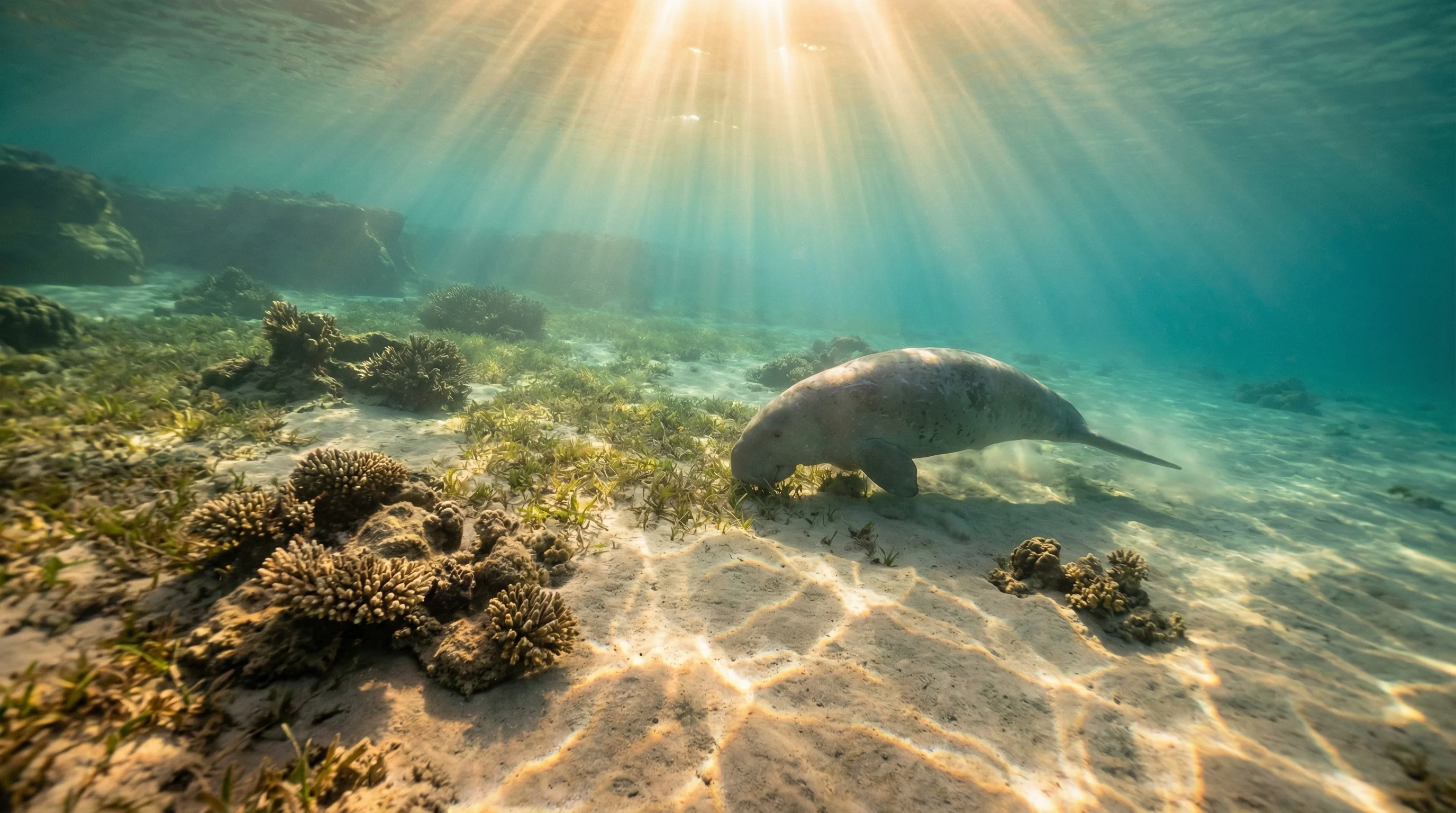
Best for beginner divers, shore entry, mild current.
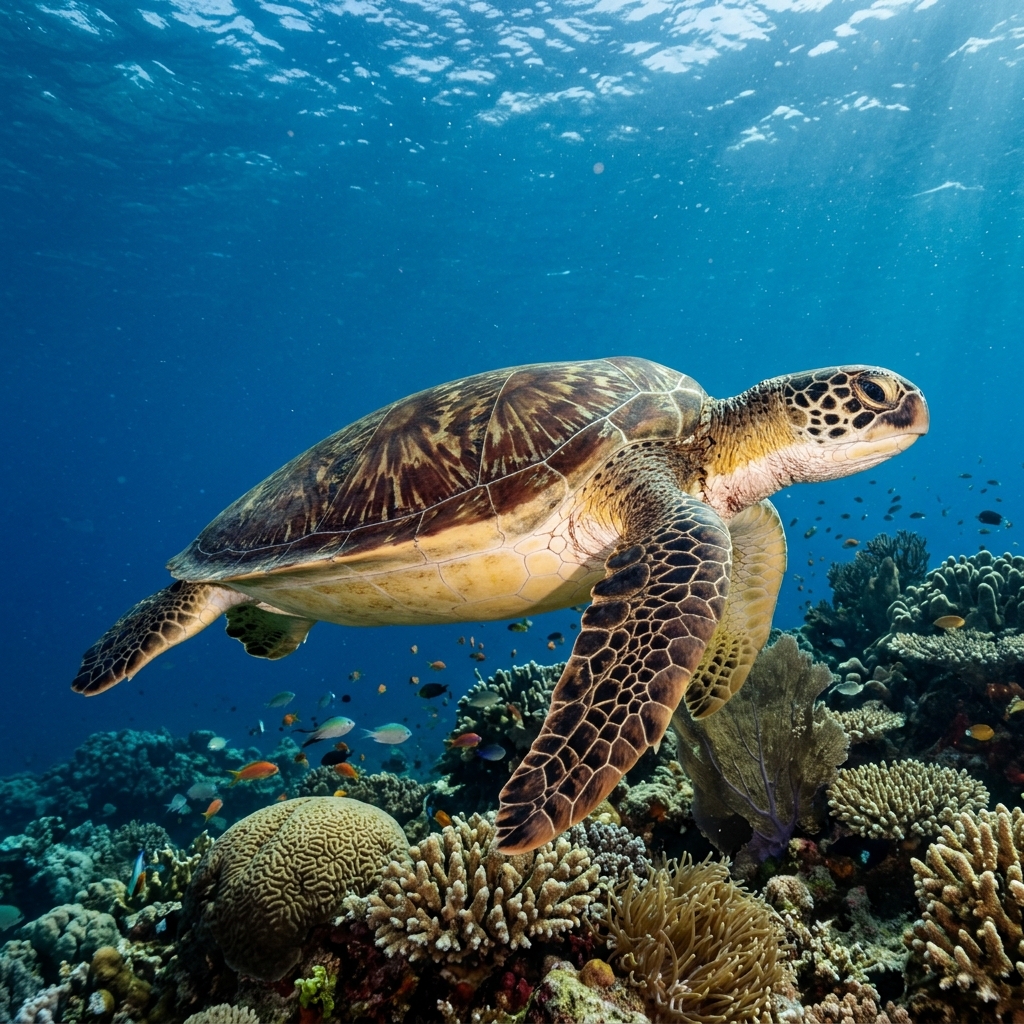
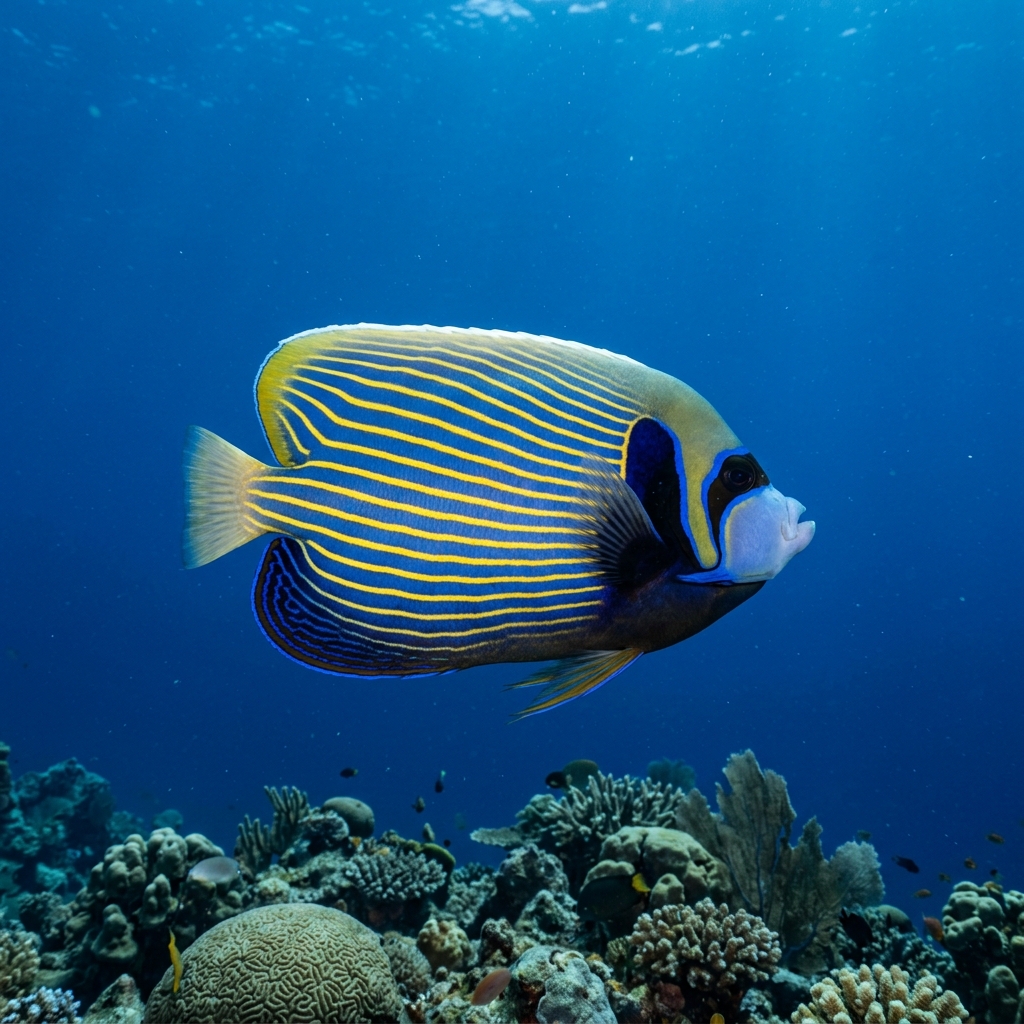
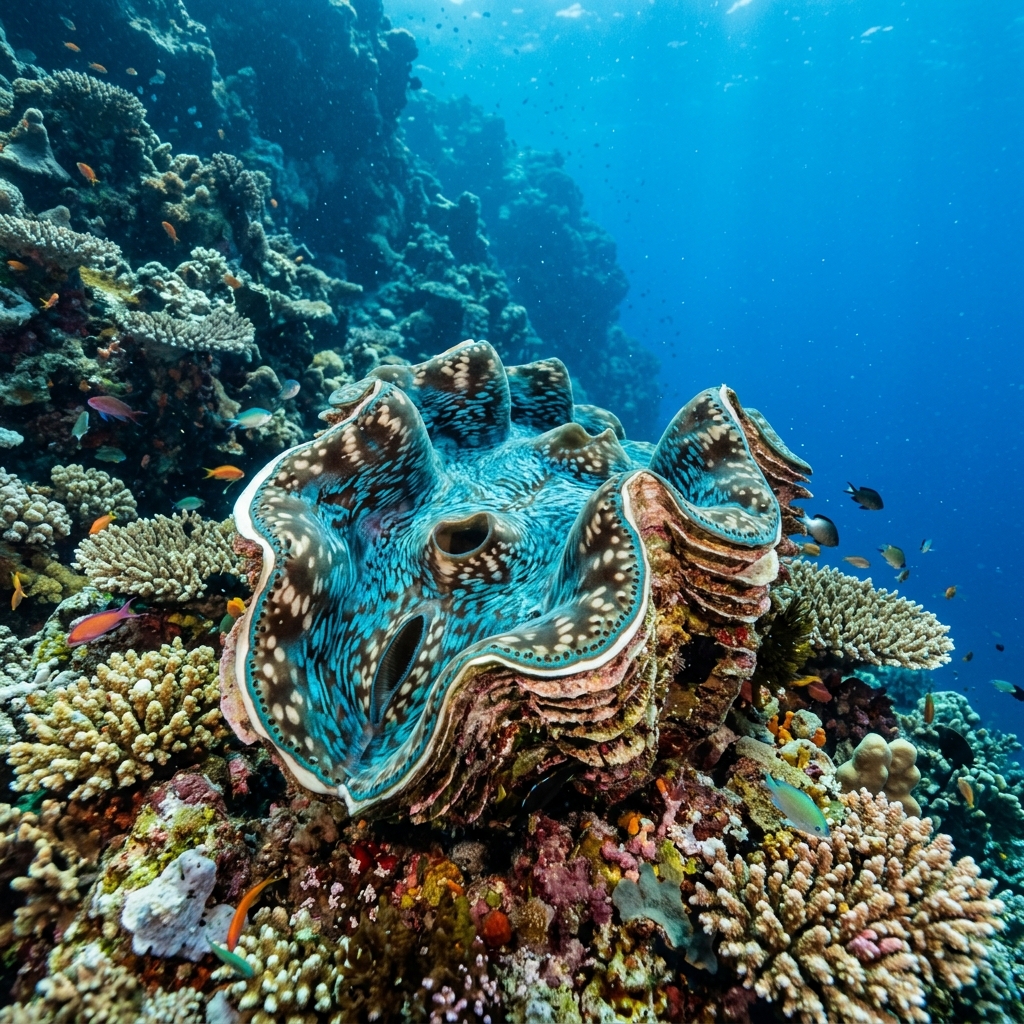
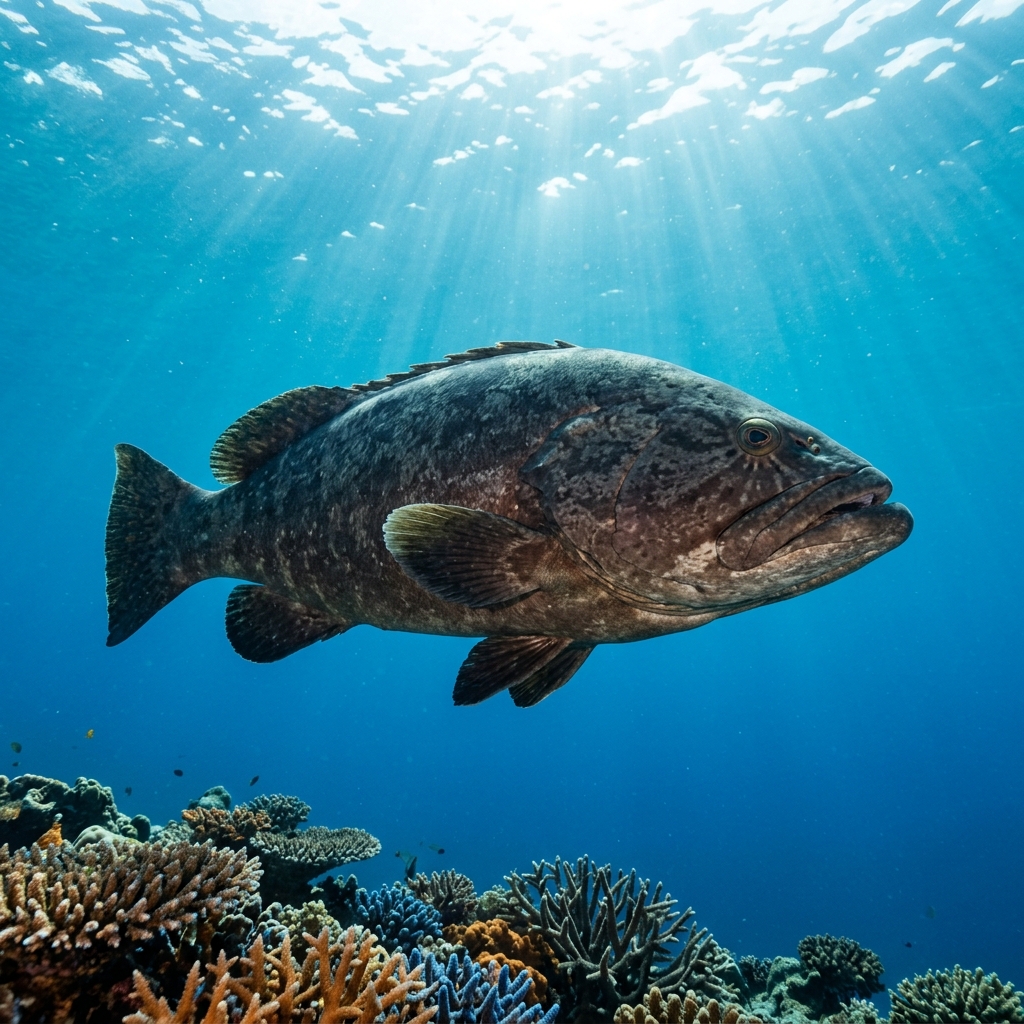
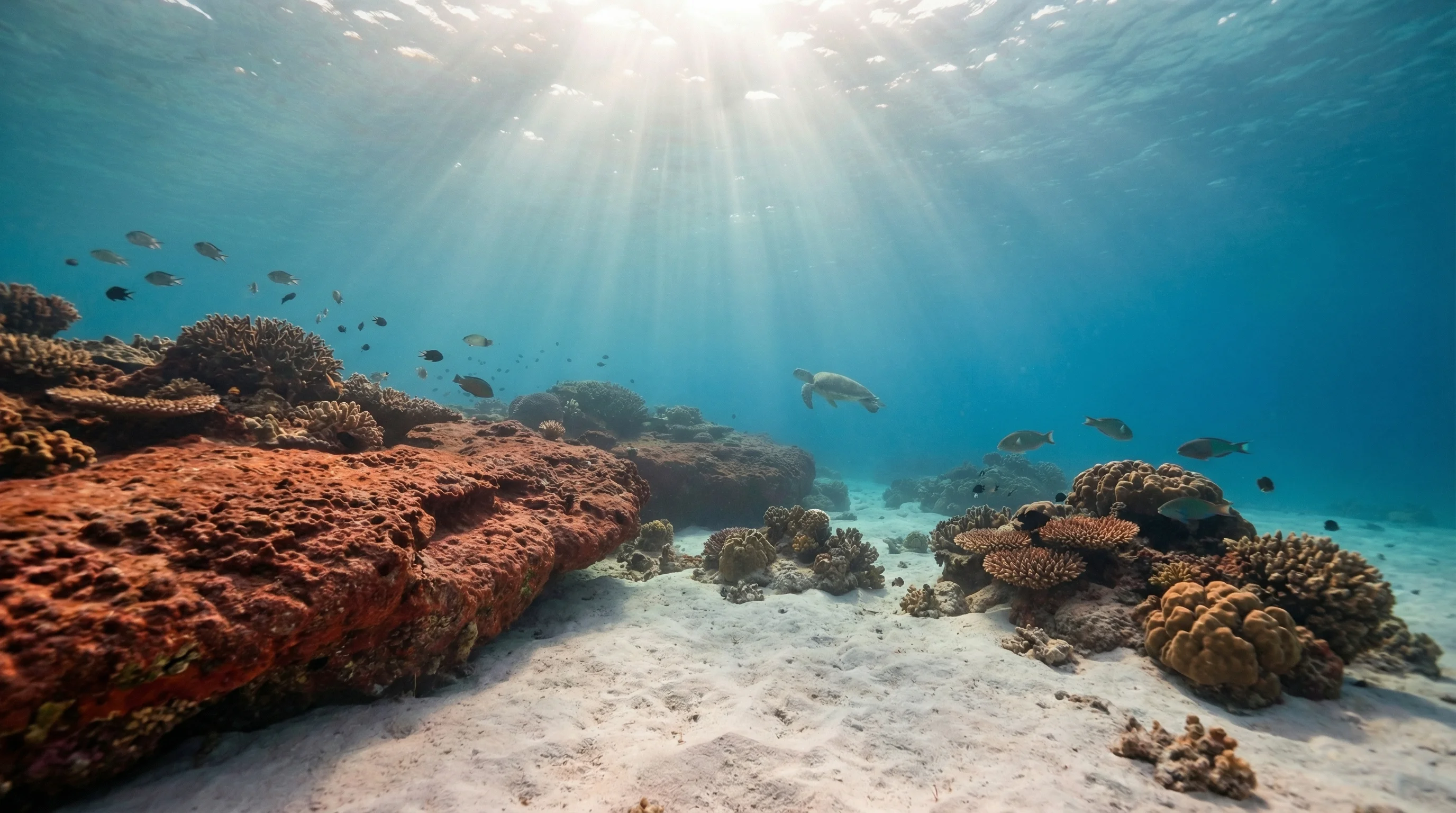
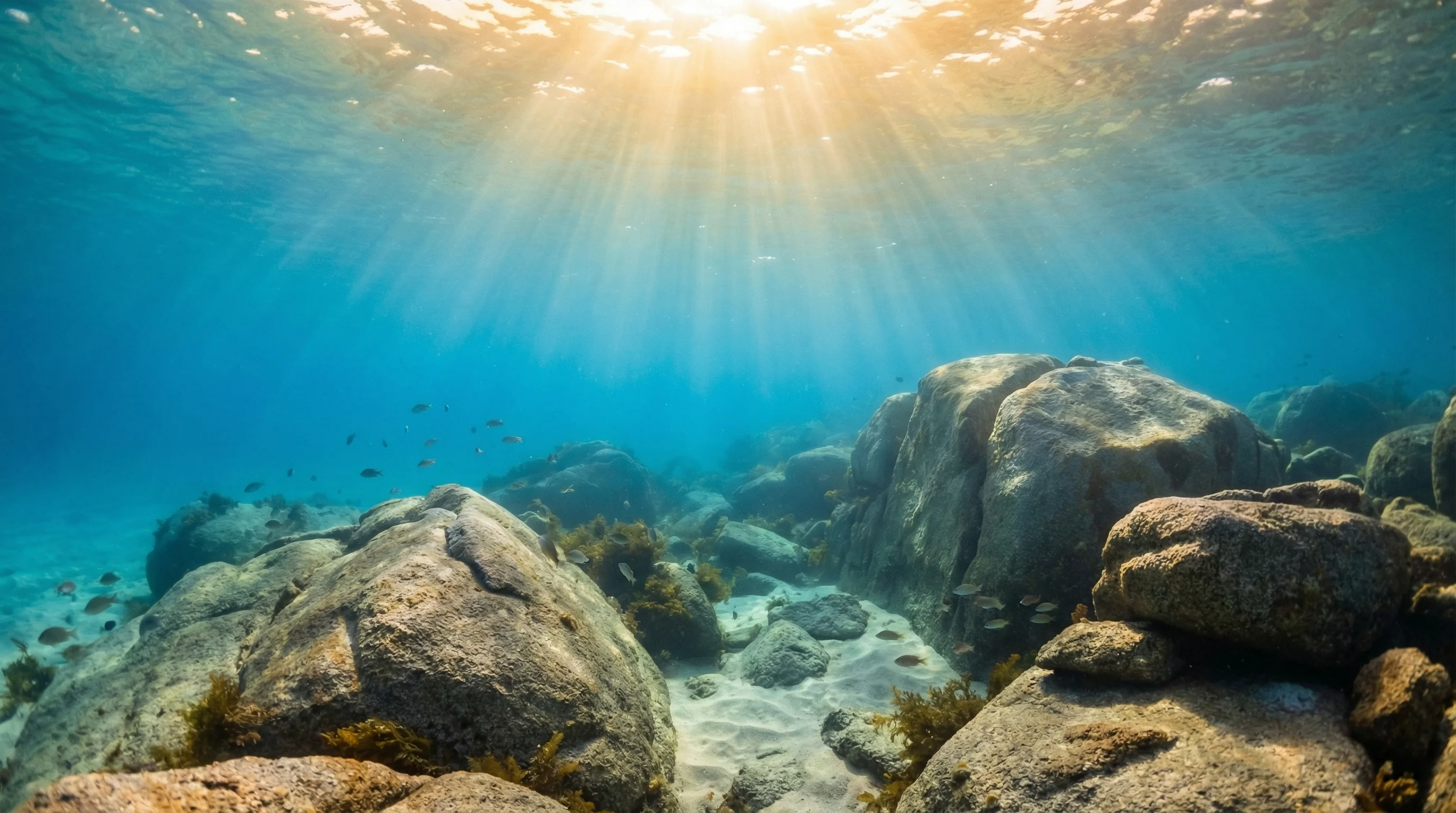
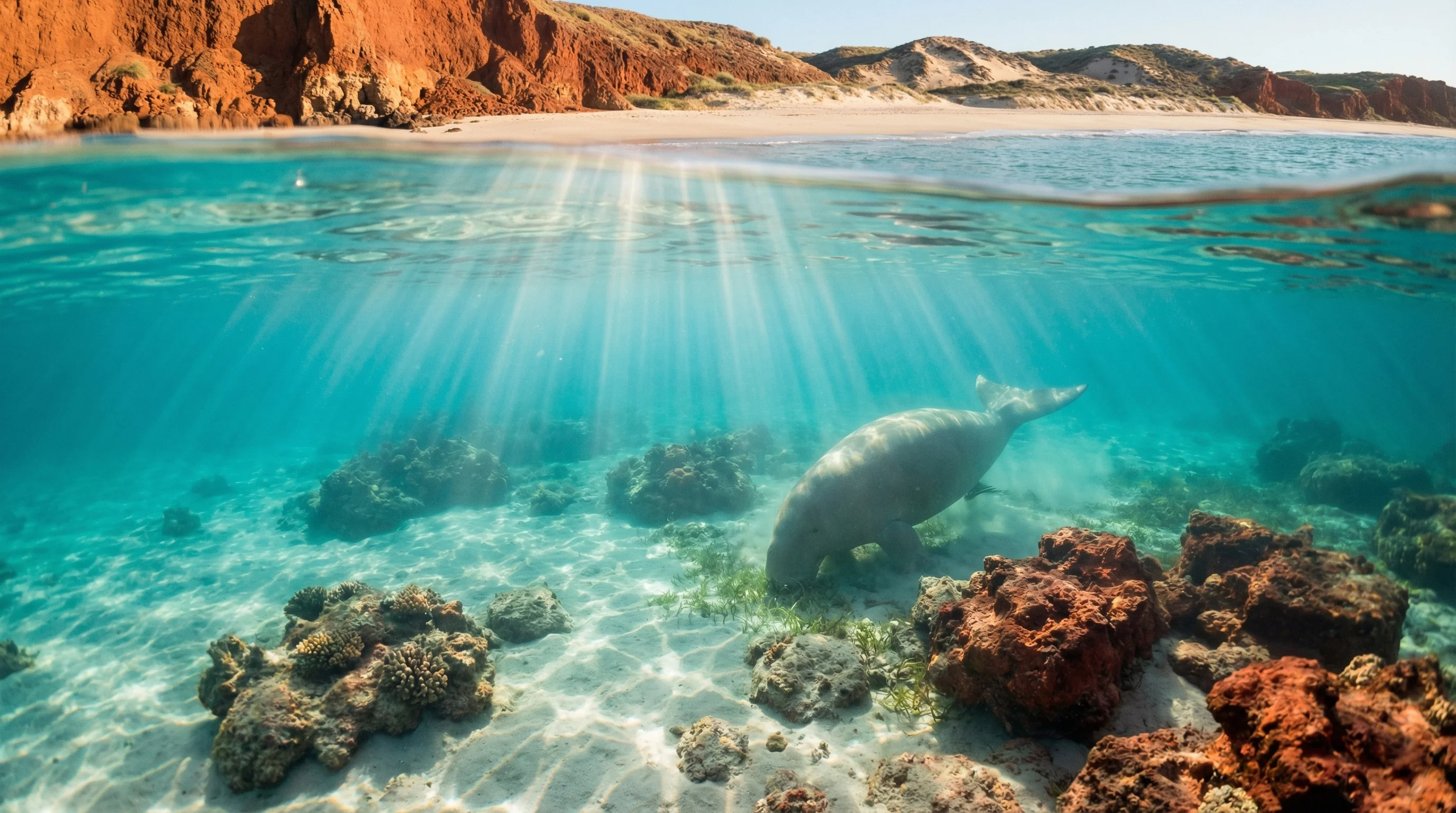
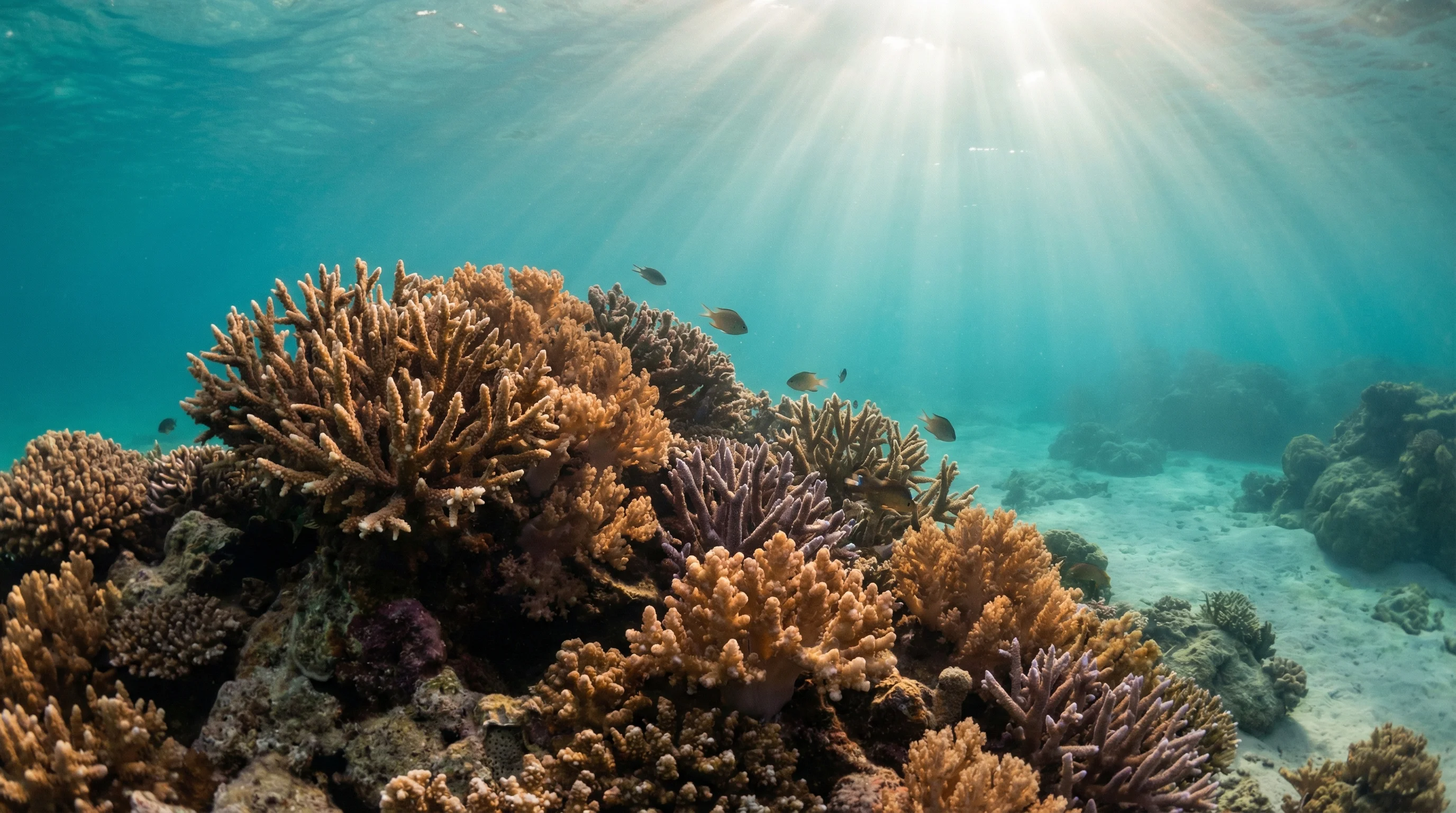
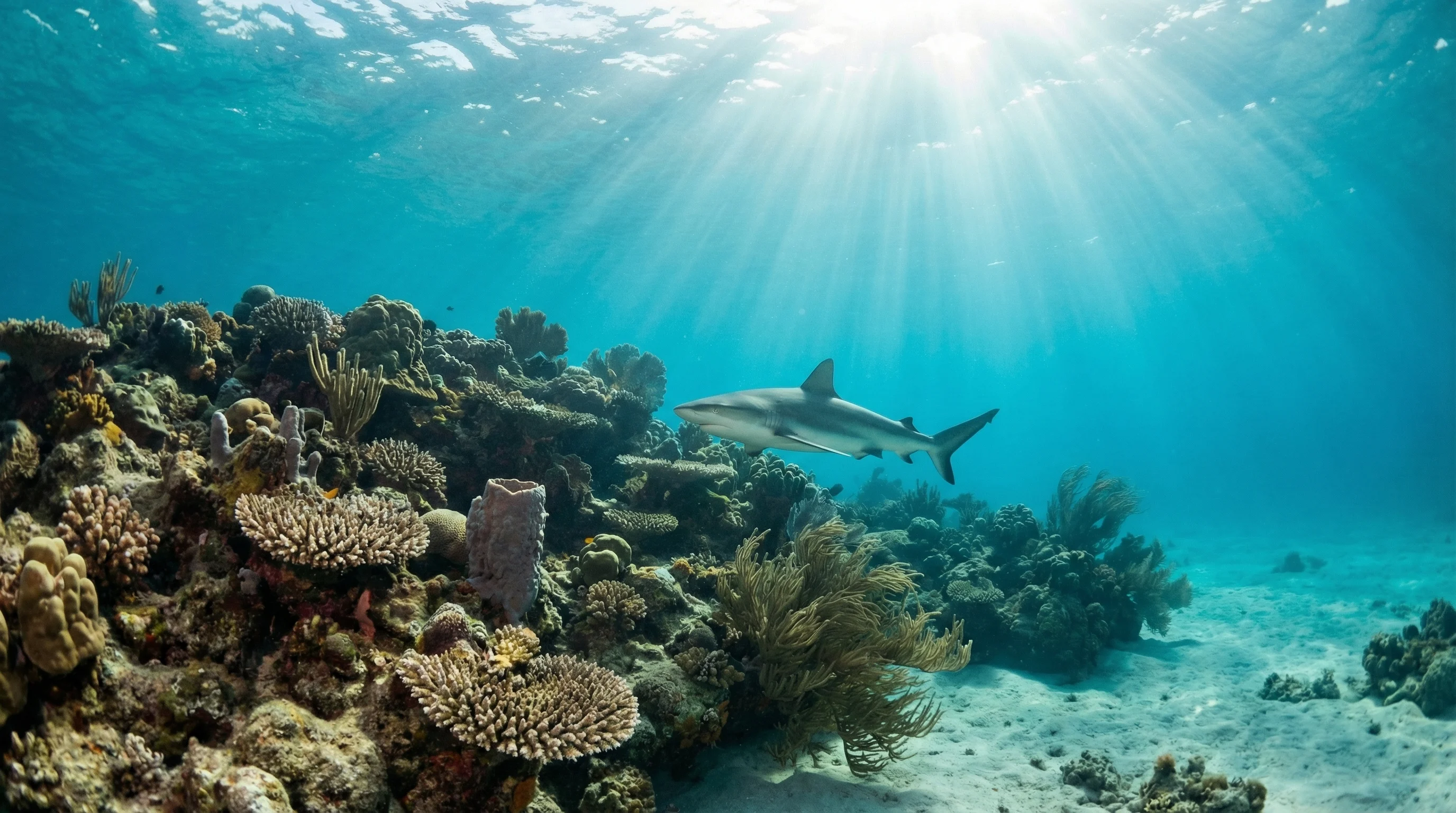
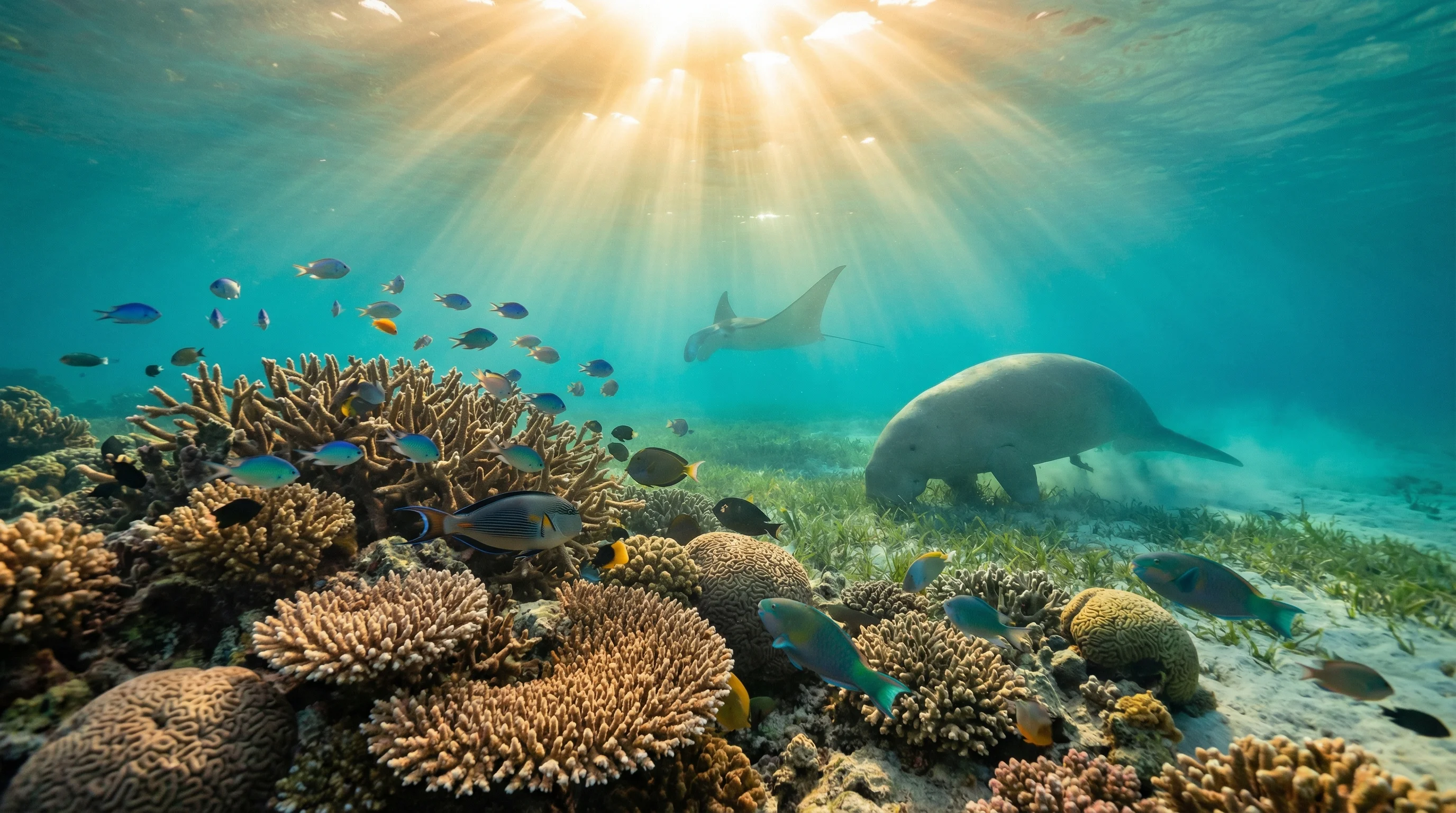
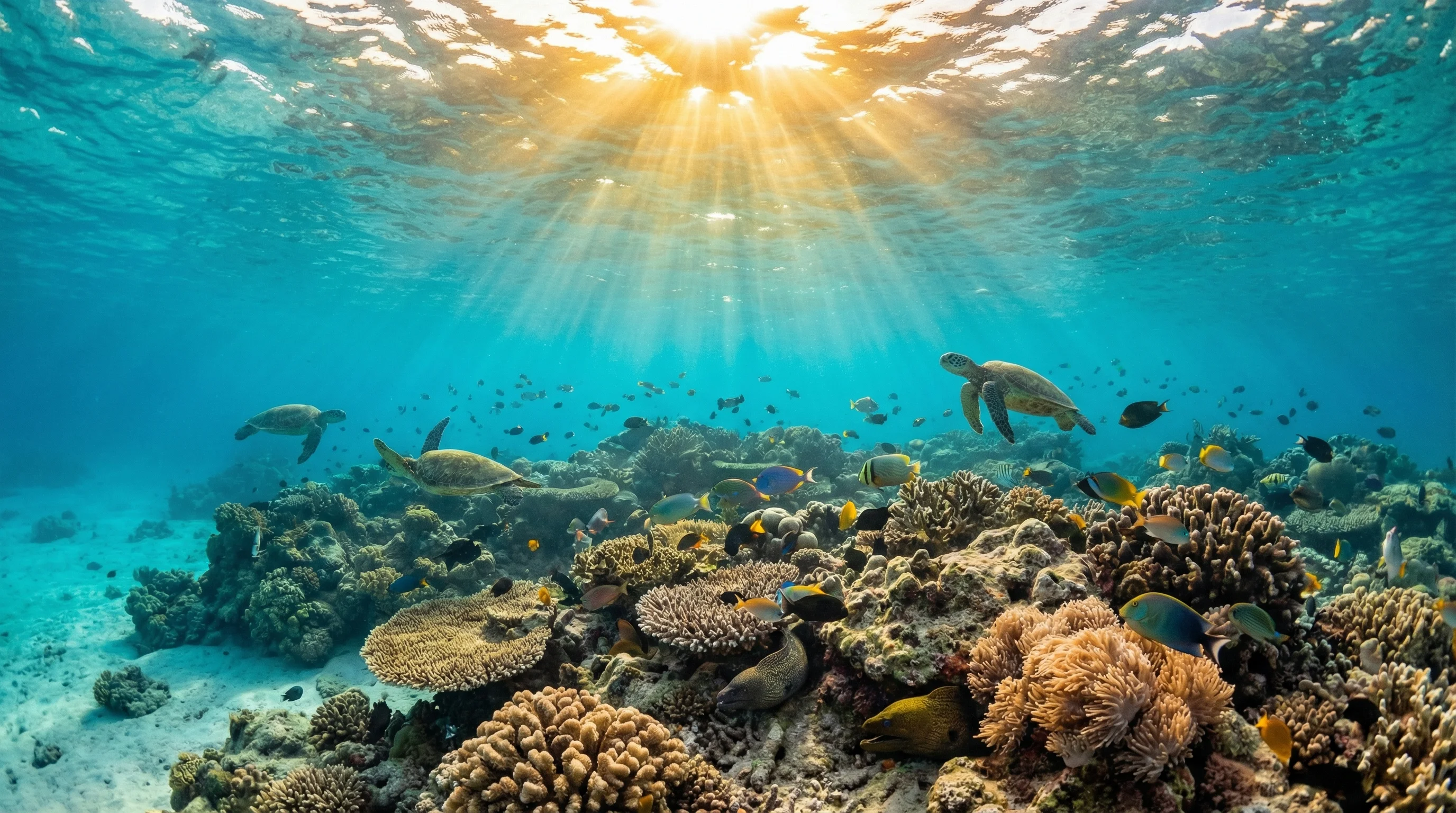
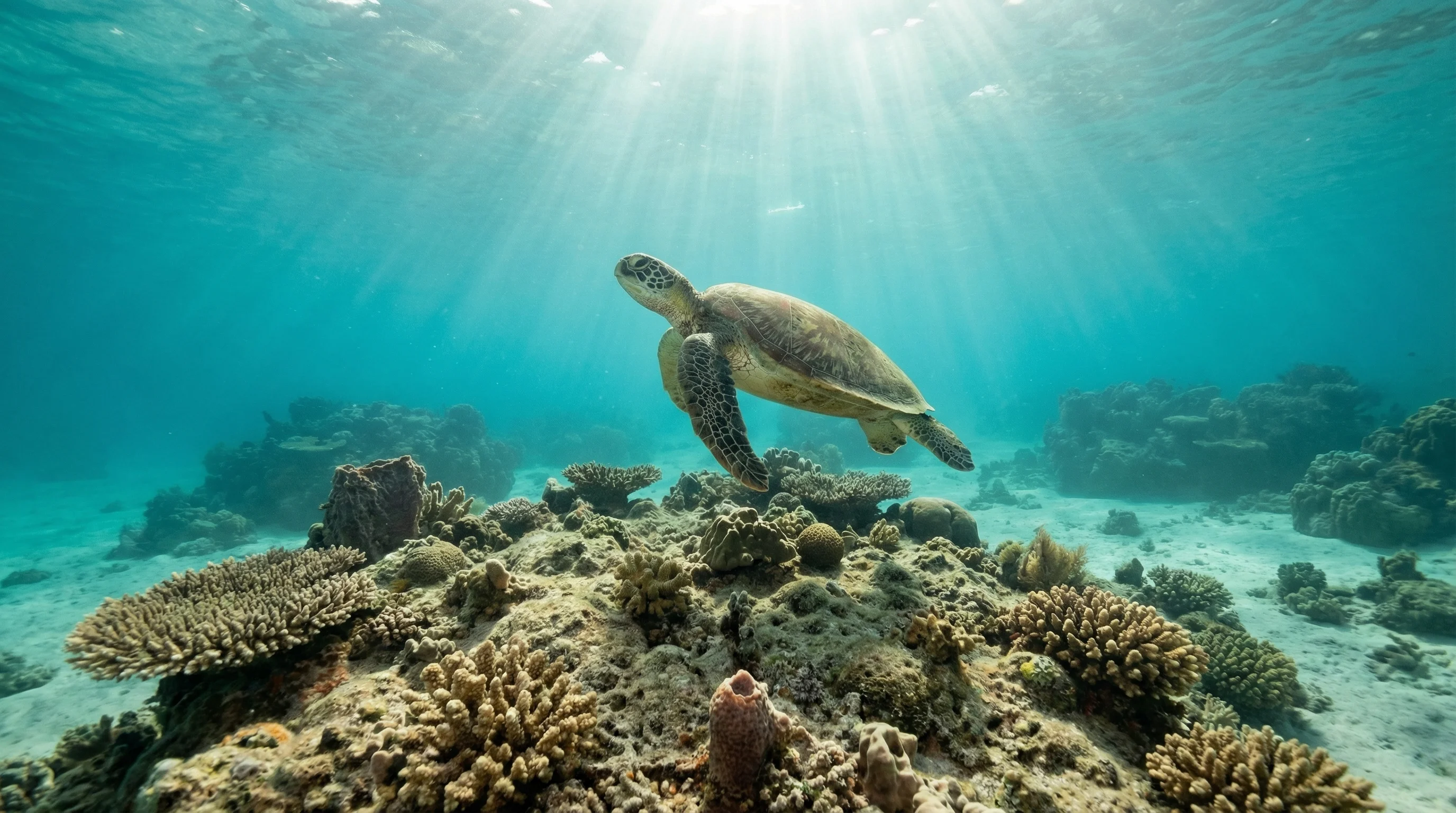
Lonely Beach, or Ŋalarrk, is a shallow shore entry site located near Nhulunbuy. This site is suitable for beginners and snorkellers, offering mild currents and gentle waves. The habitat supports a variety of reef fish and invertebrates typical of the Arnhem Land region. Facilities at the site include parking and showers. Visitors should be aware of significant hazards, including the potential presence of crocodiles, sharks, and jellyfish. It is strongly recommended to snorkel only under the supervision and guidance of local Yolŋu hosts. Visibility can shift significantly, so checking local conditions before entry is advised. Night snorkelling is possible, with bioluminescent plankton occasionally visible in the shallows.
-12.25000, 136.82000
The best window runs from June through October when conditions tend to be calmer and wildlife sightings more reliable. Check locally for current conditions before you head in, as visibility can shift significantly.
Access to this sacred site is only possible through organised tours with Bawaka Experience, an Aboriginal-owned and operated business. A 4WD vehicle is required for the one-and-a-half-hour drive from Nhulunbuy, which includes some sand driving.
Expected in this region. No sightings logged here yet.
Skill Level
Beginner
Entry
Shore
Water Temp
25-30°C
Current
Mild
Best Time
Jun, Jul, Aug, Sep, Oct
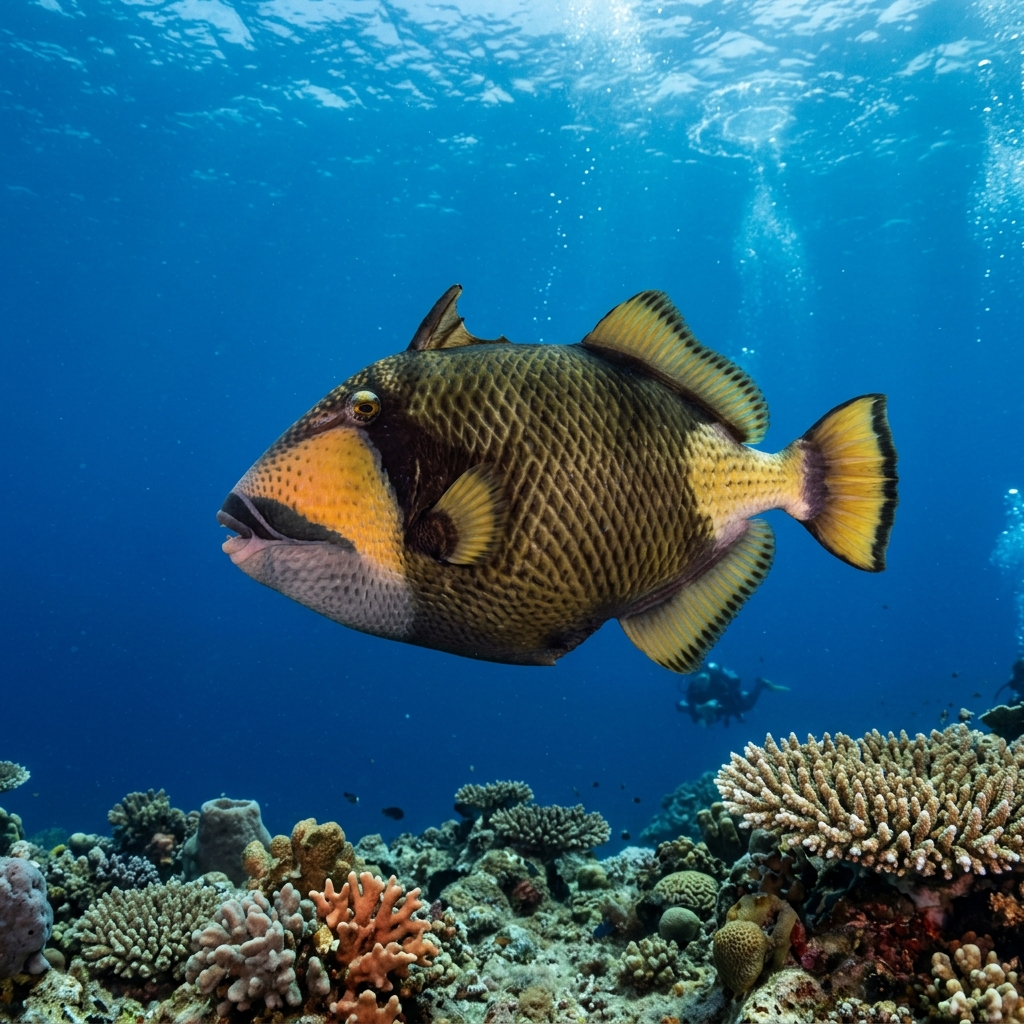
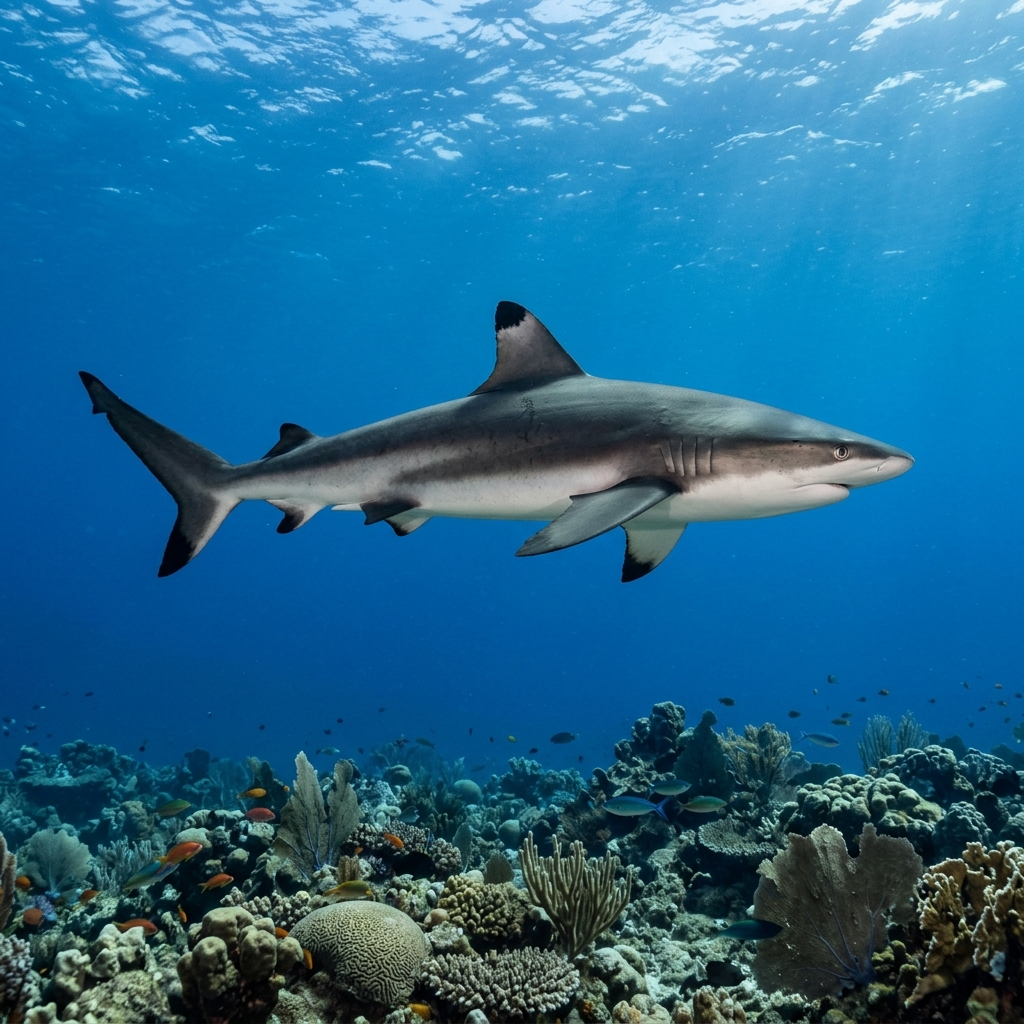
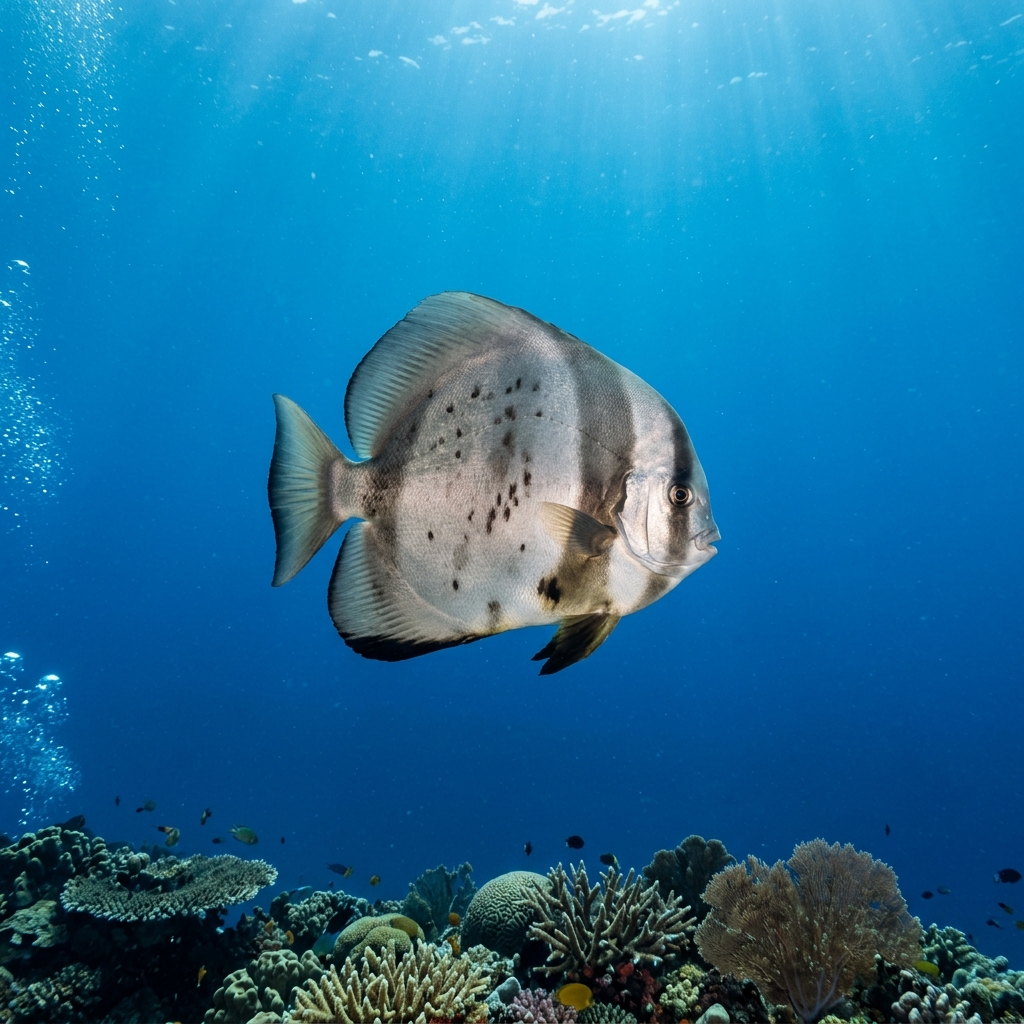
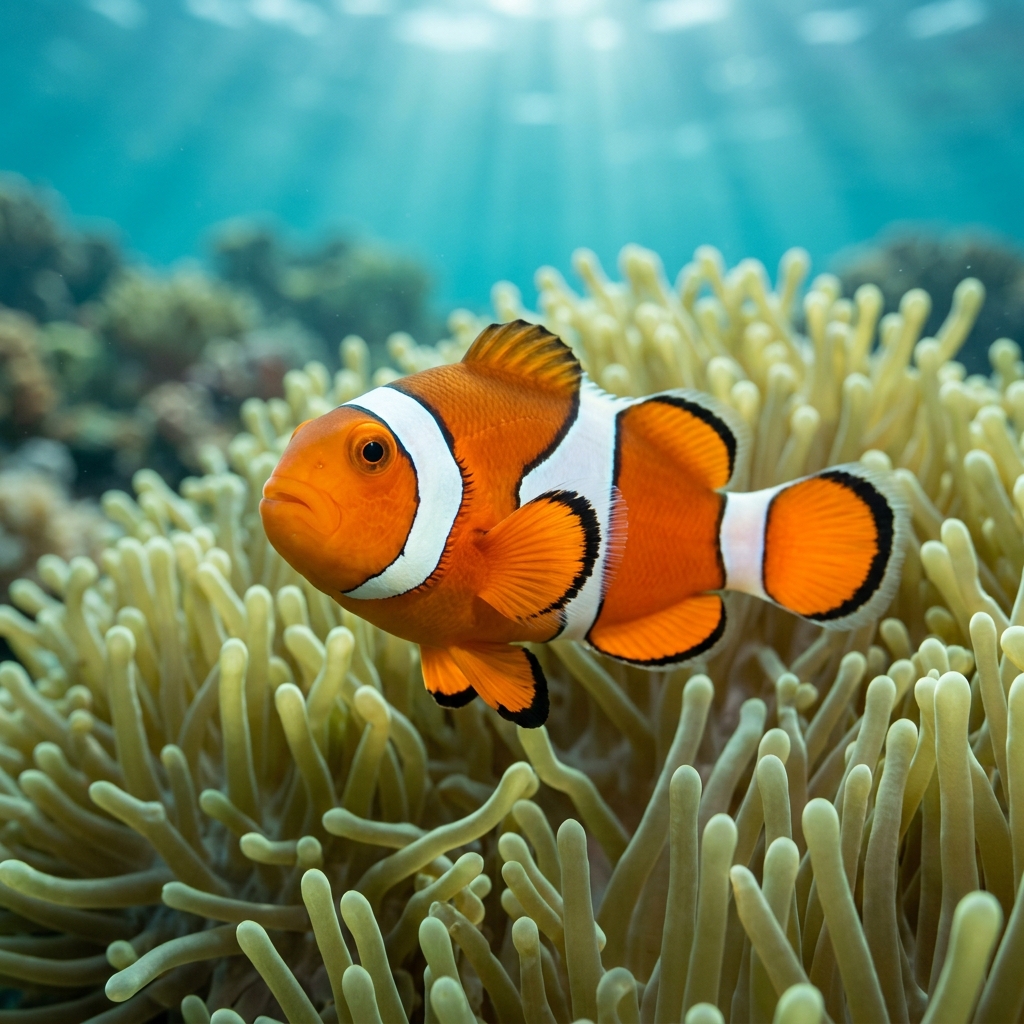
The habitat supports a range of regional reef fish and invertebrates. While specific species are expected for this habitat, sightings are not confirmed.
Yes, the site is considered suitable for beginners due to its shallow depth and mild currents.
Yes, Lonely Beach is a shore entry site accessible for snorkelling.
The best window for visiting is from June through October, when conditions are typically calmer.
The primary hazard is the potential presence of crocodiles. Other risks include sharks, jellyfish, and sharp coral. Always snorkel under the guidance of local Yolŋu hosts.
Lonely Beach (Ŋalarrk) in Nhulunbuy is a shore dive. Access to this sacred site is only possible through organised tours with Bawaka Experience, an Aboriginal-owned and operated business. A 4WD vehicle is required for the one-and-a-half-hour drive from Nhulunbuy, which includes some sand driving.
Yes, parking is available near Lonely Beach (Ŋalarrk). Arrive early during peak seasons as spaces can fill up quickly.
A 3mm wetsuit is recommended for diving at Lonely Beach (Ŋalarrk) in Nhulunbuy. Water temperatures range from 25°C to 30°C.
Lonely Beach (Ŋalarrk) in Nhulunbuy typically has mild currents that most divers can handle comfortably.