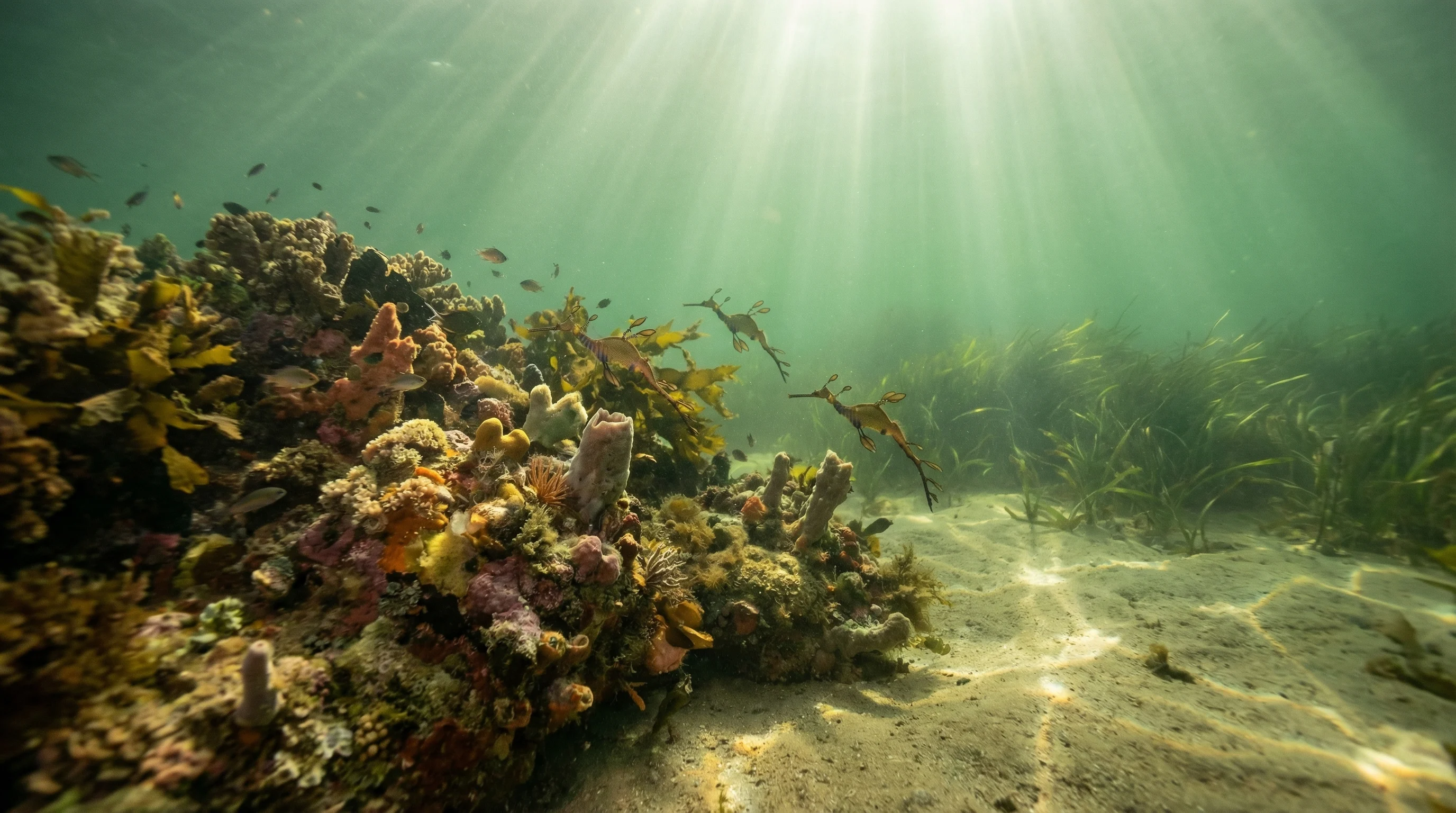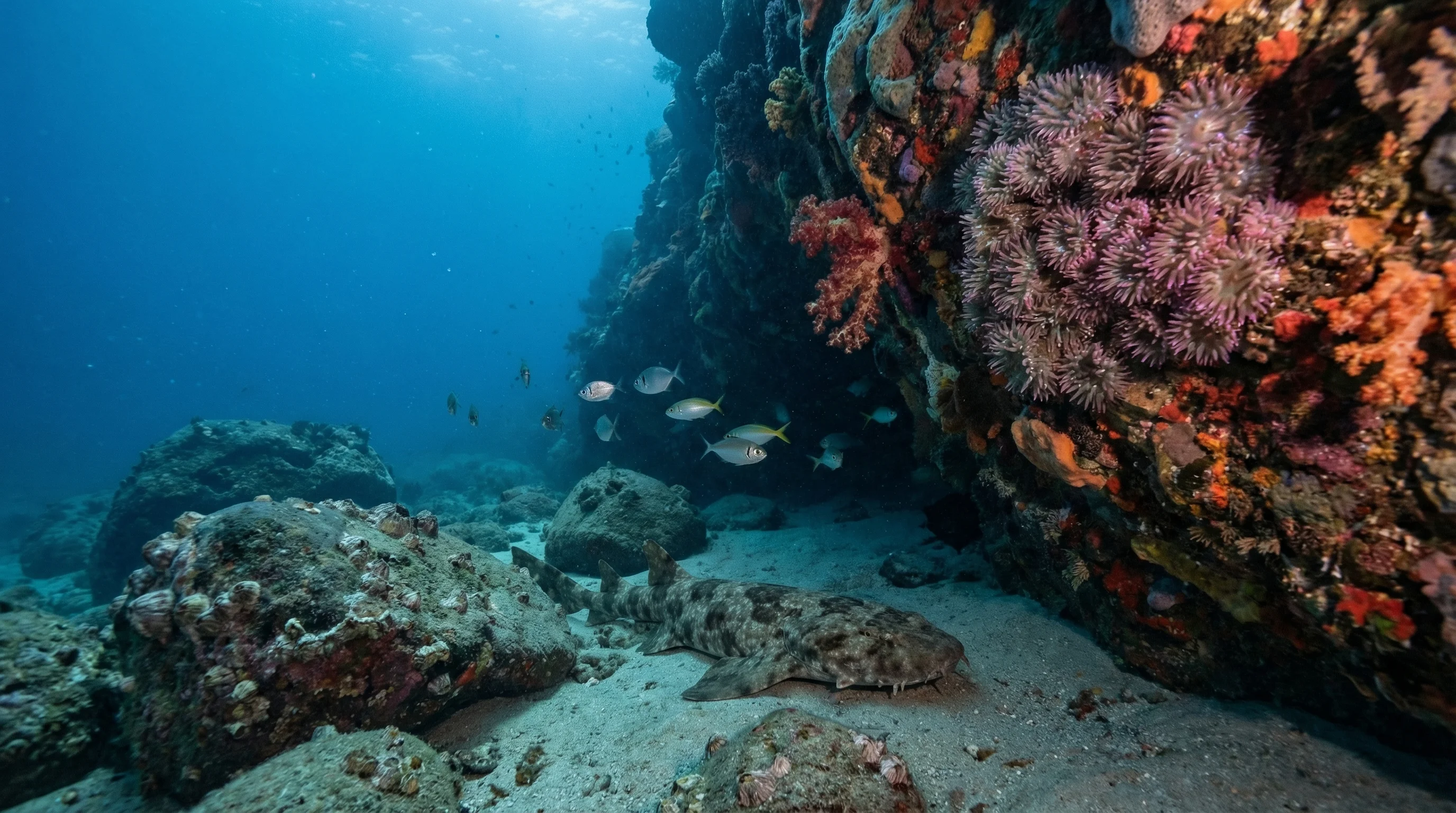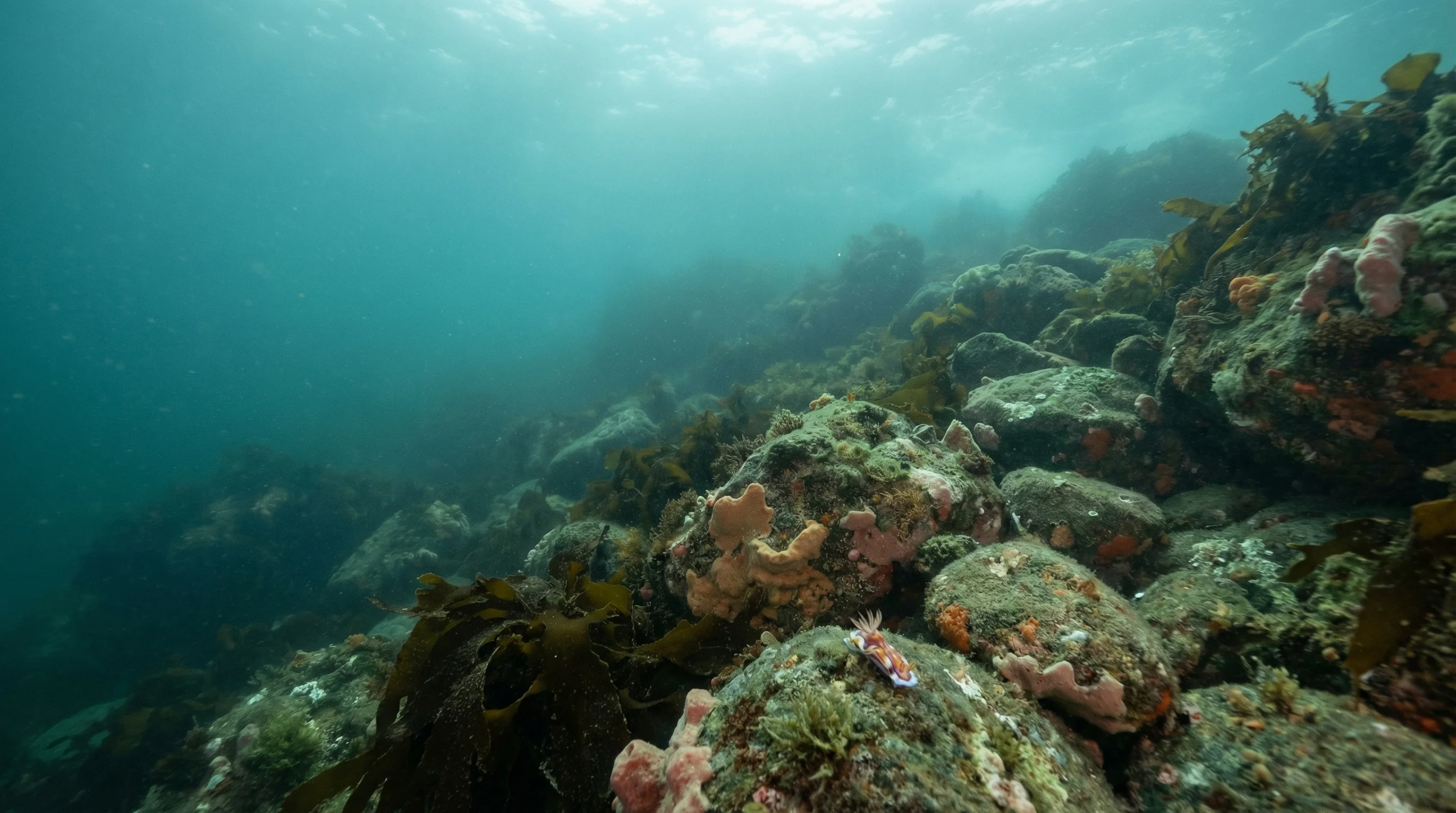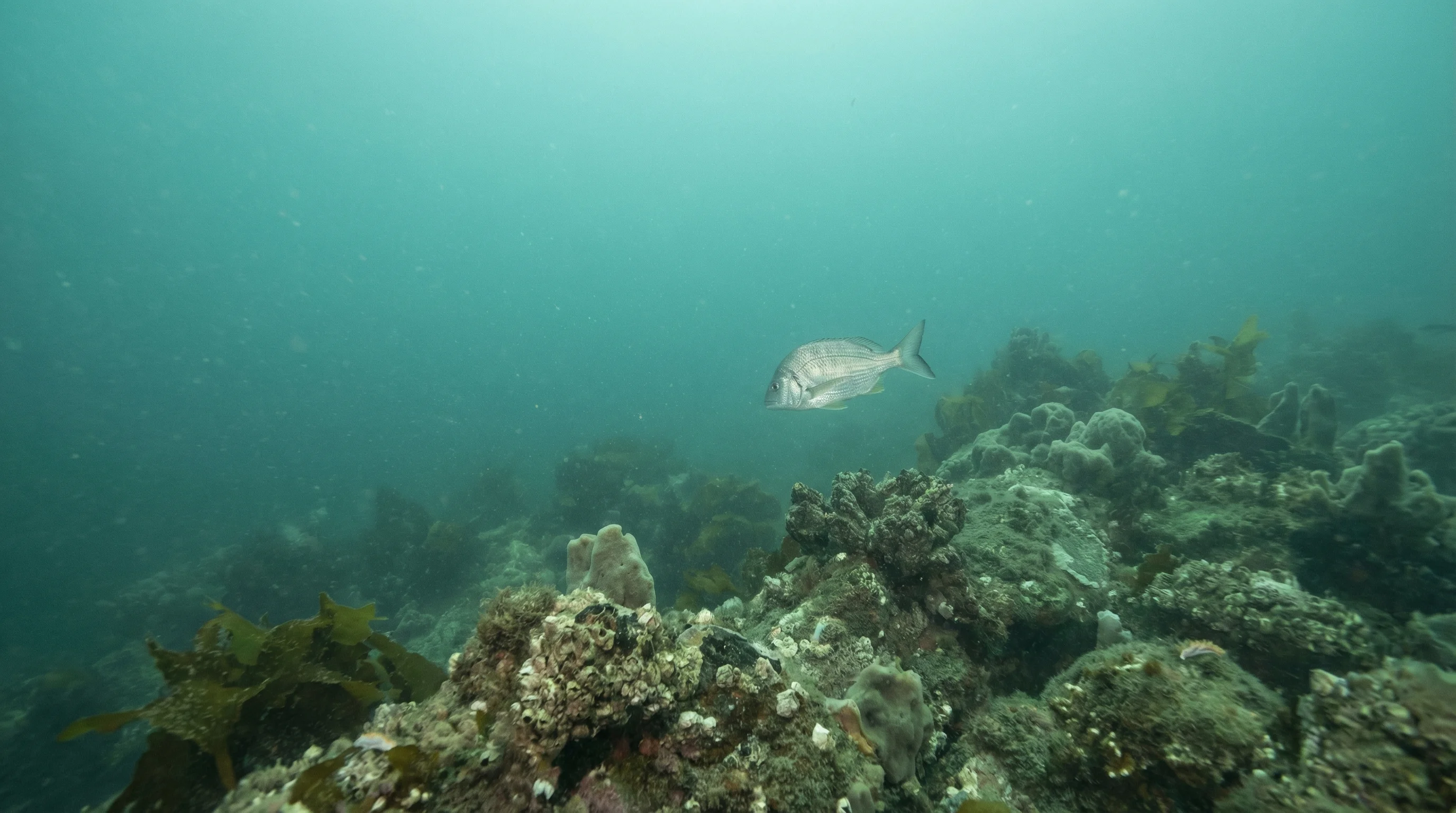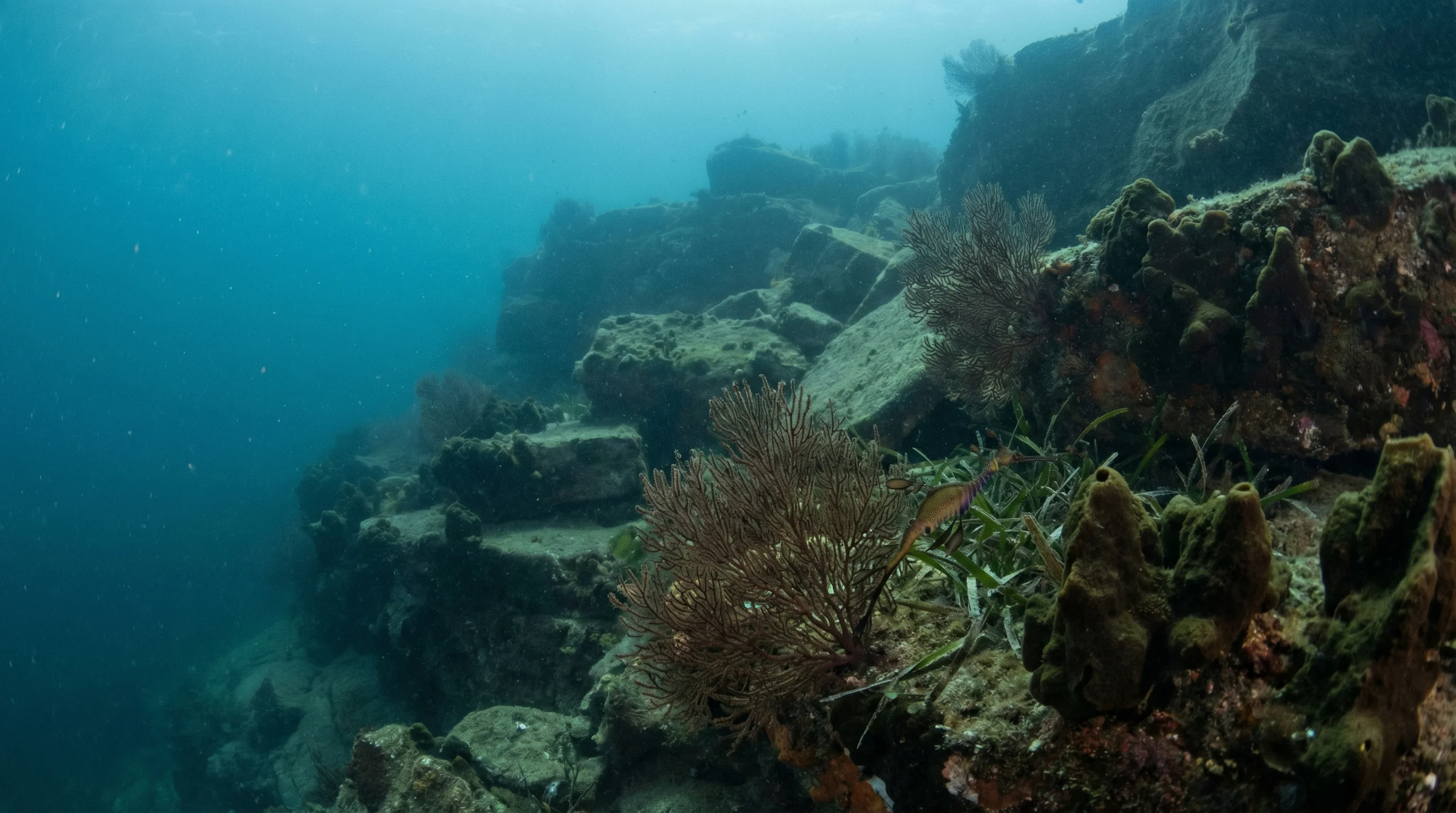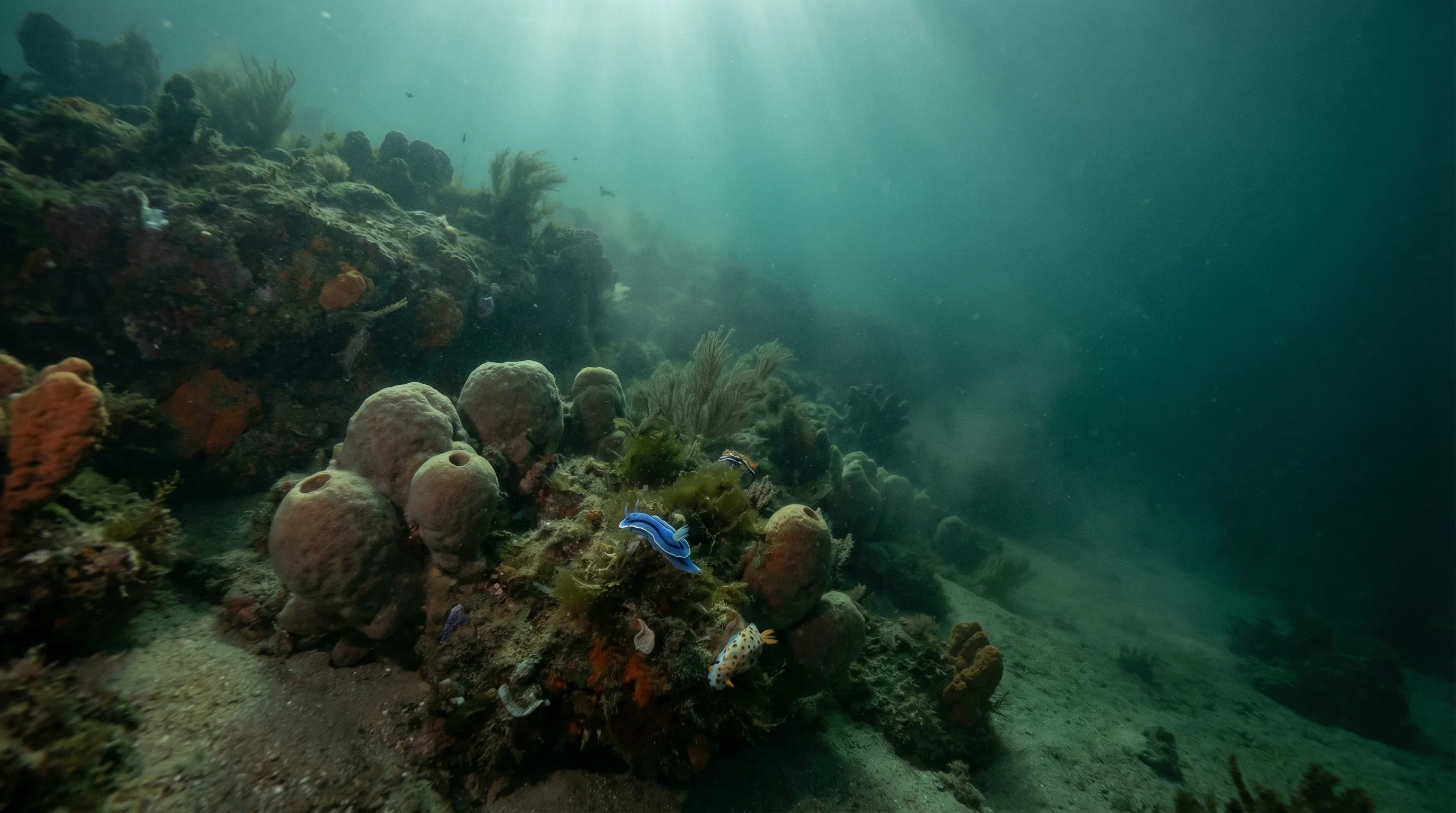
Spoon Bay is a shore dive off Wamberal that rewards divers who put in the effort to read the conditions before entering. Depths run from the shallows down to 18 metres across a reef system home to various reef species. Visibility typically falls between 5 and 10 metres. The site earns its intermediate rating through a combination of strong currents, rip currents, surge, and breaking waves at entry, all of which demand solid buoyancy control and situational awareness. Sharp coral adds another reason to move carefully. January through March generally offer the most settled conditions for this site.
-33.43700, 151.45000
Check the surf report and study the entry point carefully before committing, as shore conditions can change quickly and rip currents are a genuine hazard here. Timing your entry between sets and knowing your exit before you hit the water will make a significant difference.
Access info coming soon
Entry can be rough due to surf and rip currents; shuffle your feet when entering and exiting to avoid cuts from sharp coral and rocks. Be aware of strong currents and surge, and keep an eye out for sharks.
Depth
12-18m
Visibility
5-10m
Skill Level
Intermediate
Entry
Shore
Current
Strong
Best Time
Jan, Feb, Mar
Spoon Bay at Wamberal on the Central Coast of New South Wales requires intermediate snorkelling skills. The site presents challenges including strong currents, rip currents, and breaking waves that make it unsuitable for beginners. Snorkellers must be confident in variable ocean conditions and capable of managing surge and powerful water movement.
Spoon Bay offers shore entry from the beach at Wamberal, with no boat access required. Snorkellers should exercise caution when entering due to breaking waves and potential rip currents near the shore. The entry can be challenging, particularly in rougher conditions, so timing your entry between wave sets is essential.
Spoon Bay presents multiple hazards including strong currents, rip currents, breaking waves, and surge conditions. Additional dangers include sharp coral formations and jellyfish presence in the water. The combination of these hazards contributes to the site's intermediate difficulty rating and requires confident water skills.
The optimal months for snorkelling at Spoon Bay on the Central Coast are January, February, and March during the Australian summer. These months typically offer calmer conditions and better visibility, though snorkellers should still prepare for the site's characteristically strong currents. Always check local conditions before entering the water.
Spoon Bay offers visibility ranging from 5 to 10 metres, which is moderate for New South Wales coastal snorkelling. The visibility can vary significantly based on recent weather, swell conditions, and water movement. Surge and strong currents at the site can reduce visibility by stirring up sediment from the bottom.
Diving at Spoon Bay, Wamberal in Central Coast requires the following certifications: Open Water. Always dive within your training limits.
Spoon Bay, Wamberal in Central Coast has depths ranging from 12 metres to 18 metres.